




2016년 첫째 아이의 통학차량 사건을 계기로 창업에 뛰어든 한효승 전 리버스랩 대표. 안정적인 직장(인텔코리아)을 내려놓고, 아내의 조건부 허락 아래 시작한 도전은 퇴직금과 기술보증자금을 모두 잃을 뻔한 위기를 거쳐, 9년 만에 엑시트로 결실을 맺었다. 하지만 성공적인 매각 이후 더스윙과의 예상치 못한 결별까지, 그의 여정은 한국 스타트업 생태계의 명암을 고스란히 보여준다.
“창업은 세상에 던지는 문제제기”라는 그의 철학이 어떻게 현실이 됐는지 들었다.
“아! 더 늦기 전에 시작해봐야겠다.”
2015년, 인텔코리아에서 컴퓨터 비전 기반의 자율주행 기술을 연구하던 한효승 대표가 창업을 결심한 순간이다. 30대 중반을 넘어서며 “월급으로는 느린 성장밖에 못한다”는 현실적 판단과, 첫째 아이가 스포츠센터 통학차량에서 겪은 ‘사건’이 맞물린 결과였다.
그로부터 9년 후인 2024년, 한 대표는 자신이 창립한 옐로우버스를 더스윙에 매각하며 엑시트를 완성했다. 하지만 과정은 순탄하지 않았다. 퇴직금과 기술보증자금을 모두 잃을 뻔한 위기, 아내의 “마흔 살까지만 해보라”는 허락, 그리고 최근 더스윙과의 결별까지. 한효승 대표의 창업 여정은 스타트업 생태계의 명암을 고스란히 보여주는 축소판이다.
‘가정 설득’이라는 가장 어려운 IR
“가장 힘든 IR이 아니었을까 합니다.”
그가 창업 과정에서 가장 힘든 순간으로 꼽는 것은 다름 아닌 ‘가정 설득’이다. 안정적인 글로벌 기업 연구원 자리를 포기하고 창업에 뛰어들겠다는 남편을 이해하지 못하는 아내의 반응은 당연했다. 두 아이를 키우고 있고, 부모님께 의존할 수도 없던 상황이었다.
아내는 결국 조건부로 허락했다. “40살까지만 해보고 안 될 것 같으면 다시 재취업을 하라.” 감사하면서도 무거운 조건이었다. 4년 안에 ‘가능성’과 ‘성장’이라는 두 마리 토끼를 모두 잡아야 했기 때문이다.
“첫 창업이었고 아무것도 모르던 상황이라 가정을 지키기 위해서라도 무조건 성공해야 한다는 압박감이 엄청났죠.”
현실은 냉혹했다. 공동창업자들과 함께 시작한 첫 번째 사업은 실패했다. 옐로우버스가 아닌 버스 ERP 시스템인 ‘BERP’를 먼저 개발하기로 한 결정이 화근이었다. 충분한 사전조사나 교차검증 없이 다수결로 결정한 방향은 시장의 벽에 부딪혔고, 자금이 소진되어 가는 시점에서야 개발을 마칠 수 있었다.
공동창업자들은 사업 정리를 제안했지만, 한효승 대표는 포기할 수 없었다. “옐로우버스라는 비즈니스를 하기 위해 퇴사를 결심했던 만큼 그렇게 마무리하는 게 속상하고, 창피하면서, 분했습니다.” 결국 그는 기존 공동창업자들로부터 지분을 인수하고, 1인 기업 형태로 재시작했다. 기술보증기금 대출 1억원과 퇴직한 직원들의 퇴직금까지 책임져야 하는 마이너스 상황이었다.
한 대의 버스에서 시작된 검증
절망적인 상황에서 한효승 대표는 머릿 속을 현실로 만들기 위해 발로 뛰기 시작했다. 기존 알림서비스 업체들을 찾아다니며 아이디어를 팔았다. 그러다가 한 업체로부터 소프트웨어를 무료로 제공받아 버스공유서비스 구조를 만들었다. 이어 그는 분당 학원가에 전단지를 뿌리며 시장 검증에 나섰다.
“다행히 시장의 반응이 있었고 아내 명의로 은행에서 대출을 받아 버스를 대여하여 테스트를 돌리기 시작했었죠.”
한 대의 버스로 만든 지표를 바탕으로 사업계획서를 작성하고, 린스타트업 과정과 구글 런치패드 행사에 참여하며 IR 자료를 만드는 법을 배웠다. 그리고 대학동기인 김현우 대표(당시 리화이트 대표)의 소개로 AI엔젤클럽에서 첫 투자를 유치할 수 있었다.
옐로우버스가 추구한 핵심 가치는 ‘안전’과 ‘효율’의 조화였다. 한효승 대표는 “완전한 안전은 불가능하다”는 현실을 인정하면서도, “효율화를 통해 안전에 사용할 수 있는 리소스를 확보하면 보다 안전한 이동이 가능하다”는 결론에 도달했다.
학부모들의 탑승 여부 사전 입력 시스템과 동선 최적화 기술, 실시간 도착 알림 등을 통해 현장과 학원의 업무 효율을 높이는 동시에 학부모 신뢰를 확보하는 전략이었다. 이는 단순한 기술적 접근을 넘어 생태계 전반의 변화를 추구하는 접근법이었다.
엑시트, 그리고 예상치 못한 이별
코로나19와 금융위기로 어려움을 겪던 2024년, 한효승 대표는 더스윙으로부터 인수 제안을 받는다. 처음에는 “스윙이라는 브랜드가 옐로우버스가 추구하는 안전과는 다소 거리가 있다”며 거절했다. 하지만 김형산 더스윙 대표가 제시한 ‘사람 중심의 도시’라는 비전에 설득됐다.
“옐로우버스가 더 큰 시장으로 나아갈 시기라고 판단했고, 팀원들도 또 다른 환경에서 더 성장할 수 있을 것이라 생각해서 결단했었죠.”
매각이 성사됐지만, 한효승 대표와 더스윙의 동행은 오래가지 못했다. 인수 후 인사와 역할에 대한 상호 간 견해 차이가 발생했고, 그는 심적 이유와 더불어 교감신경질환 진단까지 받게 됐다. 결국 올해 3월 자리를 사임하고, 최근에는 외부 영업 계약마저 종료했다.
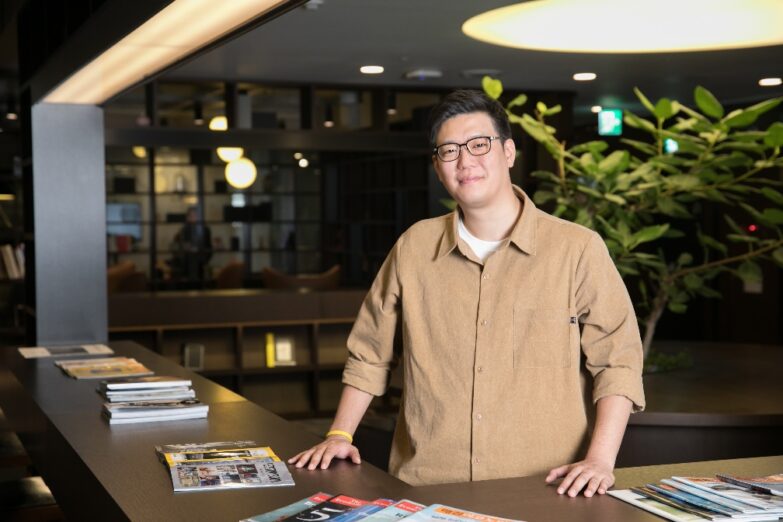
“회사 방침과 속도에 대한 견해 차이가 있었는지 그마저도 지금은 모두 관계가 정리됐어요. 언젠가 기회가 온다면 준비했던 네트워크를 통해 도움을 주고 받을 수 있겠죠.”
한효승 대표의 담담한 회고에서는 아쉬움보다 담담한 수용이 느껴진다. 창업자로서의 여정이 단순히 엑시트로 끝나는 것이 아님을 보여주는 대목이다.
9년간의 창업 여정을 마무리한 그는 창업에 대해 나름의 철학을 갖고 있다.
“창업이란 세상에 던지는 문제제기에서 시작한다고 생각해요. 그것을 어떻게 풀어야 한다는 솔루션을 주장하고 증명하는 과정이라고 생각합니다.”
그가 창업을 통해 이루고자 했던 것은 크게 두 가지다. 첫째는 솔직하게 “돈을 많이 벌고 싶었다”는 것이고, 둘째는 “내가 있음에 세상이 조금 더 나아졌으면 하는 바람”이었다. 이 두 목표는 상충되는 것이 아니라 상호 보완적이라는 것이 신념이다.
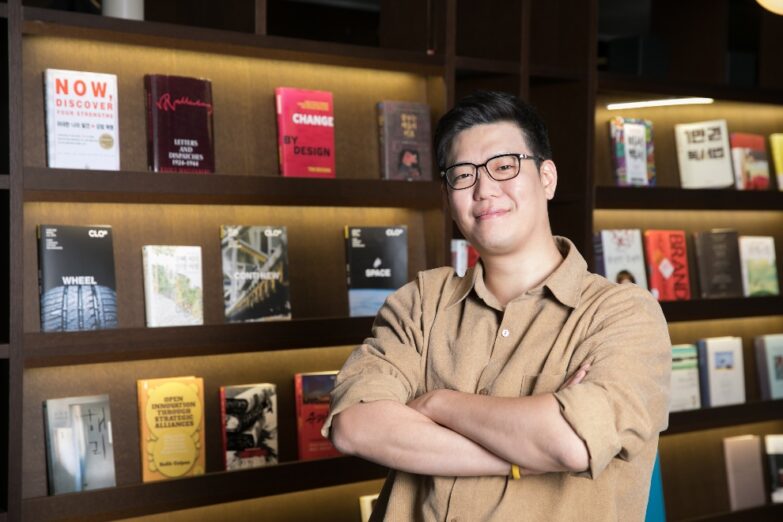
“가치를 추구하는 과정에서 ‘돈은 벌 수 있다’는 믿음이 제 마음 속에 새겨져 있죠.”
하지만 동시에 창업의 현실적 측면도 강조한다. “이상만을 쫓을 수는 없는 것 같습니다. 현실적으로 가족, 직원, 투자자의 자금, 정부지원금에 대한 책임을 져야 하는 만큼 보다 창업가는 현실적인 이상주의자가 돼야 하지 않을까요?”
현재 한효승 대표는 몇몇 회사의 컨설팅을 도우며 다음 단계를 준비 중이다. 그가 도운 회사 중 2곳은 M&A를 진행하고 있고, 2곳은 얼마전 투자유치에 성공했다. “다시는 창업을 하지 않겠다는 생각이 가득했습니다. 하지만 요즘은 좋은 기회하면 다시 시작해봐도 되지 않을까? 라며 스스로에게 되묻고 있죠.”
다음 도전이 시작된다면 이번에는 다른 접근을 할 계획이다.
“가치지향적이었던 옐로우버스와 다르게 돈이 돌아가는 레드오션 속의 블루오션을 찾고자 합니다.” 이상과 현실, 가치와 수익성 사이에서 균형점을 찾아온 창업가의 다음 행보가 주목된다.
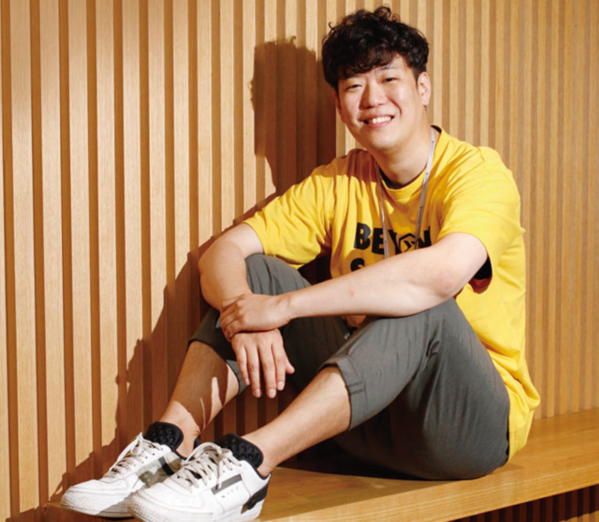
옐로우버스의 수장으로서의 여정은 끝났지만, 창업가 한효승의 이야기는 진행형이다. 두 딸의 아버지로서 시작한 작은 문제의식이 가치로 인정받기까지의 과정은, 한국 스타트업 생태계의 가능성과 한계를 동시에 보여주는 살아있는 교과서다.
The dream of a "yellow bus" drawn by a father of two daughters, entrepreneur Han Hyo-seung
Han Hyo-seung, former CEO of Reverse Lab, jumped into entrepreneurship in 2016 after his first child's school bus accident. He left his stable job (Intel Korea) and, with his wife's conditional permission, embarked on this venture. He nearly lost both his severance pay and technology guarantee funds, but after nine years, he finally exited. From a successful sale to an unexpected breakup with The Swing, his journey vividly illustrates the light and dark sides of the Korean startup ecosystem.
We heard how his philosophy that “entrepreneurship is about raising questions to the world” became reality.
“Ah! I should start before it’s too late.”
In 2015, Han Hyo-seung, who was researching computer vision-based autonomous driving technology at Intel Korea, decided to start a business. This decision stemmed from a practical realization that "with my salary, I can only achieve slow growth" as he entered his mid-30s, coupled with an incident his first child had experienced on the school bus at a sports center.
Nine years later, in 2024, CEO Han completed his exit by selling Yellow Bus, the company he founded, to The Swing. However, the journey was not without its challenges. He nearly lost both his severance pay and technology guarantee funds, his wife's warning to "keep it going until you're forty," and his recent breakup with The Swing. CEO Han Hyo-seung's entrepreneurial journey is a microcosm that vividly illustrates the light and dark sides of the startup ecosystem.
The most difficult IR is 'persuasion of family'
“I think it wasn’t the most difficult IR.”
He cites the most difficult moment in his startup journey as none other than persuading his family. It was understandable that his wife couldn't understand him giving up a stable research position at a global company to jump into entrepreneurship. She was raising two children and couldn't rely on her parents.
My wife finally gave me her consent, but with a condition: "Just try it until you're 40, and if it doesn't work out, try again." It was a stern, yet grateful, condition. Within four years, I had to kill two birds with one stone: "potential" and "growth."
“It was my first time starting a business and I knew nothing about it, so I felt a tremendous amount of pressure to succeed no matter what to protect my family.”
The harsh reality was stark. The first business I launched with my co-founders failed. The decision to develop "BERP," a bus ERP system, rather than Yellow Bus, was the root of the problem. This decision, made by majority vote without sufficient prior research or cross-validation, hit a wall in the market, and development was only completed when funding was running out.
The co-founders suggested winding down the business, but CEO Han Hyo-seung couldn't give up. "I had decided to resign to pursue Yellow Bus, so I was upset, ashamed, and angry about ending it like that." Ultimately, he acquired the shares from his co-founders and restarted as a one-man operation. He was in a precarious position, having to take on a 100 million won loan from the Korea Technology Finance Corporation and the severance pay of retired employees.
Verification started on one bus
In a desperate situation, CEO Han Hyo-seung began working hard to turn his vision into reality. He approached existing notification service providers to pitch his idea. Eventually, he received free software from one company and developed a bus-sharing service structure. He then began testing the market by distributing flyers in the Bundang academy district.
“Fortunately, the market responded, and I was able to borrow money from the bank in my wife’s name, rent a bus, and start testing it out.”
I developed a business plan based on metrics generated from a single bus, and learned how to create investor relations materials by participating in lean startup courses and Google Launchpad events. Furthermore, I was able to secure my first investment from the AI Angel Club thanks to an introduction from my college classmate, Kim Hyun-woo (then CEO of ReWhite).
Yellow Bus' core value was the balance of "safety" and "efficiency." While CEO Han Hyo-seung acknowledged the reality that "complete safety is impossible," he concluded, "Securing resources for safety through efficiency will enable safer transportation."
The strategy aimed to increase on-site and academy work efficiency while securing parent trust through a pre-registration system for parents, route optimization technology, and real-time arrival notifications. This approach went beyond simple technology and sought to transform the entire ecosystem.
Exit and an unexpected breakup
In 2024, amidst the challenges of COVID-19 and the financial crisis, CEO Han Hyo-seung received an acquisition offer from The Swing. Initially, he declined, arguing that the Swing brand was somewhat distant from the safety Yellow Bus pursues. However, he was persuaded by the vision of a "people-centered city" presented by The Swing CEO Kim Hyeong-san.
“We decided it was time for Yellow Bus to expand into a larger market, and we believed our team members would be able to grow further in a different environment.”
Although the sale was successful, CEO Han Hyo-seung's partnership with The Swing didn't last long. After the acquisition, differences arose regarding personnel and roles, and he was diagnosed with sympathetic nervous system disease, citing psychological reasons. Ultimately, he resigned in March of this year and recently terminated his external sales contract.
"There may have been differences of opinion about company policy and pace, but those have all been resolved. If the opportunity arises, we can leverage the network we've developed to help each other."
CEO Han Hyo-seung's calm reflections reveal a calm acceptance rather than regret. This passage demonstrates that the journey as an entrepreneur doesn't simply end with an exit.
Having completed his nine-year entrepreneurial journey, he has his own philosophy on entrepreneurship.
"I believe entrepreneurship begins with posing a problem to the world. It's a process of asserting and proving a solution to that problem."
He had two main goals in mind when starting his business. First, he honestly wanted to "make a lot of money." Second, he hoped "the world would become a better place because of me." He believes these two goals are not conflicting, but rather complementary.
“In the process of pursuing value, the belief that ‘money can be made’ is engraved in my heart.”
But at the same time, he emphasizes the practical aspects of entrepreneurship. "I don't think we can just pursue ideals. Given the responsibilities we face in supporting our families, employees, investors, and government subsidies, shouldn't entrepreneurs be more realistic and idealistic?"
CEO Han Hyo-seung is currently assisting several companies with consulting and preparing for their next steps. Two of the companies he's helped are undergoing M&A, and two others recently secured investment. "I used to think I'd never start a business again. But these days, I'm asking myself, 'If the right opportunity presents itself, wouldn't it be worth it to try again?'"
When the next challenge comes up, I plan to take a different approach.
"Unlike the value-oriented Yellow Bus, we seek to find a blue ocean within the red ocean where money flows." The next move of this entrepreneur, who has found a balance between ideals and reality, value and profitability, is drawing attention.
While his journey as the leader of Yellow Bus has ended, entrepreneur Han Hyo-seung's story continues. His journey from a small concern as a father of two daughters to recognition of its value is a living textbook illustrating both the potential and limitations of the Korean startup ecosystem.
二人の娘の父が描いた「黄色いバス」の夢、創業家ハン・ヒョスン代表
2016年最初の子供の通学車両事件をきっかけに創業に飛び込んだハン・ヒョスン元リバースラップ代表。安定した職場(インテルコリア)を下ろし、妻の条件付き許諾のもとに始まった挑戦は、退職金と技術保証資金の両方を失う明らかな危機を経て、9年ぶりにエクシットで結実を結んだ。しかし成功した売却以後、ダスウィングとの予想外の決別まで、彼の旅程は韓国スタートアップ生態系のコントラストをそっくり見せてくれる。
「創業は世に投げる問題提起」という彼の哲学がどのように現実になったか聞いた。
「あ!もっと遅くなる前に始めてみるべきだ」
2015年、インテルコリアでコンピュータビジョンベースの自律走行技術を研究していたハン・ヒョスン代表が創業を決心した瞬間だ。 30代半ばを超えて「月給では遅い成長しかできない」という現実的な判断と、最初の子供がスポーツセンターの通学車で経験した「事件」がかみ合った結果だった。
それから9年後の2024年、ある代表は自身が創立したイエローバスをダスウィングに売却して出口を完成した。しかし、プロセスは順調ではなかった。退職金と技術保証資金の両方を失う明らかな危機、妻の「四十歳までだけしてみろ」という許諾、そして最近ダスウィングとの決別まで。ハン・ヒョスン代表の創業旅程はスタートアップ生態系のコントラストをそっくり示す縮小版だ。
「家庭説得」という最も難しいIR
「一番大変なIRではなかったかと思います。」
彼が創業過程で最も大変な瞬間に挙げるのは相違ではない「家庭説得」だ。安定したグローバル企業研究員の座を放棄して創業に飛び込むという夫を理解できない妻の反応は当然だった。二人の子供を育てていて、両親に頼ることもできなかった状況だった。
妻は結局条件付きで許した。 「40歳までしてみてはいけないようなら再び再就職をしなさい」感謝しながらも重い条件だった。 4年以内に「可能性」と「成長」という2匹のウサギをすべて捕まえなければならなかったからだ。
「最初の創業であり、何も知らなかった状況だから家庭を守るためにも無条件に成功しなければならないという圧迫感がすごかったです。」
現実は冷酷だった。共同創業者たちと共に始めた最初の事業は失敗した。イエローバスではなく、バスERPシステムである「BERP」を先に開発することにした決定が華根だった。十分な事前調査や交差検証なしで多数決で決定した方向は市場の壁にぶつかり、資金が使い果たされていく時点でこそ開発を終えることができた。
共同創業者は事業整理を提案したが、ハン・ヒョスン代表は放棄できなかった。 「イエローバスというビジネスをするために退社を決心しただけに、そのように仕上げるのが続々と、恥ずかしがり、悔しかったです。」結局彼は既存の共同創業者から持分を買収し、一人企業の形で再始動した。技術保証基金融資1億ウォンと退職した職員の退職金まで責任を負わなければならないマイナス状況だった。
1台のバスで開始された検証
絶望的な状況でハン・ヒョスン代表は頭の中を現実にするために足を踏み始めた。既存のお知らせサービス企業を探し回り、アイデアを売った。その後、ある企業からソフトウェアを無料で提供され、バス共有サービス構造を作った。続いて彼は盆唐学園家にチラシを振りかけ、市場検証に乗り出した。
「幸いにも市場の反応があり、妻名義で銀行から貸し出しを受け、バスを貸し出してテストを回し始めました。」
1台のバスで作った指標をもとに事業計画書を作成し、リンスタートアップ過程やグーグルランチパッドの行事に参加し、IR資料の作り方を学んだ。そして大学同期のキム・ヒョヌ代表(当時リホワイト代表)の紹介でAIエンジェルクラブで初投資を誘致することができた。
イエローバスが追求した核心価値は「安全」と「効率」の調和だった。ハン・ヒョスン代表は「完全な安全は不可能だ」という現実を認めながらも、「効率化を通じて安全に使用できるリソースを確保すれば、より安全な移動が可能だ」という結論に達した。
親の搭乗可否事前入力システムと動線最適化技術、リアルタイム到着通知などを通じて現場と学園の業務効率を高めるとともに、親の信頼を確保する戦略だった。これは、単純な技術的アプローチを超えて生態系全体の変化を追求するアプローチでした。
出口、そして予期せぬ別れ
コロナ19と金融危機で困難を経験した2024年、ハン・ヒョスン代表はダスウィングから買収提案を受ける。最初は「スイングというブランドがイエローバスが追求する安全とは多少距離がある」と断った。しかし、キム・ヒョンサンダスウィング代表が提示した「人中心の都市」というビジョンに説得された。
「イエローバスがより大きな市場に進む時期だと判断し、チームメンバーもまた別の環境でさらに成長できると考えて決断しました。」
売却が実現したが、ハン・ヒョスン代表とダスウィングの同行は長く続かなかった。買収後、人事と役割に対する相互の見解の違いが発生し、彼は心的理由とともに交感神経疾患の診断まで受けた。結局今年3月の席を辞任し、最近は外部営業契約さえ終了した。
「会社方針とスピードに対する見方の違いがあったのかさえも、今はみんな関係が整理されています。
ハン・ヒョスン代表の淡々とした回顧では、物足りなさよりも淡々とした受け入れが感じられる。創業者としての旅が単にエクシットで終わるのではないことを示す主題だ。
9年間の創業旅程を終えた彼は創業についてそれなりの哲学を持っている。
「創業とは、世界に投げる問題提起から始まると思います。それをどのように解決しなければならないというソリューションを主張して証明する過程だと思います。」
彼が創業を通じて成し遂げようとしたことは大きく二つだ。最初は正直に「お金をたくさん稼ぎたかった」ということで、二つ目は「私がいることに世界がもう少し良くなってほしい風」だった。これら2つの目標は矛盾するのではなく、相互補完的であることが信念です。
「価値を追求する過程で「お金は稼げる」という信念が私の心の中に刻まれています。」
しかし、同時に創業の現実的な側面も強調する。 「理想だけを追うことはできないようです。現実的に家族、職員、投資家の資金、政府支援金に対する責任を負わなければならないほど、より創業者は現実的な理想主義者にならなければならないでしょうか?」
現在、ハン・ヒョスン代表はいくつかの会社のコンサルティングを支援して次の段階を準備中だ。彼が助けた会社のうち2社はM&Aを進めており、2社は先日投資誘致に成功した。 「再び創業をしないという考えがいっぱいでした。しかし、最近は良い機会だったら、もう一度やってみてもいいのではないでしょうか?」
次の挑戦が始まったら今回は別のアプローチをする計画だ。
「価値指向であったイエローバスと違ってお金が帰るレッドオーシャンの中のブルーオーシャンを探してみたいです。」理想と現実、価値と収益性の間でバランス点を訪れた創業者の次の歩みが注目される。
イエローバスの首長としての旅は終わったが、創業家ハン・ヒョスンの話は進行形だ。二人の娘の父として始まった小さな問題意識が価値として認められるまでの過程は、韓国スタートアップ生態系の可能性と限界を同時に見せる生きている教科書だ。
企业家韩孝胜绘制的“黄色巴士”之梦
Reverse Lab 前首席执行官韩孝升 (Han Hyo-seung) 于 2016 年第一个孩子的校车事故后投身创业。他辞去了稳定的工作(英特尔韩国),并在妻子有条件的同意下开始了这项事业。他几乎失去了遣散费和技术保障金,但九年后,他最终退出了。从成功出售到与 The Swing 的意外分手,他的创业历程生动地展现了韩国初创企业生态系统的光明与黑暗。
我们听到了他“创业就是向世界提出问题”这一理念如何变成现实。
“啊!我得趁现在还来得及。”
2015年,在英特尔韩国公司研究基于计算机视觉的自动驾驶技术的韩孝胜决定创业。这一决定源于他步入30多岁后意识到“以我的薪水,我只能缓慢成长”的现实,以及他的第一个孩子在体育中心乘坐校车时遭遇的事故。
九年后,也就是2024年,韩孝胜首席执行官将自己创立的公司Yellow Bus卖给了The Swing,正式退出创业圈。然而,这段旅程并非一帆风顺。他几乎失去了遣散费和技术保障金,妻子“坚持到四十岁”的告诫,以及最近与The Swing的分手。韩孝胜首席执行官的创业历程是一个缩影,生动地展现了创业生态系统的光明与黑暗。
最难的IR是“家人的说服”
“我认为这并不是最困难的 IR。”
他表示,创业历程中最艰难的时刻莫过于说服家人。妻子无法理解他放弃在跨国公司的稳定研究职位,转而创业,这完全可以理解。她当时正在抚养两个孩子,无法依靠父母。
妻子最终同意了,但提出了一个条件:“试试到40岁,如果不行,再试一次。” 这个条件很严厉,却又让我感激不尽。四年之内,我必须一举两得:“潜力”和“成长”。
“这是我第一次创业,对此一无所知,所以我感到了巨大的压力,无论如何我都要成功,以保护我的家人。”
残酷的现实令人唏嘘。我和联合创始人创办的第一家公司失败了。问题的根源在于,他们决定开发公交ERP系统“BERP”,而不是“Yellow Bus”。这个决定是在缺乏充分的事先调研和交叉验证的情况下,通过多数票做出的,最终在市场上遭遇了挫折,直到资金耗尽才得以完成开发。
联合创始人们建议逐步关闭公司,但首席执行官韩孝胜(Han Hyo-seung)无法放弃。“我已经决定辞职去经营Yellow Bus,所以对就这样结束感到沮丧、羞愧和愤怒。” 最终,他从联合创始人手中收购了股份,重新开始独自运营。他的处境岌岌可危,不得不承担韩国技术金融公司1亿韩元的贷款以及退休员工的遣散费。
一辆公交车已开始验证
在绝境中,首席执行官韩孝胜开始努力将自己的愿景变为现实。他联系了现有的通知服务提供商,向他们推销自己的想法。最终,他从一家公司获得了免费软件,并开发了一套巴士共享服务架构。之后,他开始在盆唐学院区分发传单,测试市场。
“幸运的是,市场做出了反应,我能够以我妻子的名义从银行借钱,租一辆巴士,然后开始测试。”
我根据单次公交车的指标制定了商业计划,并通过参加精益创业课程和Google Launchpad活动学习了如何制作投资者关系资料。此外,在大学同学金铉宇(时任ReWhite首席执行官)的介绍下,我获得了AI Angel Club的第一笔投资。
Yellow Bus的核心价值在于“安全”与“效率”的平衡。韩孝升社长虽然承认“绝对的安全是不可能的”这一现实,但总结道:“通过效率来确保安全所需的资源,才能实现更安全的交通。”
该策略旨在通过家长预登记系统、路线优化技术和实时到达通知,提高现场和学院的工作效率,同时赢得家长的信任。这种方法超越了简单的技术,旨在改变整个生态系统。
退出和意外的分手
2024年,在新冠疫情和金融危机的双重打击下,首席执行官韩孝升收到了The Swing的收购要约。起初,他拒绝了,认为Swing品牌与Yellow Bus追求的安全感有些距离。但The Swing首席执行官金亨山提出的“以人为本的城市”愿景最终说服了他。
“我们认为是时候让 Yellow Bus 进军更大的市场了,我们相信我们的团队成员能够在不同的环境中取得更大的成长。”
虽然出售成功,但代表韩孝胜与The Swing的合作关系并未持续太久。收购后,双方在人员和职责方面产生了分歧,韩孝胜还被诊断出患有交感神经系统疾病,理由是心理原因。最终,他于今年3月辞职,并于最近终止了对外销售合同。
“我们可能对公司政策和节奏存在意见分歧,但这些都已经解决了。如果有机会,我们可以利用已经建立的人脉网络互相帮助。”
韩孝胜代表的平静反思,与其说是后悔,不如说是坦然接受。这段话表明,创业之路并非以退出而告终。
走完九年创业历程的他,有着自己的创业哲学。
“我相信创业始于向世界提出一个问题。这是一个断言并证明该问题解决方案的过程。”
他创业时有两个主要目标。首先,他真心实意地想“赚很多钱”。其次,他希望“世界因为我而变得更美好”。他认为这两个目标并不冲突,而是相辅相成的。
“在追求价值的过程中,‘钱是可以赚到的’这个信念深深地刻在我的心里。”
但与此同时,他也强调创业的务实性。“我认为我们不能仅仅追求理想。考虑到我们肩负着养家糊口、养家糊口、养家糊口、养家糊口、养家糊口以及政府补贴的责任,创业者难道不应该更加务实、更加理想化吗?”
首席执行官韩孝升目前正在为多家公司提供咨询服务,为它们的下一步发展做准备。他帮助过的两家公司正在进行并购,另外两家最近获得了投资。“我以前以为自己再也不会创业了。但现在,我问自己:‘如果合适的机会出现,难道不值得再试一次吗?’”
当下一个挑战出现时,我计划采取不同的方法。
“与以价值为导向的黄色巴士不同,我们力求在金钱流动的红海中寻找蓝海。”这位在理想与现实、价值与收益之间找到平衡的创业者的下一步举动备受关注。
虽然作为Yellow Bus领导者的旅程已经结束,但企业家韩孝胜的故事仍在继续。他从一家小企业发展成为两个女儿的父亲,到最终认识到自身价值的历程,堪称一部活生生的教科书,展现了韩国创业生态系统的潜力与局限性。
Le rêve d'un « bus jaune » dessiné par un père de deux filles, l'entrepreneur Han Hyo-seung
Han Hyo-seung, ancien PDG de Reverse Lab, s'est lancé dans l'entrepreneuriat en 2016 après l'accident de bus scolaire de son premier enfant. Il a quitté son emploi stable (Intel Corée) et, avec l'accord conditionnel de sa femme, s'est lancé dans cette aventure. Il a failli perdre son indemnité de licenciement et son fonds de garantie technologique, mais après neuf ans, il a finalement abandonné. D'une vente réussie à une rupture inattendue avec The Swing, son parcours illustre avec brio les côtés positifs et négatifs de l'écosystème des startups coréennes.
Nous avons entendu comment sa philosophie selon laquelle « l’entrepreneuriat consiste à poser des questions au monde » est devenue réalité.
« Ah ! Je devrais commencer avant qu'il ne soit trop tard. »
En 2015, Han Hyo-seung, qui effectuait des recherches sur la technologie de conduite autonome basée sur la vision par ordinateur chez Intel Corée, a décidé de créer son entreprise. Cette décision est née d'un constat concret : « Avec mon salaire, je ne peux que progresser lentement », alors qu'il approchait de la trentaine, et d'un incident vécu par son premier enfant dans le bus scolaire d'un centre sportif.
Neuf ans plus tard, en 2024, le PDG Han a finalisé sa sortie en vendant Yellow Bus, l'entreprise qu'il avait fondée, à The Swing. Cependant, ce parcours n'a pas été sans embûches. Il a failli perdre son indemnité de départ et son fonds de garantie technologique, l'avertissement de sa femme de « continuer jusqu'à quarante ans » et sa récente rupture avec The Swing. Le parcours entrepreneurial du PDG Han Hyo-seung est un microcosme qui illustre avec brio les côtés positifs et négatifs de l'écosystème des startups.
L'IR la plus difficile est la « persuasion de la famille »
« Je pense que ce n’était pas l’IR le plus difficile. »
Il cite le moment le plus difficile de son aventure entrepreneuriale comme étant celui où il a réussi à convaincre sa famille. Il était compréhensible que sa femme ne comprenne pas qu'il abandonne un poste stable de chercheur dans une entreprise internationale pour se lancer dans l'entrepreneuriat. Elle élevait deux enfants et ne pouvait pas compter sur ses parents.
Ma femme a finalement donné son accord, mais à une condition : « Essaye jusqu'à 40 ans, et si ça ne marche pas, réessaye. » C'était une condition stricte, mais pleine de gratitude. En quatre ans, j'ai dû faire d'une pierre deux coups : « potentiel » et « développement ».
« C'était la première fois que je créais une entreprise et je n'y connaissais rien. J'ai donc ressenti une énorme pression pour réussir quoi qu'il arrive afin de protéger ma famille. »
La dure réalité était là. La première entreprise que j'ai lancée avec mes cofondateurs a échoué. La décision de développer « BERP », un système ERP pour bus, plutôt que Yellow Bus, était à l'origine du problème. Cette décision, prise à la majorité, sans recherche préalable suffisante ni validation croisée, s'est heurtée à un mur du marché, et le développement n'a été achevé qu'à l'épuisement des fonds.
Les cofondateurs ont suggéré de liquider l'entreprise, mais le PDG Han Hyo-seung n'a pas pu abandonner. « J'avais décidé de démissionner pour me consacrer à Yellow Bus, j'étais donc contrarié, honteux et en colère de l'avoir arrêtée ainsi. » Il a finalement racheté les parts de ses cofondateurs et a repris l'entreprise à son compte. Sa situation était précaire : il devait contracter un prêt de 100 millions de wons auprès de la Korea Technology Finance Corporation et payer les indemnités de départ des employés retraités.
La vérification a commencé sur un bus
Dans une situation désespérée, le PDG Han Hyo-seung a commencé à travailler dur pour concrétiser sa vision. Il a contacté des fournisseurs de services de notification existants pour leur présenter son idée. Finalement, il a reçu un logiciel gratuit d'une entreprise et a développé une structure de service de partage de bus. Il a ensuite commencé à tester le marché en distribuant des flyers dans le district scolaire de Bundang.
« Heureusement, le marché a réagi et j’ai pu emprunter de l’argent à la banque au nom de ma femme, louer un bus et commencer à le tester. »
J'ai élaboré un business plan basé sur des indicateurs générés par un bus unique et j'ai appris à créer des supports de relations avec les investisseurs en participant à des formations Lean Startup et à des événements Google Launchpad. De plus, j'ai pu obtenir mon premier investissement auprès de l'AI Angel Club grâce à la recommandation d'un camarade de classe, Kim Hyun-woo (alors PDG de ReWhite).
La valeur fondamentale de Yellow Bus était l'équilibre entre « sécurité » et « efficacité ». Bien que le PDG Han Hyo-seung ait reconnu l'impossibilité d'une sécurité totale, il a conclu : « Assurer la sécurité des ressources grâce à l'efficacité permettra un transport plus sûr. »
La stratégie visait à accroître l'efficacité du travail sur place et à l'académie tout en gagnant la confiance des parents grâce à un système de préinscription, une technologie d'optimisation des itinéraires et des notifications d'arrivée en temps réel. Cette approche allait au-delà de la simple technologie et visait à transformer l'ensemble de l'écosystème.
Sortie et rupture inattendue
En 2024, face aux défis posés par la COVID-19 et la crise financière, le PDG Han Hyo-seung a reçu une offre d'acquisition de The Swing. Il a d'abord décliné, arguant que la marque Swing était quelque peu éloignée de la sécurité recherchée par Yellow Bus. Il a cependant été convaincu par la vision d'une « ville centrée sur l'humain » présentée par Kim Hyeong-san, PDG de The Swing.
« Nous avons décidé qu'il était temps pour Yellow Bus de s'étendre sur un marché plus vaste et nous pensions que les membres de notre équipe seraient en mesure de se développer davantage dans un environnement différent. »
Malgré le succès de la vente, le partenariat du PDG Han Hyo-seung avec The Swing n'a pas duré longtemps. Après l'acquisition, des divergences sont apparues concernant le personnel et les rôles, et on lui a diagnostiqué une maladie du système nerveux sympathique, invoquant des raisons psychologiques. Il a finalement démissionné en mars de cette année et a récemment mis fin à son contrat de vente externe.
« Il y a peut-être eu des divergences d'opinion sur la politique de l'entreprise et le rythme de travail, mais elles ont toutes été résolues. Si l'occasion se présente, nous pourrons tirer parti du réseau que nous avons développé pour nous entraider. »
Les réflexions sereines du PDG Han Hyo-seung révèlent une acceptation sereine plutôt que des regrets. Ce passage démontre que le parcours d'un entrepreneur ne se résume pas à une simple sortie.
Après avoir terminé son parcours entrepreneurial de neuf ans, il a sa propre philosophie de l’entrepreneuriat.
« Je crois que l'entrepreneuriat commence par poser un problème au monde. C'est un processus qui consiste à affirmer et à prouver une solution à ce problème. »
Lorsqu'il a lancé son entreprise, il avait deux objectifs principaux. Premièrement, il voulait sincèrement « gagner beaucoup d'argent ». Deuxièmement, il espérait que « le monde deviendrait meilleur grâce à lui ». Il estime que ces deux objectifs ne sont pas contradictoires, mais plutôt complémentaires.
« Dans le processus de recherche de valeur, la croyance que « l’argent peut être gagné » est gravée dans mon cœur. »
Mais en même temps, il insiste sur les aspects pratiques de l'entrepreneuriat. « Je ne pense pas que nous puissions nous contenter de poursuivre des idéaux. Compte tenu des responsabilités qui nous incombent pour subvenir aux besoins de nos familles, de nos employés, de nos investisseurs et des subventions gouvernementales, les entrepreneurs ne devraient-ils pas être plus réalistes et idéalistes ? »
Le PDG Han Hyo-seung accompagne actuellement plusieurs entreprises en les conseillant et en les préparant à leurs prochaines étapes. Deux d'entre elles sont en cours de fusion-acquisition, et deux autres ont récemment obtenu un investissement. « Avant, je pensais ne plus jamais créer d'entreprise. Mais aujourd'hui, je me demande : "Si l'occasion se présente, ne vaudrait-il pas la peine de réessayer ?" »
Lorsque le prochain défi se présentera, je prévois d’adopter une approche différente.
« Contrairement au Bus Jaune axé sur la valeur, nous cherchons à trouver un océan bleu au sein de l'océan rouge où l'argent circule. » La prochaine étape de cet entrepreneur, qui a trouvé un équilibre entre idéaux et réalité, entre valeur et rentabilité, attire l'attention.
Si son parcours à la tête de Yellow Bus est terminé, l'histoire de l'entrepreneur Han Hyo-seung continue. Son parcours, d'une petite entreprise avec deux filles à la reconnaissance de sa valeur, est un exemple vivant illustrant à la fois le potentiel et les limites de l'écosystème des startups coréennes.
You must be logged in to post a comment.