




재활치료에서 중요한 것은 빈도다. 뇌가소성을 최대한 활용해 잃었던 기능을 되찾으려면 훈련량이 필수다. 그러나 현실은 녹록지 않다. 한 번의 재활 비용이 부담스러워 환자들은 빈도를 줄이고, 최적의 훈련량을 채우지 못한다. 뇌졸중 후 말문이 막힌 어르신, 발음이 부정확해 놀림받는 아이, 보청기를 껴도 자음을 구별 못 하는 난청인. ‘말’의 장벽은 높고, 그 앞에서 좌절하는 사람은 많다.
이윤진 말과학놀이터 대표가 만든 AI 언어치료 솔루션 ‘뉴로톡’과 ‘포노히어’는 디지털 자동화로 1:1 대면 치료 대비 10분의 1 가격을 구현했다. 집에서, 매일, 스스로 연습할 수 있게.
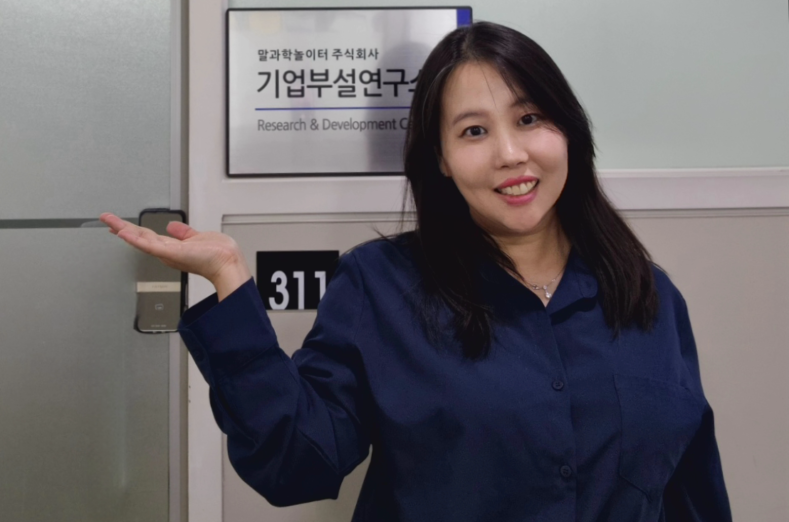
“제 아이가 말하지 못하는 동안, 저는 6년간 병원을 다녔죠.”
이윤진 대표는 현직 한의사다. 언어치료학과 행동치료학을 복수전공했지만, 진짜 배움은 병원 대기실에서 시작됐다. 발달장애를 가진 자녀를 키우며 6년간 재활치료를 오간 경험이 창업 계기가 됐다.
“뇌가소성을 최대한 이용해 잃었던 기능을 되찾고, 새로운 기능을 배우려면 훈련량이 필수적으로 받쳐줘야 해요. 그런데 재활 시장에서는 환자들이 한 번의 재활 비용이 부담스럽죠. 그래서 빈도를 올리지 못하고 최선의 예후를 위한 최적의 훈련량을 채우지 못하는 경우가 대부분이죠.”
문제 해결의 방향은 명확했다. 언어재활의 접근성을 향상시키고 비용 부담을 해결하는 것. 이윤진 대표는 디지털 자동화에서 답을 찾았다.
난관은 장애인 음성 데이터 수집과 정확한 인식 기술 개발이었다. 뇌졸중이나 치매 환자의 발화 특성은 일반인과 다르다. 기존 음성 인식 기술로는 한계가 명확했다.
“기존 기술로는 안 됐습니다. 그래서 자체적으로 AI를 학습시켜 디지털 의료기기에 적합하도록 장애인 음성을 제대로 인식해서 오류를 잡아낼 수 있는 기술을 개발하고 있죠.”
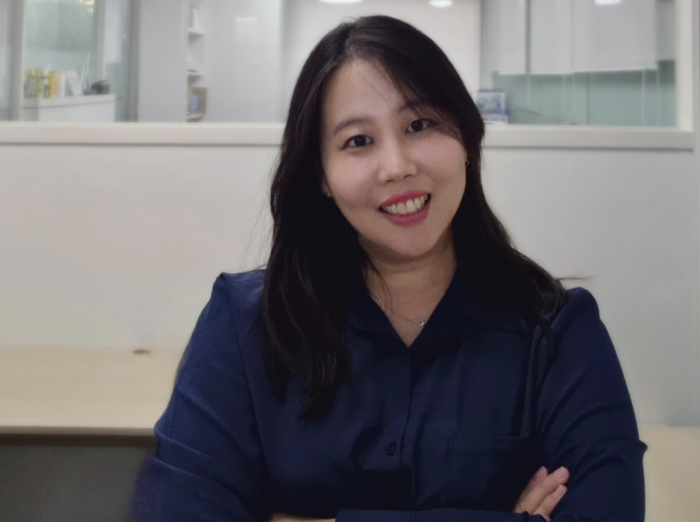
STT를 넘어, ‘듣기-인식-조음’ 전 과정을 통합하다
말과학놀이터의 핵심 차별점은 단순 음성 인식(STT)을 넘어섰다는 데 있다.
그는 ‘듣기-인식-조음’ 전 과정을 통합적으로 훈련하는 시스템을 구축했다. 장애인 음성 인식 기술 관련 특허를 출원 중이며, 발달장애 및 뇌병변 환자의 비정형 발화 패턴을 분석하는 독자 알고리즘을 개발했다.
“사용자가 꼭 필요한 발음 재활 교안만 선별적이고 집약적으로 제공할 수 있죠.”
초기에는 시장을 넓게 설정했다. 발달장애와 청각장애, 시니어까지 ‘다 도와야지’라는 마음이었다. 하지만 현장에서 깨달았다. 각 타깃이 필요로 하는 것이 완전히 다르다는 사실을.
“한 번에 잘하려다 보니 모두에게 미안해졌습니다. 작게 쪼개 다시 설계했죠. 청각 쪽은 장애음 STT로 자음 분별부터, 발달장애는 짧고 반복 가능한 발화 루틴, 시니어는 집에서 10~20분 유지 가능한 인지·언어 루틴처럼요.”
또 다른 교훈을 얻었다. 앱을 쓰는 사람(환자·보호자)과 비용을 지불하는 고객(병원·지자체·기관)이 다를 수 있다는 점이다.
“실사용자는 ‘오늘 무엇을 연습하면 되는지’가 중요하지만, 기관은 ‘어떻게 측정되고, 관리되는지’를 묻죠. 이 간극 때문에 전략을 맞추기가 쉽지 않았습니다. 그래서 사용자에게는 쉬운 루틴·칭찬 피드백·개인 기록에 집중하고, 기관에는 진행도 리포트·안전·개인정보 보호·도입 효과 지표를 따로 제공하는 방식으로 나눴죠.”
B2G에서 B2B2C로, 보험 적용까지
말과학놀이터의 수익 모델은 단계적으로 진화한다. 현재 정부·지자체 보건소와 연계된 프로그램으로 서비스를 제공하는 B2G 모델을 진행하면서 의료기기 인증을 추진 중이다.
“의료기기 인증이 완료되면 병원 처방 또는, 발달센터 및 재활센터 연계를 통한 B2B2C 형태로 진화할 예정입니다. 고객에게 개별적으로도 제공할 수 있는 에듀테크형 서비스를 따로 제공할 거에요.”
최종 목표는 디지털 치료기기 인증을 통한 보험 적용이다.
“우리 서비스가 보험 적용을 받게 돼, 더 많은 분들에게 도움이 됐으면 좋겠습니다.”
원광대 신경과에서 식약처 허가 하의 탐색형 임상시험을 진행할 예정이다. 또 B2G 확대를 위해 가천대 기반구축사업단, 인천 미추홀구 노인인력개발센터와 업무협약을 체결했다. 또 경도인지장애인과 노인성 난청인을 대상으로 서비스를 제공하며 임상 지표를 산출할 계획이다.
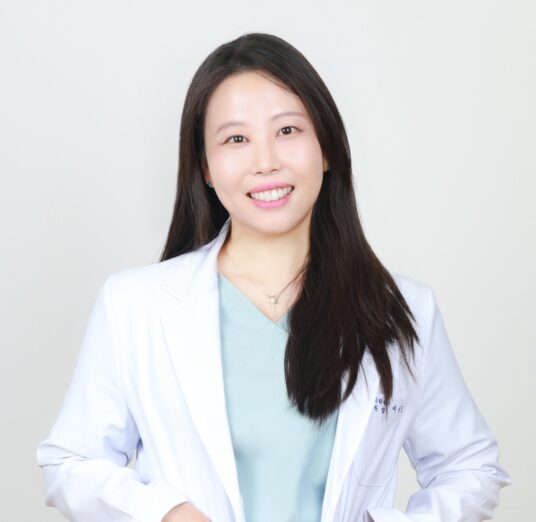
처음엔 다 도와야지 했지만, 이제 타깃별로 정확히 간다
‘공감에서 출발한 기술이 세상을 바꾼다’는 이윤진 대표의 경영철학은 명확하다. 의료 전문가이면서 동시에 당사자 부모라는 이중적 관점이 있어, 기술 개발 시에도 사용자 입장을 최우선으로 고려한다. 리더십 스타일은 현장 중심적이다. 팀원들과 함께 실제 사용자를 만나고, 그들의 목소리를 직접 듣는 것을 중요시한다.
“과정은 매끄럽지 않았지만, 매주 한 가지씩 사용자 목소리를 반영하며 버텼습니다. 거창한 약속보다 현장에서 통하는 작은 개선을 빠르게 반복하자 길이 조금씩 열렸습니다.” 이런 경험들이 조직문화를 만들었다.
“기술은 수단일 뿐, 실제 사용자의 삶의 변화가 우리의 성과라는 가치관을 팀 전체가 공유하고 있습니다.”
청각장애 및 난청 홈케어 앱 ‘포노히어’의 영어 버전을 올해 내 출시할 예정이다. 1차 목표 국가는 SLP 텔레세라피가 활발히 발달한 미국이다. 현지 맞춤화를 위해 각 국가별 언어치료 전문가들과 협업해 현지 언어 특성을 반영한 콘텐츠를 개발할 계획이다.
“주요 과제는 각국의 의료 규제 대응과 문화적 차이를 고려한 서비스 설계입니다.”
신사업으로는 시니어 케어 시장에 주목하고 있다. 코로나19로 비대면 재활 서비스의 필요성이 부각됐고, 말과학놀이터는 홈케어 중심 서비스를 강화하면서 전문가와 연계된 하이브리드 모델을 개발 중이다.
“뇌졸중, 치매 등으로 언어 기능이 저하된 어르신을 위한 ‘뉴로톡’을 통해 고령화 사회의 새로운 솔루션을 제시하고자 합니다.”
국내 시장 점유율 30%가 목표다.
우리는 가르치는 팀이 아니라, 함께 지나가는 팀입니다
‘뉴로톡’의 디지털의료기기 버전에 대해 식약처 인증을 준비 중이다. IRB 승인을 받아 임상시험을 진행하고 있으며, 의학적 효능을 입증하는 데이터를 축적하고 있다.
“과제는 효능 검증과 임상시험에 필요한 비용입니다. 이를 위해 정부 지원 사업에 적극 참여 중이에요. 그리고 의료기관과의 협업을 통해 임상 데이터를 확보하고 있죠.”
인터뷰를 마치며 이윤진 대표는 후배 창업자들에게 조언을 남겼다.
“처음에 시장을 넓게 잡았습니다. 발달장애와 청각장애, 시니어까지 ‘다 도와야겠다’는 마음이었죠. 그런데 현장에서 느낀 건, 각 타깃이 필요로 하는 것이 완전히 다르다는 사실이었습니다. 한 번에 잘하려다 보니 모두에게 미안해졌고, 그래서 작게 쪼개 다시 설계했습니다.”
그는 강조했다. “우리는 가르치는 팀이 아니라, 힘들었던 지점을 함께 지나가며 잘 듣고, 다시 말하게 되는 순간을 자주 만들기 위해 고쳐 나가는 팀이라는 것. 넓게 시작했지만, 이제는 타깃별로 맞춤형으로 천천히, 정확히 가겠습니다.”
10분의 1 가격. 그 벽을 낮춘 것은 단순한 비용 절감이 아니다. 가정에서, 매일, 스스로 연습할 수 있게 만든 것. 6년의 침묵이 만든 알고리즘은 ‘말’이라는 인간의 기본적인 권리를 되찾게 하는, 기술과 공감이 만난 혁신이다. 이윤진 대표의 여정은 진행 중이다. 넓게 시작했지만, 이제는 타깃별로 맞춤형으로. 천천히, 정확히.
"Getting Your Horse Back at 1/10 the Price," says Lee Yoon-jin, CEO of Horse Science Playground.
Frequency is crucial in rehabilitation therapy. To fully utilize neuroplasticity and regain lost functions, training volume is essential. However, the reality is challenging. The burden of a single rehabilitation session leads patients to reduce frequency and fail to achieve optimal training volume. Elderly people who struggle to speak after a stroke, children teased for their inaccurate pronunciation, and those with hearing loss who struggle to distinguish consonants even with hearing aids—the barrier to "speech" is high, and many find themselves frustrated by it.
"NeuroTalk" and "Phonohear," AI language therapy solutions developed by Lee Yoon-jin, CEO of Malhak Science Playground, utilize digital automation to deliver one-tenth the cost of face-to-face, one-on-one therapy. They enable patients to practice at home, every day, on their own.
“While my child was unable to speak, I went to the hospital for six years.”
CEO Lee Yoon-jin is a practicing Korean medicine doctor. She double-majored in speech therapy and behavioral therapy, but her real learning began in the hospital waiting room. Her six years of experience raising a child with a developmental disability and receiving rehabilitation treatment inspired her to start her own business.
"To fully utilize neuroplasticity to regain lost functions and learn new ones, a sufficient amount of training is essential. However, in the rehabilitation market, patients often find the cost of a single session burdensome. Consequently, they often fail to increase the frequency of their sessions and achieve the optimal training volume for the best prognosis."
The direction for solving the problem was clear: improving accessibility to language rehabilitation and addressing its cost burden. CEO Lee Yoon-jin found the answer in digital automation.
The challenge was collecting speech data from people with disabilities and developing accurate recognition technology. The speech characteristics of stroke and dementia patients differ from those of the general population. Existing speech recognition technology had clear limitations.
"Existing technology wasn't enough. So, we're developing technology that trains AI on its own to accurately recognize the voices of people with disabilities and detect errors, making it suitable for digital medical devices."
Beyond STT, integrating the entire process of "listening, recognition, and articulation."
The key differentiator of the Speech Science Playground is that it goes beyond simple speech recognition (STT).
He has developed a system that integrates the entire process of "listening, recognition, and articulation." He is currently applying for a patent related to speech recognition technology for the disabled and has developed a proprietary algorithm that analyzes the atypical speech patterns of patients with developmental disabilities and brain lesions.
“We can provide users with only the pronunciation rehabilitation materials they need, in a selective and focused manner.”
Initially, we targeted a broad market. We aimed to help everyone, from those with developmental disabilities and hearing impairments to seniors. However, we realized on the ground that each target group had completely different needs.
"I felt bad for everyone because I tried to do everything right all at once. So I broke it down into smaller pieces and redesigned it. For hearing, we started with consonant recognition through STT. For developmental disabilities, we started with short, repeatable speech routines. For seniors, we started with cognitive and language routines that can be maintained at home for 10 to 20 minutes."
Another lesson learned: the people using the app (patients and guardians) and the customers paying the fees (hospitals, local governments, and institutions) may be different.
"While actual users are concerned about 'what they should practice today,' organizations are concerned about 'how will it be measured and managed?' This gap made it difficult to align strategies. So, we divided the focus to users, focusing on easy-to-follow routines, complimentary feedback, and individual records, while providing organizations with progress reports, safety measures, privacy protections, and implementation effectiveness indicators."
From B2G to B2B2C, to insurance coverage
The revenue model for the Mal Science Playground is evolving in stages. Currently, we are pursuing medical device certification while implementing a business-to-government (B2G) model, providing services through programs linked to government and local health centers.
Once medical device certification is complete, we plan to evolve into a B2B2C model, offering hospital prescriptions or linking with development and rehabilitation centers. We will also offer separate edutech-style services that can be offered individually to customers.
The ultimate goal is insurance coverage through digital therapeutic device certification.
“I hope our service will be covered by insurance so that it can help more people.”
Wonkwang University's Department of Neurology plans to conduct an exploratory clinical trial under the Ministry of Food and Drug Safety's approval. Furthermore, to expand B2G, the company has signed a business agreement with the Gachon University Infrastructure Development Center and the Incheon Michuhol-gu Senior Human Resources Development Center. Furthermore, the company plans to provide services to individuals with mild cognitive impairment and age-related hearing loss and calculate clinical indicators.
At first I thought I had to help everyone, but now I go for each target precisely.
CEO Lee Yoon-jin's management philosophy is clear: "Technology born from empathy changes the world." With a dual perspective as both a medical professional and a parent, he prioritizes the user's perspective when developing technology. His leadership style is field-oriented, prioritizing meeting actual users with his team and hearing their voices firsthand.
"The process wasn't smooth, but we persevered by incorporating one user feedback item each week. Rather than making grand promises, we quickly iterated on small improvements that resonated with the field, and the path gradually opened up." These experiences shaped the organizational culture.
"The entire team shares the belief that technology is merely a means to an end, and that our success lies in the transformation of our users' lives."
The English version of "Phonohear," a home care app for the hearing impaired and hard of hearing, is scheduled to be released this year. The primary target country is the United States, where SLP teletherapy is actively developing. To tailor content to local needs, the company plans to collaborate with speech therapists in each country to develop content that reflects local language characteristics.
“The key challenge is designing services that take into account each country's medical regulations and cultural differences.”
As a new business, we are focusing on the senior care market. The COVID-19 pandemic has highlighted the need for non-face-to-face rehabilitation services, and Malgwahak Playground is strengthening its home care-focused services while developing a hybrid model that connects with experts.
"We aim to offer a new solution for our aging society through 'NeuroTalk,' which helps seniors with impaired language skills due to stroke, dementia, and other causes."
The goal is a 30% domestic market share.
We are not a teaching team, we are a passing team.
We are preparing for MFDS certification for the digital medical device version of Neurotalk. We are conducting clinical trials with IRB approval and accumulating data proving its medical efficacy.
"The challenge lies in the costs required for efficacy verification and clinical trials. To achieve this, we are actively participating in government-supported projects. We are also securing clinical data through collaboration with medical institutions."
At the end of the interview, CEO Lee Yoon-jin offered some advice to aspiring entrepreneurs.
"At first, I aimed for a broad market. I wanted to help everyone, from people with developmental disabilities and hearing impairments to seniors. However, what I realized on the ground was that each target group had completely different needs. Trying to do everything right at once made me feel bad for everyone, so I broke it down into smaller pieces and redesigned it."
He emphasized, "We're not a teaching team. We're a team that listens closely, goes through difficult moments together, and works to improve ourselves to create frequent moments of re-telling. We started broadly, but now we'll move slowly and precisely, tailoring our approach to each target."
One-tenth the price. Lowering that barrier isn't simply about cost savings. It's about enabling people to practice at home, every day, on their own. The algorithm, born from six years of silence, is an innovation where technology and empathy meet, restoring the fundamental human right to "speech." CEO Lee Yoon-jin's journey is ongoing. It started broadly, but now it's being tailored to each target. Slowly, accurately.
「1/10価格で「馬」を取り戻す」、イ・ユンジン馬科学遊び場代表
リハビリ治療で重要なのは頻度だ。脳可塑性を最大限活用して失った機能を取り戻すには、訓練量が必須だ。しかし現実は緑緑ではない。 1回のリハビリ費用が負担になり、患者は頻度を減らし、最適な訓練量を満たすことができません。脳卒中後、言葉が詰まったお年寄り、発音が不正確で驚かれる子供、補聴器を抱えても子音を区別できない難聴者。 「馬」の障壁は高く、その前で挫折する人は多い。
イ・ユンジン馬科学遊び場代表が作ったAI言語治療ソリューション'ニューロトーク'と'ポノヒーア'はデジタル自動化で1:1対面治療に比べ10分の1価格を実装した。自宅で、毎日、自分で練習できるように。
「私の子供が言うことができない間、私は6年間病院に通いました。」
イ・ユンジン代表は現職韓医師だ。言語治療学と行動治療学を複数専攻したが、本当の学びは病院控室で始まった。発達障害を持った子どもを育て、6年間リハビリ治療を行った経験が創業のきっかけとなった。
「脳可塑性を最大限利用して失った機能を取り戻し、新機能を学ぶには訓練量が必須的に受け取らなければなりません。ところでリハビリ市場では患者が一度のリハビリ費用が負担になります。だから頻度を上げることができず最善の予後のための最適な訓練量を満たさない場合がほとんどです。」
問題解決の方向は明確だった。言語リハビリのアクセシビリティを向上させ、費用負担を解決すること。イ・ユンジン代表はデジタル自動化で答えを見つけた。
難関は、障害者の音声データ収集と正確な認識技術の開発でした。脳卒中や認知症患者の発火特性は一般人とは異なります。従来の音声認識技術では限界が明確だった。
「既存の技術ではできませんでした。それで、独自にAIを学習させ、デジタル医療機器に適合するように障害者の声を正しく認識してエラーを捕らえることができる技術を開発しています。」
STTを超えて、「リスニング – 認識 – 調音」の全過程を統合する
馬科学遊び場の核心差別点は単純音声認識(STT)を越えたということにある。
彼は「リスニング – 認識 – 調音」の全過程を統合的に訓練するシステムを構築した。障害者音声認識技術関連特許を出願中であり、発達障害および脳病変患者の非定型発火パターンを分析する独自アルゴリズムを開発した。
「ユーザーが必要な発音リハビリテーションの教案だけを選択的かつ集約的に提供できます。」
初期には市場を広く設定した。発達障害と聴覚障害、シニアまで「ダ・トワヤジ」という心だった。しかし現場で悟った。各ターゲットが必要とすることが全く異なるという事実を。
「一度にうまくやってみるとみんなに申し訳なくなりました。小さく分けて再設計しました。聴覚側は障害音STTで子音分別から、発達障害は短く繰り返し可能な発話ルーチン、シニアは家で10~20分維持可能な認知・言語ルーチンのようです。」
別の教訓を得た。アプリを使う人(患者・保護者)と費用を支払う顧客(病院・自治体・機関)が異なることができるという点だ。
「実使用者は「今日何を練習すればよいか」が重要だが、機関は「どのように測定され、管理されるか」を尋ねます。このギャップのために戦略を合わせるのは容易ではありませんでした。だからユーザーには簡単なルーチン・賞賛フィードバック・個人記録に集中し、機関には進行もレポート・安全・個人情報保護・導入効果。
B2GからB2B2Cへ、保険適用まで
馬科学遊び場の収益モデルは段階的に進化します。現在、政府・自治体保健所と連携したプログラムでサービスを提供するB2Gモデルを進めながら医療機器認証を推進中だ。
「医療機器認証が完了したら、病院の処方または、発達センターおよびリハビリセンター連携を通じたB2B2Cの形態に進化する予定です。お客様に個別にも提供できるエデュテック型サービスを別途提供します。」
最終目標は、デジタル治療機器認証による保険の適用です。
「私たちのサービスが保険の適用を受けるようになり、より多くの方々に役立つことを願っています」
ウォンクァンデ神経科で食薬処許可の下で探索型臨床試験を行う予定だ。また、B2G拡大のため、加川台基盤構築事業団、仁川ミチューホール区老人人材開発センターと業務協約を締結した。また、硬度認知障害者と老人性難聴者を対象にサービスを提供し、臨床指標を算出する計画だ。
最初は全部助けなければならなかったが、もうターゲットごとに正確に行く
「共感から出発した技術が世の中を変える」というイ・ユンジン代表の経営哲学は明確だ。医療専門家でありながら、当事者の親という二重的な観点があり、技術開発の際にもユーザーの立場を最優先と考える。リーダーシップスタイルは現場中心的です。チームメンバーと一緒に実際のユーザーに会い、自分の声を直接聞くことを重要視します。
「プロセスは滑らかではありませんが、毎週1つずつユーザーの声を反映して頑張りました。途方もない約束よりも現場での小さな改善を素早く繰り返すと、道が少しずつ開かれました。」このような経験が組織文化を作った。
「技術は手段であり、実際のユーザーの生活の変化が私たちの成果であるという価値観をチーム全体が共有しています。」
聴覚障害および難聴ホームケアアプリ「ポノヒーア」の英語版を今年出荷する予定だ。 1次目標国家はSLPテレセラピーが活発に発達した米国だ。現地のカスタマイズのために、各国別言語治療専門家たちと協業して現地言語特性を反映したコンテンツを開発する計画だ。
「主な課題は、各国の医療規制対応と文化的違いを考慮したサービス設計です」
新事業ではシニアケア市場に注目している。コロナ19で肥大面リハビリサービスの必要性が浮き彫りになり、馬科学遊び場はホームケア中心サービスを強化しながら専門家と連携したハイブリッドモデルを開発中だ。
「脳卒中、認知症などで言語機能が低下したお年寄りのための「ニューロトーク」を通じて高齢化社会の新しいソリューションを提示したいと思います。」
国内市場シェア30%が目標だ。
教えるチームではなく、一緒に通うチーム
「ニューロトーク」のデジタル医療機器バージョンに対して食薬処認証を準備中だ。 IRB承認を受けて臨床試験を進めており、医学的効能を立証するデータを蓄積している。
「課題は、効能検証と臨床試験に必要な費用です。このために政府支援事業に積極的に参加しています。そして医療機関との協業を通じて臨床データを確保しています。」
インタビューを終えてイ・ユンジン代表は後輩創業者たちにアドバイスを残した。
「最初に市場を広く握りました。発達障害と聴覚障害、シニアまで「全部助けなければならない」という気持ちでした。 ところが現場で感じたのは、各ターゲットが必要とするのがまったく違うという事実でした。
彼は強調した。 「私たちは教えるチームではなく、大変だった地点を一緒に通り過ぎてよく聞き、言い換える瞬間をよく作るために直していくチームということ。
10分の1の価格。その壁を下げたのは単なるコスト削減ではありません。家庭で、毎日、自分で練習できるようにしたもの。 6年の沈黙が作ったアルゴリズムは、「馬」という人間の基本的な権利を取り戻す技術と共感が出会った革新だ。イ・ユンジン代表の旅程は進行中だ。広く始めましたが、今はターゲットごとにオーダーメイドで。ゆっくりと、まさに。
“只需花费十分之一的价格就能让你的马回来,”马科学游乐场首席执行官李允进 (Lee Yoon-jin) 说道。
频率在康复治疗中至关重要。为了充分利用神经可塑性并恢复失去的功能,训练量至关重要。然而,现实情况却充满挑战。单次康复训练的负担会导致患者降低频率,无法达到最佳训练量。中风后说话困难的老年人、因发音不准而被嘲笑的孩子,以及即使佩戴助听器也难以区分辅音的听力损失患者——“说话”的门槛很高,许多人因此感到沮丧。
“NeuroTalk”和“Phonohear”是 Malhak Science Playground 首席执行官李允真开发的人工智能语言治疗解决方案,利用数字自动化技术,将面对面一对一治疗的成本降低十分之一。这些解决方案使患者能够每天在家中自行练习。
“当我的孩子还不会说话的时候,我就去医院住了六年。”
首席执行官李允珍是一位执业韩医。她主修言语治疗和行为治疗,但真正的学习始于医院候诊室。六年来,她一直抚养着一位发育障碍儿童,并接受康复治疗,这段经历激励她创办了自己的公司。
为了充分利用神经可塑性来恢复失去的功能并学习新的功能,充足的训练至关重要。然而,在康复市场中,患者往往发现单次治疗的费用过高。因此,他们往往无法增加治疗频率,也无法达到最佳训练量以获得最佳预后。
解决问题的方向很明确:提高语言康复的可及性,并减轻其成本负担。李允镇首席执行官在数字自动化中找到了答案。
挑战在于收集残障人士的语音数据并开发精准的识别技术。中风和痴呆症患者的语音特征与普通人群不同。现有的语音识别技术存在明显的局限性。
“现有技术还不够。因此,我们正在开发一种技术,可以训练人工智能自主识别残障人士的声音并检测错误,使其适用于数字医疗设备。”
超越STT,整合“听、认、说”的全过程。
语音科学游乐场的主要区别在于它超越了简单的语音识别(STT)。
他开发了一套整合“听、认、说”全过程的系统,目前正在申请残障人士语音识别技术相关专利,并开发了一套专有算法,可以分析发育障碍和脑损伤患者的非典型语音模式。
“我们可以有选择性、有重点地为用户提供他们所需要的发音康复材料。”
最初,我们瞄准的是广阔的市场。我们的目标是帮助所有人,从发育障碍、听力障碍者到老年人。然而,我们意识到,每个目标群体的需求都截然不同。
我为大家感到难过,因为我总想一次性把所有事情都做好。所以我把它分解成更小的部分,重新设计了它。对于听力障碍,我们从通过STT进行辅音识别开始。对于发育障碍,我们从简短、可重复的语音训练开始。对于老年人,我们从可以在家维持10到20分钟的认知和语言训练开始。
另一个教训是:使用该应用程序的人(患者和监护人)和支付费用的客户(医院、地方政府和机构)可能不同。
“实际用户关心的是‘他们今天应该实践什么’,而组织关心的是‘如何衡量和管理?’这种差距使得策略难以协调。因此,我们将重点放在用户身上,注重易于遵循的例程、补充反馈和个人记录,同时为组织提供进度报告、安全措施、隐私保护和实施效果指标。”
从B2G到B2B2C,再到保险覆盖
Mal科学游乐场的盈利模式正在分阶段发展。目前,我们正在寻求医疗器械认证,同时实施企业对政府(B2G)模式,通过与政府和地方卫生中心合作的项目提供服务。
一旦医疗器械认证完成,我们计划发展为B2B2C模式,提供医院处方或与发展和康复中心对接。我们还将提供单独的教育科技式服务,可单独提供给客户。
最终目标是通过数字治疗设备认证实现保险覆盖。
“我希望我们的服务能够得到保险覆盖,这样就能帮助更多的人。”
圆光大学神经内科计划在食品药品安全部的批准下开展一项探索性临床试验。此外,为了扩大B2G业务,该公司已与嘉泉大学基础设施开发中心和仁川弥周乎区高级人才开发中心签署了业务协议。此外,该公司计划为轻度认知障碍和老年性听力损失患者提供服务,并计算临床指标。
起初我以为我必须帮助每个人,但现在我会精确地实现每个目标。
李允镇首席执行官的经营理念清晰明确:“源于同理心的技术改变世界。” 他兼具医护人员和家长双重身份,在技术研发过程中始终将用户视角放在首位。他的领导风格以实际行动为导向,优先与团队见面,并直接倾听用户的声音。
“这个过程并不顺利,但我们坚持不懈,每周都会采纳一项用户反馈。我们没有做出宏大的承诺,而是快速迭代,不断改进与行业产生共鸣的小细节,最终道路逐渐清晰。” 这些经验塑造了组织文化。
“整个团队都坚信,技术只是达到目的的一种手段,我们的成功在于改变用户的生活。”
面向听障人士的家庭护理应用程序“Phonohear”的英文版计划于今年发布。其主要目标市场是美国,因为美国正在积极发展SLP远程治疗。为了满足当地需求,该公司计划与各国的言语治疗师合作,开发符合当地语言特点的内容。
“关键的挑战是设计考虑到每个国家的医疗法规和文化差异的服务。”
作为一家新业务,我们专注于老年护理市场。新冠疫情凸显了非面对面康复服务的需求,Malgwahak Playground 正在加强其以居家护理为中心的服务,同时开发一种与专家对接的混合模式。
“我们的目标是通过‘NeuroTalk’为老龄化社会提供新的解决方案,帮助因中风、痴呆和其他原因导致语言能力受损的老年人。”
目标是占据30%的国内市场份额。
我们不是一支教学队伍,我们是一支传球队伍。
我们正在为Neurotalk数字医疗设备版申请MFDS认证做准备。我们正在进行IRB批准的临床试验,并积累证明其医疗效果的数据。
“挑战在于疗效验证和临床试验所需的成本。为此,我们积极参与政府支持的项目。我们还通过与医疗机构合作来确保临床数据。”
采访结束时,李允镇首席执行官向有抱负的企业家提出了一些建议。
“起初,我瞄准的是广阔的市场。我希望帮助所有人,从发育障碍、听力障碍人士到老年人。然而,我意识到,每个目标群体的需求完全不同。试图一次性做好所有事情会让我感到不堪重负,所以我把它分解成更小的部分,并重新设计。”
他强调:“我们不是一支教学团队。我们是一个认真倾听、共渡难关、不断提升自我、创造更多复述机会的团队。我们一开始的思路比较宽泛,但现在我们会循序渐进,精准施策,根据每个目标制定相应的方法。”
价格仅为十分之一。降低这一门槛并非仅仅为了节省成本,而是为了让人们能够每天在家自主练习。这项沉寂六年的算法,是科技与同理心交汇的创新,旨在恢复人类“说话”的基本权利。首席执行官李允镇的旅程仍在继续。起初规模宏大,但现在正针对每个目标进行量身定制。循序渐进,精准精准。
« Récupérez votre cheval à 1/10 du prix », déclare Lee Yoon-jin, PDG de Horse Science Playground.
La fréquence est cruciale en rééducation. Pour exploiter pleinement la neuroplasticité et retrouver les fonctions perdues, le volume d'entraînement est essentiel. Cependant, la réalité est complexe. Le poids d'une seule séance de rééducation conduit les patients à réduire la fréquence et à ne pas atteindre un volume d'entraînement optimal. Les personnes âgées qui ont du mal à parler après un AVC, les enfants moqués pour leur prononciation imprécise et les personnes malentendantes qui peinent à distinguer les consonnes même avec des appareils auditifs : la barrière de la parole est importante et beaucoup en ressentent de la frustration.
« NeuroTalk » et « Phonohear », les solutions d'IA pour la thérapie du langage développées par Lee Yoon-jin, PDG de Malhak Science Playground, utilisent l'automatisation numérique pour réduire d'un dixième le coût d'une thérapie individuelle en présentiel. Elles permettent aux patients de pratiquer chez eux, au quotidien, en toute autonomie.
« Alors que mon enfant ne pouvait pas parler, j’ai passé six ans à l’hôpital. »
Lee Yoon-jin, PDG de l'entreprise, est médecin coréenne. Elle a suivi une double spécialisation en orthophonie et en thérapie comportementale, mais son véritable apprentissage a débuté dans la salle d'attente de l'hôpital. Ses six années d'expérience, passées à élever un enfant atteint d'un handicap mental et à suivre des traitements de réadaptation, l'ont poussée à créer sa propre entreprise.
Pour exploiter pleinement la neuroplasticité et retrouver les fonctions perdues et en acquérir de nouvelles, un entraînement suffisant est essentiel. Cependant, sur le marché de la réadaptation, le coût d'une seule séance est souvent perçu comme trop élevé par les patients. Par conséquent, ils n'augmentent souvent pas la fréquence de leurs séances et n'atteignent pas le volume d'entraînement optimal pour un pronostic optimal.
La solution au problème était claire : améliorer l’accessibilité à la rééducation linguistique et réduire son coût. Le PDG Lee Yoon-jin a trouvé la solution dans l’automatisation numérique.
Le défi consistait à collecter des données vocales auprès de personnes handicapées et à développer une technologie de reconnaissance précise. Les caractéristiques vocales des patients victimes d'AVC et de démence diffèrent de celles de la population générale. Les technologies de reconnaissance vocale existantes présentaient des limites évidentes.
La technologie existante n'était pas suffisante. Nous développons donc une technologie qui entraîne l'IA de manière autonome à reconnaître avec précision la voix des personnes handicapées et à détecter les erreurs, la rendant ainsi adaptée aux dispositifs médicaux numériques.
Au-delà du STT, intégrer l’ensemble du processus « d’écoute, de reconnaissance et d’articulation ».
Le principal différenciateur du Speech Science Playground est qu’il va au-delà de la simple reconnaissance vocale (STT).
Il a développé un système intégrant l'ensemble du processus d'écoute, de reconnaissance et d'articulation. Il dépose actuellement un brevet relatif à la technologie de reconnaissance vocale pour les personnes handicapées et a développé un algorithme propriétaire qui analyse les schémas de parole atypiques des patients présentant des troubles du développement et des lésions cérébrales.
« Nous pouvons fournir aux utilisateurs uniquement les supports de rééducation de la prononciation dont ils ont besoin, de manière sélective et ciblée. »
Au départ, nous ciblions un large public. Notre objectif était d'aider tous les publics, des personnes souffrant de déficiences intellectuelles et auditives aux seniors. Cependant, sur le terrain, nous avons constaté que chaque groupe cible avait des besoins totalement différents.
J'étais désolé pour tout le monde, car j'essayais de tout faire correctement d'un coup. J'ai donc décomposé le programme en plusieurs parties et l'ai repensé. Pour l'audition, nous avons commencé par la reconnaissance des consonnes grâce à la méthode STT. Pour les personnes ayant des troubles du développement, nous avons commencé par des exercices de langage courts et répétables. Pour les personnes âgées, nous avons commencé par des exercices cognitifs et langagiers pouvant être maintenus à domicile pendant 10 à 20 minutes.
Autre leçon apprise : les personnes qui utilisent l’application (patients et tuteurs) et les clients qui paient les frais (hôpitaux, collectivités locales et institutions) peuvent être différents.
Alors que les utilisateurs se demandent ce qu'ils devraient mettre en pratique aujourd'hui, les organisations se demandent comment ces pratiques seront mesurées et gérées. Ce décalage a compliqué l'harmonisation des stratégies. Nous avons donc concentré nos efforts sur les utilisateurs, en nous concentrant sur des routines faciles à suivre, des retours d'information complémentaires et des dossiers individuels, tout en fournissant aux organisations des rapports d'avancement, des mesures de sécurité, des mesures de protection de la vie privée et des indicateurs d'efficacité de la mise en œuvre.
Du B2G au B2B2C, en passant par la couverture d'assurance
Le modèle de revenus du Mal Science Playground évolue par étapes. Nous poursuivons actuellement la certification des dispositifs médicaux tout en mettant en œuvre un modèle B2G (Business to Government), fournissant des services via des programmes liés au gouvernement et aux centres de santé locaux.
Une fois la certification des dispositifs médicaux obtenue, nous prévoyons d'évoluer vers un modèle B2B2C, proposant des prescriptions hospitalières ou des liens avec des centres de développement et de réadaptation. Nous proposerons également des services edutech distincts, proposés individuellement à nos clients.
L’objectif ultime est la couverture d’assurance par la certification des dispositifs thérapeutiques numériques.
« J’espère que notre service sera couvert par l’assurance afin qu’il puisse aider davantage de personnes. »
Le département de neurologie de l'université Wonkwang prévoit de mener un essai clinique exploratoire avec l'approbation du ministère de la Sécurité alimentaire et pharmaceutique. Par ailleurs, pour développer B2G, l'entreprise a signé un accord commercial avec le Centre de développement des infrastructures de l'université Gachon et le Centre de développement des ressources humaines seniors d'Incheon Michuhol-gu. L'entreprise prévoit également de fournir des services aux personnes souffrant de troubles cognitifs légers et de perte auditive liée à l'âge, et de calculer des indicateurs cliniques.
Au début, je pensais devoir aider tout le monde, mais maintenant je m'attaque précisément à chaque cible.
La philosophie de gestion du PDG Lee Yoon-jin est claire : « La technologie née de l'empathie change le monde. » Fort de sa double perspective de professionnel de la santé et de parent, il privilégie le point de vue de l'utilisateur lors du développement technologique. Son style de leadership est orienté terrain, privilégiant la rencontre avec les utilisateurs et l'écoute directe de leurs points de vue.
Le processus n'a pas été simple, mais nous avons persévéré en intégrant un retour d'expérience utilisateur chaque semaine. Plutôt que de faire de grandes promesses, nous avons rapidement itéré sur de petites améliorations qui ont trouvé un écho auprès du terrain, et la voie s'est progressivement ouverte. Ces expériences ont façonné la culture organisationnelle.
« Toute l'équipe partage la conviction que la technologie n'est qu'un moyen pour parvenir à une fin et que notre succès réside dans la transformation de la vie de nos utilisateurs. »
La version anglaise de « Phonohear », une application de soins à domicile destinée aux personnes malentendantes et malentendantes, devrait être lancée cette année. Le pays cible principal est les États-Unis, où la téléthérapie orthophonique est en plein développement. Afin d'adapter le contenu aux besoins locaux, l'entreprise prévoit de collaborer avec des orthophonistes de chaque pays afin de développer un contenu reflétant les spécificités linguistiques locales.
« Le principal défi est de concevoir des services qui tiennent compte des réglementations médicales et des différences culturelles de chaque pays. »
En tant que nouvelle entreprise, nous nous concentrons sur le marché des soins aux personnes âgées. La pandémie de COVID-19 a mis en évidence le besoin de services de réadaptation à distance, et Malgwahak Playground renforce ses services axés sur les soins à domicile tout en développant un modèle hybride en partenariat avec des experts.
« Notre objectif est d'offrir une nouvelle solution à notre société vieillissante grâce à « NeuroTalk », qui aide les personnes âgées dont les capacités linguistiques sont altérées en raison d'un accident vasculaire cérébral, de démence ou d'autres causes. »
L’objectif est d’atteindre 30 % de parts de marché nationales.
Nous ne sommes pas une équipe pédagogique, nous sommes une équipe de passage.
Nous préparons la certification MFDS pour la version numérique de Neurotalk destinée aux dispositifs médicaux. Nous menons des essais cliniques avec l'approbation du comité d'éthique de la recherche et collectons des données prouvant son efficacité médicale.
Le défi réside dans les coûts liés à la vérification de l'efficacité et aux essais cliniques. Pour y parvenir, nous participons activement à des projets soutenus par le gouvernement. Nous sécurisons également les données cliniques grâce à une collaboration avec des institutions médicales.
À la fin de l'interview, le PDG Lee Yoon-jin a offert quelques conseils aux entrepreneurs en herbe.
Au départ, je visais un large public. Je voulais aider tout le monde, des personnes souffrant de déficiences intellectuelles et auditives aux seniors. Cependant, sur le terrain, j'ai constaté que chaque groupe cible avait des besoins très différents. Essayer de tout faire correctement en même temps me mettait mal à l'aise, alors j'ai décomposé le projet en plusieurs parties et l'ai repensé.
Il a souligné : « Nous ne sommes pas une équipe pédagogique. Nous sommes une équipe qui écoute attentivement, qui traverse ensemble les moments difficiles et qui s'efforce de s'améliorer pour créer des moments de partage fréquents. Nous avons commencé de manière générale, mais nous allons désormais progresser lentement et avec précision, en adaptant notre approche à chaque cible. »
Dix fois moins cher. Réduire cet obstacle ne se résume pas à des économies. Il s'agit de permettre aux gens de pratiquer chez eux, tous les jours, seuls. L'algorithme, né de six années de silence, est une innovation où technologie et empathie se rencontrent, restaurant le droit humain fondamental à la « parole ». L'aventure du PDG Lee Yoon-jin se poursuit. D'abord généralisée, elle est désormais adaptée à chaque cible. Lentement, mais avec précision.
You must be logged in to post a comment.