




-리서치를 ‘비싸고 느린 일’에서 ‘싸고 빠른’으로
-“고객 목소리를 48시간 안에”
-리서치가 일상이 되는 세상…아시아를 바꾼다
사용자의 요구와 문제점을 빠르게 파악하고 개선하는 것은 시장 경쟁에서 우위를 확보하는 데 필수적이다. 유저 리서치를 통해 제품과 서비스가 올바른 방향으로 나아갈 수 있으며, 기업들도 이러한 중요성을 인식하고 있다. 최근 고객 의견을 더 빠르고, 더 자주 듣는 추세다. 하지만 리서치 내재화의 필요성이 점차 커지고 있지만 리서치 시스템이 부재한 탓에 에이전시에 의존하는 구조에서 벗어나지 못하고 있다.
문제는 시간과 비용이다. 제품과 서비스 론칭 일정에 맞춰 유저 리서치를 진행해야 하며, 선택하는 방법론에 따라 상당한 비용이 소요된다. 여기에 질문 설계와 방법론 선택, 참여자 모집 등이 복합적으로 어려움을 가중시킨다. 더욱이 개인정보 보호 관리, 참여자 보상 지급 및 관리, 운영 및 행정 업무까지 챙겨야 할 부분이 많다. 수집한 리서치 결과가 체계적으로 관리되지 않으면 비슷한 리서치를 반복적으로 수행하는 악순환이 반복되는 것이 현실이다.
이러한 문제를 해결하겠다고 나선 스타트업이 있다. 디비디랩이다. 디비디랩은 타겟 리크루팅, 보상 지급, 개인정보 처리, 결과 자산화, 윤리 규제 준수 같은 문제 즉, 어떤 리서치를 하든 변하지 않는 운영상의 문제에 주목했다.
해외에는 다양한 UX 리서치 툴들이 존재한다. UserTesting, UserInterviews, UserZoom 등은 대규모 투자 유치, M&A, 나스닥 상장 등을 통해 성공적으로 성장했다.
“유저 리서치는 필수입니다. 하지만 시간과 비용 등의 문제로 못하는 경우가 많습니다. 리서치를 좀 더 쉽고 빠르게, 그리고 저렴하게 할 수 있어야 합니다. 그래야 필요할 때 언제든지 리서치를 할 수 있습니다. 그러한 시스템이 필요하다고 생각했습니다”
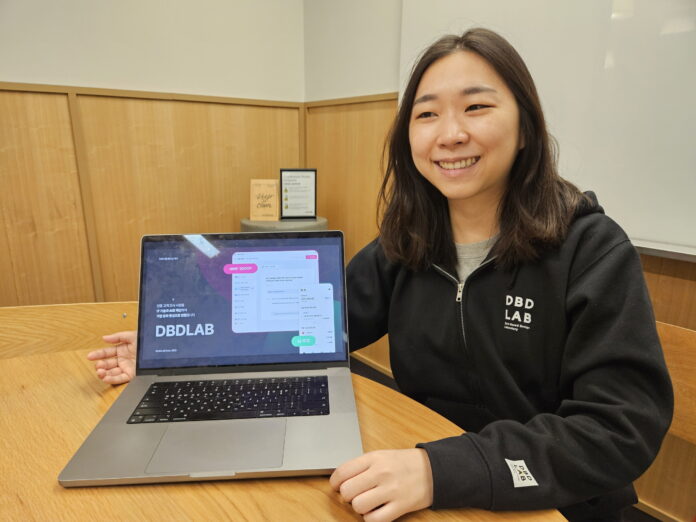
강지수 디비디랩 대표는 이렇게 얘기했다. 강 대표는 “리서치는 규모가 큰 레거시 시장입니다. 다른 산업은 혁신기업이 나타나 시장이 혁신된 것과는 다르게 리서치 시장은 아직 혁신이 이루어지지 않고 있습니다.”라고 강조했다.

“고객이 원하는 것은 ‘리서치 툴’이 아닌 ‘리서치 오퍼레이션 인프라’”
강 대표는 폐쇄형 커머스 스타트업의 UX 팀에서 경력을 쌓으며 디비디랩의 아이디어를 찾았다. 업무에서 사용자 리서치를 자주 진행해야 했지만 시간과 비용 제약이 큰 문제였다. 이러한 어려움을 직접 해결하기 위해 사용자 리서치 솔루션을 개발했고 이것이 디비디랩 창업으로 이어졌다.
디비디랩의 첫 번째 서비스는 ‘더테스터’다. 사용자가 웹사이트나 앱에서 어디를 클릭하는지, 어떤 경로로 이동하는지를 추적하는 로그 분석 툴이다. 두 번째 서비스 ‘디비(Diby)’는 질문 템플릿을 통해 클릭 몇 번만으로 리서치 설계를 완료할 수 있는 플랫폼이다.
“더테스터와 디비를 하면서 기업이 공통적으로 겪는 문제를 발견했습니다. 결국에는 타겟 리크루팅, 운영, 보상 지급 행정 처리, 리서치 자산화 같은 것들이죠. 이런 부분들은 툴이 바뀌더라도 변하지 않습니다.”
유저 리서치에서는 타겟 리크루팅, 보상 지급, 개인정보 처리, 결과 자산화, 윤리 규제 준수 같은 운영 문제가 매번 반복된다. 디비디랩은 이 ‘변하지 않는 문제들’을 해결하는 시스템을 개발했다. 그렇게 탄생한 것이 바로 리서치 오퍼레이션 인프라 ‘유저스푼’이다. ‘유저스푼’은 기업이 브랜드 패널을 구축하고 자사 고객을 직접 관리할 수 있도록 지원한다. 동시에 48시간 내 리서치 완료를 실현하는 빠른 속도를 제공한다.
클릭 몇 번으로 완성하는 유저 리서치
유저스푼은 유저 서베이 폼, 패널, 운영 자동화를 서비스로 제공하고 있다. 모듈형으로 설계해 고객이 필요한 것만 선택해 사용할 수 있다.
‘유저스푼 서베이’는 유저 리서치에 특화된 기능들을 탑재했다. 응답을 받으면 ‘AI 꼬리 질문 생성’으로 자동으로 팔로우업 질문을 생성한다. 화면 이미지를 보여주고 사용자가 가장 먼저 클릭하는 영역을 측정하는 ‘퍼스트 클릭 테스트’도 가능하다. ‘트리 테스트’는 사용자가 상위 메뉴에서 하위 메뉴로 어떻게 이동하는지 추적한다. 사용자의 직관적 이해도를 측정해 현재의 메뉴 구조가 고객이 잘 이해할 수 있게 되어 있는지 파악할 수 있다. ‘5초 테스트’는 이름 그대로 첫인상 테스트다. 5초 동안 화면을 보여준 후 화면을 가리고, 인상 깊었던 문구나 이미지를 물어본다. 마케팅 광고 시안이나 앱 랜딩 페이지에 주로 사용한다. ‘카드 소팅’은 사용자가 생각하는 정보 구조를 파악한다. 카드를 비슷한 카테고리로 묶게 해서 어떤 서비스끼리 함께 있어야 사용자가 잘 찾을 수 있는지 분석한다. ‘포커스 그룹 디스커션’은 그룹 인터뷰를 채팅 방식으로 진행한다. 대면 방식에 비해 편한 환경을 제공해 발화량은 2배 이상 높다.
3단계 타깃 리쿠리팅
유저 리서치에서는 패널이 매우 중요하다. 해당 제품과 서비스의 실제 고객이거나 잠재 고객이어야 하기 때문이다. 하지만 이러한 패널을 찾는 것은 쉽지 않다. 그래서 디비디랩은 다양한 패널을 제공하고 있다.
디비디랩이 제공하는 패널은 크게 세 가지다. 첫째, 기업이 자체적으로 리서치를 수행하는 경우를 위한 브랜드 패널이다. 둘째, 리서치를 직접 수행하지 않는 기업에게 패널을 제공하는 파트너사 패널이다. 셋째, 디비디랩이 자체적으로 구축하고 관리하는 디비디랩 패널이다.
기업이 자체 패널을 구축하는 방법은 간단하다. 유저스푼에서 프로필 질문을 만들면 응답 링크가 생성되는데, 이 링크를 자사 앱이나 웹에 심는다. 사용자가 패널로 등록하면 해당 기업의 전용 패널이 된다. 고객사는 어드민 화면에서 패널 목록을 확인하고 프로필 질문 응답을 분석할 수 있다. 유저 ID 기준으로 자사 DB의 구매 수, 가입 날짜 같은 정보와 CSV 매핑도 가능하다. 인터뷰가 필요하면 가능 시간을 체크받아 알림톡을 발송한다.
고객이 아닌 타사 고객을 패널로 활용할 수 있다. 디비디랩은 자체 리서치는 하지 않지만 자사 앱에 유저스푼 링크를 심어 다른 기업들이 해당 패널을 활용할 수 있도록 했다. 특수 타깃 참여자가 필요할 때 유용하다. 파트너사는 패널을 제공해 수익을 창출한다.
“아시아 쪽은 패널 네트워크가 약해요. 한국은 그래도 괜찮은 편인데 베트남, 필리핀, 말레이시아, 싱가포르는 다 에이전시 위주예요. 만약 그랩 같은 공용 플랫폼을 파트너사로 하게 되면 그랩 이용자 전체가 리서치 패널이 되는 거죠.”
디비디랩은 ‘우쥬(wouldyou)’라는 이름의 자체 패널이 있다. 고객사가 자체 패널이 부족하거나 특정 타겟을 빠르게 모집해야 할 때 사용한다. 현재 6만 5천 명의 패널을 보유하고 있다.
보상, 개인정보보호, 리서치 자동화까지 모두 자동 관리
디비디랩이 보상 지급을 대행한다. 참여자가 선택한 방식에 따라 포인트, 기프티콘, 현금으로 자동 전환된다. 유저 리서치를 진행한 기업은 참여 완료 여부만 확인하면 되고, 지급 행정 처리, 세금 문제, 환전 절차에서 해방된다.
개인 식별 정보는 암호화되어 저장되고 누구도 볼 수 없다. 기업은 유저 ID로만 참여자를 구분한다. 인터뷰가 필요할 때도 기업이 직접 연락하지 않고 디비디랩 시스템이 알림톡을 발송한다. 자사 DB 매핑 시에도 구매 수, 가입 날짜 같은 행동 데이터만 CSV로 업로드한다. 개인정보보호팀 승인 없이 자사 고객 리서치가 가능하다.
어드민 화면에 모든 리서치 이력이 저장된다. 누가 언제 어떤 조건으로 리서치했는지, 결과가 무엇인지 모두 기록된다. 프로필 질문과 응답 데이터는 비식별화되어 축적된다. 다른 팀원이 과거 리서치를 검색하고 결과를 확인할 수 있어 중복을 피하고 과거 인사이트를 활용할 수 있다.
참여자는 패널 등록 시 명확한 동의 절차를 거친다. 미성년자 보호, 민감 정보 처리, 데이터 보관 기간 같은 규제가 시스템에 반영되어 자동으로 준수된다. 결과 공유 시 익명화 처리도 자동이다. 기업은 규제 걱정 없이 인사이트 도출에만 집중할 수 있다.
48시간 안에 결과 확인
이와 같은 디비디랩의 리서치 인프라를 활용하면 기업이 원하는 방식으로, 가장 저렴한 비용으로, 어느 국가의 고객이든 48시간 안에 피드백을 받을 수 있다. 전통적인 리서치 방식은 기업이 에이전시에 의뢰하고, 에이전시가 패널에게 다시 의뢰하고, 결과가 다시 에이전시를 거쳐 기업으로 돌아오는 구조다. 이 과정에서 최소 2주에서 한 달이 소요된다. 디비디랩은 이 유통 구조를 제거했다.
48시간만에 결과를 확인할 수 있는 것은 서베이 설계가 빠르기 때문이다. 퍼스트 클릭 테스트, 트리 테스트, 5초 테스트 같은 UX 특화 기법도 클릭 몇 번으로 설정된다. 유저스푼 폼을 사용하거나 모아, 왈라, 타입폼 같은 툴을 그대로 연동할 수 있다. 피그마 플러그인을 쓰면 디자이너가 피그마 안에서 바로 서베이를 만들 수 있다.
L사는 유저스푼의 퍼스트 클릭 테스트로 모바일 가입 화면을 개선했다. 청구서 받을 방법과 요금 납부 방법을 한 화면에서 선택하던 방식을 두 단계로 분리하는 안을 테스트한 결과, 해당 과정이 7초에서 2초로 단축됐다. 전체 모바일 가입 프로세스는 227초에서 170초로 57초(25%)가 줄었다.
글로벌 진출, 아시아 패널 네트워크가 승부처
”프로덕트 솔루션 핏과 마켓 핏을 찾았다“
강 대표는 5년 간 더테스터와 디비를 거치며 시행착오를 겪었지만, 고객이 원하는 것은 리서치 툴이 아니라 인프라였다는 것을 발견했다. 그 결과 2025년 7월 BEP(손익분기점)를 달성했으며, 현재 흑자 운영 중이다.
디비디랩은 올해 SK텔레콤이 주관하는 ‘AI 스타트업 액셀러레이터’에 최종 선발되었다. 선정된 스타트업은 6개월 간 ▲AI 스타트업 특화 멘토링 및 세미나 ▲SKT와의 사업 협력 기회 제공 ▲국내 주요 벤처캐피탈의 멘토링과 투자 검토 ▲데모데이 및 외부 IR 행사 참여 등 다양한 혜택을 제공받는다. SKT는 2023년부터 2년간 30개의 혁신적인 AI 스타트업을 집중 발굴해 육성해 왔다.
이제 관건은 속도다. 아시아는 미국이나 유럽과 달리 패널 네트워크가 약하다. 대부분 에이전시 위주로 움직인다. UserTesting, user interviews, UserZoom 같은 글로벌 기업들도 아시아 패널 네트워크를 거의 보유하지 못했다. 이 시장을 얼마나 빠르게 선점하느냐가 승부처다.
디비디랩은 글로벌 패널 네트워크 확보, 브랜드 패널의 해외 시장 현지화, AI 페르소나 고도화를 위해 현재 시리즈 A 투자 유치를 준비 중이다. 궁극적으로는 글로벌 경쟁사들인 UserTesting의 2조 원대 상장, UserZoom의 1조 원대 M&A를 벤치마크하고 있다.
“‘리서치 민주화’ 달성을 위해”
강 대표는 “디비디랩이 파는 건 리서치 툴이 아니라 리서치 문화”라고 말한다. 리서치를 자주, 싸게, 많이 할 수 있어야 하고, 한 번 크게 하고 1년 쓰는 게 아니라 필요할 때마다 빠르게 피드백을 받을 수 있어야 한다는 것이다. 강 대표는 “이걸 모르겠어, 그럼 고객한테 물어봐”라고 편하게 말할 수 있는 문화를 만들려면 기업 문화가 바뀌어야 하며, 이를 위해 리서치가 쉽고 편해야 한다고 강조한다. 많은 기업이 리서치를 정교하고 전문적인 것으로 생각해 시작 자체를 두려워하지만, “고객에게 전화로 물어봐도 그게 리서치”라는 게 강 대표의 생각이다. 리서치는 목적이 아니라 문제 해결을 위한 수단이라는 것이다.
‘리서치 민주화’를 위한 디비디랩의 노력이 실현될 것인지 지켜볼 일이다.
DBDLAB's "Research Operations Infrastructure" Era: Transforming the Asian Research Market
-Research from 'expensive and slow' to 'cheap and fast'
-“Customer feedback within 48 hours”
A world where research becomes routine… Changing Asia
Quickly identifying and addressing user needs and issues is essential for gaining a competitive edge in the market. User research can help products and services move in the right direction, and companies are recognizing this importance. Recently, there's a growing trend toward gathering customer feedback more quickly and frequently. However, despite the growing need for internalized research, the lack of a robust research system has hindered companies from moving beyond their reliance on agencies.
The challenge lies in time and cost. User research must be conducted in line with product and service launch schedules, and the chosen methodology incurs significant costs. Furthermore, the complexity of question design, methodology selection, and participant recruitment adds to the complexity. Furthermore, there are numerous responsibilities, including managing personal information protection, participant compensation payments and management, and operational and administrative tasks. If collected research results are not systematically managed, a vicious cycle of repeated research can occur.
There's a startup that's set out to solve these problems: DBDLAB. DBDLAB focuses on operational issues that remain constant regardless of the research being conducted: targeted recruiting, compensation payments, personal information processing, results capitalization, and ethical compliance.
A variety of UX research tools exist overseas. UserTesting, UserInterviews, and UserZoom have achieved successful growth through large-scale investment, M&A, and NASDAQ listings.
"User research is essential. However, it's often impossible due to time and cost constraints. Research needs to be made easier, faster, and more affordable. This way, you can conduct research whenever you need it. I felt the need for such a system."
Kang Ji-soo, CEO of DBDLAB, said, "Research is a large, legacy market. Unlike other industries where innovative companies emerge and transform their markets, the research market has yet to see any innovation."
What Customers Want Isn't a 'Research Tool,' But a 'Research Operations Infrastructure.'
CEO Kang came up with the idea for DBDLAB while working on the UX team at a closed commerce startup. While his work required frequent user research, time and cost constraints were significant. To address these challenges, he developed a user research solution, which led to the founding of DBDLAB.
DBDLAB's first service is "The Tester," a log analysis tool that tracks where users click and what paths they take on websites and apps. The second service, "Diby," is a platform that allows users to complete research designs with just a few clicks using question templates.
"Working with The Tester and DB, I discovered common problems companies face. Ultimately, they boil down to things like target recruiting, operations, compensation payment administration, and research asset management. These issues remain constant even when tools change."
User research faces recurring operational challenges, such as target recruitment, compensation payments, personal information processing, results capitalization, and ethical compliance. DBDLAB developed a system to address these "permanent issues." This led to the creation of "UserSpoon," a research operations infrastructure. "UserSpoon" enables companies to build brand panels and directly manage their own customers. It also delivers rapid research completion within 48 hours.
User research completed in just a few clicks
UserSpoon provides user survey forms, panels, and operational automation as a service. Its modular design allows customers to select and use only what they need.
UserSpoon Survey is equipped with features specialized for user research. After receiving responses, it automatically generates follow-up questions using "AI tail question generation." It also offers a "First Click Test," which shows screen images and measures the first area users click on. The "Tree Test" tracks how users navigate from upper-level menus to lower-level menus. By measuring users' intuitive understanding, it can be used to determine whether the current menu structure is easily understood by customers. The "5-Second Test," as its name suggests, is a first-impression test. After showing a screen for five seconds, the screen is covered and users are asked to identify phrases or images that impressed them. This test is commonly used for marketing campaign drafts or app landing pages. "Card Sorting" identifies users' information structure. By grouping cards into similar categories, it analyzes which services should be grouped together to help users find the information they need most easily. The "Focus Group Discussion" conducts group interviews via chat. Compared to face-to-face interviews, it provides a more comfortable environment, resulting in more than twice the amount of conversation.
3-step target recruiting
Panels are crucial in user research. They must be actual or potential customers of the product or service. However, finding these panels is not easy. That's why DBDLAB offers a variety of panels.
DBDLAB offers three main panels. First, there's the Brand Panel, designed for companies conducting their own research. Second, there's the Partner Panel, which provides panels to companies that don't conduct their own research. Third, there's the DBDLAB Panel, which DBDLAB itself builds and manages.
Building your own panel is simple. When a company creates a profile question on UserSpoon, a response link is generated, which can be embedded in your company's app or website. Once a user registers as a panelist, the user becomes a dedicated panelist for the company. Clients can check the panelist list on the admin screen and analyze profile question responses. CSV mappings can also be made to user IDs and other information from the company's database, such as purchase count and subscription date. If an interview is required, a notification message is sent to the client upon checking availability.
You can leverage third-party customers, not just your own, as your panelists. DBDLAB doesn't conduct its own research, but it embeds UserSpoon links in its apps, allowing other companies to leverage its panelists. This is useful when you need a specific target audience. Partners generate revenue by providing the panelists.
"The panel network in Asia is weak. Korea is relatively good, but Vietnam, the Philippines, Malaysia, and Singapore are all agency-centric. If we partner with a public platform like Grab, all Grab users will become part of the research panel."
DBDLAB has its own panel called "wouldyou." It's used when clients lack their own panelists or need to quickly recruit a specific target audience. It currently has a panel of 65,000 members.
Everything from compensation to privacy and research automation is managed automatically.
DBDLAB handles reward payments. Depending on the method chosen by the participant, rewards are automatically converted into points, gift cards, or cash. Companies conducting user research simply need to confirm participation, freeing themselves from payment administration, tax issues, and currency exchange procedures.
Personally identifiable information is encrypted and stored, making it unreadable. The company identifies participants solely by user ID. When interviews are needed, the DBDLAB system sends a notification message instead of the company contacting users directly. When mapping its own database, only behavioral data, such as number of purchases and subscription dates, is uploaded as CSV. Customer research can be conducted without the approval of the privacy protection team.
All research history is stored on the admin screen. It records who conducted the research, when, under what conditions, and the results. Profile questions and response data are de-identified and stored. Other team members can search past research and review the results, avoiding duplication and leveraging past insights.
Participants undergo a clear consent process when registering as a panelist. Regulations such as the protection of minors, the handling of sensitive information, and data retention periods are automatically reflected in the system and ensured compliance. Anonymization is also automatically applied when results are shared. This allows companies to focus on generating insights without worrying about regulations.
Get results within 48 hours
Leveraging DBDLAB's research infrastructure, companies can receive feedback from customers in any country within 48 hours, at the lowest cost, and in the way they want. Traditional research methods involve companies commissioning agencies, which then commission a panel, and the results are then returned to the company through the agency. This process takes at least two weeks to a month. DBDLAB eliminates this distribution structure.
Results can be seen in just 48 hours thanks to the rapid survey design. UX-specific techniques like first-click testing, tree testing, and 5-second testing can be set up with just a few clicks. You can use UserSpoon forms or directly integrate with tools like Moa, Wala, and Typeform. Using a Figma plugin, designers can create surveys directly within Figma.
Company L improved its mobile sign-up screen through UserSpoon's First Click Test. The test split the process of selecting billing and payment methods into two steps, which previously took place on a single screen. This process was shortened from seven seconds to two seconds. The overall mobile sign-up process was also shortened by 57 seconds (25%), from 227 seconds to 170 seconds.
Global Expansion: The Key to Success: The Asian Panel Network
"Finding Product Solution Fit and Market Fit"
CEO Kang experienced trial and error for five years at The Tester and DB, but discovered that what customers wanted wasn't research tools, but infrastructure. As a result, the company achieved break-even point (BEP) in July 2025 and is currently operating profitably.
DBDLAB was selected for this year's "AI Startup Accelerator," hosted by SK Telecom. Selected startups will receive a variety of benefits over a six-month period, including: specialized AI startup mentoring and seminars; business collaboration opportunities with SKT; mentoring and investment review from leading domestic venture capital firms; and participation in demo days and external investor relations events. SKT has been intensively discovering and nurturing 30 innovative AI startups over the next two years, starting in 2023.
The key now is speed. Unlike the US or Europe, Asia lacks a robust panel network. Most agencies operate on a first-come, first-served basis. Even global companies like UserTesting, User Interviews, and UserZoom have little Asian panel network. The key to success lies in how quickly they can capture this market.
DBDLAB is currently preparing to secure Series A funding to secure a global panel network, localize its brand panel for overseas markets, and enhance its AI persona. Ultimately, it is benchmarking its global competitors, UserTesting's 2 trillion won IPO and UserZoom's 1 trillion won M&A.
To achieve 'research democratization'
CEO Kang says, "What DBDLAB sells isn't research tools, but a research culture." He emphasizes that research should be conducted frequently, cheaply, and extensively, and that it shouldn't be a one-time, year-long commitment; instead, it should be possible to quickly receive feedback whenever needed. He emphasizes that a corporate culture change is necessary to create a culture where people feel comfortable saying, "I don't know this. Then ask the customer." To achieve this, he emphasizes that research must be easy and convenient. Many companies fear research, viewing it as something elaborate and specialized, but CEO Kang believes, "Even if you call a customer and ask, that's still research." Research isn't an end in itself, but a means to problem solving.
It remains to be seen whether DBDLAB's efforts to "democratize research" will be realized.
DBDLABが提示する「リサーチオペレーションインフラ」の時代…アジアリサーチ市場を変える
– リサーチを「高価で遅い」から「安くて高速」に
– 「お客様の声を48時間以内に」
-リサーチが日常になる世界…アジアを変える
ユーザーのニーズと問題をすばやく特定し改善することは、市場競争における優位性を確保するために不可欠です。ユーザーリサーチを通じて製品とサービスが正しい方向に進むことができ、企業もこの重要性を認識している。最近の顧客の意見をより速く、より頻繁に聞く傾向だ。しかし、リサーチ内在化の必要性が徐々に大きくなっているが、リサーチシステムが不在したため、代理店に依存する構造から抜け出せずにいる。
問題は時間と費用です。製品とサービスのローンチスケジュールに合わせてユーザーリサーチを進める必要があり、選択する方法論によってかなりの費用がかかる。ここに質問設計と方法論選択、参加者募集などが複合的に困難を重み付ける。さらに、個人情報保護管理、参加者補償支給及び管理、運営及び行政業務まで取り組むべき部分が多い。収集したリサーチ結果が体系的に管理されない場合、同様のリサーチを繰り返し実行する悪循環が繰り返されるのが現実である。
このような問題を解決すると発表したスタートアップがある。 DBDLABです。 DBDLABは、ターゲットのリクルーティング、報酬の支払い、個人情報の処理、結果の資産化、倫理規制の遵守などの問題、つまりどのような調査をしても変わらない運営上の問題に注目した。
海外には様々なUXリサーチツールが存在する。 UserTesting、UserInterviews、UserZoomなどは、大規模な投資誘致、M&A、ナスダック上場などを通じて成功的に成長した。
「ユーザーリサーチは必須ですが、時間や費用などの問題でできない場合が多いです。
カン・ジスDBDLAB代表はこう話した。カン代表は「リサーチは規模が大きいレガシー市場です。他の産業はイノベーション企業が現れ、市場が革新されたのとは異なり、リサーチ市場はまだイノベーションが行われていません」と強調した。
「顧客が望むのは「リサーチツール」ではなく「リサーチオペレーションインフラ」
カン代表は閉鎖型コマーススタートアップのUXチームでキャリアを積み、DBDLABのアイデアを探した。仕事でユーザーリサーチを頻繁に進めなければならなかったが、時間と費用の制約が大きな問題だった。この問題を直接解決するためにユーザーリサーチソリューションを開発し、これがDBDLABの創業につながりました。
DBDLABの最初のサービスは「ダーテスター」です。ユーザーがウェブサイトやアプリでどこをクリックするのか、どのパスに移動するのかを追跡するログ分析ツールです。 2番目のサービス「Diby」は、質問テンプレートを使用して数回クリックするだけでリサーチデザインを完了できるプラットフォームです。
「ダーテスターとディビーをしながら企業が共通して経験する問題を発見しました。結局はターゲットリクルーティング、運営、報酬支給行政処理、リサーチ資産化のようなものですよ。これらの部分はツールが変わっても変わりません」
ユーザーリサーチでは、ターゲットリクルーティング、報酬支給、個人情報処理、結果の資産化、倫理規制遵守などの運営問題が毎回繰り返される。 DBDLABは、この「変わらない問題」を解決するシステムを開発しました。そうして誕生したのが、リサーチオペレーションインフラ「ユーザースプーン」だ。 「ユーザースプーン」は、企業がブランドパネルを構築し、自社の顧客を直接管理できるように支援する。同時に48時間以内にリサーチ完了を実現する速いスピードを提供する。
クリック数回で完成するユーザーリサーチ
ユーザースプーンはユーザーサーベイフォーム、パネル、運営自動化をサービスとして提供している。モジュール型で設計し、顧客が必要なものだけを選択して使用できる。
「ユーザースプーンサーベイ」はユーザーリサーチに特化した機能を搭載した。回答を受け取ったら、「AIテール質問生成」で自動的にフォローアップ質問を生成する。画面イメージを表示し、ユーザーが最初にクリックする領域を測定する「ファーストクリックテスト」も可能です。 「ツリーテスト」は、ユーザーが親メニューからサブメニューにどのように移動するかを追跡します。ユーザーの直感的な理解度を測定して、現在のメニュー構造が顧客がよく理解できるようになっているかどうかを把握することができる。 「5秒テスト」は名前の通り初印象テストだ。 5秒間画面を見せた後、画面を隠し、印象深いフレーズや画像を聞いてみる。マーケティング広告シアンやアプリランディングページに主に使用する。 「カードソーティング」は、ユーザーが考える情報構造を把握する。カードを類似のカテゴリにまとめて、どのサービス同士が一緒にいなければユーザーがうまく見つけることができるかを分析する。 「フォーカスグループディスカッション」はグループインタビューをチャット方式で進行する。対面方式に比べて快適な環境を提供し、発火量は2倍以上高い。
3段階ターゲットリクリーティング
ユーザーリサーチでは、パネルが非常に重要です。これは、製品とサービスの実際の顧客であるか、潜在的な顧客でなければならないからです。しかし、これらのパネルを見つけるのは簡単ではありません。したがって、DBDLABはさまざまなパネルを提供しています。
DBDLABが提供するパネルは大きく3つです。まず、企業が独自にリサーチを行う場合のためのブランドパネルだ。第二に、リサーチを直接実施しない企業にパネルを提供するパートナー社のパネルである。第三に、DBDLABが独自に構築し管理するDBDLABパネルです。
企業が独自のパネルを構築する方法は簡単です。ユーザースプーンでプロフィール質問を作成すると応答リンクが生成され、このリンクをそのアプリやウェブに植える。ユーザーがパネルに登録すると、該当企業の専用パネルになる。顧客はアドミン画面でパネルリストを確認し、プロフィール質問の回答を分析することができる。ユーザーID基準で、自社DBの購入数、加入日などの情報やCSVマッピングも可能だ。インタビューが必要な場合は、可能時間をチェックして通知トークを発送する。
顧客ではなく、他社の顧客をパネルとして活用できる。 DBDLABは独自のリサーチはしませんが、自社アプリにユーザースプーンリンクを植え、他の企業がそのパネルを活用できるようにした。特殊ターゲット参加者が必要な場合に便利です。パートナー会社はパネルを提供して収益を生み出す。
「アジアの方はパネルネットワークが弱いです。韓国はそれでも大丈夫ですが、ベトナム、フィリピン、マレーシア、シンガポールはエージェンシーを中心にしています。
DBDLABには「wouldyou(wouldyou)」という名前の独自のパネルがあります。顧客が自分のパネルが不足したり、特定のターゲットをすばやく募集する必要がある場合に使用する。現在6万5千人のパネルを保有している。
報酬、個人情報保護、リサーチ自動化まですべて自動管理
DBDLABが報酬の支払いを代行する。参加者が選択した方法に応じて、ポイント、ギフティコン、現金に自動的に切り替えられる。ユーザーリサーチを進行した企業は参加完了かどうか確認すればよく、支給行政処理、税問題、両替手続きから解放される。
個人識別情報は暗号化されて保存され、誰も見ることができません。企業はユーザーIDだけで参加者を区別します。インタビューが必要な場合でも、企業が直接連絡せず、DBDLABシステムが通知トークを発送する。 DBマッピング時にも購入数、加入日などの行動データのみをCSVにアップロードする。個人情報保護チームの承認なしに自社の顧客リサーチが可能だ。
アドミン画面にすべてのリサーチ履歴が保存される。誰がいつどんな条件でリサーチしたか、結果が何であるかすべて記録される。プロファイルの質問と回答データは非識別されて蓄積されます。他のチームメンバーが過去のリサーチを検索して結果を確認でき、重複を避け、過去のインサイトを活用できる。
参加者はパネル登録時に明確な同意手続きを受けます。未成年者保護、機密情報処理、データ保持期間などの規制がシステムに反映され、自動的に準拠します。結果共有時の匿名化処理も自動である。企業は規制の心配なしにインサイトの導出にのみ集中することができる。
48時間以内に結果を確認する
このようなDBDLABのリサーチインフラを活用すれば、企業が望む方法で、最も低コストで、どの国の顧客でも48時間以内にフィードバックを受けることができる。伝統的なリサーチ方式は、企業がエージェンシーに依頼し、エージェンシーがパネルに再度依頼し、結果が再度エージェンシーを経て企業に戻る構造だ。この過程で少なくとも2週間から1ヶ月かかる。 DBDLABはこの流通構造を取り除いた。
48時間で結果を確認できるのはサーベイ設計が早いからだ。ファーストクリックテスト、ツリーテスト、5秒テストなどのUX特化技術もクリック数回に設定される。ユーザースプーンフォームを使用したり、集めて、ワラ、タイプフォームなどのツールをそのまま連動することができる。ピグマプラグインを使うと、デザイナーがピグマの中からすぐにサーベイを作ることができる。
L社はユーザースプーンのファーストクリックテストでモバイル加入画面を改善した。請求書の受け取る方法と料金の支払い方法を一つの画面で選択した方式を二段階に分ける案をテストした結果、当該過程が7秒から2秒に短縮された。全体のモバイル加入プロセスは227秒から170秒に57秒(25%)が減少した。
グローバル進出、アジアパネルネットワークが勝負先
「プロダクトソリューションピットとマーケットピットを見つけた」
カン代表は5年間、ダーテスターとディビを経て試行錯誤を経験したが、顧客が望むのはリサーチツールではなくインフラだったことを発見した。その結果、2025年7月にBEP(損益分岐点)を達成し、現在黒字運営中である。
DBDLABは今年SKテレコムが主管する「AIスタートアップアクセラレータ」に最終選抜された。選ばれたスタートアップは6ヶ月間▲AIスタートアップ特化メンタリング及びセミナー▲SKTとの事業協力機会提供▲国内主要ベンチャーキャピタルのメンタリングと投資検討▲デモデー及び外部IRイベント参加など多様な恩恵を受ける。 SKTは2023年から2年間、30の革新的なAIスタートアップを集中発掘して育成してきた。
今、カギはスピードだ。アジアは米国やヨーロッパとは異なり、パネルネットワークが弱い。ほとんどの代理店中心に動く。 UserTesting、user interviews、UserZoomなどのグローバル企業もアジアのパネルネットワークをほとんど持っていませんでした。この市場をどれだけ早く先取りするかが勝負先だ。
DBDLABはグローバルパネルネットワークの確保、ブランドパネルの海外市場のローカライゼーション、AIペルソナの高度化のため、現在シリーズA投資誘致を準備中だ。究極的にはグローバル競争相手のUserTestingの2兆ウォン台上場、UserZoomの1兆ウォン台M&Aをベンチマークしている。
「「リサーチ民主化」達成のために」
カン代表は「DBDLABが売るのはリサーチツールではなくリサーチ文化」と話す。リサーチを頻繁に、安く、たくさんできなければならないし、一度大きくして1年使うのではなく、必要なたびに素早くフィードバックを受けられなければならないということだ。カン代表は「これを知らない、それから顧客に尋ねて」と楽に言える文化を作るには企業文化が変わらなければならず、このためにリサーチが容易で楽でなければならないと強調する。多くの企業がリサーチを精巧で専門的なものと考えて開始自体を恐れているが、「顧客に電話で尋ねてもそれがリサーチ」というのがカン代表の考えだ。リサーチは目的ではなく問題解決のための手段である。
「リサーチ民主化」のためのDBDLABの努力が実現されるか見守る事だ。
DBDLAB的“研究运营基础设施”时代:改变亚洲研究市场
-从“昂贵而缓慢”到“廉价而快速”的研究
-“48小时内客户反馈”
一个研究成为常规的世界……改变中的亚洲
快速识别并解决用户需求和问题对于在市场中获得竞争优势至关重要。用户研究可以帮助产品和服务朝着正确的方向发展,企业也逐渐意识到了这一点的重要性。近年来,企业越来越倾向于更快、更频繁地收集客户反馈。然而,尽管内部研究的需求日益增长,但缺乏强大的研究系统阻碍了企业摆脱对代理机构的依赖。
挑战在于时间和成本。用户研究必须根据产品和服务的发布计划进行,而所选的方法会产生巨大的成本。此外,问题设计、方法选择和参与者招募的复杂性也加剧了复杂性。此外,研究还涉及诸多责任,包括个人信息保护管理、参与者报酬支付和管理,以及运营和行政任务。如果收集到的研究结果没有得到系统性的管理,可能会形成重复研究的恶性循环。
有一家初创公司致力于解决这些问题:DBDLAB。DBDLAB 专注于解决无论开展何种研究都始终存在的运营问题:定向招募、薪酬支付、个人信息处理、成果资本化以及道德合规。
海外存在多种UX研究工具,UserTesting、UserInterviews、UserZoom等都通过大规模投资、并购、纳斯达克上市等方式获得了成功增长。
用户研究至关重要。然而,由于时间和成本的限制,这往往难以实现。我们需要让研究变得更简单、更快捷、更经济。这样,你就可以随时进行研究。我感觉我们需要这样一个系统。
DBDLAB 首席执行官 Kang Ji-soo 表示:“研究是一个庞大而传统的市场。与其他行业不同,创新型公司不断涌现并改变市场格局,而研究市场尚未出现任何创新。”
客户想要的不是“研究工具”,而是“研究运营基础设施”。
首席执行官 Kang 在一家已关闭的商业初创公司的用户体验团队工作时萌生了创建 DBDLAB 的想法。虽然他的工作需要频繁进行用户研究,但时间和成本都受到很大限制。为了应对这些挑战,他开发了一个用户研究解决方案,并最终促成了 DBDLAB 的成立。
DBDLAB 的首项服务是“The Tester”,这是一款日志分析工具,可以追踪用户在网站和应用上的点击位置和路径。第二项服务是“Diby”,这是一个平台,用户只需点击几下鼠标,即可使用问题模板完成研究设计。
在与 The Tester 和 DB 合作的过程中,我发现了许多公司面临的常见问题。这些问题最终都归结于目标招募、运营、薪酬支付管理和研究资产管理等方面。即使工具发生变化,这些问题依然存在。
用户研究面临着反复出现的运营挑战,例如目标招募、薪酬支付、个人信息处理、成果资本化以及道德合规。DBDLAB 开发了一个系统来解决这些“长期存在的问题”。这促成了研究运营基础设施“UserSpoon”的诞生。“UserSpoon”使公司能够构建品牌面板并直接管理自己的客户。它还能在 48 小时内快速完成研究。
只需点击几下即可完成用户研究
UserSpoon 提供用户调查表、面板和运营自动化服务。其模块化设计允许客户选择和使用他们需要的功能。
UserSpoon Survey 配备了专门针对用户研究的功能。收到回复后,它会使用“AI 尾部问题生成”自动生成后续问题。它还提供“首次点击测试”,显示屏幕图像并测量用户首次点击的区域。“树状测试”跟踪用户如何从上级菜单导航到下级菜单。通过测量用户的直观理解,它可以判断当前菜单结构是否易于客户理解。“5 秒测试”,顾名思义,是第一印象测试。在显示屏幕 5 秒后,屏幕被覆盖,并要求用户识别给他们留下深刻印象的短语或图像。此测试通常用于营销活动草稿或应用程序登录页面。“卡片分类”识别用户的信息结构。通过将卡片分组为相似的类别,它分析哪些服务应该分组在一起,以帮助用户最轻松地找到他们需要的信息。“焦点小组讨论”通过聊天进行小组访谈。与面对面的采访相比,它提供了更舒适的环境,谈话量增加了一倍以上。
三步目标招募
小组成员在用户研究中至关重要。他们必须是产品或服务的实际或潜在客户。然而,找到这些小组成员并不容易。因此,DBDLAB 提供了各种各样的小组成员。
DBDLAB 提供三个主要小组。首先是品牌小组,专为自行开展研究的公司设计。其次是合作伙伴小组,为不自行开展研究的公司提供小组。第三是 DBDLAB 小组,由 DBDLAB 自行构建和管理。
构建您自己的小组非常简单。当公司在 UserSpoon 上创建个人资料问题时,系统会生成一个回复链接,该链接可以嵌入到您公司的应用程序或网站中。一旦用户注册成为小组成员,该用户就成为该公司的专属小组成员。客户可以在管理屏幕上查看小组成员列表,并分析个人资料问题的回复。您还可以将用户 ID 和公司数据库中的其他信息(例如购买次数和订阅日期)进行 CSV 映射。如果需要访谈,系统会在确认客户空闲后向其发送通知消息。
您可以利用第三方客户(而不仅仅是您自己的客户)作为您的小组成员。DBDLAB 本身不进行研究,但它在其应用程序中嵌入了 UserSpoon 链接,允许其他公司利用其小组成员。当您需要特定的目标受众时,这非常有用。合作伙伴通过提供小组成员来获得收入。
“亚洲的样本网络比较薄弱。韩国相对较好,但越南、菲律宾、马来西亚和新加坡都以代理商为中心。如果我们与 Grab 这样的公共平台合作,所有 Grab 用户都将成为研究样本的一部分。”
DBDLAB 有自己的小组,名为“wouldyou”。当客户缺少自己的小组成员或需要快速招募特定目标受众时,就会使用这个小组。目前,该小组拥有 6.5 万名成员。
从补偿到隐私和研究自动化一切都是自动管理的。
DBDLAB 负责处理奖励支付。根据参与者选择的方式,奖励将自动转换为积分、礼品卡或现金。进行用户研究的公司只需确认参与,无需担心支付管理、税务问题和货币兑换手续。
个人身份信息经过加密存储,无法读取。公司仅通过用户ID识别参与者。当需要访谈时,DBDLAB系统会发送通知消息,而不是公司直接联系用户。在映射其自身数据库时,仅将行为数据(例如购买次数和订阅日期)以CSV格式上传。客户调研无需隐私保护团队批准即可进行。
所有研究历史记录都存储在管理屏幕上。它记录了研究的执行者、时间、条件以及结果。个人资料问题和回复数据均已去身份识别化并存储。其他团队成员可以搜索过去的研究并查看结果,从而避免重复并利用过去的见解。
参与者在注册成为小组成员时,需要经过明确的同意流程。未成年人保护、敏感信息处理以及数据保留期限等规定将自动反映在系统中,并确保合规。共享结果时,系统也会自动应用匿名化处理。这使得公司能够专注于洞察分析,而无需担心法规问题。
48小时内获得结果
利用 DBDLAB 的研究基础设施,企业可以在 48 小时内以最低的成本和理想的方式获得来自任何国家/地区的客户反馈。传统的研究方法是企业委托代理机构,代理机构再委托一个小组,最终结果通过代理机构返回给企业。这个过程至少需要两周到一个月的时间。DBDLAB 消除了这种分销结构。
得益于快速的调查设计,只需 48 小时即可看到结果。只需点击几下即可设置首次点击测试、树形测试和 5 秒测试等 UX 专用技术。您可以使用 UserSpoon 表单,也可以直接与 Moa、Wala 和 Typeform 等工具集成。使用 Figma 插件,设计师可以直接在 Figma 中创建调查。
L公司通过UserSpoon的首次点击测试改进了其移动注册页面。测试将之前在同一屏幕上完成的账单和付款方式选择流程拆分为两个步骤。该流程从7秒缩短至2秒。整个移动注册流程也缩短了57秒(25%),从227秒缩短至170秒。
全球扩张:成功的关键:亚洲专家组网络
“寻找适合的产品解决方案和市场”
姜社长在The Tester和DB公司经历了五年的摸索和失败,最终发现客户真正需要的并非研究工具,而是基础设施。最终,公司在2025年7月实现了盈亏平衡点(BEP),目前运营盈利。
DBDLAB 入选了今年由 SK 电信主办的“AI 初创企业加速器”。入选的初创企业将在六个月内获得多项福利,包括:专业的 AI 初创企业指导和研讨会;与 SKT 的业务合作机会;来自国内领先风险投资公司的指导和投资评估;以及参与演示日和外部投资者关系活动。从 2023 年开始,SKT 在未来两年内将重点发掘和培育 30 家创新型 AI 初创企业。
现在的关键在于速度。与美国或欧洲不同,亚洲缺乏强大的样本库网络。大多数机构都采用先到先得的原则。即使是像 UserTesting、User Interviews 和 UserZoom 这样的全球性公司,在亚洲的样本库网络也十分有限。成功的关键在于他们能多快地占领这个市场。
DBDLAB 目前正在筹备 A 轮融资,以建立全球样本库网络,将其品牌样本库本地化以适应海外市场,并提升其 AI 形象。最终,它将与其全球竞争对手 UserTesting 的 2 万亿韩元 IPO 和 UserZoom 的 1 万亿韩元并购案进行对标。
实现“研究民主化”
姜首席执行官表示:“DBDLAB 销售的不是研究工具,而是一种研究文化。” 他强调,研究应该频繁、低成本且广泛地进行,而且不应该是一次性的、长达一年的承诺;相反,应该能够在需要时快速获得反馈。他强调,企业文化变革至关重要,要打造一种让员工能够坦然说出“我不知道,那就问客户”的文化。为了实现这一点,他强调研究必须简单便捷。许多公司害怕研究,认为研究复杂而专业,但姜首席执行官认为:“即使你打电话给客户询问,那也仍然是研究。” 研究本身并非目的,而是解决问题的一种手段。
DBDLAB 的“研究民主化”努力是否会实现还有待观察。
L'ère de l'« infrastructure des opérations de recherche » du DBDLAB : transformer le marché de la recherche asiatique
-Recherche de « cher et lent » à « bon marché et rapide »
-« Retour client sous 48 heures »
Un monde où la recherche devient une routine… L'Asie en mutation
Identifier et répondre rapidement aux besoins et aux problématiques des utilisateurs est essentiel pour obtenir un avantage concurrentiel sur le marché. Les études utilisateurs peuvent contribuer à l'évolution des produits et services, et les entreprises en sont conscientes. Récemment, on observe une tendance croissante à recueillir les avis clients plus rapidement et plus fréquemment. Cependant, malgré le besoin croissant d'études internalisées, l'absence d'un système d'études robuste empêche les entreprises de se libérer de leur dépendance aux agences.
Le défi réside dans les délais et les coûts. Les études utilisateurs doivent être menées en fonction des calendriers de lancement des produits et services, et la méthodologie choisie engendre des coûts importants. De plus, la complexité de la conception des questions, du choix de la méthodologie et du recrutement des participants ajoute à cette complexité. De plus, les responsabilités sont nombreuses, notamment la gestion de la protection des données personnelles, le paiement et la gestion des indemnités des participants, ainsi que les tâches opérationnelles et administratives. Si les résultats de recherche recueillis ne sont pas systématiquement gérés, un cercle vicieux de recherches répétées peut s'installer.
Une start-up s'est donnée pour mission de résoudre ces problèmes : DBDLAB. Elle se concentre sur des problématiques opérationnelles constantes, quelle que soit la recherche menée : recrutement ciblé, rémunération, traitement des données personnelles, capitalisation des résultats et conformité éthique.
Il existe une variété d'outils de recherche UX à l'étranger. UserTesting, UserInterviews et UserZoom ont connu une croissance fulgurante grâce à des investissements massifs, des fusions-acquisitions et des introductions en bourse au NASDAQ.
La recherche utilisateur est essentielle. Cependant, elle est souvent impossible en raison de contraintes de temps et de coût. Il faut simplifier, accélérer et rendre plus abordable la recherche. Ainsi, on peut mener des recherches quand on en a besoin. J'ai ressenti le besoin d'un tel système.
Kang Ji-soo, PDG de DBDLAB, a déclaré : « La recherche est un vaste marché patrimonial. Contrairement à d'autres secteurs où des entreprises innovantes émergent et transforment leurs marchés, le marché de la recherche n'a encore connu aucune innovation. »
Ce que veulent les clients, ce n’est pas un « outil de recherche », mais une « infrastructure d’opérations de recherche ».
Le PDG Kang a eu l'idée de DBDLAB alors qu'il travaillait au sein de l'équipe UX d'une start-up de commerce électronique fermée. Son travail exigeait de fréquentes recherches utilisateurs, mais les contraintes de temps et de coût étaient importantes. Pour relever ces défis, il a développé une solution de recherche utilisateur, qui a conduit à la création de DBDLAB.
Le premier service de DBDLAB est « The Tester », un outil d'analyse de logs qui suit les clics des utilisateurs et leurs parcours sur les sites web et les applications. Le second service, « Diby », est une plateforme permettant aux utilisateurs de réaliser des études de marché en quelques clics grâce à des modèles de questions.
En collaborant avec The Tester et DB, j'ai découvert des problèmes courants auxquels les entreprises sont confrontées. En fin de compte, ils se résument à des aspects tels que le recrutement ciblé, les opérations, la gestion des rémunérations et la gestion des actifs de recherche. Ces problèmes persistent, même avec l'évolution des outils.
La recherche utilisateur est confrontée à des défis opérationnels récurrents, tels que le recrutement ciblé, le versement des rémunérations, le traitement des données personnelles, la capitalisation des résultats et le respect des normes éthiques. DBDLAB a développé un système pour répondre à ces « problèmes permanents ». Cela a conduit à la création de « UserSpoon », une infrastructure opérationnelle de recherche. « UserSpoon » permet aux entreprises de constituer des panels de marques et de gérer directement leurs propres clients. Elle permet également de finaliser rapidement les études en 48 heures.
Études utilisateurs réalisées en quelques clics
UserSpoon propose des formulaires d'enquête auprès des utilisateurs, des panels et des solutions d'automatisation opérationnelle en tant que service. Sa conception modulaire permet aux clients de sélectionner et d'utiliser uniquement ce dont ils ont besoin.
UserSpoon Survey est doté de fonctionnalités spécialisées pour la recherche utilisateur. Après réception des réponses, il génère automatiquement des questions complémentaires grâce à la génération de questions de suivi par IA. Il propose également un « Test du premier clic », qui affiche des images d'écran et mesure la première zone sur laquelle les utilisateurs cliquent. Le « Test de l'arborescence » analyse la navigation des utilisateurs des menus de niveau supérieur aux menus de niveau inférieur. En mesurant la compréhension intuitive des utilisateurs, il permet de déterminer si la structure actuelle du menu est facilement comprise par les clients. Le « Test des 5 secondes », comme son nom l'indique, est un test de première impression. Après cinq secondes d'affichage, l'écran est masqué et les utilisateurs sont invités à identifier les phrases ou les images qui les ont impressionnés. Ce test est couramment utilisé pour les ébauches de campagnes marketing ou les pages d'accueil d'applications. Le « Tri des cartes » identifie la structure des informations des utilisateurs. En regroupant les cartes par catégories similaires, il analyse les services à regrouper pour aider les utilisateurs à trouver facilement les informations dont ils ont besoin. Le « Discussion de groupe » organise des entretiens de groupe par chat. Par rapport aux entretiens en face à face, il offre un environnement plus confortable, ce qui permet d’avoir plus du double de conversation.
Recrutement ciblé en 3 étapes
Les panels sont essentiels dans les études utilisateurs. Il doit s'agir de clients réels ou potentiels du produit ou du service. Cependant, trouver ces panels n'est pas chose aisée. C'est pourquoi DBDLAB propose une variété de panels.
DBDLAB propose trois panels principaux. Premièrement, le Panel Marque, conçu pour les entreprises menant leurs propres recherches. Deuxièmement, le Panel Partenaires, qui propose des panels aux entreprises qui ne mènent pas elles-mêmes leurs recherches. Troisièmement, le Panel DBDLAB, créé et géré par DBDLAB.
Créer son propre panel est simple. Lorsqu'une entreprise crée une question de profil sur UserSpoon, un lien de réponse est généré et peut être intégré à l'application ou au site web de l'entreprise. Une fois inscrit comme panéliste, l'utilisateur devient un panéliste dédié pour l'entreprise. Les clients peuvent consulter la liste des panélistes sur l'écran d'administration et analyser les réponses aux questions de profil. Des mappages CSV peuvent également être créés avec les identifiants des utilisateurs et d'autres informations de la base de données de l'entreprise, comme le nombre d'achats et la date d'abonnement. Si un entretien est requis, une notification est envoyée au client dès qu'une disponibilité est vérifiée.
Vous pouvez solliciter des clients tiers, et pas seulement les vôtres, pour constituer vos panélistes. DBDLAB ne mène pas ses propres études, mais intègre des liens UserSpoon dans ses applications, permettant ainsi à d'autres entreprises de solliciter ses panélistes. C'est utile lorsque vous avez besoin d'un public cible spécifique. Les partenaires génèrent des revenus en fournissant des panélistes.
Le réseau de panels en Asie est faible. La Corée est relativement performante, mais le Vietnam, les Philippines, la Malaisie et Singapour sont tous centrés sur les agences. Si nous nous associons à une plateforme publique comme Grab, tous les utilisateurs de Grab intégreront le panel de recherche.
DBDLAB dispose de son propre panel, « wouldyou », utilisé lorsque les clients ne disposent pas de panelistes ou doivent recruter rapidement un public cible spécifique. Il compte actuellement 65 000 membres.
Tout, de la rémunération à la confidentialité et à l’automatisation de la recherche, est géré automatiquement.
DBDLAB gère le paiement des récompenses. Selon le mode de paiement choisi par le participant, les récompenses sont automatiquement converties en points, en cartes-cadeaux ou en espèces. Les entreprises menant des études utilisateurs n'ont qu'à confirmer leur participation, ce qui les libère des formalités administratives, fiscales et de change.
Les informations personnelles identifiables sont chiffrées et stockées, ce qui les rend illisibles. L'entreprise identifie les participants uniquement par leur identifiant. Lorsque des entretiens sont nécessaires, le système DBDLAB envoie une notification au lieu de contacter directement les utilisateurs. Lors de la cartographie de sa propre base de données, seules les données comportementales, telles que le nombre d'achats et les dates d'abonnement, sont téléchargées au format CSV. Les études clients peuvent être menées sans l'approbation de l'équipe de protection de la vie privée.
L'historique de toutes les recherches est stocké sur l'écran d'administration. Il enregistre l'identité des personnes ayant mené la recherche, la date, les conditions et les résultats. Les questions de profil et les données de réponse sont anonymisées et stockées. Les autres membres de l'équipe peuvent consulter les recherches antérieures et en examiner les résultats, évitant ainsi les doublons et exploitant les connaissances acquises.
Les participants sont soumis à un processus de consentement clair lors de leur inscription comme panélistes. Les réglementations telles que la protection des mineurs, le traitement des informations sensibles et les durées de conservation des données sont automatiquement intégrées au système et leur conformité est garantie. L'anonymisation est également appliquée automatiquement lors du partage des résultats. Cela permet aux entreprises de se concentrer sur la production d'informations sans se soucier de la réglementation.
Obtenez des résultats dans les 48 heures
Grâce à l'infrastructure de recherche de DBDLAB, les entreprises peuvent recevoir les retours de leurs clients, quel que soit leur pays, en 48 heures, au meilleur coût et selon leurs préférences. Les méthodes de recherche traditionnelles impliquent que les entreprises mandatent des agences, qui mandatent ensuite un panel, et que les résultats leur soient ensuite transmis par l'intermédiaire de l'agence. Ce processus prend au moins deux semaines à un mois. DBDLAB élimine cette structure de distribution.
Les résultats sont visibles en seulement 48 heures grâce à la conception rapide des enquêtes. Des techniques spécifiques à l'expérience utilisateur, comme les tests au premier clic, les tests arborescents et les tests en 5 secondes, peuvent être mises en place en quelques clics. Vous pouvez utiliser les formulaires UserSpoon ou intégrer directement des outils comme Moa, Wala et Typeform. Grâce à un plugin Figma, les concepteurs peuvent créer des enquêtes directement dans Figma.
L'entreprise L a amélioré son écran d'inscription mobile grâce au test du premier clic d'UserSpoon. Ce test a divisé le processus de sélection des modes de facturation et de paiement en deux étapes, auparavant effectuées sur un seul écran. Ce processus a été raccourci de sept à deux secondes. Le temps global d'inscription mobile a également été réduit de 57 secondes (25 %), passant de 227 à 170 secondes.
Expansion mondiale : la clé du succès : le réseau de panels asiatiques
« Trouver l'adéquation produit-solution et l'adéquation marché »
Pendant cinq ans, le PDG Kang a tâtonné chez The Tester et DB, mais a découvert que les clients ne recherchaient pas des outils de recherche, mais une infrastructure. Grâce à cela, l'entreprise a atteint son seuil de rentabilité (BEP) en juillet 2025 et est aujourd'hui rentable.
DBDLAB a été sélectionné pour l'« Accélérateur de startups en IA » de cette année, organisé par SK Telecom. Les startups sélectionnées bénéficieront de divers avantages pendant six mois, notamment : un mentorat et des séminaires spécialisés en IA ; des opportunités de collaboration commerciale avec SKT ; un mentorat et une analyse d'investissement par des sociétés de capital-risque nationales de premier plan ; et la participation à des journées de démonstration et à des événements de relations avec les investisseurs externes. SKT a activement découvert et accompagné 30 startups innovantes en IA au cours des deux prochaines années, à compter de 2023.
La clé réside désormais dans la rapidité. Contrairement aux États-Unis ou à l'Europe, l'Asie ne dispose pas d'un réseau de panels solide. La plupart des agences fonctionnent selon le principe du premier arrivé, premier servi. Même des entreprises mondiales comme UserTesting, User Interviews et UserZoom disposent d'un réseau de panels asiatique limité. La clé du succès réside dans leur rapidité à conquérir ce marché.
DBDLAB prépare actuellement une levée de fonds de série A pour consolider son réseau mondial de panels, adapter son panel de marque aux marchés internationaux et renforcer son image d'IA. À terme, l'entreprise se positionne comme une référence pour ses concurrents mondiaux : l'introduction en bourse d'UserTesting (2 000 milliards de wons) et la fusion-acquisition d'UserZoom (1 000 milliards de wons).
Pour parvenir à une « démocratisation de la recherche »
Le PDG Kang déclare : « Ce que DBDLAB vend, ce ne sont pas des outils de recherche, mais une culture de la recherche. » Il insiste sur le fait que la recherche doit être menée fréquemment, à moindre coût et de manière approfondie, et qu'elle ne doit pas être un engagement ponctuel sur une année ; il doit plutôt permettre de recevoir rapidement un retour d'information en cas de besoin. Il insiste sur la nécessité d'un changement de culture d'entreprise pour créer une culture où les gens se sentent à l'aise de dire : « Je ne sais pas cela. Alors, posez la question au client. » Pour y parvenir, il insiste sur la simplicité et la praticité de la recherche. De nombreuses entreprises craignent la recherche, la considérant comme un exercice complexe et spécialisé, mais le PDG Kang estime que : « Même si vous appelez un client pour lui poser la question, cela reste de la recherche. » La recherche n'est pas une fin en soi, mais un moyen de résoudre des problèmes.
Il reste à voir si les efforts du DBDLAB pour « démocratiser la recherche » seront réalisés.
You must be logged in to post a comment.