




“벤처캐피탈의 돈은 꼬리표가 달린 돈입니다. 투자를 받는 순간, 기업은 빠른 성장을 통해 투자자를 높은 멀티플로로 엑싯시켜야 할 의무를 함께 떠안게 되죠.”
서광열 코드박스 대표는 누적으로 230억 원이 넘는 투자를 받고, 회사를 두나무에 인수시키는 경험을 했는데도 “다시 창업한다면 투자 없이 자생할 수 있는 회사를 만들어보고 싶다”고 말한다. 투자를 통해 성장한 창업자이기에, 그 선택이 가진 구조적 무게를 잘 알고 있기 때문이다.

9년 동안 11,000곳이 넘는 법인의 운영을 가까이에서 지켜본 그는 스타트업의 성패를 가르는 요인이 아이디어가 아니라 ‘운영을 바라보는 인식의 차이’라고 말한다. 법인 운영의 수준이 곧 자본시장 접근성을 결정하고, 이 격차는 시간이 지날수록 더 크게 벌어진다는 것이다.
컴퓨터공학을 전공하고 평생 개발자로 살아온 서광열 대표는 스타트업 창업과 운영, 자본 조달 과정 전반이 “지나치게 노후화되어 있다”는 문제의식에서 출발했다. 법인 설립, 등기와 결의, 주식보상, 투자유치처럼 기업의 핵심 의사결정이 엑셀과 문서, 메신저, 이메일에 흩어진 채 관리되는 현실이 당연하게 받아들여지는 구조 자체가 문제라고 봤다.
“기술적으로는 훨씬 더 투명하고 자동화된 방식이 가능함에도, ‘원래 그런 것’이라는 이유로 수십 년간 개선되지 않은 영역처럼 느껴졌습니다.”
그가 반복해서 창업자들에게 던지는 질문은 단순하다.
“나는 지금 정확히 어떤 문제를 풀고 있는가?”
새로운 기술이 등장할 때마다 기술이 할 수 있는 일부터 떠올리는 대신, 지금 시장에서 실제로 해결되지 않은 문제가 무엇인지부터 고민해야 한다는 것이다. 문제 정의가 흐릿한 상태에서 속도와 완성도를 앞세운 실행은, 결국 방향을 잃기 쉽다고 그는 말한다.
“운영은 나중 문제 아니다…가장 중요한 순간에 가장 비싼 대가”
코드박스는 창업 초기부터 법인 운영, 주주 관리, 투자 인프라라는 무거운 영역을 선택했다. 빠른 소비자 서비스가 아닌 이 시장을 택한 이유는 명확했다.
“이 영역이 어렵고 복잡하다는 인식과 달리 모든 법인이 성장하기 위해 반드시 잘 챙겨야 하는 핵심 영역이라고 봤기 때문입니다. 회사가 커질수록 지배구조, 주주 관리, 투자 이력, 의사결정의 정합성은 선택이 아니라 필수가 됩니다.”
스타트업들이 법인 운영을 ‘나중 문제’로 미루다가 가장 크게 비용을 치르는 순간은 대체로 기업의 가치가 본격적으로 평가되는 시점이다. 투자 유치나 인수합병, 상장처럼 외부 이해관계자가 회사 내부를 들여다보는 국면에서 그동안 쌓여 있던 운영의 허점이 한꺼번에 드러난다. 평소에는 문제가 없어 보이던 구조와 기록들이, 막상 중요한 거래 앞에서는 의사결정을 지연시키거나 조건을 악화시키는 실질적인 리스크로 작용한다.
서광열 대표는 이전 창업에서 CTO로 참여했을 당시, 투자계약 조항이 갖는 무게를 몸소 경험했다.
“공동창업자들이 이해관계자로 묶이면서 사실상 퇴사가 제한되는 조항이 있었습니다. 회사를 떠나야 하는 상황이 되자 그 조항이 현실적인 족쇄로 작용했고, 결국 보유 주식을 모두 반환한 뒤에야 회사를 나올 수 있었습니다. 그 경험을 통해 법인과 주식은 나중에 정리할 수 있는 문제가 아니라는 것을 깨달았습니다.”
주식 보상 역시 마찬가지다. 스톡옵션은 부여 시점에는 먼 미래의 이야기처럼 느껴지지만, 실제 행사 시점이 되면 그동안 쌓여 있던 문제가 한꺼번에 현실로 드러난다. 과거 결의가 법적으로 잘못됐다는 사실을 뒤늦게 발견하고, 그제서야 해결 방법을 찾아야 하는 상황도 적지 않다. 이때의 비용은 단순한 행정 비용을 넘어, 신뢰 훼손과 관계의 균열로 이어진다.
“ZUZU가 법인 운영 전반을 하나의 인프라로 묶은 이유도 여기에 있습니다. 이는 단순히 일을 편하게 만들기 위한 선택이 아니라, 기업이 중요한 선택의 순간마다 협상력과 선택권을 지키기 위한 최소한의 기반이 됩니다.”
벤처캐피탈 투자의 멱법칙… “모든 사업이 J커브 그릴 수 없다”
서광열 대표는 여러 기고문과 인터뷰를 통해 투자 유치의 구조적 속성을 반복해서 강조해왔다. 창업자들이 투자자의 기대 수익과 펀드 구조를 오해할 때 가장 자주 나타나는 문제는, 자신의 사업이 어떤 성장 곡선을 전제로 자본을 받아들이고 있는지에 대한 인식 부족이다.
“벤처캐피탈의 수익 구조는 기본적으로 멱법칙을 따릅니다. 하나의 펀드에서 투자한 다수의 회사는 실패하거나 제한적인 성과에 그치고, 극소수의 회사가 100배 이상, 때로는 그 이상의 수익을 만들어내야 전체 펀드가 성립합니다.”
이 구조에서 벤처캐피탈이 기대하는 것은 ‘안정적인 좋은 회사’가 아니다. 펀드 전체의 수익을 책임질 수 있는 소수의 초대형 아웃라이어다. 그 결과 벤처 투자를 받은 스타트업은 의도했든 아니든, J커브를 그리는 고속 성장 경로에 올라타게 된다. 단기간에 시장을 장악하고, 비선형적으로 규모를 키우는 전략이 사실상 전제 조건이 된다.
문제는 모든 사업이 이런 성장 곡선을 그릴 수 있는 것은 아니라는 점이다. 그래서 서 대표는 벤처 투자가 언제나 정답은 아니라고 말한다. 특히 시장과 기술의 특성상 멱법칙적 성장이 어려운 사업에게는, 투자가 오히려 독이 될 수 있다는 것이다. 투자 유치는 단순히 자금을 조달하는 행위가 아니라, 어떤 성장 함수에 스스로를 묶는 선택이기 때문이다.
“시장의 크기, 고객의 구매 주기, 기술의 확장성 자체가 고속 성장을 허용하지 않는 경우도 많습니다. 그럼에도 벤처캐피탈의 자본을 받으면, 사업의 본질과 무관하게 속도를 높이는 의사결정이 반복됩니다. 아직 검증되지 않은 시장으로의 무리한 확장, 조직과 비용 구조의 과도한 선행 확대, 장기적으로 수익성이 맞지 않는 성장 지표를 쫓는 선택이 대표적입니다.”
11,000곳 고객사가 증명한 것…”운영 수준이 자본시장 접근성 결정”
ZUZU를 이용하는 고객사는 11,000곳이 넘는다. 이들은 스타트업뿐 아니라 중소기업, 비상장 일반 법인 등 사실상 모든 유형의 법인이다. 서광열 대표가 현장에서 체감한 문제는 아이디어 부족이 아니라 운영 인식의 격차였다.
“초기 ZUZU 고객에 스타트업이 많았다는 사실이 오히려 스타트업의 운영 인식이 일반 기업보다 높다는 반증일 수 있습니다. 스타트업은 태생적으로 투자, 주주, 성장 단계를 전제로 출발하기 때문에, 법인 운영을 나중에 정리할 문제가 아니라 지금 당장 관리해야 할 시스템의 일부로 보는 시각이 상대적으로 강합니다.”
반면 일반 기업은 자본시장과의 접점이 생기기 전까지 법인 운영의 중요성을 체감하지 못하는 경우가 많다. 외부 투자나 인수합병, 지분 거래를 염두에 두지 않다 보니, 굳이 자본시장이 요구하는 기준에 맞춰 주주 관리나 지배구조를 정교하게 관리할 유인이 크지 않다. 하지만 은행 대출이나 VC 투자, PE의 인수 등 자본시장과 맞닿는 순간, 그동안 방치돼 있던 운영의 공백은 곧 비용으로 되돌아온다.
서광열 대표가 현장에서 반복적으로 마주치는 가장 구조적인 착각은 운영은 단순한 행정이고, 성장이 먼저라는 인식이다.
“실제로는 운영의 수준이 곧 자본시장 접근성의 수준을 결정합니다. ZUZU는 운영의 편의성만을 제공하는 도구가 아니라, 자본시장이 요구하는 최소한의 운영 기준에 자연스럽게 도달하도록 돕는 인프라를 지향합니다.”
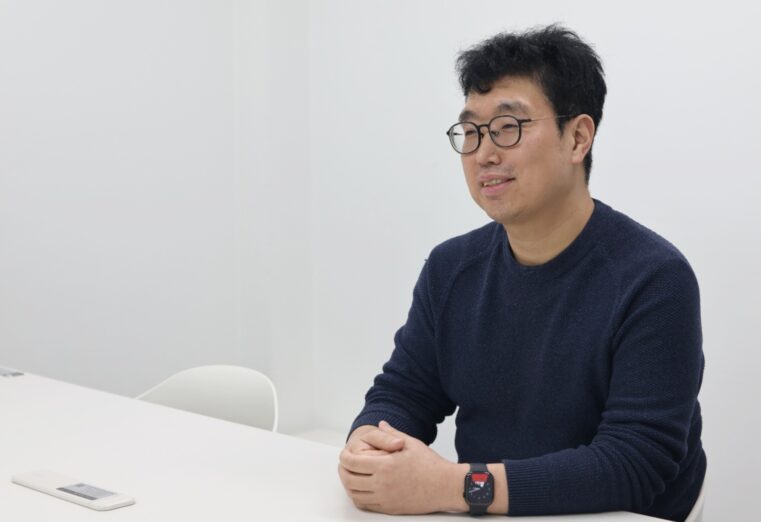
“투자는 조건부 자본…다시 창업한다면, 투자 없이 자생할 회사 만들 것”
서광열 대표는 벤처캐피탈 투자를 조건부 자본이라고 본다. “벤처캐피탈의 돈은 단순한 현금이 아니라 꼬리표가 달린 돈입니다. 단 한 번이라도 투자를 받는 순간, 기업은 빠른 성장을 통해 투자자를 높은 멀티플로 엑싯시켜야 할 의무를 함께 떠안게 됩니다.”
이 꼬리표의 실체는 생각보다 무겁다.
“자본에는 반드시 의무가 따르고, 그 의무는 주주간 계약을 통해 구체화됩니다. 투자자는 기업의 주요 의사결정에 관여할 뿐 아니라, 경우에 따라서는 창업자의 재산권 행사 자체에도 상당한 영향력을 행사하게 됩니다. 투자 유치는 단순히 돈을 받는 행위가 아니라, 회사의 통제 구조를 함께 나누는 결정이죠.”
그래서 그는 솔직하게 말한다.
“코드박스가 누적으로 230억 원이 넘는 투자를 받았고, 두나무에 인수까지 된 회사임에도, 만약 다시 창업할 기회가 주어진다면 투자 없이 자생할 수 있고, 내가 원하는 속도로 성장시킬 수 있는 회사를 한 번쯤은 만들어보고 싶다는 생각도 있죠.”
투자를 받을지 말지를 판단할 때 가장 중요한 기준은 하나다.
“투자자들이 요구하는 성장의 속도를 감당할 수 있는가입니다. 그 속도가 내 사업의 시장, 기술, 조직의 준비도와 맞아 떨어진다면 투자는 분명히 날개를 달아줄 것입니다. 하지만 그 속도가 맞지 않는다면, 투자는 오히려 추락의 원인이 될 수 있습니다.”
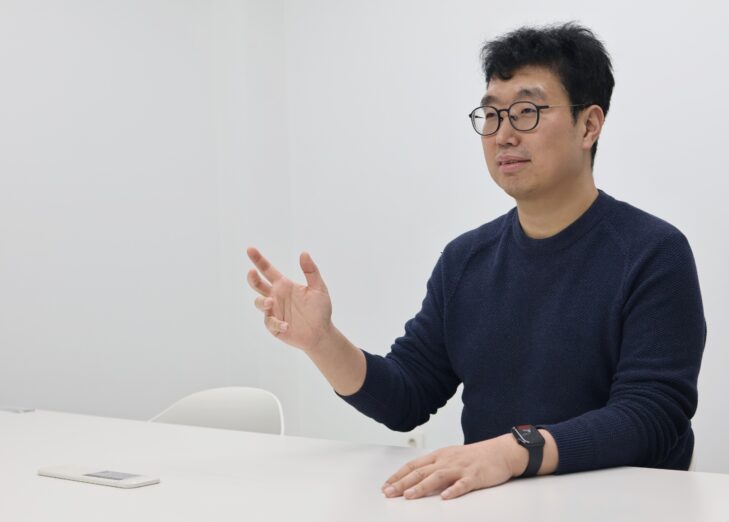
ZUZU는 ‘투자 인사이트 클럽’ 같은 행사를 운영하며 기업들이 투자 유치의 구조와 속성을 제대로 이해할 수 있도록 돕는다. 투자자의 관점, 펀드 구조, 성장 속도에 대한 기대를 투명하게 공유함으로써, 대표들이 투자를 받아야 하는가가 아니라 어떤 조건의 투자가 우리에게 맞는가를 스스로 판단할 수 있도록 돕는 것이 가장 큰 목적이다.
서광열 대표가 초기 창업자 스스로 던져야 할 질문으로 꼽은 것은 하나다. “나는 지금 정확히 어떤 문제를 풀고 있는가?”
“현장에서 보면, 새로운 기술이 등장할 때마다 그 기술이 무엇을 할 수 있을지에 대한 기대부터 앞서는 경우가 많습니다. 그러다 보면 자연스럽게 기술을 먼저 만들고, 이어 문제를 찾아 나서는 방향으로 흐르기 쉽습니다. 하지만 이렇게 문제를 찾아 헤매는 솔루션은 시장에서 선택받기 어렵습니다. 반대로 시장의 문제를 치열하게 고민하고 그 문제의 본질을 정확히 짚은 뒤, 그에 적합한 솔루션을 제시하는 팀은 초기라도 분명한 반응을 만들어냅니다. 속도나 완성도 이전에, 문제 정의가 명확하기 때문입니다.”
창업 9년 차인 지금도 서광열 대표는 매일 스스로에게 같은 질문을 던진다. “나는 지금 무슨 문제를 풀고 있는가? 이 질문에 선명하게 답할 수 있다면, 다음 단계에 대한 방향 역시 자연스럽게 보이기 시작합니다.”
서광열 코드박스 대표가 창업자들에게 반복해서 던지는 질문은 기술이나 속도가 아니라 문제 정의다.
“나는 정확히 어떤 문제를 풀고 있는가?”
이 질문에 선명하게 답할 수 있다면, 투자를 받든 받지 않든, 빠르게 가든 천천히 가든, 방향은 자연스럽게 보이기 시작한다.
"Investing is money with a label… Defining the problem comes first, not speed." Seo Gwang-yeol, CEO of Codebox
"Venture capital money is money with a price tag. The moment a company receives investment, it assumes the obligation to rapidly grow and exit investors at a high multiple."
Seo Kwang-yeol, CEO of Codebox, has raised over 23 billion won in cumulative investment and experienced the company's acquisition by Dunamu. Despite this, he says, "If I were to start a business again, I'd want to create a company that could survive without investment." As a founder who grew through investment, he understands the structural weight of that choice.
Having closely observed the operations of over 11,000 corporations over nine years, he believes that the key to a startup's success or failure isn't its idea, but rather "the difference in perception of operations." He argues that the quality of a corporation's operations directly determines its access to capital markets, and this gap only widens over time.
CEO Seo Kwang-yeol, a computer engineering major and lifelong developer, began his journey with the realization that the entire startup process—from founding and operating to raising capital—was "excessively outdated." He saw the problem as a system in which core corporate decisions—such as incorporation, registration and resolutions, stock compensation, and investment attraction—were dispersed across Excel, documents, messengers, and email, making it a given.
“It felt like an area that hadn't been improved upon for decades because it was 'just the way it was', even though technically it could have been done in a much more transparent and automated way.”
The question he repeatedly asks entrepreneurs is simple:
“What problem exactly am I solving right now?”
He argues that whenever a new technology emerges, instead of immediately thinking about what it can do, we should first consider what problems are currently unsolved in the market. He argues that focusing on speed and perfection when the problem definition is unclear can easily lead to a loss of direction.
"Operations aren't an afterthought…the most important moment is the most expensive."
From its inception, Codebox chose the heavy lifting of corporate operations, shareholder management, and investment infrastructure. The reason for choosing this market over a fast-paced consumer service was clear.
"Contrary to the perception that this area is difficult and complex, I believe it's a core area that every corporation must prioritize for growth. As a company grows, governance, shareholder management, investment history, and decision-making consistency become essential, not optional."
The moment startups put off corporate operations as a "later issue" and incur the greatest costs is usually when the company's value is fully assessed. During investment rounds, mergers and acquisitions, or IPOs, when external stakeholders scrutinize the company's internal affairs, accumulated operational vulnerabilities are suddenly exposed. Structures and records that normally appear to be flawless can actually pose real risks, delaying decision-making or worsening conditions when faced with a critical transaction.
CEO Seo Kwang-yeol personally experienced the weight of investment contract provisions when he worked as CTO at a previous startup.
"There was a clause that effectively restricted the co-founders from leaving the company, as they were tied to the company as stakeholders. When it became necessary to leave, this clause became a real shackle, and I was only able to leave after returning all my shares. That experience taught me that the corporation and its stocks aren't something you can just sort out later."
The same holds true for stock compensation. Stock options may seem like a distant future story when granted, but when they're actually exercised, the accumulated problems suddenly become a reality. It's not uncommon to discover belatedly that a past resolution was legally flawed, only to find a solution later. The costs of this go beyond mere administrative overhead; they can lead to a breakdown in trust and ruptures in relationships.
"This is why ZUZU has integrated all of its corporate operations into a single infrastructure. This isn't simply a choice to make things easier; it serves as the minimum foundation for companies to maintain their negotiating power and choice at every critical moment."
The Power Law of Venture Capital Investment… "Not Every Business Can Draw a J-Curve"
CEO Seo Kwang-yeol has repeatedly emphasized the structural nature of investment attraction through numerous articles and interviews. The most common problem entrepreneurs encounter when misunderstanding investors' expected returns and fund structures is a lack of understanding of the growth curve their business is expected to follow when accepting capital.
"The return structure of venture capital fundamentally follows a power law. Many companies invested in by a single fund fail or achieve limited results, while a very small number of companies must generate returns of 100 times or more for the entire fund to survive."
In this structure, venture capitalists aren't looking for "stable, good companies." They're looking for a small number of outliers capable of driving the entire fund's profits. As a result, startups that receive venture funding, whether intentionally or not, are forced onto a J-curve path of rapid growth. A strategy of rapidly dominating the market and achieving nonlinear growth becomes a prerequisite.
The problem is that not all businesses can achieve this growth curve. Therefore, CEO Seo argues that venture capital isn't always the answer. He argues that for businesses where power-law growth is difficult due to the nature of the market and technology, investment can actually be detrimental. Attracting investment isn't simply about raising funds; it's about tying yourself to a specific growth function.
"Market size, customer purchasing cycles, and the scalability of technology often don't allow for rapid growth. Nevertheless, receiving venture capital often leads to repeated decisions that accelerate growth, regardless of the nature of the business. Typical examples include reckless expansion into unproven markets, excessive upfront expansion of organizational and cost structures, and pursuing growth metrics that don't align with long-term profitability."
11,000 clients have proven that "operating quality determines access to capital markets."
ZUZU has over 11,000 clients. These include virtually all types of corporations, including startups, small and medium-sized enterprises, and unlisted corporations. The problem CEO Seo Kwang-yeol experienced on the ground was not a lack of ideas, but a gap in operational awareness.
"The fact that many of ZUZU's early clients were startups may actually be proof that startups have a higher level of operational awareness than traditional businesses. Because startups inherently start with a prerequisite of investment, shareholders, and growth, they tend to view corporate operations as a systemic issue to be managed now, rather than something to be resolved later."
On the other hand, general companies often fail to appreciate the importance of corporate governance until they encounter capital markets. Since they don't anticipate external investment, mergers and acquisitions, or equity transactions, they have little incentive to meticulously manage shareholder management or governance structures to meet capital market standards. However, once they encounter capital markets—through bank loans, venture capital investments, or private equity acquisitions—the operational gaps that have been neglected quickly become costs.
The most structural misconception that CEO Seo Kwang-yeol repeatedly encounters in the field is the perception that operations are simply administrative work and that growth comes first.
"In reality, the level of operational excellence determines the level of access to capital markets. ZUZU is not simply a tool that provides operational convenience; it aims to be an infrastructure that naturally helps businesses reach the minimum operational standards required by capital markets."
"Investment is conditional capital… If I were to start a business again, I would create a company that would survive without investment."
CEO Seo Kwang-yeol views venture capital investment as conditional capital. "Venture capital isn't just cash; it's money with a price tag attached. The moment a company receives even a single investment, it assumes the obligation to rapidly grow and deliver a high multiple exit to its investors."
The reality of this label is heavier than you think.
Capital inevitably carries obligations, and those obligations are specified in shareholder agreements. Investors not only participate in key corporate decisions, but in some cases, even exert significant influence over the founder's exercise of property rights. Attracting investment isn't simply about receiving money; it's about sharing in the company's control structure.
So he speaks honestly.
"Although Codebox has received over 23 billion won in cumulative investment and was even acquired by Dunamu, if given the opportunity to start a business again, I'd love to create a company that could sustain itself without investment and grow at my own pace."
There is one most important criterion when deciding whether or not to receive an investment.
"The question is whether you can handle the pace of growth investors demand. If that pace aligns with your business's market, technology, and organizational readiness, the investment will undoubtedly give you wings. However, if that pace doesn't match, the investment could actually be a cause of your downfall."
ZUZU runs events like the "Investment Insight Club" to help companies properly understand the structure and nature of investment attraction. By transparently sharing investor perspectives, fund structures, and growth expectations, our primary goal is to empower CEOs to determine not whether they should receive investment, but rather what investment conditions are right for them.
CEO Seo Kwang-yeol singled out one question that early-stage entrepreneurs should ask themselves: "What problem exactly am I solving?"
"In the field, whenever a new technology emerges, expectations about what it can do often overwhelm. This naturally leads to developing the technology first, then moving on to identifying the problem. However, solutions that struggle to find the right solution often struggle to gain acceptance in the market. Conversely, teams that diligently consider market issues, pinpoint their root causes, and then propose solutions that address them often generate a clear response, even initially. This is because their clarity in problem definition precedes speed or completeness."
Even now, nine years into his business, CEO Seo Kwang-yeol asks himself the same question every day: "What problem am I solving right now? If I can clearly answer this question, the direction for the next step will naturally begin to emerge."
The question that Seo Kwang-yeol, CEO of Codebox, repeatedly asks entrepreneurs is not about technology or speed, but about defining the problem.
“What problem exactly am I solving?”
If you can answer this question clearly, whether you take investment or not, whether you go fast or slow, the direction will begin to appear natural.
「投資はタグ付きのお金…速度ではない問題定義が先に」ソ・グァンヨルコードボックス代表
「ベンチャーキャピタルのお金はタグ付きのお金です。投資を受けた瞬間、企業は急速な成長を通じて投資家を高いマルチフローにつなげなければならない義務を共に抱きしめます」
ソ・グァンヨルコードボックス代表は累積で230億ウォンを超える投資を受けて、会社を桐に買収させる経験をしたのに「再び創業すれば投資なしで自生できる会社を作ってみたい」と話す。投資を通じて成長した創業者であるため、その選択が持つ構造的重量をよく知っているからだ。
9年間で11,000カ所を超える法人の運営を近くで見守った彼は、スタートアップの成敗を分ける要因がアイデアではなく、「運営を見つめる認識の違い」と話す。法人運営の水準がまもなく資本市場のアクセシビリティを決定し、この格差は時間が経つにつれてより大きく広がるということだ。
コンピュータ工学を専攻して生涯開発者として生きてきたソ・グァンヨル代表はスタートアップ創業と運営、資本調達過程全般が「過度に老朽化している」という問題意識から出発した。法人設立、登記と決議、株式報酬、投資誘致のように、企業の核心意思決定がエクセルと文書、メッセンジャー、電子メールに散らばったまま管理される現実が当然受け入れられる構造自体が問題だと見た。
「技術的にははるかに透明で自動化された方法が可能であるにもかかわらず、「もともとそのようなもの」という理由で何十年も改善されていない領域のように感じられました。」
彼が繰り返し創業者に投げる質問は単純です。
「私は今正確にどんな問題を解決していますか?」
新しい技術が登場するたびに技術ができることから思い出すのではなく、今市場で実際に解決されていない問題が何なのかから悩まなければならないということだ。問題定義がぼやけた状態で速度と完成度を前面に出した実行は、結局方向を失いやすいと彼は言う。
「運営は後で問題ではない…最も重要な瞬間に最も高い対価」
コードボックスは創業初期から法人運営、株主管理、投資インフラという重い領域を選択した。急速な消費者サービスではなく、この市場を選んだ理由は明確だった。
「この領域が難しく複雑であるという認識とは異なり、すべての法人が成長するために必ず充分に取り組むべき核心領域だと見たからです。会社が大きくなるほど支配構造、株主管理、投資履歴、意思決定の整合性は選択ではなく必須になります。
スタートアップが法人運営を「後の問題」として先延ばしが最も大きく費用をかけた瞬間は、概して企業の価値が本格的に評価される時点だ。投資誘致や買収合併、上場のように外部利害関係者が会社内部を覗く局面でこれまで積み重ねていた運営の抜け穴が一度にあらわれる。普段は問題がないように見えた構造と記録が、いざ重要な取引の前では意思決定を遅らせたり、条件を悪化させる実質的なリスクとして作用する。
ソ・グァンヨル代表は以前創業でCTOとして参加した当時、投資契約条項が持つ重量を体験した。
「共同創業者が利害関係者に縛られ、事実上退社が制限される条項がありました。会社を離れなければならない状況になると、その条項が現実的な束縛として作用し、結局保有株式をすべて返した後にこそ会社を出ることができました。その経験を通じて法人と株式は後にまとめることができる。
株式報酬も同様だ。ストックオプションは付与時点には遠い未来の話のように感じられるが、実際の行事時点になるとこれまで積み重ねていた問題が一度に現実に現れる。過去の決議が法的に間違っていたという事実を遅らせて発見し、それから解決策を探さなければならない状況も少なくない。この時の費用は単純な行政費用を超え、信頼毀損と関係の亀裂につながる。
「ZUZUが法人運営全体を1つのインフラにまとめた理由もここにあります。これは単に仕事を楽にするための選択ではなく、企業が重要な選択の瞬間ごとに交渉力と選択権を守るための最小限の基盤になります。」
ベンチャーキャピタル投資のべき法則… 「すべての事業がJカーブ描けない」
ソ・グァンヨル代表は、様々な寄稿文とインタビューを通じて投資誘致の構造的属性を繰り返し強調してきた。創業者が投資家の期待収益とファンド構造を誤解したときに最も頻繁に現れる問題は、自分の事業がどの成長曲線を前提として資本を受け入れているかについての認識不足である。
「ベンチャーキャピタルの収益構造は基本的に凡法則に従います。一つのファンドで投資した多数の会社は失敗したり、制限的な成果にとどまり、ごく少数の会社が100倍以上、時にはそれ以上の収益を生み出さなければ全体ファンドが成立します。」
この構造でベンチャーキャピタルが期待するのは「安定的な良い会社」ではない。ファンド全体の収益を担当できる少数の超大型アウトライヤだ。その結果、ベンチャー投資を受けたスタートアップは意図したかどうかにかかわらず、Jカーブを描く高速成長経路に上がることになる。短期間で市場を掌握し、非線形的に規模を育てる戦略が事実上前提条件となる。
問題は、すべての事業がこのような成長曲線を描くことができるわけではないという点だ。だからソ代表はベンチャー投資がいつも正解ではないと言う。特に市場と技術の特性上、べき法則的成長が難しい事業には、投資がむしろ毒になることができるということだ。投資誘致は単に資金を調達する行為ではなく、ある成長関数に自分自身を結ぶ選択だからだ。
「市場の大きさ、顧客の購買サイクル、技術の拡張性自体が高速成長を許さない場合も多い。それでもベンチャーキャピタルの資本を受ければ、事業の本質とは無関係にスピードを上げる意思決定が繰り返される。まだ検証されていない市場への無理な拡張、組織とコスト構造の過度な先行拡大、長期的に収益性。
11,000社のお客様が証明したもの… 「運営水準が資本市場のアクセシビリティを決定」
ZUZUを利用する顧客会社は11,000社を超える。彼らはスタートアップだけでなく、中小企業、非上場一般法人など事実上あらゆるタイプの法人だ。ソ・グァンヨル代表が現場で体感した問題は、アイデア不足ではなく、運営認識の格差だった。
「初期のZUZU顧客にスタートアップが多かったという事実が、むしろスタートアップの運営認識が一般企業より高いという反証かもしれません。
一方、一般企業は資本市場との接点ができるまで法人運営の重要性を体感できない場合が多い。外部投資や買収合併、持分取引を念頭に置いていないため、あえて資本市場が要求する基準に合わせて株主管理や支配構造を精巧に管理する誘因が大きくない。だが銀行融資やVC投資、PEの買収など資本市場と突き当たる瞬間、これまで放置されていた運営の空白はすぐに費用に戻ってくる。
ソ・グァンヨル代表が現場で繰り返し出会う最も構造的な錯覚は、運営は単純な行政であり、成長が先だという認識だ。
「実際には、運営の水準がまもなく資本市場のアクセシビリティの水準を決定します。
「投資は条件付資本…再び創業すれば、投資なしで自生する会社づくり」
ソ・グァンヨル代表はベンチャーキャピタル投資を条件付資本と見ている。 「ベンチャーキャピタルのお金は単純な現金ではなく、札が付いたお金です。たった一度でも投資を受ける瞬間、企業は急速な成長を通じて投資家を高いマルチフローで取り組むべき義務を一緒に抱きしめることになります。」
この札の実体は思ったより重い。
「資本には必ず義務が従い、その義務は株主間契約を通じて具体化されます。投資家は企業の主な意思決定に関与するだけでなく、場合によっては創業者の財産権行使自体にも相当な影響力を行使することになります。投資誘致は単にお金を受ける行為ではなく、会社の統制構造を共に」
だから彼は率直に言う。
「コードボックスが累積的に230億ウォンを超える投資を受けており、2本の木に買収までなった会社であるにもかかわらず、もし再び創業する機会が与えられれば投資なしで自生することができ、私が望む速度で成長させることができる会社を一度は作ってみたいという考えもあります。」
投資を受けるかどうかを判断する際に最も重要な基準は一つだ。
「投資家が求める成長のスピードを余裕ができるのでしょうか。そのスピードが私の事業の市場、技術、組織の準備度と合って落ちれば投資は明らかに翼をつけてくれるでしょう。 しかし、そのスピードが合わなければ、投資はむしろ墜落の原因になるかもしれません。」
ZUZUは「投資インサイトクラブ」のようなイベントを運営し、企業が投資誘致の構造と属性を正しく理解できるように支援する。投資家の視点、ファンド構造、成長速度への期待を透明に共有することで、代表者が投資を受けなければならないのではなく、どのような条件の投資が私たちに合うかを自分で判断できるように助けることが最大の目的だ。
ソ・グァンヨル代表が初期創業者自ら投げなければならない質問に挙げたのは一つだ。 「私は今正確にどんな問題を解決していますか?」
「現場から見ると、新しい技術が登場するたびにその技術が何ができるのかという期待から先に進むことが多いのです。 そうすると自然に技術を先に作り、引き続き問題を探し出す方向に流れやすいです。 しかし、このような問題を見つけて迷うソリューションは市場で選ばれにくいです。逆に市場の問題わらの後、それに適したソリューションを提示するチームは、初期でも明確な反応を生み出します。
創業9年目の今でもソ・グァンヨル代表は毎日自らに同じ質問をする。 「私は今どんな問題を解決していますか?この質問にはっきりと答えることができれば、次のステップへの方向も自然に見え始めます。」
ソ・グァンヨルコードボックス代表が創業者たちに繰り返し投げる質問は技術やスピードではなく問題定義だ。
「私は正確にどんな問題を解決していますか?」
この質問に鮮明に答えることができれば、投資を受けても受け取らなくても、すぐに行くかゆっくりと行くか、方向は自然に見え始めます。
“投资就是贴着标签的钱……首先要明确问题所在,而不是追求速度。”——Codebox首席执行官徐光烈
“风险投资是有代价的。公司一旦获得投资,就必须承担快速增长并以高倍数退出投资者的义务。”
Codebox 的 CEO 徐光烈 (Seo Kwang-yeol) 累计融资超过 230 亿韩元,并经历了公司被 Dunamu 收购的过程。尽管如此,他表示:“如果让我重新创业,我希望打造一家无需投资也能生存的公司。” 作为一名依靠投资发展壮大的创始人,他深知这一选择背后的结构性意义。
在长达九年的时间里,他密切观察了超过11000家公司的运营情况,他认为,初创企业成败的关键不在于其创意,而在于“运营认知上的差异”。他指出,公司运营的质量直接决定了其进入资本市场的机会,而且这种差距只会随着时间的推移而不断扩大。
首席执行官徐光烈(Seo Kwang-yeol)是一位计算机工程专业的学生,也是一位终身开发者。他创办公司的初衷是意识到整个创业流程——从创立、运营到筹集资金——都“过于过时”。他认为问题在于,核心的公司决策——例如公司注册、登记和决议、股权激励以及吸引投资——分散在Excel表格、文档、即时通讯工具和电子邮件中,并被视为理所当然。
“感觉这个领域几十年都没有改进过,因为它‘一直都是这样’,尽管从技术上讲,完全可以用更透明、更自动化的方式来完成。”
他反复向创业者提出的问题很简单:
“我现在究竟在解决什么问题?”
他认为,每当一项新技术出现时,我们不应立即考虑它能做什么,而应首先思考市场上目前有哪些尚未解决的问题。他指出,在问题定义不明确的情况下,过分追求速度和完美很容易导致迷失方向。
“运营并非事后才考虑的事情……最重要的时刻往往是最昂贵的。”
从创立之初,Codebox 就选择了承担繁重的公司运营、股东管理和投资基础设施建设工作。它选择这个市场而非快节奏的消费者服务市场,原因显而易见。
“与人们普遍认为这一领域困难复杂的看法相反,我认为这是每个公司为了发展都必须优先考虑的核心领域。随着公司的发展,公司治理、股东管理、投资历史和决策一致性变得至关重要,而非可有可无。”
初创公司往往将公司运营视为“以后再说”的问题,而导致成本最高的时候,恰恰是公司价值得到全面评估的时候。在融资轮、并购或IPO期间,当外部利益相关者仔细审查公司内部事务时,之前积累的运营漏洞就会突然暴露出来。那些看似完美无瑕的架构和记录,实际上可能存在真正的风险,在面临关键交易时,会延误决策或使情况恶化。
CEO 徐光烈曾在一家创业公司担任首席技术官,亲身体验过投资合同条款的沉重压力。
“有一条条款实际上限制了联合创始人离开公司,因为他们作为股东与公司捆绑在一起。当必须离开时,这条条款就成了真正的枷锁,我只有在退还所有股份后才能离开。那次经历让我明白,公司及其股票不是事后就能解决的问题。”
股票期权激励也存在同样的问题。授予股票期权时,人们或许觉得这是遥远的未来,但一旦行使,之前积累的问题就会立刻变成现实。事后发现之前的决议存在法律缺陷,然后才能找到解决方案的情况并不少见。这造成的损失远不止行政成本,还会导致信任破裂和人际关系断裂。
“正因如此,ZUZU才将所有企业运营整合到一个统一的基础设施中。这不仅仅是为了简化流程;它为企业在每个关键时刻保持谈判能力和选择权奠定了最低基础。”
风险投资的幂律……“并非所有企业都能画出J型曲线”
徐光烈首席执行官曾多次在文章和采访中强调投资吸引力的结构性因素。企业家在误解投资者预期回报和基金结构时最常遇到的问题是,他们缺乏对企业在接受资本后预期增长曲线的理解。
“风险投资的回报结构从根本上遵循幂律。单个基金投资的许多公司都会失败或业绩有限,而只有极少数公司能够带来 100 倍或更高的回报,整个基金才能生存下去。”
在这种结构下,风险投资家寻找的并非“稳定、优秀的公司”,而是少数能够带动整个基金盈利的“异类”。因此,无论有意还是无意,获得风险投资的初创公司都被迫走上快速增长的J型曲线。迅速主导市场并实现非线性增长的战略成为必备条件。
问题在于并非所有企业都能实现这种增长曲线。因此,Seo 首席执行官认为风险投资并非万能。他指出,对于那些由于市场和技术特性而难以实现幂律增长的企业而言,投资实际上可能适得其反。吸引投资并非仅仅是筹集资金,而是要将自身与特定的增长模式联系起来。
“市场规模、客户购买周期和技术可扩展性往往限制了快速增长。然而,获得风险投资通常会导致企业反复做出加速增长的决策,而不管企业本身的性质如何。典型的例子包括鲁莽地扩张到未经证实的市场、过度前期扩张组织和成本结构,以及追求与长期盈利能力不符的增长指标。”
11,000 名客户已经证明,“运营质量决定了能否进入资本市场”。
ZUZU拥有超过11,000家客户,几乎涵盖所有类型的企业,包括初创公司、中小企业和非上市公司。首席执行官徐光烈在实际运营中遇到的问题并非缺乏创意,而是运营意识不足。
“ZUZU早期的许多客户都是初创公司,这一事实或许恰恰证明了初创公司比传统企业拥有更高的运营意识。因为初创公司本身就以投资、股东和增长为前提,所以它们倾向于将公司运营视为一个需要立即管理的系统性问题,而不是以后再解决的问题。”
另一方面,一般公司往往在接触资本市场之前,都未能充分认识到公司治理的重要性。由于它们并未预料到外部投资、并购或股权交易,因此缺乏动力去精心管理股东权益或公司治理结构,以符合资本市场的标准。然而,一旦它们通过银行贷款、风险投资或私募股权收购等方式进入资本市场,那些之前被忽视的运营缺陷就会迅速转化为成本。
徐光烈CEO在实际工作中反复遇到的最根本的误解是,人们认为运营只是行政工作,增长才是最重要的。
“实际上,卓越的运营水平决定了企业进入资本市场的渠道。ZUZU 不仅仅是一个提供运营便利的工具;它的目标是成为一个基础设施,帮助企业自然而然地达到资本市场要求的最低运营标准。”
“投资是有条件的资本……如果我重新创业,我会创建一个即使没有投资也能生存的公司。”
徐光烈首席执行官认为风险投资是有条件的资本。“风险投资不仅仅是现金;它是附带条件的资金。公司一旦获得哪怕一笔投资,就必须承担快速增长并为投资者带来高回报的义务。”
这个标签背后的现实比你想象的要沉重得多。
资本必然伴随着义务,这些义务在股东协议中都有明确规定。投资者不仅参与公司的关键决策,在某些情况下,甚至对创始人行使产权施加重大影响。吸引投资不仅仅是获得资金,更重要的是分享公司的控制权。
所以他说话很坦诚。
“虽然 Codebox 累计获得超过 230 亿韩元的投资,甚至被 Dunamu 收购,但如果给我机会再次创业,我希望创建一个无需投资就能自给自足,并能按照我自己的节奏发展的公司。”
决定是否接受投资时,最重要的标准只有一个。
“问题在于你是否能够应对投资者所要求的增长速度。如果这种增长速度与你企业的市场、技术和组织准备情况相符,那么这项投资无疑会助你腾飞。然而,如果这种增长速度不匹配,那么这项投资实际上可能会成为你失败的原因。”
ZUZU举办诸如“投资洞察俱乐部”之类的活动,旨在帮助企业正确理解投资的结构和本质。通过透明地分享投资者的观点、基金结构和增长预期,我们的主要目标是帮助CEO们判断企业是否应该获得投资,以及什么样的投资环境最适合自身。
首席执行官徐光烈特别指出,早期创业者应该问自己一个问题:“我究竟在解决什么问题?”
在实际应用中,每当一项新技术出现,人们往往会对其功能抱有过高的期望。这自然会导致人们先开发技术,然后再去寻找问题。然而,那些难以找到合适解决方案的方案往往难以被市场接受。相反,那些认真思考市场问题、找出根本原因并提出相应解决方案的团队,往往能够获得明确的市场反馈,即使在初期也是如此。这是因为他们对问题的清晰定义先于速度和完整性。
即使在公司成立九年后的今天,CEO徐光烈每天都会问自己同一个问题:“我现在正在解决什么问题?如果我能清楚地回答这个问题,下一步的方向自然就会浮现出来。”
Codebox 的 CEO 徐光烈反复向创业者提出的问题,不是关于技术或速度,而是关于如何定义问题。
“我究竟在解决什么问题?”
如果你能清楚地回答这个问题,无论你是否投资,无论你走得快还是慢,方向都会开始显得自然而然。
« Investir, c'est donner une étiquette à son argent… Définir le problème est primordial, pas la rapidité. » Seo Gwang-yeol, PDG de Codebox
« Le capital-risque, c'est de l'argent qui a un prix. Dès qu'une entreprise reçoit un investissement, elle s'engage à croître rapidement et à revendre ses parts aux investisseurs avec un multiple élevé. »
Seo Kwang-yeol, PDG de Codebox, a levé plus de 23 milliards de wons d'investissements cumulés et a vu son entreprise rachetée par Dunamu. Malgré cela, il affirme : « Si je devais créer une entreprise à nouveau, je voudrais bâtir une société capable de survivre sans investissement. » En tant que fondateur ayant bâti sa croissance grâce à des investissements, il comprend toute la portée de ce choix.
Après avoir observé de près les activités de plus de 11 000 entreprises pendant neuf ans, il estime que la clé du succès ou de l’échec d’une start-up ne réside pas dans son idée, mais plutôt dans « la différence de perception de ses opérations ». Il soutient que la qualité des opérations d’une entreprise détermine directement son accès aux marchés financiers, et que cet écart ne fait que se creuser avec le temps.
Seo Kwang-yeol, PDG, ingénieur informatique de formation et développeur de longue date, a entamé son parcours avec le constat que l'ensemble du processus de création d'entreprise — de la fondation à la levée de fonds en passant par l'exploitation — était « excessivement obsolète ». Il percevait le problème comme un système dans lequel les décisions d'entreprise fondamentales — telles que la constitution en société, l'enregistrement et les résolutions, la rémunération en actions et l'attraction des investissements — étaient dispersées entre Excel, documents, messageries et courriels, ce qui allait de soi.
« On avait l’impression que ce domaine n’avait pas été amélioré depuis des décennies parce que c’était “comme ça”, même si techniquement, cela aurait pu être fait de manière beaucoup plus transparente et automatisée. »
La question qu'il pose sans cesse aux entrepreneurs est simple :
« Quel problème suis-je en train de résoudre exactement ? »
Il soutient que face à une nouvelle technologie, au lieu de se concentrer immédiatement sur ses applications, il convient d'examiner d'abord les problèmes non résolus du marché. Selon lui, privilégier la rapidité et la perfection lorsque le problème est mal défini peut facilement mener à une perte de cap.
« Les opérations ne sont pas une simple formalité… le moment le plus important est aussi le plus coûteux. »
Dès sa création, Codebox a choisi de se concentrer sur les aspects les plus complexes de la gestion d'entreprise, de la gestion des actionnaires et de l'infrastructure d'investissement. Le choix de ce marché plutôt que celui, plus dynamique, des services aux consommateurs était évident.
« Contrairement à l'idée reçue selon laquelle ce domaine est difficile et complexe, je crois qu'il s'agit d'un domaine fondamental que toute entreprise doit prioriser pour assurer sa croissance. À mesure qu'une entreprise se développe, la gouvernance, la gestion des actionnaires, l'historique des investissements et la cohérence des décisions deviennent essentiels, et non optionnels. »
C’est généralement au moment où les startups repoussent leurs opérations de gestion, les jugeant « plus tard », qu’elles encourent les coûts les plus élevés, que leur véritable valeur est pleinement évaluée. Lors des levées de fonds, des fusions-acquisitions ou des introductions en bourse, lorsque les parties prenantes externes examinent minutieusement les affaires internes de l’entreprise, les vulnérabilités opérationnelles accumulées sont soudainement mises en lumière. Des structures et des documents qui paraissent normalement irréprochables peuvent en réalité présenter des risques concrets, retardant la prise de décision ou aggravant la situation lors d’une transaction cruciale.
Le PDG Seo Kwang-yeol a personnellement constaté le poids des clauses des contrats d'investissement lorsqu'il travaillait comme directeur technique dans une précédente start-up.
« Une clause interdisait de fait aux cofondateurs de quitter l'entreprise, car ils y étaient liés en tant qu'actionnaires. Lorsque le départ s'est avéré nécessaire, cette clause est devenue un véritable fardeau, et je n'ai pu partir qu'après avoir restitué toutes mes actions. Cette expérience m'a appris que la gestion d'une entreprise et de ses actions n'est pas quelque chose dont on peut se débarrasser après coup. »
Il en va de même pour la rémunération en actions. Les options d'achat d'actions peuvent sembler un projet lointain lors de leur attribution, mais lorsqu'elles sont exercées, les problèmes accumulés deviennent soudainement une réalité. Il n'est pas rare de découvrir tardivement qu'une décision prise antérieurement était juridiquement erronée, pour finalement trouver une solution. Les coûts de telles situations dépassent le simple cadre administratif ; elles peuvent entraîner une rupture de confiance et des conflits relationnels.
« C’est pourquoi ZUZU a intégré toutes ses opérations d’entreprise dans une infrastructure unique. Il ne s’agit pas simplement d’un choix visant à simplifier les choses ; cela constitue le socle minimal permettant aux entreprises de conserver leur pouvoir de négociation et leur liberté de choix à chaque moment crucial. »
La loi de puissance de l'investissement en capital-risque… « Toutes les entreprises ne peuvent pas tracer une courbe en J »
Le PDG Seo Kwang-yeol a maintes fois insisté sur l'importance de la structure des mécanismes d'attraction des investissements dans de nombreux articles et interviews. Le problème le plus fréquent rencontré par les entrepreneurs qui interprètent mal les rendements attendus des investisseurs et la structure des fonds réside dans leur méconnaissance de la courbe de croissance que leur entreprise est censée suivre lors de l'acceptation de capitaux.
« La structure de rendement du capital-risque suit fondamentalement une loi de puissance. De nombreuses entreprises dans lesquelles un seul fonds investit échouent ou obtiennent des résultats limités, tandis qu'un très petit nombre d'entreprises doivent générer des rendements de 100 fois ou plus pour que l'ensemble du fonds survive. »
Dans ce contexte, les investisseurs en capital-risque ne recherchent pas des entreprises « stables et performantes ». Ils recherchent un petit nombre d'entreprises exceptionnelles capables de générer à elles seules les profits de l'ensemble du fonds. De ce fait, les startups qui reçoivent un financement en capital-risque, intentionnellement ou non, sont contraintes de suivre une trajectoire de croissance rapide en forme de J. Une stratégie visant à dominer rapidement le marché et à atteindre une croissance non linéaire devient alors indispensable.
Le problème, c'est que toutes les entreprises ne peuvent pas atteindre ce rythme de croissance. C'est pourquoi le PDG Seo affirme que le capital-risque n'est pas toujours la solution. Il soutient que pour les entreprises où une croissance exponentielle est difficile à atteindre en raison de la nature du marché et de la technologie, l'investissement peut même s'avérer contre-productif. Attirer des investissements ne se résume pas à lever des fonds ; il s'agit de s'engager pleinement dans une stratégie de croissance ciblée.
« La taille du marché, les cycles d'achat des clients et l'évolutivité des technologies ne permettent généralement pas une croissance rapide. Pourtant, l'obtention de capitaux-risqueurs conduit souvent à des décisions répétées qui accélèrent la croissance, quelle que soit la nature de l'activité. Parmi les exemples typiques, citons l'expansion imprudente sur des marchés non éprouvés, le développement initial excessif des structures organisationnelles et de coûts, et la poursuite d'indicateurs de croissance non compatibles avec la rentabilité à long terme. »
11 000 clients ont prouvé que « la qualité opérationnelle détermine l’accès aux marchés des capitaux ».
ZUZU compte plus de 11 000 clients, parmi lesquels figurent des entreprises de tous types : startups, PME et sociétés non cotées. Le problème rencontré par le PDG, Seo Kwang-yeol, n’était pas un manque d’idées, mais une lacune en matière de compréhension des enjeux opérationnels.
« Le fait que nombre des premiers clients de ZUZU aient été des startups prouve peut-être que ces dernières ont une conscience opérationnelle plus développée que les entreprises traditionnelles. Comme elles reposent par nature sur des investissements, des actionnaires et une croissance, elles ont tendance à considérer les opérations comme un problème systémique à gérer dès maintenant, et non comme une question à résoudre ultérieurement. »
En revanche, les entreprises classiques peinent souvent à saisir l'importance de la gouvernance d'entreprise jusqu'à ce qu'elles soient confrontées aux marchés financiers. N'anticipant ni investissements externes, ni fusions-acquisitions, ni opérations sur titres, elles sont peu incitées à gérer rigoureusement leurs structures de gouvernance ou de gestion des actionnaires afin de se conformer aux exigences des marchés financiers. Cependant, dès lors qu'elles y ont accès – par le biais de prêts bancaires, d'investissements en capital-risque ou d'acquisitions par des fonds de capital-investissement – les lacunes opérationnelles négligées se transforment rapidement en coûts.
L’idée fausse la plus structurelle que le PDG Seo Kwang-yeol rencontre régulièrement sur le terrain est la perception que les opérations ne sont qu’un travail administratif et que la croissance passe avant tout.
« En réalité, le niveau d'excellence opérationnelle détermine le niveau d'accès aux marchés financiers. ZUZU n'est pas simplement un outil qui facilite les opérations ; il vise à constituer une infrastructure qui aide naturellement les entreprises à atteindre les normes opérationnelles minimales requises par les marchés financiers. »
« L’investissement est un capital conditionnel… Si je devais créer une entreprise à nouveau, je créerais une société qui pourrait survivre sans investissement. »
Le PDG Seo Kwang-yeol considère l'investissement en capital-risque comme un capital conditionnel. « Le capital-risque n'est pas simplement de l'argent liquide ; c'est de l'argent assorti d'une contrepartie. Dès qu'une entreprise reçoit un seul investissement, elle s'engage à croître rapidement et à générer une plus-value importante pour ses investisseurs. »
Le poids de cette étiquette est plus lourd que vous ne le pensez.
L'apport de capitaux implique inévitablement des obligations, lesquelles sont définies dans les pactes d'actionnaires. Les investisseurs participent non seulement aux décisions stratégiques de l'entreprise, mais exercent parfois une influence considérable sur l'exercice des droits patrimoniaux du fondateur. Attirer des investissements ne se résume pas à recevoir de l'argent ; il s'agit de participer à la structure de contrôle de l'entreprise.
Il parle donc honnêtement.
« Bien que Codebox ait reçu plus de 23 milliards de wons d'investissements cumulés et ait même été rachetée par Dunamu, si j'avais l'opportunité de créer une entreprise à nouveau, j'aimerais créer une société qui puisse se maintenir sans investissement et croître à mon propre rythme. »
Il existe un critère primordial pour décider d'accepter ou non un investissement.
« La question est de savoir si vous pouvez supporter le rythme de croissance exigé par les investisseurs. Si ce rythme correspond à la maturité de votre marché, de votre technologie et de votre organisation, l'investissement vous donnera sans aucun doute des ailes. En revanche, si ce rythme ne correspond pas, l'investissement pourrait bien être la cause de votre échec. »
ZUZU organise des événements comme le « Investment Insight Club » pour aider les entreprises à bien comprendre la structure et la nature de l'attraction des investissements. En partageant en toute transparence les points de vue des investisseurs, les structures des fonds et les perspectives de croissance, notre objectif principal est de permettre aux PDG de déterminer non pas s'ils doivent recevoir des investissements, mais plutôt quelles conditions d'investissement leur conviennent.
Le PDG Seo Kwang-yeol a mis en avant une question que les jeunes entrepreneurs devraient se poser : « Quel problème suis-je en train de résoudre exactement ? »
Sur le terrain, dès l'émergence d'une nouvelle technologie, les attentes quant à ses possibilités sont souvent démesurées. Naturellement, on privilégie alors le développement de la technologie elle-même, avant même d'identifier le problème. Or, les solutions qui peinent à trouver la solution adéquate ont souvent du mal à s'imposer sur le marché. À l'inverse, les équipes qui analysent rigoureusement les problématiques du marché, en identifient les causes profondes et proposent des solutions adaptées obtiennent généralement un résultat probant, même dans un premier temps. En effet, la clarté de leur définition du problème prime sur la rapidité ou l'exhaustivité de leur démarche.
Même aujourd'hui, neuf ans après la création de son entreprise, le PDG Seo Kwang-yeol se pose chaque jour la même question : « Quel problème suis-je en train de résoudre en ce moment ? Si je peux répondre clairement à cette question, la direction à suivre se dessinera naturellement. »
La question que Seo Kwang-yeol, PDG de Codebox, pose sans cesse aux entrepreneurs ne porte pas sur la technologie ou la rapidité, mais sur la définition du problème.
« Quel problème suis-je en train de résoudre exactement ? »
Si vous pouvez répondre clairement à cette question, que vous investissiez ou non, que vous alliez vite ou lentement, la direction à prendre semblera naturelle.
You must be logged in to post a comment.