




미국 실리콘밸리의 AI 하드웨어 스타트업 ‘언컨벤셔널 AI(Unconventional AI)’가 설립 두 달 만에 시드 라운드에서 4억 7,500만 달러(약 6,300억 원)를 유치하며 화제가 되고 있다.
8일(현지시간) 창업자 나빈 라오(Naveen Rao)는 약 45억 달러(약 6조 원)의 기업가치를 인정받아 시드 투자를 았다. 이는 통상적인 초기 스타트업의 자금 조달 규모를 훨씬 상회하는 수치로, 엔비디아(NVIDIA)가 지배하는 AI 인프라 시장에 새로운 지각변동을 예고하는 신호탄으로 해석된다.
이번 시드 라운드는 실리콘밸리의 유력 벤처캐피털인 안드리센 호로위츠(a16z)와 라이트스피드 벤처 파트너스가 공동 주도했으며, 럭스 캐피털, DCVC, 데이터브릭스, 그리고 아마존 창업자 제프 베이조스 등 거물급 투자자들이 대거 참여했다. 나빈 라오 역시 다른 투자자들과 동일한 조건으로 개인 자금 1,000만 달러를 투입하며 책임 경영 의지를 표명했다. 라오는 2016년 인텔에 인수된 ‘네르바나 시스템즈’와 2023년 데이터브릭스에 13억 달러에 매각된 ‘모자이크ML’을 창업한 인물로, 이번이 AI 인프라 분야에서의 세 번째 도전이다.
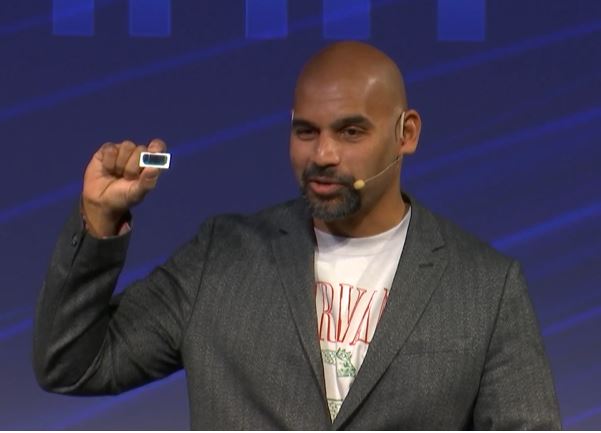
언컨벤셔널 AI는 단순한 반도체 칩 개발을 넘어, 맞춤형 실리콘 칩과 서버 인프라를 결합한 통합 솔루션을 지향한다. 라오는 “생물학만큼 효율적인 지능을 위한 새로운 기반을 구축하기 위해 컴퓨터의 기초를 재고하겠다”는 사명을 제시했다. 이는 현재 AI 모델 학습 및 추론 과정에서 발생하는 막대한 전력 소비 문제를 근본적으로 해결하겠다는 의지로 풀이된다. 최근 생성형 AI의 확산으로 데이터센터 전력 소비가 급증하면서, ‘에너지 효율성’은 AI 반도체 시장의 핵심 화두로 떠올랐다.
현재 AI 가속기 시장은 엔비디아가 80~90%의 점유율을 차지하며 사실상의 독점 체제를 유지하고 있다. 엔비디아의 최신 칩인 ‘블랙웰’조차 향후 1년 치 물량이 매진될 정도로 수급 불균형이 심각하다. 업계는 언컨벤셔널 AI가 제시하는 ‘에너지 효율적 AI 컴퓨터’가 이러한 공급 부족 현상과 치솟는 AI 운영 비용 문제를 완화할 대안이 될 수 있을지 주목하고 있다. 특히 칩과 서버를 아우르는 통합 아키텍처 접근법은 특정 AI 워크로드에 최적화된 성능을 제공함으로써 엔비디아의 범용 GPU와 차별화된 경쟁력을 가질 것으로 분석된다.
“인공지능 애플리케이션을 위한 새롭고 더 에너지 효율적인 컴퓨터를 만들겠다.”
나빈 라오 창업자는 지난 9월 소셜미디어 X를 통해 회사의 비전을 이같이 밝혔다. 그는 이번 자금 조달이 향후 최대 10억 달러까지 확대될 수 있는 대형 프로젝트의 시작점임을 시사하며, 시장 상황에 따라 추가 자본 유치 규모를 유연하게 조정할 계획이라고 덧붙였다.
전문가들은 언컨벤셔널 AI의 등장이 AI 하드웨어 시장의 경쟁 구도를 다변화할 것으로 전망한다. 특히 MIT 테크놀로지 리뷰 등 주요 외신이 2028년 AI 관련 전력 소비가 미국 전체 가구의 22% 수준에 육박할 것이라는 경고를 내놓은 상황에서, ‘전력 대 성능비(Performance per Watt)’를 극대화한 하드웨어의 필요성은 더욱 커지고 있다. 향후 언컨벤셔널 AI가 실제 제품을 공개하고 주요 클라우드 기업과의 파트너십을 얼마나 빠르게 확보하느냐가 엔비디아의 아성을 넘어서는 관건이 될 것으로 보인다. 이번 투자는 단순한 자금 조달을 넘어, 차세대 AI 컴퓨팅의 주도권이 ‘속도’에서 ‘지속 가능한 효율성’으로 이동하고 있음을 보여주는 상징적인 사건이다.
A startup poised to break NVIDIA's dominance? "Unconventional AI" achieves a valuation of KRW 6 trillion in just two months.
Unconventional AI, an AI hardware startup in Silicon Valley, is making headlines by raising $475 million (approximately 630 billion won) in a seed round just two months after its founding.
On the 8th (local time), founder Naveen Rao secured seed funding, valuing the company at approximately $4.5 billion (approximately 6 trillion won). This figure significantly exceeds the typical funding scale for early-stage startups and is interpreted as a signal of a tectonic shift in the AI infrastructure market, currently dominated by NVIDIA.
This seed round was co-led by leading Silicon Valley venture capital firms Andreessen Horowitz (a16z) and Lightspeed Venture Partners, with participation from Lux Capital, DCVC, Databricks, and Amazon founder Jeff Bezos, among other prominent investors. Navin Rao also invested $10 million of his own money on the same terms as other investors, demonstrating his commitment to responsible management. Rao, who founded Nervana Systems, acquired by Intel in 2016, and MosaicML, sold to Databricks for $1.3 billion in 2023, is making his third foray into the AI infrastructure field.
Unconventional AI goes beyond simple semiconductor chip development, pursuing integrated solutions that combine custom silicon chips with server infrastructure. Rao stated his mission: "We will rethink the fundamentals of computing to build a new foundation for intelligence as efficient as biology." This can be interpreted as a commitment to fundamentally addressing the massive power consumption currently occurring during AI model training and inference. With the recent proliferation of generative AI leading to a surge in data center power consumption, "energy efficiency" has emerged as a key topic in the AI semiconductor market.
Currently, NVIDIA holds a virtual monopoly in the AI accelerator market, commanding an 80-90% market share. Even NVIDIA's latest chip, Blackwell, is facing a severe supply-demand imbalance, with a year's supply expected to sell out. The industry is focusing on whether Unconventional AI's "energy-efficient AI computer" can alleviate this supply shortage and the soaring costs of AI operations. In particular, its integrated architecture approach, encompassing both chips and servers, is expected to offer performance optimized for specific AI workloads, offering a competitive edge over NVIDIA's general-purpose GPUs.
“We will create new, more energy-efficient computers for artificial intelligence applications.”
Navin Lao, founder of the company, revealed the company's vision through social media X last September. He indicated that this funding is the beginning of a larger project that could expand to up to $1 billion in the future, adding that he plans to flexibly adjust the amount of additional capital raised depending on market conditions.
Experts predict that the emergence of unconventional AI will diversify the competitive landscape of the AI hardware market. With major international media outlets like MIT Technology Review warning that AI-related power consumption will approach 22% of all US households by 2028, the need for hardware that maximizes performance per watt is growing. The speed with which unconventional AI can unveil actual products and secure partnerships with major cloud companies will likely be key to overcoming NVIDIA's stronghold. This investment goes beyond mere funding; it is a symbolic event demonstrating that the leadership in next-generation AI computing is shifting from "speed" to "sustainable efficiency."
NVIDIA独走幕をスタートアップ?設立2ヶ月ぶりに企業価値6条「アンコンベンショナルAI」
米国シリコンバレーのAIハードウェアスタートアップ「アンコンベンショナルAI(Unconventional AI)」が設立、2ヶ月ぶりにシードラウンドで4億7,500万ドル(約6,300億ウォン)を誘致して話題となっている。
8日(現地時間)創業者ナビン・ラオ(Naveen Rao)は約45億ドル(約6兆ウォン)の企業価値を認められ、シード投資をした。これは、従来の初期スタートアップの資金調達規模をはるかに上回る数値で、NVIDIAが支配するAIインフラ市場に新たな知覚変動を予告する信号弾として解釈される。
今回のシードラウンドはシリコンバレーの有力ベンチャーキャピタルであるアンドリセン・ホロウィッツ(a16z)とライトスピードベンチャーパートナーズが共同主導し、ラックスキャピタル、DCVC、データブリックス、そしてアマゾン創業者ジェフ・ベイゾスなど大物級投資家たちが大挙参加した。ナビン・ラオも他の投資家と同じ条件で個人資金1,000万ドルを投入し、責任経営意志を表明した。ラオは2016年にインテルに買収された「ネルバナ・システムズ」と2023年のデータブリックスに13億ドルで売却された「モザイクML」を創業した人物で、今回がAIインフラ分野での3番目の挑戦だ。
アンコンベンショナルAIは、単純な半導体チップ開発を超えて、カスタマイズされたシリコンチップとサーバーインフラストラクチャを組み合わせた統合ソリューションを目指しています。ラオは「生物学ほど効率的な知能のための新しい基盤を構築するためにコンピュータの基礎を再考する」という使命を提示した。これは、現在、AIモデルの学習と推論の過程で発生する莫大な消費電力の問題を根本的に解決するという意志で解決されます。最近、生成型AIの拡散によりデータセンターの消費電力が急増し、「エネルギー効率」はAI半導体市場の核心話頭に浮上した。
現在、AI加速器市場はNVIDIAが80~90%のシェアを占め、事実上の独占体制を維持している。 NVIDIAの最新チップである「ブラックウェル」でさえ、今後1年目の物量が完売するほど需給不均衡が深刻だ。業界は、アンコンベンショナルAIが提示する「エネルギー効率の良いAIコンピュータ」が、このような供給不足現象と高騰するAI運営コストの問題を緩和する代替案になるかもしれないか注目している。特に、チップとサーバーを組み合わせた統合アーキテクチャアプローチは、特定のAIワークロードに最適化されたパフォーマンスを提供することによって、NVIDIAの汎用GPUとの差別化された競争力を持つと分析されています。
「人工知能アプリケーション用の新しい、よりエネルギー効率の高いコンピュータを作成します。」
ナビン・ラオ創業者は去る9月ソーシャルメディアXを通じて会社のビジョンをこのように明らかにした。彼は今回の資金調達が今後最大10億ドルまで拡大できる大型プロジェクトの開始点であることを示唆し、市場状況に応じて追加資本誘致規模を柔軟に調整する計画だと付け加えた。
専門家たちは、アンコンベンショナルAIの登場がAIハードウェア市場の競争構図を多様化すると見込んでいる。特にMITテクノロジーレビューなど主要外信が2028年AI関連電力消費が米国全体の世帯の22%水準に迫るという警告を出した状況で、「電力対性能比(Performance per Watt)」を極大化したハードウェアの必要性はますます大きくなっている。今後、アンコンベンショナルAIが実際の製品を公開し、主要クラウド企業とのパートナーシップをどれくらい迅速に確保するかがNVIDIAの亜性を越えるカギになるとみられる。今回の投資は単純な資金調達を超えて、次世代AIコンピューティングの主導権が「速度」から「持続可能な効率性」に移動していることを示す象徴的な事件だ。
一家有望打破英伟达垄断地位的初创公司?这家名为“非传统人工智能”的公司在短短两个月内估值就达到了6万亿韩元。
硅谷人工智能硬件初创公司 Unconventional AI 在成立仅两个月后,就在种子轮融资中筹集了 4.75 亿美元(约合 6300 亿韩元),成为新闻头条。
当地时间8日,创始人纳文·拉奥 (Naveen Rao) 获得种子轮融资,公司估值约为45亿美元(约合6万亿韩元)。这一数字远超早期创业公司的平均融资规模,被视为人工智能基础设施市场(目前由英伟达主导)发生结构性变革的信号。
本轮种子轮融资由硅谷领先的风险投资公司 Andreessen Horowitz (a16z) 和 Lightspeed Venture Partners 共同领投,Lux Capital、DCVC、Databricks 以及亚马逊创始人杰夫·贝佐斯等众多知名投资者也参与其中。Navin Rao 也以与其他投资者相同的条款投入了 1000 万美元自有资金,展现了他对负责任管理的承诺。Rao 曾创立 Nervana Systems(该公司于 2016 年被英特尔收购)和 MosaicML(该公司于 2023 年以 13 亿美元的价格出售给 Databricks),此次是他第三次进军人工智能基础设施领域。
非常规人工智能超越了简单的半导体芯片开发,致力于将定制硅芯片与服务器基础设施相结合的集成解决方案。Rao阐述了他的使命:“我们将重新思考计算的基本原理,为智能构建一个与生物智能一样高效的新基础。” 这可以理解为致力于从根本上解决当前人工智能模型训练和推理过程中出现的巨大能耗问题。随着生成式人工智能的迅速普及导致数据中心能耗激增,“能效”已成为人工智能半导体市场的一个关键议题。
目前,NVIDIA 在 AI 加速器市场几乎处于垄断地位,占据 80-90% 的市场份额。即使是 NVIDIA 最新的芯片 Blackwell 也面临着严重的供需失衡,预计一年的供应量就会售罄。业界正密切关注 Unconventional AI 的“节能型 AI 计算机”能否缓解供应短缺和 AI 运营成本飙升的问题。特别是,其涵盖芯片和服务器的集成架构有望提供针对特定 AI 工作负载优化的性能,从而在与 NVIDIA 通用 GPU 的竞争中占据优势。
“我们将为人工智能应用开发新型、更节能的计算机。”
公司创始人纳文·劳去年九月通过社交媒体平台公布了公司的愿景。他表示,此次融资只是一个更大项目的开端,未来规模可能达到10亿美元。他还补充说,公司计划根据市场情况灵活调整后续融资额度。
专家预测,非常规人工智能的出现将使人工智能硬件市场的竞争格局更加多元化。包括《麻省理工科技评论》在内的多家国际主流媒体警告称,到2028年,人工智能相关的电力消耗将接近美国家庭总消耗量的22%,因此,对能够最大限度提高每瓦性能的硬件的需求日益增长。非常规人工智能能否迅速推出实际产品并与主要云公司建立合作关系,很可能成为打破英伟达垄断地位的关键。这项投资不仅仅是资金投入,更是一个象征性的事件,表明下一代人工智能计算领域的领导地位正在从“速度”转向“可持续效率”。
Une start-up sur le point de briser la domination de NVIDIA ? « Unconventional AI » atteint une valorisation de 6 000 milliards de wons coréens en seulement deux mois.
Unconventional AI, une startup spécialisée dans le matériel d'IA de la Silicon Valley, fait les gros titres en levant 475 millions de dollars (environ 630 milliards de wons) lors d'un tour de table initial seulement deux mois après sa création.
Le 8 (heure locale), le fondateur Naveen Rao a levé des fonds d'amorçage, valorisant l'entreprise à environ 4,5 milliards de dollars (environ 6 billions de wons). Ce montant dépasse largement les levées de fonds habituelles pour les jeunes pousses et est interprété comme le signe d'un bouleversement majeur sur le marché des infrastructures d'IA, actuellement dominé par NVIDIA.
Ce tour de table initial a été mené conjointement par les fonds de capital-risque de premier plan de la Silicon Valley, Andreessen Horowitz (a16z) et Lightspeed Venture Partners, avec la participation de Lux Capital, DCVC, Databricks et du fondateur d'Amazon, Jeff Bezos, parmi d'autres investisseurs de renom. Navin Rao a également investi 10 millions de dollars de ses propres deniers aux mêmes conditions que les autres investisseurs, témoignant ainsi de son engagement en faveur d'une gestion responsable. Rao, fondateur de Nervana Systems, rachetée par Intel en 2016, et de MosaicML, vendue à Databricks pour 1,3 milliard de dollars en 2023, signe ici sa troisième incursion dans le domaine des infrastructures d'IA.
L'IA non conventionnelle dépasse le simple développement de puces semi-conductrices et s'oriente vers des solutions intégrées combinant des puces de silicium personnalisées et une infrastructure serveur. Rao a déclaré sa mission : « Nous allons repenser les fondements de l'informatique pour bâtir une nouvelle base pour une intelligence aussi efficace que la biologie. » Cela peut s'interpréter comme un engagement à s'attaquer fondamentalement à l'énorme consommation d'énergie actuellement engendrée par l'entraînement et l'inférence des modèles d'IA. Face à la récente prolifération de l'IA générative, qui a entraîné une forte augmentation de la consommation énergétique des centres de données, l'« efficacité énergétique » est devenue un enjeu majeur sur le marché des semi-conducteurs pour l'IA.
Actuellement, NVIDIA détient un quasi-monopole sur le marché des accélérateurs d'IA, avec une part de marché de 80 à 90 %. Même sa dernière puce, Blackwell, est confrontée à un grave déséquilibre entre l'offre et la demande, les stocks prévus pour un an étant déjà épuisés. Le secteur se demande si l'« ordinateur IA écoénergétique » d'Unconventional AI peut pallier cette pénurie et la flambée des coûts des opérations d'IA. Son architecture intégrée, combinant puces et serveurs, devrait notamment offrir des performances optimisées pour des charges de travail d'IA spécifiques, lui conférant un avantage concurrentiel par rapport aux GPU généralistes de NVIDIA.
« Nous allons créer de nouveaux ordinateurs plus économes en énergie pour les applications d'intelligence artificielle. »
Navin Lao, fondateur de l'entreprise, a dévoilé sa vision sur le réseau social X en septembre dernier. Il a indiqué que ce financement marque le début d'un projet plus ambitieux, susceptible d'atteindre un milliard de dollars à terme, et a précisé qu'il prévoit d'ajuster le montant des capitaux supplémentaires levés en fonction des conditions du marché.
Les experts prévoient que l'émergence d'une IA non conventionnelle diversifiera le paysage concurrentiel du marché du matériel d'IA. Alors que de grands médias internationaux comme la MIT Technology Review alertent sur le fait que la consommation d'énergie liée à l'IA avoisinera les 22 % de celle des foyers américains d'ici 2028, le besoin de matériel optimisant les performances par watt se fait de plus en plus sentir. La rapidité avec laquelle l'IA non conventionnelle pourra commercialiser des produits concrets et nouer des partenariats avec les principaux fournisseurs de cloud sera probablement déterminante pour contrer la domination de NVIDIA. Cet investissement dépasse le simple cadre d'un financement ; il s'agit d'un événement symbolique illustrant le passage du leadership dans le domaine du calcul d'IA de nouvelle génération de la « vitesse » à l'« efficacité durable ».
You must be logged in to post a comment.