




-필요한 지식을 정확하게 찾아주고 생성해주는 ‘한국형 노트북LM’ 개발
-멀티모달 AI+양자 알고리즘 결합한 퀀터스 노트 내년 출시…정합도는 높이고 환각 현상은 없애고
텍스트와 이미지 등 다양한 콘텐츠를 생성하고 분석하기 위해 대형언어모델(LLM) 기반의 생성형 AI를 도입하는 기업들이 증가하고 있다. 하지만 현재의 대형언어모델은 여러 가지 한계가 있다. 텍스트 중심으로 설계된 대형언어모델은 이미지와 도표가 포함된 PDF, 스캔된 문서, 음성 녹음, 영상 같은 복합 데이터를 효과적으로 처리하지 못한다. 또한 사용자의 내부 데이터를 학습할 수 없고, 클라우드 기반 서비스를 이용할 경우 민감한 정보가 외부 서버로 전송되어 정보 유출의 위험을 피할 수 없다. 가장 심각한 문제는 ‘AI의 환각 현상’이다. 사실과 다른 정보를 마치 참인 것처럼 생성하는 이 현상은 금융, 법률, 의료처럼 신뢰도가 핵심인 분야에서 치명적이다.
이러한 문제를 해결하는 기업이 있다. 넥스트아이티에스는 멀티모달 AI 기술력을 바탕으로 텍스트, 이미지, 음성, 영상 등 모든 형태의 데이터를 하나의 플랫폼에서 통합 관리하고, 사용자 맞춤형 지식을 생성해주는 서비스를 개발했다. 온프레미스(On-Premise) 설치 방식을 지원함으로써 기업과 기관이 자신의 서버에 직접 시스템을 구축할 수 있도록 했고, 이를 통해 민감한 정보가 외부로 유출될 위험을 원천 차단했다. 또한 양자 영감 알고리즘을 AI에 접목하여 현재 생성형 AI가 안고 있는 환각 현상을 극복하려고 한다.
넥스트아이티에스는 한국형 ‘NotebookLM’을 지향한다. NotebookLM은 구글이 개발한 AI 기반의 연구 및 조사 어시스턴트로, 사용자가 업로드한 자료를 분석하여 요약, 정리, 질의응답 및 다양한 형태의 콘텐츠 생성을 돕는다. 특히 방대한 양의 정보를 효율적으로 처리하고 핵심 인사이트를 얻는 데 강점을 가지고 있다.
넥스트아이티에스의 나종빈 대표는 24년간 IT 기업에서 기술영업과 솔루션 사업을 주도해왔다. 류상훈 부사장 겸 CTO는 34년의 경력을 가진 기술 리더로, LG-CNS와 현대 등에서 엔터프라이즈 시스템 구축을 주도했다. 10명의 AI 전문가가 네스트아이티에스의 기술 혁신을 이끌어가고 있다.
넥스트아이티에스는 올해 서울경제진흥원의 ‘양자 기술개발 지원사업’에 선정되어 양자컴퓨팅-AI 통합개발 플랫폼 구현 사업을 추진 중이다. 또한 SKT ESG KOREA 2025에 선정되어 온디바이스 AI 기술이 에너지 소비를 줄이고 비용 효율성으로 모든 계층의 AI 접근이 가능하도록 기술을 개발 하고 있다.
2030년 글로벌 AI 기업을 목표로 하고 있는 넥스트아이티에스의 나종빈 대표를 만나 넥스트아아티에스가 개발한 멀티모달 엔진과 플랫폼, 향후 양자컴퓨팅 기술을 접목해 달성하고자 하는 목표에 대해 이야기를 들어봤다.
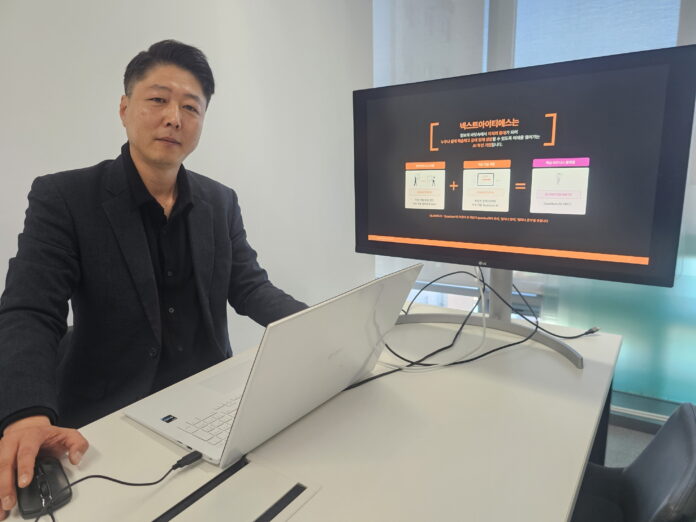
모든 데이터를 읽고 원하는 형태로 보여준다
“정보의 바다 속에서 지식의 등대가 되어, 누구나 쉽고 깊이 있게 학습하고 성장할 수 있도록 미래를 열어가는 AI 혁신 기업이 되겠습니다.”
넥스트아이티에스는 ‘퀀터스 R(QUANTUS R)’이라 불리는 자체 개발 멀티모달 RAG(Retrieval-Augmented Generation, 검색 증강 생성) 엔진을 개발했다. 퀀터스 R은 텍스트뿐만 아니라 이미지, 도표, SQL 쿼리 같은 다양한 형태의 비정형 데이터를 동시에 처리하고 이해하는 멀티모달 엔진이다.
이를 가능하게 하는 핵심 기술은 세 가지다. 첫 번째 핵심은 고성능 OCR 기술이다. 스캔된 종이 문서, 손으로 적은 필기, 복잡한 도표 속의 글자를 정확히 텍스트로 변환해낸다. 특별한 점은 한글 처리에 특화되었다는 것이다. 기존의 해외 OCR 기술들은 한글의 복잡한 문자 구조를 제대로 인식하지 못했다. 넥스트아이티에스는 수년간의 한글 이미지 데이터 처리 연구를 통해 95% 이상의 정확도를 달성했다. 영수증, 진료 기록, 건축 도면, 계약서 같은 실무 문서에서도 높은 정확도를 자랑한다. 넥스트아이티에스의 OCR 기술은 단순히 글자를 인식하는 것을 넘어 문서의 구조를 이해한다. 표의 행과 열을 구분하고, 이미지 내의 그래프나 차트를 텍스트화한다. 그 결과 종이 문서도 디지털화되어 나중에 검색과 분석이 가능하다.
두 번째 핵심 기술은 고품질 STT다. 녹음된 회의 음성이나 유튜브 영상의 오디오를 텍스트로 변환하는데, 단순히 음성을 글자로 바꾸는 것이 아니다. 여러 명이 참여한 회의에서 누가 언제 어떤 말을 했는지 화자를 정확히 구분해낸다. 동시에 음성을 문장 단위로 적절히 분절(세그멘테이션)한다. 이렇게 구조화된 데이터가 나중에 RAG 시스템의 ‘지식 인덱싱’ 단계에 통합되어 검색 품질과 답변 정확도를 크게 향상시킨다. “회의에서 누가 이 안건에 반대했나?”라고 질문했을 때 정확한 발언자와 발언 내용을 찾아낼 수 있다.
‘판매액’과 ‘매출액’은 같은 의미지만, 기존 RAG 시스템은 이 둘을 다른 단어로 인식해서 문서를 찾지 못한다. 또한 한국어는 조사가 다양하다. “분기에서”, “분기의”, “분기에” 등 표현이 다르면 의미가 통하지 않을 수 있다. 세 번째 핵심은 강화학습 기반의 경량 ‘Rewriter 모델’이다. Rewriter 모델은 사용자의 질문을 자동으로 다양한 동의어와 표현으로 확장한다. 그 결과 검색 커버리지가 획기적으로 높아진다.
“퀀터스 R은 단순한 문서 검색 엔진을 넘어서 기업과 개인의 모든 지식 자산을 통합적으로 이해하고, 필요할 때마다 맞춤형 답변을 만들어주는 ‘지식 플랫폼’이라고 할 수 있습니다.”
이 세 가지 기술이 적용된 플랫폼이 ‘퀀터스 S(QUANTUS S)’다. 사용자는 텍스트 파일, 웹 문서, PDF, 이미지, 음성 녹음, 유튜브 영상, 스캔 문서, 명함 등 거의 모든 형태의 데이터를 단일 플랫폼에 업로드할 수 있다. 시스템은 이들을 텍스트와 구조화된 데이터로 변환한 후 벡터 데이터베이스에 저장한다. 사용자는 이를 바탕으로 맞춤형 지식을 생성하고, 논문이나 보고서를 작성하거나, 학습 노트와 강의안을 만들 수 있다.
넥스트아이티에스는 실제 프로젝트를 통해 이러한 기술의 가치를 입증하고 있다. A병원과는 진료 기록, 의료 영상, 검사 결과, 처방전 같은 의료 현장의 복잡한 비정형 데이터를 멀티모달 RAG로 통합 관리하는 환자 여정 관리 시스템을 구축했다. C대학교와는 학생들의 학습 자료, 강의 자료, 시험 결과, 피드백 등 교육 데이터를 종합적으로 분석해 개인별 맞춤형 학습 경로를 제시하는 지능형 교육성과 통합관리 시스템을 개발했다. C농업기술원과는 토양 분석 자료, 작물 생육 단계별 관리법, 기후 데이터, 선례 사례 등 농업 현장의 기술 정보를 AI가 통합 분석하여 영농인들에게 실시간 조언을 제공하는 시스템을 구축했다. 세 프로젝트 모두 넥스트아이티에스의 멀티모달 기술이 의료, 교육, 농업이라는 전혀 다른 산업에서 복잡한 데이터를 효과적으로 처리할 수 있음을 보여준다.
양자 알고리즘으로 AI의 약점을 극복하다
기존 RAG 시스템이 수십 개의 문서를 검색했을 때, 그 중 어떤 조합이 사용자 질문에 가장 정확한 답변을 만들어내는지 판단하기 어렵다. 특히 금융이나 법률처럼 정확성이 중요한 분야에서 상충하는 정보들 사이에서 최선의 정보를 찾아내는 것은 어렵다. 기존 알고리즘으로는 시간이 너무 오래 걸리거나 정확도도 떨어진다.
넥스트아이티에스는 이를 해결하기 위해 양자 영감 알고리즘(Quantum-Inspired Algorithm)을 기반으로 한 ‘퀀터스 A(QUANTUS A)’를 개발 중이다. 퀀터스 A는 AI 모델의 특정 모듈에 ‘양자 특징 매핑’ 기술을 삽입하여, 멀티모달 RAG 시스템이 검색한 정보들 중 상충하는 정보가 있을 때 가장 정확하고 신뢰할 수 있는 정보 조합을 찾아내는 기술이다. 양자의 수학적 원리를 활용함으로써 기존 RAG 시스템 대비 답변 정합도를 50% 이상 개선할 수 있으며, 더 적은 데이터로도 고차원 상관관계를 학습할 수 있다.
퀀터스 R(멀티모달 데이터 처리)과 퀀터스 A(양자 알고리즘 기반 최적화)를 통합한 플랫폼이 ‘퀀터스 노트(QUANTUS NOTE)’다. 멀티모달과 양자 알고리즘이 결합됨으로써 비정형 데이터에서 정확한 답변을 생성할 수 있게 됐다.
예를 들어 “이 자료의 핵심 논거가 뭐야?”, “이 자료에 사용된 방법과 다른 방법의 차이는?”, “이번 기획에 이 방법을 적용할 수 있을까?” 이런 질문들과 답변들이 시간에 따라 누적되는데, 시간이 지날수록 퀀터스 노트는 사용자의 연구 과정, 관심 분야, 사고 방식을 점차 파악하게 되고 결국 같은 주제에 대한 새로운 질문을 했을 때, 시스템은 이 학생의 이전 질의응답 이력까지 고려해서 훨씬 더 정확하고 맞춤형 답변을 제공할 수다.
퀀터스 노트는 저용량 GPU에서도 고성능 작동이 가능하다. 퀀터스 노트는 강화학습 기반의 경량 모델들을 개발했기 때문에, 일반적인 저성능 GPU나 심지어 CPU 환경에서도 작동한다. 이는 중소 기업이나 공공기관 같은 제한된 IT 자원을 가진 조직들도 첨단 AI 기술을 도입할 수 있다는 의미다.
“양자의 수학적 원리를 GPU 환경에서 구현하는 것으로 우리는 ‘양자 영감 알고리즘’이라고 부릅니다. 현재의 AI가 가진 환각 현상과 낮은 추론 정확도 문제를 이 기술로 해결할 수 있습니다.”
퀀터스 노트는 내년 하반기에 출시될 계획이다.
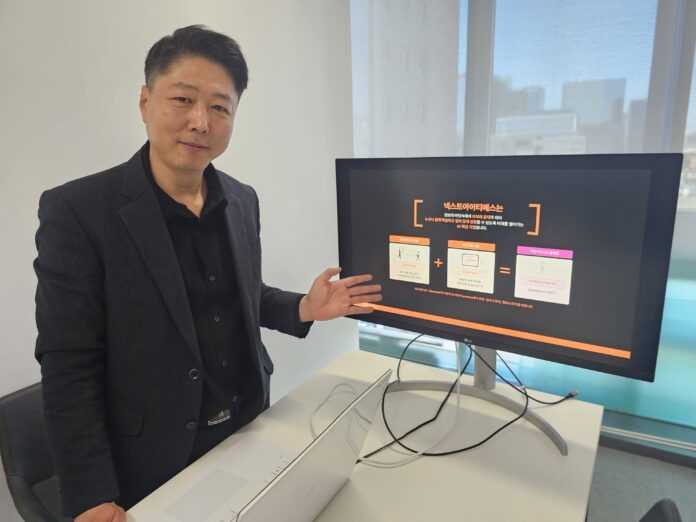
‘정보의 바다 속에서 지식의 등대’가 되겠다는 네스트아이티에서의 비전은 실현될 수 있을까? 그리고 퀀터스 노트가 한국 시장에서 Google NotebookLM 같은 대중적 도구가 될 수 있을까?
넥스트아이티에스는 멀티모달 RAG에 한글 처리의 정확성에 중점을 두고 기술을 발전시켰다. 그리고 AI의 환각 현상을 해결하고 정확도 문제를 해결하기 위해 양자 알고리즘을 접목했다. 양자-AI 융합 기술이 AI의 신뢰도 문제를 해결할 수 있다면 가능한 것으로 보인다.
Nextits: Evolving into an AI Solution That Understands All Data Beyond Text
Development of a 'Korean-style notebook LM' that accurately finds and generates necessary knowledge.
Quantus Note, a multimodal AI and quantum algorithm combination, will be released next year… increasing consistency and eliminating hallucinations.
An increasing number of companies are adopting generative AI based on Large Language Models (LLMs) to generate and analyze diverse content, including text and images. However, current LLMs have several limitations. LLMs, designed primarily for text, cannot effectively process complex data such as PDFs containing images and diagrams, scanned documents, audio recordings, and videos. Furthermore, they cannot learn from users' internal data, and when using cloud-based services, sensitive information is transmitted to external servers, posing an unavoidable risk of information leakage. The most serious problem is the "AI hallucination phenomenon." This phenomenon, in which false information is generated as if it were true, is fatal in fields where trust is paramount, such as finance, law, and medicine.
There is a company solving these problems. Nextits, leveraging its multimodal AI technology, has developed a service that integrates and manages all forms of data—text, images, voice, and video—on a single platform and generates personalized knowledge. By supporting on-premise installation, nextits allows companies and organizations to build the system directly on their own servers, eliminating the risk of sensitive information being leaked. It also aims to overcome the illusionary phenomenon inherent in current generative AI by incorporating quantum-inspired algorithms into its AI.
Nextits aims to be a Korean version of "NotebookLM." NotebookLM is an AI-powered research and investigation assistant developed by Google. It analyzes user-uploaded data and helps summarize, organize, answer questions, and generate diverse content. It excels at efficiently processing vast amounts of information and extracting key insights.
Nextits CEO Jongbin Na has led technology sales and solutions businesses at IT companies for 24 years. Vice President and CTO Sanghoon Ryu is a technology leader with 34 years of experience, having spearheaded enterprise system development at companies such as LG-CNS and Hyundai. Ten AI experts are driving NestITS' technological innovation.
Nextits was selected for the Seoul Economic Promotion Agency's "Quantum Technology Development Support Project" this year and is currently working on implementing a quantum computing-AI integrated development platform. Furthermore, it was selected for SKT ESG KOREA 2025, and is developing on-device AI technology to reduce energy consumption and make AI accessible to all segments of society in a cost-effective manner.
We met with Jongbin Na, CEO of Nextits, which aims to become a global AI company by 2030, and talked about the multimodal engine and platform developed by Nextits, and the goals it hopes to achieve by incorporating quantum computing technology in the future.
Read all data and display it in the desired format
"We will become a beacon of knowledge in a sea of information, opening the door to a future where anyone can easily and deeply learn and grow as an AI innovation company."
Nextits has developed a proprietary multimodal RAG (Retrieval-Augmented Generation) engine called QUANTUS R. QUANTUS R is a multimodal engine that simultaneously processes and understands various forms of unstructured data, including text, images, charts, and SQL queries.
There are three core technologies that make this possible. The first is high-performance OCR technology. It accurately converts scanned paper documents, handwritten notes, and text within complex diagrams into text. What makes it unique is its specialized processing of Korean characters. Existing foreign OCR technologies have struggled to properly recognize the complex character structure of Korean. Nextits, through years of research into processing Korean image data, has achieved an accuracy rate of over 95%. This high accuracy is also achieved in practical documents such as receipts, medical records, architectural drawings, and contracts. Nextits' OCR technology goes beyond simply recognizing text to understand the structure of the document. It distinguishes rows and columns in tables and converts graphs and charts within images to text. As a result, even paper documents are digitized, making them searchable and analysisable.
The second core technology is high-quality STT. It converts recorded meeting audio or YouTube video audio into text. It goes beyond simply transcribing speech to text. It accurately identifies who spoke what, when, and in a multi-person meeting. Simultaneously, it appropriately segments the speech into sentences. This structured data is later integrated into the RAG system's "knowledge indexing" stage, significantly improving search quality and answer accuracy. For example, asking, "Who opposed this motion in the meeting?" can identify the exact speaker and the content of the speech.
"Sales" and "sales" have the same meaning, but existing RAG systems recognize them as different words and fail to find documents. Furthermore, Korean has a wide range of particles. Different expressions like "branch in," "branch of," and "branch to" can result in incomprehensible meaning. The third key element is the lightweight "Rewriter model," based on reinforcement learning. The Rewriter model automatically expands users' queries with a variety of synonyms and expressions. This dramatically increases search coverage.
"Quantus R goes beyond a simple document search engine to become a 'knowledge platform' that comprehensively understands all the knowledge assets of companies and individuals and provides customized answers whenever needed."
The platform that applies these three technologies is QUANTUS S. Users can upload virtually any type of data, including text files, web documents, PDFs, images, audio recordings, YouTube videos, scanned documents, and business cards, to a single platform. The system converts these data into text and structured data and stores them in a vector database. Based on this, users can create customized knowledge, write papers or reports, or create study notes and lecture plans.
Nextits is proving the value of these technologies through real-world projects. With Hospital A, it developed a patient journey management system that integrates complex, unstructured medical data—such as medical records, medical images, test results, and prescriptions—with a multimodal RAG. With University C, it developed an intelligent, integrated learning outcomes management system that comprehensively analyzes student learning materials, lecture materials, test results, and feedback to suggest personalized learning paths. With Agricultural Research and Extension Services C, it developed a system that uses AI to integrate and analyze technical information from agricultural fields, including soil analysis data, crop growth stage-specific management methods, climate data, and case studies, providing real-time advice to farmers. All three projects demonstrate how Nextits' multimodal technology can effectively handle complex data across the vastly different industries of healthcare, education, and agriculture.
Overcoming AI's Weaknesses with Quantum Algorithms
When existing RAG systems search dozens of documents, it's difficult to determine which combination provides the most accurate answer to a user's query. Finding the best information among conflicting information is particularly challenging in fields where accuracy is crucial, such as finance or law. Existing algorithms either take too long or are inaccurate.
To address this, nextits is developing "QUANTUS A," a quantum-inspired algorithm. By incorporating "quantum feature mapping" technology into specific modules of an AI model, QUANTUS A identifies the most accurate and reliable combination of information when conflicting information is retrieved by a multimodal RAG system. By leveraging quantum mathematical principles, QUANTUS A can improve response accuracy by over 50% compared to existing RAG systems and learn high-dimensional correlations with less data.
QUANTUS NOTE is a platform that integrates QUANTUS R (multimodal data processing) and QUANTUS A (quantum algorithm-based optimization). This combination of multimodal and quantum algorithms enables the generation of accurate answers from unstructured data.
For example, “What is the main argument of this material?”, “How does the method used in this material differ from other methods?”, “Can I apply this method to this project?” These questions and answers accumulate over time, and over time, Quantus Note gradually learns about the user’s research process, areas of interest, and way of thinking. Eventually, when a new question is asked on the same topic, the system can provide a much more accurate and customized answer by taking into account the student’s previous question and answer history.
Quantus Note can operate at high performance even on low-capacity GPUs. Because it developed lightweight models based on reinforcement learning, Quantus Note can operate on standard, low-performance GPUs or even CPUs. This means that even organizations with limited IT resources, such as small and medium-sized businesses and public institutions, can adopt cutting-edge AI technologies.
"We call this 'quantum-inspired algorithm,' which implements quantum mathematical principles in a GPU environment. This technology can solve the problems of hallucinations and low inference accuracy inherent in current AI."
The Quantus Note is scheduled to be released in the second half of next year.
Will Nest IT's vision of becoming a "lighthouse of knowledge in a sea of information" come true? And can Quantus Notebook become a popular tool like Google NotebookLM in the Korean market?
Nextits has developed technology focused on the accuracy of Korean character processing in multimodal RAG. They have also incorporated quantum algorithms to address AI hallucinations and accuracy issues. If quantum-AI convergence technology can address AI reliability issues, this seems feasible.
nextits、テキストを超えてすべてのデータを理解するAIソリューションへの進化
– 必要な知識を正確に見つけて生成する「韓国型ノートブックLM」開発
-マルチモーダルAI+量子アルゴリズムを組み合わせたクォンタスノート来年発売…整合度は高く、幻覚現象はなくなります。
テキストや画像など多様なコンテンツを生成して分析するために、大型言語モデル(LLM)ベースの生成型AIを導入する企業が増加している。しかし、現在の大型言語モデルは様々な限界がある。テキスト中心に設計された大型言語モデルは、画像と図表を含むPDF、スキャンされた文書、音声録音、画像などの複合データを効果的に処理できません。また、ユーザーの内部データを学習することができず、クラウドベースのサービスを利用する場合、機密情報が外部サーバーに送信され、情報漏洩の危険を避けることができない。最も深刻な問題は「AIの幻覚現象」だ。事実と他の情報をまるで真であるかのように生成するこの現象は、金融、法律、医療のように信頼性が核心である分野で致命的である。
このような問題を解決する企業がある。 nextitsはマルチモーダルAI技術力をもとに、テキスト、画像、音声、映像などあらゆる形態のデータを1つのプラットフォームで統合管理し、ユーザーカスタマイズされた知識を生成するサービスを開発した。オンプレミス(On-Premise)設置方式を支援することにより、企業と機関が自分のサーバーに直接システムを構築できるようにし、これにより機密情報が外部に流出する危険を源泉遮断した。また、量子インスピレーションアルゴリズムをAIに組み込んで、現在生成型AIが抱えている幻覚現象を克服しようとしている。
nextitsは韓国型「NotebookLM」を志向する。 NotebookLMは、Googleが開発したAIベースの研究および調査アシスタントで、ユーザーがアップロードした資料を分析し、要約、整理、クエリ応答、さまざまな形式のコンテンツ生成を支援します。特に膨大な量の情報を効率的に処理し、コアインサイトを得ることに強みを持っている。
nextitsのナ・ジョンビン代表は24年間、IT企業で技術営業とソリューション事業を主導してきた。リュ・サンフン副社長兼CTOは34年のキャリアを持つ技術リーダーで、LG-CNSと現代などでエンタープライズシステム構築を主導した。 10人のAI専門家がネストアイティエスの技術革新をリードしている。
nextitsは今年、ソウル経済振興院の「量子技術開発支援事業」に選定され、量子コンピューティング-AI統合開発プラットフォーム実装事業を推進中だ。また、SKT ESG KOREA 2025に選定され、オンデバイスAI技術がエネルギー消費を削減し、コスト効率で全層のAIアクセスが可能になる技術を開発している。
2030年にグローバルAI企業を目指しているnextitsのナ・ジョンビン代表に会い、ネクスト・アティエスが開発したマルチモーダルエンジンとプラットフォーム、今後の量子コンピューティング技術を融合して達成しようとする目標について話を聞いた。
すべてのデータを読み、希望の形式で表示する
「情報の海の中で知識の灯台になり、誰でも簡単かつ深く学習し成長できるように未来を開いていくAI革新企業になります」
nextitsは、「Quantus R(QUANTUS R)」と呼ばれる自己開発マルチモーダルRAG(Retrieval-Augmented Generation、検索増強生成)エンジンを開発した。 Quantus Rは、テキストだけでなく、画像、グラフ、SQLクエリなど、さまざまな形式の非定型データを同時に処理して理解するマルチモーダルエンジンです。
これを可能にするコア技術は3つある。最初の鍵は高性能OCR技術です。スキャンした紙の文書、手書きの手書き、複雑な図表の文字を正確にテキストに変換します。特別な点はハングル処理に特化したということだ。従来の海外OCR技術は、ハングルの複雑な文字構造を正しく認識していませんでした。 nextitsは、長年のハングル画像データ処理研究を通じて95%以上の精度を達成しました。領収書、診療記録、建築図面、契約書などの実務文書でも高い精度を誇る。 nextitsのOCR技術は、単に文字を認識することを超えて文書の構造を理解しています。表の行と列を区切り、画像内のグラフやチャートをテキスト化します。その結果、紙文書もデジタル化され、後で検索と分析が可能になる。
2番目のコア技術は高品質STTです。録音された会議の音声やYouTubeの映像の音声をテキストに変換しますが、単に音声を文字に置き換えるのではありません。何人かが参加した会議で誰がいつどのような話をしたのか話者を正確に区別する。同時に音声を文章単位で適切にセグメント化(セグメンテーション)する。このように構造化されたデータは後でRAGシステムの「知識索引付け」段階に組み込まれ、検索品質と回答精度を大幅に向上させます。 「会議で誰がこの案に反対したのか?」と質問したとき、正確な発言者と発言内容を見つけることができる。
「販売額」と「売上高」は同じ意味だが、既存のRAGシステムはこの2つを別の単語として認識して文書を見つけることができない。また韓国語は調査が多様だ。 「四半期から」、「四半期の」、「四半期」など、表現が異なると意味が通じない場合がある。 3番目のコアは強化学習ベースの軽量「Rewriterモデル」です。リライタモデルは、ユーザーの質問を自動的にさまざまな同義語と表現に拡張します。その結果、検索カバレッジが劇的に高まります。
「Quantus Rは、単なる文書検索エンジンを超えて企業と個人のすべての知識資産を統合的に理解し、必要に応じてカスタマイズされた回答を作成する「知識プラットフォーム」とも言えます。」
これら3つの技術が適用されたプラットフォームが「クォンタスS(QUANTUS S)」だ。ユーザーは、テキストファイル、Web文書、PDF、画像、音声録音、YouTubeの画像、スキャン文書、名刺など、ほぼすべての形式のデータを単一のプラットフォームにアップロードできます。システムはそれらをテキストと構造化データに変換してベクトルデータベースに保存します。ユーザーはそれに基づいてカスタマイズされた知識を作成したり、論文やレポートを作成したり、学習ノートと講義を作成したりできます。
nextitsは実際のプロジェクトを通じてこれらの技術の価値を証明しています。 A病院とは、診療記録、医療映像、検査結果、処方箋などの医療現場の複雑な非定型データをマルチモーダルRAGで統合管理する患者旅程管理システムを構築した。 C大学とは、学生の学習資料、講義資料、試験結果、フィードバックなどの教育データを総合的に分析し、個人別にカスタマイズされた学習経路を提示するインテリジェントな教育性と統合管理システムを開発した。 C農業技術院とは土壌分析資料、作物生育段階別管理法、気候データ、先例事例など農業現場の技術情報をAIが統合分析し、栄農人にリアルタイムのアドバイスを提供するシステムを構築した。 3つのプロジェクトはすべて、nextitsのマルチモーダル技術が医療、教育、農業という全く異なる産業で複雑なデータを効果的に処理できることを示しています。
量子アルゴリズムでAIの弱点を克服する
既存のRAGシステムが何十もの文書を検索したとき、それらのどの組み合わせがユーザーの質問に最も正確な答えを生成するのかを判断するのは困難です。特に、金融や法律など、正確性が重要な分野で矛盾する情報の間で最良の情報を見つけることは困難です。従来のアルゴリズムでは時間がかかりすぎたり、精度も低下します。
nextitsはこれを解決するために量子インスピレーションアルゴリズム(Quantum-Inspired Algorithm)に基づいた「クォンタスA(QUANTUS A)」を開発中だ。クォンタスAは、AIモデルの特定のモジュールに「量子特徴マッピング」技術を挿入し、マルチモーダルRAGシステムが検索した情報の中に矛盾する情報があるときに最も正確で信頼できる情報の組み合わせを見つける技術です。両者の数学的原理を活用することで、既存のRAGシステムに対する回答整合度を50%以上改善でき、より少ないデータでも高次元相関関係を学習することができる。
クォンタスR(マルチモーダルデータ処理)とクォンタスA(量子アルゴリズムベースの最適化)を統合したプラットフォームが「クォンタスノート(QUANTUS NOTE)」だ。マルチモーダルと量子アルゴリズムを組み合わせることで、非定型データから正確な回答を生成できるようになりました。
例えば、「この資料の中核的な論拠は何ですか?」、「この資料で使用された方法と他の方法の違いは?」、「今回の企画にこの方法を適用できるか?」これらの質問と回答は時間とともに蓄積されます。
クォンタスノートは低容量GPUでも高性能動作が可能です。クォンタスノートは強化学習ベースの軽量モデルを開発したため、一般的な低性能GPUやCPU環境でも動作します。これは、中小企業や公共機関などの限られたIT資源を持つ組織も先端AI技術を導入できるという意味だ。
「量子の数学的原理をGPU環境で実装することで、我々は「量子インスピレーションアルゴリズム」と呼びます。現在のAIが持つ幻覚現象と低い推論精度問題をこの技術で解決できます。」
クォンタスノートは来年下半期に発売される予定だ。
「情報の海の中で知識の灯台」になるというネストアイティでのビジョンは実現できるだろうか?そして、クォンタスノートが韓国市場でGoogle NotebookLMのような人気のあるツールになるのでしょうか?
nextitsはマルチモーダルRAGにハングル処理の精度に重点を置いて技術を発展させた。そして、AIの幻覚現象を解決し、精度の問題を解決するために量子アルゴリズムを組み合わせた。量子-AI 融合技術が AI の信頼性の問題を解決できると考えられる。
Nextits:正在进化成为能够理解所有数据(超越文本)的人工智能解决方案
开发一种能够准确查找和生成必要知识的“韩式笔记本学习模型”。
Quantus Note 是一款结合了多模态人工智能和量子算法的产品,将于明年发布……它将提高一致性并消除幻觉。
越来越多的公司采用基于大型语言模型(LLM)的生成式人工智能来生成和分析包括文本和图像在内的各种内容。然而,目前的LLM存在诸多局限性。LLM主要针对文本设计,无法有效处理包含图像和图表的PDF、扫描文档、录音和视频等复杂数据。此外,它们无法从用户内部数据中学习,而且在使用云服务时,敏感信息会被传输到外部服务器,从而不可避免地带来信息泄露的风险。其中最严重的问题是“人工智能幻觉现象”。这种现象是指系统生成虚假信息并将其误认为真实信息,在金融、法律和医疗等信任至关重要的领域,这种现象是致命的。
有一家公司正在解决这些问题。Nextits 利用其多模态人工智能技术,开发了一项服务,该服务在一个平台上集成并管理所有形式的数据——文本、图像、语音和视频——并生成个性化知识。Nextits 支持本地部署,使公司和组织能够直接在自己的服务器上构建系统,从而消除敏感信息泄露的风险。此外,它还致力于通过将量子启发式算法融入其人工智能,来克服当前生成式人工智能固有的错觉现象。
Nextits 的目标是成为韩国版的“NotebookLM”。NotebookLM 是谷歌开发的一款人工智能研究调查助手。它可以分析用户上传的数据,帮助用户总结、整理信息、回答问题并生成各种内容。它尤其擅长高效处理海量信息并提取关键信息。
NestITS首席执行官罗钟彬(Jongbin Na)在IT公司拥有24年的技术销售和解决方案业务领导经验。副总裁兼首席技术官柳相勋(Sanghoon Ryu)是一位拥有34年经验的技术领导者,曾领导LG-CNS和现代等公司的企业系统开发。十位人工智能专家正在推动NestITS的技术创新。
Nextits今年入选首尔经济振兴院“量子技术开发支持项目”,目前正致力于开发量子计算与人工智能一体化的开发平台。此外,该公司还入选了SKT ESG KOREA 2025项目,正在开发设备端人工智能技术,旨在降低能耗,并以经济高效的方式让社会各阶层都能使用人工智能。
我们与 Nextits 的首席执行官 Jongbin Na 会面,该公司目标是在 2030 年成为一家全球人工智能公司。我们讨论了 Nextits 开发的多模态引擎和平台,以及该公司希望通过未来融入量子计算技术来实现的目标。
读取所有数据并以所需格式显示。
“我们将成为信息海洋中的知识灯塔,开启通往未来的大门,让每个人都能轻松深入地学习和成长为一家人工智能创新公司。”
Nextits 开发了一种专有的多模态 RAG(检索增强生成)引擎,名为 QUANTUS R。QUANTUS R 是一款多模态引擎,可同时处理和理解各种形式的非结构化数据,包括文本、图像、图表和 SQL 查询。
实现这一目标的核心在于三项技术。首先是高性能OCR技术。它能够精准地将扫描的纸质文档、手写笔记以及复杂图表中的文字转换为文本。其独特之处在于对韩文字符的专门处理。现有的国外OCR技术一直难以准确识别韩文复杂的字符结构。Nextits经过多年对韩文图像数据处理的研究,已实现了超过95%的准确率。这种高准确率同样适用于收据、病历、建筑图纸和合同等实际文档。Nextits的OCR技术不仅能够识别文本,还能理解文档的结构。它可以区分表格中的行和列,并将图像中的图表转换为文本。因此,即使是纸质文档也能被数字化,使其可搜索和可分析。
第二项核心技术是高质量的语音转文本(STT)。它可以将录制的会议音频或YouTube视频音频转换为文本,而不仅仅是简单的语音转文本。它能够准确识别发言者、发言时间以及在多人会议中的发言内容。同时,它还能将语音恰当地分割成句子。这些结构化数据随后会被整合到RAG系统的“知识索引”阶段,从而显著提升搜索质量和答案准确率。例如,询问“谁在会议上反对这项动议?”即可准确识别发言者及其发言内容。
“Sales”和“sales”意思相同,但现有的红黄绿(RAG)系统会将它们识别为不同的词,导致无法找到相关文档。此外,韩语中助词种类繁多,像“branch in”、“branch of”和“branch to”这样的表达方式可能会导致难以理解的含义。第三个关键要素是基于强化学习的轻量级“重写模型”。该模型能够自动使用各种同义词和表达方式扩展用户的查询,从而显著提高搜索覆盖率。
“Quantus R 不仅仅是一个简单的文档搜索引擎,它更是一个‘知识平台’,能够全面了解公司和个人的所有知识资产,并在需要时提供定制化的答案。”
应用这三项技术的平台是 QUANTUS S。用户可以将几乎任何类型的数据上传到该平台,包括文本文件、网页文档、PDF、图像、录音、YouTube 视频、扫描文档和名片。系统会将这些数据转换为文本和结构化数据,并将其存储在矢量数据库中。基于此,用户可以创建定制知识库、撰写论文或报告,或者创建学习笔记和讲义。
Nextits正通过实际项目验证这些技术的价值。它与A医院合作开发了一套患者就诊管理系统,该系统将复杂的非结构化医疗数据(例如病历、医学影像、检验结果和处方)与多模态红黄绿(RAG)系统整合在一起。它与C大学合作开发了一套智能化的集成学习成果管理系统,该系统能够全面分析学生的学习资料、讲义、测试结果和反馈,从而推荐个性化的学习路径。它与C农业研究与推广服务机构合作开发了一套利用人工智能技术整合和分析农业领域技术信息(包括土壤分析数据、作物生长阶段特定管理方法、气候数据和案例研究)的系统,从而为农民提供实时建议。这三个项目都展示了Nextits的多模态技术如何有效地处理医疗保健、教育和农业这三个截然不同的行业中的复杂数据。
利用量子算法克服人工智能的弱点
当现有的红黄绿(RAG)系统搜索数十份文档时,很难确定哪种组合能最准确地回答用户的查询。在金融或法律等对准确性要求极高的领域,从相互矛盾的信息中找到最佳信息尤其具有挑战性。现有的算法要么耗时过长,要么不够准确。
为了解决这个问题,nextits 正在开发一种名为“QUANTUS A”的量子启发式算法。通过将“量子特征映射”技术融入人工智能模型的特定模块,QUANTUS A 能够在多模态 RAG 系统检索到相互冲突的信息时,识别出最准确可靠的信息组合。凭借量子数学原理,QUANTUS A 的响应准确率比现有 RAG 系统提高了 50% 以上,并且能够用更少的数据学习高维相关性。
QUANTUS NOTE 是一个集成了 QUANTUS R(多模态数据处理)和 QUANTUS A(基于量子算法的优化)的平台。这种多模态和量子算法的结合,能够从非结构化数据中生成精确的答案。
例如,“这篇文章的主要论点是什么?”、“这篇文章使用的方法与其他方法有何不同?”、“我能把这种方法应用到这个项目中吗?”这些问题和答案会随着时间的推移不断积累,Quantus Note 也逐渐了解用户的研究过程、兴趣领域和思维方式。最终,当用户就同一主题提出新问题时,系统可以参考用户之前的问答记录,提供更加准确和个性化的答案。
Quantus Note 即使在低性能 GPU 上也能高效运行。由于它基于强化学习开发了轻量级模型,因此 Quantus Note 可以在标准的低性能 GPU 甚至 CPU 上运行。这意味着即使是 IT 资源有限的组织,例如中小企业和公共机构,也能采用尖端的 AI 技术。
“我们称之为‘量子启发式算法’,它在GPU环境下实现了量子数学原理。这项技术可以解决当前人工智能固有的幻觉和推理准确率低的问题。”
Quantus Note计划于明年下半年发布。
Nest IT能否实现其“成为信息海洋中的知识灯塔”的愿景?Quantus Notebook能否像Google NotebookLM一样,在韩国市场成为一款热门工具?
Nextits公司开发的技术专注于提高多模态红绿灯(RAG)中韩文字符处理的准确性。他们还融合了量子算法来解决人工智能的幻觉和准确性问题。如果量子人工智能融合技术能够解决人工智能的可靠性问题,那么这项技术似乎是可行的。
Prochaines étapes : Évoluer vers une solution d’IA capable de comprendre toutes les données, au-delà du texte.
Développement d'un « cahier de notes de style coréen LM » qui trouve et génère avec précision les connaissances nécessaires.
Quantus Note, une combinaison d'IA multimodale et d'algorithme quantique, sera lancée l'année prochaine… pour une cohérence accrue et l'élimination des hallucinations.
De plus en plus d'entreprises adoptent l'IA générative basée sur les grands modèles de langage (LLM) pour générer et analyser des contenus variés, notamment du texte et des images. Cependant, les LLM actuels présentent plusieurs limitations. Conçus principalement pour le texte, ils ne peuvent pas traiter efficacement des données complexes telles que les PDF contenant des images et des diagrammes, les documents numérisés, les enregistrements audio et les vidéos. De plus, ils ne peuvent pas apprendre des données internes des utilisateurs et, lors de l'utilisation de services cloud, les informations sensibles sont transmises à des serveurs externes, ce qui représente un risque inévitable de fuite de données. Le problème le plus grave est le « phénomène d'hallucination de l'IA ». Ce phénomène, où de fausses informations sont générées comme si elles étaient vraies, est fatal dans les domaines où la confiance est primordiale, tels que la finance, le droit et la médecine.
Une entreprise s'attaque à ces problèmes. Nextits, grâce à sa technologie d'IA multimodale, a développé un service qui intègre et gère tous types de données (texte, images, voix et vidéo) sur une plateforme unique et génère des connaissances personnalisées. En prenant en charge l'installation sur site, Nextits permet aux entreprises et organisations de déployer le système directement sur leurs propres serveurs, éliminant ainsi tout risque de fuite d'informations sensibles. L'entreprise vise également à dépasser les effets d'illusion inhérents à l'IA générative actuelle en intégrant des algorithmes d'inspiration quantique à son IA.
Nextits ambitionne de devenir la version coréenne de NotebookLM. NotebookLM est un assistant de recherche et d'investigation basé sur l'intelligence artificielle, développé par Google. Il analyse les données téléchargées par les utilisateurs et permet de les synthétiser, de les organiser, de répondre aux questions et de générer des contenus variés. Il excelle dans le traitement efficace de vastes quantités d'informations et l'extraction d'enseignements clés.
Le PDG de Nextits, Jongbin Na, a dirigé des activités de vente et de solutions technologiques au sein d'entreprises informatiques pendant 24 ans. Le vice-président et directeur technique, Sanghoon Ryu, est un expert technologique fort de 34 ans d'expérience, ayant piloté le développement de systèmes d'entreprise chez des sociétés telles que LG-CNS et Hyundai. Dix experts en intelligence artificielle sont à la tête de l'innovation technologique de Nextits.
Nextits a été sélectionnée cette année pour le « Projet de soutien au développement des technologies quantiques » de l’Agence de promotion économique de Séoul et travaille actuellement à la mise en œuvre d’une plateforme de développement intégrée combinant informatique quantique et intelligence artificielle. Par ailleurs, elle a été sélectionnée pour SKT ESG KOREA 2025 et développe une technologie d’IA embarquée afin de réduire la consommation d’énergie et de rendre l’IA accessible à tous à un coût abordable.
Nous avons rencontré Jongbin Na, PDG de Nextits, qui ambitionne de devenir une entreprise mondiale d'IA d'ici 2030, et avons discuté du moteur et de la plateforme multimodaux développés par Nextits, ainsi que des objectifs qu'elle espère atteindre en intégrant la technologie de l'informatique quantique à l'avenir.
Lire toutes les données et les afficher dans le format souhaité
« Nous deviendrons un phare de la connaissance dans un océan d'informations, ouvrant la porte à un avenir où chacun pourra facilement et en profondeur apprendre et évoluer en tant qu'entreprise innovante dans le domaine de l'IA. »
Nextits a développé un moteur RAG (Retrieval-Augmented Generation) multimodal propriétaire appelé QUANTUS R. QUANTUS R est un moteur multimodal qui traite et comprend simultanément diverses formes de données non structurées, notamment du texte, des images, des graphiques et des requêtes SQL.
Trois technologies clés rendent cela possible. La première est une technologie OCR haute performance. Elle convertit avec précision les documents papier numérisés, les notes manuscrites et le texte contenu dans des diagrammes complexes. Sa particularité réside dans son traitement spécialisé des caractères coréens. Les technologies OCR étrangères existantes peinaient à reconnaître correctement la structure complexe des caractères coréens. Grâce à des années de recherche sur le traitement des données d'images coréennes, Nextits a atteint un taux de précision supérieur à 95 %. Cette haute précision est également obtenue pour des documents courants tels que les reçus, les dossiers médicaux, les plans d'architecture et les contrats. La technologie OCR de Nextits ne se contente pas de reconnaître le texte ; elle comprend la structure du document. Elle distingue les lignes et les colonnes des tableaux et convertit les graphiques et les diagrammes contenus dans les images en texte. Ainsi, même les documents papier sont numérisés, ce qui les rend consultables et analysables.
La seconde technologie clé est la transcription vocale de haute qualité. Elle convertit l'audio des réunions enregistrées ou des vidéos YouTube en texte. Elle va bien au-delà de la simple transcription : elle identifie avec précision qui a parlé, quoi, quand et dans une réunion à plusieurs. Simultanément, elle segmente la parole en phrases. Ces données structurées sont ensuite intégrées à l'étape d'« indexation des connaissances » du système RAG, ce qui améliore considérablement la qualité de la recherche et la précision des réponses. Par exemple, la question « Qui s'est opposé à cette motion lors de la réunion ? » permet d'identifier précisément l'orateur et le contenu de son intervention.
« Sales » et « sales » ont la même signification, mais les systèmes RAG existants les considèrent comme des mots différents et ne parviennent pas à trouver les documents. De plus, le coréen possède une grande variété de particules. Des expressions comme « branch in », « branch of » et « branch to » peuvent donner lieu à des formulations incompréhensibles. Le troisième élément clé est le modèle de réécriture léger, basé sur l'apprentissage par renforcement. Ce modèle enrichit automatiquement les requêtes des utilisateurs avec divers synonymes et expressions, ce qui augmente considérablement la couverture de la recherche.
« Quantus R va au-delà d'un simple moteur de recherche de documents pour devenir une "plateforme de connaissances" qui comprend de manière exhaustive tous les actifs de connaissances des entreprises et des particuliers et fournit des réponses personnalisées en cas de besoin. »
La plateforme qui met en œuvre ces trois technologies est QUANTUS S. Les utilisateurs peuvent y importer pratiquement tous types de données, notamment des fichiers texte, des documents web, des PDF, des images, des enregistrements audio, des vidéos YouTube, des documents numérisés et des cartes de visite. Le système convertit ces données en texte et en données structurées, puis les stocke dans une base de données vectorielle. À partir de ces données, les utilisateurs peuvent créer des ressources documentaires personnalisées, rédiger des articles ou des rapports, ou encore élaborer des notes de cours et des plans de présentation.
Nextits démontre la valeur de ces technologies à travers des projets concrets. Avec l'hôpital A, elle a développé un système de gestion du parcours patient intégrant des données médicales complexes et non structurées – dossiers médicaux, images médicales, résultats d'examens et ordonnances – à un système multimodal d'évaluation, d'analyse et de recommandation (RAG). Avec l'université C, elle a développé un système intelligent et intégré de gestion des acquis d'apprentissage qui analyse en profondeur les supports pédagogiques, les supports de cours, les résultats d'examens et les retours d'information des étudiants afin de suggérer des parcours d'apprentissage personnalisés. Avec le service de recherche et de vulgarisation agricole C, elle a développé un système utilisant l'IA pour intégrer et analyser des informations techniques provenant des champs agricoles, notamment des données d'analyse des sols, des méthodes de gestion spécifiques à chaque stade de croissance des cultures, des données climatiques et des études de cas, fournissant ainsi des conseils en temps réel aux agriculteurs. Ces trois projets illustrent comment la technologie multimodale de Nextits peut gérer efficacement des données complexes dans des secteurs aussi différents que la santé, l'éducation et l'agriculture.
Surmonter les faiblesses de l'IA grâce aux algorithmes quantiques
Lorsque les systèmes RAG existants analysent des dizaines de documents, il est difficile de déterminer la combinaison qui fournit la réponse la plus précise à la requête d'un utilisateur. Trouver la meilleure information parmi des informations contradictoires est particulièrement complexe dans les domaines où la précision est cruciale, comme la finance ou le droit. Les algorithmes existants sont soit trop lents, soit imprécis.
Pour remédier à ce problème, nextits développe « QUANTUS A », un algorithme d'inspiration quantique. En intégrant la technologie de « cartographie quantique des caractéristiques » à des modules spécifiques d'un modèle d'IA, QUANTUS A identifie la combinaison d'informations la plus précise et la plus fiable lorsque des informations contradictoires sont extraites par un système RAG multimodal. En exploitant les principes mathématiques quantiques, QUANTUS A peut améliorer la précision des réponses de plus de 50 % par rapport aux systèmes RAG existants et apprendre des corrélations multidimensionnelles avec moins de données.
QUANTUS NOTE est une plateforme qui intègre QUANTUS R (traitement de données multimodales) et QUANTUS A (optimisation basée sur des algorithmes quantiques). Cette combinaison d'algorithmes multimodaux et quantiques permet de générer des réponses précises à partir de données non structurées.
Par exemple : « Quel est l’argument principal de ce document ? », « En quoi la méthode utilisée dans ce document diffère-t-elle des autres méthodes ? », « Puis-je appliquer cette méthode à ce projet ? » Ces questions et réponses s’accumulent au fil du temps, et Quantus Note apprend progressivement à connaître le processus de recherche, les centres d’intérêt et le mode de pensée de l’utilisateur. Finalement, lorsqu’une nouvelle question est posée sur le même sujet, le système peut fournir une réponse beaucoup plus précise et personnalisée en tenant compte de l’historique des questions et réponses de l’étudiant.
Quantus Note offre des performances élevées même sur des GPU de faible capacité. Grâce à ses modèles légers basés sur l'apprentissage par renforcement, Quantus Note peut fonctionner sur des GPU standard peu performants, voire même sur des CPU. Ainsi, même les organisations aux ressources informatiques limitées, comme les PME et les institutions publiques, peuvent adopter des technologies d'IA de pointe.
« Nous appelons cela un « algorithme d'inspiration quantique », qui met en œuvre des principes mathématiques quantiques dans un environnement GPU. Cette technologie peut résoudre les problèmes d'hallucinations et de faible précision d'inférence inhérents à l'IA actuelle. »
La Quantus Note devrait être lancée au cours du second semestre de l'année prochaine.
La vision de Nest IT, qui aspire à devenir un « phare du savoir dans un océan d'informations », se réalisera-t-elle ? Quantus Notebook peut-il devenir un outil aussi populaire que Google NotebookLM sur le marché coréen ?
Nextits a développé une technologie axée sur la précision du traitement des caractères coréens dans le système RAG multimodal. L'entreprise a également intégré des algorithmes quantiques pour corriger les anomalies et les problèmes de précision de l'IA. Si la convergence quantique-IA permet de résoudre les problèmes de fiabilité de l'IA, cela semble réalisable.
You must be logged in to post a comment.