




“연간 2만 명의 눈물, ‘부적격 당첨’은 개인의 실수가 아닌 시스템의 부재”
우리나라에서 청약은 ‘로또’라 불리지만, 그 과정은 ‘고행’에 가깝다. 국토부 FAQ만 241페이지. 한 번의 마킹 실수로 당첨이 취소되고, 1년간 기회를 박탈 당하는 ‘부적격자’가 매년 2만 명을 넘어선다.
유명 건설사에서 10년간 입주자 선정 업무를 총괄했던 장용 대표는 이 비극의 원인을 ‘개인의 부주의’가 아닌 ‘연결되지 않은 행정 구조’에서 찾았다. 그가 창업한 ‘처음청약’은 정보의 나열을 넘어, 청약자가 스스로를 검증할 수 있는 ‘사전 판단 인프라’를 지향한다.

그동안 장용 대표는 현장에서 수많은 당첨 취소 사례를 목격했다. 그는 “제도상 모든 책임은 청약자에게 귀속된다. 그러나 복잡한 세대 구성과 수시로 변하는 가점 기준을 완벽히 이해하라는 건 국가적 방임에 가깝다”고 지적했다.
현재의 구조는 접수(청약홈)와 검증(사업주체)이 분리돼 있다. 청약자는 그 사이의 거대한 정보 공백을 홀로 건너야 한다. 장용 대표는 이 지점에 ‘사전 판단 디지털 인프라’가 반드시 필요하다고 확신했다. 처음청약의 탄생 배경이다.
■ ‘청약 프로필’에 담긴 철학: “조회가 아닌 판정의 영역”
핵심은 ‘청약 프로필’이다. 단순히 정보를 보여주는 게 아니라, 간편인증을 통해 개인의 조건을 구조화한다. 그리고 실제 청약이 가능한 수준의 자격을 실시간 판정한다.
“무주택 기간과 세대 구성, 거주지 이동 등 시간과 조건 변화에 따라 자격은 계속 변합니다. 처음청약은 이를 자동 업데이트해서, 사용자가 당첨되는 순간까지 자신의 상태를 지속적으로 관리할 수 있게 돕죠.”
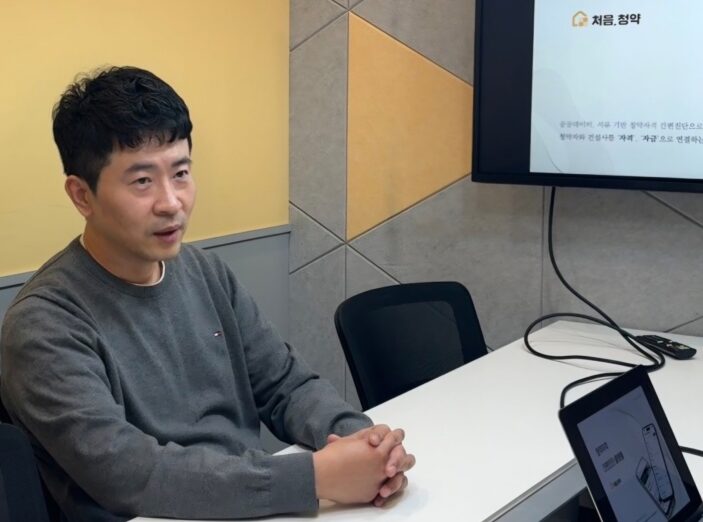
흥미로운 점은 장용 대표의 솔직한 ‘실패 고백’이다. 초기 기획했던 ‘찜’이나 ‘모의청약’ 기능은 유의미한 데이터 축적에 실패했다. 대신 그는 모델하우스 사전예약과 청약 프로필을 결합한 ‘실증 데이터’로 전략을 수정했다. 단순히 ‘얼마나 왔나’가 아니라 ‘누가, 어떤 조건으로 당첨 가능성이 높은가’를 분석하는 B2B 데이터 비즈니스로 진화한 것이다.
■ 기술로 구현한 보안과 정확성: “저장하지 않고 판단한다”
청약 데이터는 민감한 개인정보를 포함한다. 처음청약은 보안 리스크를 설계 단계부터 제거했다. 그는 “서류를 저장하지 않는 구조’가 원칙”이라며, “간편인증으로 불러온 서류에서 판단에 필요한 정보만 추출한 뒤 원본은 즉시 파기한다”고 설명했다.
“우리는 개인정보를 보관하는 회사가 아니라, 이를 일시적으로 해석해 ‘판단 결과’만 생성하는 곳입니다. 이 구조 덕분에 외부 기관과의 협업에서도 보안 기준을 완벽히 충족할 수 있었죠.”
기술적 우위는 ‘규칙 기반 엔진(Rule-based Engine)’에서 나온다. 수시로 변하는 부동산 법령을 문서 단위가 아닌, 판정 로직 단위로 관리한다. 기준이 바뀌면 즉시 전 사용자의 프로필이 다시 계산된다. AI는 이 정제된 판정 데이터 위에서 보조적으로 작동하며 당첨 가능성과 리스크를 분석한다.
■ 미래의 지도: “국민 누구나 같은 기준으로 판단하는 세상”
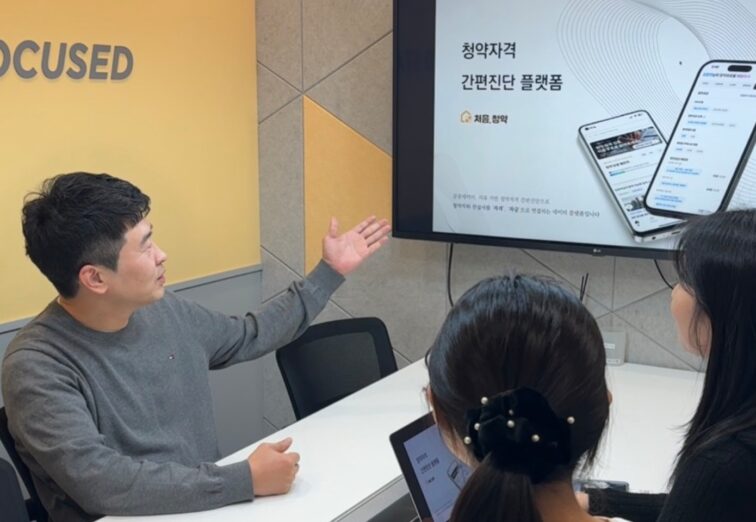
장용 대표는 청약홈과 대형 부동산 플랫폼과의 관계를 ‘보완적’이라 정의한다. 매물 탐색은 대형 플랫폼이, 접수는 청약홈이 하되, 그 사이의 ‘의사결정’을 처음청약이 담당하겠다는 로드맵이다.
“목표는 500만 명의 ‘판단 사용자’를 확보하는 겁니다. 정답을 알려주는 쪽집게 과외가 아니라, 합리적인 선택을 돕는 의사 결정 인프라가 되겠습니다.”
그가 창출할 경제적 가치는 명확하다. 부적격 당첨으로 인한 연간 수조 원대의 개인적 손실과 행정 비용을 줄이는 것이다.
Jang Yong, CEO of First Subscription, has established a "subscription decision infrastructure" based on 10 years of construction experience.
"20,000 people cry each year: 'Ineligible winners' aren't due to individual error, but to a systemic failure."
In Korea, subscriptions are called "lotteries," but the process itself is more like "torment." The Ministry of Land, Infrastructure and Transport's FAQ alone has 241 pages. Every year, over 20,000 "ineligible" applicants lose their lottery applications due to a single marking error, and are deprived of the opportunity for a year.
Jang Yong, who oversaw tenant selection at a renowned construction company for ten years, attributed the tragedy not to "individual negligence," but to a "disconnected administrative structure." His company, "Cheomcheom Cheoyak," aims to go beyond simply providing information and provide a "pre-judgment infrastructure" that allows applicants to verify their own eligibility.
Over the years, CEO Jang Yong has witnessed numerous cases of lottery cancellations. He pointed out, "Institutionally, all responsibility lies with the applicant. However, demanding a thorough understanding of the complex generational structure and constantly changing point-based criteria is tantamount to national negligence."
The current structure separates the application process (subscription website) from the verification process (business entity). Applicants must navigate the vast information gap between the two processes alone. CEO Jang Yong was convinced that a "pre-judgment digital infrastructure" was essential to address this issue. This is the background behind the creation of the first subscription system.
■ The philosophy behind the 'Subscription Profile': "It's a realm of judgment, not inquiry."
The key is the "subscription profile." Rather than simply displaying information, it structures an individual's qualifications through simple authentication. It then determines in real time whether a person is qualified to actually apply.
"Qualifications constantly change based on changes in time and circumstances, such as the length of time without a home, household composition, and residential relocation. The first subscription automatically updates these eligibility criteria, helping users manage their status until they win."
What's interesting is CEO Jang Yong's candid confession of failure. The "Jjim" and "Mock Subscription" features he initially planned failed to accumulate meaningful data. Instead, he revised his strategy to incorporate "empirical data" by combining model house pre-orders with subscription profiles. This evolved into a B2B data business that analyzes not simply "how many people came," but "who has the highest chance of winning, and under what conditions."
■ Security and accuracy realized through technology: “Judge without storing”
Subscription data contains sensitive personal information. The initial subscription process eliminated security risks from the design stage. He explained, "Our principle is a 'document-free' structure," and "We extract only the information necessary for decision-making from documents retrieved through simple authentication, and then immediately destroy the originals."
"We're not a company that stores personal information; we only temporarily interpret it and generate 'decision results.' This structure allows us to fully meet security standards even when collaborating with external organizations."
The technological advantage stems from a "rule-based engine." It manages constantly changing real estate laws not on a document-by-document basis, but rather on a logic-by-decision basis. Any change in criteria immediately recalculates all users' profiles. AI then operates on this refined decision data, analyzing the likelihood of winning and the risks involved.
■ Map of the Future: “A World Where Everyone Judges by the Same Standards”
CEO Jang Yong defines the relationship between Cheongyak Home and major real estate platforms as "complementary." The roadmap calls for Cheongyak Home to handle listings, with the major platforms handling the application process, and Cheongyak Home handling the decision-making process.
"Our goal is to secure 5 million 'judgment users.' Rather than providing a one-size-fits-all tutoring service that simply tells you the right answers, we will provide a decision-making infrastructure that helps people make rational choices."
The economic value it will create is clear: reducing the trillions of dollars in annual personal losses and administrative costs associated with ineligible lottery winnings.
建設会社10年の現場経験を溶かした「申請判断インフラ」構築、チャン・ヨン初の申請代表
「年間2万人の涙、「不適格当選」は個人のミスではないシステムの不在」
韓国では申請は「ロト」と呼ばれるが、その過程は「苦行」に近い。国土部のFAQのみ241ページ。一度のマーキングミスで当選が取り消され、1年間機会を奪われる「不適格者」が毎年2万人を超えている。
有名建設会社で10年間入居者選定業務を総括していたチャン・ヨン代表は、この悲劇の原因を「個人の不注意」ではなく「連結されていない行政構造」で見つけた。彼が創業した「初の申請」は、情報のリストを超えて、申請者が自らを検証できる「事前判断インフラ」を目指す。
これまでチャン・ヨン代表は現場で数多くの当選取消事例を目撃した。彼は「制度上、すべての責任は請約者に帰属する。しかし、複雑な世代構成と随時変化する家点基準を完全に理解しろというのは国家的放任に近い」と指摘した。
現在の構造は受付(申込ホーム)と検証(事業主体)が分離されている。申請者はその間の巨大な情報スペースを一人で渡さなければなりません。チャン・ヨン代表はこの地点に「事前判断デジタルインフラ」が必ず必要だと確信した。初めて申請の誕生の背景だ。
■「契約プロフィール」に込められた哲学:「照会ではない判定の領域」
核心は「契約プロフィール」だ。単に情報を示すのではなく、簡易認証を通じて個人の条件を構造化する。そして、実際の申請が可能なレベルの資格をリアルタイムで判定する。
「無住宅期間と世代構成、居住地移動など時間と条件の変化によって資格は変化し続けます。初めての申請はこれを自動更新し、ユーザーが当選する瞬間まで自分の状態を継続的に管理できるようにします。」
興味深い点はチャン・ヨン代表の率直な「失敗告白」だ。初期企画した「蒸し」や「模擬申請」機能は有意なデータ蓄積に失敗した。代わりに、彼はモデルハウスの事前予約と申請プロファイルを組み合わせた「実証データ」で戦略を修正した。単に「どれくらい来たのか」ではなく「誰が、どのような条件で当選の可能性が高いか」を分析するB2Bデータビジネスに進化したのだ。
■技術で実装したセキュリティと正確性:「保存せずに判断する」
申請データには機密情報が含まれています。初めての契約は、セキュリティリスクを設計段階から排除した。彼は「書類を保存しない構造」が原則だとし、「簡易認証で呼んだ書類から判断に必要な情報だけを抽出した後、原本は直ちに破棄する」と説明した。
「私たちは個人情報を保管する会社ではなく、これを一時的に解釈して「判断結果」だけを生成するところです。
技術的優位は「ルールベースエンジン(Rule-based Engine)」から来る。随時変化する不動産法令を文書単位ではなく、判定ロジック単位で管理する。基準が変わると、すぐにユーザーのプロフィールが再計算されます。 AIはこの洗練された判定データの上で補助的に機能し、当選の可能性とリスクを分析します。
■未来の指導:「国民誰もが同じ基準で判断する世界」
チャン・ヨン代表は、請約ホームと大型不動産プラットフォームとの関係を「補完的」と定義する。売り物探索は大型プラットフォームが、受付は請約ホームとなるが、その間の「医師決定」を初めて請約が担当するというロードマップだ。
「目標は500万人の「判断ユーザー」を確保することです。正解を知らせる面倒な課外ではなく、合理的な選択を助ける意思決定インフラになります。」
彼が創出する経済的価値は明確である。不適格当選による年間水槽円帯の個人的損失と行政費用を減らすことだ。
First Subscription 的 CEO 张勇凭借 10 年的建设经验,建立了“订阅决策基础设施”。
“每年有 2 万人哭诉:‘不符合资格的获奖者’并非个人失误,而是系统性缺陷。”
在韩国,这类订阅被称为“抽签”,但过程本身却更像是“折磨”。仅国土交通部的常见问题解答就有241页。每年,超过2万名“不符合资格”的申请人因为一个填写错误而失去抽签资格,并因此失去一年的机会。
曾在一家知名建筑公司负责租户筛选工作十年的张勇认为,这场悲剧并非“个人疏忽”,而是“行政体系脱节”所致。他的公司“Cheomcheom Cheoyak”旨在超越单纯的信息提供,构建一个“预先判断机制”,让申请人能够自行核实资格。
多年来,首席执行官张勇目睹了无数次彩票抽签取消的案例。他指出:“从制度上讲,所有责任都在申请人身上。然而,要求申请人彻底了解复杂的世代结构和不断变化的积分制标准,无异于国家失职。”
目前的架构将申请流程(订阅网站)与验证流程(企业实体)割裂开来。申请人必须独自应对这两个流程之间巨大的信息鸿沟。CEO张勇坚信,构建“预先判断的数字基础设施”对于解决这一问题至关重要。这正是首个订阅系统诞生的背景。
■ “订阅个人资料”背后的理念:“这是一个评判的领域,而不是探究的领域。”
关键在于“订阅资料”。它并非简单地展示信息,而是通过简单的身份验证来构建个人的资格体系。然后,它会实时判断一个人是否符合申请资格。
“资格标准会随着时间和情况的变化而不断变化,例如无家可归的时间长短、家庭成员构成以及居住地搬迁等。首次订阅会自动更新这些资格标准,帮助用户管理自己的申请状态,直到获得资助。”
有趣的是,CEO张勇坦诚地承认了失败。他最初计划的“Jjim”和“模拟订阅”功能未能收集到有意义的数据。于是,他调整了策略,将样板房预售数据与订阅用户资料相结合,从而引入“实证数据”。这最终发展成为一项B2B数据业务,分析的不再仅仅是“有多少人来”,而是“谁最有可能成功,以及在什么条件下最有可能成功”。
■ 通过技术实现安全性和准确性:“无需存储即可判断”
订阅数据包含敏感的个人信息。初始订阅流程从设计阶段就消除了安全风险。他解释说:“我们的原则是‘无文档’结构”,“我们仅从通过简单身份验证检索到的文档中提取决策所需的信息,然后立即销毁原件。”
“我们公司不存储个人信息;我们只是暂时解读这些信息并生成‘决策结果’。这种架构使我们能够在与外部组织合作时完全符合安全标准。”
这项技术优势源于“基于规则的引擎”。它并非逐条解读房地产法律条文,而是基于逻辑和决策来应对不断变化的法律法规。任何标准的变更都会立即重新计算所有用户的个人资料。人工智能随后会利用这些经过优化的决策数据,分析胜诉的可能性和相关风险。
■ 未来蓝图:“一个所有人都以相同标准评判的世界”
首席执行官张勇将清屋与各大房地产平台的关系定义为“互补型”。根据发展规划,清屋负责房源发布,各大平台负责申请流程,而清屋负责最终决策。
“我们的目标是获得 500 万‘判断用户’。我们不会提供千篇一律的辅导服务,只是简单地告诉你正确答案,而是会提供一个决策基础设施,帮助人们做出理性选择。”
它将创造的经济价值显而易见:减少每年因不符合资格的彩票奖金而造成的数万亿美元的个人损失和行政成本。
Jang Yong, PDG de First Subscription, a mis en place une « infrastructure de décision d'abonnement » basée sur 10 ans d'expérience dans le secteur de la construction.
« Chaque année, 20 000 personnes se plaignent : les "gagnants inéligibles" ne sont pas dus à une erreur individuelle, mais à une défaillance systémique. »
En Corée, les inscriptions sont appelées « loteries », mais le processus lui-même s'apparente davantage à un véritable calvaire. La FAQ du ministère du Territoire, des Infrastructures et des Transports compte à elle seule 241 pages. Chaque année, plus de 20 000 candidats jugés « inéligibles » voient leur inscription rejetée à cause d'une simple erreur de saisie, et sont privés de cette opportunité pendant un an.
Jang Yong, qui a supervisé la sélection des locataires dans une entreprise de construction renommée pendant dix ans, a attribué la tragédie non pas à une « négligence individuelle », mais à une « structure administrative défaillante ». Son entreprise, « Cheomcheom Cheoyak », vise à aller au-delà de la simple fourniture d'informations et à fournir une « infrastructure de pré-évaluation » permettant aux candidats de vérifier eux-mêmes leur admissibilité.
Au fil des ans, le PDG Jang Yong a constaté de nombreux cas d'annulations de loteries. Il a souligné : « Sur le plan institutionnel, la responsabilité incombe entièrement au candidat. Toutefois, exiger une compréhension approfondie de la structure générationnelle complexe et des critères d'attribution par points en constante évolution relève de la négligence nationale. »
La structure actuelle sépare le processus de candidature (site web d'abonnement) du processus de vérification (entité commerciale). Les candidats doivent donc gérer seuls l'important manque d'informations entre ces deux processus. Le PDG, Jang Yong, était convaincu qu'une « infrastructure numérique de pré-évaluation » était indispensable pour remédier à ce problème. C'est dans ce contexte qu'a été créé le premier système d'abonnement.
■ La philosophie derrière le « profil d'abonnement » : « C'est un domaine de jugement, pas d'enquête. »
L'élément clé est le « profil d'abonnement ». Plutôt que de simplement afficher des informations, il structure les qualifications d'un individu grâce à une authentification simple. Il détermine ensuite en temps réel si une personne remplit les conditions requises pour déposer une candidature.
« Les critères d'admissibilité évoluent constamment en fonction du temps et des circonstances, comme la durée de l'itinérance, la composition du ménage et un déménagement. Le premier abonnement met automatiquement à jour ces critères, permettant ainsi aux utilisateurs de gérer leur situation jusqu'à l'obtention du prix. »
Ce qui est intéressant, c'est l'aveu franc du PDG Jang Yong concernant son échec. Les fonctionnalités « Jjim » et « Abonnement simulé » qu'il avait initialement prévues n'ont pas permis de recueillir de données significatives. Il a donc revu sa stratégie pour intégrer des « données empiriques » en combinant les précommandes de maisons témoins avec les profils d'abonnés. Cette approche a donné naissance à une entreprise de données B2B qui analyse non seulement le nombre de participants, mais aussi les personnes ayant le plus de chances de gagner, et dans quelles conditions.
■ Sécurité et précision assurées grâce à la technologie : « Juger sans stocker »
Les données d'abonnement contiennent des informations personnelles sensibles. Le processus d'abonnement initial a permis d'éliminer les risques de sécurité dès sa conception. Il a expliqué : « Notre principe est une structure sans documents » et « Nous extrayons uniquement les informations nécessaires à la prise de décision à partir de documents obtenus par une simple authentification, puis nous détruisons immédiatement les originaux. »
« Nous ne sommes pas une entreprise qui stocke des informations personnelles ; nous les interprétons seulement temporairement et générons des "résultats de décision". Cette structure nous permet de respecter pleinement les normes de sécurité, même lorsque nous collaborons avec des organisations externes. »
L'avantage technologique repose sur un moteur de règles. Ce dernier gère l'évolution constante du droit immobilier non pas document par document, mais selon une logique décisionnelle. Toute modification des critères entraîne un recalcul immédiat des profils de tous les utilisateurs. L'IA exploite ensuite ces données décisionnelles affinées pour analyser les chances de succès et les risques encourus.
■ Carte du futur : « Un monde où chacun juge selon les mêmes critères »
Le PDG Jang Yong qualifie la relation entre Cheongyak Home et les principales plateformes immobilières de « complémentaire ». Selon la feuille de route, Cheongyak Home gérera les annonces, les principales plateformes se chargeront du processus de candidature et Cheongyak Home du processus de décision.
« Notre objectif est de recruter 5 millions d’« utilisateurs capables de prendre des décisions ». Plutôt que de proposer un service de tutorat standardisé qui se contente de donner les bonnes réponses, nous fournirons une infrastructure de prise de décision qui aidera les gens à faire des choix rationnels. »
La valeur économique que cela créera est claire : réduire les milliers de milliards de dollars de pertes personnelles annuelles et de coûts administratifs liés aux gains de loterie non admissibles.
You must be logged in to post a comment.