




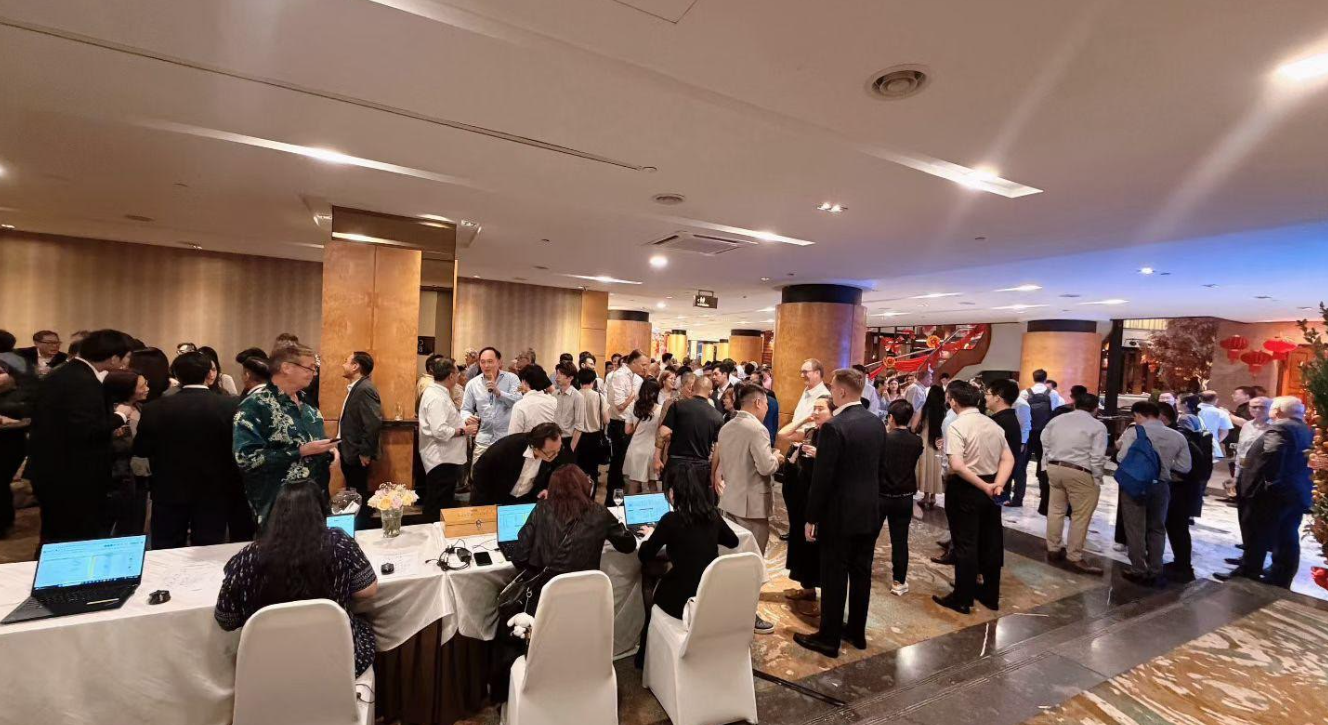
DS단석(대표이사 한승욱·김종완)은 지난 9일부터 11일까지 말레이시아에서 개최된 글로벌 바이오에너지 원료 컨퍼런스 ‘POC 2026(Palm & Lauric Oils Price Outlook Conference & Exhibition)’에 참가했다고 19일 밝혔다.
올해로 37회째를 맞은 POC는 바이오디젤의 주요 원료인 팜유와 라우릭 오일, 식물성 오일의 가격 및 수급 전망을 논의하는 국제 컨퍼런스다. 바이오에너지 기업과 금융기관, 정책 당국 등 50여 개국 관계자들이 참석해 시장 동향을 공유하고 원료 조달, 판로 확대, 기술 협력 방안 등을 논의하는 자리로 알려져 있다.
DS단석은 이번 행사에서 글로벌 원료 시장 변화와 바이오디젤 수요 확대 흐름을 점검하고, 원료 조달 다변화 및 해외 판로 확대를 위한 네트워킹과 영업 활동을 진행했다. 특히 팜유 부산물과 음폐유 등 저가 원료를 활용한 바이오디젤 생산 경험과 공정 개선 사례를 소개하며 글로벌 기업과의 협력 가능성을 타진했다.
회사 측은 저가 원료의 경우 정제 난이도가 높아 활용에 제약이 있었으나, 최근 공정 고도화를 통해 바이오디젤 품질 기준을 충족하는 수준으로 적용 범위를 확대했다고 설명했다. 이를 통해 고가 원료 중심의 구조에서 벗어나 원료 활용 스펙트럼을 넓히고 생산 공정의 유연성을 높였다는 입장이다.
이를 위해 DS단석은 최근 2년간 일부 생산 라인 조정에 따른 단기적 매출 감소를 감수하면서도 바이오디젤 생산 설비 고도화에 투자해 왔다. 지난해 8월 평택1공장을 시작으로 개선된 공정 설비를 단계적으로 적용했으며, 다양한 원료를 효율적으로 처리할 수 있는 운영 기반을 구축했다고 밝혔다.
DS단석 관계자는 이번 POC 참가를 통해 글로벌 원료 시장과 바이오디젤 수요 흐름을 점검하고 협력 범위를 확대하는 계기가 됐다고 설명했다. 또한 2026년 공정 고도화가 적용된 모든 공장이 정상 가동되면 해외 수출 확대와 원료 조달 다변화를 통해 수익성 개선이 기대된다고 덧붙였다.
- 관련 기사 더 보기
DS Danseok participates in POC 2026, seeking to diversify biodiesel raw materials and expand overseas sales channels.
DS Danseok (CEO Seungwook Han and Jongwan Kim) announced on the 19th that it participated in the global bioenergy raw material conference 'POC 2026 (Palm & Lauric Oils Price Outlook Conference & Exhibition)' held in Malaysia from the 9th to the 11th.
Now in its 37th year, POC is an international conference dedicated to discussing the price and supply/demand outlook for palm oil, lauric oil, and vegetable oils, key raw materials for biodiesel. Representatives from over 50 countries, including bioenergy companies, financial institutions, and policymakers, attend the conference to share market trends and discuss raw material procurement, market expansion, and technological cooperation.
At this event, DS Danseok reviewed global raw material market changes and the growing demand for biodiesel. It also engaged in networking and sales activities to diversify raw material procurement and expand overseas markets. In particular, the company shared its experience producing biodiesel using low-cost raw materials like palm oil byproducts and waste oil, as well as examples of process improvements, and explored potential partnerships with global companies.
The company explained that while the high refining difficulty of low-cost raw materials had previously limited their use, recent process advancements have expanded their scope to meet biodiesel quality standards. The company believes this shift has broadened the spectrum of raw material utilization, shifting away from a structure focused on high-cost raw materials, and increased flexibility in the production process.
To this end, DS Danseok has invested in upgrading its biodiesel production facilities, despite the short-term decline in sales resulting from some production line adjustments over the past two years. Beginning with the Pyeongtaek Plant 1 in August of last year, the company has implemented improved process equipment in stages, establishing an operational foundation capable of efficiently processing a variety of raw materials.
A DS Danseok official explained that participation in this POC provided an opportunity to examine the global raw material market and biodiesel demand trends and expand the scope of cooperation. Furthermore, once all plants with advanced process technologies are fully operational by 2026, profitability is expected to improve through increased overseas exports and diversified raw material procurement.
- See more related articles
DS短石、「POC 2026」参加..「バイオディーゼル原料の多様化と海外版への拡大模索」
DSダンソク(代表取締役ハン・スンウク・キム・ジョンワン)は去る9日から11日までマレーシアで開催されたグローバルバイオエネルギー原料カンファレンス「POC 2026(Palm & Lauric Oils Price Outlook Conference & Exhibition)」に参加したと19日明らかにした。
今年で37回目を迎えたPOCは、バイオディーゼルの主要原料であるパーム油とラウリックオイル、植物油の価格と需給見通しを議論する国際カンファレンスだ。バイオエネルギー企業と金融機関、政策当局など50カ国以上の関係者が参加し、市場動向を共有し、原料調達、販路拡大、技術協力案などを議論する場として知られている。
DSダンソクは今回のイベントでグローバル原料市場の変化とバイオディーゼル需要拡大の流れをチェックし、原料調達多様化および海外販路拡大のためのネットワーキングと営業活動を進めた。特にパーム油副産物や陰廃油など低価格原料を活用したバイオディーゼル生産経験と工程改善事例を紹介し、グローバル企業との協力可能性を打診した。
同社側は低コスト原料の場合、精製難易度が高く活用に制約があったが、最近の工程高度化を通じてバイオディーゼル品質基準を満たす水準に適用範囲を拡大したと説明した。これにより高価原料中心の構造から抜け出して原料活用スペクトルを広げ、生産工程の柔軟性を高めたという立場だ。
このためDS短石は最近2年間、一部の生産ライン調整による短期的な売上の減少を監修しながらもバイオディーゼル生産設備の高度化に投資してきた。昨年8月、平沢1工場を皮切りに改善された工程設備を段階的に適用し、多様な原料を効率的に処理できる運営基盤を構築したと明らかにした。
DS団席関係者は今回のPOC参加を通じてグローバル原料市場とバイオディーゼル需要の流れを点検し、協力範囲を拡大するきっかけになったと説明した。また、2026年の工程高度化が適用されたすべての工場が正常稼働すれば、海外輸出の拡大と原料調達多様化を通じて収益性の改善が期待されると付け加えた。
- 関連記事をもっと見る
DS Danseok 参与 POC 2026,寻求生物柴油原料多元化和拓展海外销售渠道。
DS Danseok (CEO Seungwook Han 和 Jongwan Kim)于 19 日宣布,公司参加了 9 日至 11 日在马来西亚举行的全球生物能源原料会议“POC 2026(棕榈油和月桂油价格展望会议暨展览会)”。
棕榈油大会(POC)至今已举办37届,是一个致力于探讨棕榈油、月桂酸油和植物油(生物柴油的关键原料)价格及供需前景的国际会议。来自50多个国家的代表,包括生物能源公司、金融机构和政策制定者,出席会议,分享市场趋势,并探讨原材料采购、市场拓展和技术合作等议题。
在本次活动中,DS Danseok回顾了全球原材料市场的变化以及生物柴油日益增长的需求。该公司还开展了拓展人脉和销售活动,旨在实现原材料采购多元化并拓展海外市场。DS Danseok重点分享了其利用棕榈油副产品和废油等低成本原材料生产生物柴油的经验,以及工艺改进的案例,并探讨了与全球企业建立潜在合作关系的可能性。
该公司解释说,虽然低成本原材料此前由于提炼难度高而受到限制,但近期工艺的进步扩大了其应用范围,使其能够满足生物柴油的质量标准。该公司认为,这种转变拓宽了原材料的利用范围,使其摆脱了以往依赖高成本原材料的模式,并提高了生产过程的灵活性。
为此,尽管过去两年由于部分生产线调整导致短期销量下滑,DS Danseok仍投资升级其生物柴油生产设施。自去年8月平泽1号工厂开始,该公司分阶段实施了改进型工艺设备,逐步建立起能够高效加工多种原材料的运营基础。
DS Danseok公司的一位负责人解释说,参与此次概念验证项目提供了一个机会,可以考察全球原材料市场和生物柴油需求趋势,并扩大合作范围。此外,一旦所有采用先进工艺技术的工厂在2026年全面投产,预计通过增加海外出口和实现原材料采购多元化,公司盈利能力将得到提升。
- 查看更多相关文章
DS Danseok participe à POC 2026, cherchant à diversifier ses matières premières pour le biodiesel et à développer ses canaux de vente à l'étranger.
DS Danseok (PDG Seungwook Han et Jongwan Kim) a annoncé le 19 qu'elle participait à la conférence mondiale sur les matières premières bioénergétiques « POC 2026 (Conférence et exposition sur les perspectives des prix des huiles de palme et lauriques) » qui s'est tenue en Malaisie du 9 au 11.
La conférence POC, qui en est à sa 37e édition, est un événement international consacré à l'analyse des prix et des perspectives d'offre et de demande des huiles de palme, de laurique et végétales, matières premières essentielles au biodiesel. Des représentants de plus de 50 pays, notamment des entreprises de bioénergie, des institutions financières et des décideurs politiques, y participent pour partager les tendances du marché et discuter de l'approvisionnement en matières premières, du développement des marchés et de la coopération technologique.
Lors de cet événement, DS Danseok a analysé l'évolution du marché mondial des matières premières et la demande croissante de biodiesel. L'entreprise a également mené des activités de réseautage et de vente afin de diversifier ses sources d'approvisionnement en matières premières et de développer ses marchés à l'international. Elle a notamment partagé son expérience en matière de production de biodiesel à partir de matières premières à faible coût, telles que les sous-produits de l'huile de palme et les huiles usagées, ainsi que des exemples d'améliorations de procédés, et a exploré des pistes de partenariat avec des entreprises internationales.
L'entreprise a expliqué que si la difficulté de raffinage des matières premières bon marché en limitait auparavant l'utilisation, les récents progrès des procédés ont permis d'élargir leur champ d'application et de répondre aux normes de qualité du biodiesel. Elle estime que cette évolution a permis d'accroître la flexibilité du processus de production, en diversifiant l'utilisation des matières premières et en réduisant la dépendance aux matières premières coûteuses.
Dans cette optique, DS Danseok a investi dans la modernisation de ses installations de production de biodiesel, malgré la baisse conjoncturelle des ventes consécutive à des ajustements de ses lignes de production ces deux dernières années. À partir de l'usine de Pyeongtaek 1 en août dernier, l'entreprise a déployé progressivement des équipements de traitement améliorés, établissant ainsi une infrastructure opérationnelle capable de traiter efficacement diverses matières premières.
Un représentant de DS Danseok a expliqué que la participation à ce projet pilote offrait l'opportunité d'examiner le marché mondial des matières premières et les tendances de la demande de biodiesel, ainsi que d'élargir le champ de la coopération. De plus, une fois que toutes les usines dotées de technologies de pointe seront pleinement opérationnelles d'ici 2026, la rentabilité devrait s'améliorer grâce à l'augmentation des exportations et à la diversification des sources d'approvisionnement en matières premières.
- Voir plus d'articles connexes
You must be logged in to post a comment.