




고려대 경영학과 재학 중이던 스물넷, 강성진 커버링 대표는 졸업장보다 사업자등록증을 먼저 챙겼다. 코로나 직후 배달 음식 수요가 폭발하면서 폐기물 문제가 눈에 들어왔다. 음식물을 덜어내고, 용기를 세척하고, 정해진 날짜에 맞춰 배출하는 과정 자체가 불편했다.
강 대표는 “현대인 라이프스타일이랑 맞지 않았다. 더군다나 쓰레기 버리는 것도 불편한데, 그게 제대로 재활용되지도 않는다는 걸 알게 됐다”고 회상했다.
팀원들과 아이디어를 빠르게 검증했다. 전단지를 뿌리고 카카오톡으로 수거 접수를 받았다. 재이용률이 확인됐고, 서비스 확대 요청이 쏟아졌다. 생활 쓰레기 방문 수거 서비스 ‘커버링’의 시작이었다.
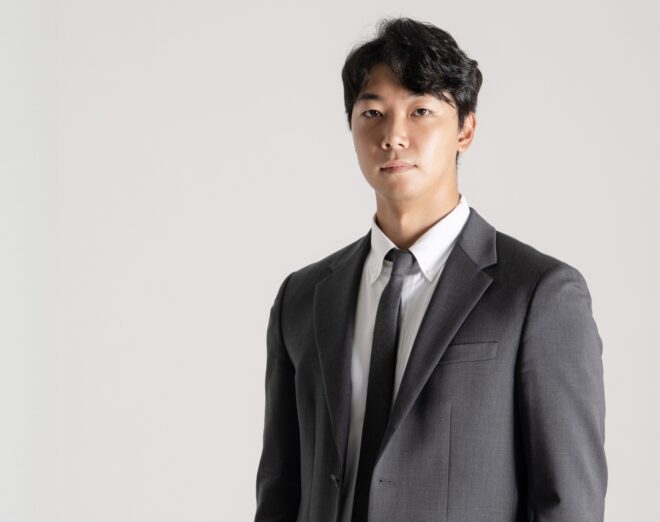
검증 방식은 단순했다. 가설을 고민하기보다 일단 시장에 부딪혔다. 다만 초기 비즈니스 모델엔 치명적인 결함이 있었다.
“유닛 이코노믹스가 안 나오는 구조였어요. 객단가를 높이고, 서비스를 개선하면서 지금 모델로 자리 잡았죠.”
첫 검증지는 서울 광진구였다. 대학생이 주 고객일 거라 예상했는데, 막상 뚜껑을 열어보니 직장인이 대부분이었다. 강남구를 추가로 열었더니, 전환율과 리텐션이 높게 나왔다. 유사 타깃이 많은 지역으로 순차 확장해 현재는 수도권 대부분 지역에서 서비스를 운영한다. 초기 2030 1인 가구, 고소득층 중심이던 이용자층은 점차 다양해지고 있다. 서비스가 대중화되면서 연령대와 가구 형태가 넓어졌다.
과금 구조는 단순하다. 1회 방문 시 기본료 2,500원에 무게 100g당 140원을 더한다. 고객이 평균 7~8kg을 배출하니 객단가는 약 1만 원이다. 직접 분리배출하는 것보다 당연히 비싸다. 하지만 고객들은 언제든 버릴 수 있다는 편의성, 세대 앞 간편 배출, 더 나은 재활용률에 돈을 낸다. 한 번 써본 유저들이 편리함을 느끼고 계속 이용하면서 성장이 이어졌다.
수익성은 이제 월 단위 영업이익이 나오는 수준까지 왔다. 물류 효율화와 선별 처리 과정의 규모의 경제가 주효했다. 이용자가 늘수록 단위 비용이 낮아지는 구조다.
수거 인력은 내부 인력과 외주 파트너를 혼용한다. 수거된 쓰레기는 자체 선별장에서 처리되는데, 기존 폐기물 선별장보다 엄격한 기준을 적용한다.
“고객이 분리배출을 제대로 안 해도 재활용이 되도록 처리하는 게 커버링 존재 이유예요. 완벽한 분리배출을 요구하기보다, 저희가 그 역할을 대신하는 게 서비스 핵심 가치죠.”
위생·안전 관리는 5년간 현장에서 부딪히며 쌓은 경험을 내부 매뉴얼로 만들어 대응 중이다.
2023년 5억 원을 투자받았고, 최근 35억 원 규모의 추가 펀딩을 마무리했다. 그는 “첫 투자 이후 약 30배 성장했다”고 설명했다. 투자자들이 주목한 건 세 가지였다. 빠른 성장과 동시에 수익성을 확보했다는 점, 폐기물이라는 레거시 산업에 실제 변화가 일어나고 있다는 점, 그리고 커버링이 폐기물 피드스톡을 가장 앞단에서 확보한다는 점이다.
확보한 자금은 재활용률을 높일 설비 투자와 서비스 성장에 쓸 예정이다. 외형보다는 재활용 처리 역량을 키우면서 성장하는 쪽에 투자한다. 대형 폐기물·중고품 영역 확장은 필연이다. 레거시가 많은 시장이고, 그만큼 혁신 여지가 크다.
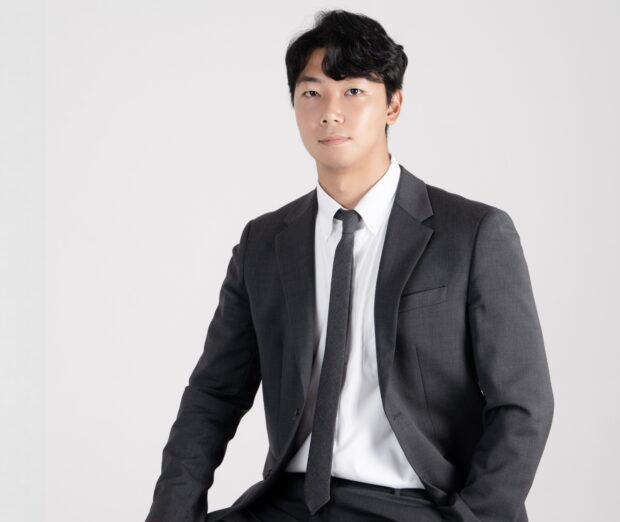
그는 기존 폐기물 시장에 대해 “고객 편의보다 인프라로만 접근했다”면서, “고객 만족 고민 자체가 없었다”고 지적했다. 대형 폐기물 수거 시장은 영세 업체가 주를 이루다 보니 가격이 불투명하고, 서비스 품질도 들쭉날쭉하다. 커버링은 일관된 품질과 서비스를 제공하는 브랜드로 이 시장을 바꿀 계획이다.
실제 재활용률은 기존 대비 약 20%p 높다. 다만 폐기물 업계에서 단순 재활용률 수치만으로 임팩트를 평가하긴 어렵다. 재활용 가능 자원의 품질도 함께 봐야 하는데, 이를 정량화할 업계 표준 지표가 아직 없다.
“폐기물 영역에서도 더 정확한 인증과 평가 방법이 발전할 거예요. 그 흐름에 맞춰 적절한 인증을 받아갈 계획이죠.”
커버링의 강점은 한 번 경험한 고객이 계속 재사용하다는 점이다. 편리함을 직접 느끼니, 지속 이용으로 자연스레 이어지는 것이다.
“시장 선점 핵심은 더 많은 사람이 직접 써보도록 만드는 거예요. 한 번이라도 써본 고객은 그 편리함을 쉽게 포기하지 않거든요. 고객의 첫 경험을 최대한 많이 만드는 데 집중하고 있죠.”
궁극적인 목표는 커버링이 폐기물 산업을 바꾸는 촉매제가 되는 것이다. 쓰레기를 쉽게 처리하고, 버려진 쓰레기는 잘 재활용되는 구조를 만들고 싶다. 재무 이익과 사회적 가치를 동시에 추구할 수 있다면 더할 나위 없다.
창업 6년 차를 맞았다. 돌이켜보면 창업 자체는 생각보다 어렵지 않았다. 가장 힘든 건 이 시기를 버티는 일이다. 하지만 그 과정이 개인 역량 측면에서는 압축 성장을 만들어주는 기회이기도 하다.
“요즘은 개발 의존성이 낮아지고 가설 검증을 빠른 호흡으로 할 수 있어요. 창업 진입 장벽은 앞으로 더 낮아질 거예요. 빠르게 실행하고 꾸준히 문제를 해결하는 능력이 중요 역량이 될 겁니다.”
분리배출을 귀찮아하던 스물넷 대학생의 문제의식이 흑자를 내는 ESG 기업을 만들었다. 폐기물 산업을 바꾸겠다는 한 청년 창업가의 집념이, 레거시 산업의 판을 어떻게 뒤집을지 주목된다.
A service created to combat the hassle of recycling has turned a profit after six years… Kang Sung-jin, CEO of Covering
At the age of 24, while studying business administration at Korea University, Kang Sung-jin, CEO of Covering, prioritized obtaining his business license over his diploma. Following the COVID-19 pandemic, demand for delivery food exploded, sparking concerns about waste. The process of disposing of food, washing containers, and disposing of waste on a scheduled date was inconvenient.
"It didn't fit with the modern lifestyle," said CEO Kang. "Moreover, it was inconvenient to dispose of the waste, and I realized it wasn't being recycled properly."
We quickly tested the idea with our team. We distributed flyers and received collection requests via KakaoTalk. Recycling rates were confirmed, and requests to expand the service poured in. This was the beginning of "Covering," a door-to-door garbage collection service.
The validation process was simple: rather than pondering hypotheses, we simply launched them into the market. However, the initial business model had a fatal flaw.
"It was a structure that didn't reflect unit economics. We established our current model by increasing unit prices and improving service."
The first testing site was Gwangjin-gu, Seoul. While college students were expected to be the primary customer base, the actual testing revealed a majority of office workers. Adding Gangnam-gu to the mix resulted in higher conversion rates and retention rates. The service has since expanded to other areas with similar target audiences, and currently operates across most of the Seoul metropolitan area. Initially focused on single-person households and high-income earners in their 20s and 30s, the user base has become increasingly diverse. As the service has become more popular, the age range and household types have expanded.
The billing structure is simple. A basic fee of 2,500 won is charged per visit, plus 140 won per 100 grams. Since customers dispose of an average of 7-8 kg, the average cost per customer is approximately 10,000 won. This is naturally more expensive than separating waste yourself. However, customers pay for the convenience of being able to dispose of their waste at any time, the convenience of having it disposed of right in front of their homes, and the higher recycling rate. This growth has continued as users who have tried the service once find it convenient and continue using it.
Profitability has now reached a level where monthly operating profits are generated. This has been largely due to logistics efficiency improvements and economies of scale in the sorting process. As the number of users increases, unit costs decrease.
The collection staff utilizes a mix of internal and external partners. The collected waste is processed at an in-house sorting facility, which applies stricter standards than existing waste sorting facilities.
"Covering's raison d'être is to ensure recycling even when customers don't properly separate their waste. Rather than demanding perfect separation, our core service value lies in fulfilling that role."
We are responding to hygiene and safety management by creating an internal manual based on the experience we have accumulated over the past five years.
The company received a 500 million won investment in 2023 and recently closed an additional 3.5 billion won round. He explained, "We've grown approximately 30 times since our initial investment." Investors focused on three key factors: rapid growth and profitability, the real transformation taking place in the legacy waste industry, and Covering's ability to secure waste feedstock at the forefront.
The secured funds will be used to invest in facilities to increase recycling rates and to grow services. Rather than focusing on external expansion, the company will focus on expanding its recycling processing capabilities and driving growth. Expansion into the bulky waste and used goods sectors is inevitable. This market is steeped in legacy, offering significant room for innovation.
He criticized the existing waste management market, saying, "They approached it solely from an infrastructure perspective, rather than customer convenience," and "there was no real concern for customer satisfaction." The large-scale waste collection market is dominated by small businesses, resulting in opaque pricing and inconsistent service quality. Covering plans to transform this market with a brand that delivers consistent quality and service.
The actual recycling rate is approximately 20 percentage points higher than before. However, in the waste management industry, it is difficult to assess the impact solely based on recycling rates. The quality of recyclable resources must also be considered, but there is currently no industry standard indicator to quantify this.
"More accurate certification and assessment methods will continue to evolve in the waste management sector. We plan to receive appropriate certification in line with this trend."
The strength of coverings is that once customers experience them, they continue to use them. Because they experience the convenience firsthand, they naturally continue to use them.
"The key to gaining market leadership is getting more people to try it out. Customers who have tried it even once are less likely to give up the convenience. We're focusing on creating as many first-time experiences as possible."
The ultimate goal is for Covering to become a catalyst for transforming the waste industry. We want to create a system that facilitates waste disposal and ensures that discarded waste is effectively recycled. It would be ideal if we could simultaneously pursue financial returns and social value.
It's been six years since I started my business. Looking back, starting a business itself wasn't as difficult as I thought. The most challenging part was enduring this period. However, that process also provided an opportunity for accelerated growth in terms of personal capabilities.
"These days, dependence on development has decreased, and hypothesis testing can be done quickly. The barriers to entry for startups will continue to lower. The ability to execute quickly and consistently solve problems will become crucial competencies."
The critical thinking of a 24-year-old college student who found waste separation cumbersome led to the creation of a profitable ESG company. The young entrepreneur's determination to transform the waste industry is drawing attention as to how it will upend legacy industries.
分離排出面倒で作ったサービス、6年ぶりに黒字転換…カン・ソンジンカバーリング代表
高麗大学経営学科在学中だった二十四、カン・ソンジンカバーリング代表は卒業証書より事業者登録証を先に手に入れた。コロナ直後に配達食品の需要が爆発し、廃棄物の問題が目に入った。食物を取り除き、容器を洗浄し、決められた日に合わせて排出する過程自体が不便であった。
カン代表は「現代のライフスタイルと合わなかった。さらにゴミ捨てることも不便だが、それがきちんとリサイクルされないことを知ることになった」と回想した。
チームメンバーとアイデアを素早く検証した。チラシを振りかけ、カカオトークで収集受付を受けた。再利用率が確認され、サービス拡大要請があふれた。生活ごみ訪問収集サービス「カバーリング」の始まりだった。
検証方法は単純だった。仮説を悩むよりも一応市場にぶつかった。ただし、初期のビジネスモデルには致命的な欠陥があった。
「ユニットエコノミックスが出てこない仕組みでした。客単価を高め、サービスを改善しながら今モデルに位置づけました。」
最初の検証地はソウル広津区だった。大学生が主顧客であると予想したが、いつも蓋を開けてみると会社員がほとんどだった。江南区を追加で開いたところ、転換率とリテンションが高く出た。類似ターゲットが多い地域に順次拡大し、現在は首都圏の大部分地域でサービスを運営する。初期の2030 1人世帯、高所得層中心だった利用者層はますます多様化している。サービスが普及し、年齢や家具の形態が広がった。
課金構造は単純です。 1回訪問時の基本料2,500ウォンに重量100gあたり140ウォンを加える。顧客が平均7~8kgを排出するので客単価は約1万ウォンだ。直接分離排出するよりも当然高い。しかし、顧客はいつでも捨てることができるという利便性、世代前の簡便排出、より良いリサイクル率にお金を払う。一度使ったユーザーが利便性を感じ、使い続けながら成長が続いた。
収益性は今月単位の営業利益が出てくる水準まで来た。物流効率化と選別処理過程の規模の経済が主効した。利用者が増えるほど単位コストが低くなる仕組みだ。
収集人材は内部人材と外注パートナーを混用する。回収されたごみは独自の選別場で処理され、既存の廃棄物選別場より厳しい基準を適用する。
「顧客が分離排出をきちんとしなくてもリサイクルになるように処理するのがカバーリング存在理由です。
衛生・安全管理は5年間現場でぶつかり積み重ねた経験を内部マニュアルにして対応中だ。
2023年に5億ウォンを投資され、最近35億ウォン規模の追加ファンディングを終えた。彼は「初投資以来約30倍成長した」と説明した。投資家が注目したのは3つだった。急速な成長と同時に収益性を確保したという点、廃棄物というレガシー産業に実際の変化が起きているという点、そしてカバーリングが廃棄物フィードストックを最も前段から確保するという点だ。
確保した資金はリサイクル率を高める設備投資とサービス成長に使う予定だ。見た目よりはリサイクル処理能力を育てながら成長する側に投資する。大型廃棄物・中古品領域の拡張は必然だ。レガシーが多い市場であり、それだけイノベーションの余地が大きい。
彼は既存の廃棄物市場に対して「顧客便宜よりインフラだけに近づいた」とし、「顧客満足悩み自体がなかった」と指摘した。大型廃棄物収集市場は零細企業が主を成すと価格が不透明で、サービス品質もギザギザだ。カバーリングは一貫した品質とサービスを提供するブランドにこの市場を変える計画だ。
実際のリサイクル率は従来比約20%p高い。ただし、廃棄物業界では単純なリサイクル率の数値だけでインパクトを評価することは難しい。リサイクル可能資源の品質も一緒に見なければならないが、これを定量化する業界標準指標はまだない。
「廃棄物領域でも、より正確な認証と評価方法が発展します。その流れに合わせて適切な認証を受け取る計画です。」
カバーリングの強みは、一度経験した顧客が再利用し続けることです。利便性を直接感じると、持続利用で自然スレイヤーになるのだ。
「市場プリエンプションの核心は、より多くの人が自分で書くようにすることです。
究極の目標は、カバーリングが廃棄物産業を変える触媒剤になることだ。ゴミを簡単に処理し、捨てられたゴミはよくリサイクルされた構造を作りたいです。財務利益と社会的価値を同時に追求することができれば足りない。
創業6年車を迎えた。振り返ってみると、創業自体は思ったより難しくなかった。一番大変なのはこの時期を支えることだ。しかし、その過程が個人能力の面では圧縮成長を作る機会でもある。
「最近は開発依存性が低くなり、仮説検証を迅速な呼吸にすることができます。創業参入障壁は今後より低くなるでしょう。迅速に実行し、着実に問題を解決する能力が重要な力量になるでしょう」
分離排出を面倒だった二十四大学生の問題意識が黒字を出すESG企業を作った。廃棄物産業を変えるという青年創業家のこだわりが、レガシー産業の版をどのように覆すか注目される。
一项旨在解决回收繁琐问题的服务在运营六年之后实现了盈利……Covering公司首席执行官康成镇
24岁时,还在韩国大学攻读工商管理专业的姜成镇(音译)——Covering公司的CEO——就将获得营业执照置于毕业证书之上。新冠疫情爆发后,外卖需求激增,引发了人们对食物浪费的担忧。处理食物、清洗容器以及按时清理垃圾的过程十分繁琐。
“它不符合现代生活方式,”首席执行官康说道。“此外,处理这些垃圾很不方便,而且我发现它们没有得到妥善回收。”
我们迅速在团队中测试了这个想法。我们分发传单,并通过KakaoTalk接收回收请求。回收率得到确认后,要求扩大服务的请求纷至沓来。这就是“Covering”——一项上门垃圾收集服务的开端。
验证过程很简单:我们没有反复思考假设,而是直接将产品推向市场。然而,最初的商业模式存在一个致命缺陷。
“这种结构未能体现单位经济效益。我们通过提高单价和改善服务,建立了目前的模式。”
首个测试地点选在首尔广津区。虽然预期大学生是主要客户群体,但实际测试结果显示,上班族占多数。将江南区也纳入测试范围后,转化率和留存率均有所提高。此后,该服务扩展到其他目标受众相似的地区,目前已覆盖首尔都市圈的大部分区域。最初,该服务主要面向20至30岁的单身人士和高收入人群,但用户群体已日趋多元化。随着服务越来越受欢迎,用户的年龄范围和家庭类型也随之扩大。
收费结构很简单。每次上门收取2500韩元的基本费用,外加每100克140韩元。由于顾客平均每次处理7-8公斤垃圾,因此每位顾客的平均费用约为10000韩元。这自然比自己进行垃圾分类要贵。然而,顾客支付的费用包含了随时处理垃圾的便利、在家门口就能处理垃圾的便利以及更高的回收率。随着体验过这项服务的用户觉得方便并继续使用,这项服务的用户数量持续增长。
目前盈利能力已达到每月产生营业利润的水平。这主要归功于物流效率的提升和分拣流程的规模经济。随着用户数量的增加,单位成本也随之降低。
垃圾收集人员会与内部和外部合作伙伴协作。收集到的垃圾会在内部分拣设施进行处理,该设施采用比现有垃圾分拣设施更严格的标准。
“Covering存在的意义在于确保即使客户没有正确分类垃圾,也能进行回收利用。我们并不要求完美分类,我们的核心服务价值在于履行这一职责。”
我们正在根据过去五年积累的经验,制定内部手册,以应对卫生和安全管理问题。
该公司于2023年获得5亿韩元投资,近期又完成35亿韩元的融资。他解释说:“自首次投资以来,我们的规模增长了约30倍。” 投资者主要关注三个关键因素:快速增长和盈利能力、传统废弃物处理行业正在发生的真正变革,以及Covering公司在获取废弃物原料方面的领先能力。
已筹集的资金将用于投资建设相关设施,以提高回收率并拓展服务。公司不会着眼于外部扩张,而是专注于提升自身的回收处理能力并推动业务增长。进军大件垃圾和二手商品领域势在必行。这个市场历史悠久,蕴藏着巨大的创新空间。
他批评了现有的废物管理市场,称“他们只从基础设施的角度出发,而忽略了客户的便利性”,并且“根本没有真正关心客户满意度”。大规模的废物收集市场由小型企业主导,导致定价不透明,服务质量参差不齐。Covering 计划通过打造一个能够提供始终如一的优质服务的品牌来改变这一市场。
实际回收率比以前提高了约20个百分点。然而,在废物管理行业,仅凭回收率很难评估其影响。可回收资源的质量也必须考虑在内,但目前尚无行业标准指标来量化这一点。
“废物管理领域将不断发展更精准的认证和评估方法。我们计划顺应这一趋势,获得相应的认证。”
遮盖物的优势在于,一旦顾客体验过,就会持续使用。因为他们亲身感受到了便利,所以自然而然地会继续使用。
“获得市场领先地位的关键在于让更多人尝试。即使只尝试过一次的顾客,也不太可能放弃这种便利。我们正致力于创造尽可能多的首次体验。”
Covering的最终目标是成为推动废弃物行业变革的催化剂。我们希望创建一个能够促进废弃物处理并确保废弃物得到有效回收利用的系统。如果能够同时追求经济回报和社会价值,那就再理想不过了。
我创业至今已有六年了。回首往事,创业本身并没有我想象中那么难。最难的是熬过这段时期。然而,这段经历也为我个人能力的快速提升提供了契机。
“如今,对研发的依赖性降低,假设检验可以迅速完成。创业的门槛将持续降低。快速执行并持续解决问题的能力将成为至关重要的竞争力。”
一位24岁的大学生,因为觉得垃圾分类繁琐,凭借批判性思维,创办了一家盈利的ESG公司。这位年轻企业家决心革新垃圾处理行业,其举措将如何颠覆传统行业格局,引发了广泛关注。
Un service créé pour simplifier le recyclage est devenu rentable après six ans… Kang Sung-jin, PDG de Covering
À 24 ans, alors étudiant en administration des affaires à l'Université de Corée, Kang Sung-jin, PDG de Covering, a privilégié l'obtention de sa licence commerciale à son diplôme. Suite à la pandémie de COVID-19, la demande de livraison de repas a explosé, soulevant des inquiétudes quant au gaspillage alimentaire. Le processus d'élimination des restes, de lavage des contenants et de traitement des déchets à une date fixe s'avérait contraignant.
« Cela ne correspondait pas au mode de vie moderne », a déclaré le PDG Kang. « De plus, l'élimination des déchets était compliquée et j'ai constaté qu'ils n'étaient pas recyclés correctement. »
Nous avons rapidement testé l'idée auprès de notre équipe. Nous avons distribué des prospectus et reçu des demandes de collecte via KakaoTalk. Les taux de recyclage ont été confirmés et les demandes d'extension du service ont afflué. C'est ainsi qu'est né « Covering », un service de collecte des ordures ménagères en porte-à-porte.
Le processus de validation était simple : plutôt que de spéculer sur des hypothèses, nous les avons simplement lancées sur le marché. Cependant, le modèle économique initial comportait un défaut fatal.
« C'était une structure qui ne reflétait pas la rentabilité par unité. Nous avons établi notre modèle actuel en augmentant les prix unitaires et en améliorant le service. »
Le premier site de test était Gwangjin-gu, à Séoul. Si les étudiants étaient censés constituer la clientèle principale, les tests ont révélé une majorité d'employés de bureau. L'ajout de Gangnam-gu a permis d'obtenir des taux de conversion et de fidélisation plus élevés. Le service s'est depuis étendu à d'autres zones ciblant des publics similaires et couvre désormais la majeure partie de la zone métropolitaine de Séoul. Initialement axé sur les personnes seules et les jeunes actifs à hauts revenus âgés de 20 à 39 ans, le service a vu sa base d'utilisateurs se diversifier. Avec sa popularité croissante, la tranche d'âge et les types de ménages se sont également élargis.
La tarification est simple. Un forfait de 2 500 wons est facturé par visite, auquel s'ajoutent 140 wons par tranche de 100 grammes. Les clients déposant en moyenne 7 à 8 kg de déchets, le coût moyen par client s'élève à environ 10 000 wons. Ce service est naturellement plus cher que le tri sélectif. Cependant, les clients paient pour la commodité de pouvoir déposer leurs déchets à tout moment, la facilité de collecte devant leur domicile et un taux de recyclage plus élevé. Cette croissance se poursuit, car les utilisateurs qui ont testé le service une première fois le trouvent pratique et continuent de l'utiliser.
La rentabilité a désormais atteint un niveau permettant de dégager des bénéfices d'exploitation mensuels. Ceci est dû en grande partie aux gains d'efficacité logistique et aux économies d'échelle réalisées dans le processus de tri. À mesure que le nombre d'utilisateurs augmente, les coûts unitaires diminuent.
L'équipe de collecte fait appel à un réseau de partenaires internes et externes. Les déchets collectés sont traités dans un centre de tri interne, qui applique des normes plus strictes que les centres de tri existants.
« La raison d'être de Covering est d'assurer le recyclage même lorsque les clients ne trient pas correctement leurs déchets. Plutôt que d'exiger un tri parfait, notre principal atout réside dans le fait de remplir ce rôle. »
Nous répondons aux exigences en matière d'hygiène et de sécurité en créant un manuel interne basé sur l'expérience que nous avons accumulée au cours des cinq dernières années.
L'entreprise a bénéficié d'un investissement de 500 millions de wons en 2023 et a récemment finalisé une levée de fonds supplémentaire de 3,5 milliards de wons. « Nous avons multiplié notre capital par 30 environ depuis notre investissement initial », a-t-il expliqué. Les investisseurs se sont concentrés sur trois facteurs clés : une croissance et une rentabilité rapides, la véritable transformation en cours dans le secteur traditionnel du traitement des déchets et la capacité de Covering à sécuriser l'approvisionnement en matières premières issues des déchets.
Les fonds obtenus serviront à investir dans des installations permettant d'accroître les taux de recyclage et de développer les services. Plutôt que de privilégier l'expansion externe, l'entreprise se concentrera sur l'amélioration de ses capacités de traitement des déchets recyclables et sur la croissance de son activité. Une expansion dans les secteurs des déchets encombrants et des biens d'occasion est inévitable. Ce marché, riche d'une longue tradition, offre un potentiel d'innovation considérable.
Il a critiqué le marché actuel de la gestion des déchets, déclarant : « Ils l’ont abordé uniquement sous l’angle des infrastructures, sans se soucier du confort du client », et « la satisfaction client n’était pas une priorité ». Le marché de la collecte des déchets à grande échelle est dominé par les petites entreprises, ce qui engendre un manque de transparence des prix et une qualité de service inégale. Covering ambitionne de transformer ce marché grâce à une marque garantissant une qualité et un service constants.
Le taux de recyclage actuel est supérieur d'environ 20 points de pourcentage à celui d'avant. Cependant, dans le secteur de la gestion des déchets, il est difficile d'évaluer l'impact uniquement à partir des taux de recyclage. La qualité des ressources recyclables doit également être prise en compte, mais il n'existe actuellement aucun indicateur standardisé pour la quantifier.
« Des méthodes de certification et d’évaluation plus précises continueront d’évoluer dans le secteur de la gestion des déchets. Nous prévoyons d’obtenir la certification appropriée conformément à cette tendance. »
L'atout majeur des revêtements réside dans le fait qu'une fois qu'ils les ont essayés, les clients continuent de les utiliser. Ayant constaté par eux-mêmes leur praticité, ils les adoptent naturellement.
« La clé pour devenir leader du marché est d'inciter davantage de personnes à l'essayer. Les clients qui l'ont essayé, même une seule fois, sont moins susceptibles d'abandonner sa praticité. Nous nous efforçons de créer autant de nouvelles expériences que possible. »
L'objectif ultime de Covering est de devenir un catalyseur de la transformation du secteur des déchets. Nous souhaitons créer un système qui facilite l'élimination des déchets et garantit leur recyclage efficace. L'idéal serait de pouvoir concilier rentabilité financière et impact social positif.
Cela fait six ans que j'ai créé mon entreprise. Avec le recul, la création d'entreprise en elle-même n'a pas été aussi difficile que je le pensais. Le plus dur a été de tenir le coup pendant cette période. Cependant, ce processus m'a aussi permis de développer rapidement mes compétences personnelles.
« De nos jours, la dépendance au développement a diminué et les tests d'hypothèses peuvent être effectués rapidement. Les barrières à l'entrée pour les startups continueront de baisser. La capacité à exécuter rapidement et à résoudre les problèmes de manière constante deviendra une compétence essentielle. »
L'esprit critique d'un étudiant de 24 ans, lassé des difficultés du tri des déchets, a donné naissance à une entreprise rentable, respectueuse des critères ESG. La détermination de ce jeune entrepreneur à transformer le secteur des déchets suscite l'intérêt, car elle pourrait bouleverser des industries traditionnelles.
You must be logged in to post a comment.