




-연구는 스콜라로, 문서는 라이트로…파편화된 지식 노동을 하나로 잇다
-“누구나 연구하는 세상, ‘바이브 리서치’로 연다”
-“AI 애플리케이션의 국산화 중요”
글로벌 AI 검색 스타트업 라이너는 지난 1월 기존 연구 특화 AI ‘라이너’를 ‘라이너 스콜라(Liner Scholar)’로 독립 출시한 데 이어, 지난달 비즈니스 문서 특화 AI ‘라이너 라이트(Liner Write)’를 새롭게 선보였다. 라이너 스콜라와 라이너 라이트는 동일한 기술 기반 위에서 운영되지만, 사용자경험을 위해 사용 공간을 별도로 분리했다.
두 서비스의 기반이 되는 ‘라이너’는 전 세계 4억 6천만 건에 달하는 방대한 학술 데이터베이스를 탑재하고 있다. 연구 전용 AI 서비스가 통상 2억여 건의 논문을 다루는 업계 표준과 비교하면 2배 이상의 규모다. 라이너는 방대한 학술 데이터베이스를 바탕으로 신뢰할 수 있는 출처에 기반한 자료를 제공하며, 생성형 AI에서 빈번하게 나타나는 환각 현상을 최소화한 것이 핵심 경쟁력이다. 현재 전 세계 220여 개국에서 1,300만 명의 사용자가 사용하고 있다.
라이너는 현재 한국 스타트업 중 유일하게 a16z의 글로벌 AI 웹 프로덕트 리스트에 이름을 올리고 있는 AI 어플리케이션이다. 국내 최초로 ‘책임 있는 AI(Responsible AI)’ 배지를 획득했고, SOC 2 Type II와 HIPAA 인증까지 확보하며 보안·윤리 분야에서도 글로벌 최상위 수준의 체계를 갖추고 있다.
“한국의 AI 관련 정책은 칩과 모델 개발에 집중되어 있지만, 일반 사람들의 삶이 바뀌려면 애플리케이션이 제일 중요합니다. 외국 서비스에 의존하고 있는 현실에서 AI 애플리케이션의 국산화는 중요한 과제입니다.”
라이너의 김진우 대표는 AI에서 가장 중요한 건 애플리케이션의 국산화라고 강조했다. 김 대표는 구글이 트럼프 대통령의 행정명령에 따라 구글 지도에서 ‘멕시코만’ 명칭을 ‘미국만’으로 변경한 사례를 들며, 애플리케이션이 이용자의 인식에 얼마나 직접적인 영향을 미치는지를 설명했다.
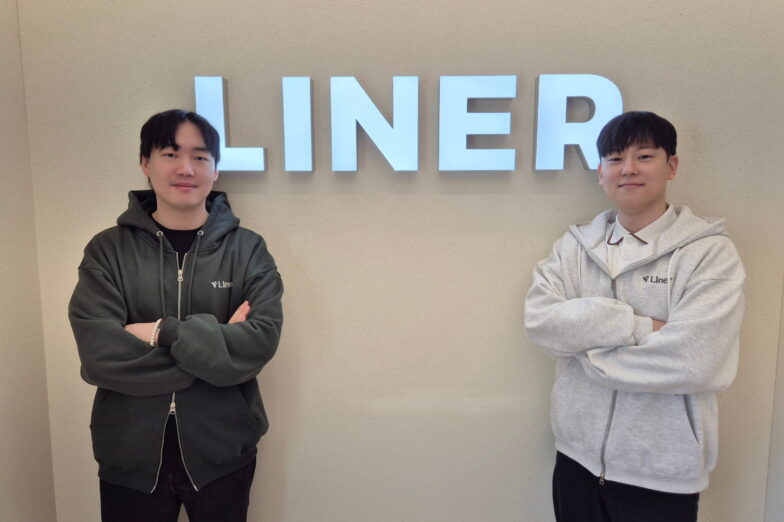
서울 마포구에 위치한 라이너 사무실에서 김진우 대표를 만나 라이너 라이트와 라이너 스콜라에 적용된 기술과 비즈니스, 지식 노동 혁명, AI 애플리케이션의 국산화 과제 등에 대해 이야기를 들어봤다.
‘정보 탐색을 혁신하자’
라이너 팀의 후드티 뒷면에는 ‘Reinvent the Knowledge Work’라는 문구가 새겨져 있다. 라이너의 비전이다. 그렇다면 라이너가 말하는 ‘정보 탐색의 혁신’이란 구체적으로 무엇을 의미할까.
김 대표는 정보 탐색이 무엇인지에 대한 답 자체가 시대에 따라 진화해왔다고 설명했다. 도서관에서 책을 잘 찾고 기억력이 좋은 것이 실력이던 시대가 있었고, 인터넷이 등장하면서 구글링을 잘하는 것이 경쟁력이 됐다. 2015년 이후에는 뉴스레터 구독과 유튜브 채널을 잘 큐레이션하는 능력이 곧 정보력이었고, 최근에는 AI를 잘 다루는 것이 정보 탐색을 가장 잘하는 것이 됐다. 그런데 여기서 한 단계 더 나아간 변화가 일어나고 있다. 예전에는 정보를 찾는 행위와 찾은 정보를 활용하는 행위가 완전히 분리되어 있었다. 구글에서 검색하고, 논문 데이터베이스에서 자료를 모으고, 워드프로세서에서 글을 쓰는 식이다. 도구가 바뀔 때마다 맥락이 끊기고, 같은 정보를 반복해서 옮기는 데 시간이 소모됐다. 하지만 AI 시대에 들어서면서 찾는 것과 쓰는 것, 이 두 단계가 하나로 합쳐지기 시작했다.
“‘정보 탐색을 혁신하자’라는 비전이 지금은 사실상 ‘지식 노동을 혁신하자’와 동의어가 됐습니다. 라이너 스콜라도, 라이너 라이트도 전부 지식 노동을 혁신하는 제품입니다. AI를 통해 지식 노동의 생산성을 높이는 방향으로 나아가고 있어요.”
라이너는 파편화된 지식 노동의 과정을 하나의 플랫폼 안에서 연결하는 것을 목표로 한다. AI 검색으로 정보를 찾고, 라이너 스콜라로 심층 분석하고, 라이너 라이트로 문서를 완성하는 흐름이 끊김 없이 이어지는 구조다. 탐색에서 분석으로, 분석에서 산출물로 이어지는 전 과정이 하나로 통합될 때, 정보 탐색의 혁신은 비로소 지식 노동 그 자체의 혁신이 된다. 라이너 스콜라, 라이너 라이트가 별개의 서비스가 아닌 하나의 생태계로 설계한 이유가 여기에 있다.
사용자경험이 만들어낸 혁신
라이너 스칼라에서 입증된 학술 데이터베이스 기반의 환각 최소화 기술은 라이너 라이트에도 그대로 이어진다. 전문 지식과 논리적 구성이 요구되는 비즈니스 문서를 작성할 때, 검증된 정보와 정확한 출처를 바탕으로 신뢰도 높은 결과물을 만들어내는데, 김 대표는 라이너 라이트 출시 배경에 대해서 이렇게 설명했다.
“라이너 스콜라를 고도화하면서 논리적인 글쓰기도 잘한다는 걸 발견했습니다. 논문이나 학술 자료뿐 아니라 사업계획서, 세일즈 제안서, 뉴스레터, 정부 지원 사업 계획서 같은 비즈니스 문서도 높은 수준으로 작성해냈습니다. 비즈니스 문서 역시 논문처럼 논리적 구성이 핵심이거든요. 라이너가 쌓아온 강점이 그대로 통한 셈이죠.”
기술적 강점 못지않게 중요한 것은 사용자 경험이다. 현재 대부분의 AI의 글쓰기 과정은 파편화되어 있다. AI에서 초안을 생성한 뒤 이를 복사해 노션이나 구글 독스로 옮기고, 문서를 수정한 다음, 수정본을 다시 AI에 올려 추가 수정을 요청하는 식이다. 탭과 탭 사이를 끊임없이 오가야 하고, 그 과정에서 글쓰기의 흐름은 수시로 끊긴다.
“클로드, 챗GPT와 같은 생성형 AI는 문서 초안을 잘 작성해줍니다. 문제는 수정 요청 과정이 복잡하다는 점이에요. 해당 부분의 문장만 고쳐달라고 했는데 엉뚱한 문장이 수정되기도 하고, 일부만 손보고 싶었는데 전체 문서를 처음부터 새로 써버리는 경우도 많습니다.”
AI로 글을 쓰는 사람이라면 누구나 한 번쯤 겪어봤을 이 불편함에 대해, 라이너는 개발자의 세계에서 답을 찾았다.
“AI로 글을 많이 쓰는 헤비 유저로서 기존 방식의 비효율을 누구보다 절실하게 체감하고 있습니다. 개발자들은 ‘커서(Cursor)’를 통해 코딩 에디터와 AI를 한 화면에 결합해 사용하고 있어요. 에디터에서 코드를 쓰고, 바로 옆에서 AI에게 물어보고, AI가 수정한 결과가 에디터에 곧장 반영되는 구조죠. 글쓰기에도 이런 UX가 반드시 필요하다고 생각했습니다.”
라이너 라이트는 에디터와 AI를 하나의 화면 안에 결합했다. 에디터 창 안에서 AI에게 지시사항을 입력하면, AI가 문서 내에서 실시간으로 내용을 수정·추가·삭제한다. 사용자는 AI가 제안한 편집 사항을 확인하고 수락하거나 되돌리는 의사결정만 내리면 된다. 다른 탭으로 옮겨갈 필요도, 복사와 붙여넣기를 반복할 필요도 없다.
“‘바이브 리서치‘ 시대를 열겠다”
“누구나 연구할 수 있는 세상이 왔으면 좋겠습니다. 연구라는 것은 이미 정리된 지식을 토대로 새로운 지식을 만들어내는 일인데, 지금은 대학 교수나 대학원생 같은 소수의 사람밖에 못 합니다. 만약 중학생도 교수처럼 연구할 수 있는 세상이 온다면, 인간의 지식의 지평이 엄청 넓어질 겁니다.”
김 대표는 이를 ‘바이브 리서치(Vibe Research)’라는 개념으로 설명했다. 바이브 코딩처럼 비개발자도 AI에게 지시하는 것만으로 소프트웨어를 만들 수 있게 한 것처럼, 바이브 리서치는 누구라도 AI와 협업해 학술 수준의 연구를 수행할 수 있게 하겠다는 의미다. 이미 실증 사례도 나왔다. 지난해 스탠퍼드대학교가 주최한 세계 최초 AI 저자 학회 ‘Agents4Science 2025’에서 한국과학영재학교 1학년 학생이 라이너 스콜라만으로 논문을 작성해 상위 11편에만 주어지는 ‘스포트라이트’ 논문에 선정된 것이다. 연구 경험이 없는 고등학생이 한 달 만에 국제 학술대회 수준의 논문을 완성한 사례로, 바이브 리서치가 구호가 아닌 현실로 작동하고 있음을 보여줬다.
바이브 리서치를 실현하기 위해서는 무엇보다 정확도가 중요하다. 라이너의 정확도는 이미 수치로 입증되고 있다. ‘라이너 프로 리즈닝(Liner Pro Reasoning)’ 모델은 SimpleQA 벤치마크에서 95.3점을 기록하며 오픈AI의 GPT-4.5(62.5점)와 퍼플렉시티의 딥 리서치(93.9점)를 모두 넘어섰다. 속도 측면에서도 경쟁 서비스가 평균 3~10분이 소요되는 딥 리서치를 라이너는 1~2분 내에 완료한다.
이처럼 높은 정확도를 구현할 수 있는 이유는 라이너가 2015년부터 축적해 온 데이터 자산에 있다. 전 세계 전문가와 연구자들이 웹 문서에서 직접 선별하고 요약·저장한 양질의 데이터를 장기간 축적해 왔으며, 이를 사후학습(Post-training)에 활용해 ‘사람이 검증한 데이터’ 기반의 검색 엔진을 구축해 왔다. 라이너 검색 엔진에는 가장 신뢰할 수 있는 출처를 선별하고 우선순위를 산출하는 독자적인 ‘자체 랭커(Ranker) 모델’이 작동한다. 이 고도화된 랭커 기술은 답변에 필요한 핵심 정보만을 정밀하게 필터링함으로써 불필요한 연산 비용을 획기적으로 줄이고, 동시에 답변의 정확도를 극대화하는 라이너만의 기술적 해자를 완성한다.
또한 라이너 검색 엔진은 사용자 질문을 분석하고 처리하는 데 특화된 8가지 핵심 컴포넌트로 통합 설계되어 있다. 질문 분석부터 최종 답변 생성에 이르는 전 과정을 8개의 특화된 컴포넌트로 세분화해 관리하는 구조다. 그 결과, 라이너의 핵심 기술이 집약된 정보 검색(Retrieval) 구조를 통해 글로벌 최상위 수준의 정확도를 구현하고 있다.
사용자 경험 측면에서도 출처 기반의 신뢰성 확보에 집중했다. 라이너의 답변은 모든 문장에 근거 출처가 연결되며, 인용 문서의 링크와 인용구, 미리보기가 동시에 제공된다. 이러한 구조 덕분에 사용자는 답변의 신뢰도를 즉시 확인할 수 있을 뿐 아니라, 동일한 출처를 기반으로 추가적인 리서치를 자연스럽게 이어갈 수 있다.
한국과 미국, 투 트랙 전략으로 B2B 시장 공략
라이너는 처음부터 글로벌 서비스를 지향하며 미국 시장에 집중해왔다. 미국 대학가에서의 입지가 두드러져, UC 버클리의 경우 학교 공식 이메일(.edu)으로 가입한 사용자만 전체 재학생의 약 10%에 달할 정도다. 전체 유저의 90% 이상이 해외 사용자이며, 유료 구독자 중 60%가 미국 사용자다. 앤드리슨호로위츠(a16z)가 6개월마다 발표하는 ‘생성AI 소비자 앱TOP 100’ 웹서비스 부문에 2024년부터 연속 4회 이름을 올리고 있는데, 한국 스타트업 중 AI 웹 프로덕트 리스트에 올라 있는 서비스는 라이너가 유일하다.
2024년 하반기부터 한국, 인도, 동남아시아에서 사용자가 급격히 늘어나기 시작하면서 한국과 미국에 동시 집중하는 투 트랙 전략을 채택하고 있다. 특히 한국 시장에서 라이너가 특히 주목하는 것은 B2B 영역이다. 라이너의 핵심 자산인 RAG(검색 증강 생성) 기술에 대한 수요가 기업 시장에서 급증하고 있기 때문이다.
“라이너의 검색 엔진에는 인덱싱된 논문만 5억 건이 넘습니다. 5억 개 파일에서 환각 없이 결과를 내는 기술을 이미 갖고 있어요. 반면 대부분의 기업이 원하는 건 몇만 개, 적으면 몇백 개 파일에서의 RAG입니다. 작년, 재작년까지만 해도 직접 RAG를 구축해보겠다는 기업이 많았는데, 그 프로젝트들이 대부분 성공적이지 못했어요. 이제는 RAG를 정말 잘하는 기업과 협업해야겠다는 쪽으로 바뀌고 있습니다. 라이너에게는 이미 고도화된 기술이기 때문에, 기업들이 저희 엔진에 관심을 갖는 거 같습니다.”
라이너는 올해 2월 강정구 전 카카오엔터테인먼트 글로벌사업 본부장을 AI 전략 총괄로 영입하며 ‘엔터프라이즈 인텔리전스(Enterprise Intelligence)’ 시장으로의 확장을 본격화했다. 정보 탐색 도구에 머무르지 않고, AI가 기업 내부의 지식을 스스로 연결·분석해 인사이트와 액션까지 제안하는 ‘AI 업무 파트너’로 진화하겠다는 구상이다.
한국에서 AI라고 하면 챗GPT, 클로드, 제미나이 같은 외산 서비스가 먼저 떠오른다. 그 사이에서 라이너는 조용히, 그러나 확실하게 자기만의 영역을 구축해왔다. 글로벌 220여 개국 1,300만 명의 사용자, a16z ‘생성 AI 소비자 앱 TOP 100’ 연속 4회 등재, SimpleQA 95.3점이라는 수치가 말해주는 것은 분명하다. 한국에도 글로벌 빅테크와 정면으로 경쟁하고 있는 AI 어플리케이션이 있다라는 것이다.
"Search, write, and research"…Liner innovates knowledge work in the global market with domestic AI technology
Research with Scholastic, documentation with Wright… Connecting fragmented knowledge labor into one
– “Opening a world where anyone can research with 'VIBE Research'”
-“Domestication of AI applications is crucial.”
Global AI search startup Liner, following the independent launch of its existing research-focused AI, "Liner," as "Liner Scholar" in January, unveiled a new business document-focused AI, "Liner Write," last month. Liner Scholar and Liner Write operate on the same technology, but have separate user interfaces for optimal user experience.
Liner, the foundation of both services, boasts a massive academic database of 460 million articles worldwide. This is more than double the industry standard of 200 million research-specific AI services. Drawing on this vast academic database, Liner provides data based on reliable sources, minimizing the hallucinations often seen in generative AI. Liner's core competitive advantage lies in its ability to minimize these hallucinations. It currently boasts 13 million users in over 220 countries.
Liner is currently the only AI application among Korean startups to be listed on a16z's global AI web product list. It was the first in Korea to obtain the 'Responsible AI' badge and has secured SOC 2 Type II and HIPAA certifications, establishing a top-tier global framework in the fields of security and ethics.
While Korea's AI policies focus on chip and model development, applications are the most important factor for transforming the lives of ordinary people. Given our current reliance on foreign services, the localization of AI applications is a critical task.
Luke Kim, CEO of Liner, emphasized that the most important aspect of AI is the localization of applications. Citing the example of Google changing the name "Gulf of Mexico" to "United States Gulf" on Google Maps in accordance with President Trump's executive order, CEO Kim explained how directly applications influence users' perceptions.
We met with CEO Luke Kim at the Liner office in Mapo-gu, Seoul, to discuss the technology and business applied to Liner Lite and Liner Scholar, the knowledge labor revolution, and the challenges of localizing AI applications.
Innovation in information search as innovation in knowledge work
Let's revolutionize information exploration.
The phrase "Reinvent the Knowledge Work" is inscribed on the back of the Liner team's hoodie. This is Liner's vision. So, what specifically does the "innovation in information search" that Liner speaks of mean?
Kim explained that the very question of what information seeking is has evolved over time. There was a time when being able to find books in the library and having a good memory were considered skills, and with the advent of the internet, being adept at Googling became a competitive advantage. After 2015, the ability to subscribe to newsletters and curate YouTube channels became information power, and recently, being adept at AI has become the ultimate information seeking skill. But a further shift is taking place. Previously, the act of finding information and utilizing it were completely separate: searching on Google, gathering data from academic databases, and writing in a word processor. Each change in tool resulted in a loss of context, and the repetitive transfer of information was time-consuming. However, with the advent of AI, these two processes—finding and writing—have begun to merge.
The vision of "innovating information search" has now virtually become synonymous with "innovating knowledge work." Both Liner Scholaro and Liner Lite are products designed to innovate knowledge work. We are moving in the direction of increasing the productivity of knowledge work through AI.
Liner aims to connect the fragmented processes of knowledge work within a single platform. Its structure seamlessly connects information discovery with AI search, in-depth analysis with Liner Scholar, and document completion with Liner Lite. When the entire process—from exploration to analysis, and from analysis to output—is integrated, innovation in information exploration truly becomes innovation in knowledge work itself. This is why Liner Scholar and Liner Lite were designed as a single ecosystem, not as separate services.
Innovation created by user experience
Liner Scala's proven, academic database-based hallucination-minimizing technology continues to be implemented in Liner Lite. When writing business documents requiring expert knowledge and logical structure, Liner Lite delivers highly reliable results based on verified information and accurate sources. CEO Kim explained the background behind the launch of Liner Lite as follows:
"As I refined my Liner Scholar skills, I discovered I was also adept at logical writing. I was able to produce not only academic papers and research papers, but also high-quality business documents like business plans, sales proposals, newsletters, and government-funded project proposals. Logical structure is key in business documents, just like academic papers. Liner's honed strengths were clearly evident."
Just as important as technical strength is the user experience. Currently, most AI writing processes are fragmented. The AI generates a draft, then copies it to Notion or Google Docs, edits the document, and then resubmits the revised version to the AI for further editing. This requires constant switching between tabs, frequently interrupting the writing flow.
Generative AIs like Claude and ChatGPT are good at drafting documents. The problem is that the revision request process is complicated. Sometimes, when I ask to fix just a specific sentence, an unrelated sentence is modified, and there are many cases where I only want to make minor adjustments, but the entire document is rewritten from scratch.
Liner found the answer to this inconvenience, which anyone who writes with AI has likely experienced at least once, in the world of developers.
As a heavy user who writes extensively with AI, I'm acutely aware of the inefficiencies of existing methods. Developers use 'Cursor' to combine a coding editor and AI on a single screen. They write code in the editor, ask the AI questions right next to them, and the AI's edits are immediately reflected in the editor. I believe this kind of UX is essential for writing as well.
Liner Lite combines an editor and AI into a single screen. Enter instructions into the AI within the editor window, and it edits, adds, and deletes content in real time within the document. Users simply review the AI's suggested edits and decide whether to accept or revert them. There's no need to switch between tabs or repeat copy-and-paste.
“ We will usher in the era of ‘ VIBE Research ’ ”
"I wish we could live in a world where anyone can do research. Research is about creating new knowledge based on existing knowledge, but currently, only a small group of people, like university professors and graduate students, can do it. If a world were to emerge where even middle school students could conduct research like professors, the horizons of human knowledge would expand tremendously."
CEO Kim explained this with the concept of "Vibe Research." Just as Vibe Coding enabled non-developers to create software simply by giving instructions to AI, Vibe Research aims to enable anyone to collaborate with AI to conduct academic-level research. There have already been practical examples. Last year, at "Agents4Science 2025," the world's first AI author conference hosted by Stanford University, a first-year student at the Korea Science Academy wrote a paper using only Liner Scholar and was selected for the "Spotlight" award, which is given to only the top 11 papers. This case of a high school student with no research experience completing an international conference-level paper in just one month demonstrated that Vibe Research is not just a slogan, but a reality.
Accuracy is paramount for achieving Vibe Research. Liner's accuracy has already been proven in numbers. The Liner Pro Reasoning model scored 95.3 on the SimpleQA benchmark, surpassing both OpenAI's GPT-4.5 (62.5) and Perplexity's Deep Research (93.9). In terms of speed, Liner completes Deep Research in just 1-2 minutes, compared to 3-10 minutes for competing services.
This high level of accuracy is possible thanks to the data assets Liner has accumulated since 2015. Experts and researchers around the world have personally selected, summarized, and stored high-quality data from web documents, accumulating this data over a long period of time. This data has been utilized for post-training to build a search engine based on "human-verified data." The Liner search engine features a proprietary "in-house ranker model" that selects and prioritizes the most reliable sources. This advanced ranker technology dramatically reduces unnecessary computational costs by precisely filtering only the core information required for answers, while simultaneously maximizing the accuracy of answers, completing Liner's unique technological moat.
Furthermore, the Liner search engine is integrated with eight core components specialized in analyzing and processing user queries. The entire process, from question analysis to final answer generation, is managed by these eight specialized components. As a result, Liner's core technologies are integrated into an information retrieval structure that achieves world-class accuracy.
From a user experience perspective, we also focused on ensuring source-based reliability. Liner's answers provide citations for every sentence, along with links to cited documents, quotations, and previews. This structure not only allows users to immediately verify the reliability of the answer, but also allows them to seamlessly conduct additional research based on the same source.
Targeting the B2B Market with a Two-Track Strategy: Korea and the U.S.
Liner has focused on the US market from the beginning, aiming for a global service. Its presence on US universities is particularly notable, with approximately 10% of UC Berkeley's students signing up with their official school email address (.edu). Over 90% of its users are international, and 60% of its paid subscribers are from the US. Liner has been included in the web service category of Andreessen Horowitz's (a16z) "Top 100 Generative AI Consumer Apps" list, published every six months, for four consecutive years since 2024. Liner is the only Korean startup on the list of AI web products.
Starting in the second half of 2024, Liner is adopting a two-track strategy, focusing simultaneously on Korea and the US, as users in Korea, India, and Southeast Asia begin to rapidly increase. Liner is particularly focused on the B2B segment in the Korean market, as demand for Liner's core asset, RAG (Augmented Search Generation) technology, is rapidly increasing in the enterprise market.
Liner's search engine has over 500 million indexed papers. We already have the technology to generate results from 500 million files without any illusions. Most companies, on the other hand, want RAGs for tens of thousands, or at most a few hundred files. Until last year or the year before, many companies attempted to build their own RAGs, but most of those projects were unsuccessful. Now, we're shifting our focus to collaborating with companies that excel at RAG. Because Liner already has advanced technology, I think companies are interested in our engine."
In February of this year, Liner announced its full-scale expansion into the "Enterprise Intelligence" market by hiring Kang Jeong-gu, former Head of Global Business at Kakao Entertainment, as Head of AI Strategy. The company envisions evolving beyond an information exploration tool into an "AI business partner," where AI connects and analyzes internal corporate knowledge to provide insights and actions.
When people think of AI in Korea, foreign services like ChatGPT, Cloud, and Gemini often come to mind. Meanwhile, Liner has quietly but surely established its own niche. With 13 million users in over 220 countries, four consecutive appearances on a16z's "Top 100 Generative AI Consumer Apps," and a SimpleQA score of 95.3, these figures speak for themselves. This means Korea has AI applications that can compete head-on with global big tech companies.
「検索し、書いて、研究する」…リニア、国産AI技術でグローバル市場での知識労働革新
-研究はスコーラで、文書はライトで…破片化した知識労働をひとつにする
-「誰もが研究する世界、「バイブリサーチ」で開く」
– 「AIアプリケーションの国産化重要」
グローバルAI検索スタートアップLinerは去る1月、既存研究特化AI「Liner」を「Liner Scholar」として独立発売したのに続き、先月ビジネス文書特化AI「Liner Write」を新たに披露した。 LinerスコーラとLinerライトは同じ技術ベースで運営されていますが、ユーザー体験のために使用スペースを別々に分離しました。
両サービスの基盤となる「Liner」は、全世界4億6千万件に達する膨大な学術データベースを搭載している。研究専用のAIサービスが、通常2億余件の論文を扱う業界標準と比べると、2倍以上の規模だ。 Linerは膨大な学術データベースに基づいて信頼できるソースに基づいた資料を提供し、生成型AIで頻繁に現れる幻覚現象を最小限に抑えたのが核心競争力だ。現在、世界220カ国以上で1,300万人のユーザーが使用している。
Linerは現在、韓国のスタートアップの中で唯一、a16zのグローバルAI Webプロダクトリストに名前を挙げているAIアプリケーションだ。韓国で初めて「責任あるAI(Responsible AI)」バッジを獲得し、SOC 2 Type IIとHIPAA認証まで確保し、セキュリティ・倫理分野でもグローバル最上位レベルの体系を整えている。
「韓国のAI関連政策はチップとモデル開発に集中しているが、一般の人々の人生を変えるにはアプリケーションが一番重要です。外国サービスに依存している現実では、AIアプリケーションの国産化は重要な課題です」
LinerのLuke Kim代表は、AIで最も重要なのはアプリケーションの国産化だと強調した。キム代表はグーグルがトランプ大統領の行政命令に従ってグーグル地図で「メキシコ湾」名称を「米国のみ」に変更した事例を挙げ、アプリケーションが利用者の認識にどれだけ直接的な影響を及ぼすかを説明した。
ソウル麻浦区に位置するLinerオフィスでLuke Kim代表に会い、LinerライトとLinerスコーラに適用された技術とビジネス、知識労働革命、AIアプリケーションの国産化課題などについて話を聞いた。
情報探索の革新が知識労働の革新として
「情報探索を革新しよう」
Linerチームのフードティー裏面には「Reinvent the Knowledge Work」というフレーズが刻まれている。 Linerのビジョンです。では、Linerが言う「情報探索の革新」とは具体的に何を意味するだろうか。
キム代表は情報探索が何なのかに対する答え自体が時代によって進化してきたと説明した。図書館で本をよく探して記憶力が良いのが実力だった時代があり、インターネットが登場しながらグーグルを上手にすることが競争力になった。 2015年以降はニュースレターの購読とYouTubeチャンネルをよくキュレーションする能力がまもなく情報力であり、最近ではAIをよく扱うことが情報探索を最もよくすることになった。ところでここでさらに一歩進んだ変化が起きている。以前は、情報を探す行為と見つけた情報を活用する行為が完全に分離されていた。 Googleで検索し、論文データベースから資料を集め、ワードプロセッサで文を書く式だ。道具が変わるたびに文脈が切れ、同じ情報を繰り返し移すのに時間がかかった。だが、AI時代に入りながら探すことと書くこと、この二つの段階が一つに合わされ始めた。
「情報探索を革新しよう」というビジョンが、今は事実上「知識労働を革新しよう」と同義語になりました。
Linerは、断片化された知識労働のプロセスを1つのプラットフォーム内でつなぐことを目指しています。 AI検索で情報を探し、Linerスコーラで深く分析し、Linerライトで文書を完成する流れが絶えず続く仕組みだ。探索から分析へ、分析から成果につながる全プロセスが一つに統合されると、情報探索の革新は初めて知識労働そのものの革新になる。 Liner スコーラ、Liner ライトが別個のサービスではなく 1 つのエコシステムで設計した理由がここにある。
ユーザー経験が生み出したイノベーション
Linerスカラーで実証された学術データベースベースのサイケデリック最小化技術は、Linerライトにもそのまま続きます。専門知識と論理的構成が要求されるビジネス文書を作成する際、検証された情報と正確なソースをもとに信頼性の高い結果物を作り出すが、キム代表はLinerライトリリースの背景についてこう説明した。
「Liner スコーラを高度化しながら論理的な文章も上手くいることを発見しました。論文や学術資料だけでなく、事業計画書、セールス提案書、ニュースレター、政府支援事業計画書などのビジネス文書も高いレベルで作成しました。
技術的な強みに劣らず重要なのはユーザーエクスペリエンスです。現在、ほとんどのAIの執筆過程は破片化されている。 AIでドラフトを作成した後、それをコピーしてノッションやGoogle Docsに移し、文書を修正してから、修正を再びAIに載せて追加の修正を要求する式だ。タブとタブの間を絶えず行き来しなければならず、その過程で書き込みの流れは頻繁に途切れる。
「クロード、チャットGPTのような生成型AIは文書ドラフトをうまく作成してくれます。問題は修正要請過程が複雑だという点です。該当部分の文章だけを修正してもらいましたが、奇妙な文章が修正されることもあり、一部だけ手を見たかったのですが文書全体を最初から書き直すことも多いです。」
AIで書く人なら誰もが一度苦しんだこの不便さに対して、Linerは開発者の世界で答えを見つけた。
「AIで文をたくさん書くヘビーユーザーとして、従来方式の非効率を誰よりも切実に体感しています。このようなUXが必ず必要だと思いました。」
Liner LightはエディタとAIを1つの画面にまとめました。エディタウィンドウ内でAIに指示事項を入力すると、AIが文書内でリアルタイムで内容を修正・追加・削除する。ユーザーは、AIが提案した編集内容を確認し、受け入れるか元に戻す意思決定を下すだけです。別のタブに移動する必要も、コピーと貼り付けを繰り返す必要もない。
「「バイブリサーチ」時代を開く」
「誰もが研究できる世界が来てほしいです。研究というのはすでに整理された知識に基づいて新しい知識を生み出すことですが、今は大学教授や大学院生のような少数の人しかいません。
キム代表はこれを「バイブ・リサーチ(Vibe Research)」という概念で説明した。バイブコーディングのように非開発者もAIに指示するだけでソフトウェアを作成できるようにしたように、バイブリサーチは誰でもAIとコラボレーションして学術レベルの研究を遂行できるようにするという意味だ。すでに実証事例も出てきた。昨年、スタンフォード大学が主催した世界初のAI著者学会「Agents4Science 2025」で韓国科学英才学校1年生がLinerスコーラだけで論文を作成し、上位11編にのみ与えられる「スポットライト」論文に選ばれたのだ。研究経験のない高校生が1カ月ぶりに国際学術大会レベルの論文を完成した事例で、バイブリサーチが救済ではなく現実に働いていることを示した。
バイブリサーチを実現するためには、何よりも精度が重要です。 Linerの精度はすでに数値で立証されている。 「Liner Pro Reasoning」モデルはSimpleQAベンチマークで95.3点を記録し、オープンAIのGPT-4.5(62.5点)とパープレクシティのディープリサーチ(93.9点)をすべて超えた。スピードの面でも競争サービスが平均3~10分かかるディープリサーチをLinerは1~2分以内に完了する。
このように高い精度を実現できる理由は、Linerが2015年から蓄積してきたデータ資産にある。世界中の専門家や研究者たちがウェブ文書から直接選別し、要約・保存した良質のデータを長期間蓄積してきた。 Liner検索エンジンには、最も信頼できるソースを選別して優先順位を算出する独自の「自社ランカーモデル」が動作する。この高度化されたランカー技術は、回答に必要なコア情報のみを精密にフィルタリングすることで不要な演算コストを大幅に削減し、同時に回答の精度を最大化するLinerならではの技術的解子を完成する。
また、Liner検索エンジンは、ユーザーの質問を分析して処理するために特化した8つのコアコンポーネントに統合設計されています。質問分析から最終回答生成に至る全過程を8つの特化されたコンポーネントに細分化して管理する仕組みだ。その結果、Linerのコア技術が集約された情報検索(Retrieval)構造を通じて、グローバルトップレベルの精度を実現しています。
ユーザーエクスペリエンスの面でもソースベースの信頼性確保に集中した。 Linerの回答はすべての文に根拠ソースがつながり、引用文書のリンクと引用句、プレビューが同時に提供される。この構造のおかげで、ユーザーは回答の信頼性をすぐに確認できるだけでなく、同じソースに基づいて追加の調査を自然に続けることができます。
韓国と米国、ツートラック戦略でB2B市場攻略
Linerは最初からグローバルサービスを目指してアメリカ市場に集中してきた。米国の大学街での立地が目立って、UCバークレーの場合、学校公式のメール(.edu)で加入したユーザーだけが、全在学生の約10%に達するほどだ。全ユーザーの90%以上が海外ユーザーであり、有料加入者の60%が米国ユーザーだ。アンドリソン・ホロウィッツ(a16z)が6ヶ月ごとに発表する「生成AI消費者アプリTOP 100」ウェブサービス部門に2024年から連続4回名を上げているが、韓国スタートアップ中にAIウェブプロダクトリストに載っているサービスはLinerが唯一だ。
2024年下半期から韓国、インド、東南アジアでユーザーが急激に増え始め、韓国と米国に同時集中するツートラック戦略を採用している。特に韓国市場でLinerが特に注目するのはB2B領域だ。 Linerの核心資産であるRAG(検索増強生成)技術に対する需要が企業市場で急増しているからだ。
「Linerの検索エンジンにはインデックス付きの論文だけが5億件を超えています。今は、RAGを本当に上手な企業とコラボレーションしなければならないという方に変わっています。
Linerは今年2月、江政区前カカオエンターテイメントグローバル事業本部長をAI戦略総括で迎え入れ、「エンタープライズインテリジェンス(Enterprise Intelligence)」市場への拡大を本格化した。情報探索ツールにとどまらず、AIが企業内部の知識を自ら連結・分析し、インサイトとアクションまで提案する「AI業務パートナー」に進化するという構想だ。
韓国でAIといえばチャットGPT、クロード、ジェミナイなどの外産サービスが先に浮かぶ。その間、Linerは静かに、しかし確かに自分自身の領域を構築してきた。グローバル220カ国1,300万人のユーザー、a16z「生成AI消費者アプリTOP 100」連続4回登載、SimpleQA 95.3点という数値が語ってくれることは明らかだ。韓国にもグローバルビッグテックと正面で競争しているAIアプリケーションがあるということだ。
“搜索、写作、研究”……Liner 利用自主研发的 AI 技术,革新了全球市场的知识工作方式。
与学者合作进行研究,使用 Lite 进行文档记录……连接碎片化的知识工作
“一个任何人都可以进行研究的世界,由‘Vibe Research’开启。”
– “人工智能应用本地化的重要性”
继去年1月将旗下专注于研究的AI产品“Liner”独立推出为“Liner Scholar”之后,全球AI搜索初创公司Liner上个月又推出了一款专注于商业文档的AI产品“Liner Write”。虽然Liner Scholar和Liner Write基于相同的技术基础,但为了提升用户体验,它们的使用环境是分开的。
作为两项服务的基础平台,Liner 拥有一个庞大的学术数据库,包含全球 4.6 亿条记录。这一规模是行业标准科研专用人工智能服务(通常处理约 2 亿篇论文)的两倍多。基于这一庞大的学术数据库,Liner 提供来自可靠来源的数据,其核心竞争优势在于最大限度地减少生成式人工智能中常见的“幻觉”。目前,Liner 在全球 220 多个国家/地区拥有 1300 万用户。
Liner目前是唯一一家入选a16z全球人工智能网络产品榜单的韩国初创公司。它是首家获得“负责任人工智能”认证的韩国初创公司,并拥有SOC 2 Type II和HIPAA认证,具备世界一流的安全和伦理体系。
“虽然韩国的人工智能相关政策侧重于芯片和模型开发,但应用对于改变普通民众的生活至关重要。鉴于我们目前对外国服务的依赖,在国内开发人工智能应用是一项关键任务。”
Liner公司首席执行官卢克·金强调,人工智能最重要的方面是应用程序的本地化。他以谷歌根据特朗普总统的行政命令将谷歌地图上的“墨西哥湾”更名为“美国湾”为例,解释了应用程序如何直接影响用户的感知。
我们在首尔麻浦区的 Liner 办公室与首席执行官 Luke Kim 会面,讨论了 Liner Lite 和 Liner Scholar 背后的技术和业务、知识劳动革命以及 AI 应用本地化的挑战。
信息检索领域的创新会带动知识工作的创新。
让我们革新信息搜索方式
Liner团队连帽衫的背面印着“重塑知识工作”的字样。这是Liner的愿景。那么,对Liner而言,“信息探索领域的创新”究竟意味着什么呢?
金首席执行官解释说,信息搜索的定义随着时代而不断演变。曾几何时,善于在图书馆查找书籍和拥有良好的记忆力被视为一项技能;随着互联网的出现,精通谷歌搜索成为一项竞争优势。自2015年以来,有效管理新闻简报订阅和YouTube频道的能力被视为信息能力的象征,而最近,掌握人工智能已成为信息搜索高手的标志。然而,目前正在发生一场更进一步的变革。过去,查找信息和利用信息是完全独立的。这涉及到在谷歌上搜索、从学术数据库中收集资料以及在文字处理软件中撰写内容。每次更换工具都会打断上下文,并且会耗费大量时间在重复输入相同的信息上。然而,随着人工智能时代的到来,查找和撰写这两个阶段开始融合为一体。
“‘革新信息探索’的愿景如今已成为‘革新知识工作’的代名词。Liner Scholar 和 Liner Lite 都是革新知识工作的产品。它们正致力于通过人工智能提高知识工作的效率。”
Liner旨在将知识工作中分散的流程整合到一个统一的平台上。它构建了一个无缝衔接的架构,将通过AI搜索查找信息、使用Liner Scholar进行深度分析以及使用Liner Lite完成文档等流程无缝连接起来。当从搜索到分析,再从分析到输出的整个流程整合为一体时,信息搜索的创新就转化为知识工作本身的创新。正因如此,Liner Scholar和Liner Lite被设计成一个单一的生态系统,而非独立的服务。
用户体验创造的创新
Liner Scholar 中久经考验的基于学术数据库的误差最小化技术也无缝移植到了 Liner Lite 中。首席执行官 Kim 解释了 Liner Lite 的发布背景,指出它在起草需要专业知识和逻辑结构的商业文件时,能够基于经过验证的信息和准确的来源,生成高度可靠的结果。
“在不断改进 Liner Scholar 的过程中,我们发现它在逻辑写作方面也表现出色。它不仅能生成论文或学术材料,还能生成高质量的商业文档,例如商业计划书、销售提案、新闻稿和政府资助项目计划。与学术论文一样,逻辑清晰的组织结构是商业文档的关键。这充分展现了 Liner 的优势。”
用户体验与技术实力同等重要。目前,大多数人工智能的写作流程都比较繁琐。用户需要在人工智能中生成草稿,然后将其复制到 Notion 或 Google Docs 等文档中进行编辑,最后再将修改后的版本上传回人工智能以请求进一步修改。这需要用户不断切换标签页,写作流程也因此经常被打断。
“像 Claude 和 ChatGPT 这样的生成式人工智能在撰写文档方面表现出色。问题在于修改请求流程很复杂。有时,当你只想修改某个特定句子时,却修改了错误的句子。有时,当你只想编辑一部分内容时,最终却不得不从头开始重写整个文档。”
Liner 在开发者的世界里找到了解决这一不便的方法,任何使用 AI 进行写作的人都可能至少经历过一次这种情况。
作为一名重度用户,我经常使用人工智能进行写作,因此我对传统方法的低效感受比任何人都更加深刻。开发者使用“Cursor”将代码编辑器和人工智能整合在同一个屏幕上。在这种模式下,用户在编辑器中编写代码,同时向旁边的人工智能寻求反馈,人工智能的修正会立即反映在编辑器中。我认为这种用户体验对于写作也至关重要。
Liner Lite 将编辑器和人工智能 (AI) 集成于同一界面。用户在编辑器窗口中输入指令后,AI 会实时修改、添加或删除文档内容。用户只需查看 AI 建议的修改,并决定接受或撤销即可。无需切换到其他标签页或重复复制粘贴。
我们将开启“氛围研究”时代。
“我希望未来有一天,人人都能进行科研。科研是在已有知识的基础上创造新知识的过程,但目前只有少数人,例如大学教授和研究生,才能做到这一点。如果有一天,就连中学生都能像教授一样进行科研,那么人类知识的视野将会得到极大的拓展。”
金首席执行官用“Vibe Research”的概念解释了这一点。正如Vibe Coding让非开发人员只需向人工智能发出指令即可创建软件一样,Vibe Research的目标是让任何人都能与人工智能合作开展学术水平的研究。目前已有切实的案例。去年,在斯坦福大学主办的全球首届人工智能作者大会“Agents4Science 2025”上,一位来自韩国科学院的大一学生仅使用Liner Scholar就撰写了一篇论文,并荣获了仅授予前11篇优秀论文的“Spotlight”奖。这个案例表明,一位没有任何研究经验的高中生仅用一个月的时间就完成了一篇国际学术会议级别的论文,这证明Vibe Research并非空谈,而是正在成为现实。
准确率对于实现氛围研究至关重要。Liner 的准确率已通过数据得到验证。“Liner Pro Reasoning”模型在 SimpleQA 基准测试中获得了 95.3 分,超过了 OpenAI 的 GPT-4.5(62.5 分)和 Perflexity 的 Deep Research(93.9 分)。在速度方面,Liner 可在 1 到 2 分钟内完成深度研究,而同类服务平均需要 3 到 10 分钟。
Liner之所以能达到如此高的准确率,关键在于其自2015年以来积累的数据资产。长期以来,Liner持续收集全球专家和研究人员直接从网络文档中筛选、汇总和存储的高质量数据,并利用这些数据进行后训练,构建了一个基于“人工验证数据”的搜索引擎。Liner搜索引擎采用自主研发的“Ranker模型”,该模型能够筛选出最可靠的信息源并计算其优先级。这项先进的Ranker技术通过精准过滤仅包含答案所需的核心信息,从而大幅降低了不必要的计算成本,同时最大限度地提高了搜索结果的准确性,最终构建了Liner独特的技术护城河。
此外,Liner搜索引擎采用集成式结构,由八个核心组件组成,分别用于分析和处理用户问题。它将从问题分析到生成最终答案的整个流程细分为八个专业组件,从而实现高效管理。最终,凭借集成Liner核心技术的检索结构,Liner搜索引擎达到了世界一流的准确率。
在用户体验方面,重点也在于确保信息来源的可靠性。Liner 的答案会为每个句子链接到其来源,同时提供链接、引用和参考文献预览。得益于这种结构,用户不仅可以立即验证答案的可靠性,还可以自然而然地基于相同的来源进行更深入的研究。
韩国和美国采取双轨战略瞄准B2B市场。
Liner自创立之初便致力于打造全球服务,并专注于美国市场。其在美国高校圈的影响力举足轻重,在加州大学伯克利分校,使用学校官方邮箱(.edu)注册的用户约占学生总数的10%。其用户总数的90%以上来自海外,付费用户中有60%来自美国。自2024年起,Liner已连续四年入选Andreessen Horowitz (a16z)每半年发布的“生成式人工智能消费者应用TOP 100”榜单的网络服务类别;Liner是唯一一家入选该榜单的韩国初创服务公司。
随着韩国、印度和东南亚用户数量在2024年下半年开始快速增长,该公司采取双轨战略,同时聚焦韩国和美国市场。尤其值得一提的是,Liner特别关注韩国市场的B2B领域。这是因为企业市场对Liner的核心资产——RAG(搜索增强生成)技术的需求正在激增。
Liner的搜索引擎仅索引论文就超过5亿篇。我们已经拥有从5亿个文件中生成结果的技术,这一点毋庸置疑。另一方面,大多数公司希望基于数万甚至至多几百个文件构建RAG(评级、可用性、可识别性、可识别性)系统。直到去年或前年,许多公司都尝试构建自己的RAG系统,但大多数项目都以失败告终。现在,趋势正在转向与真正擅长RAG的公司合作。由于这对于Liner来说已经是一项高度先进的技术,因此似乎很多公司都对我们的引擎表现出了兴趣。
今年2月,Liner聘请了Kakao Entertainment前全球业务负责人姜正九担任人工智能战略负责人,从而加速了其向“企业智能”市场的扩张。Liner的目标是超越单纯的信息搜索工具,转型为“人工智能业务伙伴”,利用人工智能独立连接和分析企业内部知识,从而提出洞察和行动方案。
在韩国,人们一想到人工智能,首先想到的往往是ChatGPT、Claude和Gemini等国外服务。而Liner却在这样的背景下悄然崛起,开辟出属于自己的一片天地。数据足以说明一切:遍布220多个国家和地区的1300万用户,连续四年入选a16z“全球百强生成式人工智能消费应用”榜单,以及SimpleQA 95.3的高分。这些都清晰地表明,韩国已经出现了一款能够与全球大型科技公司正面竞争的人工智能应用。
« Rechercher, rédiger et faire des recherches »… Liner révolutionne le travail intellectuel sur le marché mondial grâce à une technologie d'IA développée localement.
Recherche avec Scholastic, documentation avec Wright… Unifier les savoirs fragmentés en un seul ensemble
– « Ouvrir un monde où chacun peut faire des recherches avec 'VIBE Research' »
« La domestication des applications d'IA est cruciale. »
Liner, startup mondiale spécialisée dans la recherche par IA, a dévoilé le mois dernier « Liner Write », une nouvelle IA dédiée aux documents professionnels, après le lancement indépendant en janvier de son IA existante axée sur la recherche, « Liner Scholar ». Liner Scholar et Liner Write utilisent la même technologie, mais leurs interfaces utilisateur distinctes offrent une expérience optimale.
Liner, plateforme à la base de ces deux services, dispose d'une immense base de données académiques de 460 millions d'articles à travers le monde. C'est plus du double de la norme du secteur pour les services d'IA dédiés à la recherche, qui gèrent généralement environ 200 millions de publications. S'appuyant sur cette vaste base de données, Liner fournit des données issues de sources fiables, minimisant ainsi les erreurs fréquentes de l'IA générative. Le principal avantage concurrentiel de Liner réside dans sa capacité à minimiser ces erreurs. La plateforme compte actuellement 13 millions d'utilisateurs dans plus de 220 pays.
Liner est actuellement la seule application d'IA parmi les startups coréennes à figurer sur la liste mondiale des produits web d'IA d'a16z. Elle a été la première en Corée à obtenir le label « IA responsable » et a décroché les certifications SOC 2 Type II et HIPAA, établissant ainsi un cadre de référence mondial de premier plan en matière de sécurité et d'éthique.
Si la politique coréenne en matière d'IA se concentre sur le développement de puces et de modèles, les applications constituent le facteur le plus important pour transformer le quotidien des citoyens. Compte tenu de notre dépendance actuelle aux services étrangers, la localisation des applications d'IA est essentielle.
Luke Kim, PDG de Liner, a souligné que l'aspect le plus important de l'IA réside dans la localisation des applications. Citant l'exemple de Google qui a modifié l'appellation « Golfe du Mexique » en « Golfe des États-Unis » sur Google Maps conformément au décret du président Trump, M. Kim a expliqué comment les applications influencent directement la perception des utilisateurs.
Nous avons rencontré le PDG Luke Kim dans les bureaux de Liner à Mapo-gu, Séoul, pour discuter de la technologie et du modèle commercial appliqués à Liner Lite et Liner Scholar, de la révolution du travail intellectuel et des défis liés à la localisation des applications d'IA.
L'innovation dans la recherche d'informations comme innovation dans le travail du savoir
Révolutionnons l'exploration de l'information.
L'expression « Réinventer le travail intellectuel » est inscrite au dos du sweat-shirt de l'équipe Liner. Telle est la vision de Liner. Mais concrètement, que signifie cette « innovation dans la recherche d'informations » dont parle Liner ?
Kim a expliqué que la notion même de recherche d'information a évolué au fil du temps. À une époque, savoir trouver des livres en bibliothèque et avoir une bonne mémoire étaient considérés comme des compétences. Avec l'avènement d'Internet, la maîtrise de Google est devenue un atout concurrentiel. Après 2015, la capacité de s'abonner à des newsletters et de gérer des chaînes YouTube est devenue synonyme de pouvoir informationnel, et plus récemment, la maîtrise de l'IA est devenue la compétence ultime en matière de recherche d'information. Mais une autre transformation est en cours. Auparavant, la recherche d'informations et leur utilisation étaient deux processus totalement distincts : recherche sur Google, collecte de données dans des bases de données universitaires et rédaction dans un traitement de texte. Chaque changement d'outil entraînait une perte de contexte, et la saisie répétitive d'informations était chronophage. Cependant, avec l'avènement de l'IA, ces deux processus – la recherche et la rédaction – ont commencé à converger.
L'idée d'« innover dans la recherche d'informations » est aujourd'hui quasiment synonyme d'« innover dans le travail intellectuel ». Liner Scholaro et Liner Lite sont deux produits conçus pour innover dans ce domaine. Nous nous orientons vers une productivité accrue du travail intellectuel grâce à l'IA.
Liner vise à unifier les processus fragmentés du travail intellectuel au sein d'une plateforme unique. Sa structure relie harmonieusement la découverte d'informations grâce à la recherche par IA, l'analyse approfondie avec Liner Scholar et la complétion de documents avec Liner Lite. Lorsque l'ensemble du processus – de l'exploration à l'analyse, puis de l'analyse à la production – est intégré, l'innovation dans l'exploration de l'information devient une véritable innovation dans le travail intellectuel lui-même. C'est pourquoi Liner Scholar et Liner Lite ont été conçus comme un écosystème unique, et non comme des services distincts.
L'innovation née de l'expérience utilisateur
La technologie éprouvée de Liner Scala, basée sur une base de données académique et minimisant les hallucinations, est toujours intégrée à Liner Lite. Pour la création de documents professionnels exigeant une expertise pointue et une structure logique, Liner Lite offre des résultats d'une grande fiabilité, grâce à des informations vérifiées et des sources précises. Le PDG, Kim, a expliqué le contexte du lancement de Liner Lite comme suit :
« En perfectionnant mes compétences de Liner Scholar, j'ai découvert que j'étais également douée pour la rédaction logique. J'étais capable de produire non seulement des articles universitaires et des travaux de recherche, mais aussi des documents commerciaux de haute qualité tels que des plans d'affaires, des propositions commerciales, des bulletins d'information et des propositions de projets financés par l'État. La structure logique est essentielle dans les documents commerciaux, tout comme dans les articles universitaires. Les points forts de Liner Scholar étaient clairement visibles. »
L'expérience utilisateur est tout aussi importante que la puissance technique. Actuellement, la plupart des processus de rédaction par IA sont fragmentés. L'IA génère un brouillon, le copie dans Notion ou Google Docs, le modifie, puis soumet la version révisée à l'IA pour une nouvelle correction. Cela nécessite de jongler constamment entre les onglets, interrompant fréquemment le flux d'écriture.
Les IA génératives comme Claude et ChatGPT sont performantes pour la rédaction de documents. Le problème réside dans la complexité du processus de demande de révision. Il arrive que, lorsque je demande la correction d'une simple phrase, une phrase sans rapport soit modifiée ; et il arrive fréquemment que je souhaite seulement apporter des modifications mineures, mais que le document entier soit réécrit.
Liner a trouvé la solution à ce problème, que toute personne écrivant avec une IA a probablement déjà rencontré au moins une fois, dans le monde des développeurs.
En tant qu'utilisateur intensif d'IA, je suis parfaitement conscient des inefficacités des méthodes actuelles. Les développeurs utilisent « Cursor » pour combiner un éditeur de code et une IA sur un seul écran. Ils écrivent du code dans l'éditeur, posent des questions à l'IA directement à côté, et les modifications de cette dernière sont instantanément prises en compte. Je suis convaincu que ce type d'expérience utilisateur est également essentiel pour l'écriture.
Liner Lite combine un éditeur et une intelligence artificielle sur une seule interface. Saisissez vos instructions dans l'IA directement depuis la fenêtre de l'éditeur : elle modifiera, ajoutera et supprimera du contenu en temps réel dans le document. Il vous suffit ensuite de vérifier les modifications suggérées par l'IA et de décider de les accepter ou de les annuler. Plus besoin de jongler entre les onglets ni de répéter les copier-coller.
« Nous allons inaugurer l’ère de « VIBE Research » »
« J’aimerais que nous vivions dans un monde où chacun puisse faire de la recherche. La recherche consiste à créer de nouvelles connaissances à partir des connaissances existantes, mais actuellement, seul un petit groupe de personnes, comme les professeurs d’université et les doctorants, peut s’y adonner. Si un monde voyait le jour où même les élèves du collège pouvaient mener des recherches comme des professeurs, les horizons de la connaissance humaine s’élargiraient considérablement. »
Le PDG Kim a expliqué cela à travers le concept de « Vibe Research ». De même que Vibe Coding a permis à des non-développeurs de créer des logiciels en donnant simplement des instructions à l'IA, Vibe Research vise à permettre à chacun de collaborer avec l'IA pour mener des recherches de niveau académique. Des exemples concrets existent déjà. L'année dernière, lors d'« Agents4Science 2025 », la première conférence mondiale d'auteurs en IA organisée par l'Université de Stanford, un étudiant de première année de l'Académie coréenne des sciences a rédigé un article en utilisant uniquement Liner Scholar et a reçu le prix « Spotlight », décerné aux 11 meilleurs articles. Ce cas d'un lycéen sans expérience de recherche ayant rédigé un article de niveau international en un mois seulement a démontré que Vibe Research n'est pas qu'un slogan, mais une réalité.
La précision est primordiale pour la réalisation de Vibe Research. La précision de Liner a déjà été démontrée par des résultats concrets. Le modèle Liner Pro Reasoning a obtenu un score de 95,3 au test de performance SimpleQA, surpassant ainsi GPT-4.5 d'OpenAI (62,5) et Deep Research de Perplexity (93,9). Côté rapidité, Liner effectue une analyse approfondie en seulement 1 à 2 minutes, contre 3 à 10 minutes pour les services concurrents.
Ce haut niveau de précision est rendu possible grâce aux données accumulées par Liner depuis 2015. Des experts et des chercheurs du monde entier ont personnellement sélectionné, synthétisé et stocké des données de haute qualité issues de documents web, les accumulant sur une longue période. Ces données ont été utilisées pour l'entraînement du moteur de recherche, basé sur des données vérifiées par des humains. Le moteur de recherche Liner intègre un modèle de classement propriétaire qui sélectionne et priorise les sources les plus fiables. Cette technologie de classement avancée réduit considérablement les coûts de calcul inutiles en ne retenant que les informations essentielles pour les réponses, tout en maximisant leur exactitude, ce qui constitue l'atout technologique unique de Liner.
De plus, le moteur de recherche Liner intègre huit composants essentiels spécialisés dans l'analyse et le traitement des requêtes utilisateur. L'ensemble du processus, de l'analyse de la question à la génération de la réponse finale, est géré par ces huit composants. Ainsi, les technologies clés de Liner sont intégrées à une structure de recherche d'informations qui atteint une précision de niveau international.
Du point de vue de l'expérience utilisateur, nous avons également veillé à garantir la crédibilité des sources. Les réponses de Liner fournissent des citations pour chaque phrase, ainsi que des liens vers les documents cités, les extraits et des aperçus. Cette structure permet non seulement aux utilisateurs de vérifier immédiatement la fiabilité de la réponse, mais aussi d'effectuer facilement des recherches complémentaires à partir de la même source.
Cibler le marché B2B avec une stratégie à deux volets : la Corée et les États-Unis.
Depuis sa création, Liner s'est concentré sur le marché américain, avec l'ambition de devenir un service mondial. Sa présence dans les universités américaines est particulièrement remarquable : près de 10 % des étudiants de l'UC Berkeley s'inscrivent avec leur adresse e-mail universitaire officielle (.edu). Plus de 90 % de ses utilisateurs sont internationaux et 60 % de ses abonnés payants sont américains. Liner figure dans la catégorie « Services web » du classement « Top 100 des applications grand public d'IA générative » d'Andreessen Horowitz (a16z), publié tous les six mois, et ce, depuis quatre années consécutives (depuis 2024). Liner est la seule startup coréenne présente dans ce classement de produits web d'IA.
À compter du second semestre 2024, Liner adoptera une stratégie à deux volets, en se concentrant simultanément sur la Corée et les États-Unis, face à la forte croissance du nombre d'utilisateurs en Corée, en Inde et en Asie du Sud-Est. Liner se concentre particulièrement sur le segment B2B du marché coréen, où la demande pour sa technologie phare, RAG (Augmented Search Generation), est en forte progression auprès des entreprises.
Le moteur de recherche de Liner indexe plus de 500 millions de documents. Nous disposons déjà de la technologie nécessaire pour générer des résultats à partir de 500 millions de fichiers, sans aucune illusion. La plupart des entreprises, en revanche, souhaitent des résultats détaillés (RAG) pour des dizaines de milliers, voire quelques centaines de fichiers au maximum. Jusqu'à l'année dernière, voire l'année précédente, de nombreuses entreprises ont tenté de développer leurs propres RAG, mais la plupart de ces projets ont échoué. Désormais, nous nous concentrons sur la collaboration avec des entreprises expertes en RAG. Grâce à la technologie avancée de Liner, je pense que les entreprises s'intéressent à notre moteur.
En février dernier, Liner a annoncé son expansion à grande échelle sur le marché de l'« Intelligence d'entreprise » en recrutant Kang Jeong-gu, ancien directeur des activités internationales de Kakao Entertainment, au poste de directeur de la stratégie IA. L'entreprise ambitionne de devenir un véritable partenaire IA, en se concentrant sur l'analyse des connaissances internes de l'entreprise afin de fournir des informations et des pistes d'action.
Quand on pense à l'IA en Corée, on pense souvent à des services étrangers comme ChatGPT, Cloud et Gemini. Pourtant, Liner s'est discrètement mais sûrement forgé sa propre niche. Avec 13 millions d'utilisateurs dans plus de 220 pays, quatre présences consécutives dans le classement des « 100 meilleures applications grand public d'IA générative » d'a16z et un score SimpleQA de 95,3, ces chiffres parlent d'eux-mêmes. La Corée dispose donc d'applications d'IA capables de rivaliser directement avec les géants mondiaux de la tech.
You must be logged in to post a comment.