




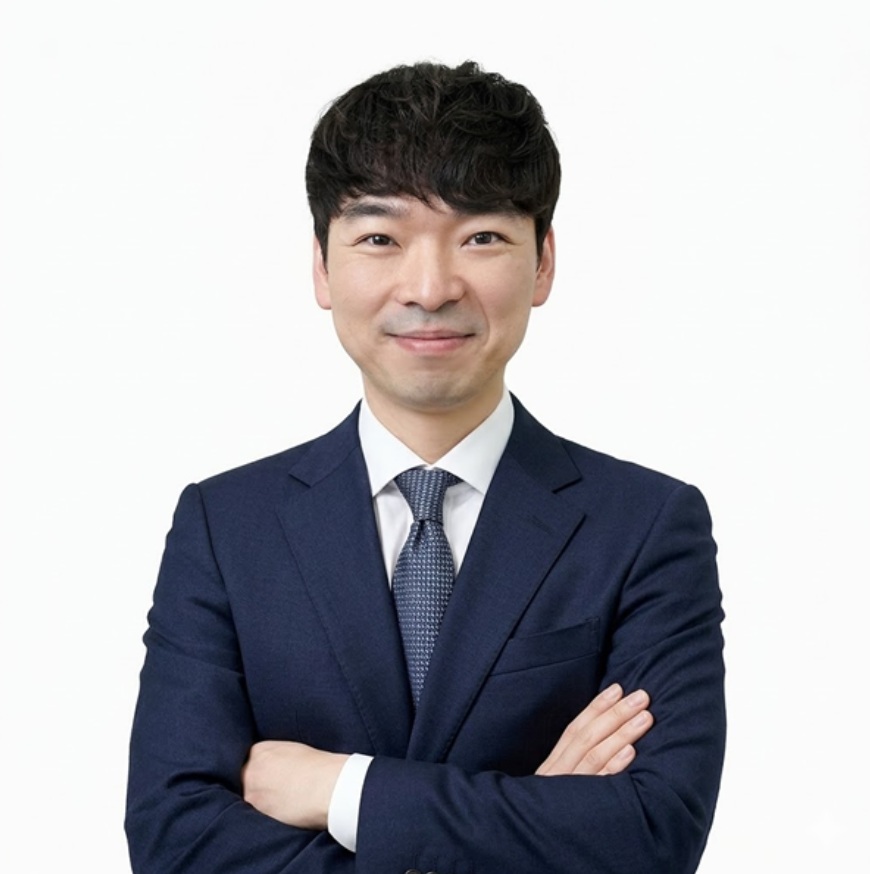
한국가구산업협회가 3월, 아키스케치 이주성 대표를 신임 회장으로 선임했다. 이번 선임은 가구 산업이 제조 중심에서 인공지능과 공간 데이터 기반 산업으로 전환되는 시점에서 이루어진 것으로 주목된다.
협회는 국내 가구 산업의 발전을 위해 정책 제안, 제도 개선, 수출 지원, 품질 인증, 교육 및 정보 제공 등을 수행하며, 리바트, 퍼시스, 금성침대, 재경가구, 한샘, 다우닝 등 주요 가구 제조기업 대표들이 회장을 맡아왔다. 전통적으로 제조기업 출신이 회장을 맡아온 가운데, 기술 기반 기업인이 회장직에 오른 것은 이례적 사례로 평가된다.
이주성 신임 회장은 3차원 설계 기술과 인공지능을 접목한 가구 산업 혁신 경험을 갖춘 인물로, 국내 공간 설계 소프트웨어 분야에서 기술 기반 플랫폼을 구축하며 산업 디지털화를 추진해 왔다. 그는 가구와 공간 데이터를 활용한 산업 생태계 구축 필요성을 지속적으로 강조해 왔다.
회장 취임 후 이주성 대표는 가구 산업의 디지털 전환과 데이터 기반 생태계 구축을 핵심 과제로 삼았다. 산업 데이터 표준화, 컨퍼런스·교육 프로그램 운영, 민간 자격 제도 마련 등을 통해 산업 기반 강화에 나설 계획이다.
2024년 기준 국내 가구 시장 규모는 약 126억 달러(약 18조 원)로, 글로벌 시장조사기관 IMARC Group은 2033년까지 177억 달러(약 26조 원) 규모로 성장할 것으로 전망했다. 가구 산업은 주거 공간 구성의 핵심 제조 산업이며, 인공지능과 디지털 기술의 확산으로 산업 구조 변화가 가속화되고 있다.
가구 산업의 디지털 전환은 설계 단계에서 시작된다. 가구는 공간 구성의 핵심 요소로, 설계 과정에서 생성되는 데이터는 제조 자동화, 스마트 공장, 나아가 로봇과 스마트 가구 등 피지컬 AI 환경과 연결될 수 있다. 이 과정에서 가구 데이터 표준화는 산업 인프라의 핵심 요소로 주목받는다.
이주성 회장은 “가구 산업은 설계·제조·생활 공간을 연결하는 특성을 지니고 있어, 인공지능과 데이터 기반 기술 확산에 맞춘 새로운 역할이 요구된다”며 “협회 차원에서 가구와 공간 데이터를 기반으로 산업 생태계를 구축하고, 공간 데이터와 AI 기술이 결합된 산업으로 발전할 수 있도록 기반을 마련하겠다”고 밝혔다.
한편, 가구 산업의 디지털화와 공간 데이터 활용이 확산되면서 스마트 공장과 AI 기반 설계 소프트웨어 시장 수요가 빠르게 증가하고 있다.
- 관련 기사 더 보기
Archisketch CEO Lee Ju-seong Inaugurated as New President of the Korea Furniture Industry Association
In March, the Korea Furniture Industry Association appointed Lee Ju-seong, CEO of Archisketch, as its new chairman. This appointment is noteworthy as it comes at a time when the furniture industry is transitioning from a manufacturing-centered model to an industry based on artificial intelligence and spatial data.
The association carries out activities such as policy proposals, institutional improvements, export support, quality certification, education, and information provision to promote the development of the domestic furniture industry; the leadership of major furniture manufacturers, including Livart, Fursys, Kumseong Bed, Jaekyung Furniture, Hanssem, and Downing, has served as its chairman. Given that the chairmanship has traditionally been held by executives from manufacturing companies, the appointment of a technology-based entrepreneur to the position is considered an exceptional case.
New Chairman Lee Ju-seong possesses experience in innovating the furniture industry by integrating 3D design technology with artificial intelligence. He has driven industrial digitalization by establishing technology-based platforms in the domestic spatial design software sector. He has consistently emphasized the need to build an industrial ecosystem utilizing furniture and spatial data.
Since assuming the position of Chairman, CEO Lee Ju-seong has set the digital transformation of the furniture industry and the establishment of a data-driven ecosystem as key priorities. He plans to strengthen the industry's foundation through measures such as standardizing industrial data, operating conferences and educational programs, and establishing a private certification system.
As of 2024, the size of the domestic furniture market was approximately $12.6 billion (about 18 trillion won), and global market research firm IMARC Group projected that it would grow to $17.7 billion (about 26 trillion won) by 2033. The furniture industry is a core manufacturing industry for the configuration of residential spaces, and changes in the industrial structure are accelerating due to the spread of artificial intelligence and digital technologies.
The digital transformation of the furniture industry begins at the design stage. As furniture is a core element of spatial organization, the data generated during the design process can be connected to manufacturing automation, smart factories, and even physical AI environments such as robots and smart furniture. In this process, the standardization of furniture data is garnering attention as a key component of industrial infrastructure.
Chairman Lee Ju-seong stated, “The furniture industry possesses characteristics that connect design, manufacturing, and living spaces, requiring a new role aligned with the spread of artificial intelligence and data-based technologies.” He added, “At the association level, we will build an industrial ecosystem based on furniture and spatial data and lay the foundation for the industry to evolve into one that combines spatial data with AI technology.”
Meanwhile, as the digitalization of the furniture industry and the utilization of spatial data spread, the demand for smart factories and AI-based design software is rapidly increasing.
- See more related articles
秋스ケッチイ・ジュソン代表、韓国家具産業協会新任会長就任
韓国家具産業協会が3月、アキスケッチ移住省代表を新任会長に選任した。今回の選任は、家具産業が製造中心から人工知能と空間データ基盤産業に転換される時点で行われたことに注目される。
協会は国内家具産業の発展のために政策提案、制度改善、輸出支援、品質認証、教育および情報提供などを行い、リバート、ファシス、金星ベッド、再経家具、ハンサム、ダウニングなど主要家具製造企業代表らが会長を務めてきた。伝統的に製造企業出身が会長を務めてきた中、技術基盤企業人が会長職に上がったのは異例の事例と評価される。
イ・ジュソン新任会長は3次元設計技術と人工知能を組み合わせた家具産業革新経験を備えた人物で、国内空間設計ソフトウェア分野で技術基盤プラットフォームを構築し、産業デジタル化を推進してきた。彼は家具と空間データを活用した産業エコシステムの構築の必要性を絶えず強調してきた。
会長就任後、イ・ジュソン代表は家具産業のデジタル転換とデータ駆動型エコシステムの構築を重要な課題とした。産業データ標準化、カンファレンス・教育プログラム運営、民間資格制度の整備などを通じて産業基盤の強化に乗り出す計画だ。
2024年基準の国内世帯市場規模は約126億ドル(約18兆ウォン)で、グローバル市場調査機関IMARC Groupは2033年までに177億ドル(約26兆ウォン)規模に成長すると見込んだ。家具産業は住宅空間構成の核心製造産業であり、人工知能とデジタル技術の拡散により産業構造の変化が加速している。
家具産業のデジタル変換は設計段階で始まります。家具は空間構成の重要な要素であり、設計過程で生成されるデータは製造オートメーション、スマート工場、さらにロボットやスマート家具などフィジカルAI環境と連結することができる。この過程で、家具データの標準化は産業インフラの重要な要素として注目されています。
イ・ジュソン会長は「家具産業は設計・製造・生活空間を連結する特性を持っており、人工知能とデータ基盤技術の拡散に合わせた新たな役割が求められる」とし「協会次元で家具と空間データを基盤に産業生態系を構築し、空間データとAI技術が結合された産業に発展できるように基盤を設ける」と明らかにした。
一方、家具産業のデジタル化と空間データ活用が広がり、スマート工場とAIベースの設計ソフトウェア市場の需要が急速に増加している。
- 関連記事をもっと見る
Archisketch首席执行官李柱成就任韩国家具工业协会新任会长
今年3月,韩国家具工业协会任命Archisketch公司首席执行官李柱成(Lee Ju-seong)为新任会长。此次任命意义重大,因为正值家具行业从以制造为中心的模式向以人工智能和空间数据为基础的模式转型之际。
该协会开展政策建议、制度改进、出口扶持、质量认证、教育培训和信息普及等活动,以促进国内家具产业的发展;包括Livart、Fursys、Kumseong Bed、Jaekyung Furniture、Hanssem和Downing在内的多家大型家具制造商的领导人曾担任过协会主席。鉴于主席一职历来由制造企业的管理人员担任,此次任命一位科技型企业家担任主席实属罕见。
新任董事长李柱成先生在家具行业创新方面经验丰富,擅长将3D设计技术与人工智能相结合。他通过在国内空间设计软件领域建立技术平台,推动了产业数字化转型。他始终强调需要构建一个利用家具和空间数据的产业生态系统。
自担任董事长以来,李柱成首席执行官已将家具行业的数字化转型和数据驱动型生态系统的构建列为首要任务。他计划通过规范行业数据、举办会议和教育项目、建立行业认证体系等措施,夯实行业基础。
截至2024年,韩国国内家具市场规模约为126亿美元(约合18万亿韩元),全球市场研究公司IMARC集团预测,到2033年,这一数字将增长至177亿美元(约合26万亿韩元)。家具行业是住宅空间配置的核心制造业,而人工智能和数字技术的普及正在加速推动产业结构的变革。
家具行业的数字化转型始于设计阶段。家具作为空间组织的核心要素,其设计过程中产生的数据可以与制造自动化、智能工厂,乃至机器人和智能家具等物理人工智能环境相连接。在此过程中,家具数据的标准化作为工业基础设施的关键组成部分,正日益受到关注。
李柱成会长表示:“家具行业具有将设计、制造和生活空间联系起来的特点,需要随着人工智能和数据技术的普及而转型。” 他补充道:“在协会层面,我们将构建基于家具和空间数据的产业生态系统,为家具行业向空间数据与人工智能技术相结合的产业转型奠定基础。”
与此同时,随着家具行业的数字化和空间数据利用的普及,对智能工厂和基于人工智能的设计软件的需求正在迅速增长。
- 查看更多相关文章
Lee Ju-seong, PDG d'Archisketch, a été nommé nouveau président de l'Association coréenne de l'industrie du meuble.
En mars, l'Association coréenne de l'industrie du meuble a nommé Lee Ju-seong, PDG d'Archisketch, à sa présidence. Cette nomination est d'autant plus remarquable qu'elle intervient à un moment où l'industrie du meuble est en pleine transition, passant d'un modèle axé sur la production traditionnelle à une industrie fondée sur l'intelligence artificielle et les données spatiales.
L'association mène des actions telles que des propositions politiques, des améliorations institutionnelles, un soutien à l'exportation, la certification de la qualité, la formation et la diffusion d'informations afin de promouvoir le développement de l'industrie du meuble nationale. Les dirigeants des principaux fabricants de meubles, dont Livart, Fursys, Kumseong Bed, Jaekyung Furniture, Hanssem et Downing, en ont assuré la présidence. Étant donné que cette présidence a traditionnellement été occupée par des cadres d'entreprises manufacturières, la nomination d'un entrepreneur du secteur technologique à ce poste constitue un cas exceptionnel.
Le nouveau président, Lee Ju-seong, possède une solide expérience en matière d'innovation dans l'industrie du meuble, grâce à l'intégration de la conception 3D et de l'intelligence artificielle. Il a impulsé la digitalisation industrielle en créant des plateformes technologiques dans le secteur des logiciels de conception spatiale en Chine. Il a toujours insisté sur la nécessité de bâtir un écosystème industriel exploitant les données relatives au mobilier et à l'espace.
Depuis sa prise de fonction en tant que président-directeur général, Lee Ju-seong a fait de la transformation numérique du secteur de l'ameublement et de la mise en place d'un écosystème axé sur les données ses priorités absolues. Il prévoit de consolider les fondements de ce secteur par des mesures telles que la normalisation des données industrielles, l'organisation de conférences et de programmes de formation, ainsi que la création d'un système de certification privé.
En 2024, le marché intérieur du meuble représentait environ 12,6 milliards de dollars (environ 18 billions de wons), et le cabinet d'études de marché international IMARC Group prévoyait qu'il atteindrait 17,7 milliards de dollars (environ 26 billions de wons) d'ici 2033. L'industrie du meuble est un secteur manufacturier essentiel à l'aménagement des espaces résidentiels, et les changements dans sa structure industrielle s'accélèrent en raison de la diffusion de l'intelligence artificielle et des technologies numériques.
La transformation numérique de l'industrie du meuble commence dès la conception. Le mobilier étant un élément central de l'aménagement de l'espace, les données générées lors de la conception peuvent être intégrées à l'automatisation de la production, aux usines intelligentes, voire à des environnements d'intelligence artificielle physique tels que les robots et le mobilier connecté. Dans ce contexte, la normalisation des données relatives au mobilier s'impose comme une composante essentielle de l'infrastructure industrielle.
Le président Lee Ju-seong a déclaré : « L’industrie du meuble présente des caractéristiques qui associent conception, fabrication et espaces de vie, ce qui exige un nouveau rôle en phase avec la diffusion de l’intelligence artificielle et des technologies basées sur les données. » Il a ajouté : « Au niveau de l’association, nous construirons un écosystème industriel fondé sur le mobilier et les données spatiales, et jetterons les bases d’une évolution de l’industrie vers un secteur combinant données spatiales et intelligence artificielle. »
Parallèlement, avec la numérisation de l'industrie du meuble et la généralisation de l'utilisation des données spatiales, la demande en usines intelligentes et en logiciels de conception basés sur l'IA augmente rapidement.
- Voir plus d'articles connexes
You must be logged in to post a comment.