




-광고 중심에서 IP 비즈니스로 성공적 전환…키즈·게임·엔터테인먼트 3대 영역 확장
-재무적 안정 바탕으로 본업 집중…“올해 첫 흑자 기대”
-미래 지향적 크리에이터 발굴…트렌드 넘어 지속가능성 평가
2015년 설립된 샌드박스네트워크(이하 샌드박스)는 MCN(Multi-Channel Network)이라는 개념이 생소하던 시절, 도티 등 인기 크리에이터들을 중심으로 빠르게 성장했다. 특히 키즈 콘텐츠 분야에서 두각을 나타내며 MCN 비즈니스의 가능성을 입증하면서 국내 MCN 시장을 개척해 왔다.
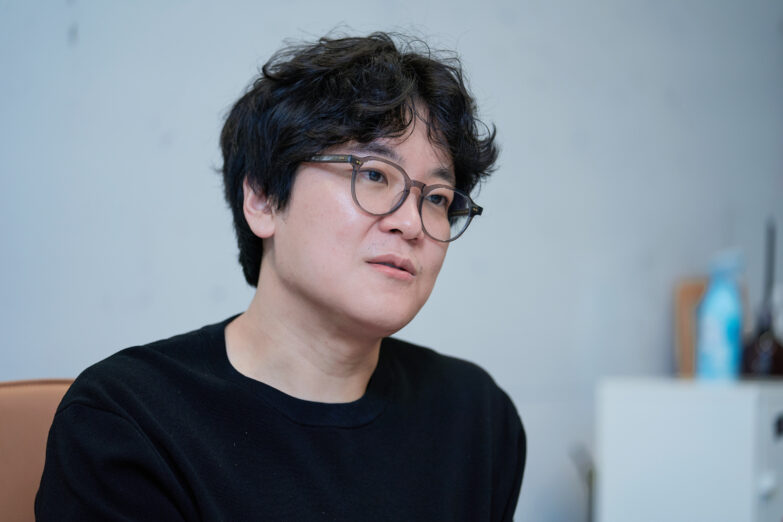
서울 용산구에 위치한 샌드박스 사무실에서 만난 이필성 대표는 창업 10주년을 맞이해 크리에이터와의 동반성장을 강조했다. 이 대표는 “샌드박스의 고객은 크리에이터입니다. 그동안 해왔던 일을 계속하며 파트너로서의 신뢰를 보여주는 것이 중요합니다”라고 말하면서 “디지털 콘텐츠 업은 방송, 연예 엔터테인먼트 시장과 유기적으로 변화하고 있습니다. TV 시장이 디지털로 이동하는 변화는 앞으로 더 가속화될 것입니다. 샌드박스는 이 변화의 중심에서 크리에이터와 함께 성장해 나갈 것입니다”라고 밝혔다.
“디지털 콘텐츠 시장은 성숙기로 접어들고 있습니다”
이 대표는 MCN 산업이 시장 성숙기로 접어드는 초입 단계라고 평가했다.
“시장이란 수요와 공급의 변화에 따라 경쟁 환경이 변화하는 곳입니다. 시장 초기에는 수요가 공급을 크게 초과하여 시장 상황이 양호했으나, 시간이 지나면서 공급이 폭발적으로 증가하여 경쟁이 치열해지고 시장 환경이 악화되었습니다. 현재는 수요와 공급이 적절한 균형을 이루고 있으며, 일부 참여자들은 시장에서 이탈하는 반면, 또 다른 참여자들은 자신만의 독특한 역할을 찾아가고 있습니다. 이러한 과정을 통해 시장은 점차 안정화되고 있습니다. 현재 MCN 시장은 성숙기 초기 단계로 진입하는 시장이라고 할 수 있습니다.”
샌드박스는 그동안 시장 변화에 대응하여 사업을 확장하거나 축소하는 등 전략적 변화를 거듭해왔다. 최근 MCN 시장이 안정화되고 성숙기에 접어들면서 샌드박스의 전략 역시 새롭게 재정립되었다. 이 대표는 “과거에는 모든 분야에서 역량을 발휘하는 멀티플레이어를 지향했으나, 이제는 IP(지식재산권) 사업, 크리에이터 매니지먼트라는 핵심 사업에 역량을 집중하고 있습니다”라고 밝혔다.
■ IP 중심의 사업으로 재편
“샌드박스를 ‘디지털 엔터테인먼트’ 기업이라고 정의했지만, 당시에는 그 의미를 정확히 파악하지 못했던 것 같습니다. MCN 자체가 신생 산업이다 보니 명확한 방향성 없이 다양한 시도를 진행했었습니다. 지속적인 성장 과정에서 기업 정체성에 대한 혼란이 있었지만, 10년이라는 시간을 거쳐 우리의 핵심 사업을 정립하게 되었습니다. 저희는 유튜브를 비롯한 소셜미디어 등 디지털 플랫폼에 주력하고 있습니다. 이러한 디지털 플랫폼에서 창출되는 IP를 기반으로 엔터테인먼트 사업을 전개하는 것이 샌드박스의 핵심 비즈니스라는 결론에 도달했습니다.”
MCN 시장의 변화 속에서 샌드박스는 그동안 시행착오를 겪어왔다. 2022년 무렵 ‘디지털 엔터테인먼트’ 기업으로 자사의 정체성을 재정립했지만 이후에도 조직 구조 개편 등 과도기적 변화를 거쳐야 했다. 이는 시장 선도기업으로서 불가피하게 치러야 했던 대가였을지도 모른다.
샌드박스가 자사의 사업을 ‘디지털 엔터테인먼트’로 재정의한 것은 단순한 용어 변경이 아닌, 비즈니스 모델과 지향점의 근본적인 패러다임 전환을 의미한다.
이러한 변화의 핵심은 IP 중심의 사업 구조로의 전환에 있다. 이 대표는 콘텐츠 제작을 통해 형성된 IP를 중심으로 비즈니스를 확장해 나가는 것이 디지털 엔터테인먼트의 본질이라고 강조했다. 이는 단순히 크리에이터 채널 관리와 수익 배분에 국한되었던 기존 MCN의 역할을 넘어선 전략적 접근이다.
디지털 엔터테인먼트로의 전환은 사업의 지속가능성 측면에서도 필수적이다. 기존 MCN 모델은 주로 광고 수익에 의존하는 구조로, 시장 변동성과 플랫폼 정책 변화에 취약하다. 디지털 엔터테인먼트로의 전환은 출판, 굿즈, 라이센싱, 오프라인 이벤트 등 다각화된 수익원을 개발하는 OSMU(One Source Multi Use) 전략의 강화를 의미한다.
또한 이는 크리에이터 중심에서 IP 중심으로의 사고 전환을 내포한다. 개별 크리에이터의 인기에만 의존하는 것이 아니라, 그들이 창출하는 콘텐츠와 캐릭터를 독립적인 IP로 발전시켜 지속 가능한 가치를 창출하는 방향으로 진화하는 것이다.
디지털 엔터테인먼트로의 재정의는 샌드박스가 기존 엔터테인먼트 산업과의 경계를 초월하여 확장된 시장에서 경쟁력을 강화하겠다는 전략적 의지의 표현이기도 하다. 전통 미디어와 엔터테인먼트 기업들이 디지털 영역으로 확장하는 시점에서, 샌드박스는 디지털 네이티브 기업으로서의 고유 경쟁력을 바탕으로 엔터테인먼트 시장의 핵심 플레이어로 자리매김하고자 하는 비전을 명확히 했다.
현재 가장 높은 매출 비중을 차지하는 것은 여전히 광고 사업이지만, 디지털 엔터테인먼트 기업으로서 샌드박스의 궁극적 지향점은 IP 기반 비즈니스의 확장에 있다.
■ 키즈, 게임, 엔터테인먼트 콘텐츠의 IP화
현재 샌드박스는 광고 중심에서 IP 중심으로의 비즈니스의 변화에 따라 키즈, 게임, 엔터테인먼트 등 3개 사업부로 운영하고 있다.
키즈 콘텐츠 영역은 이미 완전한 IP 비즈니스 모델로 진화했다. 샌드박스는 연간 평균 60여 종의 도서를 출간하며, 주요 출판물은 서점 베스트셀러에 등재되는 성과를 거두고 있다. ‘백앤아’, ‘빨간내복야코’, ‘뚜식이’ 등의 캐릭터들은 출판 사업을 통해 IP 수익화에 성공적으로 정착했다. 도서출판뿐만 아니라 공연·뮤지컬, 굿즈·라이센싱, 애니메이션 제작 등 다양한 분야로 IP를 활용하고 있다. 이 대표는 “광고 중심의 수익 구조로는 한계가 있습니다. IP 사업으로 신속하게 방향을 전환함으로써 비즈니스 영역을 효과적으로 확장할 수 있었습니다”라고 언급했다.
게임을 비롯한 서브컬처 영역은 광고 중심에서 IP 중심으로 비즈니스 모델을 전환하는 과도기에 있다. 팬덤을 확보한 게임 스트리머나 버추얼 유튜버를 활용한 굿즈 사업, 오프라인 행사 및 팝업 스토어 운영, 버추얼 유튜버와의 음악 제작과 이를 활용한 뮤직비디오, 이모티콘, V컬러링 등 디지털 라이선싱 사업으로 영역을 확장하고 있다. 이 대표는 “게임 방송 시청자층과 애니메이션, 서브컬처를 향유하는 팬층이 상당 부분 중첩됩니다. 이 영역에서 버추얼 유튜버와 같은 새로운 콘텐츠 형태가 등장하며 IP화로 빠르게 진화하고 있습니다. 과거에는 주로 광고나 후원 수익에 의존했다면, 현재는 굿즈, 이벤트, 콘서트 등 다양한 IP 사업을 통해 수익을 다각화하고 있습니다.”라고 설명했다.
키즈와 게임 및 서브컬처 분야에서 IP화에 성공할 수 있었던 것은 강력한 팬덤의 존재 덕분이다. 또한 키즈 콘텐츠와 버추얼 유튜버는 창작자와 독립적으로 캐릭터 자체가 고유한 IP 가치를 지닐 수 있어, IP 비즈니스로의 확장이 상대적으로 용이했다.
캐릭터나 세계관이 콘텐트 창작자와 별개로 IP를 가지기 힘든 일반 엔터테인먼트(방송 연예) 영역은 IP 비즈니스로의 전환이 더디게 일어나고 있는 분야다. 샌드박스는 다양한 방식으로 일반 엔터테인먼트 영역에서의 IP 사업을 모색하고 있다.
■ 지속가능한 크리에이터 발굴 전략
사회적 변화에 따라 인플루언서 선호도 역시 진화하고 있다. 과거 화려한 라이프스타일을 과시하는 인플루언서가 주목받았다면, 현재는 친근하고 자연스러운 모습을 보여주는 크리에이터들이 인기를 얻고 있다. ‘해쭈’와 ‘종지부부’가 대표적인 사례로, ‘해쭈’는 호주 일상을 공유하는 콘텐츠로, ‘종지부부’는 이웃집 같은 친근한 가족의 모습으로 많은 이들의 공감을 이끌어내고 있다.
샌드박스는 이러한 크리에이터 트렌드 변화에 주목하며, 단순한 구독자 수나 조회수를 넘어선 심층적 분석을 통해 크리에이터를 발굴하고 있다. 샌드박스가 중점적으로 보는 세 가지 핵심 요소는 다음과 같다.
첫째, 콘텐츠의 지속가능성이다. 샌드박스는 시청자들이 해당 콘텐츠를 찾는 근본적 이유를 분석하고, 일시적 트렌드나 우연한 바이럴이 아닌 장기적으로 유지될 수 있는 가치를 지녔는지 평가한다.
둘째, 크리에이터의 핵심 강점 파악이다. 개인의 매력(카리스마, 친근함, 재미있는 성격), 지식과 전문성(특정 분야에 대한 깊은 이해), 콘텐츠 기획력(독창적 아이디어, 트렌드 파악 능력) 중 어디에 강점이 있는지 평가한다. 대부분의 크리에이터는 특정 영역에 강점을 보이므로, 이에 맞춘 맞춤형 성장 전략을 제공한다.
셋째, 미래 지향적 관점에서의 평가다. ‘몇십 년 뒤에도 변하지 않을 가치’와 ‘향후 10년간의 변화 방향’을 고려한다. 구체적으로는 다양성에 대한 존중, 가족 중심 가치의 부상, 크로스 컬처 콘텐츠와 같은 사회적 변화와 트렌드를 예측하여 이에 부합하는 크리에이터를 발굴한다.
이러한 세 가지 원칙은 샌드박스가 일시적 인기나 화제성을 넘어, 장기적 관점에서 크리에이터와 상생할 수 있는 지속 가능한 파트너십을 구축하려는 철학을 보여준다.
현재 샌드박스는 약 300여 팀의 크리에이터와 파트너십을 맺고 있으며, 콘텐츠 개발 및 성장 지원, 사업화 컨설팅, 백오피스 운영 등 포괄적인 서비스를 제공하고 있다. 이러한 체계적 지원을 통해 크리에이터들의 지속 가능한 활동 기반을 강화하는 데 중요한 역할을 하고 있다.
“흑자 전환의 첫 해가 될 것”
2025년에 샌드박스는 흑자 전환을 이룰 것으로 전망된다. 이 대표는 “작년에 영업 손실을 많이 개선했고, 올해는 흑자 전환이 거의 확실합니다. 재무적 안정을 바탕으로 본업에 더욱 집중할 계획입니다”라고 밝혔다. 샌드박스가 본업에 집중하고 사업 구조를 재편한 결과다.
마지막으로 이 대표는 산업의 지속 가능한 성장을 위해 글로벌 시장 진출의 중요성도 강조했다. “한국 시장은 경쟁이 치열해지면 수익성이 떨어지는 구조입니다. 결국 글로벌로 눈을 돌릴 수밖에 없습니다.“라고 말하며, 글로벌 진출에는 투자가 필요하기 때문에, 선도 기업들이 ‘퍼스트 펭귄’으로 뛰어들기 어렵습니다. 정부 차원의 지원이 있다면 더 많은 기업이 글로벌 시장에 도전할 수 있을 것입니다.“라고 말했다.
샌드박스는 창립 이후 약 2,000여 팀의 크리에이터와 함께 해왔다. 이제 더 명확한 비전과 전략으로 디지털 엔터테인먼트의 새로운 패러다임을 만들어가고 있다. 크리에이터 경제의 건강한 성장과 IP 가치의 극대화를 통해 지속 가능한 비즈니스 모델을 구축하는 샌드박스의 미래가 기대된다.

Sandbox Network CEO Pil-Sung Lee, “Digital Content, IP is Now the Key”
-Successful transition from advertising-centric to IP business… Expansion into three major areas: kids, games, and entertainment
-Focusing on core business based on financial stability… “Expecting first surplus this year”
-Discovering future-oriented creators… Going beyond trends to evaluate sustainability
Founded in 2015, Sandbox Network (hereinafter referred to as Sandbox) grew rapidly with popular creators such as Dotty at a time when the concept of MCN (Multi-Channel Network) was unfamiliar. In particular, it has been proving the potential of the MCN business by standing out in the kids content sector and pioneering the domestic MCN market.
Lee Pil-seong, CEO of Sandbox, who we met at the office in Yongsan-gu, Seoul, emphasized mutual growth with creators as the company celebrated its 10th anniversary. “Sandbox’s customers are creators. It is important to continue what we have been doing and show trust as a partner,” he said. “The digital content industry is changing organically with the broadcasting and entertainment markets. The TV market’s shift to digital will accelerate further in the future. Sandbox will grow together with creators at the center of this change.”
“ The digital content market is entering a mature phase .”
The representative assessed that the MCN industry is in the initial stages of entering market maturity.
“A market is a place where the competitive environment changes according to changes in supply and demand. In the early stages of the market, demand greatly exceeded supply, so the market conditions were good. However, as time passed, supply increased explosively, competition became fierce, and the market environment worsened. Currently, supply and demand are in proper balance, and while some participants are leaving the market, other participants are finding their own unique roles. Through this process, the market is gradually stabilizing. The current MCN market can be said to be a market entering the early stages of maturity.”
Sandbox has been making strategic changes, expanding or reducing its business in response to market changes. Recently, as the MCN market has stabilized and entered a mature phase, Sandbox’s strategy has also been re-established. “In the past, we aimed to be a multiplayer that could demonstrate capabilities in all areas, but now we are concentrating our capabilities on our core businesses, namely IP (intellectual property rights) business and creator management,” said CEO Lee.
■ Reorganization into an IP-centered business
“We defined Sandbox as a ‘digital entertainment’ company, but I don’t think we understood that meaning exactly at the time. Since MCN itself was a new industry, we tried various things without a clear direction. There was confusion about our corporate identity during the continuous growth process, but after 10 years, we established our core business. We are focusing on digital platforms such as YouTube and social media. We came to the conclusion that Sandbox’s core business is to develop an entertainment business based on IP created on these digital platforms.”
Sandbox has been going through trial and error amidst the changes in the MCN market. It reestablished its identity as a ‘digital entertainment’ company around 2022, but it has also had to go through transitional changes such as restructuring its organization. This may have been an inevitable price to pay as a market leader.
Sandbox's redefinition of its business as 'digital entertainment' is not a simple change of terminology, but rather a fundamental paradigm shift in its business model and direction.
The core of this change lies in the transition to an IP-centered business structure. The representative emphasized that the essence of digital entertainment is to expand business centered on IPs formed through content production. This is a strategic approach that goes beyond the role of existing MCNs, which were limited to simply managing creator channels and distributing profits.
The transition to digital entertainment is also essential in terms of business sustainability. The existing MCN model is structured primarily on advertising revenue, making it vulnerable to market volatility and platform policy changes. The transition to digital entertainment means strengthening the OSMU (One Source Multi Use) strategy, which develops diversified revenue sources such as publishing, goods, licensing, and offline events.
This also implies a shift in thinking from creator-centered to IP-centered. Rather than relying solely on the popularity of individual creators, it is about evolving the content and characters they create into independent IPs to create sustainable value.
The redefinition as digital entertainment is also an expression of Sandbox’s strategic will to strengthen its competitiveness in an expanded market that transcends the boundaries of the existing entertainment industry. At a time when traditional media and entertainment companies are expanding into the digital realm, Sandbox has clearly established its vision to establish itself as a key player in the entertainment market based on its unique competitiveness as a digital native company.
Although advertising still accounts for the largest portion of sales, Sandbox's ultimate goal as a digital entertainment company is to expand its IP-based business.
■ IPization of kids, games, and entertainment content
Currently, Sandbox is operating with three business divisions: Kids, Games, and Entertainment, following the change in business from advertising-centered to IP-centered.
The kids content area has already evolved into a complete IP business model. Sandbox publishes an average of 60 books a year, and major publications are achieving success by being listed on bookstore bestsellers. Characters such as 'Baek & Ah', 'Red Underwear Yako', and 'Ddusik' have successfully established IP monetization through the publishing business. In addition to book publishing, IP is being utilized in various fields such as performances, musicals, goods, licensing, and animation production. CEO Lee said, "There are limits to a revenue structure centered on advertising. By quickly changing direction to the IP business, we were able to effectively expand our business area."
The subculture sector, including games, is in a transitional phase of shifting its business model from advertising-centered to IP-centered. It is expanding its business areas to digital licensing businesses such as merchandise businesses utilizing game streamers and virtual YouTubers with secured fandoms, offline event and pop-up store operations, music production with virtual YouTubers, and music videos, emoticons, and V-coloring utilizing this. CEO Lee explained, “There is a significant overlap between the game broadcast viewer base and the fan base that enjoys animation and subculture. In this area, new content forms such as virtual YouTubers are emerging and rapidly evolving into IP. In the past, we mainly relied on advertising or sponsorship revenue, but now we are diversifying our revenue through various IP businesses such as merchandise, events, and concerts.”
The success of IP in the fields of kids, games, and subcultures is due to the existence of a strong fandom. In addition, kids content and virtual YouTubers can have unique IP value independently of the creators, making it relatively easy to expand into the IP business.
The general entertainment (broadcasting and entertainment) sector, where it is difficult to have IPs for characters or worldviews separate from content creators, is a sector where the transition to IP business is occurring slowly. Sandbox is exploring IP business in the general entertainment sector in various ways.
■ Sustainable Creator Discovery Strategy
Influencer preferences are also evolving along with social changes. In the past, influencers who showed off their flashy lifestyles were in the spotlight, but now creators who show a friendly and natural side are gaining popularity. Representative examples include 'Haejju' and 'Jongjibubu'. 'Haejju' shares content about everyday life in Australia, while 'Jongjibubu' draws sympathy from many people with their friendly family image, like a neighboring family.
Sandbox is paying attention to these changes in creator trends and is discovering creators through in-depth analysis that goes beyond simple subscriber counts or views. The three key factors that Sandbox focuses on are as follows.
First, the sustainability of the content. Sandbox analyzes the fundamental reasons why viewers seek out the content and evaluates whether it has value that can be maintained in the long term, rather than being a temporary trend or a coincidental viral hit.
Second, it is to identify the creator's core strengths. We evaluate where the strengths lie among the individual's charm (charisma, friendliness, and fun personality), knowledge and expertise (deep understanding of a specific field), and content planning ability (original ideas, ability to identify trends). Most creators show strengths in a specific area, so we provide customized growth strategies that fit this.
Third, it is an evaluation from a future-oriented perspective. It considers 'values that will not change even after several decades' and 'the direction of change in the next 10 years'. Specifically, it predicts social changes and trends such as respect for diversity, the rise of family-centered values, and cross-cultural content, and discovers creators who fit these.
These three principles demonstrate Sandbox's philosophy of building sustainable partnerships with creators that can coexist with them over the long term, beyond temporary popularity or buzz.
Currently, Sandbox is partnering with approximately 300 teams of creators and providing comprehensive services such as content development and growth support, business consulting, and back-office operations. Through this systematic support, it plays an important role in strengthening the foundation for sustainable activities of creators.
“ This will be the first year of turning a profit ”
Sandbox is expected to turn a profit in 2025. The CEO said, “We improved our operating loss a lot last year, and it is almost certain that we will turn a profit this year. We plan to focus more on our main business based on financial stability.” This is the result of Sandbox focusing on its main business and reorganizing its business structure.
Lastly, the representative also emphasized the importance of entering the global market for the sustainable growth of the industry. “The Korean market is structured so that profitability decreases when competition becomes fierce. In the end, we have no choice but to look to the global market,” he said. “Because global expansion requires investment, it is difficult for leading companies to jump in as ‘first penguins.’ If there is support at the government level, more companies will be able to challenge the global market.”
Since its founding, Sandbox has worked with approximately 2,000 teams of creators. Now, with a clearer vision and strategy, it is creating a new paradigm for digital entertainment. The future of Sandbox, which builds a sustainable business model through healthy growth of the creator economy and maximization of IP value, is anticipated.
サンドボックスネットワークのイ・ピルソン代表、「デジタルコンテンツ、今はIPが核心」
-広告中心からIPビジネスに成功転換…キッズ・ゲーム・エンターテイメント3大領域拡張
-財務的安定基盤で本業集中…「今年初の黒字期待」
-未来志向のクリエイター発掘…トレンドを超えて持続可能性評価
2015年に設立されたサンドボックスネットワーク(以下、サンドボックス)は、MCN(Multi-Channel Network)という概念が不慣れだった時代、ドッティなど人気クリエイターを中心に急速に成長した。特にキッズコンテンツ分野で頭角を表し、MCNビジネスの可能性を立証しながら国内MCN市場を開拓してきた。
ソウル龍山区にあるサンドボックス事務所で会ったイ・ピルソン代表は創業10周年を迎え、クリエイターとの同伴成長を強調した。同代表は「サンドボックスの顧客はクリエイターです。これまでやってきたことを続け、パートナーとしての信頼を見せることが重要です」と話して「デジタルコンテンツアップは放送、芸能エンターテイメント市場と有機的に変化しています。言った。
「デジタルコンテンツ市場は成熟期に入っています」
この代表はMCN産業が市場成熟期に入る初入段階だと評価した。
「市場とは需要と供給の変化によって競争環境が変化するところです。市場の初期には需要が供給を大きく超えて市場状況が良好だったが、時間が経つにつれて供給が爆発的に増加して競争が激しくなり、市場環境が悪化しました。このプロセスを通じて、市場は徐々に安定しています。
サンドボックスはこれまで市場の変化に対応して事業を拡大または縮小するなど戦略的変化を重ねてきた。最近MCN市場が安定化し、成熟期に入り、サンドボックスの戦略も新たに再確立された。同代表は「過去にはあらゆる分野で力量を発揮するマルチプレイヤーを目指したが、今ではIP(知識財産権)事業、クリエイターマネジメントという核心事業に力量を集中しています」と明らかにした。
■IP中心の事業で再編
「サンドボックスを「デジタルエンターテイメント」企業と定義しましたが、当時はその意味を正確には把握できなかったようです。ソーシャルメディアなどのデジタルプラットフォームに注力しています。これらのデジタルプラットフォームで創出されるIPを基に、エンターテイメント事業を展開することがサンドボックスの中核事業であるという結論に達しました。
MCN市場の変化の中で、サンドボックスはこれまで試行錯誤を受けてきました。 2022年頃、「デジタルエンターテイメント」企業として自社のアイデンティティを再確立したが、その後も組織構造の改編など過渡的な変化を経なければならなかった。これは市場の先導企業として必然的に行わなければならなかった対価だったかもしれない。
サンドボックスが自社の事業を「デジタルエンターテイメント」に再定義したのは、単なる用語変更ではなく、ビジネスモデルと指向点の根本的なパラダイム転換を意味する。
この変化の核心は、IP中心の事業構造への移行にある。同代表はコンテンツ制作を通じて形成されたIPを中心にビジネスを拡大していくことがデジタルエンターテイメントの本質だと強調した。これは、単にクリエイターチャンネルの管理と収益の配分に限定された既存のMCNの役割を超えた戦略的アプローチです。
デジタルエンターテイメントへの移行は、事業の持続可能性の観点からも不可欠です。従来のMCNモデルは、主に広告収益に依存する構造であり、市場のボラティリティやプラットフォーム政策の変化に弱い。デジタルエンターテイメントへの移行は、出版、グッズ、ライセンス、オフラインイベントなど多角化された収益源を開発するOSMU(One Source Multi Use)戦略の強化を意味する。
さらに、これはクリエイター中心からIP中心への事故の転換をカバーします。個々のクリエイターの人気だけに頼るのではなく、彼らが創出するコンテンツとキャラクターを独立したIPに発展させ、持続可能な価値を創出する方向に進化するのだ。
デジタルエンターテイメントへの再定義は、サンドボックスが既存のエンターテインメント産業との境界を超えて拡張市場で競争力を強化するという戦略的意志の表現でもある。伝統メディアとエンターテイメント企業がデジタル領域に拡大する時点で、サンドボックスはデジタルネイティブ企業としての固有競争力を基にエンターテインメント市場のコアプレイヤーとして位置づけたいというビジョンを明確にした。
現在最も高い売上比率を占めるのは依然として広告事業であるが、デジタルエンターテイメント企業としてのサンドボックスの究極的な指向点はIPベースのビジネスの拡大にある。
■キッズ、ゲーム、エンターテイメントコンテンツのIP化
現在、サンドボックスは広告中心からIP中心へのビジネスの変化に応じてキッズ、ゲーム、エンターテイメントなど3つの事業部で運営している。
キッズコンテンツエリアはすでに完全なIPビジネスモデルに進化しています。サンドボックスは年間平均60種以上の書籍を出版し、主要出版物は書店ベストセラーに掲載される成果を収めている。 「バックアンドア」、「赤い内服ヤコ」、「トゥシクイ」などのキャラクターたちは出版事業を通じてIP収益化に成功的に定着した。図書出版だけでなく公演・ミュージカル、グッズ・ライセンス、アニメ制作など多様な分野でIPを活用している。同代表は「広告中心の収益構造には限界があります。IP事業に迅速に方向を転換することで、ビジネス領域を効果的に拡張できました」と述べた。
ゲームを含むサブカルチャー領域は、広告中心からIP中心にビジネスモデルを切り替える過渡期にある。ファンダムを確保したゲームストリーマーやバーチャルユーチューブを活用したグッズ事業、オフラインイベントやポップアップストア運営、バーチャルYouTubeとの音楽制作と、これを活用したミュージックビデオ、絵文字、Vカラーリングなどデジタルライセンス事業に領域を拡大している。同代表は「ゲーム放送視聴者層とアニメーション、サブカルチャーを享受するファン層が相当部分重複します。この領域でバーチャルYouTubeのような新しいコンテンツ形態が登場し、IP化に急速に進化しています。過去には主に広告やスポンサー収益に依存していたら、現在はグッズ、イベント、コンサートなど多様なIP事業を通じて。
キッズやゲームやサブカルチャー分野でIP化に成功できたのは、強力なファンダムの存在のおかげだ。また、キッズコンテンツとバーチャルユーチューブは創作者とは独立してキャラクター自体が固有のIP価値を持つことができ、IPビジネスへの拡張が比較的容易だった。
キャラクターや世界観がコンテンツ創作者とは別にIPを持つことが難しい一般エンターテイメント(放送芸能)領域はIPビジネスへの転換が遅く起きている分野だ。サンドボックスは様々な方法で一般エンターテイメント領域でのIP事業を模索している。
■持続可能なクリエイター発掘戦略
社会的変化によってインフルエンサーの好みもやはり進化している。過去に華やかなライフスタイルを誇示するインフルエンサーが注目されたなら、現在はフレンドリーで自然な姿を見せるクリエイターたちが人気を得ている。 'ハチュ'と'終止夫婦'が代表的な事例で、'ハチュ'はオーストラリア日常を共有するコンテンツで、'終止夫婦'は隣の家のような親しい家族の姿で多くの人々の共感を引き出している。
サンドボックスはこのようなクリエイターのトレンドの変化に注目し、単純な加入者数や視聴回数を超えた深い分析を通じてクリエイターを発掘している。サンドボックスが重点的に見る3つの重要な要素は次のとおりです。
まず、コンテンツの持続可能性です。サンドボックスは、視聴者がそのコンテンツを見つける根本的な理由を分析し、一時的な傾向や偶然のバイラルではなく、長期的に維持できる価値を持っているかどうかを評価します。
第二に、クリエイターの重要な強みを把握することです。個人の魅力(カリスマ、親しみやすさ、面白い性格)、知識と専門性(特定分野に対する深い理解)、コンテンツ企画力(独創的なアイデア、トレンド把握能力)のどこに強みがあるかを評価する。ほとんどのクリエイターは特定の分野に強みを持っているので、それに合わせてカスタマイズされた成長戦略を提供します。
第三に、将来志向の観点からの評価だ。 「数十年後にも変わらない価値」と「今後10年間の変化の方向」を考慮する。具体的には、多様性に対する尊重、家族中心価値の浮上、クロスカルチャーコンテンツなどの社会的変化やトレンドを予測し、これに合致するクリエイターを発掘する。
これら3つの原則は、サンドボックスが一時的な人気や話題性を超えて、長期的な観点からクリエイターと共存できる持続可能なパートナーシップを構築するという哲学を示しています。
現在、サンドボックスは約300以上のチームのクリエイターとパートナーシップを結んでおり、コンテンツ開発・成長支援、事業化コンサルティング、バックオフィス運営など包括的なサービスを提供している。この体系的な支援は、クリエイターの持続可能な活動基盤を強化するために重要な役割を果たしています。
「黒字転換の初年になること」
2025年にサンドボックスは黒字転換を成すと見込まれる。同代表は「昨年に営業損失を多く改善し、今年は黒字転換がほぼ確実です。財務的安定をもとに本業にさらに集中する計画です」と明らかにした。サンドボックスが本業に集中し、事業構造を再編した結果だ。
最後に、この代表は産業の持続可能な成長のためのグローバル市場進出の重要性も強調した。 「韓国市場は競争が激しくなると収益性が落ちる仕組みです。結局グローバルに目を向けるしかありません。」と言い、グローバル進出には投資が必要なため、大手企業が「ファーストペンギン」に飛び込みにくいです。政府レベルの支援があれば、より多くの企業がグローバル市場に挑戦することができるでしょう。」と述べた。
サンドボックスは創立以来約2,000チームのクリエイターと一緒にやってきた。今はより明確なビジョンと戦略でデジタルエンターテイメントの新しいパラダイムを作っている。クリエイター経済の健全な成長とIP価値の最大化により、持続可能なビジネスモデルを構築するサンドボックスの未来が期待されています。
Sandbox Network 首席执行官 Pil-Sung Lee 表示:“数字内容和 IP 是关键”
-成功从以广告为中心转型为IP业务……拓展至三大领域:儿童、游戏和娱乐
-专注于基于财务稳定的主营业务……“预计今年将首次实现盈余”
发掘面向未来的创造者……超越趋势,评估可持续性
Sandbox Network(以下简称“Sandbox”)成立于2015年,在MCN(多频道网络)概念尚不为人熟知的时代,凭借Dotty等人气创作者迅速发展壮大。尤其是在儿童内容领域脱颖而出,开拓韩国MCN市场,证明了MCN业务的潜力。
我们在首尔龙山区办公室见到了Sandbox的CEO李必成,在公司成立十周年之际,他强调了与创作者的共同成长。“Sandbox的客户就是创作者。继续我们一直以来的工作,并展现作为合作伙伴的信任至关重要,”他说道。“数字内容产业正与广播和娱乐市场有机地发生变化。未来,电视市场的数字化转型将进一步加速。Sandbox将与处于这一变化中心的创作者共同成长。”
“数字内容市场正在进入成熟阶段。”
该代表评估MCN行业正处于进入市场成熟的初始阶段。
市场是一个竞争环境随着供需变化而变化的场所。市场初期,需求远超供给,市场环境良好。然而,随着时间的推移,供给量爆发式增长,竞争愈发激烈,市场环境也随之恶化。目前,供需已达到平衡,一些参与者正在退出市场,而另一些参与者则在寻找自身独特的定位。在这个过程中,市场正在逐渐趋于稳定。目前的MCN市场可以说是一个进入成熟初期的市场。
Sandbox一直在根据市场变化进行战略调整,扩张或缩减业务。近年来,随着MCN市场趋于稳定并进入成熟阶段,Sandbox的战略也进行了重新调整。“过去,我们的目标是成为一家在各个领域都具备实力的多元化公司,但现在我们正将精力集中在核心业务上,即IP(知识产权)业务和创作者管理,”首席执行官李先生表示。
■ 重组为以知识产权为中心的业务
我们将Sandbox定义为一家‘数字娱乐’公司,但我认为当时我们并没有真正理解其含义。由于MCN本身是一个新兴行业,我们尝试了各种事物,但方向并不明确。在持续发展的过程中,我们对企业定位也曾感到困惑,但经过10年的发展,我们最终确立了核心业务。我们专注于YouTube和社交媒体等数字平台。我们最终得出结论,Sandbox的核心业务是基于这些数字平台上打造的IP,开展娱乐业务。”
Sandbox在MCN市场的变化中不断摸索,在2022年左右重新确立了“数字娱乐”公司的身份,但也经历了组织架构调整等转型变革。这或许是作为市场领导者必然付出的代价。
Sandbox 将其业务重新定义为“数字娱乐”,这并不是简单的术语改变,而是其商业模式和方向的根本范式转变。
这一变化的核心在于向以IP为中心的事业结构转型。该负责人强调,数字娱乐的本质在于围绕内容制作形成的IP开展事业。这是一种超越现有MCN机构职能的战略方针,MCN机构仅限于运营创作者渠道并分配利润。
就业务可持续性而言,向数字娱乐转型也至关重要。现有的MCN模式主要依赖广告收入,容易受到市场波动和平台政策变化的影响。向数字娱乐转型意味着要强化OSMU(一源多用)战略,该战略旨在拓展多元化的收入来源,例如出版、商品、授权和线下活动。
这也意味着思维方式从以创作者为中心转向以IP为中心。不再仅仅依赖单个创作者的知名度,而是将他们创作的内容和角色发展成独立的IP,从而创造可持续的价值。
重新定位为数字娱乐公司,也体现了Sandbox在超越现有娱乐产业界限的广阔市场中强化竞争力的战略意志。在传统媒体和娱乐公司纷纷进军数字领域的时代,Sandbox已明确确立了其愿景:凭借作为数字原生企业的独特竞争力,成为娱乐市场的核心力量。
尽管广告仍占销售额的最大份额,但作为一家数字娱乐公司,Sandbox 的最终目标是扩大基于 IP 的业务。
■ 儿童、游戏和娱乐内容的IP化
目前,Sandbox由儿童、游戏、娱乐三大事业部组成,业务模式由以广告为中心向以IP为中心转变。
儿童内容领域已发展成为完整的IP商业模式。Sandbox平均每年出版60本书,其主要出版物均登上书店畅销书排行榜,取得了成功。“Baek & Ah”、“红色内衣夜行鸟”和“Ddusik”等角色已通过出版业务成功实现了IP货币化。除了图书出版,IP还被运用到演出、音乐剧、周边商品、授权和动画制作等各个领域。李社长表示:“以广告为中心的收入结构存在局限性。通过迅速转向IP业务,我们能够有效地拓展业务领域。”
包括游戏在内的亚文化领域正处于从以广告为中心向以IP为中心的商业模式转型的过渡期。公司正在将业务领域拓展到数字授权业务,例如利用拥有稳定粉丝群的游戏主播和虚拟YouTuber开展周边产品业务、线下活动和快闪店运营、与虚拟YouTuber合作的音乐制作,以及利用这些产品的MV、表情包和V-coloring等。李代表解释说:“游戏直播的观众群体与喜欢动画和亚文化的粉丝群体之间存在很大的重叠。在这个领域,虚拟YouTuber等新的内容形式正在涌现,并迅速演变成IP。过去,我们主要依靠广告或赞助收入,但现在我们正在通过周边产品、活动和演唱会等各种IP业务来实现收入多元化。”
儿童、游戏和亚文化领域的IP成功源于强大的粉丝群体。此外,儿童内容和虚拟YouTuber可以拥有独立于创作者的独特IP价值,因此拓展IP业务相对容易。
在综合娱乐(广播和娱乐)领域,很难拥有独立于内容创作者的角色或世界观的IP,因此向IP业务的转型进展缓慢。Sandbox正在以各种方式探索综合娱乐领域的IP业务。
■ 可持续的创作者发现策略
随着社会变迁,网红的喜好也在不断演变。过去,那些炫耀自己浮夸生活方式的网红备受瞩目,而如今,展现亲切自然一面的创作者也越来越受欢迎。代表性的例子包括“Haejju”和“Jongjibubu”。“Haejju”分享澳大利亚日常生活的内容,而“Jongjibubu”则以其如同邻居家人般亲切的形象赢得了众多人的共鸣。
Sandbox 正在密切关注创作者趋势的变化,并通过超越订阅者数量或观看次数的深度分析来发现创作者。Sandbox 关注的三个关键因素如下。
首先,内容的可持续性。Sandbox 会分析观众搜索内容的根本原因,并评估其是否具有长期维持的价值,而不是昙花一现或昙花一现的热门内容。
第二,识别创作者的核心优势。我们会评估创作者的魅力(魅力、亲和力、有趣的个性)、知识和专业技能(对特定领域的深度理解)以及内容策划能力(原创想法、趋势洞察能力)之间的差异。大多数创作者在特定领域展现出优势,因此我们会根据这些优势提供定制化的成长策略。
第三,这是面向未来的评估。它考虑“即使几十年后也不会改变的价值观”和“未来10年的变化方向”。具体来说,它预测社会变化和趋势,例如尊重多样性、以家庭为中心的价值观的兴起以及跨文化内容,并发现符合这些趋势的创作者。
这三项原则体现了 Sandbox 的理念,即与创作者建立可持续的合作伙伴关系,并与他们长期共存,而不仅仅是暂时的流行或热议。
目前,Sandbox与约300个创作者团队合作,提供内容开发及成长支持、业务咨询、后台运营等全方位服务。通过系统性支持,Sandbox在强化创作者可持续活动基础方面发挥着重要作用。
“今年将是盈利的第一年”
Sandbox预计在2025年实现盈利。CEO表示:“去年我们的运营亏损大幅改善,今年几乎可以肯定盈利。我们计划在财务稳定的基础上,更加专注于主营业务。” 这是Sandbox聚焦主营业务、重组业务架构的结果。
最后,该代表还强调了进军全球市场对于行业可持续发展的重要性。“韩国市场的结构决定了竞争越激烈,盈利能力就越低。最终,我们别无选择,只能放眼全球市场,”他说道。“由于全球扩张需要投资,领先的企业很难像‘第一批企鹅’那样迅速进入。如果政府层面能够提供支持,更多企业将能够挑战全球市场。”
Sandbox自成立以来已与约2000个创作者团队合作。如今,凭借更清晰的愿景和战略,Sandbox正在打造数字娱乐的新范式。Sandbox将通过促进创作者经济的健康发展和IP价值的最大化,构建可持续发展的商业模式,其未来前景令人期待。
Pil-Sung Lee, PDG de Sandbox Network, déclare : « Le contenu numérique et la propriété intellectuelle sont désormais la clé »
-Transition réussie d'une activité centrée sur la publicité vers une activité IP… Expansion dans 3 domaines majeurs : enfants, jeux et divertissement
– Se concentrer sur son cœur de métier en s'appuyant sur la stabilité financière… « Nous prévoyons un premier excédent cette année »
-Découvrir des créateurs tournés vers l’avenir… Aller au-delà des tendances pour évaluer la durabilité
Fondé en 2015, Sandbox Network (ci-après dénommé Sandbox) a connu une croissance rapide grâce à des créateurs populaires comme Dotty, à une époque où le concept de MCN (Multi-Channel Network) était encore méconnu. Il a notamment démontré le potentiel des MCN en se démarquant dans le secteur des contenus pour enfants et en devenant un pionnier sur le marché national des MCN.
Lee Pil-seong, PDG de Sandbox, que nous avons rencontré au bureau de Yongsan-gu, à Séoul, a mis l'accent sur la croissance mutuelle avec les créateurs à l'occasion du 10e anniversaire de l'entreprise. « Les clients de Sandbox sont des créateurs. Il est important de poursuivre notre action et de témoigner notre confiance en tant que partenaire », a-t-il déclaré. « Le secteur des contenus numériques évolue naturellement avec les marchés de la diffusion et du divertissement. La transition numérique du marché de la télévision va encore s'accélérer à l'avenir. Sandbox se développera aux côtés des créateurs, qui sont au cœur de cette évolution. »
« Le marché du contenu numérique entre dans une phase de maturité . »
Le représentant a estimé que l’industrie MCN en est aux premiers stades de son entrée dans la maturité du marché.
Un marché est un lieu où l'environnement concurrentiel évolue en fonction de l'offre et de la demande. À ses débuts, la demande était largement supérieure à l'offre, ce qui a favorisé les conditions de marché. Cependant, au fil du temps, l'offre a connu une croissance explosive, la concurrence est devenue féroce et le contexte s'est dégradé. Actuellement, l'offre et la demande sont en équilibre, et si certains acteurs quittent le marché, d'autres trouvent leur propre rôle. Grâce à ce processus, le marché se stabilise progressivement. On peut dire que le marché actuel des réseaux multichaînes entre dans ses premiers stades de maturité.
Sandbox a opéré des changements stratégiques, développant ou réduisant ses activités en fonction des évolutions du marché. Récemment, le marché des réseaux multichaînes (MCN) s'étant stabilisé et étant entré dans une phase de maturité, la stratégie de Sandbox a également été redéfinie. « Auparavant, nous souhaitions être un acteur multi-acteurs capable de démontrer nos compétences dans tous les domaines, mais nous concentrons désormais nos compétences sur nos activités principales, à savoir la propriété intellectuelle (PI) et la gestion des créateurs », a déclaré le PDG Lee.
■ Réorganisation en une entreprise centrée sur la propriété intellectuelle
Nous avons défini Sandbox comme une entreprise de divertissement numérique, mais je ne pense pas que nous en ayons parfaitement compris le sens à l'époque. Le MCN étant un secteur jeune, nous avons tenté diverses expériences sans orientation claire. Notre identité d'entreprise a été confuse au cours de notre croissance continue, mais après dix ans, nous avons établi notre cœur de métier. Nous nous concentrons sur les plateformes numériques comme YouTube et les réseaux sociaux. Nous sommes arrivés à la conclusion que le cœur de métier de Sandbox est de développer une activité de divertissement basée sur la propriété intellectuelle créée sur ces plateformes numériques.
Sandbox a connu des tâtonnements face aux mutations du marché des réseaux multichaînes (MCN). L'entreprise a retrouvé son identité d'entreprise de divertissement numérique vers 2022, mais a également dû opérer des changements transitoires, comme une restructuration de son organisation. C'était peut-être le prix inévitable à payer en tant que leader du marché.
La redéfinition par Sandbox de son activité en tant que « divertissement numérique » n’est pas un simple changement de terminologie, mais plutôt un changement de paradigme fondamental dans son modèle commercial et son orientation.
L'essentiel de ce changement réside dans la transition vers une structure commerciale centrée sur la propriété intellectuelle. Le représentant a souligné que l'essence même du divertissement numérique est de développer des activités centrées sur la propriété intellectuelle issue de la production de contenu. Il s'agit d'une approche stratégique qui dépasse le rôle des réseaux multichaînes (MCN) existants, limités à la simple gestion des chaînes de création et à la distribution des bénéfices.
La transition vers le divertissement numérique est également essentielle à la pérennité des entreprises. Le modèle MCN actuel repose principalement sur les revenus publicitaires, ce qui le rend vulnérable à la volatilité du marché et aux changements de politique des plateformes. Cette transition implique de renforcer la stratégie OSMU (One Source Multi Use), qui développe des sources de revenus diversifiées telles que l'édition, les biens, les licences et les événements hors ligne.
Cela implique également un changement de mentalité, passant d'une approche centrée sur le créateur à une approche centrée sur la propriété intellectuelle. Plutôt que de s'appuyer uniquement sur la popularité des créateurs individuels, il s'agit de faire évoluer le contenu et les personnages qu'ils créent vers des propriétés intellectuelles indépendantes afin de créer une valeur durable.
La redéfinition du divertissement numérique traduit également la volonté stratégique de Sandbox de renforcer sa compétitivité sur un marché élargi qui transcende les frontières de l'industrie du divertissement existante. À l'heure où les entreprises traditionnelles de médias et de divertissement investissent le numérique, Sandbox a clairement défini sa vision : s'imposer comme un acteur incontournable du marché du divertissement grâce à sa compétitivité unique d'entreprise native du numérique.
Bien que la publicité représente toujours la plus grande part des ventes, l'objectif ultime de Sandbox en tant qu'entreprise de divertissement numérique est d'étendre ses activités basées sur la propriété intellectuelle.
■ IPisation des contenus pour enfants, jeux et divertissements
Actuellement, Sandbox opère avec trois divisions commerciales : Enfants, Jeux et Divertissement, suite au changement d'activité d'une activité centrée sur la publicité à une activité centrée sur la propriété intellectuelle.
Le secteur des contenus jeunesse a déjà évolué vers un modèle économique basé sur la propriété intellectuelle. Sandbox publie en moyenne 60 livres par an, et les principales publications connaissent un succès croissant grâce à leur présence parmi les best-sellers des librairies. Des personnages tels que « Baek & Ah », « Red Underwear Yako » et « Ddusik » ont réussi à monétiser leur propriété intellectuelle grâce à l'édition. Outre l'édition de livres, la propriété intellectuelle est utilisée dans divers domaines tels que le spectacle, les comédies musicales, les produits dérivés, les licences et la production d'animation. Le PDG Lee a déclaré : « Une structure de revenus centrée sur la publicité a ses limites. En réorientant rapidement notre activité vers la propriété intellectuelle, nous avons pu développer efficacement notre secteur d'activité. »
Le secteur des sous-cultures, y compris les jeux vidéo, traverse une phase de transition, passant d'un modèle économique axé sur la publicité à un modèle axé sur la propriété intellectuelle. Il étend ses activités aux activités de licences numériques, telles que les produits dérivés utilisant des streamers de jeux vidéo et des YouTubeurs virtuels disposant de fandoms sécurisés, les événements hors ligne et les boutiques éphémères, la production musicale avec des YouTubeurs virtuels, ainsi que les clips vidéo, les émoticônes et le coloriage V-coloring qui en font usage. Le PDG Lee a expliqué : « Il existe un chevauchement important entre les téléspectateurs des diffusions de jeux vidéo et les fans qui apprécient l'animation et les sous-cultures. Dans ce domaine, de nouvelles formes de contenu, comme les YouTubeurs virtuels, émergent et évoluent rapidement vers la propriété intellectuelle. Auparavant, nous dépendions principalement des revenus publicitaires ou du sponsoring, mais nous diversifions désormais nos revenus grâce à diverses activités de propriété intellectuelle telles que les produits dérivés, les événements et les concerts. »
Le succès de la propriété intellectuelle dans les domaines de l'enfance, des jeux et des sous-cultures repose sur l'existence d'un solide fandom. De plus, les contenus pour enfants et les YouTubeurs virtuels peuvent avoir une valeur de propriété intellectuelle unique, indépendamment de leurs créateurs, ce qui facilite relativement l'expansion dans ce secteur.
Dans le secteur du divertissement général (radiodiffusion et divertissement), où il est difficile de détenir des droits de propriété intellectuelle pour des personnages ou des visions du monde distincts des créateurs de contenu, la transition vers la propriété intellectuelle se fait lentement. Sandbox explore cette question de diverses manières.
■ Stratégie de découverte de créateurs durables
Les préférences des influenceurs évoluent également au rythme des changements sociaux. Autrefois, les influenceurs qui affichaient un style de vie ostentatoire étaient sous le feu des projecteurs, mais aujourd'hui, les créateurs qui affichent un côté convivial et naturel gagnent en popularité. Parmi les exemples représentatifs, citons « Haejju » et « Jongjibubu ». « Haejju » partage du contenu sur la vie quotidienne en Australie, tandis que « Jongjibubu » suscite la sympathie de nombreuses personnes grâce à son image familiale et chaleureuse, proche d'une famille voisine.
Sandbox s'intéresse à ces évolutions des tendances créatrices et les découvre grâce à une analyse approfondie qui va au-delà du simple nombre d'abonnés ou de vues. Sandbox se concentre sur trois facteurs clés :
Premièrement, la durabilité du contenu. Sandbox analyse les raisons fondamentales qui poussent les spectateurs à rechercher le contenu et évalue sa valeur durable, plutôt que de se limiter à une tendance passagère ou à un succès viral fortuit.
Deuxièmement, il s'agit d'identifier les points forts du créateur. Nous évaluons ses atouts parmi son charme (charisme, amabilité et personnalité amusante), ses connaissances et son expertise (compréhension approfondie d'un domaine spécifique) et sa capacité à planifier du contenu (idées originales, capacité à identifier les tendances). La plupart des créateurs possèdent des atouts dans un domaine spécifique ; c'est pourquoi nous proposons des stratégies de développement personnalisées en conséquence.
Troisièmement, il s'agit d'une évaluation prospective. Elle prend en compte les « valeurs qui ne changeront pas même après plusieurs décennies » et « l'orientation du changement dans les dix prochaines années ». Plus précisément, elle anticipe les évolutions et tendances sociales telles que le respect de la diversité, l'essor des valeurs familiales et les contenus interculturels, et identifie les créateurs qui y correspondent.
Ces trois principes illustrent la philosophie de Sandbox qui consiste à établir des partenariats durables avec des créateurs qui peuvent coexister avec eux sur le long terme, au-delà de la popularité ou du buzz temporaire.
Actuellement, Sandbox collabore avec environ 300 équipes de créateurs et propose des services complets tels que le développement de contenu et l'accompagnement à la croissance, le conseil aux entreprises et les opérations de back-office. Grâce à ce soutien systématique, Sandbox joue un rôle important dans le renforcement des bases d'une activité durable pour les créateurs.
« Ce sera la première année de rentabilité »
Sandbox devrait être bénéficiaire en 2025. Le PDG a déclaré : « Nous avons considérablement amélioré notre perte d'exploitation l'an dernier et il est quasiment certain que nous serons bénéficiaires cette année. Nous prévoyons de nous concentrer davantage sur notre activité principale, compte tenu de notre stabilité financière. » C'est le résultat de la concentration de Sandbox sur son activité principale et de la réorganisation de sa structure.
Enfin, le représentant a également souligné l'importance de pénétrer le marché mondial pour la croissance durable du secteur. « Le marché coréen est structuré de telle sorte que la rentabilité diminue lorsque la concurrence s'intensifie. Au final, nous n'avons d'autre choix que de nous tourner vers le marché mondial », a-t-il déclaré. « L'expansion mondiale nécessitant des investissements, il est difficile pour les entreprises leaders de se lancer comme des pionniers. Avec le soutien du gouvernement, davantage d'entreprises pourront s'imposer sur le marché mondial. »
Depuis sa création, Sandbox a collaboré avec environ 2 000 équipes de créateurs. Aujourd'hui, forte d'une vision et d'une stratégie plus claires, elle crée un nouveau paradigme pour le divertissement numérique. L'avenir de Sandbox, qui construit un modèle économique durable grâce à la croissance saine de l'économie des créateurs et à la maximisation de la valeur de la propriété intellectuelle, est prometteur.
You must be logged in to post a comment.