




-천장 침대·벽면 수납으로 공간 2~3배 확장
-팬데믹 때 깨달은 공간의 한계, 로보틱스로 해결
“집이 감옥이 되어버렸어요.”
2020년 팬데믹 초기, 전 세계 사람들이 공통으로 느꼈던 답답함이었다.
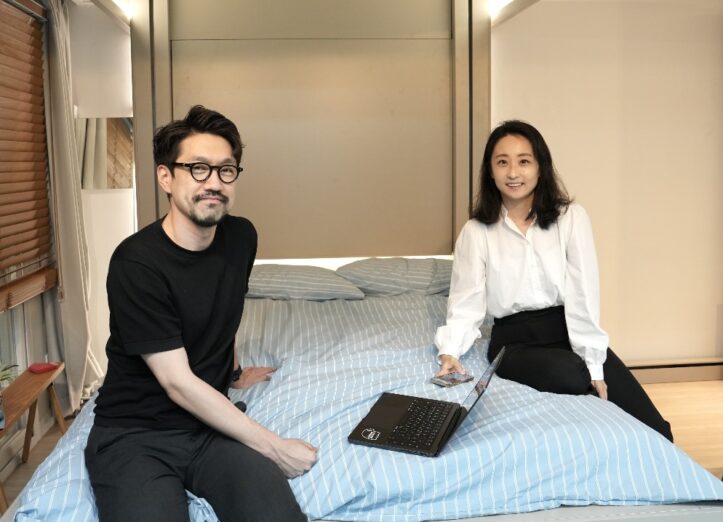
안락한 보금자리여야 할 집이 벗어날 수 없는 감옥처럼 느껴졌다. 특히 서울의 4평 원룸에 사는 2030세대에게 사방이 막힌 집에 머무르는 것은 고문에 가깝다. 침대를 치우면 책상을, 이를 옮기면 활동 공간을 힘겹게 확보하는 비좁은 현실. 부동산 가격은 치솟고, 공간은 협소해지는 악순환이다.
이 문제를 정면으로 해결하겠다며 나선 스타트업이 있다. ‘로보톰(Rovothome)’이다. 이들이 개발한 ‘로보테리어(Roboterior)’ 기술은 천장에서 내려오는 침대와 벽에서 나오는 옷장으로 4평 공간을 12평처럼 쓸 수 있게 한다. 단순한 상상이 아니다. 이미 건설사, 시행사 및 개인고객으로부터 170억원 규모의 구매의향서를 확보했고, 정부로부터도 약 45억원의 지원을 받았다.
“공간이 사람을 제한하는 게 아니라, 사람을 위해 바뀌어야죠”
문래동에 위치한 로보톰 사무실에서 만난 강희진 대표는 간결하게 본인의 철학을 밝혔다. 공동창업자인 윤세용 대표와 함께 연세대 건축학과 학생회장단을 지내며 인연을 쌓은 그는, 공간 컨설팅과 건축사사무소 및 실리콘밸리 프롭테크 스타트업 등을 거쳤다. 건축, 기술, 비즈니스 경계를 넘나드는 경험을 쌓아왔으며, 70여 개 도시를 직접 돌며 ‘공간’에 대해 고민해온 건축 전문가다.
“2020년 팬데믹이 터졌을 때 전 세계 사람들이 집에 ‘갇혀버렸다’는 표현을 썼어요. 깨달았죠. 집이 사람을 위한 공간이 아니라, 삶을 제한하고 있다는 걸요.”
문제는 단순히 면적만이 아니었다. 협소한 환경과 고정된 공간 구조, 한 공간에서 여러 기능이 중첩되면서 제대로 수행되지 못하는 한계가 복합적으로 작용했다는 게 강희진 대표의 분석이다.
“치솟는 부동산 가격 때문에 면적을 더 소유하는 건 쉽지 않은 일이에요. 그렇다면 공간을 쓰는 방식을 바꿔야 한다고 생각했죠.”
로보테리어의 핵심은 ‘물리적 공간 변형’이다. 기존 스마트홈이 조명이나 가전의 IoT 원격제어에 그쳤다면, 로보톰의 기술은 공간 자체를 능동적으로 확장한다. 로보톰 브랜드 Stagehands(스테이지핸즈)의 대표 제품인 ‘Ceily(씰리)’는 천장에 올린 침대가 필요할 때만 내려와 침실을 만들고, 평소에는 거실로 활용할 수 있게 한다. ‘Wally(월리)’는 벽면 가구가 움직여 평소엔 수납공간으로, 필요시엔 책상이나 식탁으로 변신한다.
“기술적으로 중요하고 까다로웠던 건 ‘소음’이었어요.”
로봇가구가 주거공간에서 사용되려면 무엇보다 조용해야 했다. 강희진 대표는 “100kg이 넘는 물체가 하루에 몇 번씩 움직이는데, 이게 시끄럽다면 누가 쓰겠느냐”며 웃었다.
로보톰이 자체 개발한 구동부는 소음을 41dB(도서관 수준)까지 낮췄다. 여기에 3중 안전장치도 적용했다. 비접촉식 센서로 사용자를 미리 감지해 충돌을 예방하고, 실시간 토크 감지로 예기치 않은 충격 시 즉시 정지한다. 또 자동 각도 보정 알고리즘으로 경로 이탈을 방지한다.
“두 손가락으로 살짝 미는 정도의 힘만 감지돼도 바로 멈춰요. 사용자가 로봇이라고 인식하지 못할 정도로 자연스럽게 집의 일부가 되는 게 목표입니다.”
시장 반응은 뜨겁다. 로보톰은 건설사와 시행사 등으로부터 170억원 규모의 구매의향서를 확보했다. 당초 4평 내외 소형 주거공간을 타겟으로 했지만, 최근엔 강남의 중소형 아파트에서도 문의가 쇄도하고 있다.
“20억 넘는 강남 30평대 아파트에 사는 50대 남성고객께서 연락 주셨어요. 집은 크지만 정작 본인 공간은 침대로 가득한 방 하나뿐이라면서요. 또 다른 분은 자녀가 집에서 공부하려 하면 자꾸 침대에 눕는다며 공간 분리를 위해 저희 제품을 원하셨죠.”
강희진 대표는 “중요한 건 공간의 확장을 넘어선 개인화”라며 “Study Ceily(학생용), Collector’s Wally(수집가용) 등 다양한 라이프스타일에 맞춘 제품군을 계획하고 있다”고 말했다.
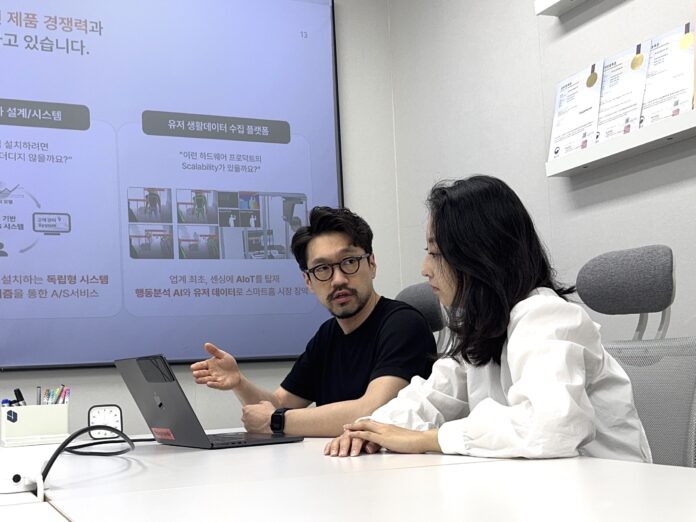
비즈니스 모델도 혁신적이다. 로보톰은 제품 판매와 함께 구독형 서비스를 준비 중이다. 월 10~20만원으로 로봇가구를 렌탈하고, 여기에 결합하는 소형 가구들을 교체 구독하는 서비스를 구상하고 있다.
“딥테크 기술이 프리미엄이라고 해서 가격도 프리미엄 소비자만을 위한 건 아니어야 한다고 생각해요. 2025년부터 양산 체계 도입으로 가격을 안정화시킬 계획입니다.”
글로벌 진출도 본격화한다. 로보톰은 싱가포르, 일본, 북미를 주요 타겟으로 삼는다. 이들 지역은 모두 주거비 부담과 공간 부족 문제가 심각한 곳들이다.
싱가포르는 전 세계에서 원룸 임대료가 가장 높은 지역 중 하나이다. 일본은 도쿄 중심으로 1인 가구 증가율이 세계 1위다.
조직 운영에서도 강희진 대표만의 철학이 돋보인다.
현재 15명의 팀원과 함께하는 그는 “사랑하라, 한 번도 상처받지 않은 것처럼”이라는 시 구절을 조직 운영 철학으로 삼는다고 했다.
“첫 번째 팀원이 퇴사할 때 윤세용 대표가 해준 말이에요. 스타트업 대표는 본질적으로 높은 이상을 추구하기 때문에 자주 실패하고 실망하죠. 하지만 그 순간 마음을 닫고, 팀원을 시스템의 일부로만 보기 시작하면 스타트업의 강력한 힘이 사라진다고 생각해요.”
윤세용 대표와의 팀워크도 인상적이다. 연세대 건축학과에서 만나 10년 넘게 함께해온 이들은 ‘0에서 1을 만드는 윤세용, 1에서 100을 만드는 강희진’으로 역할을 나눴다. 무에서 유를 만드는 윤세용 대표가 전략 기획과 기술개발을 맡고, 강희진 대표가 전략 실행과 사업 운영 전반을 담당한다.
“저희는 각자대표이사 체제로, 다른 한 사람의 동의 없이도 독립적으로 의사결정을 할 수 있어요. 이건 서로의 결정을 100% 신뢰한다는 단단한 믿음이 있어야 가능한 일이죠.”
향후 계획도 야심차다. 로보톰은 현재 Pre-A 라운드를 진행 중이며, 전체 투자금의 60% 이상을 확보한 상태다. SEED 라운드에서는 매쉬업벤처스와 코맥스벤처러스, 엑스플로인베스트먼트 등이 투자했다. 이들과는 단순 자금 지원을 넘어 건설사 연결, 기술 제휴 등 다양한 시너지를 만들고 있다.
AI 기술 접목도 진행 중이다. Depth-Only 데이터를 활용해 사용자의 생활 패턴을 학습하되, 프라이버시는 철저히 보호하는 딥러닝 인간행동 추론 모델을 개발하고 있다. 그리고 한국과학기술연구원과 협업해 멀티모달 데이터 기반 AI 알고리즘을 연구 중이다.
Ceily(씰리) 수직이동형 침대
“철근 콘크리트가 고층빌딩의 구현을 가능하게 했듯, 로보틱스는 주거의 다음 혁신이 될 겁니다.”
강희진 대표는 로보톰의 궁극적 비전을 이렇게 설명했다. 과거 동굴-움집-목조/석조-철근콘크리트로 이어진 주거 혁신의 다음 단계가 바로 로보틱스 주거라는 것이다.
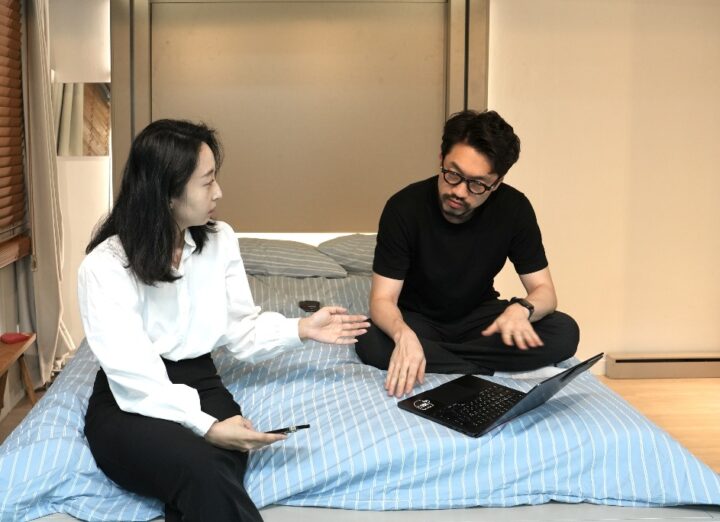
“중학생 때 꿈이 사람의 마음을 움직이는 건축가였어요. 건축가가 아닌 창업가가 되었지만, 지향점은 같아요. 기술을 통해 더 많은 사람들에게 더 자유롭고 풍요로운 삶의 가능성을 주고 싶습니다.”
현재 국내외 10건 이상의 특허를 출원 중인 로보톰. 4평 원룸에 갇혔던 이들에게 12평의 자유를 선사하겠다는 이들의 도전이 얼마나 현실화 될지 주목된다.
한 가지는 분명하다. 집이 더 이상 사람을 가두는 공간이 아니라, 사람을 위해 스스로 변하는 공간이 되고 있다는 것이다.
'A house where walls and ceilings dance' Robot furniture wizard Kang Hee-jin, CEO of 'Rovothome'
– Expand space by 2-3 times with ceiling bed and wall storage
-The limitations of space realized during the pandemic, solved with robotics
“My home has become a prison.”
It was a common feeling of frustration felt by people around the world at the beginning of the 2020 pandemic.
The house that should be a comfortable shelter felt like a prison from which one could not escape. Especially for the 2030 generation living in a 4-pyeong studio in Seoul, staying in a house with all sides blocked off is close to torture. The cramped reality of having to move the bed to make room for a desk, and moving it to make room for activities is difficult. It is a vicious cycle where real estate prices are skyrocketing and space is becoming narrower.
There is a startup that has stepped forward to solve this problem head-on. It is called 'Rovothome'. The 'Roboterior' technology they have developed allows a 4-pyeong space to be used as if it were 12-pyeong with a bed that comes down from the ceiling and a closet that comes out of the wall. It is not just a fantasy. They have already secured 17 billion won worth of letters of intent to purchase from construction companies, developers, and individual customers, and have also received about 4.5 billion won in support from the government.
“Space should not limit people, but change for people.”
Kang Hee-jin, CEO of Robotom, whom we met at the office in Munrae-dong, concisely explained her philosophy. Having formed a relationship with co-founder Yoon Se-yong while serving as the president of the Yonsei University Department of Architecture student council, she has worked in space consulting, an architectural firm, and a Silicon Valley proptech startup. She has accumulated experience crossing the boundaries of architecture, technology, and business, and is an architectural expert who has personally traveled to over 70 cities and pondered over ‘space.’
“When the pandemic hit in 2020, people all over the world used the expression ‘trapped’ in their homes. It made me realize that homes are not spaces for people, but rather, they are restricting their lives.”
The problem was not simply the area. Kang Hee-jin analyzed that the narrow environment, fixed spatial structure, and limitations in performing multiple functions properly in one space were a complex factor.
“With real estate prices skyrocketing, owning more space is no longer easy. So I thought we needed to change the way we use space.”
The core of Robo Terrier is 'physical space transformation'. If existing smart homes were limited to IoT remote control of lighting or home appliances, Robo Tom's technology actively expands the space itself. 'Ceily', the representative product of Robo Tom's brand Stagehands, is a bed that is raised from the ceiling that comes down only when needed to create a bedroom, and can be used as a living room during normal times. 'Wally' is a wall-mounted furniture that moves to be used as storage space during normal times, and as a desk or dining table when needed.
“The thing that was technically important and tricky was ‘noise.’”
For robot furniture to be used in living spaces, it had to be quiet above all else. CEO Kang Hee-jin laughed and said, “An object weighing over 100 kg is moved several times a day. If it was noisy, who would use it?”
Robotom's self-developed drive unit has reduced noise to 41dB (library level). It also has a triple safety device. It detects users in advance with a non-contact sensor to prevent collisions, and stops immediately in the event of an unexpected impact with real-time torque detection. It also prevents deviation from the path with an automatic angle correction algorithm.
“It stops immediately if it detects even a light push with two fingers. The goal is to become a natural part of the home so that users don’t even recognize it as a robot.”
The market response is hot. Robotom has secured letters of intent to purchase worth 17 billion won from construction companies and developers. Initially, it was targeting small residential spaces of about 4 pyeong, but recently, inquiries are pouring in from small and medium-sized apartments in Gangnam.
“A male customer in his 50s who lives in a 30-pyeong apartment in Gangnam worth over 2 billion won contacted us. He said that although his house is large, his only space is a room filled with beds. Another customer wanted our product to separate his space because his child keeps lying down on the bed when he tries to study at home.”
CEO Kang Hee-jin said, “What’s important is personalization beyond the expansion of space,” and added, “We are planning a product line that suits various lifestyles, such as Study Ceily (for students) and Collector’s Wally (for collectors).”
The business model is also innovative. Robotom is preparing a subscription service along with product sales. It is planning a service where users can rent robot furniture for 100,000 to 200,000 won per month and replace small furniture that is combined with it.
“I think that just because deep tech is premium, the price shouldn’t be just for premium consumers. We plan to stabilize prices by introducing a mass production system starting in 2025.”
Global expansion is also in full swing. Robotom is targeting Singapore, Japan, and North America as its main targets. These regions are all places where housing costs and space shortages are serious.
Singapore has one of the highest rents for single-room apartments in the world. Japan has the highest rate of growth in single-person households, especially in Tokyo.
CEO Kang Hee-jin's unique philosophy also stands out in the way the organization is run.
He currently has a team of 15 and says that the philosophy behind his organization is based on the verse, “Love like you’ve never been hurt.”
“This is what CEO Yoon Se-yong said when the first team member left the company. Startup CEOs naturally pursue high ideals, so they often fail and get disappointed. However, I think that if you close your mind at that moment and start seeing your team members as just part of the system, the startup’s strong power will disappear.”
The teamwork with CEO Yoon Se-yong is also impressive. Having met at Yonsei University’s Department of Architecture and worked together for over 10 years, they divided their roles into “Yoon Se-yong, who makes 1 from 0, and Kang Hee-jin, who makes 100 from 1.” CEO Yoon Se-yong, who makes something from nothing, is in charge of strategic planning and technology development, while CEO Kang Hee-jin is in charge of strategy execution and overall business operations.
“We have a system where each person is the CEO, so we can make decisions independently without the consent of the other person. This is possible only when we have a firm belief that we 100% trust each other’s decisions.”
Future plans are also ambitious. Robotom is currently conducting a Pre-A round and has secured more than 60% of the total investment. In the SEED round, Mashup Ventures, Commax Ventures, and Xplo Investment invested. With them, they are creating various synergies such as connecting with construction companies and technology partnerships beyond simple financial support.
AI technology is also being applied. We are developing a deep learning human behavior inference model that learns users’ lifestyle patterns using depth-only data while thoroughly protecting privacy. We are also researching multimodal data-based AI algorithms in collaboration with the Korea Institute of Science and Technology.
Ceily vertical bed
“Just as reinforced concrete made high-rise buildings possible, robotics will be the next innovation in housing.”
CEO Kang Hee-jin explained Robotom’s ultimate vision as follows: The next stage of housing innovation, which has continued from past caves, pit huts, wooden/stone, and reinforced concrete, is robotic housing.
“When I was in middle school, my dream was to be an architect who could move people’s hearts. I became an entrepreneur, not an architect, but my goal is the same. I want to give more people the possibility of a freer and more prosperous life through technology.”
Robotom is currently applying for more than 10 patents both domestically and internationally. It remains to be seen how realistic their challenge of giving 12-pyeong freedom to those who were trapped in 4-pyeong studio apartments will become.
One thing is clear: the home is no longer a space that confines people, but rather a space that transforms itself for people.
「壁と天井が踊る家」ロボット家具ウィザードカン・ヒジン「ロボトム(Rovothome)」代表
-天井ベッド・壁面収納でスペース2~3倍拡張
-ファンデミック時に悟った空間の限界、ロボティクスで解決
「家が刑務所になってしまいました」
2020年のファンデミック初期、全世界の人々が共通して感じた苦しみだった。
居心地の良い場所でなければならない家が抜け出せない刑務所のように感じられた。特にソウルの4坪ワンルームに住む2030世代に四方が詰まった家にとどまるのは拷問に近い。ベッドを片付ければ机を、これを動かすと活動空間を厳しく確保する窮屈な現実。不動産価格は高騰し、空間は狭くなる悪循環だ。
この問題を正面に解決すると発表したスタートアップがある。 「ロボトム(Rovothome)」だ。彼らが開発した「ロボテリア(Roboterior)」技術は、天井から降りてくるベッドと壁から出るワードローブで、4平空間を12坪のように使うことができるようにする。単なる想像ではありません。すでに建設会社、施行会社および個人顧客から170億ウォン規模の購買意向書を確保し、政府からも約45億ウォンの支援を受けた。
「空間が人を制限するのではなく、人のために変わらなければなりません」
ムンレドンにあるロボトム事務所で会ったカン・ヒジン代表は簡潔に本人の哲学を明らかにした。共同創業者のユン・セヨン代表と共に延世大学建築学科学生会長団を務めながら縁を築いた彼は、空間コンサルティングと建築事務所及びシリコンバレープロップテックスタートアップなどを経た。建築、技術、ビジネス境界を行き来する経験を積んできており、70以上の都市を直接回り、「空間」について悩んできた建築専門家だ。
「2020年にファンデミックが飛び出した時、世界中の人々が家に「閉じ込められた」という表現を書いています。
問題は単に面積ではなかった。狭い環境と固定された空間構造、一つの空間で複数の機能が重なり合ってきちんと遂行できない限界が複合的に作用したというのがカン・ヒジン代表の分析だ。
「高騰する不動産価格のため、面積をもっと所有するのは容易ではないことです。それならスペースを使う方法を変えなければならないと思いました。」
ロボテリアの核心は「物理的空間変形」である。既存のスマートホームが照明や家電のIoT遠隔制御にとどまった場合、ロボトムの技術は空間そのものを能動的に拡張する。ロボトムブランドStagehands(ステージハンズ)の代表製品である「Ceily(シーリー)」は、天井に載せたベッドが必要なときだけ降りて寝室を作り、普段はリビングとして活用できるようにする。 「Wally(ウォリ)」は壁面家具が動いて普段は収納空間で、必要に応じて机や食卓に変身する。
「技術的に重要でトリッキーだったのは「騒音」でした。」
ロボット家具が住宅空間で使用されるためには、何よりも静かでなければならなかった。カン・ヒジン代表は「100kgを超える物体が一日に何度も動くが、これが騒々しいなら誰が使うのか」と笑った。
ロボトムが自社開発した駆動部は騒音を41dB(図書館レベル)まで下げた。ここに三重安全装置も適用した。非接触式センサーでユーザーを事前に感知して衝突を予防し、リアルタイムトルク検知で予期しない衝撃時に直ちに停止する。また、自動角度補正アルゴリズムで経路逸脱を防止する。
「2本指で軽く押すほどの力だけが感知されてもすぐに止まります。ユーザーがロボットだと認識できないほど自然に家の一部になるのが目標です」
市場の反応は熱いです。ロボトムは建設会社や施行会社などから170億ウォン規模の購買意向書を確保した。当初4坪内外の小型住居空間をターゲットにしたが、最近は江南の中小型アパートでも問合せが殺到している。
「20億を超える江南30平台のアパートに住む50代の男性客が連絡してくれました。家は大きいけれど本当の空間はベッドでいっぱいの部屋一つだけです。また他の方は子どもが家で勉強しようとするとどんどんベッドに横たわると空間分離のために私たちの製品を望んでいました。」
カン・ヒジン代表は「重要なのは空間の拡張を超えた個人化」とし「Study Ceily(学生用)、Collector's Wally(収集可用)など多様なライフスタイルに合わせた製品群を計画している」と話した。
ビジネスモデルも革新的だ。ロボトムは製品の販売とともに購読型サービスを準備中だ。月10~20万ウォンでロボット家具をレンタルし、ここに結合する小型家具を交換購読するサービスを構想している。
「ディープテク技術がプレミアムだからといって価格もプレミアム消費者だけのためのものではないと思います。2025年から量産体系導入で価格を安定化させる計画です」
グローバル進出も本格化する。ロボトムはシンガポール、日本、北米を主要ターゲットとする。これらの地域はいずれも住宅費負担と空間不足問題が深刻なところだ。
シンガポールは世界中でワンルームレンタルが最も高い地域の一つである。日本は東京中心で1人世帯増加率が世界1位だ。
組織運営でもカン・ヒジン代表だけの哲学が際立つ。
現在15人のチームメンバーと一緒にいる彼は「愛せよ、一度も傷つかなかったかのように」という詩句を組織運営哲学にするという。
「最初のチームメンバーが退社したとき、ユン・セヨン代表がやってくれたのです。スタートアップ代表は本質的に高い理想を追求するのでよく失敗して失望します。 しかしその瞬間心を閉じて、チームメンバーをシステムの一部としてだけ見始めるとスタートアップの強力な力が消えると思います。」
ユン・セヨン代表とのチームワークも印象的だ。延世大建築学科で会って10年以上一緒にやってきた彼らは「0から1を作るユン・セヨン、1から100を作るカン・ヒジン」として役割を分けた。大根でユを作るユン・セヨン代表が戦略企画と技術開発を引き受け、カン・ヒジン代表が戦略実行と事業運営全般を担当する。
「私たちはそれぞれ代表取締役体制で、他の一人の同意なしに独立して意思決定をすることができます。
今後の計画も野心車だ。ロボトムは現在Pre-Aラウンドを進行中であり、全体投資金の60%以上を確保した状態だ。 SEEDラウンドではマッシュアップベンチャーズとコマックスベンチャーラス、エクスプロインベストメントなどが投資した。これらとは単純資金支援を超えて建設会社の連結、技術連携など多様なシナジーを作っている。
AI技術の接木も進行中だ。 Depth-Onlyデータを活用してユーザーの生活パターンを学習するが、プライバシーは徹底的に保護するディープラーニング人間行動推論モデルを開発している。そして韓国科学技術研究院と協業してマルチモーダルデータ基盤AIアルゴリズムを研究中だ。
Ceily(シーリー)垂直移動式ベッド
「鉄筋コンクリートが高層ビルの実装を可能にしたように、ロボティクスは住宅の次の革新になるでしょう」
カン・ヒジン代表はロボトムの究極のビジョンをこう説明した。過去の洞窟 – 住宅 – 木造/石造り – 鉄筋コンクリートにつながった住宅革新の次の段階がまさにロボティクス住居だということだ。
「中学生の時、夢が人の心を動かす建築家でした。建築家ではなく創業家になりましたが、志向点は同じです。技術を通じて、より多くの人々により自由で豊かな生活の可能性を与えたいと思います」
現在国内外10件以上の特許を出願中のロボトム。 4坪ワンルームに閉じ込められた人々に12坪の自由をプレゼントするという彼らの挑戦がどれほど現実化されるか注目される。
一つは明らかです。家がもはや人を閉じ込める空間ではなく、人のために自ら変わる空間になっているということだ。
“墙壁和天花板跳舞的房子”机器人家具奇才“Rovothome”首席执行官姜熙珍
– 使用天花板床和墙壁储物空间,将空间扩大 2-3 倍
-大流行期间意识到的空间限制,通过机器人技术解决
“我的家已经变成了监狱。”
这是 2020 年疫情爆发之初,世界各地人们普遍感到的沮丧情绪。
原本应该舒适的住所,如今却成了一座无法逃脱的牢笼。尤其对于居住在首尔四坪单间公寓的2030一代人来说,住在四面都被封死的房子里,简直是酷刑。为了腾出桌子,不得不挪动床;为了腾出活动空间,不得不挪动床,这种狭小的现实实在令人难以忍受。房价飞涨,空间却越来越狭窄,这形成了一个恶性循环。
有一家初创公司正着手解决这个问题。它就是“Rovothome”。他们开发的“Roboterior”技术,可以让4坪的空间变成12坪的空间,床从天花板垂下来,衣柜从墙里伸出来。这不再只是幻想。他们已经从建筑公司、开发商和个人客户那里获得了价值170亿韩元的购买意向书,并获得了约45亿韩元的政府支持。
“空间不应该限制人,而应该为人而改变。”
我们在文来洞办公室见到的Robotom CEO姜熙珍,简洁地阐述了她的理念。姜熙珍在担任延世大学建筑系学生会长期间与联合创始人尹世勇结缘,之后在空间咨询公司、建筑公司以及硅谷的房地产科技初创公司工作。她积累了跨越建筑、科技和商业界限的经验,是一位亲自走访过70多个城市,对“空间”进行思考的建筑专家。
2020年疫情爆发时,世界各地的人们都用‘困’在家里这个词。这让我意识到,家不仅仅是人们的栖身之所,更是限制人们生活的空间。
问题不仅仅是区域问题。姜熙镇分析说,狭窄的环境、固定的空间结构、以及在一个空间内有效发挥多种功能的限制是一个复杂的因素。
“随着房地产价格飞涨,拥有更多空间已不再容易。所以我认为我们需要改变利用空间的方式。”
Robo Terrier 的核心是“物理空间改造”。如果说现有的智能家居仅限于通过物联网远程控制照明或家电,那么 Robo Tom 的技术则能够积极拓展空间本身。Robo Tom 旗下品牌 Stagehands 的代表产品“Ceily”是一款从天花板升起的床,仅在需要时降下,打造卧室空间,平时可用作客厅。“Wally”是一款壁挂式家具,可以移动,平时用作储物空间,需要时可用作书桌或餐桌。
“从技术上来说,重要且棘手的是‘噪音’。”
机器人家具要应用于生活空间,首先要安静。姜熙镇代表笑着说:“一个重达100多公斤的物体,一天要搬动好几次。如果噪音很大,谁会用呢?”
Robotom自主研发的驱动单元将噪音降至41dB(图书馆级别)。它还配备了三重安全装置。它通过非接触式传感器提前检测用户,以防止碰撞;并通过实时扭矩检测,在发生意外撞击时立即停止。它还通过自动角度校正算法防止偏离路径。
“即使它检测到两根手指的轻轻一推,也会立即停止。我们的目标是让它成为家庭中自然的一部分,让用户甚至无法意识到它是一个机器人。”
市场反应热烈。Robotom已获得来自建筑公司和开发商的价值170亿韩元的收购意向书。最初,该公司瞄准的是约4坪的小型住宅空间,但最近,来自江南区中小型公寓的咨询也纷至沓来。
一位住在江南区一套价值超过20亿韩元的30坪公寓的50多岁男性顾客联系了我们。他说,虽然他的房子很大,但他唯一的空间就是一个摆满床的房间。另一位顾客希望我们的产品能帮他分隔空间,因为他的孩子在家学习时总是躺在床上。
姜熙镇代表表示,“除了扩大空间,个性化也很重要”,并表示,“我们正在策划Study Ceily(面向学生)、Collector’s Wally(面向收藏家)等适合各种生活方式的产品线”。
商业模式也颇具创新。Robotom除了销售产品外,还在筹备订阅服务。该公司计划推出一项服务,用户可以每月以10万至20万韩元的价格租用机器人家具,并更换与之组合的小型家具。
“我认为,深度科技不应该仅仅因为高端而只针对高端消费者。我们计划从2025年开始引入量产系统来稳定价格。”
全球扩张也在如火如荼地进行。Robotom 将新加坡、日本和北美作为主要目标市场。这些地区都是住房成本和空间短缺问题较为严重的地区。
新加坡是世界上单间公寓租金最高的国家之一。日本是单人家庭增长率最高的国家,尤其是在东京。
首席执行官姜熙镇 (Kang Hee-jin) 的独特理念也体现在组织的运营方式中。
他目前拥有一支 15 人的团队,并表示其团队的理念是基于这样一句格言:“去爱,就像你从未受过伤一样。”
“这是尹世勇CEO在第一位团队成员离开公司时说的话。初创企业的CEO天生追求高远的理想,所以他们经常会失败,也会感到失望。但是,我认为,如果你在那一刻封闭自己的思维,开始将团队成员视为系统的一部分,那么初创企业强大的力量就会消失。”
与尹世镛代表的团队合作也令人印象深刻。两人在延世大学建筑系相识,并共事超过10年,分工合作,形成“从0到1的尹世镛代表和从1到100的姜熙珍代表”。从零开始创造的尹世镛代表负责战略规划和技术开发,姜熙珍代表则负责战略执行和整体事业运营。
“我们有一个系统,每个人都是CEO,所以我们可以独立做出决策,无需其他人的同意。只有当我们坚信100%信任彼此的决定时,这才有可能。”
未来的计划也雄心勃勃。Robotom 目前正在进行 Pre-A 轮融资,并已获得超过 60% 的投资。在种子轮融资中,Mashup Ventures、Commax Ventures 和 Xplo Investment 进行了投资。除了简单的资金支持外,Robotom 还将与这些投资方合作,创造各种协同效应,例如与建筑公司建立联系、开展技术合作等。
人工智能技术也正在得到应用。我们正在开发一种深度学习人类行为推理模型,该模型能够利用纯深度数据学习用户的生活模式,同时全面保护隐私。我们还在与韩国科学技术研究院合作研究基于多模态数据的人工智能算法。
Ceily 垂直床
“正如钢筋混凝土使高层建筑成为可能一样,机器人技术将成为住房领域的下一个创新。”
Robotom代表姜熙镇这样阐述其最终愿景:从过去的洞穴、地坑、木屋/石屋、钢筋混凝土等建筑形式延续至今的住房创新的下一个阶段是机器人住房。
“中学时期,我的梦想是成为一名能够感动人心的建筑师。后来我成为了一名企业家,而不是建筑师,但我的目标是一样的。我想通过科技,让更多人拥有更自由、更富足的生活。”
Robotom目前正在国内外申请10多项专利。他们提出的“让被困在4坪单间公寓的人获得12坪自由”的挑战,能否实现,还有待观察。
有一点是明确的:家不再是一个限制人们的空间,而是一个为人们而改变的空间。
« Une maison où les murs et les plafonds dansent » Le robot sorcier du meuble Kang Hee-jin, PDG de « Rovothome »
– Agrandissez l'espace de 2 à 3 fois avec un lit au plafond et un rangement mural
-Les limitations d'espace constatées pendant la pandémie, résolues grâce à la robotique
« Ma maison est devenue une prison. »
C’était un sentiment de frustration commun ressenti par les gens du monde entier au début de la pandémie de 2020.
La maison, censée être un abri confortable, ressemblait à une prison dont on ne pouvait s'échapper. Pour la génération 2030 vivant dans un studio de 4 pièces à Séoul, vivre dans une maison entièrement fermée est une véritable torture. La réalité exiguë de devoir déplacer le lit pour faire de la place à un bureau, et celui-ci pour des activités, est difficile. C'est un cercle vicieux où les prix de l'immobilier flambent et où l'espace se rétrécit.
Une start-up s'est lancée dans une véritable solution à ce problème : « Rovothome ». La technologie « Roboterior » qu'elle a développée permet d'utiliser un espace de 4 pyeongs comme s'il en était un de 12 pyeongs, avec un lit qui descend du plafond et une armoire qui sort du mur. Ce n'est pas un simple fantasme. L'entreprise a déjà obtenu des lettres d'intention d'achat d'une valeur de 17 milliards de wons auprès d'entreprises de construction, de promoteurs et de particuliers, et a également reçu environ 4,5 milliards de wons de soutien du gouvernement.
« L’espace ne devrait pas limiter les gens, mais changer pour les gens. »
Kang Hee-jin, PDG de Robotom, que nous avons rencontrée au bureau de Munrae-dong, nous a expliqué sa philosophie avec concision. Ayant noué une relation avec le cofondateur Yoon Se-yong alors qu'elle était présidente du conseil étudiant du département d'architecture de l'université Yonsei, elle a travaillé dans le conseil en aménagement du territoire, dans un cabinet d'architecture et dans une start-up proptech de la Silicon Valley. Forte d'une expérience transversale entre architecture, technologie et entreprise, elle est une experte en architecture qui a personnellement voyagé dans plus de 70 villes et s'est interrogée sur la notion d'« espace ».
Lorsque la pandémie a frappé en 2020, partout dans le monde, on parlait de “coincés” chez soi. Cela m'a fait comprendre que les maisons ne sont pas des espaces pour les gens, mais qu'elles restreignent leur vie.
Le problème ne résidait pas uniquement dans la superficie. Kang Hee-jin a analysé l'étroitesse de l'environnement, la structure spatiale fixe et les limitations à l'exécution correcte de plusieurs fonctions dans un même espace.
Avec la flambée des prix de l'immobilier, acquérir plus d'espace n'est plus chose aisée. J'ai donc pensé qu'il fallait changer notre façon d'utiliser l'espace.
Le cœur de Robo Terrier est la transformation de l'espace physique. Si les maisons intelligentes actuelles se limitaient au contrôle à distance de l'éclairage ou des appareils électroménagers via l'IoT, la technologie de Robo Tom agrandit activement l'espace. « Ceily », produit emblématique de la marque Stagehands de Robo Tom, est un lit surélevé qui se déploie uniquement en cas de besoin pour créer une chambre et peut servir de salon en temps normal. « Wally » est un meuble mural mobile qui peut servir d'espace de rangement en temps normal et de bureau ou de table à manger en cas de besoin.
« Ce qui était techniquement important et délicat, c’était le « bruit ». »
Pour que les meubles robotisés soient utilisés dans les espaces de vie, il fallait avant tout qu'ils soient silencieux. Le PDG Kang Hee-jin a ri et a déclaré : « Un objet de plus de 100 kg est déplacé plusieurs fois par jour. S'il était bruyant, qui l'utiliserait ? »
Le moteur développé par Robotom réduit le bruit à 41 dB (niveau de la bibliothèque). Il est également doté d'un triple dispositif de sécurité. Il détecte les utilisateurs à l'avance grâce à un capteur sans contact pour éviter les collisions et s'arrête immédiatement en cas d'impact inattendu grâce à la détection du couple en temps réel. Il empêche également toute déviation de la trajectoire grâce à un algorithme de correction automatique des angles.
Il s'arrête immédiatement dès qu'il détecte une légère pression avec deux doigts. L'objectif est de s'intégrer naturellement à la maison afin que les utilisateurs ne le reconnaissent même pas comme un robot.
La réaction du marché est enthousiaste. Robotom a obtenu des lettres d'intention d'achat d'une valeur de 17 milliards de wons auprès d'entreprises de construction et de promoteurs. Initialement, l'entreprise ciblait des petits espaces résidentiels d'environ 4 pyeong, mais récemment, les demandes de logements de petite et moyenne taille à Gangnam affluent.
Un client d'une cinquantaine d'années, habitant un appartement de 30 pyeongs à Gangnam, d'une valeur de plus de 2 milliards de wons, nous a contactés. Il nous a expliqué que, malgré sa grande maison, son seul espace était une pièce remplie de lits. Un autre client souhaitait que notre produit sépare son espace, car son enfant s'allongeait constamment sur le lit lorsqu'il essayait d'étudier à la maison.
Le PDG Kang Hee-jin a déclaré : « Ce qui est important, c'est la personnalisation au-delà de l'agrandissement de l'espace », et a ajouté : « Nous prévoyons une gamme de produits qui convient à différents styles de vie, comme Study Ceily (pour les étudiants) et Collector's Wally (pour les collectionneurs). »
Le modèle économique est également innovant. Robotom prépare un service d'abonnement parallèlement à la vente de produits. L'entreprise prévoit de louer des meubles robotisés pour 100 000 à 200 000 wons par mois et de remplacer les petits meubles associés.
Je pense que, même si la deep tech est premium, son prix ne devrait pas être réservé aux consommateurs haut de gamme. Nous prévoyons de stabiliser les prix en introduisant un système de production de masse dès 2025.
L'expansion mondiale bat également son plein. Robotom cible principalement Singapour, le Japon et l'Amérique du Nord. Ces régions sont toutes confrontées à de graves problèmes de coût du logement et de pénurie d'espace.
Singapour affiche l'un des loyers les plus élevés au monde pour les appartements d'une seule pièce. Le Japon affiche le taux de croissance le plus élevé du nombre de ménages d'une seule personne, notamment à Tokyo.
La philosophie unique du PDG Kang Hee-jin se distingue également dans la manière dont l’organisation est gérée.
Il a actuellement une équipe de 15 personnes et dit que la philosophie de son organisation est basée sur le verset « Aimez comme si vous n’aviez jamais été blessé ».
« C'est ce qu'a déclaré le PDG Yoon Se-yong lorsque le premier membre de l'équipe a quitté l'entreprise. Les PDG de startups poursuivent naturellement des idéaux élevés, ce qui les rend souvent déçus et échouent. Cependant, je pense que si vous fermez votre esprit à ce moment-là et commencez à considérer les membres de votre équipe comme de simples éléments du système, la puissance de la startup disparaîtra. »
Le travail d'équipe avec le PDG Yoon Se-yong est également impressionnant. Après s'être rencontrés au département d'architecture de l'université Yonsei et avoir travaillé ensemble pendant plus de dix ans, ils se sont répartis les rôles entre « Yoon Se-yong, qui crée 1 à partir de 0, et Kang Hee-jin, qui crée 100 à partir de 1 ». Le PDG Yoon Se-yong, qui crée quelque chose à partir de rien, est responsable de la planification stratégique et du développement technologique, tandis que le PDG Kang Hee-jin est responsable de l'exécution de la stratégie et des opérations commerciales globales.
« Nous avons un système où chaque personne est PDG, ce qui nous permet de prendre des décisions de manière indépendante, sans le consentement de l'autre personne. Cela n'est possible que si nous sommes convaincus que nous avons une confiance totale dans les décisions de chacun. »
Les projets futurs sont également ambitieux. Robotom mène actuellement un tour de table pré-A et a obtenu plus de 60 % de l'investissement total. Mashup Ventures, Commax Ventures et Xplo Investment ont également investi dans le tour d'amorçage. Avec ces derniers, Robotom crée diverses synergies, notamment des liens avec des entreprises de construction et des partenariats technologiques allant au-delà du simple soutien financier.
L'IA est également utilisée. Nous développons un modèle d'apprentissage profond pour l'inférence du comportement humain, capable d'apprendre les habitudes de vie des utilisateurs à partir de données de profondeur, tout en protégeant rigoureusement la confidentialité. Nous menons également des recherches sur des algorithmes d'IA multimodaux basés sur des données, en collaboration avec l'Institut coréen des sciences et technologies.
Lit vertical Ceily
« Tout comme le béton armé a rendu possible la construction d’immeubles de grande hauteur, la robotique sera la prochaine innovation dans le domaine du logement. »
Le PDG Kang Hee-jin a expliqué la vision ultime de Robotom comme suit : La prochaine étape de l'innovation en matière de logement, qui s'inscrit dans la continuité des grottes, des huttes en fosse, du bois/pierre et du béton armé du passé, est le logement robotisé.
« Au collège, mon rêve était de devenir architecte et de toucher le cœur des gens. Je suis devenu entrepreneur, pas architecte, mais mon objectif est le même. Je veux offrir à davantage de personnes la possibilité d'une vie plus libre et plus prospère grâce à la technologie. »
Robotom dépose actuellement plus de dix brevets, tant au niveau national qu'international. Reste à voir si son défi de redonner une liberté de 12 pyeong à ceux qui étaient coincés dans des studios de 4 pyeong deviendra réaliste.
Une chose est claire : la maison n’est plus un espace qui confine les gens, mais plutôt un espace qui se transforme pour les gens.
You must be logged in to post a comment.