




“이게 2025년 맞나요?”
서울 영등포의 한 스타트업 사무실에서 마주한 이덕행 랜드업 대표의 말이 뇌리에 박혔다. 그는 책상 위에 엑셀 파일 수십 개를 펼쳐놓고 덧붙였다. “아직도 부동산 개발은 사람이 손으로 수치를 계산하고, 오류가 나면 다시 처음으로 돌아가죠.”
그의 옆, 모니터 속 서비스를 보며 다시 한 번 놀란다. 주소 하나만 입력하면 15페이지짜리 사업성 분석 보고서가 몇 분 만에 완성되는 시대. ‘반복’은 기계에게 넘기고, ‘판단’은 사람의 몫으로 남기는 흐름이다. 그 짧은 장면에서 글의 주제를 떠올렸다.
지난 3개월여간, 프롭테크 생태계에서 빠르게 성장 중인 창업자 12명을 만났다. 랜드업, 파이퍼블릭, 디스코, 삼삼엠투(스페이스브이), 아키스케치, 포비콘, 데브올컴퍼니, 클라우드앤, 이제이엠컴퍼니(우리가), 지오그리드, 레디포스트, 컨텍터스. 세부 영역은 달랐지만, 이들이 공통적으로 건드린 지점은 명확하다. 반복을 줄이고, 관계를 정비하며, 구조를 새로 짜는 기술의 등장이다.
주소 하나, 수작업의 끝: 반복을 바꾸는 기술들
“사업성 검토만 일주일, 그 사이 기회는 남의 손에 넘어갑니다.” 이덕행 대표가 내놓은 해법은 복잡하지 않았다. 주소를 입력하면 입지·수익성·시공성 등을 정량 분석한 보고서를 자동 출력해주는 시스템이다. 단순한 자동화가 아니라, 실무 흐름 자체를 바꾸는 워크플로우 혁신이다.
같은 맥락은 송중석 포비콘 대표에게서도 이어졌다. 그는 건축 도면 물량 산출에 AI를 접목해, 수작업 10시간을 20분으로 줄였다. “기술은 사람을 대체하지 않아요. 시간의 구조를 바꿀 뿐이죠.” 그의 말처럼, 혁신은 사람의 손이 아니라 판단 시점을 앞당겼다.
이장규 데브올컴퍼니 대표는 이를 ‘AI 부사수’라고 불렀다. 계약·청구·수납 등 반복 업무를 자동화하면서, 기술을 “경영진이 아닌, 실무자 옆에 앉은 조용한 조력자”로 정의한다. 기술은 사람 사이에 있었다.
데이터의 민주화, ‘정문’을 연 사람들
“왜 투자 정보는 늘 기관에만 있죠?” 이호승 파이퍼블릭 대표의 질문에서 시작된 변화다. 성과 기반 수수료, AI 기반 자산 리스크 분석 플랫폼 ‘리얼리틱스’를 통해 그는 부동산 간접투자의 장을 열었다. 정보는 권력이 아닌, 도구가 되어야 한다는 철학이다.
“부동산 정보가 소수의 것이어야 할 이유는 없어요. 투명성이 시장을 건강하게 만들죠.” 배우순 대표의 디스코는 실거래가·매물 정보를 지도 위에 올렸다. 그 위로 사람들은 정보를 공유하고, 연결하고, 설명을 붙였다. 정보는 도구를 넘어 커뮤니티의 바닥이 된다.
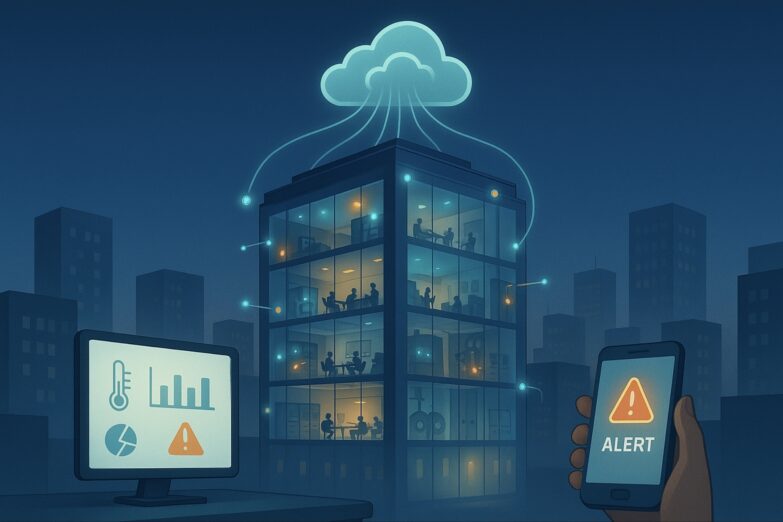
김정석 대표의 클라우드앤은 건물 내부의 온도·전력·설비 상태를 24시간 감지하는 IoT 기반 ‘디지털 닥터’를 만들었다. 건물이 살아있다면, 그 건강 상태를 가장 먼저 감지하는 의사이자 관리자 역할이다. 데이터는 도시에 감각을 부여하고 있었다.
조합 총회를 하려면, 여전히 우편을 보내고 도장을 받아야 한다. 윤의진 이제이엠컴퍼니 대표는 “조합원 한 명이 도장을 찍지 않으면 총회 무효”라는 현실에 절망했다. 그래서 전자 총회 플랫폼을 만들었다. 도시정비 사업의 숨은 행정을 기술로 걷어낸 것이다.

정주 대신 체류, 관계를 다시 짓는 플랫폼들
프롭테크는 ‘머무는 방식’을 바꾸고 있다. 박형준 삼삼엠투 대표는 보증금 33만 원에 단기로 머무는 주거 플랫폼을 만들었다. “1인 가구, 프로젝트 워커, 청년층에게는 정주보다 유연한 체류가 필요해요.” 집은 소유가 아닌, 경험이 되고 있다.
이주성 대표의 아키스케치는 3D 인테리어 설계를 누구나 할 수 있게 만들며, 디자인을 깃허브처럼 공유하게 했다. “디자인도 오픈소스가 될 수 있죠.” 창작은 혼자가 아니라 함께 하는 것이라는 발상 전환이다.
신동훈 컨텍터스 COO는 중소형 건물 운영에 ‘둥지’라는 이름을 붙였다. 물리적 거점과 디지털 플랫폼을 결합해 5분 내 대응 체계를 구축했다. “건물은 보살핌이 필요해요. 기술은 그 돌봄을 가능하게 하죠.”
기술은 반복을 줄이고, 관계를 다시 짓는다
이들에게 늘 비슷한 말을 들었다. “기술은 사람을 대체하는 게 아니라, 확장시키는 것.” 그리고 그 말이 단지 겸손이 아니란 걸 알게 됐다. 이들의 기술은 실제로 사람의 능력을 확장하고, 관계를 복원하며, 구조를 개선한다.
랜드업의 주소 입력 시스템은 중소 시행사에게 대기업 수준의 분석 도구를 제공했다. 파이퍼블릭과 디스코는 정보의 벽을 허물어 투자와 거래의 문턱을 낮춘다. 레디포스트(총회원스탑)과 이제이엠컴퍼니(우리가)는 폐쇄적인 의사결정 구조를 투명하게 바꿨다. 삼삼엠투와 아키스케치는 소유와 창작의 새로운 모델을 제시했다.
프롭테크는 도시에 질문을 하고 있다. 반복을 견딜 것인가, 아니면 바꿀 것인가. 그 질문에 해답을 얻은 사람들을 만났다. 이들의 도시 리듬은 이전과 다르다. 빠르지만 인간적이고, 효율적이지만 연결고리는 끈끈하다.
도시는 여전히 반복된다. 기계가 맡은 반복은 사람에게 새로운 시간을 선물하고, 사람이 만든 관계는 기계에게 목적을 부여한다. 낡은 리듬 위에 새로운 박자를 얹는 기술. 그 리듬이야말로, 다시 도시에 기대는 이유다.
'PropTech' changes the repetitive urban rhythm
“Is this really 2025?”
The words of Lee Deok-haeng, CEO of Landup, that I encountered at a startup office in Yeongdeungpo, Seoul, stuck in my mind. He added, with dozens of Excel files spread out on his desk, “Real estate development is still done by people manually calculating figures, and if there is an error, it goes back to the beginning.”
Next to him, I am surprised once again as I look at the service on the monitor. It is an era where a 15-page business analysis report is completed in a few minutes by entering just one address. The 'repetition' is handed over to the machine, and the 'judgment' is left to the human. The topic of the article came to mind from that short scene.
Over the past three months, I have met 12 entrepreneurs who are growing rapidly in the PropTech ecosystem. Landup, Piperblic, Disco, SamSamM2 (Space V), Archisketch, Pobicon, Devall Company, Cloud &, JEM Company (Woori), GeoGrid, ReadyPost, and Contactus. The specific areas are different, but the common ground they touch on is clear. It is the emergence of technologies that reduce repetition, organize relationships, and restructure.
One Address, the End of Manual Work: Techniques That Change Repetition
“It takes a week just to review the business feasibility, and in the meantime, the opportunity falls into someone else’s hands.” The solution presented by CEO Lee Deok-haeng was not complicated. It is a system that automatically outputs a report that quantitatively analyzes location, profitability, and construction feasibility when you enter an address. It is not a simple automation, but a workflow innovation that changes the flow of work itself.
The same context was followed by Song Joong-seok, CEO of Pobicon. He applied AI to the calculation of architectural drawing quantities, reducing manual work from 10 hours to 20 minutes. “Technology does not replace people. It just changes the structure of time.” As he said, innovation did not come from human hands, but rather brought forward the point of judgment.
Lee Jang-gyu, CEO of Devol Company, called it the “AI assistant.” By automating repetitive tasks such as contracts, billing, and receipts, he defined technology as “a quiet assistant sitting next to the workers, not the executives.” Technology was between people.
Democratizing Data, People Who Opened the 'Front Door'
“Why is investment information always only available to institutions?” This change began with the question asked by Lee Ho-seung, CEO of Piper Republic. Through performance-based fees and AI-based asset risk analysis platform ‘Realistics’, he opened the door to indirect real estate investment. The philosophy is that information should be a tool, not power.
“There is no reason why real estate information should be limited to a few people. Transparency makes the market healthy.” Disco, led by CEO Bae-soon, put real transaction prices and listing information on the map. People shared, connected, and added explanations to the information. Information goes beyond a tool and becomes the foundation of the community.
Kim Jeong-seok's Cloud & has created an IoT-based 'digital doctor' that detects the temperature, power, and facility status inside a building 24 hours a day. If a building is alive, it is the first doctor and manager to detect its health status. Data is giving sense to the city.
In order to hold a union general meeting, you still have to send mail and get a stamp. Yoon Eui-jin, CEO of Lee Jae-M Company, despaired at the reality that “if one union member does not stamp the stamp, the general meeting is invalid.” That is why he created an electronic general meeting platform. He has eliminated the hidden administration of urban development projects with technology.
Platforms for staying instead of settling down, for rebuilding relationships
Proptech is changing the ‘way of staying’. Park Hyung-jun, CEO of SamSamM2, created a short-term housing platform with a deposit of 330,000 won. “Single-person households, project workers, and young people need flexible accommodations rather than permanent residences.” A home is becoming an experience, not a possession.
Lee Joo-seong's Archisketch allows anyone to design 3D interiors and share designs like GitHub. "Design can also be open source." It is a change of perspective that creation is not something you do alone, but something you do together.
Shin Dong-hoon, COO of Contactus, named the operation of small and medium-sized buildings 'Nest'. By combining physical bases and digital platforms, he built a response system within five minutes. "Buildings need care. Technology makes that care possible."
Technology reduces repetition and rebuilds relationships
I always heard them say the same thing: “Technology doesn’t replace people, it extends them.” And I learned that this wasn’t just condescension. Their technology actually extends human capabilities, restores relationships, and improves structures.
Landup's address entry system provided small and medium-sized operators with analysis tools on a large scale. Piper Republic and Disco broke down the information wall and lowered the threshold for investment and transactions. Ready Post (General One Stop) and JEM Company (Woori) changed the closed decision-making structure to transparency. SamSamM2 and Archisketch presented new models of ownership and creation.
Proptech is asking the city a question: will it endure repetition or change? We met people who have found the answer to that question. Their urban rhythm is different from the past. It is fast but human, efficient but tightly connected.
The city is still repeating. The repetition that the machine takes on gives people new time, and the relationships that people create give the machine purpose. The technology that puts a new beat on the old rhythm. That rhythm is the reason why we rely on the city again.
「プロップテック」は繰り返される都市リズムを変える
「これは2025年ですか?」
ソウル永登浦(ヨンドゥンポ)のあるスタートアップ事務所で対面したイ・ドクハンランドアップ代表の言葉が脳裏に打ち込まれた。
彼の隣、モニターの中のサービスを見て、もう一度驚く。
過去3ヶ月余り、プロップテック生態系で急速に成長している創業者12人に出会った。触れた地点は明確だ。
1つのアドレス、手作業の終わり:繰り返しを変える技術
「事業性検討だけ一週間、その間の機会は他人の手に渡ります。」 李徳行代表が出した解法は複雑ではなかった。
同じ文脈はソン・ジュンソクのポビコン代表からも続いた。
イ・ジャンギュ・デブオールカンパニー代表はこれを「AI副死数」と呼んだ。
データの民主化、「正門」を開いた人
「なぜ投資情報はいつも機関にあるのでしょうか?」イ・ホスンのパイパーブリック代表の質問から始まった変化だ。
「不動産情報が少数のものでなければならない理由はありません。透明性が市場を元気にします。」
キム・ジョンソク代表のクラウドアンは、建物内部の温度・電力・設備状態を24時間感知するIoTベースの「デジタルドクター」を作った。
組合総会をするには、依然として郵便を送って塗装を受けなければならない。
定住の代わりに滞在、関係を再構築するプラットフォーム
プロップテックは「滞在する方法」を変えている。
イ・ジュソン代表のアキスケッチは、3Dインテリア設計を誰でもできるようにし、デザインをフラッグハブのように共有させた。
シン・ドンフン・コンテクターズCOOは、中小型建物の運営に「巣」という名前をつけた。
技術は反復を減らし、関係を再構築する
彼らはいつも似たような言葉を聞いた。
ランドアップの住所入力システムは、中小施行会社に大企業レベルの分析ツールを提供した。提示した。
プロップテックは都市に質問をしているのか、それとも変えるのか。
都市は依然として繰り返される。機械が引き受けた繰り返しは人に新しい時間をプレゼントし、人が作った関係は機械に目的を与える。
“PropTech”改变了重复的城市节奏
“这真的是2025年吗?”
在首尔永登浦的创业公司办公室里,我碰到了Landup CEO李德行,他的一句话让我印象深刻。他桌上摆满了几十个Excel文件,说道:“房地产开发现在还是靠人工计算,一旦出错就得从头再来。”
坐在他旁边,我看着屏幕上的服务,再次感到震惊。这是一个只需输入一个地址,几分钟就能完成15页商业分析报告的时代。“重复”交给了机器,而“判断”则交给了人类。文章的主题正是从那短短的一幕浮现在我的脑海中。
在过去的三个月里,我认识了12位在PropTech生态系统中快速成长的创业者。Landup、Piperblic、Disco、SamSamM2(Space V)、Archisketch、Pobicon、Devall Company、Cloud &、JEM Company(Woori)、GeoGrid、ReadyPost和Contactus。他们涉足的具体领域各不相同,但共同点显而易见。那就是减少重复、组织关系和重构结构的技术的兴起。
一个地址,结束手工工作:改变重复的技术
“光是评估商业可行性就需要一周时间,而在此期间,机会往往落入他人之手。”首席执行官李德行提出的解决方案并不复杂。这是一个系统,只要输入地址,就能自动输出一份量化分析地理位置、盈利能力和建设可行性的报告。这并非简单的自动化,而是一项改变工作流程本身的工作流程创新。
同样的背景也出现在Pobicon的CEO宋仲锡身上。他将AI应用于建筑图纸工程量的计算,将人工计算时间从10小时缩短到20分钟。“科技不会取代人,它只是改变了时间的结构。” 正如他所说,创新并非源于人类之手,而是将判断点提前。
Devol公司首席执行官李章圭将其称为“AI助手”。通过自动化合同、账单和收据等重复性任务,他将技术定义为“坐在员工旁边的安静助手,而不是高管旁边的助手”。技术存在于人与人之间。
数据民主化,打开“前门”的人
“为什么投资信息总是只有机构才能获取?”这一转变始于Piper Republic首席执行官李浩升的疑问。他通过基于绩效的收费和基于人工智能的资产风险分析平台“Realistics”,开启了间接房地产投资的大门。他的理念是,信息应该成为一种工具,而不是权力。
“房地产信息不应该只限于少数人。透明度才能促进市场健康发展。” 在首席执行官裴顺的带领下,Disco 将真实的成交价格和房源信息发布到地图上。人们分享、联系,并为这些信息提供解释。信息不再只是一种工具,而是社区的基石。
金正硕的Cloud&公司打造了一款基于物联网的“数字医生”,可以全天候监测建筑物内部的温度、电力和设施状态。如果建筑物还活着,它就是第一位监测其健康状况的医生和管理者。数据正在赋予城市意义。
工会会员大会现在还得邮寄,盖章。李在民公司代表尹义镇对“只要有一名工会会员不盖章,会员大会就无效”的现实感到无奈。为此,他创建了一个电子会员大会平台。他用科技手段,彻底清除了城市发展项目中的隐性行政环节。
留下来而不是安定下来,重建关系的平台
房地产科技正在改变“居住方式”。SamSamM2 首席执行官朴亨俊创建了一个短期住房平台,押金只需 33 万韩元。“单身家庭、项目工人和年轻人需要灵活的住宿,而不是永久住所。” 家正在成为一种体验,而非一种拥有物。
李柱成的Archisketch允许任何人进行3D室内设计,并像GitHub一样分享设计。“设计也可以开源。”这是一种视角的转变,即创作不再是独自完成的,而是需要大家共同参与。
Contactus首席运营官申东勋将中小型楼宇的运营称为“巢穴”。他通过结合实体基础和数字平台,在五分钟内构建了一套响应系统。“楼宇需要呵护,科技让这种呵护成为可能。”
技术减少重复并重建关系
我总是听到他们说同一句话:“科技不会取代人,只会延伸人。” 我发现这并非只是一种傲慢。他们的技术确实延伸了人类的能力,修复了人际关系,改善了社会结构。
Landup的地址录入系统为中小型运营商提供了大规模的分析工具。Piper Republic和Disco打破了信息壁垒,降低了投资和交易的门槛。Ready Post(General One Stop)和JEM Company(Woori)将封闭的决策结构转变为透明的决策结构。SamSamM2和Archisketch展示了新的所有权和创造模式。
房地产科技正在向城市提出一个问题:它会承受重复还是改变?我们遇到了一些找到答案的人。他们的城市节奏与过去不同。它快速而人性化,高效而紧密联系。
城市仍在重复。机器承担的重复赋予人们新的时间,人们建立的关系赋予机器目标。科技为旧节奏注入新的韵律。正是这种韵律,让我们再次依赖城市。
La « PropTech » change le rythme urbain répétitif
« Est-ce vraiment 2025 ? »
Les propos de Lee Deok-haeng, PDG de Landup, rencontré dans les bureaux d'une start-up à Yeongdeungpo, à Séoul, sont restés gravés dans ma mémoire. Il a ajouté, avec des dizaines de fichiers Excel étalés sur son bureau : « Le développement immobilier est encore géré par des calculs manuels, et en cas d'erreur, on revient à zéro. »
À côté de lui, je suis à nouveau surpris en observant le service sur l'écran. À l'époque, un rapport d'analyse commerciale de 15 pages se rédigeait en quelques minutes en saisissant une seule adresse. La « répétition » était confiée à la machine, tandis que le « jugement » était laissé à l'humain. Le sujet de l'article m'est venu à l'esprit à partir de cette courte scène.
Au cours des trois derniers mois, j'ai rencontré 12 entrepreneurs en pleine croissance dans l'écosystème PropTech : Landup, Piperblic, Disco, SamSamM2 (Space V), Archisketch, Pobicon, Devall Company, Cloud &, JEM Company (Woori), GeoGrid, ReadyPost et Contactus. Leurs domaines d'expertise sont différents, mais leur point commun est clair : l'émergence de technologies qui réduisent les répétitions, organisent les relations et restructurent.
Une adresse, la fin du travail manuel : des techniques qui changent la répétition
« Il faut une semaine pour étudier la faisabilité commerciale, et entre-temps, l'opportunité tombe entre les mains de quelqu'un d'autre. » La solution présentée par le PDG Lee Deok-haeng était simple. Il s'agit d'un système qui génère automatiquement un rapport analysant quantitativement l'emplacement, la rentabilité et la faisabilité de la construction dès la saisie d'une adresse. Il ne s'agit pas d'une simple automatisation, mais d'une innovation en matière de flux de travail qui transforme le flux de travail lui-même.
Song Joong-seok, PDG de Pobicon, a suivi le même raisonnement. Il a appliqué l'IA au calcul des quantités de dessins architecturaux, réduisant ainsi le temps de travail manuel de 10 heures à 20 minutes. « La technologie ne remplace pas l'humain. Elle modifie simplement la structure du temps. » Comme il l'a dit, l'innovation n'est pas née de l'humain, mais a plutôt permis de faire avancer le jugement.
Lee Jang-gyu, PDG de Devol Company, l'a surnommée « l'assistant IA ». En automatisant les tâches répétitives telles que la gestion des contrats, la facturation et les reçus, il a défini la technologie comme « un assistant discret aux côtés des employés, et non des dirigeants ». La technologie était un lien entre les individus.
Démocratiser les données : ceux qui ont ouvert la « porte d'entrée »
« Pourquoi les informations d'investissement sont-elles toujours réservées aux institutions ? » Ce changement a commencé avec la question posée par Lee Ho-seung, PDG de Piper Republic. Grâce à des frais basés sur la performance et à la plateforme d'analyse des risques des actifs basée sur l'IA « Realistics », il a ouvert la voie à l'investissement immobilier indirect. Sa philosophie est que l'information doit être un outil, et non un pouvoir.
« Il n'y a aucune raison pour que l'information immobilière soit limitée à quelques personnes. La transparence contribue à la santé du marché. » Disco, dirigé par son PDG Bae-soon, a mis en avant les prix réels des transactions et les informations sur les annonces. Les gens ont partagé, connecté et enrichi l'information. L'information est plus qu'un simple outil et devient le fondement de la communauté.
Kim Jeong-seok a créé un « médecin numérique » basé sur l'IoT qui détecte la température, la consommation d'énergie et l'état des installations d'un bâtiment 24 h/24. Si un bâtiment est en activité, il est le premier médecin et gestionnaire à détecter son état de santé. Les données donnent du sens à la ville.
Pour tenir une assemblée générale syndicale, il faut toujours envoyer du courrier et obtenir un timbre. Yoon Eui-jin, PDG de Lee Jae-M Company, s'est dit désespéré par le fait que « si un membre du syndicat ne tamponne pas le timbre, l'assemblée générale est invalide ». C'est pourquoi il a créé une plateforme d'assemblée générale électronique. Grâce à la technologie, il a éliminé la gestion cachée des projets d'aménagement urbain.
Des plateformes pour rester au lieu de s'installer, pour reconstruire des relations
La Proptech révolutionne les modes de vie. Park Hyung-jun, PDG de SamSamM2, a créé une plateforme de logements à court terme avec un apport de 330 000 wons. « Les ménages individuels, les travailleurs de projets et les jeunes ont besoin de logements flexibles plutôt que de résidences permanentes. » Un logement devient une expérience, et non plus un bien.
Archisketch, créé par Lee Joo-seong, permet à chacun de concevoir des intérieurs en 3D et de partager ses créations sur GitHub. « Le design peut aussi être open source. » C'est un changement de perspective : la création ne se fait pas seul, mais ensemble.
Shin Dong-hoon, directeur de l'exploitation de Contactus, a baptisé « Nest » l'exploitation des bâtiments de petite et moyenne taille. En combinant bases physiques et plateformes numériques, il a mis en place un système d'intervention en cinq minutes. « Les bâtiments ont besoin d'attention. La technologie rend cette attention possible. »
La technologie réduit les répétitions et reconstruit les relations
Je les ai toujours entendus dire la même chose : « La technologie ne remplace pas l’humain, elle le développe. » Et j’ai appris que ce n’était pas que de la condescendance. Leur technologie développe réellement les capacités humaines, restaure les relations et améliore les structures.
Le système de saisie d'adresses de Landup a fourni aux PME des outils d'analyse à grande échelle. Piper Republic et Disco ont brisé le mur de l'information et abaissé le seuil d'investissement et de transaction. Ready Post (General One Stop) et JEM Company (Woori) ont transformé la structure décisionnelle fermée en une structure transparente. SamSamM2 et Archisketch ont présenté de nouveaux modèles de propriété et de création.
La Proptech pose une question à la ville : résistera-t-elle à la répétition ou au changement ? Nous avons rencontré des acteurs qui ont trouvé la réponse à cette question. Leur rythme urbain est différent du passé. Il est rapide mais humain, efficace mais étroitement connecté.
La ville se répète sans cesse. La répétition que la machine assume offre aux gens un temps nouveau, et les relations qu'ils créent donnent un sens à la machine. La technologie donne un nouveau rythme à l'ancien. Ce rythme est la raison pour laquelle nous dépendons à nouveau de la ville.
You must be logged in to post a comment.