




“교육을 더 스마트하게 만들고, 더 많은 사람들이 양질의 교육을 누릴 수 있도록“
에듀테크 스타트업 프리윌린(Freewheelin)의 비전이다. 프리윌린은 이러한 비전 하에 교육계에 혁신을 불러일으켰고, 2024년 미국 타임지로부터 ‘세계 최고 에듀테크 기업’으로 선정되는 등 기술력과 영향력을 인정받았다.
프리윌린은 2024년을 기점으로 큰 변곡점을 맞이했다. 그동안 선생님과 학원, 학교를 주요 고객으로 삼았던 B2B 중심에서 벗어나 학생 개인을 대상으로 하는 서비스를 출시하며 영역을 확장했다. 올해 2025년에는 AI 기술력을 바탕으로 다양한 과목으로 서비스를 확대하는 한편, 글로벌 진출에도 나섰다.
이러한 비즈니스 변화에 따라 프리윌린의 성장 과정은 세 단계로 구분된다. 2017년 창업과 함께 시작된 B2B 서비스 ‘매쓰플랫’ 중심의 1기, 2024년 ‘풀리캠퍼스’ 출시로 대학 시장에 진출한 2기, AI 기반의 다양한 과목 확장과 글로벌 진출을 시작한 올해의 3기다.
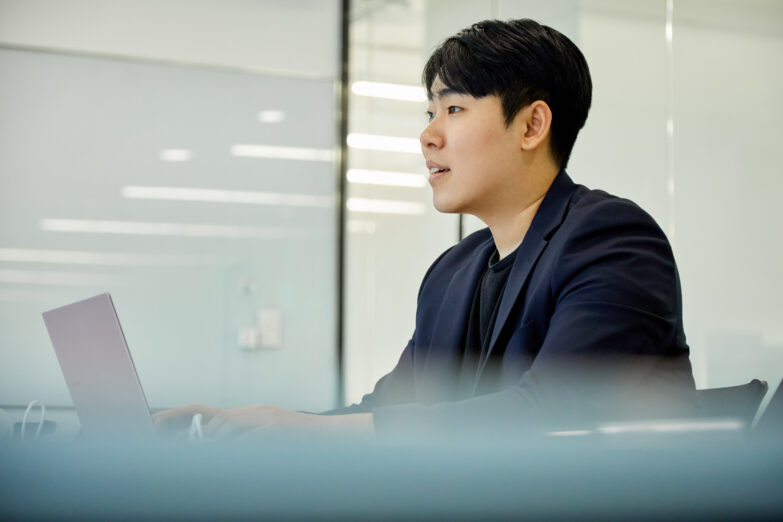
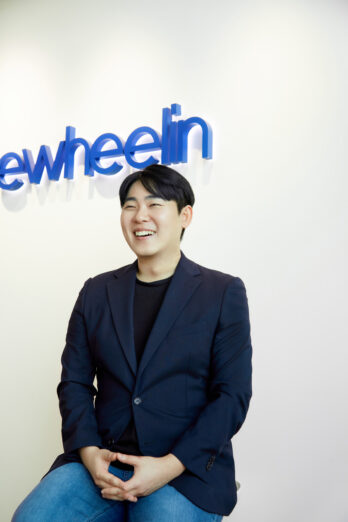
서울 관악구에 있는 프리윌린 사무실에서 권기성 대표를 만나 ‘더 많은 사람에게 교육 기회를 제공하겠다’는 교육 철학부터 B2B 서비스의 성공과 대학 교육 시장으로의 서비스 확장, 그리고 다과목 콘텐츠 개발과 서비스, 향후 계획까지 이야기를 들어봤다.
“1%만큼의 교육 격차 해소”
“1% 정도입니다.”
8년 간의 서비스 운영으로 실제 교육 격차를 얼마나 해소했는지 단도직입으로 물었다. 이에 권 대표는 이렇게 답했다.
실제로 교육 격차를 얼마나 해소했는지 정확히 측정하기는 어렵다. 하지만 ‘1%’라는 상징적인 숫자에는 그동안 프리윌린이 교육 혁신을 위해 해왔던 모든 것이 담겨있다. 교육 기회는 헌법에도 명시되어 있을 만큼 한국에서의 교육은 특별한 의미를 갖는다.
권 대표가 프리윌린 창업 전부터 탈북 청소년 대안학교 ‘우리들학교’와 교육 NGO 단체인 사단법인 ‘호이(HoE, Hope is Education)’에서 활동했던 것은 교육 불평등 문제를 해결하고 싶어서였다. 하지만 획일화된 교육 시스템 속에서 학생 개개인의 학습 속도와 수준은 무시된 채, 모든 아이들이 같은 내용을 같은 속도로 배워야 하는 교육 현실을 목격해야 했다.
“중1 수업을 놓치면 중2 수업을 따라갈 수 없는 현실이 너무 안타까웠어요. 이 문제를 해결하려면 선생님들이 학생 개개인의 상황을 파악하고 맞춤형 교육을 할 수 있도록 도와야 한다고 생각했습니다.”
권 대표는 교육에 기술을 접목하면 이러한 문제를 해결할 수 있을 것이라고 생각해 프리윌린을 창업하고 수학 교육 플랫폼 ‘매쓰플랫’을 론칭했다.
매쓰플랫은 85만 개의 방대한 문제 은행, 3,900여 권의 시중 문제집과의 연계 문제, 수능·모의고사 전 문항, 개념 자료까지 제공한다. 이를 기반으로 선생님은 원하는 단원과 난이도를 선택하면 맞춤형 교재나 문제지를 손쉽게 제작할 수 있다. 특히 학생앱과의 연동을 통해 학생이 답안을 입력하면 자동 채점되어 채점에 소요되는 시간을 대폭 절약할 수 있다. 더 나아가 학생의 문제 풀이 데이터를 종합 분석하여 개별 취약 유형을 파악하고, 이에 맞는 개인화된 문제와 학습자료를 추천할 수 있다.
매쓰플랫은 전국 9,000개 교육기관에서 활용되고 있으며 누적 고객 수는 270만 명을 돌파했다. 특히 공교육 분야에서의 성과가 눈에 띈다. 전국 17개 시도교육청 산하 2,544개 학교가 학교 전용 솔루션인 ‘스쿨플랫’을 통해 60만 명 이상의 학생들이 서비스를 이용하고 있다.
“선생님의 20% 이상이 매쓰플랫으로 수업하고 있습니다. 특히 교육 기회가 상대적으로 부족한 지역에서 더 많이 이용하고 있습니다.“
서울에 비해 교육 시설이 부족한 지방에서 더 많이 사용하고 있다는 것은 매쓰플랫이 교육 격차를 해소하는데 기여하고 있다는 것을 보여준다. ‘1%’의 교육 격차만 해소해도 더 많은 아이들이 더 많은 기회를 가질 수 있다.
시장 확대를 고민하다
“잘 하고 있구나 싶으면서도 한편으로는 고민이 깊어졌어요. 학원 시장의 크기가 무한하지 않다는 걸 깨달았습니다. 이 정도하려고 창업한 게 아니었어요. 그래서 고민을 했습니다“
스타트업이 성장의 벽을 넘어서는 방법은 크게 세 가지다. 검증된 비즈니스 모델을 바탕으로 기존 시장에서 점유율을 확대하거나, 글로벌 등 새로운 시장으로 진출하거나, 완전히 새로운 서비스를 출시하는 것이다.
첫 번째 방법은 현실적으로 어려웠다. 이미 수학 사교육 시장에서 상당한 점유율을 확보한 상황에서 추가 성장 여지가 제한적이었기 때문이다. 글로벌 진출이라는 두 번째 선택지도 만만치 않았다. 단순히 수학 문제를 번역하는 것을 넘어 각국의 교육과정과 문화적 특성에 맞춘 현지화가 필요했고, 이는 상당한 시간과 자원을 요구했다. 수학 외 다른 과목으로 확장하는 세 번째 방법 역시 현실적 제약이 컸다. 10만 개의 고품질 문제를 제작하려면 2년의 개발 기간과 10억 원의 비용이 필요했기 때문이다.
우연히 찾아온 기회를 잡다…대학생으로 서비스 확장
고민이 깊어지던 2021년 어느 날, 예상치 못한 곳에서 기회가 찾아왔다. 건국대학교에서 신입생 중 상당수가 기초 수학 실력이 부족해 전공 수업을 따라가기 어려운 상황이라 고등학교 수학을 다시 가르쳐야 할 정도라며 매쓰플랫을 대학생에게 적용할 수 있는지를 문의해왔다.
지금까지 초중고 선생님을 대상으로 수학 콘텐츠를 개발해 B2B 사업에 집중해온 프리윌린에게는 고민이 많았다. 대학생을 타깃으로 하는 서비스로의 영역 확장이 과연 올바른 선택일까? 회사의 정체성 변화, 기존 초중고 콘텐츠를 넘어 대학콘텐츠로 전환하는 데 따른 시간과 비용 등 여러 요소가 걸림돌이었다.
하지만 건국대가 지속적으로 협력을 제안하며 설득했고 프리윌린도 서비스 확장의 좋은 기회라 생각해 새로운 프로젝트를 시작하게 됐다. 무려 3년의 연구개발을 통해 2024년 출시한 것이 바로 ‘풀리캠퍼스’다. 풀리캠퍼스는 대학 신입생을 위한 맞춤형 수학 학습 플랫폼으로, 진단평가를 통해 개별 학생의 수학 수준을 정확히 파악한 후 부족한 영역을 집중적으로 학습할 수 있도록 설계됐다.
효과는 놀라웠다. 건국대 설문조사에서 학생들의 86%가 도움이 된다고 답했고, 90%가 전공 수업을 듣기 전에 도움이 된다고 평가했다. 1차와 2차 테스트를 비교한 결과 평균 20점 이상 향상되는 성과도 거뒀다.
최근 대학에서 ‘무전공’을 확대하고 있다. 무전공은 신입생이 특정 전공 없이 입학해 1~2년간 다양한 분야를 탐색한 뒤 전공을 선택하는 제도로, 작년 9천 명에서 올해 3만8천 명으로 급증했다. 참여 대학도 15개에서 73개로 확대되며 대학 교육의 새로운 트렌드로 자리잡았다. 무전공 학생들은 희망 전공에 따라 서로 다른 수학 수준이 요구되는데, 풀리캠퍼스는 학생의 고교 이수 과목과 희망 전공을 분석해 맞춤형 평가와 학습 과정을 제공한다. 이를 통해 학생들이 원하는 학과로 성공적으로 진입할 수 있도록 필요한 학업 역량을 체계적으로 배양하고 있다.
풀리캠퍼스는 현재 80개 대학에서 입학 테스트 및 기초학력 진단 서비스로 운영 및 도입 예정되어 있으며, 332개 전체 대학을 목표로 확장을 계속하고 있다.
이로써 프리윌린은 초중고에서 대학으로 영역을 확장하며 선생님과 학생 모두를 위한 교육 혁신을 추진하게 됐다.
30개 과목 콘텐츠 개발…종합 교육 콘텐츠 기업으로 발돋움
“수학은 여전히 사람이 만들어야 하는 부분이 많지만, 언어 과목은 AI로 충분히 구현 가능합니다. 듣기 스크립트 작성부터 음성 녹음까지 자동으로 생성할 수 있거든요.”
수학 이외의 과목 콘텐츠 개발에 드는 시간과 비용 부담은 최근 발전한 AI 기술 덕분에 크게 해결됐다. 영어, 토익, 일본어, 국어 문해력 등 언어 영역의 콘텐츠 개발 시간과 비용을 낮출 수 있었고, 번역과 현지화 과정의 대폭 자동화로 글로벌 확장의 진입 장벽까지 크게 낮아졌다. 프리윌린은 언어 영역 외에도 통계학, 화학 등 30개 과목을 개발하며 명실상부한 종합 교육 플랫폼으로 발돋움할 수 있게 됐다.
이러한 기술적 토대 위에 프리윌린은 ‘풀리AI’라는 통합 플랫폼을 구축했다. 풀리AI는 AI 기반 콘텐츠 자동 생성 기술과 10억 건 이상의 학습 빅데이터를 활용해 학생의 취약점을 정밀 분석하고 최적의 맞춤형 학습 코스를 추천한다. 이 플랫폼은 초중고 대상 ‘풀리스쿨’과 대학 대상 ‘풀리캠퍼스’로 구성되며, 데이터 기반 분석을 통해 학습 격차를 줄이고 개별 학생의 잠재력을 극대화하는 데 중점을 둔다.
프리윌린은 콘텐츠 제작 역량과 AI 자동화 기술을 토대로 초중고 교과서부터 대학 전공서적까지 전 교육 과정을 아우르는 ‘디지털 피어슨’으로의 도약을 목표로 하고 있다.
“교육 기업은 선하고 탁월한 조직이어야”
교육 기업은 선하고 탁월한 주체가 만들어가야 한다는 것이 권 대표의 확고한 신념이다. 이러한 철학은 프리윌린이 추구하는 CSV(Creating Shared Value, 공유가치 창출) 경영으로 이어진다. 이러한 철학의 구체적 실천으로, 프리윌린은 내년부터 우간다에서 NGO와 협업해 현지 교사를 대상으로 한 수업 자료 제공과 연수 프로그램을 시작할 예정이다.
프리윌린의 조직 모델은 더글러스 맥그리거(Douglas McGregor)의 ‘Y이론’에 기반한다. 사람들이 본래 일하기를 좋아하고 스스로 동기부여하며 창의성을 발휘하려 한다는 전제 하에, 프리윌린은 자율성과 책임감을 바탕으로 한 최적의 업무환경을 조성하고 있다.
이러한 철학은 사명 ‘프리윌린(Freewheelin)’에 잘 담겨있다. 프리윌린은 밥 딜런의 1963년 앨범 ‘The Freewheelin’ Bob Dylan’에서 따온 것으로 프리윌린은 페달을 밟지 않고도 관성으로 자유롭게 굴러가는 자전거처럼, 구성원들이 자율적인 업무환경에서 각자의 탁월함을 발휘해 미래교육을 만들어가겠다는 의지를 담고 있다.
10%의 교육 격차 해소를 위해
다시 물었다. 앞으로 프리윌린이 교육 격차를 얼마나 해소하는 게 목표인가요?
“최종 목표는 10%입니다”
프리윌린에는 ‘기성쌤에게 물어봐’라는 독특한 제도가 있다. 매달 직원들이 권 대표에게 자유롭게 질문할 수 있는 소통의 장이다. 최근 한 직원이 ‘2040년 프리윌린의 모습을 그려달라’고 요청했을 때 권 대표는 “전 세계에서 가장 교육 기회가 소외된 곳에 있는 아이가 전 세계에서 가장 좋은 교육을 만날 수 있게 해주는 것입니다”라고 답변했다.
이 원대한 목표를 위해 프리윌린은 서비스, 콘텐츠, 교재, 과목, 영상 등 기본 인프라뿐만 아니라 글로벌 역량 확보와 선생님의 역할을 보완하는 AI 기술 개발에 집중할 예정이다.
에듀테크 시장에 수많은 기업이 도전하지만, 8년 간 한 길을 걸어온 프리윌린은 교육 불평등 해소라는 사회적 소명감과 현실적 실행력을 겸비한 확고한 철학을 보여왔다. 기술로 더 많은 사람에게 양질의 교육을 제공하겠다는 이들의 도전이 2040년 비전으로 현실화되는 과정을 지켜보는 것은 분명 흥미로운 일이 될 것이다.
10%라는 숫자가 상징적인 숫자가 아니라 실제 구현해 내는 숫자이기를 기대해 본다.
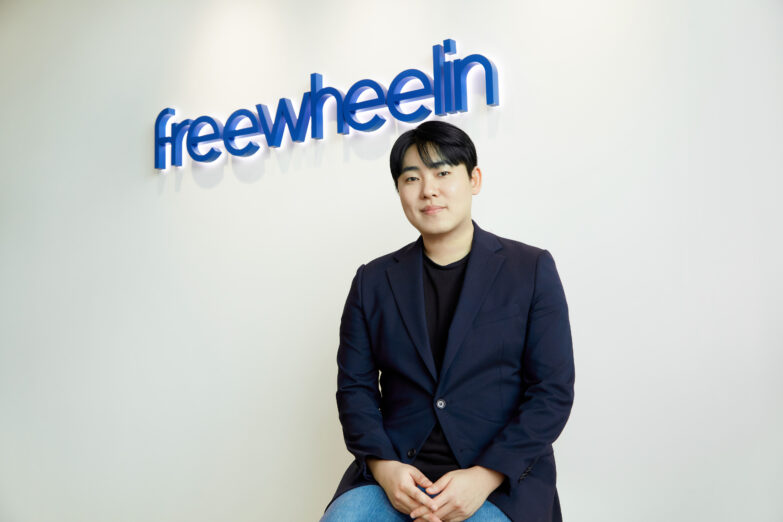
Freewheelin CEO Kisung Kwon expands market to include higher education and multiple subjects, saying, "Quality education, accessible to everyone."
“Making education smarter and enabling more people to enjoy quality education.”
This is the vision of edtech startup Freewheelin. Driven by this vision, Freewheelin has revolutionized the education sector, earning recognition for its technological prowess and influence, including being named "The World's Best EdTech Company" by TIME magazine in 2024.
Freewheelin reached a major turning point in 2024. It expanded beyond its B2B focus, which primarily targeted teachers, academies, and schools, to launch services targeting individual students. This year, in 2025, it will leverage its AI technology to expand its services to a wider range of subjects and embark on a global expansion.
Following these business changes, Freewheelin's growth can be divided into three phases: the first phase, which began with the company's founding in 2017 and focused on its B2B service, "mathflat." The second phase, which entered the university market with the launch of "pulley campus" in 2024, and the third phase, which began this year with the expansion of various AI-based courses and global expansion.
We met with CEO Kisung Kwon at the Freewheelin office in Gwanak-gu, Seoul, to hear about his educational philosophy of "providing educational opportunities to more people," the success of his B2B service, his expansion into the university education market, the development and service of multi-subject content, and his future plans.

"Close the 1% education gap"
“About 1%.”
I asked him directly how much of the actual educational gap had been reduced over eight years of service operation. CEO Kwon responded as follows:
It's difficult to accurately measure how much the educational gap has actually been closed. However, the symbolic figure of "1%" encapsulates everything Freewheelin has done to revolutionize education. Education holds special significance in Korea, as educational opportunity is enshrined in the Korean Constitution.
Even before founding Freewheelin, CEO Kwon had been active in "Our School," an alternative school for North Korean defector youth, and the educational NGO "HoE (Hope is Education)" because he wanted to address educational inequality. However, he witnessed the reality of a uniform education system where each student's pace and level of learning were ignored, with all children forced to learn the same content at the same pace.
"I was deeply saddened by the reality that if a student missed a first-year middle school class, they wouldn't be able to keep up with the second-year classes. To solve this problem, I believed teachers needed to understand each student's individual circumstances and provide personalized instruction."
CEO Kwon believed that integrating technology into education could solve these problems, so he founded Freewheelin and launched the math education platform 'mathflat'.
Mathflat offers a vast library of 850,000 questions, links to over 3,900 commercially available workbooks, complete sets of questions from the CSAT and mock exams, and even conceptual resources. Based on this, teachers can easily create customized textbooks and worksheets by selecting the desired unit and difficulty level. Furthermore, integration with the student app allows students' answers to be automatically graded, significantly reducing grading time. Furthermore, mathflat comprehensively analyzes student problem-solving data to identify individual weaknesses and recommend personalized problems and learning materials tailored to those areas.
Mathflat is used by 9,000 educational institutions nationwide, with a cumulative customer base exceeding 2.7 million. Its success in public education is particularly notable. Over 600,000 students are using "Schoolflat," a school-specific solution, at 2,544 schools under 17 provincial and metropolitan offices of education nationwide.
"More than 20% of teachers are using mathflat to teach, especially in areas with relatively limited educational opportunities."
The fact that Mathflat is being used more in rural areas with less educational facilities than Seoul demonstrates its contribution to bridging the education gap. Even closing the education gap by just 1% would give more children access to more opportunities.
Considering market expansion
"I thought I was doing well, but at the same time, I started to worry. I realized the academy market wasn't infinitely large. I didn't start my business with this goal in mind. That's why I was worried."
There are three main ways for startups to overcome the barriers to growth: expanding their market share in existing markets based on a proven business model, expanding into new markets like the global market, or launching entirely new services.
The first option proved unrealistic. Having already secured a significant market share in the private math tutoring market, further growth potential was limited. The second option, global expansion, was also challenging. Beyond simply translating math problems, it required localization tailored to each country's curriculum and cultural characteristics, a process that required significant time and resources. The third option, expanding beyond math, also presented significant practical constraints. Producing 100,000 high-quality problems would have required two years of development and a budget of 1 billion won.

Seizing a chance opportunity… Expanding services to college students
One day in 2021, as my worries deepened, an opportunity arrived from an unexpected source. Konkuk University contacted me, asking if Mathflat could be applied to college students, as many of their freshmen lacked basic math skills, making it difficult for them to keep up with their major classes. They were even arguing that high school math needed to be re-taught.
Freewheelin, which had previously focused on its B2B business by developing math content for elementary, middle, and high school teachers, faced many challenges. Was expanding into services targeting college students truly the right choice? Several factors, including a shift in the company's identity and the time and cost associated with transitioning from its existing K-12 content to university content, presented obstacles.
However, Konkuk University persistently persuaded us to collaborate, and Freewheelin saw this as a great opportunity to expand its services, leading to the launch of a new project. After three years of research and development, "Pulley Campus" was launched in 2024. Pulley Campus is a customized math learning platform for incoming college freshmen. It's designed to accurately assess each student's math level through diagnostic assessments and then focus on areas where they need to focus.
The results were remarkable. In a survey conducted by Konkuk University, 86% of students found the program helpful, and 90% rated it as helpful before taking their major courses. Comparing the first and second tests, students also saw an average improvement of more than 20 points.
Universities have recently been expanding the "no-major" program. This program allows freshmen to enter without a specific major and explore various fields for one to two years before deciding on a major. The number of students enrolled has surged from 9,000 last year to 38,000 this year. Participating universities have also expanded from 15 to 73, establishing it as a new trend in higher education. Students enrolled in this program are required to have different math skills depending on their desired major. Pulley Campus analyzes students' high school coursework and desired major to provide customized assessments and learning programs. This systematically cultivates the academic skills necessary for successful entry into their desired departments.
Pulley Campus is currently operating and planned to be introduced as an entrance test and basic academic ability diagnostic service at 80 universities, and is continuing to expand to all 332 universities.
With this, Freewheelin has expanded its scope from elementary, middle, and high schools to universities, driving educational innovation for both teachers and students.
Developing content for 30 subjects… Emergence as a comprehensive educational content company.
"While math still requires a lot of human intervention, language arts are fully achievable with AI. Everything from writing listening scripts to recording voices can be automatically generated."
The time and cost burden of developing content for subjects other than math has been significantly reduced thanks to recent advances in AI technology. This has reduced the time and cost of content development for language areas like English, TOEIC, Japanese, and Korean literacy. Furthermore, the significant automation of translation and localization processes has significantly lowered the barriers to entry for global expansion. Freewheelin has developed 30 subjects beyond language, including statistics and chemistry, enabling it to truly become a comprehensive education platform.
Building on this technological foundation, Freewheelin has built an integrated platform called "Pulley AI." Pulley AI leverages AI-based automatic content generation technology and over a billion learning big data points to precisely analyze students' weaknesses and recommend optimal, personalized learning courses. This platform consists of "Pulley School," targeting elementary, middle, and high schools, and "Pulley Campus," targeting universities. Through data-driven analysis, it focuses on reducing learning gaps and maximizing individual student potential.
Freewheelin aims to become a "digital Pearson" that covers the entire educational curriculum, from elementary, middle, and high school textbooks to university textbooks, based on its content creation capabilities and AI automation technology.
“Educational enterprises must be good and excellent organizations.”
CEO Kwon firmly believes that education enterprises should be run by good and outstanding individuals. This philosophy is reflected in Freewheelin's CSV (Creating Shared Value) management approach. To put this philosophy into practice, Freewheelin plans to begin collaborating with an NGO in Uganda next year to provide teaching materials and provide training programs for local teachers.
Freewheelin's organizational model is based on Douglas McGregor's "Theory Y." Based on the premise that people inherently enjoy working, are self-motivated, and strive for creativity, Freewheelin fosters an optimal work environment based on autonomy and responsibility.
This philosophy is well captured in our mission statement, "Freewheelin." "Freewheelin" is a title taken from Bob Dylan's 1963 album, "The Freewheelin' Bob Dylan." Like a bicycle that rolls freely through inertia without pedaling, "Freewheelin" embodies our commitment to shaping the future of education by allowing our members to demonstrate their individual excellence in an autonomous work environment.
To close the 10% education gap
I asked again: How much does Freewheelin aim to bridge the education gap in the future?
“Our ultimate goal is 10%.”
Freewheelin has a unique program called "Ask Mr. Kiseong." It's a monthly forum where employees can freely ask CEO Kwon questions. When an employee recently asked, "Please envision Freewheelin in 2040," CEO Kwon responded, "It's about ensuring that children in the most underserved places in the world have access to the best education in the world."
To achieve this ambitious goal, Freewheelin will focus on not only building basic infrastructure such as services, content, textbooks, subjects, and videos, but also securing global capabilities and developing AI technology that complements the role of teachers.
While numerous companies are entering the edtech market, Freewheelin, which has been on the same path for eight years, has demonstrated a solid philosophy, combining a sense of social mission to address educational inequality with practical execution. It will undoubtedly be fascinating to witness their journey as their 2040 vision becomes a reality, with their goal of providing quality education to more people through technology.
I hope that the number 10% is not just a symbolic number, but a number that can actually be realized.

Freewheelin Kisung Kwon代表、大学教育・茶科目で市場拡大… 「良質の教育、誰でも味わえるように」
「教育をよりスマートにし、より多くの人々が質の高い教育を享受できるように」
エデュテックスタートアップFreewheelin(Freewheelin)のビジョンだ。 Freewheelinはこのビジョンの下で教育界に革新を呼び起こし、2024年アメリカタイム誌から「世界最高エデュテック企業」に選ばれるなど技術力と影響力を認められた。
Freewheelinは2024年を起点に大きな変曲点を迎えた。これまで先生と学園、学校を主要顧客としたB2B中心から抜け出して学生個人を対象とするサービスを発売しながら領域を拡張した。今年2025年にはAI技術力をもとに様々な科目にサービスを拡大する一方、グローバル進出にも乗り出した。
これらのビジネスの変化に応じて、Freewheelinの成長プロセスは3つの段階に分けられます。 2017年創業とともに始まったB2Bサービス「mathflat」中心の1期、2024年「pulley campus」発売で大学市場に進出した2期、AI基盤の多様な科目拡張とグローバル進出を始めた今年の3期だ。
ソウル管楽区にあるFreewheelin事務所でKisung Kwon代表に会い、「より多くの人に教育機会を提供する」という教育哲学からB2Bサービスの成功と大学教育市場へのサービス拡張、そして多科目コンテンツ開発とサービス、今後の計画まで話を聞いた。
「1%ほどの教育格差解消」
「1%程度です」
8年間のサービス運営で実際の教育格差をどれだけ解消したのか、単導直入で尋ねた。これにクォン代表はこう答えた。
実際に教育のギャップをどれだけ解消したかを正確に測定することは困難です。しかし、「1%」という象徴的な数字には、これまでFreewheelinが教育革新のためにやってきたすべてが含まれている。教育機会は憲法にも明示されているだけに、韓国での教育は特別な意味を持つ。
クォン代表がFreewheelin創業前から脱北青少年代案学校「私たち学校」と教育NGO団体である社団法人「ホイ(HoE, Hope is Education)」で活動したのは教育不平等問題を解決したかったのであった。しかし、画一化された教育システムの中で、学生個々人の学習速度とレベルは無視されたまま、すべての子供たちが同じ内容を同じ速度で学ばなければならない教育現実を目撃しなければならなかった。
「中1授業を見逃すと、中2授業に従えない現実がとても残念でした。この問題を解決するためには、先生が生徒一人一人の状況を把握し、オーダーメイド教育をするのに役立つべきだと思いました。」
クォン代表は教育に技術を融合すればこのような問題を解決できると考えてFreewheelinを創業し、数学教育プラットフォーム'mathflat'をローンチした。
mathflatは85万の膨大な問題銀行、3,900余冊の市中問題集との連携問題、修能・模擬試験前の質問、概念資料まで提供する。これに基づいて、先生は希望する団員と難易度を選択すれば、カスタマイズされた教材や問題を簡単に製作することができる。特に学生アプリとの連動により、学生が答案を入力すれば自動採点され、採点にかかる時間を大幅に節約できる。さらに、学生の問題プールがデータを総合分析して個々の脆弱性の種類を把握し、それに合った個人化された問題と学習資料を推薦することができる。
mathflatは全国9,000の教育機関で活用されており、累積顧客数は270万人を突破した。特に公教育分野での成果が目立つ。全国17の試み教育庁傘下の2,544の学校が学校専用ソリューションである「スクールフラット」を通じて60万人以上の学生がサービスを利用している。
「先生の20%以上がmathflatで授業しています。特に教育機会が比較的不足している地域でもっと利用しています。」
ソウルに比べて教育施設が不足している地方でより多く使用していることは、mathflatが教育格差の解消に寄与していることを示している。 「1%」の教育格差だけ解消しても、より多くの子供たちがより多くの機会を持つことができる。
市場拡大に悩む
「うまくやってたけど、一方では悩みが深まりました。学園市場の大きさが無限ではないことに気づきました。これくらいに創業したわけではありませんでした。それで悩みました」
スタートアップが成長の壁を越える方法は大きく3つある。検証されたビジネスモデルをもとに既存市場でシェアを拡大したり、グローバルなど新しい市場に進出したり、まったく新しいサービスを発売することだ。
最初の方法は現実的に難しかった。すでに数学私教育市場で相当なシェアを確保した状況で、さらなる成長余地が制限的だったからだ。グローバル進出という2番目の選択肢も満たなかった。単に数学の問題を翻訳することを超えて、各国のカリキュラムと文化的特性に合わせたローカライゼーションが必要であり、これはかなりの時間とリソースを要求した。数学以外の科目に拡張する3番目の方法も現実的な制約が大きかった。 10万件の高品質問題を製作するには、2年の開発期間と10億ウォンの費用が必要だったからだ。
偶然訪れた機会をつかむ…大学生へのサービス拡張
悩みが深まった2021年のある日、予想外の場所で機会が訪れた。建国大学で新入生の多くが基礎数学の実力が不足して専攻授業に追いつくのが難しい状況であり、高校数学を再度教えなければならないほどとし、mathflatを大学生に適用できるかどうかを問い合わせてきた。
これまで小中古先生を対象に数学コンテンツを開発してB2B事業に集中してきたFreewheelinには悩みが多かった。大学生をターゲットとするサービスへの領域拡張が果たして正しい選択だろうか?会社のアイデンティティの変化、既存の小中古コンテンツを越えて大学コンテンツに転換するのに伴う時間と費用など、様々な要因が障害だった。
しかし、建国隊が継続的に協力を提案して説得し、Freewheelinもサービス拡張の良い機会だと考え、新しいプロジェクトを始めることになった。なんと3年の研究開発を通じて2024年に発売したのが「pulley campus」だ。 pulley campusは大学新入生のためのカスタマイズされた数学学習プラットフォームであり、診断評価を通じて個々の学生の数学レベルを正確に把握した後、不足している領域を集中的に学習できるように設計された。
効果は驚いた。建国大アンケート調査で学生の86%が役に立つと答え、90%が専攻授業を受ける前に役に立つと評価した。 1次と2次テストを比較した結果、平均20点以上向上する成果も収めた。
最近大学で「無専攻」を拡大している。無専攻は新入生が特定専攻なしに入学し、1~2年間多様な分野を探索した後、専攻を選択する制度で、昨年9千人から今年3万8千人に急増した。参加大学も15個から73個に拡大され、大学教育の新たなトレンドとして位置づけられた。無専攻学生は希望専攻によって異なる数学レベルが要求されるが、pulley campusは学生の高校履修科目と希望専攻を分析し、カスタマイズされた評価と学習過程を提供する。これにより、学生が所望の学科に成功的に進入できるように必要な学業能力を体系的に培養している。
pulley campusは現在80の大学で入学テストおよび基礎学力診断サービスとして運営および導入予定されており、332の全大学を目指して拡張を続けている。
これにより、Freewheelinは小中古から大学に領域を拡張し、先生と学生の両方のための教育イノベーションを推進することになった。
30科目コンテンツ開発…総合教育コンテンツ企業として発展
「数学はまだ人が作らなければならない部分が多いですが、言語科目はAIで十分に実装可能です。
数学以外の科目コンテンツの開発にかかる時間と費用の負担は、最近発展したAI技術のおかげで大きく解決された。英語、TOEIC、日本語、国語文解力など言語領域のコンテンツ開発時間とコストを下げることができ、翻訳とローカライゼーション過程の大幅自動化でグローバル拡張の進入障壁まで大きく低くなった。 Freewheelinは、言語領域の他にも統計学、化学など30科目を開発し、名実ともに総合教育プラットフォームに成長することができるようになった。
このような技術的基盤の上、Freewheelinは「プーリーAI」という統合プラットフォームを構築した。プーリAIはAIベースのコンテンツ自動生成技術と10億件以上の学習ビッグデータを活用して、学生の脆弱性を精密分析し、最適なカスタム学習コースを推薦する。このプラットフォームは、超中古対象「フルスクール」と大学対象「pulley campus」で構成され、データベースの分析を通じて学習のギャップを減らし、個々の学生の可能性を最大化することに重点を置く。
Freewheelinは、コンテンツ制作能力とAI自動化技術をもとに、小中古教科書から大学専攻書籍まで、全教育過程を網羅する「デジタルピアソン」への飛躍を目指している。
「教育企業は善良で優れた組織でなければならない」
教育企業は善良で卓越した主体が作らなければならないというのがクォン代表の確固たる信念だ。この哲学は、Freewheelinが追求するCSV(Creating Shared Value、共有価値創出)経営につながる。こうした哲学の具体的な実践として、Freewheelinは来年からウガンダでNGOとコラボレーションし、現地教師を対象とした授業資料提供と研修プログラムを開始する予定だ。
Freewheelinの組織モデルは、ダグラス・マクレガーの「Y理論」に基づいています。人々が本来働くことを好み、自ら動機づけ、創造性を発揮しようとするという前提のもと、Freewheelinは自律性と責任感に基づいた最適な業務環境を造成している。
この哲学は使命「Freewheelin(Freewheelin)」によく含まれている。 Freewheelinはボブ・ディランの1963年アルバム「The Freewheelin」Bob Dylan」から取ったもので、Freewheelinはペダルを踏まなくても慣性で自由に転がっていく自転車のように、メンバーたちが自律的な業務環境でそれぞれの卓越性を生み出す未来教。
10%の教育ギャップを解消するため
また尋ねた。今後、Freewheelinが教育のギャップをどれだけ解消するのが目標ですか?
「最終目標は10%です」
Freewheelinには「既成サムに聞いて」というユニークな制度がある。毎月職員が権代表に自由に質問できるコミュニケーションの場だ。最近、ある従業員が「2040年Freewheelinの姿を描いてほしい」と要請したとき、クォン代表は「世界中で最も教育機会が疎外された所にいる子供が、世界中で最高の教育に出会えるようにしてくれるのです」と答えた。
この遠大な目標のために、Freewheelinはサービス、コンテンツ、教材、科目、映像など基本インフラだけでなく、グローバル能力確保と先生の役割を補完するAI技術開発に集中する予定だ。
エデュテック市場に数多くの企業が挑戦するが、8年間一歩を踏み出してきたFreewheelinは、教育不平等解消という社会的所望感と現実的実行力を兼ね備えた確固たる哲学を見せてきた。技術でより多くの人に良質の教育を提供するという彼らの挑戦が2040年ビジョンで現実化される過程を見守ることは明らかに興味深いことになるだろう。
10%という数字が象徴的な数字ではなく、実際に実装する数字だと期待してみる。
Freewheelin 首席执行官 Kisung Kwon 将市场拓展至高等教育和多个学科,并表示“优质教育,人人可享”。
“让教育更智慧,让更多人享受优质教育。”
这就是教育科技初创公司 Freewheelin 的愿景。在这一愿景的驱动下,Freewheelin 彻底改变了教育行业,其技术实力和影响力赢得了广泛认可,并于 2024 年被《时代》杂志评为“全球最佳教育科技公司”。
2024年,Freewheelin迎来了重要的转折点。它突破了以往主要针对教师、学院和学校的B2B业务,推出了针对个人学生的服务。今年,也就是2025年,它将利用人工智能技术,将服务范围拓展到更广泛的学科,并开启全球扩张之路。
随着这些业务变化,Freewheelin 的增长可以分为三个阶段:第一阶段始于 2017 年公司成立,专注于其 B2B 服务“mathflat”。第二阶段于 2024 年推出“滑轮校园”,进军大学市场。第三阶段始于今年,扩展各种基于 AI 的课程并进行全球扩张。
我们在首尔冠岳区的 Freewheelin 办公室与首席执行官 Kisung Kwon 会面,了解他的“为更多人提供教育机会”的教育理念、他的 B2B 服务的成功、他向大学教育市场的扩展、多学科内容的开发和服务以及他的未来计划。
“缩小1%的教育差距”
“大约1%。”
我直接问他,服务运营八年来,实际教育差距缩小了多少。权代表回答道:
很难准确衡量教育差距究竟缩小了多少。然而,“1%”这个象征性的数字,却概括了Freewheelin为教育改革所做的一切。教育在韩国具有特殊的意义,因为教育机会已被写入韩国宪法。
在创立Freewheelin之前,权社长就一直活跃于“我们的学校”(一所为脱北青少年开设的另类学校)和教育非政府组织“希望是教育”(HoE),因为他希望解决教育不平等问题。然而,他目睹了统一教育体系的现实:每个学生的学习进度和水平都被忽视,所有孩子都被迫以相同的速度学习相同的内容。
“如果学生缺席初一的课程,就无法跟上初二的课程,这一现实让我深感悲痛。为了解决这个问题,我认为老师需要了解每个学生的具体情况,并提供个性化的指导。”
首席执行官 Kwon 认为将技术融入教育可以解决这些问题,因此他创立了 Freewheelin 并推出了数学教育平台“mathflat”。
Mathflat 拥有庞大的题库,包含 85 万道题,并链接到 3900 多本市售练习册、完整的 CSAT 和模拟考试题库,甚至概念资源。教师可以根据自身情况,选择所需的单元和难度级别,轻松创建定制的教材和练习题。此外,与学生应用程序集成后,系统可以自动对学生的答案进行评分,从而显著缩短评分时间。此外,Mathflat 还会全面分析学生的解题数据,识别学生的个人弱点,并针对这些弱点推荐个性化的习题和学习材料。
Mathflat 已覆盖全国 9,000 所教育机构,累计客户群超过 270 万。其在公立教育领域的成功尤为显著。全国 17 个省级和市级教育局辖下的 2,544 所学校,超过 60 万名学生正在使用“Schoolflat”这一学校专属解决方案。
“超过 20% 的教师正在使用 mathflat 进行教学,尤其是在教育机会相对有限的地区。”
Mathflat 在教育设施比首尔更匮乏的农村地区得到更广泛的应用,这体现了它对缩小教育差距的贡献。即使只缩小 1% 的教育差距,也能让更多孩子获得更多机会。
考虑市场扩张
“我以为自己做得很好,但与此同时,我开始担心。我意识到学院市场并不是无限大的。我创业时并没有抱着这个目标。这就是我担心的原因。”
初创企业克服增长障碍的主要方法有三种:基于成熟的商业模式扩大在现有市场的市场份额、向全球市场等新市场扩张、或推出全新的服务。
第一个选择被证明是不切实际的。由于已经在私人数学辅导市场占据了相当大的市场份额,进一步的增长潜力有限。第二个选择,即全球扩张,也同样充满挑战。除了简单地翻译数学题之外,还需要根据每个国家的课程和文化特征进行本地化,这个过程需要大量的时间和资源。第三个选择,即扩展到数学以外的领域,也面临着巨大的实际限制。制作10万道高质量的数学题需要两年的开发时间和10亿韩元的预算。
抓住机遇……扩大对大学生的服务
2021年的某一天,正当我的担忧日益加深时,一个意想不到的机会出现了。建国大学联系我,询问能否将Mathflat应用于大学生,因为建国大学的许多新生缺乏基本的数学技能,难以跟上主修课程的进度。他们甚至认为高中数学需要重新教授。
Freewheelin 此前专注于 B2B 业务,为小学、初中和高中教师开发数学内容,如今面临诸多挑战。拓展面向大学生的服务真的是正确的选择吗?公司定位的转变,以及从现有的 K-12 内容过渡到大学内容所需的时间和成本,都构成了障碍。
然而,建国大学坚持不懈地说服我们合作,Freewheelin 认为这是一个扩展服务的绝佳机会,并由此启动了一个新项目。经过三年的研发,“Pulley Campus”于2024年正式上线。Pulley Campus 是一个为大学新生量身定制的数学学习平台。它旨在通过诊断性评估准确评估每个学生的数学水平,并针对他们需要重点关注的领域进行指导。
该项目的效果显著。建国大学开展的一项调查显示,86% 的学生认为该项目很有帮助,90% 的学生认为该项目在学习专业课程之前很有帮助。对比第一次和第二次测试,学生们的成绩平均提高了 20 多分。
近年来,各大学纷纷推广“无专业”项目。该项目允许新生入学时无需特定专业,在确定专业之前,先在各个领域探索一至两年。该项目的招生人数从去年的9,000人激增至今年的38,000人。参与该项目的大学也从15所增至73所,使其成为高等教育的新趋势。该项目要求学生根据其所选专业掌握不同的数学技能。普利校区会分析学生的高中课程和所选专业,提供个性化的评估和学习方案。这将系统地培养学生成功进入理想院系所需的学术技能。
目前,Pulley Campus 已投入运营,计划在 80 所大学引入入学考试和基础学力诊断服务,并将继续扩展到全部 332 所大学。
由此,Freewheelin 的服务范围从小学、初中、高中扩展到大学,推动教师和学生的教育创新。
开发30个科目的内容……成为综合性教育内容公司。
“虽然数学仍然需要大量的人工干预,但语言艺术完全可以通过人工智能实现。从编写听力脚本到录制声音,一切都可以自动生成。”
得益于人工智能技术的最新进展,数学以外科目内容开发的时间和成本负担已显著降低。这降低了英语、托业、日语和韩语等语言领域内容开发的时间和成本。此外,翻译和本地化流程的高度自动化也显著降低了全球扩张的门槛。Freewheelin 已开发了统计学和化学等 30 个语言以外的科目,使其成为一个真正意义上的综合性教育平台。
在此技术基础上,Freewheelin 构建了名为“Pulley AI”的一体化平台。Pulley AI 利用基于人工智能的自动内容生成技术和超过十亿个学习大数据点,精准分析学生的学习薄弱环节,并推荐最佳的个性化学习课程。该平台由面向小学、初中和高中的“Pulley School”和面向大学的“Pulley Campus”组成。通过数据驱动的分析,该平台致力于缩小学习差距,最大限度地发挥学生的个体潜能。
Freewheelin 的目标是凭借其内容创作能力和 AI 自动化技术,成为覆盖从小学、初中、高中教材到大学教材整个教育课程的“数字培生”。
“教育企业必须是好的、卓越的组织。”
权首席执行官坚信,教育企业应该由优秀人才来经营。这一理念体现在Freewheelin的CSV(创造共享价值)管理理念中。为了践行这一理念,Freewheelin计划明年开始与乌干达的一家非政府组织合作,为当地教师提供教学材料和培训项目。
Freewheelin 的组织模式基于道格拉斯·麦格雷戈的“Y 理论”。Freewheelin 认为,人们天生就喜欢工作,具有自我激励和追求创造力的特质,因此,Freewheelin 致力于营造一种基于自主性和责任感的最佳工作环境。
我们的使命宣言“Freewheelin”完美地诠释了这一理念。“Freewheelin”取自鲍勃·迪伦1963年的专辑《The Freewheelin' Bob Dylan》。如同一辆无需踩踏就能凭借惯性自由滚动的自行车,“Freewheelin”体现了我们致力于塑造教育未来的承诺,让我们的成员能够在自主的工作环境中展现个人的卓越才能。
缩小10%的教育差距
我又问:Freewheelin 未来打算在多大程度上缩小教育差距?
“我们的最终目标是10%。”
Freewheelin 有一个独特的项目,叫做“问问 Kiseong 先生”。这是一个每月一次的论坛,员工可以自由地向首席执行官权先生提问。最近,一位员工问道:“请设想一下 2040 年的 Freewheelin 是什么样子?”首席执行官权先生回答道:“我们的愿景是确保世界上服务最匮乏地区的儿童能够接受世界上最好的教育。”
为了实现这一雄心勃勃的目标,Freewheelin 不仅将致力于构建服务、内容、教科书、科目和视频等基础设施,还将确保全球能力并开发补充教师角色的人工智能技术。
在众多公司纷纷进军教育科技市场之际,Freewheelin 已在同一道路上耕耘八年,展现出坚定的理念,将解决教育不平等的社会使命感与切实的执行力相结合。见证他们2040年的愿景变成现实,通过科技为更多人提供优质教育的目标,无疑将令人期待。
我希望10%这个数字不仅仅是一个象征性的数字,而是一个真正能够实现的数字。
Le PDG de Freewheelin, Kisung Kwon, élargit son marché pour inclure l'enseignement supérieur et de multiples matières, en déclarant : « Une éducation de qualité, accessible à tous. »
« Rendre l’éducation plus intelligente et permettre à davantage de personnes de bénéficier d’une éducation de qualité. »
Telle est la vision de la startup EdTech Freewheelin. Portée par cette vision, Freewheelin a révolutionné le secteur de l'éducation, se faisant reconnaître pour ses prouesses technologiques et son influence, et ayant notamment été nommée « Meilleure entreprise EdTech au monde » par le magazine TIME en 2024.
Freewheelin a franchi un tournant majeur en 2024. Au-delà de son activité B2B, principalement destinée aux enseignants, aux académies et aux écoles, l'entreprise a lancé des services destinés aux élèves individuels. En 2025, elle s'appuiera sur sa technologie d'IA pour étendre ses services à un plus large éventail de disciplines et entamer une expansion mondiale.
Suite à ces changements opérationnels, la croissance de Freewheelin s'est divisée en trois phases : la première, initiée par la création de l'entreprise en 2017, s'est concentrée sur son service B2B, « mathflat ». La deuxième phase, qui a permis l'entrée sur le marché universitaire avec le lancement de « pulley campus » en 2024, et la troisième phase, qui a débuté cette année avec le développement de divers cours basés sur l'IA et l'expansion mondiale.
Nous avons rencontré le PDG Kisung Kwon au bureau de Freewheelin à Gwanak-gu, Séoul, pour entendre parler de sa philosophie éducative consistant à « offrir des opportunités éducatives à davantage de personnes », du succès de son service B2B, de son expansion sur le marché de l'éducation universitaire, du développement et du service de contenu multi-sujets et de ses projets futurs.
« Combler le fossé de 1 % en matière d'éducation »
« Environ 1 %. »
Je lui ai demandé directement dans quelle mesure l'écart de niveau d'éducation avait été réduit en huit ans de service. Le PDG Kwon a répondu :
Il est difficile d'évaluer précisément dans quelle mesure l'écart éducatif a été réellement comblé. Cependant, le chiffre symbolique de « 1 % » résume tout ce que Freewheelin a fait pour révolutionner l'éducation. L'éducation revêt une importance particulière en Corée, car l'accès à l'éducation est inscrit dans la Constitution coréenne.
Avant même de fonder Freewheelin, le PDG Kwon était actif au sein de « Notre École », une école alternative pour les jeunes transfuges nord-coréens, et de l'ONG éducative « HoE (Hope is Education) », soucieux de lutter contre les inégalités en matière d'éducation. Cependant, il a été témoin de la réalité d'un système éducatif uniforme où le rythme et le niveau d'apprentissage de chaque élève étaient ignorés, tous les enfants étant contraints d'apprendre le même contenu au même rythme.
J'étais profondément attristé par le fait qu'un élève qui manquait un cours de première année de collège ne pourrait pas suivre les cours de deuxième année. Pour résoudre ce problème, je pensais que les enseignants devaient comprendre la situation de chaque élève et lui proposer un enseignement personnalisé.
Le PDG Kwon pensait que l'intégration de la technologie dans l'éducation pourrait résoudre ces problèmes, il a donc fondé Freewheelin et lancé la plateforme d'éducation mathématique « mathflat ».
Mathflat propose une vaste bibliothèque de 850 000 questions, des liens vers plus de 3 900 cahiers d'exercices disponibles dans le commerce, des séries complètes de questions du CSAT et d'examens blancs, ainsi que des ressources conceptuelles. Grâce à ces ressources, les enseignants peuvent facilement créer des manuels et des fiches d'exercices personnalisés en sélectionnant l'unité et le niveau de difficulté souhaités. De plus, l'intégration avec l'application étudiante permet de noter automatiquement les réponses des élèves, réduisant ainsi considérablement le temps de notation. De plus, Mathflat analyse en profondeur les données de résolution de problèmes des élèves afin d'identifier leurs faiblesses et de recommander des exercices personnalisés et du matériel pédagogique adapté à ces domaines.
Mathflat est utilisé par 9 000 établissements d'enseignement à travers le pays, avec une clientèle cumulée de plus de 2,7 millions de personnes. Son succès dans l'enseignement public est particulièrement remarquable. Plus de 600 000 élèves utilisent « Schoolflat », une solution dédiée aux écoles, dans 2 544 écoles relevant de 17 directions provinciales et métropolitaines de l'éducation à travers le pays.
« Plus de 20 % des enseignants utilisent MathFlat pour enseigner, en particulier dans les régions où les possibilités d'éducation sont relativement limitées. »
Le fait que Mathflat soit davantage utilisé dans les zones rurales moins bien dotées en infrastructures scolaires qu'à Séoul démontre sa contribution à la réduction des inégalités en matière d'éducation. Même en comblant cet écart de seulement 1 %, un plus grand nombre d'enfants auraient accès à davantage d'opportunités.
Envisager l'expansion du marché
Je pensais réussir, mais en même temps, j'ai commencé à m'inquiéter. J'ai réalisé que le marché des académies n'était pas infini. Je n'avais pas créé mon entreprise avec cet objectif en tête. C'est pourquoi j'étais inquiet.
Il existe trois principaux moyens pour les startups de surmonter les obstacles à la croissance : étendre leur part de marché sur les marchés existants en s’appuyant sur un modèle commercial éprouvé, se développer sur de nouveaux marchés comme le marché mondial ou lancer des services entièrement nouveaux.
La première option s'est avérée irréaliste. Ayant déjà conquis une part de marché significative sur le marché du soutien scolaire privé en mathématiques, le potentiel de croissance était limité. La deuxième option, l'expansion mondiale, représentait également un défi. Au-delà de la simple traduction des problèmes de mathématiques, elle nécessitait une localisation adaptée aux programmes et aux caractéristiques culturelles de chaque pays, un processus qui exigeait beaucoup de temps et de ressources. La troisième option, étendre son activité au-delà des mathématiques, présentait également d'importantes contraintes pratiques. Produire 100 000 problèmes de haute qualité aurait nécessité deux ans de développement et un budget d'un milliard de wons.
Saisir une opportunité… Élargir les services aux étudiants
Un jour de 2021, alors que mes inquiétudes s'intensifiaient, une opportunité inattendue s'est présentée. L'Université Konkuk m'a contacté pour me demander si Mathflat pouvait être appliqué aux étudiants de l'université, car beaucoup de leurs étudiants de première année manquaient de compétences mathématiques de base, ce qui les empêchait de suivre leurs cours. Ils allaient même jusqu'à affirmer qu'il fallait réapprendre les mathématiques du lycée.
Freewheelin, qui s'était auparavant concentrée sur son activité B2B en développant du contenu mathématique pour les enseignants du primaire, du collège et du lycée, a dû faire face à de nombreux défis. Était-il judicieux de se lancer dans des services destinés aux étudiants universitaires ? Plusieurs facteurs, notamment une évolution de l'identité de l'entreprise et les délais et coûts liés à la transition de son contenu existant pour le primaire et le secondaire vers le contenu universitaire, ont constitué des obstacles.
Cependant, l'Université Konkuk nous a constamment convaincus de collaborer, et Freewheelin a vu là une excellente occasion d'étendre ses services, ce qui a conduit au lancement d'un nouveau projet. Après trois ans de recherche et développement, « Pulley Campus » a été lancé en 2024. Pulley Campus est une plateforme d'apprentissage des mathématiques personnalisée destinée aux étudiants de première année. Elle est conçue pour évaluer précisément le niveau de chaque élève grâce à des évaluations diagnostiques, puis se concentrer sur les points à améliorer.
Les résultats ont été remarquables. Selon une enquête menée par l'Université Konkuk, 86 % des étudiants ont trouvé le programme utile, et 90 % l'ont jugé utile avant de suivre leurs cours principaux. En comparant les deux premiers tests, les étudiants ont également constaté une amélioration moyenne de plus de 20 points.
Les universités ont récemment étendu le programme « sans spécialisation ». Ce programme permet aux étudiants de première année d'intégrer l'université sans spécialisation spécifique et d'explorer différents domaines pendant un à deux ans avant de choisir leur majeure. Le nombre d'étudiants inscrits est passé de 9 000 l'an dernier à 38 000 cette année. Le nombre d'universités participantes est également passé de 15 à 73, ce qui en fait une nouvelle tendance dans l'enseignement supérieur. Les étudiants inscrits à ce programme doivent posséder des compétences en mathématiques différentes selon la spécialisation choisie. Pulley Campus analyse les cours de lycée et la spécialisation souhaitée afin de proposer des évaluations et des programmes d'apprentissage personnalisés. Cela permet de développer systématiquement les compétences académiques nécessaires pour intégrer avec succès les départements de leur choix.
Pulley Campus est actuellement opérationnel et devrait être introduit comme test d'entrée et service de diagnostic des capacités académiques de base dans 80 universités, et continue de s'étendre à l'ensemble des 332 universités.
Grâce à cela, Freewheelin a élargi son champ d’action des écoles élémentaires, intermédiaires et secondaires aux universités, favorisant ainsi l’innovation pédagogique tant pour les enseignants que pour les étudiants.
Développement de contenu pour 30 matières… Émergence en tant qu’entreprise de contenu éducatif complet.
Si les mathématiques nécessitent encore une forte intervention humaine, les arts du langage sont parfaitement réalisables grâce à l'IA. De la rédaction de scripts d'écoute à l'enregistrement de voix, tout peut être généré automatiquement.
Grâce aux récentes avancées de l'IA, le temps et les coûts de développement de contenu pour des matières autres que les mathématiques ont été considérablement réduits. Cela a permis de réduire le temps et les coûts de développement de contenu pour des domaines linguistiques tels que l'anglais, le TOEIC, le japonais et le coréen. De plus, l'automatisation significative des processus de traduction et de localisation a considérablement réduit les obstacles à l'expansion internationale. Freewheelin a développé 30 matières au-delà des langues, dont les statistiques et la chimie, ce qui lui permet de devenir une véritable plateforme éducative complète.
S'appuyant sur ce socle technologique, Freewheelin a développé une plateforme intégrée appelée « Pulley AI ». Cette plateforme s'appuie sur une technologie de génération automatique de contenu basée sur l'IA et sur plus d'un milliard de données d'apprentissage massives pour analyser précisément les faiblesses des élèves et recommander des parcours d'apprentissage optimaux et personnalisés. Cette plateforme comprend « Pulley School », destinée aux écoles primaires, collèges et lycées, et « Pulley Campus », destinée aux universités. Grâce à une analyse basée sur les données, elle vise à réduire les écarts d'apprentissage et à maximiser le potentiel de chaque élève.
Freewheelin vise à devenir un « Pearson numérique » qui couvre l'ensemble du programme éducatif, des manuels scolaires du primaire, du collège et du lycée aux manuels universitaires, en s'appuyant sur ses capacités de création de contenu et sa technologie d'automatisation de l'IA.
« Les entreprises éducatives doivent être des organisations bonnes et excellentes. »
Le PDG Kwon est convaincu que les entreprises du secteur de l'éducation doivent être dirigées par des personnes compétentes et exceptionnelles. Cette philosophie se reflète dans l'approche de gestion axée sur la création de valeur partagée (CVP) de Freewheelin. Pour mettre en pratique cette philosophie, Freewheelin prévoit de collaborer avec une ONG ougandaise l'année prochaine afin de fournir du matériel pédagogique et de proposer des programmes de formation aux enseignants locaux.
Le modèle organisationnel de Freewheelin s'appuie sur la « Théorie Y » de Douglas McGregor. Partant du principe que les individus aiment travailler, sont motivés et recherchent la créativité, Freewheelin favorise un environnement de travail optimal basé sur l'autonomie et la responsabilité.
Cette philosophie est parfaitement exprimée dans notre énoncé de mission, « Freewheelin ». « Freewheelin » est un titre tiré de l'album de Bob Dylan, « The Freewheelin' Bob Dylan », sorti en 1963. Tel un vélo qui roule librement par inertie sans pédaler, « Freewheelin » incarne notre engagement à façonner l'avenir de l'éducation en permettant à nos membres de démontrer leur excellence individuelle dans un environnement de travail autonome.
Pour combler l’écart de 10 % en matière d’éducation
J'ai demandé à nouveau : dans quelle mesure Freewheelin vise-t-il à combler le fossé éducatif à l'avenir ?
« Notre objectif ultime est de 10 %. »
Freewheelin propose un programme unique appelé « Demandez à M. Kiseong ». Il s'agit d'un forum mensuel où les employés peuvent poser librement des questions au PDG Kwon. Lorsqu'un employé a récemment demandé : « Imaginez Freewheelin en 2040 », le PDG Kwon a répondu : « Il s'agit de garantir que les enfants des régions les plus défavorisées du monde aient accès à la meilleure éducation possible. »
Pour atteindre cet objectif ambitieux, Freewheelin se concentrera non seulement sur la construction d’infrastructures de base telles que des services, du contenu, des manuels, des matières et des vidéos, mais également sur la sécurisation des capacités mondiales et le développement d’une technologie d’IA qui complète le rôle des enseignants.
Alors que de nombreuses entreprises se lancent sur le marché des technologies éducatives, Freewheelin, qui poursuit cette voie depuis huit ans, a fait preuve d'une philosophie solide, alliant mission sociale et mise en œuvre concrète pour lutter contre les inégalités éducatives. Il sera sans aucun doute fascinant de les suivre dans leur parcours, tandis que leur vision 2040 se concrétise, avec pour objectif d'offrir une éducation de qualité au plus grand nombre grâce aux technologies.
J’espère que le chiffre de 10 % n’est pas seulement un chiffre symbolique, mais un chiffre qui peut réellement être réalisé.
You must be logged in to post a comment.