




AI 기반 탄소배출량 측정 솔루션을 개발 중인 스타트업 글렉이 창업 3년 만에 국내외 물류 시장을 겨냥한 본격적인 확장에 나섰다. 특히 글렉은 전 세계적으로 채택되고 있는 ISO 14083 수송 탄소배출 국제표준을 기반으로 한 탄소측정 솔루션을 중심으로, 하드웨어(DTG)와 API, SaaS까지 포괄하는 복합 비즈니스 모델을 구축하며 기술력과 시장성을 동시에 입증하고 있다.
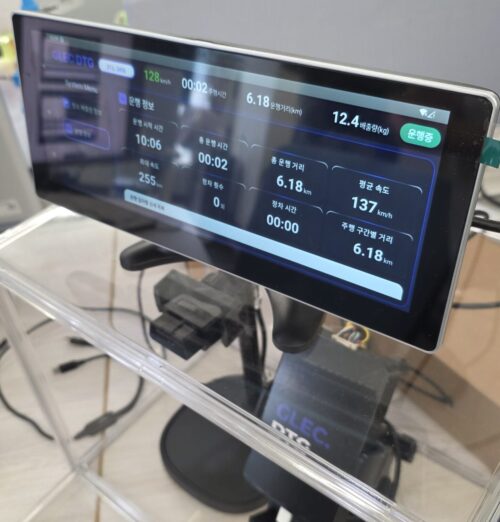
글렉은 지난 2020년 창업 이후 수송 부문 탄소배출량 측정의 공백을 해결하기 위해 AI 기반 디지털 운행기록장치(DTG)를 자체 개발했다. 기존 운행기록장치가 단순 위치 기록에 그쳤다면, 글렉의 장치는 고도화된 센서를 기반으로 주행 거리, 연료 소비, 차량 속도 등을 분석해 실시간 탄소배출량을 추정할 수 있다. 기존 디바이스의 연산 능력 한계를 극복하기 위해 스마트폰 수준의 칩셋을 탑재하고, OTA(무선 업데이트) 방식으로 AI 기반 기능 업그레이드가 가능한 구조다.
회사는 국내에서 최초로 ISO 14083 기반 배출계수를 자체 연구 개발해 국제 표준에 맞춘 정량적 탄소 산정이 가능하다는 점을 내세운다. 이를 통해 단순 장비 납품을 넘어, 물류 기업들의 ESG 대응을 위한 데이터 기반 전략 수립을 지원하는 플랫폼 기업으로 도약하고 있다.
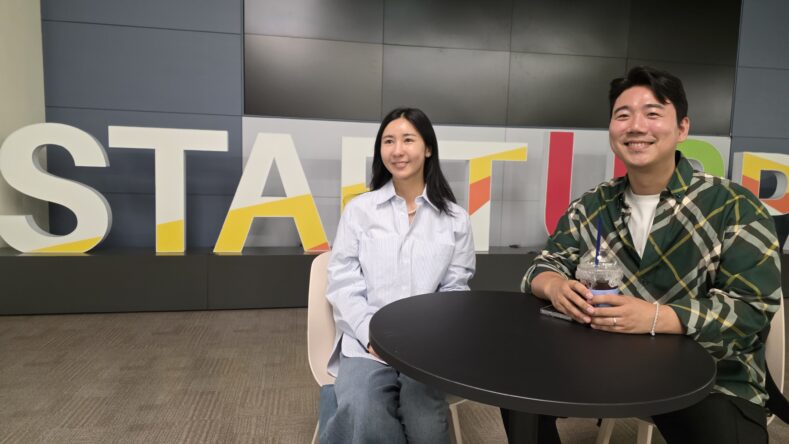
강덕호 글렉 대표는 “기술력보다 중요한 건 국제표준의 선점”이라며 “글렉이 유럽계 국제기구 SFC(Smart Freight Centre)의 한국 지부 유치를 추진하는 이유도 결국 인증 주도권을 잡기 위한 것”이라고 설명했다. 실제로 글렉은 현재 SFC와의 협의를 통해 한국 내 ‘SFC Korea’ 설치를 진행 중이며, 국내 수송 부문 탄소배출량 검증의 유일한 창구가 될 가능성이 높다.
글렉은 이 과정에서 정부 기관이나 대기업의 ‘체리피킹’ 우려에 직면해 있다. ISO 표준의 공공성과 산업적인 이해가 충돌하면서, 기술의 독자성과 운영권을 지키기 위한 전략적 파트너십이 필요한 상황이다. 김은우 공동대표는 “스타트업이 국제기구의 지부를 주도하는 사례는 드물지만, 기술적 선도자이자 실무 전문가로서의 입지를 명확히 해야 한다”고 강조했다.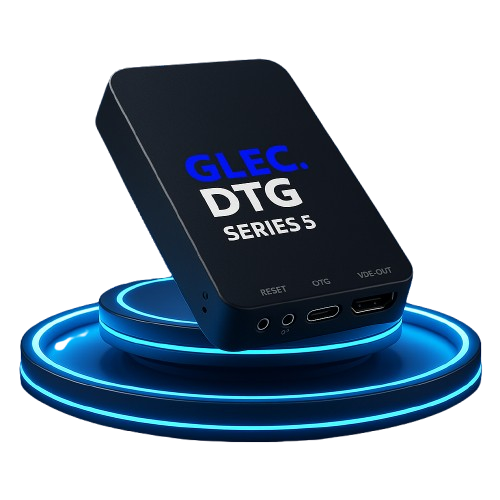
사업 초기 글렉은 AI와 블록체인, 로봇 등 다양한 영역에서 축적한 기술력을 바탕으로 DTG 하드웨어의 고도화를 이뤘다. 특히 과거 화물차 교통안전법 개정으로 인해 DTG 장착이 의무화된 상황에서, 전국적으로 약 70%에 이르는 교체 수요를 타깃으로 시장에 진입했다.
회사는 80만 원 수준의 고성능 DTG를 기준으로 연간 수만 대 규모의 하드웨어 매출을 기대하고 있다.
또한 대기업 물류사와의 협업을 통해 API 공급을 추진 중이며, 하위 대리점에는 SaaS 방식의 소프트웨어 공급을 통한 3단계 수익모델을 구축 중이다. 국내 대형 물류회사들과 협의가 진행 중이며, 최근 대기업 IR계열사에서도 관심을 보인 것으로 알려졌다.
그러나 규제의 모호성과 공공기관의 개입 가능성은 여전히 위협 요소다. “측정은 법적으로 의무화되지 않았고, 벌금도 낮아 실제 시장 반응은 더디다”는 게 강 대표의 설명이다. 이에 글렉은 향후 SFC Korea를 통한 공식 인증 체계를 먼저 구축하고, 이를 통해 탄소세 부과, 탄소배출권 거래 등과의 연계를 촉진할 계획이다.
글렉의 비전은 명확하다. 수송 부문 탄소 측정이라는 ‘표준의 틀’을 선점해, 후발주자에게 진입장벽을 구축하고 동시에 기술 공급자로서의 영속성을 확보하는 것이다. AI 기반 DTG, SaaS, API로 이어지는 제품군과, SFC 인증 구조를 연결시키는 ‘인프라 중심’ 전략은 대기업도 쉽게 모방하기 어렵다는 점에서 유효하다.
글렉 강덕호 대표는 대학생 창업자 출신이자 연쇄 창업가이기도 하다.
그는 2013년 대학생 시절, 전동휠체어를 사용하는 친구와의 일상을 통해 사회적 불편을 체감하며 창업에 나섰다. 장애인이 쉽게 문턱을 넘을 수 있도록 ‘둔턱 오르는 휠체어 모듈’을 개발하며 사회적 기업 ENABL을 설립했고, 이후 시제품 전문 개발사 ‘상상제작소’를 운영하며 수백 건의 로봇·디바이스 개발 경험을 쌓았다. 스위스 ‘사이버 애슬론’ 대회 출전, 현대차 슈팅 로봇 개발 등 현장 중심의 기술 기반 창업을 이어오다, 수송 분야 탄소 감축이라는 구조적 문제를 발견하며 글렉을 설립했다.
스타트업으로서는 드물게 국제 표준과 인증이라는 거대한 구조에 도전장을 내민 글렉의 실험은, ESG 산업의 구조적 난제를 정면 돌파하려는 시도라는 점에서 주목된다. 시장보다 앞서 있는 기술과 국제 기준을 무기로 ‘규제 주도형 산업’에 뛰어든 이들의 다음 행보는 규제가 아니라 ‘표준’이라는 키워드에 달려 있다.
GLECK Leads Development of International Standard Solutions for Logistics Carbon Reduction
Glec , a startup developing an AI-based carbon emissions measurement solution, has embarked on a full-scale expansion targeting the domestic and international logistics markets just three years after its founding. Specifically, Glec is demonstrating both technological prowess and marketability by building a complex business model encompassing hardware (DTG), API, and SaaS, centered around a carbon measurement solution based on the globally adopted ISO 14083 international standard for transport carbon emissions.
Since its founding in 2020, GLECK has developed its own AI-based digital tachograph (DTG) to address the gap in carbon emissions measurement in the transportation sector. While existing tachographs simply record location, GLECK's device uses advanced sensors to analyze factors such as driving distance, fuel consumption, and vehicle speed, enabling real-time carbon emissions estimation. To overcome the computing limitations of existing devices, it features a smartphone-level chipset and supports AI-based feature upgrades via over-the-air (OTA) updates.
The company boasts that it was the first in Korea to independently research and develop an ISO 14083-based emission factor, enabling quantitative carbon calculations aligned with international standards. This development allows the company to move beyond simple equipment delivery to become a platform company that supports logistics companies in developing data-driven strategies to address their environmental, social, and governance (ESG) concerns.
Kang Deok-ho, CEO of GLECK, explained, "Securing international standards is more important than technological prowess. GLECK is pursuing the Korean branch of the European international organization SFC (Smart Freight Centre) to ultimately seize the initiative in certification." Indeed, GLECK is currently in discussions with the SFC to establish "SFC Korea" in Korea, which is likely to become the sole source for carbon emissions verification in the domestic transportation sector.
During this process, Gleck faces concerns about "cherry-picking" by government agencies and large corporations. With the public nature of ISO standards clashing with industrial interests, strategic partnerships are needed to protect technological independence and operational rights. Co-CEO Kim Eun-woo emphasized, "While it's rare for a startup to lead a branch of an international organization, we need to clearly establish our position as a technological leader and practical expert."
In its early days, Glec leveraged its accumulated technological expertise in diverse fields, including AI, blockchain, and robotics, to advance its DTG hardware. Notably, with the revision of the Truck Traffic Safety Act mandating DTG installation, the company entered the market targeting approximately 70% of nationwide replacement demand.
The company expects annual hardware sales of tens of thousands of units, based on high-performance DTGs priced at around 800,000 won.
We are also pursuing API provision through collaboration with major logistics companies and are developing a three-tier revenue model through SaaS software provision to sub-agents. Discussions are underway with major domestic logistics companies, and a large IR affiliate has recently expressed interest.
However, regulatory ambiguity and the potential for public intervention remain threats. "Measurement is not legally mandated, and fines are low, so market response is slow," explains CEO Kang. Therefore, Gleck plans to first establish an official certification system through SFC Korea, which will then facilitate integration with carbon taxation and carbon emissions trading.
Gleck's vision is clear: by establishing a "standard framework" for carbon measurement in the transportation sector, he aims to create a barrier to entry for latecomers and simultaneously secure sustainability as a technology provider. His "infrastructure-centric" strategy, which links a product line spanning AI-based DTG, SaaS, and APIs, with a SFC-certified structure, is effective because even large companies will find it difficult to replicate.
CEO Kang Deok-ho, a college student entrepreneur, is also a serial entrepreneur.
He began his entrepreneurial journey in 2013 as a college student, after experiencing the social inconveniences faced by a friend who used an electric wheelchair. He founded the social enterprise ENABL, developing a "wheelchair module that climbs over obstacles" to help people with disabilities navigate obstacles. He later ran the prototype development company "Imagination Factory," accumulating experience in hundreds of robot and device development projects. He continued his career with field-focused, technology-based entrepreneurship, including competing in the Swiss Cyberathlon and developing a shooting robot for Hyundai Motor Company. He then discovered the structural problem of carbon reduction in the transportation sector and founded GLECK.
Glen's experiment, a rare challenge for a startup to the massive structure of international standards and certifications, is noteworthy for its attempt to overcome the structural challenges of the ESG industry head-on. Armed with market-leading technology and international standards, these companies, having entered a "regulation-driven industry," will now focus on the keyword "standards," not regulations.
グレッグ、物流炭素削減のための国際標準ソリューション開発をリード
AIベースの炭素排出量測定ソリューションを開発中のスタートアップグレッグが創業3年ぶりに国内外物流市場を狙った本格的な拡張に乗り出した。特にグレッグは世界的に採用されているISO 14083輸送炭素排出国際標準を基盤とした炭素測定ソリューションを中心に、ハードウェア(DTG)とAPI、SaaSまで包括する複合ビジネスモデルを構築し、技術力と市場性を同時に立証している。
グレックは2020年の創業以来、輸送部門の炭素排出量測定の空白を解決するためにAIベースのデジタル運行記録装置(DTG)を独自開発した。既存の運行記録装置が単純位置記録にとどまっていれば、グレックの装置は高度化されたセンサに基づいて走行距離、燃料消費、車速などを分析してリアルタイム炭素排出量を推定することができる。既存デバイスの演算能力限界を克服するためにスマートフォンレベルのチップセットを搭載し、OTA(無線アップデート)方式でAIベースの機能アップグレードが可能な構造だ。
同社は国内で初めてISO 14083ベースの排出係数を自社研究開発し、国際標準に合わせた定量的炭素算定が可能だという点を掲げる。これにより、単純装備納品を超えて、物流企業のESG対応のためのデータ基盤戦略の樹立を支援するプラットフォーム企業に跳躍している。
カン・ドクホ・グレッグ代表は「技術力より重要なのは国際標準の先取り」とし「グレッグが欧州系国際機関SFC(Smart Freight Centre)の韓国支部誘致を推進する理由も結局認証主導権を握るためのもの」と説明した。実際、グレッグは現在SFCとの協議を通じて韓国内の'SFC Korea'設置を進行中であり、国内輸送部門炭素排出量検証の唯一の窓口になる可能性が高い。
グレックはこの過程で政府機関や大企業の「チェリーピッキング」の懸念に直面している。 ISO規格の公共性と産業的理解が衝突しつつ、技術の独自性と運営権を守るための戦略的パートナーシップが必要な状況だ。キム・ウンウ共同代表は「スタートアップが国際機関の支部を主導する事例はまれだが、技術的リーダーであり実務専門家としての立地を明確にしなければならない」と強調した。
事業初期グレッグはAIとブロックチェーン、ロボットなど多様な領域で蓄積した技術力をもとにDTGハードウェアの高度化を遂げた。特に、過去の貨物車交通安全法改正によりDTGの装着が義務化された状況で、全国的に約70%に及ぶ交替需要をターゲットに市場に参入した。
同社は80万ウォン水準の高性能DTGを基準に年間数万台規模のハードウェア売上を期待している。
また、大企業物流会社とのコラボレーションを通じてAPI供給を推進中であり、下位代理店にはSaaS方式のソフトウェア供給を通じた3段階収益モデルを構築中だ。国内大型物流会社と協議が進行中であり、最近大企業のIR系列会社でも関心を見せたことが分かった。
しかし、規制の曖昧さと公共機関の介入の可能性は依然として脅威である。 「測定は法的に義務化されておらず、罰金も低く、実際の市場反応は遅い」というのがカン代表の説明だ。これにグレッグは今後SFC Koreaを通じて公式認証体系を先に構築し、これを通じて炭素税賦課、炭素排出権取引などとの連携を促進する計画だ。
グレッグのビジョンは明確です。輸送部門炭素測定という「標準の枠組み」を先取りし、後発走者に進入障壁を構築し、同時に技術供給者としての永続性を確保することだ。 AIベースのDTG、SaaS、APIにつながる製品群と、SFC認証構造を連結させる「インフラ中心」戦略は、大企業も容易に模倣しにくいという点で有効だ。
グレックカン・ドクホ代表は大学生創業者出身であり連鎖創業者でもある。
彼は2013年の大学生時代、電動車いすを使用する友人との日常を通じて社会的不便を体感して創業に乗り出した。障害者が簡単にしきい値を越えるように「鈍く上がる車椅子モジュール」を開発し、社会的企業ENABLを設立し、以後試作品専門開発会社「想像制作所」を運営し、数百件のロボット・デバイス開発経験を積んだ。スイス「サイバーアスロン」大会出場、現代車シューティングロボットの開発など現場中心の技術基盤創業を続け、輸送分野の炭素削減という構造的問題を発見してグレックを設立した。
スタートアップとしてはまれに国際標準と認証という巨大な構造に挑戦状を出したグレッグの実験は、ESG産業の構造的難題を正面突破しようとする試みという点で注目される。市場より先にある技術と国際基準を武器に「規制主導型産業」に飛び込んだこれらの次の歩みは、規制ではなく「標準」というキーワードにかかっている。
GLECK引领物流减碳国际标准解决方案开发
Glec是一家致力于开发基于人工智能的碳排放测量解决方案的初创公司,成立仅三年便已全面进军国内外物流市场。具体而言,Glec 以基于全球通用的 ISO 14083 国际运输碳排放标准制定的碳排放测量解决方案为核心,构建了涵盖硬件(DTG)、API 和 SaaS 的复杂商业模式,展现了其强大的技术实力和市场竞争力。
自2020年成立以来,GLECK 开发了自主研发的基于人工智能的数字行车记录仪 (DTG),以弥补交通运输领域碳排放测量方面的不足。现有的行车记录仪仅能记录位置信息,而 GLECK 的设备则使用先进的传感器来分析行驶距离、油耗和车速等因素,从而实现实时碳排放估算。为了突破现有设备的计算限制,该设备配备了智能手机级别的芯片组,并支持通过无线 (OTA) 更新进行基于人工智能的功能升级。
该公司宣称,它是韩国首家自主研发基于ISO 14083排放因子的公司,能够进行符合国际标准的碳排放定量计算。这一发展使该公司能够超越简单的设备交付,成为一家平台公司,支持物流公司制定数据驱动战略,以解决其环境、社会和治理(ESG)问题。
GLECK首席执行官姜德浩(Kang Deok-ho)表示:“确保国际标准比技术实力更重要。GLECK正在积极争取欧洲国际组织SFC(智能货运中心)韩国分部的加入,以最终在认证领域掌握主动权。” 事实上,GLECK目前正在与SFC商谈在韩国设立“SFC韩国”的事宜,该机构很可能成为韩国交通运输领域唯一的碳排放核查机构。
在此过程中,Gleck 面临着政府机构和大公司“挑肥拣瘦”的担忧。由于 ISO 标准的公共性质与行业利益相冲突,因此需要建立战略合作伙伴关系来保护技术独立性和运营权。联合首席执行官 Kim Eun-woo 强调:“虽然初创公司很少领导国际组织的分支机构,但我们需要明确确立我们作为技术领导者和实践专家的地位。”
在早期,Glec 利用其在人工智能、区块链和机器人等多个领域积累的技术专长,不断推进其 DTG 硬件的发展。值得注意的是,随着《卡车交通安全法》修订,强制安装 DTG,该公司进入了该市场,瞄准了全国约 70% 的更换需求。
该公司预计,基于售价约为 80 万韩元的高性能 DTG,每年的硬件销量将达到数万台。
我们还致力于通过与大型物流公司合作提供API,并通过向分代理提供SaaS软件,构建三级盈利模式。目前,我们正在与国内大型物流公司进行洽谈,最近一家大型IR关联公司也表达了合作意向。
然而,监管模糊性和潜在的公共干预仍然是威胁。“法律并未强制要求测量,罚款金额也较低,因此市场反应缓慢,”Kang首席执行官解释道。因此,Gleck计划首先通过韩国SFC建立一个官方认证体系,然后促进与碳税和碳排放交易的整合。
格莱克的愿景清晰:通过建立交通运输领域碳排放测量的“标准框架”,他的目标是为后来者设置进入壁垒,同时确保作为技术提供商的可持续性。他的“以基础设施为中心”战略将基于人工智能的数字化转型(DTG)、软件即服务(SaaS)和应用程序编程接口(API)的产品线与经SFC认证的架构相结合,这一战略之所以有效,是因为即使是大型公司也难以复制。
首席执行官姜德浩是一名大学生创业者,也是一名连续创业者。
2013年,在大学期间,他经历了一位使用电动轮椅的朋友所面临的社交不便,于是开启了自己的创业之旅。他创立了社会企业ENABL,开发了一种“可越过障碍物的轮椅模块”,帮助残障人士越过障碍。后来,他创办了原型开发公司“Imagination Factory”,积累了数百个机器人和设备开发项目的经验。他继续以领域为导向,以技术为基础的创业,包括参加瑞士网络马拉松比赛,以及为现代汽车公司开发射击机器人。之后,他发现了交通运输领域碳减排的结构性问题,并创立了GLECK。
格伦的尝试,对于一家初创公司来说,是一次罕见的挑战,挑战了国际标准和认证体系的庞大框架。值得关注的是,它试图正面克服ESG行业的结构性挑战。凭借市场领先的技术和国际标准,这些公司已经进入了“监管驱动型行业”,现在将关注“标准”而非“监管”这两个关键词。
GLECK dirige le développement de solutions standard internationales pour la réduction des émissions de carbone dans la logistique
Glec , une startup développant une solution de mesure des émissions de carbone basée sur l'IA, s'est lancée dans une expansion à grande échelle visant les marchés logistiques nationaux et internationaux seulement trois ans après sa création. Plus précisément, Glec démontre à la fois sa maîtrise technologique et sa capacité à commercialiser ses produits en construisant un modèle économique complexe intégrant matériel (DTG), API et SaaS, centré sur une solution de mesure du carbone basée sur la norme internationale ISO 14083 pour les émissions de carbone du transport, adoptée mondialement.
Depuis sa création en 2020, GLECK a développé son propre tachygraphe numérique (DTG) basé sur l'IA afin de combler le déficit de mesure des émissions de carbone dans le secteur des transports. Alors que les tachygraphes existants se contentent d'enregistrer la localisation, celui de GLECK utilise des capteurs avancés pour analyser des facteurs tels que la distance parcourue, la consommation de carburant et la vitesse du véhicule, permettant ainsi d'estimer les émissions de carbone en temps réel. Pour pallier les limitations informatiques des appareils existants, il intègre une puce de type smartphone et prend en charge les mises à jour de fonctionnalités basées sur l'IA via des mises à jour OTA (Over-The-Air).
L'entreprise se targue d'avoir été la première en Corée à rechercher et développer de manière indépendante un facteur d'émission basé sur la norme ISO 14083, permettant des calculs quantitatifs de carbone conformes aux normes internationales. Ce développement lui permet d'aller au-delà de la simple livraison d'équipements pour devenir une plateforme qui accompagne les entreprises de logistique dans le développement de stratégies basées sur les données afin de répondre à leurs préoccupations environnementales, sociales et de gouvernance (ESG).
Kang Deok-ho, PDG de GLECK, a expliqué : « L'obtention de normes internationales est plus importante que la prouesse technologique. GLECK s'appuie sur la branche coréenne de l'organisation internationale européenne SFC (Smart Freight Centre) pour prendre l'initiative en matière de certification. » GLECK est d'ailleurs actuellement en discussion avec le SFC pour établir « SFC Korea » en Corée, qui devrait devenir l'unique source de vérification des émissions de carbone dans le secteur des transports nationaux.
Au cours de ce processus, Gleck est confronté à des inquiétudes quant à la sélection sélective des agences gouvernementales et des grandes entreprises. Le caractère public des normes ISO étant en conflit avec les intérêts industriels, des partenariats stratégiques sont nécessaires pour protéger l'indépendance technologique et les droits opérationnels. Kim Eun-woo, co-PDG, a souligné : « S'il est rare qu'une start-up dirige une branche d'une organisation internationale, nous devons clairement affirmer notre position de leader technologique et d'expert pratique. »
À ses débuts, Glec a mis à profit son expertise technologique accumulée dans divers domaines, notamment l'IA, la blockchain et la robotique, pour développer son matériel DTG. Notamment, suite à la révision de la loi sur la sécurité routière des camions, rendant l'installation de DTG obligatoire, l'entreprise a pénétré le marché en ciblant environ 70 % de la demande nationale de remplacement.
La société prévoit des ventes annuelles de matériel de plusieurs dizaines de milliers d'unités, basées sur des DTG hautes performances dont le prix est d'environ 800 000 wons.
Nous poursuivons également la fourniture d'API en collaborant avec de grandes entreprises de logistique et développons un modèle de revenus à trois niveaux grâce à la fourniture de logiciels SaaS à nos sous-agents. Des discussions sont en cours avec de grandes entreprises de logistique nationales, et une importante filiale de relations avec les investisseurs a récemment manifesté son intérêt.
Cependant, l'ambiguïté réglementaire et le potentiel d'intervention publique demeurent des menaces. « La mesure n'étant pas légalement obligatoire et les amendes étant faibles, la réaction du marché est lente », explique le PDG Kang. Par conséquent, Gleck prévoit d'abord de mettre en place un système de certification officiel via SFC Korea, ce qui facilitera ensuite l'intégration avec la taxation et le marché des émissions de carbone.
La vision de Gleck est claire : en établissant un « cadre standard » pour la mesure du carbone dans le secteur des transports, il vise à créer une barrière à l'entrée pour les nouveaux venus tout en garantissant la pérennité de son activité de fournisseur de technologies. Sa stratégie « centrée sur l'infrastructure », qui associe une gamme de produits incluant des DTG basés sur l'IA, des SaaS et des API, à une structure certifiée SFC, est efficace, car même les grandes entreprises auront du mal à la reproduire.
Le PDG Kang Deok-ho, un étudiant entrepreneur, est également un entrepreneur en série.
Il a débuté son parcours entrepreneurial en 2013, alors qu'il était étudiant, après avoir vécu les difficultés sociales d'un ami en fauteuil roulant électrique. Il a fondé l'entreprise sociale ENABL, développant un « module de fauteuil roulant qui franchit les obstacles » pour aider les personnes handicapées à s'y retrouver. Il a ensuite dirigé la société de développement de prototypes « Imagination Factory », accumulant de l'expérience dans des centaines de projets de développement de robots et d'appareils. Il a poursuivi sa carrière en entreprenariat axé sur le terrain et la technologie, notamment en participant au Cyberathlon suisse et en développant un robot de tir pour Hyundai Motor Company. Il a ensuite découvert le problème structurel de la réduction des émissions de carbone dans le secteur des transports et a fondé GLECK.
L'expérience de Glen, un défi rare pour une start-up face à la structure massive des normes et certifications internationales, est remarquable par sa tentative de surmonter les défis structurels du secteur ESG. Armées d'une technologie de pointe et de normes internationales, ces entreprises, entrées dans un « secteur axé sur la réglementation », se concentreront désormais sur le mot-clé « normes », et non plus sur la réglementation.
You must be logged in to post a comment.