




-AI 주권 확보와 산업 패러다임 전환의 골든타임
-AI 인프라를 대한민국의 차세대 기축산업으로
-스타벤처스, 기술창업과 인재양성으로 AI 유니콘 생태계 구축
인공지능(AI)이 문명 전환의 핵심 축으로 자리 잡은 지금, 산업의 경쟁력은 기술이 아니라 ‘지능’을 얼마나 확보했는가로 결정된다. 하지만 대한민국은 여전히 데이터센터 인프라와 에너지 기반, 그리고 창업 생태계의 디지털 전환 속도에서 뒤처져 있다. 스타벤처스 문지은 대표는 이 상황을 “AI 문맹국으로 추락할 수도 있는 골든타임”이라 진단한다. 그의 메시지는 단순한 경고가 아니다. AI 산업의 주권을 지키기 위한 ‘국가적 실행전략’을 촉구하는 절박한 제언이다.
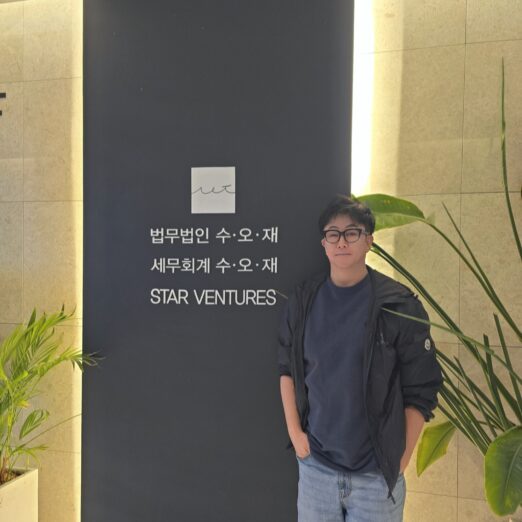
AI는 기술이 아니라 지능이다
미래학자이자 스타벤처스 대표인 문지은 교수는 인공지능(AI)을 단순한 기술 진화의 결과로 보지 않는다. 그는 인터뷰 내내 AI 인프라 구축의 절박성을 강조했다. 그는 “AI를 기술로만 본다면 이미 뒤처진 겁니다. AI는 지능이고, 그 지능을 누가 소유하느냐가 국가의 경쟁력을 결정합니다”라고 말했다.
그가 말하는 AI는 단순한 기술 발전의 연장선이 아니라, 산업 문법 자체를 바꾸는 ‘지능의 혁명’이다. GPT-4 사례를 들며 그는 AI가 더 이상 소프트웨어 엔지니어의 도구가 아니라 산업의 뇌 역할을 한다고 설명했다. 하지만 이 지능을 작동시키기 위해서는 막대한 에너지가 필요하다. GPT-4를 한 번 훈련시키는 데 들어가는 전력만 해도 아일랜드 한 나라의 1년치 전력량에 해당한다. 결국 AI는 에너지의 문제이자 인프라의 문제다.
문 대표는 한국의 현실을 냉정하게 짚었다. 데이터센터가 없으면 AI를 훈련시킬 수 없고, 하드웨어가 없으면 어떤 알고리즘도 돌아가지 않는다. 현재 한국에는 이 ‘지능의 공장’이 절대적으로 부족하며, 결국 지능을 수입해야 하는 구조로 이어질 수 있다고 경고했다. 그는 지금의 경쟁이 “누가 더 많은 GPU와 에너지를 확보하느냐의 싸움”이라며, 이 현상을 ‘AI 부익부 빈익빈’으로 표현했다.
그는 AI 인프라를 단순한 기술 기반이 아닌, 산업 전반을 연결하는 ‘지능의 산업 생태계’로 규정했다. 제조·물류·금융·미디어 등 모든 산업이 이 지능에 접속해야 하며, 지금 이 연결을 설계하지 못한다면 한국은 미래 산업의 지도에서 존재감을 잃게 될 것이라고 내다봤다.
스타벤처스, 기술창업의 ‘유니콘 사관학교’
스타벤처스는 국내 50여 개 대학, 지자체, 그리고 벤처캐피털과 협력하며 AI·바이오·에너지·로보틱스 분야의 스타트업을 육성하는 기술창업 전문 액셀러레이터다. 문지은 대표는 이곳을 단순한 투자기관이 아닌 ‘AI 유니콘 사관학교’라 부른다.
“창업가는 꿈을 꿔야 합니다. 하지만 성과가 없는 꿈은 오래가지 못해요. 우리는 유니콘으로 가기까지의 성장 단계, 즉 ‘핵(핵심 성장 동력)’과 ‘킥(새로움을 끌어당기는 힘)’을 찾아주는 역할을 합니다.”
그는 투자를 기술보다 사람에 대한 투자로 본다. 기업의 기술력보다 창업가의 수용성과 실행력을 더 중요하게 평가하며, 피드백을 빠르게 흡수하고 변화에 민감하게 대응하는 창업가가 결국 성장의 속도를 결정한다고 강조한다.
“유니콘으로 성장하는 창업가들의 공통점은 내가 하려는 말을 이미 실행하고 있다는 점이에요.”
스타벤처스는 ‘컴플리트 빌드형(Complete Build)’ 엑셀러레이팅 모델을 기반으로, 창업 초기부터 IPO 이전 단계까지 전주기적 지원을 제공한다. 현재 30여 개 기업에 투자했으며, 각 기업의 기술 검증과 시장 진입, 후속 투자까지 긴 호흡으로 동행하고 있다.
“스타트업이 없으면, 젊음이 없다”
한양대 산학협력단 교수 출신인 문 대표는 창업교육의 필요성을 누구보다 강하게 강조한다. 그는 “지금의 청년 세대는 직업이 주어지는 세대가 아닙니다. 스스로 만들어야 해요. 스타트업은 단순한 선택이 아니라, 시대의 생존 방식입니다”라고 말한다.
그의 교육 철학의 핵심은 ‘후츠파(Chutzpah)형 기업가정신’이다. 실패를 두려워하지 않고 시도 자체를 통해 배우는 문화를 조성해야 한다는 것이다. 그는 초·중등 단계부터 도전과 실험을 장려하는 기업가정신 교육이 강화되어야 한다고 강조한다.
AI 기술이 일자리의 절반을 대체하더라도, 동시에 새로운 산업과 직업이 생겨난다고 그는 본다. 중요한 것은 AI를 두려워하지 않고 도구로서 다루는 인간을 키우는 일이다. 그런 의미에서 그는 스타트업이야말로 미래 인재의 훈련장이자 국가 경쟁력의 근간이라고 말한다.
현재 스타벤처스는 대학 연계형 창업 멘토링 프로그램을 운영하며 매년 수백 명의 예비 창업가를 배출하고 있다. 교육·투자·네트워킹이 결합된 이 생태계를 통해 기술 기반 스타트업들이 성장의 전 과정을 경험하도록 돕는다. 문 대표는 이를 “한국형 유니콘 생태계를 위한 실험실”이라 부르며, 단순한 창업 지원을 넘어 새로운 산업 인재를 길러내는 구조적 시스템으로 발전시키고 있다.
“AI 인프라는 기축산업이다”
미래학자 문지은 대표는 AI를 “대한민국이 반드시 구축해야 할 차세대 기축산업”이라고 단언한다. 그는 한국이 기축통화국이 아니기 때문에, 최소한 산업 차원의 기축 구조를 만들어야 한다고 강조한다. 반도체가 그 역할을 해왔지만 이제는 AI 인프라가 그 자리를 대신해야 한다는 것이다.
문 대표가 말하는 AI는 단순한 기술이 아니라, 국가 산업의 중심축이자 연결망이다. 그는 AI 산업을 “칩, 데이터, 전력, 에너지, 로봇, 그리고 인간이 유기적으로 맞물려 돌아가는 생태계”로 정의한다. 이 중 하나라도 끊기면 산업 전체가 멈추고, 하드웨어만 잘해서도, 소프트웨어만으로도 경쟁력을 확보할 수 없다고 지적한다. 따라서 그는 국가 차원에서 AI 인프라를 통합적으로 설계하고 관리하는 전략적 접근이 필요하다고 강조했다.
특히 그는 데이터센터를 국가의 전략 자산으로 인식해야 한다고 말한다. AI가 단일 기술이 아니라 모든 산업을 연결하는 기반 산업인 만큼, 데이터센터를 확보하고 에너지 효율을 높이며 GPU·반도체 생태계를 결합해야 한다는 것이다. 그는 “AI는 이제 국가 인프라의 최상단에 있어야 한다. 이 구조를 먼저 선점하는 나라가 다음 100년의 산업 패권을 차지할 것”이라고 전망했다.
결국 문 대표의 메시지는 명확하다. AI를 단순한 기술로 볼 것인가, 아니면 국가의 기축으로 바라볼 것인가- 이 선택이 대한민국 산업지도를 근본적으로 바꿔놓을 분기점이라는 것이다.
“AGI 시대, 한국은 아직 늦지 않았다”
미래학자 문지은 대표는 “5년 안에 AGI(범용 인공지능)는 현실이 될 것”이라고 전망한다. 그에게 AGI의 등장은 단순한 기술적 진보가 아니라, 산업 구조 전체가 다시 짜이는 ‘재조립기(再組立期)’다. 인간과 지능이 공존하는 새로운 산업 질서가 만들어지는 시점이라는 것이다.
문 대표는 AGI 시대를 “지능이 산업을 이끌어가는 전환기”로 정의한다. 그는 AGI가 구현되면 기업 내에 수많은 ‘AI 에이전트’가 등장해 광고 기획, 영업 관리, 고객 데이터 분석 등 사람의 역할을 대신 수행할 것이라 내다본다. 인간은 그 위에서 의사결정의 방향을 제시하는 ‘AGI 마스터’로서 산업 운영의 중심축을 맡게 될 것이라는 설명이다.
그의 분석은 산업의 구조적 변화를 가리킨다. 지금까지는 사람이 기계를 통제했지만, 앞으로는 지능이 산업을 이끌어가는 시대가 온다는 것이다. 따라서 중요한 것은 AI를 얼마나 빠르게 도입하느냐가 아니라, 누가 지능의 구조를 설계하느냐다.
문 대표는 한국이 아직 늦지 않았다고 단언한다. 반도체 기술력, AI 스타트업 생태계, 데이터 역량을 모두 갖추고 있기 때문이다. 그는 “이 생태계를 유기적으로 연결하면 미국이나 중국보다 빠르게 성장할 수 있다”며, 지금이 방향을 바로잡을 수 있는 마지막 골든타임이라고 강조한다.
그는 AI 경쟁의 본질이 기업 간 기술전이 아니라 국가 단위의 산업 설계 경쟁으로 옮겨가고 있다고 본다. 누가 먼저 지능을 산업의 엔진으로 삼느냐가 미래의 패권을 결정할 것이며, 한국은 여전히 기회를 잡을 수 있는 위치에 서 있다는 것이다. 다만 그는 “이제는 말이 아니라 실행의 시간”이라고 덧붙였다.
스타트업이 곧 국가의 엔진이다
문 대표는 인터뷰를 마치며 조용히 덧붙였다.
“스타트업이 없으면, 나라의 미래도 없습니다. 젊은 세대가 도전할 수 있는 환경, 실패해도 다시 일어설 수 있는 구조, 그것이 진짜 혁신의 시작입니다.”
그는 현재 AI 스타트업 투자와 생태계 확장 프로젝트, 그리고 글로벌 AI 테스트베드 구축에 주력하고 있다.
“우리는 꿈꾸는 사람들에게 투자합니다. 기술이 아니라 사람, 그리고 그 사람이 바꿀 내일에 투자하는 거죠.”
AI 대전환의 한가운데에서, 미래학자로서 문지은 대표는 여전히 묻는다.
“우리는 AI를 소비할 것인가, 아니면 만들어갈 것인가?”
그 질문은 곧, 대한민국의 내일을 향한 질문이기도 하다.
"Will Korea Become AI Illiterate or an AI Powerhouse?" Futurist Moon Ji-eun, CEO of Star Ventures, discusses Korea's golden opportunity.
A golden time for securing AI sovereignty and shifting the industrial paradigm.
-AI infrastructure as Korea's next-generation key industry
Star Ventures is building an AI unicorn ecosystem through technology startups and talent development.
인공지능(AI)이 문명 전환의 핵심 축으로 자리 잡은 지금, 산업의 경쟁력은 기술이 아니라 '지능'을 얼마나 확보했는가로 결정된다. 하지만 대한민국은 여전히 데이터센터 인프라와 에너지 기반, 그리고 창업 생태계의 디지털 전환 속도에서 뒤처져 있다. 스타벤처스 문지은 대표는 이 상황을 “AI 문맹국으로 추락할 수도 있는 골든타임”이라 진단한다. 그의 메시지는 단순한 경고가 아니다. AI 산업의 주권을 지키기 위한 '국가적 실행전략'을 촉구하는 절박한 제언이다.
AI is not a technology, it's intelligence.
Professor Moon Ji-eun, a futurist and CEO of Star Ventures, doesn't view artificial intelligence (AI) as simply the result of technological evolution. Throughout the interview, he emphasized the urgency of building AI infrastructure. "If we view AI solely as a technology, we're already falling behind," he said. "AI is intelligence, and who owns that intelligence determines a nation's competitiveness."
The AI he speaks of isn't simply an extension of technological advancement, but a "revolution of intelligence" that will transform the very grammar of industry. Citing the example of GPT-4, he explained that AI is no longer a tool for software engineers, but rather serves as the brain of industry. However, operating this intelligence requires enormous energy. The electricity consumed in training GPT-4 alone is equivalent to the annual electricity consumption of Ireland. Ultimately, AI is both an energy and infrastructure issue.
President Moon soberly assessed the current state of affairs in Korea. Without data centers, AI cannot be trained, and without hardware, no algorithms can run. He warned that Korea currently lacks these "intelligence factories," ultimately leading to a structure where intelligence must be imported. He described the current competition as "a battle over who can secure the most GPUs and energy," describing this phenomenon as "the rich get richer and the poor get poorer in AI."
He defined AI infrastructure not as a simple technological foundation, but as an "industrial ecosystem of intelligence" connecting all industries. He predicted that all industries, including manufacturing, logistics, finance, and media, must access this intelligence, and that if Korea fails to design this connection now, it will lose its presence on the map of future industries.
Star Ventures, the "Unicorn Academy" for Technology Startups
Star Ventures is a technology startup accelerator that collaborates with over 50 domestic universities, local governments, and venture capital firms to foster startups in the AI, bio, energy, and robotics sectors. CEO Moon Ji-eun calls it more than just an investment firm; it's an "AI Unicorn Academy."
"Entrepreneurs must dream. But dreams without results don't last long. We help companies find the growth stages that lead to becoming unicorns—the "core" (the core growth engine) and the "kick" (the force that attracts innovation)."
He views investment as an investment in people rather than technology. He values an entrepreneur's receptiveness and execution ability more than a company's technological prowess, and emphasizes that entrepreneurs who quickly absorb feedback and respond sensitively to change ultimately determine the pace of growth.
“What entrepreneurs who grow into unicorns have in common is that they are already practicing what they preach.”
Based on its "Complete Build" accelerator model, Star Ventures provides full-cycle support from startup inception through the pre-IPO stage. It has invested in over 30 companies and continues to support them through technology validation, market entry, and follow-up investment.
"Without startups, there's no youth."
Mr. Moon, a former professor at Hanyang University's Industry-Academic Cooperation Foundation, emphasizes the need for entrepreneurship education more strongly than anyone else. He says, "Today's youth aren't a generation that's given jobs. They have to create their own. Startups aren't simply a choice; they're a way of survival in this day and age."
The core of his educational philosophy is "chutzpah entrepreneurship." He advocates fostering a culture of learning through experimentation, without fear of failure. He emphasizes the need to strengthen entrepreneurship education, which encourages challenge and experimentation, from elementary and secondary levels.
He believes that even if AI technology replaces half of all jobs, it will simultaneously create new industries and occupations. The key is to cultivate people who are not afraid of AI and who treat it as a tool. In this sense, he argues that startups are the training grounds for future talent and the foundation of national competitiveness.
Currently, Star Ventures operates a university-linked startup mentoring program, nurturing hundreds of aspiring entrepreneurs each year. This ecosystem, which combines education, investment, and networking, helps technology-based startups experience the entire growth process. CEO Moon calls this "a laboratory for a Korean-style unicorn ecosystem," and he is developing it beyond simple startup support into a structural system that cultivates new industry talent.
AI infrastructure is a key industry.
Moon Ji-eun, a futurist, asserts that AI is "a next-generation key industry that South Korea must build." He emphasizes that, because South Korea is not a reserve currency country, it must at least establish a key industry-level structure. While semiconductors have played this role, AI infrastructure must now take its place.
The AI President Moon speaks of isn't simply a technology; it's the central axis and network of national industry. He defines the AI industry as "an ecosystem where chips, data, power, energy, robots, and humans are organically intertwined." He points out that if any one of these elements is disrupted, the entire industry will grind to a halt, and that competitiveness cannot be secured with just superior hardware or software alone. Therefore, he emphasized the need for a strategic approach to comprehensively designing and managing AI infrastructure at the national level.
In particular, he argues that data centers should be recognized as a national strategic asset. Since AI is not a single technology but a foundational industry connecting all industries, he argues that securing data centers, improving energy efficiency, and integrating the GPU and semiconductor ecosystems are crucial. He predicted, "AI must now be at the very top of national infrastructure. The country that first secures this structure will secure industrial hegemony for the next 100 years."
Ultimately, President Moon's message is clear: whether to view AI as a simple technology or as a cornerstone of the nation—this choice is a turning point that will fundamentally alter the industrial landscape of South Korea.
"It's not too late for Korea in the AGI era."
Futurist Moon Ji-eun predicts that "AGI (Artificial General Intelligence) will become a reality within five years." To her, the emergence of AGI is not simply a technological advancement, but a period of "reassembly" in which the entire industrial structure is being restructured. She believes this is the moment when a new industrial order is being created, one in which humans and intelligence coexist.
President Moon defines the AGI era as "a transitional period where intelligence will lead industry." He predicts that once AGI is realized, numerous "AI agents" will emerge within companies, performing human roles such as advertising planning, sales management, and customer data analysis. He explains that humans will become central to industrial operations as "AGI masters," providing guidance on decision-making.
His analysis points to a structural shift in industry. While humans have controlled machines until now, he argues, an era will dawn where intelligence will drive industry. Therefore, the key is not how quickly AI is adopted, but who designs the structure of intelligence.
President Moon asserts that it's not too late for Korea. Korea possesses semiconductor technology, an AI startup ecosystem, and data capabilities. He emphasizes that "if we organically connect these ecosystems, we can grow faster than the US or China," emphasizing that now is the last golden opportunity to set course.
He believes the essence of the AI competition is shifting from a technology war between companies to a national industrial design competition. Whoever first utilizes intelligence as the engine of their industry will determine future hegemony, and Korea remains well-positioned to seize the opportunity. However, he added, "Now is the time for action, not words."
Startups are the engine of the nation.
Representative Moon added quietly as the interview concluded.
"Without startups, there's no future for our country. Creating an environment where young people can take on challenges, a structure that allows them to bounce back even after failure—that's where true innovation begins."
He is currently focusing on investing in AI startups, expanding the ecosystem, and building a global AI testbed.
"We invest in dreamers. We invest not in technology, but in people, and in the tomorrow they will change."
In the midst of the AI revolution, Moon Ji-eun, as a futurist, still asks:
“Will we consume AI, or will we create it?”
That question is also a question for the future of the Republic of Korea.
「AI文盲国になるのか、AI強国になるのか」
-AI主権確保と産業パラダイム転換のゴールデンタイム
-AIインフラを大韓民国の次世代基軸産業に
-スターベンチャーズ、技術創業と人材養成でAIユニコーンエコシステム構築
人工知能(AI)が文明転換の核心軸となった今、産業の競争力は技術ではなく「知能」をどれだけ確保したかで決まる。しかし、大韓民国は依然としてデータセンターインフラとエネルギー基盤、そして創業生態系のデジタル転換速度で遅れている。スターベンチャーズ門紙は代表はこの状況を「AI文盲国に墜落する可能性があるゴールデンタイム」と診断する。彼のメッセージは単なる警告ではありません。 AI産業の主権を守るための「国家的実行戦略」を促す切迫した提言だ。
AIは技術ではなく知能です
未来学者であり、スターベンチャーズ代表であるムン・ジウン教授は人工知能(AI)を単純な技術進化の結果とみなさない。彼はインタビューを通じてAIインフラ構築の切迫性を強調した。彼は「AIを技術だけで見るとすでに遅れているはずです。AIは知能であり、その知能を誰が所有するのかが国家の競争力を決定します」と話した。
彼が言うAIは単純な技術発展の延長線ではなく、産業文法自体を変える「知能の革命」だ。 GPT-4のケースを挙げて、彼はAIはもはやソフトウェアエンジニアのツールではなく、業界の脳として機能すると説明した。しかし、この知能を作動させるには膨大なエネルギーが必要です。 GPT-4を一度訓練させるのに入る電力だけでも、アイルランドの国の1年値電力量に該当する。結局、AIはエネルギーの問題であり、インフラの問題だ。
ムン代表は韓国の現実を冷静についた。データセンターがなければAIを訓練することはできず、ハードウェアがなければどのアルゴリズムも戻らない。現在、韓国にはこの「知能の工場」が絶対に不足し、結局知能を輸入しなければならない構造につながる可能性があると警告した。彼は今の競争が「誰がより多くのGPUとエネルギーを確保するのかの戦い」だとし、この現象を「AI副利益部のビンイクビン」と表現した。
彼はAIインフラを単純な技術基盤ではなく、産業全般を結ぶ「知能の産業エコシステム」と規定した。製造・物流・金融・メディアなどすべての産業がこの知能に接続しなければならず、今この連結を設計できなければ韓国は未来産業の指導で存在感を失うことになると見通した。
スターベンチャーズ、技術創業の「ユニコーン士官学校」
スターベンチャーズは国内50以上の大学、自治体、そしてベンチャーキャピタルと協力し、AI・バイオ・エネルギー・ロボティクス分野のスタートアップを育成する技術創業専門アクセラレーターだ。ムン・ジウン代表はここを単純な投資機関ではなく「AIユニコーン士官学校」と呼ぶ。
「創業者は夢を見なければなりません。しかし、成果のない夢は長続きしません。私たちはユニコーンに行くまでの成長段階、つまり「核(核心成長動力)」と「キック(新を引き付ける力)」を求める役割を果たします。
彼は投資を技術よりも人への投資と見なす。企業の技術力よりも創業者の水溶性と実行力をより重要に評価し、フィードバックを素早く吸収し、変化に敏感に対応する創業者が結局成長の速度を決定すると強調する。
「ユニコーンで成長する創業者の共通点は、私が言いたいことをすでに実行していることです」
スターベンチャーズは「コンプリートビルド(Complete Build)」エクセラレーティングモデルに基づいて、創業初期からIPO前段階まで全周期的支援を提供する。現在30社以上の企業に投資しており、各企業の技術検証と市場参入、後続投資まで長い呼吸で同行している。
「スタートアップがなければ、若さがない」
漢陽大学産学協力団教授出身のムン代表は創業教育の必要性を誰より強く強調する。彼は「今の青年世代は職業が与えられる世代ではありません。自分で作らなければなりません。スタートアップは単なる選択ではなく、時代の生存方式です」と話す。
彼の教育哲学の核心は「フツパ(Chutzpah)型起業家精神」だ。失敗を恐れずに試み自体を通じて学ぶ文化を造成しなければならないということだ。彼は、小・中等段階から挑戦と実験を奨励する起業家精神教育が強化されなければならないと強調する。
AI技術が雇用の半分を置き換えても、同時に新しい産業と職業が生まれると彼は見る。重要なのは、AIを恐れずに道具として扱う人間を育てることです。そういう意味で彼はスタートアップこそ未来人材の訓練場であり、国家競争力の根幹だと言う。
現在、スターベンチャーズは大学連携型創業メンタリングプログラムを運営し、毎年数百人の予備創業者を排出している。教育・投資・ネットワーキングが結合されたこの生態系を通じて、技術ベースのスタートアップが成長の全過程を経験するのを助ける。ムン代表はこれを「韓国型ユニコーン生態系のための実験室」と呼び、単純な創業支援を超えて新しい産業人材を育てる構造的システムに発展している。
「AIインフラは基軸産業だ」
未来学者ムンジは代表はAIを「大韓民国が必ず構築すべき次世代基軸産業」と断言する。彼は韓国が基軸通貨国ではないため、少なくとも産業レベルの基軸構造を作らなければならないと強調する。半導体がその役割を果たしてきたが、今ではAIインフラがその場に代わらなければならないということだ。
ムーン代表が言うAIは単なる技術ではなく、国家産業の中心軸であり、連結網である。彼はAI産業を「チップ、データ、電力、エネルギー、ロボット、そして人間が有機的に噛み合って帰る生態系」と定義する。これらの一つでも壊れれば産業全体が止まり、ハードウェアだけ上手くても、ソフトウェアだけでも競争力を確保できないと指摘する。したがって、彼は、国家レベルでAIインフラストラクチャを統合的に設計し管理するための戦略的アプローチが必要であると強調した。
特に彼はデータセンターを国家の戦略資産として認識しなければならないと言う。 AIが単一技術ではなく、すべての産業を接続する基盤産業であるだけに、データセンターを確保し、エネルギー効率を高め、GPU・半導体エコシステムを結合しなければならないということだ。彼は「AIは今、国家インフラの最上段になければならない。この構造を先に先取りする国が次の100年の産業覇権を占めるだろう」と展望した。
結局ドア代表のメッセージは明確だ。 AIを単純な技術で見るのか、それとも国家の基軸で見るのか-この選択が大韓民国産業指導を根本的に変える分岐点ということだ。
「AGI時代、韓国はまだ遅れていない」
未来学者のムン・ジウン代表は「5年以内にAGI(汎用人工知能)は現実になるだろう」と展望する。彼にとってAGIの登場は単純な技術的進歩ではなく、産業構造全体が再編成する「再組立期」だ。人間と知能が共存する新しい産業秩序が作られる時点だということだ。
ムン代表はAGI時代を「知能が産業をリードする転換期」と定義する。彼はAGIが実装されると企業内に数多くの「AIエージェント」が登場し、広告企画、営業管理、顧客データ分析など人の役割を代わりに遂行するものと見ている。人間はその上で意思決定の方向を提示する「AGIマスター」として産業運営の中心軸を引き受けることになるという説明だ。
彼の分析は産業の構造的変化を指す。これまでは人が機械を制御したが、今後は知能が産業を導いていく時代が来るということだ。したがって、重要なのはAIをどれだけ早く導入するのではなく、誰が知能の構造を設計するのか。
ムン代表は韓国がまだ遅れていないと断言する。半導体技術力、AIスタートアップエコシステム、データ能力をすべて備えているからだ。彼は「この生態系を有機的に連結すれば、米国や中国よりも急速に成長できる」とし、今が方向を正すことができる最後のゴールデンタイムだと強調する。
彼はAI競争の本質が企業間技術展ではなく国家単位の産業設計競争に移っていると見ている。誰が先に知能を産業のエンジンにするかが未来の覇権を決定するだろうし、韓国は依然として機会をとることができる位置に立っているということだ。ただし、彼は「今は言葉ではなく実行の時間」と付け加えた。
スタートアップはまもなく国のエンジンです。
ムン代表はインタビューを終えて静かに付け加えた。
「スタートアップがなければ、国の未来もありません。若い世代が挑戦できる環境、失敗してもまた立ち上がる仕組み、それが本当の革新の始まりです」
彼は現在、AIスタートアップ投資とエコシステム拡張プロジェクト、そしてグローバルAIテストベッドの構築に注力している。
「私たちは夢見る人に投資します。技術ではなく人、そしてその人が変える明日に投資するんです」。
AI大転換の真ん中で、未来学者としてこすった代表は依然として尋ねる。
「私たちはAIを消費するのか、それとも作るのか?」
その質問はまもなく、大韓民国の明日に向けた質問でもある。
“韩国会成为人工智能盲区还是人工智能强国?”未来学家、Star Ventures首席执行官文智恩探讨了韩国的黄金机遇。
确保人工智能主权和转变产业范式的黄金时期。
-人工智能基础设施是韩国下一代关键产业
Star Ventures 正在通过科技创业公司和人才培养,构建一个人工智能独角兽生态系统。
如今,人工智能(AI)已成为文明转型的重要支柱,产业竞争力不再取决于技术本身,而是取决于其智能程度。然而,韩国在数据中心基础设施、能源基础设施以及初创企业生态系统的数字化转型方面仍然落后。Star Ventures首席执行官文智恩(Moon Ji-eun)认为,这种情况“正处于我们可能陷入人工智能文盲的黄金时期”。他的这番话不仅仅是简单的警告,更是对制定“国家实施战略”以维护人工智能产业主权的迫切呼吁。
人工智能不是一种技术,它是智能。
未来学家、Star Ventures首席执行官文智恩教授认为,人工智能(AI)并非仅仅是技术演进的产物。在采访中,他反复强调了构建人工智能基础设施的紧迫性。“如果我们仅仅将人工智能视为一种技术,我们已经落后了,”他说道,“人工智能就是智能,而谁掌握了这种智能,就决定了一个国家的竞争力。”
他所说的AI并非仅仅是技术进步的延伸,而是一场“智能革命”,它将彻底改变行业的运作方式。他以GPT-4为例解释说,AI不再是软件工程师的工具,而是行业的“大脑”。然而,运行这种智能需要巨大的能源。仅训练GPT-4所消耗的电力就相当于爱尔兰一年的用电量。归根结底,AI既是一个能源问题,也是一个基础设施问题。
文在寅总统冷静地评估了韩国目前的状况。他指出,没有数据中心,人工智能就无法训练;没有硬件,算法就无法运行。他警告说,韩国目前缺乏这些“智能工厂”,最终将导致人工智能必须依赖进口。他将当前的竞争描述为“争夺最多GPU和能源的战争”,并指出在人工智能领域,“富者愈富,穷者愈穷”。
他将人工智能基础设施定义为连接所有行业的“智能产业生态系统”,而非简单的技术基础。他预测,包括制造业、物流业、金融业和媒体业在内的所有行业都必须获取这种智能,如果韩国现在不构建这种连接,它将在未来的产业版图中失去一席之地。
Star Ventures,科技创业公司的“独角兽学院”
Star Ventures是一家科技创业加速器,与50多所国内高校、地方政府和风险投资公司合作,致力于扶持人工智能、生物技术、能源和机器人领域的初创企业。首席执行官文智恩称其不仅仅是一家投资公司,更是一个“人工智能独角兽学院”。
“企业家必须有梦想。但没有成果的梦想不会长久。我们帮助公司找到通往独角兽之路的增长阶段——“核心”(核心增长引擎)和“动力”(吸引创新的力量)。”
他认为投资是对人的投资,而不是对技术的投资。他更看重企业家的接受能力和执行力,而不是公司的技术实力,并强调能够快速吸收反馈并对变化做出敏锐反应的企业家最终决定了公司的发展速度。
“那些成长为独角兽企业的企业家们都有一个共同点,那就是他们已经开始践行自己所宣扬的理念。”
基于其“全程构建”加速器模式,星创投提供从初创企业创立到IPO前阶段的全周期支持。该公司已投资超过30家企业,并持续为它们提供技术验证、市场准入和后续投资等方面的支持。
“没有创业公司,就没有年轻人。”
曾任汉阳大学产学合作基金会教授的文先生比任何人都更强调创业教育的必要性。他说:“如今的年轻人不再是被安排工作的一代,他们必须自己创造工作机会。创业不仅仅是一种选择,更是当今时代生存的途径。”
他的教育理念核心是“勇于创新的创业精神”。他倡导培养一种通过实验进行学习、不惧失败的文化。他强调需要从小学和中学阶段就加强创业教育,鼓励学生挑战自我、勇于尝试。
他认为,即使人工智能技术取代了一半的工作岗位,同时也会催生新的产业和职业。关键在于培养那些不惧怕人工智能并将其视为工具的人才。从这个意义上讲,他认为初创企业是未来人才的摇篮,也是国家竞争力的基石。
目前,星创投运营着一个与大学合作的创业导师项目,每年培育数百名有抱负的创业者。这个融合了教育、投资和人脉的生态系统,帮助科技型初创企业体验完整的成长过程。首席执行官文先生称之为“韩式独角兽生态系统的实验室”,他正努力将其发展成为一个超越简单创业扶持的体系,以培养行业新人才。
人工智能基础设施是一个关键行业。
未来学家文智恩(Moon Ji-eun)断言,人工智能是“韩国必须打造的下一代关键产业”。他强调,由于韩国并非储备货币国家,因此至少必须建立起关键的产业架构。虽然半导体产业曾发挥过这一作用,但如今人工智能基础设施必须取而代之。
文在寅总统所说的AI不仅仅是一项技术,它是国家产业的核心轴心和网络。他将AI产业定义为“一个芯片、数据、电力、能源、机器人和人类有机交织的生态系统”。他指出,如果其中任何一个要素受到干扰,整个产业都将停滞不前,而仅仅依靠卓越的硬件或软件无法确保竞争力。因此,他强调需要采取战略性方法,在国家层面全面设计和管理AI基础设施。
他尤其强调,数据中心应被视为国家战略资产。人工智能并非单一技术,而是连接所有产业的基础性产业,因此,保障数据中心安全、提升能源效率以及整合GPU和半导体生态系统至关重要。他预测:“人工智能必须成为国家基础设施建设的重中之重。率先构建这一体系的国家,将在未来100年内保持产业霸主地位。”
最终,文在寅总统的信息很明确:究竟是将人工智能视为一项简单的技术,还是将其视为国家的基石——这一选择将是一个转折点,从根本上改变韩国的产业格局。
“对于韩国来说,在通用人工智能时代还不算太晚。”
未来学家文智恩预测,“通用人工智能(AGI)将在五年内成为现实”。在她看来,AGI的出现不仅仅是技术的进步,更是一个“重组”时期,整个产业结构都将发生重塑。她认为,这是一个全新的产业秩序正在形成的时刻,在这个秩序中,人类与智能将共存。
文在寅总统将通用人工智能(AGI)时代定义为“智能引领产业的过渡时期”。他预测,一旦AGI实现,企业内部将涌现出大量“人工智能代理”,承担诸如广告策划、销售管理和客户数据分析等人类角色。他解释说,人类将作为“AGI大师”在工业运营中扮演核心角色,为决策提供指导。
他的分析指出产业结构正在发生转变。他认为,虽然迄今为止机器一直由人类控制,但未来将迎来一个由智能驱动产业的时代。因此,关键不在于人工智能被采用的速度有多快,而在于谁来设计智能的架构。
文在寅总统断言,韩国现在还不算晚。韩国拥有半导体技术、人工智能初创企业生态系统和数据能力。他强调,“如果我们能将这些生态系统有机地连接起来,我们的发展速度就能超过美国或中国”,并强调现在是制定发展方向的最后黄金时机。
他认为,人工智能竞争的本质正在从企业间的技术战争转变为全国性的工业设计竞赛。谁能率先将智能作为产业引擎,谁就能决定未来的霸主地位,而韩国仍然占据着抓住这一机遇的有利位置。但他补充道:“现在是行动的时候,而不是空谈的时候。”
创业公司是国家发展的引擎。
采访结束时,文在寅议员低声补充道。
“没有创业公司,我们的国家就没有未来。创造一个让年轻人勇于接受挑战的环境,建立一个即使失败也能让他们重新振作的机制——这才是真正创新的起点。”
他目前专注于投资人工智能初创公司、拓展生态系统以及构建全球人工智能测试平台。
“我们投资的是梦想家。我们投资的不是技术,而是人,以及他们终将改变的未来。”
在人工智能革命的浪潮中,作为一名未来学家,文智恩仍然提出了这样的问题:
“我们将消费人工智能,还是我们将创造人工智能?”
这个问题也关系到大韩民国的未来。
« La Corée deviendra-t-elle analphabète en IA ou une puissance en la matière ? » La futuriste Moon Ji-eun, PDG de Star Ventures, évoque l'opportunité en or qui s'offre à la Corée.
Une période faste pour garantir la souveraineté de l'IA et transformer le paradigme industriel.
– L'infrastructure d'IA comme secteur clé de la prochaine génération en Corée
Star Ventures construit un écosystème de licornes de l'IA grâce à des startups technologiques et au développement des talents.
L'intelligence artificielle (IA) étant devenue un axe majeur de la transformation civilisationnelle, la compétitivité industrielle ne repose plus sur la technologie elle-même, mais sur le degré d'intelligence dont elle dispose. Or, la Corée du Sud accuse encore un retard considérable en matière d'infrastructures de centres de données, d'infrastructures énergétiques et de transformation numérique de son écosystème de startups. Moon Ji-eun, PDG de Star Ventures, qualifie cette situation de « période critique où nous risquons de sombrer dans l'illettrisme en IA ». Son message dépasse le simple avertissement : il s'agit d'un appel pressant à l'élaboration d'une stratégie nationale de mise en œuvre afin de préserver la souveraineté de la Corée du Sud dans le secteur de l'IA.
L'IA n'est pas une technologie, c'est de l'intelligence.
Le professeur Moon Ji-eun, futurologue et PDG de Star Ventures, ne considère pas l'intelligence artificielle (IA) comme un simple fruit de l'évolution technologique. Tout au long de l'entretien, il a insisté sur l'urgence de développer une infrastructure dédiée à l'IA. « Si nous percevons l'IA uniquement comme une technologie, nous sommes déjà à la traîne », a-t-il déclaré. « L'IA est une forme d'intelligence, et la maîtrise de cette intelligence détermine la compétitivité d'une nation. »
L'IA dont il parle n'est pas simplement un prolongement du progrès technologique, mais une « révolution de l'intelligence » qui transformera en profondeur le langage même de l'industrie. Prenant l'exemple de GPT-4, il a expliqué que l'IA n'est plus un outil pour les ingénieurs logiciels, mais bien le cerveau de l'industrie. Or, le fonctionnement de cette intelligence requiert une énergie colossale. L'électricité consommée pour l'entraînement de GPT-4 à lui seul équivaut à la consommation électrique annuelle de l'Irlande. En définitive, l'IA pose un double enjeu énergétique et d'infrastructure.
Le président Moon a dressé un bilan lucide de la situation actuelle en Corée. Sans centres de données, l'IA ne peut être entraînée, et sans matériel, aucun algorithme ne peut s'exécuter. Il a averti que la Corée manque actuellement de ces « usines à intelligence », ce qui la conduira inévitablement à importer des ressources en intelligence artificielle. Il a décrit la concurrence actuelle comme « une bataille pour s'assurer le plus de GPU et d'énergie », qualifiant ce phénomène de « plus les riches s'enrichissent et plus les pauvres s'appauvrissent dans le domaine de l'IA ».
Il a défini l'infrastructure d'IA non pas comme une simple base technologique, mais comme un « écosystème industriel d'intelligence » reliant tous les secteurs. Il a prédit que tous les secteurs, y compris la production, la logistique, la finance et les médias, devront accéder à cette intelligence, et que si la Corée ne met pas en place cette connexion dès maintenant, elle perdra sa place sur la carte des industries de demain.
Star Ventures, la « Licorne Academy » des startups technologiques
Star Ventures est un accélérateur de startups technologiques qui collabore avec plus de 50 universités, collectivités locales et sociétés de capital-risque chinoises afin de favoriser l'émergence de jeunes entreprises dans les secteurs de l'IA, des biotechnologies, de l'énergie et de la robotique. Sa PDG, Moon Ji-eun, le décrit comme bien plus qu'une simple société d'investissement : une véritable « académie des licornes de l'IA ».
« Les entrepreneurs doivent rêver. Mais les rêves sans résultats ne durent pas longtemps. Nous aidons les entreprises à trouver les étapes de croissance qui mènent au statut de licornes : le « cœur » (le moteur de croissance principal) et le « coup de pouce » (la force qui attire l'innovation). »
Il considère l'investissement comme un investissement dans les personnes plutôt que dans la technologie. Il valorise davantage la réceptivité et la capacité d'exécution d'un entrepreneur que la prouesse technologique d'une entreprise, et souligne que ce sont les entrepreneurs qui intègrent rapidement les retours d'information et s'adaptent avec sensibilité au changement qui déterminent en fin de compte le rythme de croissance.
« Ce que les entrepreneurs qui deviennent des licornes ont en commun, c’est qu’ils mettent déjà en pratique ce qu’ils préconisent. »
S’appuyant sur son modèle d’accélérateur « Complete Build », Star Ventures offre un accompagnement complet, de la création de la startup jusqu’à la phase de pré-introduction en bourse. La société a investi dans plus de 30 entreprises et continue de les soutenir dans la validation de leur technologie, leur entrée sur le marché et les investissements de suivi.
« Sans start-ups, il n'y a pas de jeunesse. »
M. Moon, ancien professeur à la Fondation de coopération industrie-université de l'Université Hanyang, insiste plus que quiconque sur la nécessité d'une éducation à l'entrepreneuriat. Il déclare : « Les jeunes d'aujourd'hui ne sont pas une génération à qui l'on offre un emploi. Ils doivent le créer eux-mêmes. Créer une start-up n'est pas un simple choix ; c'est une question de survie dans le monde actuel. »
Au cœur de sa philosophie éducative se trouve « l'esprit d'entreprise audacieux ». Il prône le développement d'une culture d'apprentissage par l'expérimentation, sans crainte de l'échec. Il insiste sur la nécessité de renforcer l'éducation à l'entrepreneuriat, qui encourage la prise de risque et l'expérimentation, dès l'école primaire et le secondaire.
Il estime que même si l'intelligence artificielle remplace la moitié des emplois, elle créera simultanément de nouveaux secteurs et de nouvelles professions. L'essentiel est de former des personnes qui n'ont pas peur de l'IA et qui la considèrent comme un outil. Dans cette optique, il affirme que les startups sont des pépinières de talents et le fondement de la compétitivité nationale.
Actuellement, Star Ventures gère un programme de mentorat pour startups en partenariat avec des universités, accompagnant chaque année des centaines d'entrepreneurs en herbe. Cet écosystème, qui allie formation, investissement et réseautage, permet aux startups technologiques de vivre pleinement leur développement. Son PDG, Moon, le décrit comme un « laboratoire pour un écosystème de licornes à la coréenne » et travaille à le transformer, au-delà du simple soutien aux startups, en un système structuré favorisant l'émergence de nouveaux talents dans le secteur.
L'infrastructure d'IA est un secteur clé.
Moon Ji-eun, futurologue, affirme que l'IA est « un secteur clé de nouvelle génération que la Corée du Sud doit développer ». Il souligne que, n'étant pas un pays disposant d'une monnaie de réserve, la Corée du Sud doit au moins mettre en place une structure industrielle de pointe. Si les semi-conducteurs ont joué ce rôle jusqu'à présent, l'infrastructure d'IA doit désormais prendre le relais.
L'intelligence artificielle dont parle le président Moon n'est pas simplement une technologie ; elle constitue l'axe central et le réseau de l'industrie nationale. Il définit l'industrie de l'IA comme « un écosystème où puces, données, énergie, robots et humains sont intrinsèquement liés ». Il souligne que si l'un de ces éléments est perturbé, l'ensemble du secteur s'effondrera et que la compétitivité ne peut être garantie uniquement par des matériels ou des logiciels de pointe. C'est pourquoi il insiste sur la nécessité d'une approche stratégique pour concevoir et gérer de manière globale l'infrastructure d'IA à l'échelle nationale.
Il soutient notamment que les centres de données devraient être considérés comme un atout stratégique national. L'IA n'étant pas une technologie isolée, mais un secteur fondamental reliant tous les secteurs d'activité, il affirme que la sécurisation des centres de données, l'amélioration de l'efficacité énergétique et l'intégration des écosystèmes GPU et semi-conducteurs sont cruciales. Il prédit : « L'IA doit désormais figurer au sommet de l'infrastructure nationale. Le pays qui sécurisera en premier cette infrastructure s'assurera l'hégémonie industrielle pour les cent prochaines années. »
En définitive, le message du président Moon est clair : faut-il considérer l’IA comme une simple technologie ou comme une pierre angulaire de la nation ? Ce choix constitue un tournant qui modifiera fondamentalement le paysage industriel de la Corée du Sud.
« Il n'est pas trop tard pour la Corée à l'ère de l'intelligence artificielle générale. »
La futurologue Moon Ji-eun prédit que « l'IA générale (Intelligence Artificielle Générale) deviendra une réalité d'ici cinq ans ». Pour elle, l'émergence de l'IA générale ne constitue pas simplement un progrès technologique, mais une période de « réorganisation » où toute la structure industrielle est restructurée. Elle estime que nous assistons à la création d'un nouvel ordre industriel, où humains et intelligence coexisteront.
Le président Moon définit l'ère de l'IA générale comme « une période de transition où l'intelligence guidera l'industrie ». Il prédit qu'une fois l'IA générale devenue réalité, de nombreux « agents d'IA » émergeront au sein des entreprises, assumant des fonctions humaines telles que la planification publicitaire, la gestion des ventes et l'analyse des données clients. Il explique que les humains deviendront essentiels aux opérations industrielles en tant que « maîtres de l'IA générale », apportant leur expertise en matière de prise de décision.
Son analyse met en lumière une transformation structurelle de l'industrie. Si, jusqu'à présent, les humains ont contrôlé les machines, affirme-t-il, une ère s'ouvrira où l'intelligence pilotera l'industrie. Dès lors, l'enjeu n'est pas tant la rapidité d'adoption de l'IA que la capacité à concevoir l'architecture de cette intelligence.
Le président Moon affirme qu'il n'est pas trop tard pour la Corée. Le pays possède des technologies de pointe en semi-conducteurs, un écosystème de startups spécialisées en intelligence artificielle et d'excellentes capacités en matière de données. Il souligne que « si nous parvenons à connecter naturellement ces écosystèmes, nous pouvons croître plus rapidement que les États-Unis ou la Chine », insistant sur le fait que c'est maintenant la dernière occasion en or de définir une stratégie.
Il estime que l'essence de la compétition en IA évolue : d'une guerre technologique entre entreprises, elle devient un concours national de design industriel. Celui qui, le premier, fera de l'intelligence artificielle le moteur de son industrie déterminera son hégémonie future, et la Corée est bien placée pour saisir cette opportunité. Il a toutefois ajouté : « L'heure est aux actes, pas aux paroles. »
Les startups sont le moteur de la nation.
« Ajouta discrètement le représentant Moon à la fin de l’interview. »
« Sans startups, il n'y a pas d'avenir pour notre pays. Créer un environnement où les jeunes peuvent relever des défis, une structure qui leur permette de se relever même après un échec, c'est là que commence la véritable innovation. »
Il se concentre actuellement sur l'investissement dans les startups spécialisées en IA, le développement de l'écosystème et la mise en place d'une plateforme d'essai mondiale pour l'IA.
« Nous investissons dans les rêveurs. Nous investissons non pas dans la technologie, mais dans les personnes, et dans l'avenir, elles changeront les choses. »
En pleine révolution de l'IA, Moon Ji-eun, en tant que futuriste, s'interroge encore :
« Allons-nous consommer l’IA, ou allons-nous la créer ? »
Cette question est aussi une question d'avenir pour la République de Corée.
You must be logged in to post a comment.