




“외국인이라서 안 됩니다.”
국내에 거주하는 외국인 노동자와 유학생들이 집을 구할 때 가장 자주 듣는 말이다. 언어 능력이나 소득 수준과 무관하게 반복되는 이 거부는 개인 문제가 아닌 시스템의 문제였다.
다이버시티하우스 이동수 대표는 영어 회화 강사의 집을 구해주다 이 구조적 모순을 발견했고, 70여 명의 외국인 인터뷰를 거쳐 ‘역추천 모델’ 기반의 외국인 전용 부동산 중개 플랫폼을 만들었다. 2025년 3월 정식 론칭 후 월 3,000명 이상이 이용 중이며, 24명의 협력 중개사와 2,200개 매물을 확보했다.
인구 감소 시대, 외국인 주거 문제를 사회적 과제이자 비즈니스 기회로 전환한 그의 도전이 주목받고 있다.
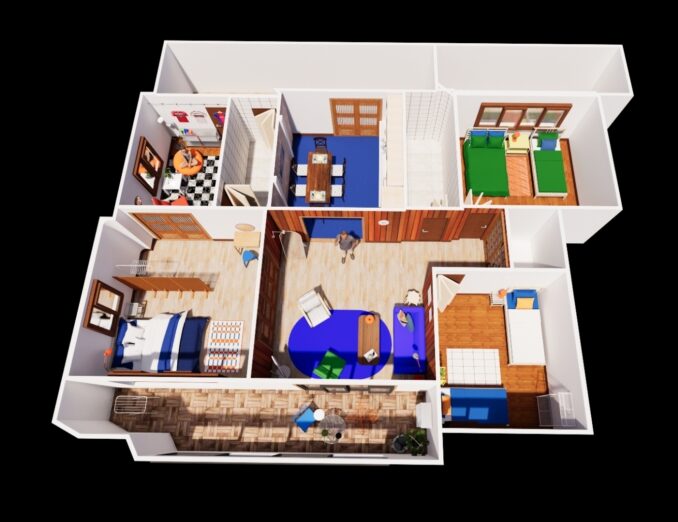
강사 다니엘의 집, 그리고 고향에서 본 풍경
이동수 대표는 동부건설 도시정비사업팀에서 일했다. 도시가 어떻게 바뀌고 지역이 어떻게 변화하는지를 현장에서 지켜보며 ‘도시 안에서 사람들의 삶의 질을 높이는 일’에 관심을 키웠다. 그러던 중 영어학원에서 만난 외국인 강사 다니엘의 집을 구해주는 과정에서 전혀 예상치 못한 문제를 마주했다.
“도와주다 보니 외국인이 한국에서 집을 구하는 과정이 얼마나 힘들고 불합리한지 두 눈으로 보게 됐습니다. 언어 장벽, 임대 거부, 정보 부족 등, 단 한 사람을 돕는 과정에서 이것이 개인의 문제가 아니라 시장 전체의 문제라는 것을 깨달았어요.”
결정적 계기는 고향 방문이었다. 예전과 달리 지역 곳곳에 외국인 노동자와 유학생이 눈에 띄게 많아져 있었다.
“이건 점점 더 커질 사회 문제이자, 동시에 해결할 수 있는 기회라는 확신이 들었습니다. 단순한 불편이 아니라 구조적인 문제라는 걸 깨달았죠.”
70명 인터뷰로 찾은 세 가지 핵심 문제
창업을 결심한 이동수 대표는 영남권과 서울에 거주하는 외국인 70여 명을 직접 인터뷰했다. 도출된 핵심 문제는 세 가지였다.
첫째, 높은 보증금에 따른 매물 탐색의 어려움이다. 우리나라는 다른 선진국에 비해 월세 대비 보증금이 매우 비싼 국가다. 외국인들이 가진 예산을 고려하면 매물 탐색 자체부터 어렵다.
둘째, 임대 거부다. 그는 “이 문제는 언어 능력, 직업, 소득 수준과 상관없이 반복적으로 나타났다”며 “기존 플랫폼에서는 계약 직전까지 진행해야만 임대 가능 여부를 알 수 있어 외국인에게는 심리적·시간적 부담이 매우 컸다”고 설명했다.
셋째, 언어 장벽 및 문화 차이다. 번역기가 잘 되어 있어도 외국인이 만족할 만한 중개 상담 프로세스는 만들어지지 않았다. 중개 이후 분리수거, 가스·인터넷 신청 등 정착 과정도 혼자 해결하기 어려웠다.
“이 세 가지는 개인의 능력 문제가 아니라 시스템이 외국인을 고려하지 않는 구조적 문제였습니다.”
역추천 모델과 글로벌 공인중개사 네트워크
이동수 대표는 문제를 풀기 위해 부동산 중개 방식을 ‘역추천 모델’로 재설계했다. 외국인이 낸 조건을 기반으로 임대 가능 매물만 선별하고, 다국어 상담이 가능한 글로벌 공인중개사 네트워크를 구축하는 방식이다.
“외국인이 조건을 입력하면 그것에 맞는 매물을 지역별 협력 중개사들이 추천하고 연결하는 구조입니다. 저희와 함께하는 공인중개사들은 대부분 지역에서 선정한 글로벌 공인중개사들이고, 부족한 부분은 중개 상담방 안에서 통역 지원 매니저가 외국어 상담을 지원하죠.”
문제 정리부터 가치 제안 정의, 매물 데이터 수집, 중개사 파트너십 구축까지 약 5개월이 걸렸다. 고객·중개사·지역별 현장을 오가며 서비스 모델을 정교하게 완성했다. 현재 팀은 4명으로 구성돼 있다. 이동수 대표를 비롯해 카이스트 전산학 학·석·박을 졸업한 CTO 한수민 박사, 적도기니 출신의 외국인 인플루언서 Vicente 온유, 그리고 손정민 UX/UI 디자이너가 함께한다.
가장 어려운 문제는 집주인 설득
가장 큰 장벽은 역시 집주인의 외국인 입주 거부였다. 이동수 대표는 “결국 신뢰의 문제”라고 정의한다.
“신뢰는 단기간에 생기는 것이 아니기에 우리는 그 지역에 오래 자리 잡은 협력 공인중개사들과 함께 이 문제를 해결해 나가고 있습니다. 다이버시티하우스는 이사·정착·유틸리티까지 관리하고, 문제가 생겼을 때 연락이 닿지 않는 일이 없도록 다국어 지원 담당자가 상시 지원해 공인중개사의 부담을 줄여주고 있습니다.”
2024년 ‘로컬 파이오니어 스쿨’ 장려상, 2025년 ‘B-스타트업 FLY 어워즈’ 최우수상, 정주영창업경진대회 우수상 등 연이은 수상은 외부 평가를 보여준다. 심사위원들이 높게 본 포인트는 인구 감소 시대의 구조적 문제 정의, 현장 검증, 실행 속도였다.
“이런 수상은 B2B 협업을 할 때 신뢰도를 크게 높여줬어요. 그 결과 코리빙하우스를 운영하는 기업들과 협업을 만들어가며 밸류애드를 제공하고 있죠.”
AI로 글로벌 공인중개사 생산성 두 배 높인다
현재 다이버시티하우스는 공인중개사를 위한 AI 중개 챗봇을 준비 중이다.
“AI를 통해 글로벌 공인중개사의 생산성을 두 배로 올리는 것이 목표입니다. 외국인에게 부동산 마케팅·중개·계약하는 과정을 한국인에게 하듯이 편하게 만드는 게 목적이에요. 디자이너에게 피그마, 개발자에게 커서가 있듯이 글로벌 공인중개사들에게 필요한 툴을 계속 개발해 나갈 계획이죠.”
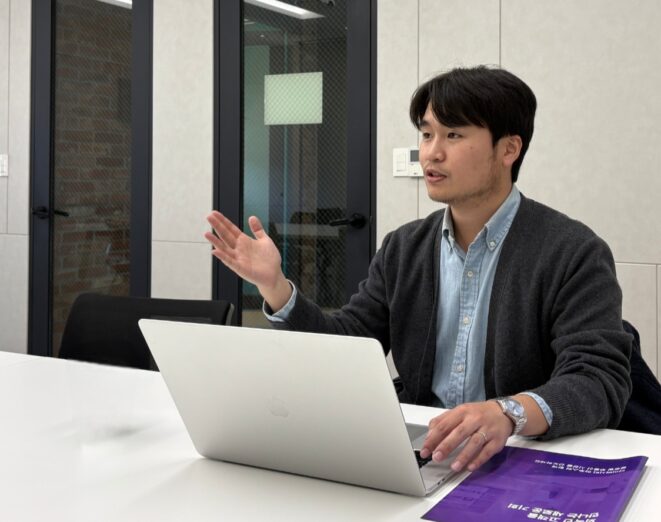
5년 후, 소프트웨어와 하드웨어를 모두 갖춘 회사로
이동수 대표는 5년 후 비전을 명확히 제시했다.
“단순히 외국인 전용 부동산 중개 솔루션을 넘어설 것입니다. 초기에는 B2C 중심의 중개 매칭 서비스로 시작했지만, 장기적으로는 외국인 주거 분야에서 소프트웨어와 하드웨어를 모두 제공하는 회사가 되고 싶어요. 집을 찾는 것뿐만 아니라 정착하고 생활하는 데 필요한 인프라까지 전부 연결된 생태계를 만들고자 합니다.”
즉, 외국인을 위한 소프트웨어(플랫폼·AI·챗봇)와 하드웨어(기숙사·코리빙·정착 인프라)를 모두 갖춘 회사로 확장하는 것이 장기 목표다.
인터뷰 말미에 그는 “외국인 중개를 통해 새로운 기회를 만들어 나갈 공인중개사, 공실 걱정이 있는 건물주, 고소득 외국인 임차인을 통해 건물 가치를 높이고 싶은 분들이라면, 언제든 다이버시티하우스에 문의해달라”고 강조했다.
영어 회화 강사 한 명의 집을 구해주다 발견한 구조적 문제는 이제 월 3,000명이 이용하는 플랫폼으로 성장했다. 인구 감소 시대, 이동수 대표가 만들어가는 외국인 주거 생태계는 사회 통합과 비즈니스 혁신이라는 두 마리 토끼를 동시에 좇는 실험이다. 그 실험의 성공 여부가 우리 사회의 다문화 수용력을 가늠하는 지표가 될 것이다.
"We're solving the structural problem of foreign tenant rejection with a reverse referral model," said Lee Dong-soo, CEO of Diversity House.
“You can’t do that because you’re a foreigner.”
This is the most common complaint foreign workers and students in Korea hear when seeking housing. Regardless of language proficiency or income level, this recurring rejection is a systemic problem, not an individual one.
Diversity House CEO Lee Dong-soo discovered this structural contradiction while helping an English conversation instructor find a home. After interviewing over 70 foreigners, he created a real estate brokerage platform exclusively for foreigners based on a "reverse referral model." Since its official launch in March 2025, the platform has attracted over 3,000 monthly users, 24 partner brokers, and 2,200 listings.
In an era of population decline, his challenge of transforming the issue of foreign housing into a social challenge and business opportunity is attracting attention.
Instructor Daniel's house and the view from his hometown
CEO Lee Dong-soo worked in the urban development project team at Dongbu Construction. Observing how cities and regions change on-site, he developed a keen interest in "improving people's quality of life within cities." While helping Daniel, a foreign instructor he met at an English academy, find housing, he encountered an unexpected problem.
"As I continued to help, I witnessed firsthand how difficult and unreasonable the process for foreigners to find housing in Korea can be. Language barriers, rental refusals, lack of information—the process of helping even one person made me realize that these weren't individual problems, but rather market-wide issues."
The decisive moment was a visit to my hometown. Unlike before, there was a noticeable increase in the number of foreign workers and students in the region.
"I became convinced that this was both a growing social problem and an opportunity to solve it. I realized it wasn't just an inconvenience, but a structural problem."
Three Key Issues Found Through Interviews with 70 People
CEO Lee Dong-soo, who decided to start a business, personally interviewed around 70 foreigners living in the Yeongnam region and Seoul. Three key issues emerged.
First, the high deposits make property search difficult. Compared to other developed countries, Korea has a very high deposit compared to monthly rent. Considering the budgets of foreigners, property search itself becomes a challenge.
Second, rental refusals. He explained, "This problem has recurred regardless of language proficiency, occupation, or income level." He added, "On existing platforms, you only find out if a property is available for rent right up until the very end of the contract, which places a significant psychological and time burden on foreigners."
Third, there are language barriers and cultural differences. Even with effective translation tools, the brokerage consultation process hasn't been developed to satisfy foreigners. Even after brokerage, settling in on your own, like separating waste and applying for gas and internet, is difficult.
“These three issues were not a matter of individual ability, but a structural problem in which the system did not take foreigners into account.”
Reverse recommendation model and global network of certified real estate agents
To solve this problem, CEO Lee Dong-soo redesigned the real estate brokerage process into a "reverse recommendation model." This approach selects only available properties based on the listings submitted by foreigners and establishes a global network of certified real estate agents capable of providing multilingual consultations.
"When a foreigner enters their criteria, our local partner brokers recommend and connect them with properties that meet their criteria. Most of the licensed brokers we work with are global licensed brokers selected locally. To address any gaps, our interpreter support managers provide foreign language consultations within the brokerage consultation room."
It took approximately five months to develop the service, from identifying the problem to defining the value proposition, collecting listing data, and establishing partnerships with brokers. The service model was refined through on-site visits to customers, brokers, and regional sites. The team currently consists of four members: CEO Lee Dong-soo, CTO Dr. Han Su-min, who holds a bachelor's, master's, and doctorate in computer science from KAIST, Vicente Onyu, a foreign influencer from Equatorial Guinea, and UX/UI designer Son Jeong-min.
The most difficult problem is persuading the landlord.
The biggest obstacle, of course, was the landlord's refusal to allow foreigners to move in. CEO Lee Dong-soo defines it as "ultimately a matter of trust."
"Trust isn't built overnight, so we're working with licensed real estate agents who have long-standing relationships in the area to address this issue. Diversity House manages everything from moving and settling in to utilities. Our multilingual support staff also provides 24/7 support to ensure you're always connected when issues arise, reducing the burden on licensed real estate agents."
A string of awards, including the 2024 Local Pioneer School Encouragement Award, the 2025 B-Startup FLY Awards Grand Prize, and the Chung Ju-yung Entrepreneurship Competition Excellence Award, demonstrate the company's strong external recognition. The judges highly valued the company's ability to define structural issues in the era of population decline, its on-site verification, and its speed of implementation.
"This award has significantly boosted our credibility in B2B collaborations. As a result, we're creating value-added partnerships with companies that operate co-living homes."
AI Doubles Global Real Estate Agent Productivity
Diversity House is currently preparing an AI brokerage chatbot for licensed real estate agents.
"Our goal is to double the productivity of global real estate agents through AI. Our goal is to make the real estate marketing, brokerage, and contracting process as easy for foreigners as it is for Koreans. Just as designers have Figma and developers have Cursor, we plan to continue developing the tools global real estate agents need."
Five years later, the company has both software and hardware.
CEO Lee Dong-soo clearly presented a vision for the next five years.
"We will go beyond simply providing a real estate brokerage solution exclusively for foreigners. While we initially started as a B2C-focused brokerage matching service, we aim to become a company that provides both software and hardware for the foreign housing sector. We aim to create an ecosystem that connects not only the home search process but also the infrastructure necessary for settling down and living."
In other words, the long-term goal is to expand into a company that has both software (platforms, AI, chatbots) and hardware (dormitories, co-living, settlement infrastructure) for foreigners.
At the end of the interview, he emphasized, “If you are a real estate agent who wants to create new opportunities through foreign brokerage, a building owner concerned about vacancy, or someone who wants to increase the value of a building through high-income foreign tenants, please contact Diversity House at any time.”
What began as a structural problem discovered while helping a single English conversation instructor find housing has now grown into a platform with 3,000 monthly users. In an era of population decline, CEO Lee Dong-soo's new foreign housing ecosystem is an experiment in pursuing both social integration and business innovation. The success of this experiment will be a key indicator of our society's capacity to embrace multiculturalism.
「外国人賃借人拒否、構造的問題を逆推薦モデルに解いた」移動数ダイバーシティハウス代表
「外国人ではないはずです」
国内に居住する外国人労働者と留学生が家を救うときに最もよく聞く言葉だ。言語能力や所得レベルとは無関係に繰り返されるこの拒否は、個人の問題ではなく、システムの問題だった。
ダイバーシティハウスイ・ドンス代表は英語会話講師の家を救ってくれるこの構造的矛盾を発見し、70人余りの外国人インタビューを経て'逆推薦モデル'基盤の外国人専用不動産仲介プラットフォームを作った。 2025年3月の正式ローンチ後、月3,000人以上が利用中であり、24人の協力仲介会社と2,200個の売り物を確保した。
人口減少時代、外国人住宅問題を社会的課題であり、ビジネス機会に転換した彼の挑戦が注目されている。
講師ダニエルの家、そして故郷から見た風景
イ・ドンス代表は東部建設都市整備事業チームで働いた。都市がどのように変わり、地域がどのように変化するかを現場で見守り、「都市の中で人々の生活の質を高めること」に関心を高めた。そんな中、英語学院で出会った外国人講師ダニエルの家を救ってくれる過程で、まったく予期せぬ問題に直面した。
「助けてみると、外国人が韓国で家を救う過程がどれほど難しく不合理なのか、二つの目で見ることになりました。言語障壁、賃貸拒否、情報不足など、たった一人を助ける過程で、これが個人の問題ではなく市場全体の問題であることに気づきました。」
決定的なきっかけは故郷の訪問でした。以前とは異なり、地域のあちこちに外国人労働者と留学生が目立って多くなっていた。
「これはますます大きくなる社会問題であり、同時に解決できる機会だと確信していました。単純な不便ではなく、構造的な問題であることに気づきました。」
70人のインタビューで見つけた3つの重要な問題
創業を決心したイ・ドンス代表は永南圏とソウルに居住する外国人70人余りを直接インタビューした。導出された重要な問題は3つだった。
まず、高いデポジットによる物件探索の難しさです。韓国は他の先進国に比べて月世比の預金が非常に高い国だ。外国人が持っている予算を考慮すると、物件探索自体から難しい。
第二に、賃貸拒否だ。同氏は「この問題は言語能力、職業、所得水準にかかわらず繰り返し現れた」とし、「既存プラットフォームでは契約直前まで進行しなければ賃貸可能かどうかがわかり、外国人には心理的・時間的負担が非常に大きかった」と説明した。
第三に、言語の障壁と文化の茶です。翻訳者がうまくいっていても、外国人が満足できる仲介相談プロセスは作られなかった。仲介後の分離収集、ガス・インターネットの申請など定着過程も一人で解決しにくかった。
「これら3つは、個人の能力の問題ではなく、システムが外国人を考慮していない構造的な問題でした。」
逆推薦モデルとグローバル公認仲介会社ネットワーク
イ・ドンス代表は問題を解決するために不動産仲介方式を「逆推薦モデル」に再設計した。外国人が出した条件を基に賃貸可能物件だけ選別し、多言語相談が可能なグローバル公認仲介会社ネットワークを構築する方式だ。
「外国人が条件を入力すれば、それに合う売り物を地域別協力仲介会社が推薦しつなぐ仕組みです。私たちと一緒にいる公認仲介士はほとんど地域で選定したグローバル公認仲介士であり、不足する部分は仲介相談室の中で通訳支援マネージャーが外国語相談を支援します。」
問題の整理から価値提案の定義、売買データの収集、仲介会社のパートナーシップの構築まで約5ヶ月かかった。顧客・仲介会社・地域別現場を行き来しながらサービスモデルを精巧に完成した。現在チームは4人で構成されている。イ・ドンス代表をはじめ、カイスト電算学学・席・朴を卒業したCTOハン・スミン博士、赤道ギニア出身の外国人インフルエンサーVicenteオンユ、そしてソン・ジョンミンUX/UIデザイナーが共にする。
最も難しい問題は、家主の説得
最大の障壁はやはり家主の外国人入居拒否だった。移動数代表は「結局信頼の問題」と定義する。
「信頼は短期間で生じるわけではないので、私たちはその地域に長く置かれた協力公認仲介士たちと一緒にこの問題を解決していきます。
2024年「ローカルパイオニアスクール」奨励賞、2025年「B-スタートアップFLYアワード」最優秀賞、チョン・ジュヨン創業競技大会優秀賞など続いた受賞は外部評価を見せる。審査員が高く見たポイントは、人口減少時代の構造的問題定義、現場検証、実行速度だった。
「このような受賞はB2Bコラボレーションをする際に信頼度を大きく高めてくれました。その結果、コリビングハウスを運営する企業とコラボレーションをしていき、バリューアドを提供しています。」
AIでグローバル公認仲介会社の生産性を倍増
現在、ダイバーシティハウスは公認仲介士のためのAI仲介チャットボットを準備中だ。
「AIを通じてグローバル公認仲介会社の生産性を2倍に上げることが目標です。外国人に不動産マーケティング・仲介・契約する過程を韓国人にするように楽にすることが目的です。
5年後、ソフトウェアとハードウェアの両方を持つ会社
イ・ドンス代表は5年後にビジョンを明確に提示した。
「単に外国人専用不動産仲介ソリューションを超えていきます。当初はB2C中心の仲介マッチングサービスで始まりましたが、長期的には外国人住宅分野でソフトウェアとハードウェアの両方を提供する会社になりたいです。家を探すだけでなく、定住して生活するために必要なインフラまで全部つながったエコシステムを作りたいと思います。
つまり、外国人のためのソフトウェア(プラットフォーム・AI・チャットボット)とハードウェア(寮・コリビング・定着インフラ)の両方を備えた会社に拡張することが長期目標だ。
インタビューの末尾に彼は「外国人仲介を通じて新たな機会を作っていく公認仲介士、空室心配のある建物主、高所得外国人賃借人を通じて建物価値を高めたい方なら、いつでもダイバーシティハウスに問い合わせてほしい」と強調した。
英会話講師一人の家を救ってくれる発見した構造的問題は、今月3,000人が利用するプラットフォームに成長した。人口減少時代、イ・ドンス代表が作っていく外国人住宅生態系は、社会統合とビジネス革新という二匹のウサギを同時に追い出す実験だ。その実験が成功したかどうかが、私たちの社会の多文化の収容力を見積もる指標になるでしょう。
“我们正在通过反向推荐模式解决外国租户被拒的结构性问题,”Diversity House 的首席执行官李东洙说。
“你不能这样做,因为你是外国人。”
这是在韩国寻找住房的外国务工人员和学生最常听到的抱怨。无论语言能力或收入水平如何,这种反复被拒的情况都是系统性问题,而非个人问题。
Diversity House 的 CEO 李东洙在帮助一位英语会话教师寻找住所时发现了这种结构性矛盾。在采访了 70 多位外国人后,他基于“反向推荐模式”创建了一个专门面向外国人的房地产经纪平台。自 2025 年 3 月正式上线以来,该平台已吸引了超过 3000 名月活跃用户、24 位合作经纪人和 2200 套房源。
在人口减少的时代,他将外国住房问题转化为社会挑战和商业机遇的挑战引起了人们的关注。
丹尼尔老师的家和他家乡的景色
李东洙CEO曾在东部建设公司的城市发展项目组工作。在实地观察城市和地区的变化时,他对“改善城市居民的生活质量”产生了浓厚的兴趣。在帮助他在英语培训机构认识的外国教师丹尼尔寻找住房时,他遇到了一个意想不到的问题。
“随着我帮助的深入,我亲眼目睹了外国人在韩国找房子有多么困难和不合理。语言障碍、租房被拒、信息匮乏——即使只帮助一个人,也让我意识到这些并非个别问题,而是整个市场普遍存在的问题。”
决定性的转折点是我回老家的一次探访。与以往不同的是,该地区的外国务工人员和留学生人数明显增加。
“我逐渐意识到,这既是一个日益严重的社会问题,也是一个解决问题的机会。我意识到,这不仅仅是一个不便之处,而是一个结构性问题。”
通过对70人的访谈,发现了三个关键问题
决定创业的CEO李东洙亲自采访了居住在岭南地区和首尔的约70名外国人。采访中发现了三个关键问题。
首先,高额押金使得购房困难。与其他发达国家相比,韩国的押金相对于月租金而言非常高。考虑到外国人的预算,购房本身就成了一项挑战。
其次是租房拒租问题。他解释说:“无论语言能力、职业或收入水平如何,这个问题都反复出现。” 他补充道:“在现有的租房平台上,你只能在合同即将到期前才能知道房源是否可供出租,这给外国人造成了巨大的心理和时间负担。”
第三,存在语言障碍和文化差异。即使有了有效的翻译工具,中介咨询流程也并未针对外国人的需求进行优化。即使通过中介办理了手续,自行安顿下来,例如垃圾分类、申请燃气和网络等,也并非易事。
“这三个问题并非个人能力的问题,而是体制结构性问题,因为体制没有考虑到外国人的情况。”
反向推荐模型和全球认证房地产经纪人网络
为了解决这个问题,首席执行官李东洙将房地产经纪流程重新设计为“反向推荐模式”。这种模式只根据外国人提交的房源信息筛选房源,并建立了一个能够提供多语种咨询服务的全球认证房地产经纪人网络。
“当外国客户输入他们的购房条件后,我们的当地合作经纪人会推荐并联系符合条件的房产。我们合作的大多数持牌经纪人都是经过本地筛选的全球持牌经纪人。为了弥补任何语言障碍,我们的翻译支持经理会在经纪咨询室内提供外语咨询服务。”
从发现问题到定义价值主张、收集房源数据,再到与经纪人建立合作关系,这项服务的开发历时约五个月。服务模式通过对客户、经纪人和区域站点的实地走访不断完善。团队目前由四名成员组成:首席执行官李东洙(Lee Dong-soo)、首席技术官韩秀敏博士(Dr. Han Su-min,拥有韩国科学技术院(KAIST)计算机科学学士、硕士和博士学位)、来自赤道几内亚的外国意见领袖维森特·昂尤(Vicente Onyu)以及用户体验/用户界面设计师孙正民(Son Jeong-min)。
最困难的问题是说服房东。
当然,最大的障碍是房东拒绝外国人入住。首席执行官李东洙将其定义为“归根结底是信任问题”。
“信任并非一朝一夕就能建立,因此我们正与在该地区拥有长期人脉的持牌房地产经纪人合作,共同解决这个问题。Diversity House 会负责从搬家安顿到水电煤气等一切事宜。我们的多语种支持团队也提供全天候服务,确保您在遇到问题时始终能够联系到我们,从而减轻持牌房地产经纪人的负担。”
一系列奖项,包括2024年地方先锋学校鼓励奖、2025年B-Startup FLY大奖和郑柱勇创业大赛卓越奖,彰显了该公司在外部的强大影响力。评委们高度评价了该公司在人口减少时代对结构性问题的精准把握、实地验证以及快速的执行力。
“这项奖项极大地提升了我们在B2B合作领域的信誉。因此,我们正在与运营共享居住空间的公司建立增值合作关系。”
人工智能使全球房地产经纪人的工作效率翻了一番
Diversity House目前正在为持牌房地产经纪人开发一款人工智能经纪聊天机器人。
“我们的目标是通过人工智能将全球房地产经纪人的工作效率提高一倍。我们的目标是让外国人像韩国人一样轻松地进行房地产营销、经纪和合同签订流程。正如设计师有 Figma,开发者有 Cursor 一样,我们计划继续开发全球房地产经纪人所需的工具。”
五年后,该公司同时拥有了软件和硬件。
CEO李东洙清晰地阐述了未来五年的愿景。
“我们将不局限于为外国人提供房地产经纪服务。虽然我们最初是一家专注于B2C的经纪匹配服务公司,但我们的目标是成为一家为外国人住房行业提供软硬件服务的公司。我们的目标是创建一个生态系统,不仅连接房屋搜索流程,还连接定居和生活所需的各种基础设施。”
换句话说,长远目标是发展成为一家同时拥有面向外国人的软件(平台、人工智能、聊天机器人)和硬件(宿舍、共享居住、定居基础设施)的公司。
在采访结束时,他强调说:“如果您是一位希望通过海外经纪业务创造新机遇的房地产经纪人,一位担心空置率的楼宇业主,或者一位希望通过高收入外国租户提升楼宇价值的人,请随时联系 Diversity House。”
最初,李东洙首席执行官在帮助一位英语会话教师寻找住房时发现了一个结构性问题,如今,这个问题已发展成为一个拥有3000月活跃用户的平台。在人口减少的时代,李东洙打造的新型外籍人士住房生态系统,是一次兼顾社会融合与商业创新的实验。这项实验的成功与否,将成为衡量我们社会接纳多元文化能力的重要指标。
« Nous résolvons le problème structurel du rejet des locataires étrangers grâce à un modèle de recommandation inversée », a déclaré Lee Dong-soo, PDG de Diversity House.
« Vous ne pouvez pas faire ça parce que vous êtes étranger. »
C’est la plainte la plus fréquente que les travailleurs et étudiants étrangers en Corée entendent lorsqu’ils cherchent un logement. Quel que soit leur niveau de langue ou leurs revenus, ce refus systématique est un problème systémique, et non un cas isolé.
Lee Dong-soo, PDG de Diversity House, a découvert cette contradiction structurelle en aidant un professeur d'anglais à trouver un logement. Après avoir rencontré plus de 70 étrangers, il a créé une plateforme de courtage immobilier exclusivement réservée aux étrangers, basée sur un modèle de recommandation inversée. Depuis son lancement officiel en mars 2025, la plateforme a attiré plus de 3 000 utilisateurs mensuels, 24 courtiers partenaires et propose 2 200 annonces.
À une époque de déclin démographique, son défi de transformer la question du logement des étrangers en un enjeu social et une opportunité commerciale attire l'attention.
La maison de l'instructeur Daniel et la vue depuis sa ville natale
Lee Dong-soo, PDG de Dongbu Construction, travaillait au sein de l'équipe de développement urbain de l'entreprise. Observant l'évolution des villes et des régions sur le terrain, il a développé un vif intérêt pour « l'amélioration de la qualité de vie des citadins ». Alors qu'il aidait Daniel, un professeur étranger rencontré dans une école d'anglais, à trouver un logement, il a été confronté à un problème inattendu.
« En continuant à apporter mon aide, j'ai constaté de visu à quel point le processus de recherche de logement en Corée peut être difficile et absurde pour les étrangers. Barrières linguistiques, refus de location, manque d'informations – le simple fait d'aider une seule personne m'a fait comprendre qu'il ne s'agissait pas de problèmes individuels, mais plutôt de problèmes qui touchaient l'ensemble du marché. »
Le déclic a été une visite dans ma ville natale. Contrairement à avant, le nombre de travailleurs et d'étudiants étrangers dans la région avait sensiblement augmenté.
« Je me suis convaincu qu'il s'agissait à la fois d'un problème social croissant et d'une opportunité de le résoudre. J'ai réalisé que ce n'était pas seulement un inconvénient, mais un problème structurel. »
Trois points clés ressortent d'entretiens avec 70 personnes
Lee Dong-soo, PDG à l'origine de la création de son entreprise, a personnellement rencontré une soixantaine d'étrangers résidant dans la région de Yeongnam et à Séoul. Trois points clés sont ressortis.
Tout d'abord, les dépôts de garantie élevés compliquent la recherche de logements. Comparée à d'autres pays développés, la Corée du Sud exige des dépôts de garantie très importants par rapport au loyer mensuel. Compte tenu du budget des étrangers, la recherche d'un logement représente un véritable défi.
Deuxièmement, les refus de location. Il a expliqué : « Ce problème est récurrent, indépendamment du niveau de langue, de la profession ou du revenu. » Il a ajouté : « Sur les plateformes actuelles, on ne sait si un logement est disponible à la location qu’au dernier moment, ce qui représente une charge psychologique et temporelle considérable pour les étrangers. »
Troisièmement, il existe des barrières linguistiques et des différences culturelles. Malgré des outils de traduction performants, le processus de consultation en matière de courtage n'est pas adapté aux étrangers. Même après la signature du contrat, l'installation autonome, notamment pour trier ses déchets et souscrire un abonnement au gaz et à internet, reste difficile.
« Ces trois problèmes n’étaient pas liés à une capacité individuelle, mais à un problème structurel dans lequel le système ne prenait pas en compte les étrangers. »
Modèle de recommandation inversée et réseau mondial d'agents immobiliers certifiés
Pour résoudre ce problème, le PDG Lee Dong-soo a repensé le processus de courtage immobilier en un « modèle de recommandation inversée ». Cette approche sélectionne uniquement les propriétés disponibles en fonction des annonces soumises par les étrangers et établit un réseau mondial d'agents immobiliers certifiés capables de fournir des consultations multilingues.
« Lorsqu'un étranger saisit ses critères, nos courtiers partenaires locaux lui recommandent des biens immobiliers correspondants et le mettent en relation avec eux. La plupart des courtiers agréés avec lesquels nous collaborons sont des courtiers internationaux agréés, sélectionnés localement. Afin de pallier tout manque d'interprétation, nos responsables du service d'interprétation proposent des consultations en langue étrangère dans notre salle de consultation. »
Le développement du service a nécessité environ cinq mois, depuis l'identification du problème jusqu'à la définition de la proposition de valeur, en passant par la collecte des données d'annonces et l'établissement de partenariats avec les courtiers. Le modèle de service a été affiné grâce à des visites sur site auprès des clients, des courtiers et dans les agences régionales. L'équipe se compose actuellement de quatre membres : le PDG Lee Dong-soo, le directeur technique, le Dr Han Su-min, titulaire d'une licence, d'une maîtrise et d'un doctorat en informatique de KAIST, Vicente Onyu, influenceur étranger originaire de Guinée équatoriale, et le concepteur UX/UI Son Jeong-min.
Le problème le plus difficile est de persuader le propriétaire.
Le principal obstacle, bien sûr, était le refus du propriétaire d'autoriser les étrangers à emménager. Le PDG Lee Dong-soo le décrit comme « au final, une question de confiance ».
« La confiance ne se construit pas du jour au lendemain. C’est pourquoi nous collaborons avec des agents immobiliers agréés, bien implantés dans la région, afin de remédier à cette situation. Diversity House prend en charge l’intégralité du processus, du déménagement à l’installation, en passant par les services publics. Notre équipe d’assistance multilingue est également disponible 24 h/24 et 7 j/7 pour vous garantir une communication permanente en cas de problème, allégeant ainsi la charge de travail des agents immobiliers agréés. »
L'entreprise a reçu de nombreuses récompenses, dont le prix Local Pioneer School Encouragement Award 2024, le Grand Prix B-Startup FLY Awards 2025 et le prix d'excellence du concours d'entrepreneuriat Chung Ju-yung, témoignant de sa forte notoriété. Le jury a particulièrement apprécié sa capacité à identifier les problèmes structurels liés au déclin démographique, la vérification de ses solutions sur le terrain et sa rapidité de mise en œuvre.
« Ce prix a considérablement renforcé notre crédibilité dans les collaborations B2B. Par conséquent, nous créons des partenariats à valeur ajoutée avec des entreprises qui exploitent des résidences partagées. »
L'IA double la productivité des agents immobiliers dans le monde
Diversity House est en train de préparer un chatbot de courtage basé sur l'IA pour les agents immobiliers agréés.
« Notre objectif est de doubler la productivité des agents immobiliers internationaux grâce à l'IA. Nous voulons simplifier au maximum le marketing, le courtage et la contractualisation immobilière, tant pour les étrangers que pour les Coréens. À l'instar des designers avec Figma et des développeurs avec Cursor, nous comptons poursuivre le développement des outils dont les agents immobiliers du monde entier ont besoin. »
Cinq ans plus tard, l'entreprise possède à la fois des logiciels et du matériel.
Le PDG Lee Dong-soo a clairement présenté sa vision pour les cinq prochaines années.
« Nous allons bien au-delà de la simple fourniture d'une solution de courtage immobilier exclusivement réservée aux étrangers. Bien que nous ayons initialement démarré comme un service de mise en relation d'agents immobiliers destiné aux particuliers, nous ambitionnons de devenir une entreprise fournissant à la fois des logiciels et du matériel pour le secteur du logement des étrangers. Nous souhaitons créer un écosystème qui connecte non seulement la recherche de logement, mais aussi les infrastructures nécessaires à l'installation et à la vie quotidienne. »
Autrement dit, l'objectif à long terme est de devenir une entreprise proposant à la fois des logiciels (plateformes, IA, chatbots) et du matériel (dortoirs, coliving, infrastructures d'installation) pour les étrangers.
À la fin de l'entretien, il a souligné : « Si vous êtes un agent immobilier qui souhaite créer de nouvelles opportunités grâce au courtage international, un propriétaire d'immeuble préoccupé par les taux de vacance, ou quelqu'un qui souhaite augmenter la valeur d'un immeuble grâce à des locataires étrangers à revenus élevés, veuillez contacter Diversity House à tout moment. »
Ce qui a commencé comme un problème structurel mis au jour lors de l'aide apportée à un professeur d'anglais conversationnel pour trouver un logement est devenu une plateforme comptant 3 000 utilisateurs mensuels. À l'heure du déclin démographique, le nouvel écosystème de logements pour étrangers, créé par son PDG Lee Dong-soo, est une expérience visant à la fois l'intégration sociale et l'innovation commerciale. Le succès de cette expérience sera un indicateur clé de la capacité de notre société à embrasser le multiculturalisme.
You must be logged in to post a comment.