




-간단한 문항에 답하는 것만으로 경도인지장애 선별…언제 어디서나 쉽게 진단 가능해
-올해 부천시와 12%의 치매 의심군 선별 성과
-지난달 혁신의료기기로 지정 받아…내년부터 의료기관에 보급
보건복지부의 2023년 치매역학조사 결과에 따르면, 2023년 65세 이상 노인의 치매 유병률은 9.25%로, 경도인지장애 유병률은 28.42%로 나타났다. 2025년 인구로 추정하면 2025년 치매 환자수는 97만 명, 경도인지장애 환자수는 298만 명으로 추산된다. 2033년에는 경도인지장애 환자수가 400만 명에 진입할 것으로 추정하고 있다.
경도인지장애는 정상 노화와 치매의 중간 단계에 해당하는 인지 상태를 의미한다. 이 상태는 객관적인 검사에서 기억력이나 다른 인지 기능의 저하가 뚜렷하게 확인되지만, 일상생활을 수행하는 능력은 보존되어 있어 아직 치매로 진단할 정도는 아닌 상태를 말한다. 경도인지장애는 치매를 가장 이른 시기에 발견할 수 있는 단계로, 치료 효과를 극대화할 수 있다는 점에서 임상적으로 매우 중요하다.
우리나라는 만 60세 이상의 어르신 대상으로 치매안심센터에서 무료로 치매 선별검사를 받을 수 있다. 선별검사에서 인지 기능 저하가 의심되면, 치매안심센터와 연계된 거점 병원에서 진단검사 및 감별검사를 받게 된다. 문제는 경도 인지 장애 진단을 받은 경우 1년에 한 번씩 검사를 통해 치매로 진행되는지, 아니면 정상으로 회복되는지 확인한다는 것이다. 현재 치매 1차 선별로 세계적으로 가장 널리 사용되는 치미 선별검사도구인 간이정신상태검사(MMSE)는 지류 기반의 검사지로 선별 정확도가 낮다.
검사 비용도 부담이다. 정확한 진단을 위해서는 임상 평가, 인지 기능 검사, 영상 검사, 혈액 검사 등 종합적인 접근이 필요한데, 이 때문에 진단 비용이 상당하다. 그렇다보니 치매 증상이 나타난 후 진단을 받는 데까지 평균 3.52년이 소요된다. 보건복지부의 2023년 조사 결과에 의하면, 치매 환자 1인당 연간 관리 비용이 지역사회 거주 환자의 경우 1733.9만 원, 시설·병원 거주 환자 3138.2만 원으로 나타났다.
수백만 명의 노인들이 치매의 늪으로 빠지는 것을 AI 기술로 막는 기업이 있다. 음성으로 치매를 진단하는 솔루션 ‘스픽(Spick)’을 개발한 에이블테라퓨틱스다.
에이블테라퓨틱스는 다양한 PoC(Proof of Concept)를 진행 중이다. 글로벌 가전사와는 TV에 스픽을 탑재하는 프로젝트를 진행 중이며, 보험사와는 보험 심사 과정에서 스픽을 활용하는 방안을 연구중이다. 에이블테라퓨틱스는 올해 SKT의 ESG KOREA에 선정되며, 사회적 가치와 기술 혁신을 결합한 기업으로서의 위상을 인정받았다. 에이블테라퓨틱스는 현재까지 8억원을 투자받았고, 프리 A 라운드 투자 유치 중이다.
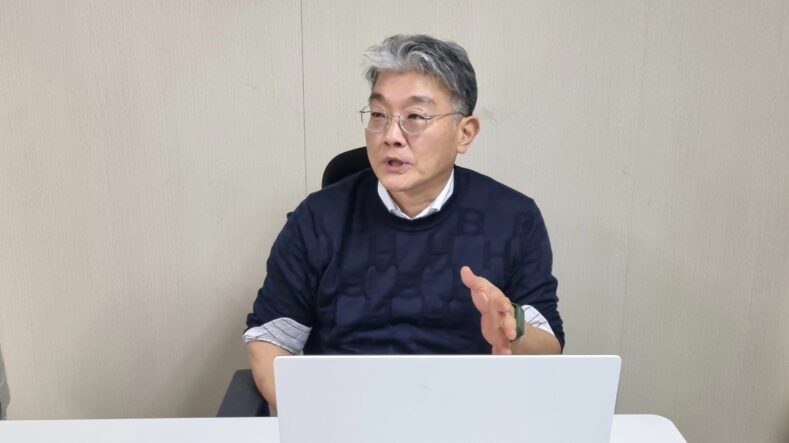
에이블테라퓨틱스의 김형준 대표를 만나 음성을 통한 인지평가라는 혁신적 접근에서부터 임상 검증과 혁신의료기기 지정까지 ‘스픽’의 시장 진출과 에이블테라퓨틱스의 청사진을 들어봤다.
스픽으로 12%의 치매 의심군을 찾아내다
에이블테라퓨틱스는 올해 의미있는 프로젝트를 진행했다. 부천시와 함께 약 3,000명의 어르신들을 대상으로 AI 콜을 통한 검사를 실시했다. AI 콜 기반의 1단계 단축형 검사 결과 인지저하 의심자로 분류된 어르신들을 행정복지센터에서 진행되는 2단계 검사로 인계했다. 앱 기반의 2단계 표준형 검사까지 포함하여, 두 단계에 걸친 검사를 통해 약 370명(12%)이 인지저하 의심군으로 선별되었고 이 중 일부는 치매안심센터로 연계되어 추가 검사를 진행했다.
치매 조기 발견은 막대한 의료 비용을 절감할 수 있다. 초고령화 사회에서 의료 기술이 어떻게 공공 정책과 결합해야 하는 지를 보여주는 모델이다.
“저희 솔루션의 사회적 가치를 달성한 예입니다. 무엇보다 AI 콜로 대량의 검사를 한 번에 수행하고 스크리닝하게 되면서 행정비용을 아낄 수 있었습니다.”
음성 데이터로 뇌를 읽다
그렇다면 음성으로 어떻게 경도인지장애를 선별해 낼 수 있을까?
경도인지장애나 초기 치매 환자들의 음성에는 미묘한 변화가 나타난다. 말의 속도, 음성의 떨림, 음성의 강약 변화, 음절 간의 간격 등 수십 가지 음성 특성이 변한다. 스픽은 건강한 뇌와 손상된 뇌가 만들어내는 음성의 차이를 수치화한다. 김 대표는 “AI 알고리즘은 사람이 감지하기 어려운 미세한 변화를 감지합니다. 그 미묘한 변화들이 쌓이면서 결과를 도출합니다.”라고 설명했다. 중요한 것은 접근성이다. ‘스픽’은 스마트폰이나 태블릿 같은 모바일 기기만 있으면 시간과 장소의 제약 없이 검사를 받을 수 있다.
“스픽은 매우 간단합니다. 우리가 제시하는 10 여개 문제에 답변하면, 그 음성을 알고리즘이 분석해서 즉시 결과를 보여줍니다. 소요 시간은 10~15분 정도입니다.”
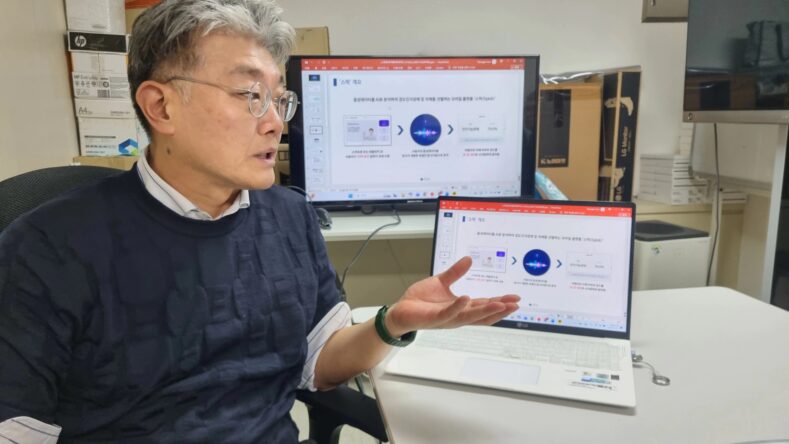
스픽의 핵심은 음성 데이터의 스펙트럼 이미지화와 딥러닝 알고리즘에 있다. 사용자의 음성을 주파수 분석을 통해 시각적 이미지로 변환한 뒤, 이를 학습된 패턴과 비교하는 방식이다. 이를 위한 에이블테라퓨틱스는 1만 2,500개의 노인 음성 데이터를 알고리즘으로 학습했다.
스픽은 음성을 이미지로 변환한 후 패턴을 인식하기 때문에 언어에 맞춘 알고리즘 재설계 없이 신속하게 외국어 버전 개발이 가능하다. 에이블테라퓨틱스가 대만에서 개발 중인 중국어 버전의 스픽도 한국어 버전과 동일한 알고리즘을 사용한다. 스픽이 글로벌로 확장 가능성이 높은 이유다.
혁신의료기기로 지정 받아
스픽은 지난해 말부터 헬스케어 버전을 200여 개의 데이케어센터, 요양시설, 노인복지관에서 서비스하고 있다. 헬스케어 버전은 모바일 앱, 웹, AI 콜(전화) 등 다양한 채널을 통해 제공된다.
에이블테라퓨틱스는 올해 399명을 대상으로 한 확증 임상시험을 성공적으로 마쳤다. 경도인지장애와 치매 환자를 합친 ‘비정상’ 판별에서 실제 질병이 있는 사람을 질병이 있다고 정확히 진단할 확률 즉 85.7%의 민감도를 보였다.(경도인지장애 민감도 79.6%, 치매 민감도 92.0%) 민감도는 실제 질병이 있는 사람을 질병이 있다고 진단할 확률을 의미하는 것으로 의사의 최종 진단 대비 85.7%를 맞춘다는 뜻이다. MMSE-2와 비교하면, 스픽의 경도인지장애 민감도(79.6%)가 MMSE-2(62.7%)보다 17% 높게 나타났다. 또한 정상인을 정상으로 정확히 분류하는 특이도는 74.3%로 나타났다.
이 결과를 바탕으로 스픽은 식품의약품안전처로부터 지난달 11월에 ‘혁신 의료기기’로 지정받았다. 스픽이 식약처로부터 의료기기로 인증받게 되면, 병원에 서비스 공급을 할 수 있게 된다.
경도인지장애 선별을 위한 LLM 및 바이오마커 개발
에이블테라퓨틱스는 LLM(Large Language Model) 기반의 새로운 알고리즘 개발을 위해 미국 MIT 미디어랩과 지난 4월부터 공동 연구를 진행 중이고, 일본 국립대학원 대학교 JAIST(北陸先端科学技術大学院大学)와도 연구를 시작했다.
스픽은 앞으로 ‘드로잉’과 ‘시선 추적’ 기술을 추가할 계획이다. 드로잉을 통해 그림의 특성뿐만 아니라 펜의 속도, 떨림, 공중에 떠 있는 시간 등을 모두 분석할 수 있다. 눈의 움직임도 경도인지장애를 선별하는 중요한 바이오마커다. 화면의 특정 영역에 시선이 머무르는 시간, 시선의 이동 속도, 응시 패턴 등이 모두 인지 기능을 반영한다. 음성, 드로잉, 시선 추적, 이 세 가지 바이오마커를 결합해 분석하면 진단 정확도를 훨씬 높일 수 있다. 멀티모달 바이오마커의 결합은 내년 말까지 완성될 예정이다.
아동청소년 우울증 진단 및 치료 솔루션도 개발 중이다. 2027년 출시 예정이다. 인지운동훈련 프로그램도 개발 중이다. 경도인지장애 환자 66명을 대상으로 12주간 진행한 임상에서 11.7%의 인지 개선 효과를 확인했다. 이 결과는 대한신경정신의학회지에 지난 6월 발표했다.
“아동청소년 우울증 연구를 통해 확보한 역량을 노인 우울증, 젊은층 우울증으로까지 확대할 수 있습니다. 특히 치매 환자의 가장 흔한 BPSD(행동심리증상)가 우울증이므로, 이 기술은 치매 관리의 중요한 부분이 될 겁니다.”
공기청정 로봇 제조사와도 로봇에 스픽을 탑재하려는 계획을 추진 중이다.
“회사는 영리를 추구하는 집단이지만, 돈을 버는 것만큼 사회에 기여하는 것도 중요하다고 생각합니다. 디지털과 인공지능 기반의 헬스케어를 통해, 어르신이든 사회적 약자든 의료 취약계층이든, 소득이 적은 사람이든 손쉽게 접근하고 스스로 관리할 수 있는 환경을 만들려고 합니다.”
초고령화 사회에서 건강 불평등은 시급한 사회 문제다. 경제적으로 여유가 있는 사람들은 최신의 의료 기술에 접근할 수 있지만, 취약계층은 기본적인 건강 관리마저 어렵다. 스픽은 이 불평등을 줄이기 위한 시도다.
몇 마디 말로 치매를 조기 발견한다는 아이디어는 단순하지만, 그것을 현실로 구현하기까지는 수 많은 음성 데이터, 수많은 임상시험, 그리고 무엇보다 초고령화 사회에서 의료 불평등을 줄이려는 의지가 필요했다.
“에이블테라퓨틱스의 궁극적 목표는 인지 건강을 포함한 정신·신경 질환을 AI와 디지털 기술로 모든 사람이 쉽게 관리할 수 있는 세상을 만드는 것입니다.”
앞으로 스픽은 인지 건강을 지키는 도구가 될 것이다. 누구나 누릴 수 있는 인지 건강의 시대를 만드는 과정, 바로 그것이 에이블테라퓨틱스의 다음 장이 될 것이다.
Able Therapeutics' Voice-Based Early Screening of Patients with Mild Cognitive Impairment Designated as an Innovative Medical Device
Screening for mild cognitive impairment is as simple as answering a few questions… Easy diagnosis anytime, anywhere.
-This year, Bucheon City and 12% of the suspected dementia patients were screened.
Designated as an innovative medical device last month… to be distributed to medical institutions starting next year.
According to the Ministry of Health and Welfare's 2023 Dementia Epidemiology Survey, the prevalence of dementia among those aged 65 and older in 2023 was 9.25%, and the prevalence of mild cognitive impairment was 28.42%. Based on the 2025 population, the number of dementia patients is projected to reach 970,000 and the number of mild cognitive impairment patients to reach 2.98 million. The number of mild cognitive impairment patients is projected to reach 4 million by 2033.
Mild cognitive impairment (MCI) refers to a cognitive condition that falls between normal aging and dementia. This condition manifests as a marked decline in memory and other cognitive functions, as evidenced by objective tests. However, the ability to perform daily activities is preserved, precluding a diagnosis of dementia. Mild cognitive impairment (MCI) is clinically significant because it represents the earliest stage of dementia detection, maximizing the effectiveness of treatment.
In Korea, seniors aged 60 and older can receive free dementia screening at Dementia Care Centers. If the screening results indicate a suspected cognitive decline, they undergo diagnostic and differential testing at a hospital affiliated with the center. However, if diagnosed with mild cognitive impairment, they must undergo annual testing to determine whether they are progressing to dementia or recovering to normal levels. Currently, the Mini-Mental State Examination (MMSE), the most widely used primary dementia screening tool worldwide, is a paper-based test with low screening accuracy.
The cost of testing is also a burden. Accurate diagnosis requires a comprehensive approach, including clinical evaluation, cognitive function testing, imaging, and blood tests, which makes diagnostic costs substantial. Consequently, it takes an average of 3.52 years from the onset of dementia symptoms to diagnosis. According to a 2023 survey by the Ministry of Health and Welfare, the annual cost of managing dementia patients was 17.339 million won for community-dwelling patients and 31.382 million won for patients residing in facilities or hospitals.
One company is using AI technology to prevent millions of seniors from falling into the swamp of dementia. Able Therapeutics is the developer of "Spick," a voice-based dementia diagnosis solution.
Able Therapeutics is currently conducting various proof-of-concept (PoC) projects. It is currently working with a global home appliance company to integrate Speak into TVs, and is also exploring ways to utilize Speak in the insurance underwriting process with an insurance company. This year, Able Therapeutics was selected by SKT as an ESG Korea, recognizing its status as a company that combines social value and technological innovation. Able Therapeutics has so far raised KRW 800 million in funding and is currently raising pre-A round funding.
We met with Hyungjun Kim, CEO of Able Therapeutics, to learn about Speak's market entry and Able Therapeutics' blueprint, from its innovative approach of voice-based cognitive assessment to clinical validation and innovative medical device designation.
Speak identifies 12% of suspected dementia patients
Able Therapeutics conducted a meaningful project this year. In collaboration with Bucheon City, we conducted AI-based screenings for approximately 3,000 seniors. Those classified as suspected of cognitive decline after the initial, abbreviated, AI-based screening were referred to the second-stage screening at administrative welfare centers. Including the standardized, app-based screening, the two-stage screening resulted in approximately 370 individuals (12%) being identified as suspected of cognitive decline. Some of these individuals were referred to the Dementia Care Center for further testing.
Early detection of dementia can save enormous healthcare costs. It serves as a model for how medical technology should be integrated with public policy in a hyper-aging society.
"This is an example of how our solution achieved social value. Above all, by simultaneously performing and screening a large number of tests using AI Call, we were able to save on administrative costs."
Reading the brain with voice data
So how can we screen for mild cognitive impairment by voice?
The voices of patients with mild cognitive impairment or early-stage dementia exhibit subtle changes. Dozens of vocal characteristics change, including speech rate, vocal tremors, changes in vocal intensity, and spacing between syllables. Speak quantifies the differences in the voices produced by healthy and damaged brains. "The AI algorithm detects subtle changes that are difficult for humans to detect," explained CEO Kim. "These subtle changes accumulate to produce results." Accessibility is key. Speak can be tested anytime, anywhere, using just a mobile device like a smartphone or tablet.
"Speak is very simple. You answer about ten questions we present, and an algorithm analyzes your voice and displays the results instantly. It takes about 10 to 15 minutes."
The core of Speak lies in spectral imaging of voice data and a deep learning algorithm. This method converts the user's voice into a visual image through frequency analysis, then compares it to learned patterns. To achieve this, Able Therapeutics trained the algorithm on 12,500 samples of elderly voice data.
Because Speak converts voice into images and then recognizes patterns, it can quickly develop foreign language versions without redesigning the algorithm for each language. Able Therapeutics' Chinese version, currently under development in Taiwan, also uses the same algorithm as the Korean version, highlighting Speak's strong potential for global expansion.
Designated as an innovative medical device
Since the end of last year, Speak has been offering its healthcare version in approximately 200 daycare centers, nursing homes, and senior centers. The healthcare version is available through various channels, including mobile apps, the web, and AI calls.
Able Therapeutics successfully completed a confirmatory clinical trial this year involving 399 subjects. In the combined "abnormal" identification of patients with mild cognitive impairment and dementia, Speak showed a sensitivity of 85.7%, which is the probability of accurately diagnosing a person with an actual disease as having the disease (sensitivity for mild cognitive impairment: 79.6%, sensitivity for dementia: 92.0%). Sensitivity refers to the probability of diagnosing a person with an actual disease as having the disease, meaning that it is 85.7% accurate compared to a doctor's final diagnosis. Compared to the MMSE-2, Speak's sensitivity for mild cognitive impairment (79.6%) was 17% higher than that of the MMSE-2 (62.7%). In addition, the specificity of correctly classifying normal people as normal was 74.3%.
Based on these results, Speak was designated as an "Innovative Medical Device" by the Ministry of Food and Drug Safety in November of last year. Once Speak receives medical device certification from the MFDS, it will be able to provide services to hospitals.
Development of LLM and biomarkers for screening for mild cognitive impairment
Able Therapeutics has been conducting joint research with MIT Media Lab in the United States since April to develop a new algorithm based on LLM (Large Language Model), and has also started research with JAIST (Japan Advanced Institute of Science and Technology), a national graduate school in Japan.
Speak plans to add "drawing" and "eye tracking" technologies in the future. Drawing allows for analysis of not only the characteristics of the drawing, but also pen speed, tremors, and airborne time. Eye movement is also an important biomarker for screening for mild cognitive impairment. The time spent fixating on a specific area of the screen, the speed of gaze movement, and gaze patterns all reflect cognitive function. Combining these three biomarkers—voice, drawing, and eye tracking—can significantly improve diagnostic accuracy. The integration of multimodal biomarkers is expected to be completed by the end of next year.
A solution for diagnosing and treating depression in children and adolescents is also being developed, with a launch scheduled for 2027. A cognitive motor training program is also under development. A 12-week clinical trial involving 66 patients with mild cognitive impairment demonstrated an 11.7% cognitive improvement. These results were published in the Journal of the Korean Neuropsychiatric Association in June.
"The capabilities we've gained through research on childhood and adolescent depression can be extended to address depression in older adults and young people. In particular, since depression is the most common behavioral and psychological symptom (BPSD) in dementia patients, this technology will become a crucial part of dementia management."
We are also working with air purifying robot manufacturers to equip their robots with Speak.
"While our company is a for-profit entity, we believe contributing to society is just as important as making money. Through digital and AI-based healthcare, we aim to create an environment where everyone—the elderly, the socially disadvantaged, the medically vulnerable, and those with low incomes—can easily access and manage their own care."
In a hyper-aging society, health inequality is a pressing social issue. While those with financial means have access to the latest medical technologies, those in vulnerable groups struggle to access even basic healthcare. Speak is an attempt to reduce this inequality.
The idea of early detection of dementia with just a few words is simple, but making it a reality required a massive amount of voice data, countless clinical trials, and, above all, a commitment to reducing healthcare inequalities in a super-aging society.
Able Therapeutics' ultimate goal is to create a world where everyone can easily manage mental and neurological disorders, including cognitive health, using AI and digital technologies.
Going forward, Speak will become a tool for maintaining cognitive health. Creating an era of cognitive health accessible to everyone will be Able Therapeutics' next chapter.
「エイブルテラピュティクス、音声で硬度認知障害者早期選別…」イノベーション医療機器に指定
-簡単な質問に答えるだけで硬度認知障害選別…いつでもどこでも簡単に診断できます。
-今年の富川市と12%の認知症疑審群選別成果
-先月のイノベーション医療機器に指定されて…来年から医療機関に普及
保健福祉部の2023年認知症疫学調査の結果によると、2023年65歳以上の高齢者の認知症有病率は9.25%で、硬度認知障害有病率は28.42%となった。 2025年の人口と推定すると、2025年の認知症患者数は97万人、硬度認知障害患者数は298万人と推定される。 2033年には硬度認知障害患者数が400万人に進入すると推定している。
硬度認知障害は、正常な老化と認知症の中間段階に対応する認知状態を意味する。この状態は客観的な検査で記憶力や他の認知機能の低下がはっきりと確認されるが、日常生活を行う能力は保存されており、まだ認知症と診断するほどではない状態をいう。硬度認知障害は認知症を最も早い時期に発見できる段階で、治療効果を最大化できるという点で臨床的に非常に重要である。
韓国は60歳以上の大人向けで認知症安心センターで無料で認知症選別検査を受けることができる。選別検査で認知機能低下が疑われると、認知症安心センターと連携した拠点病院で診断検査及び鑑別検査を受けることになる。問題は、硬度認知障害の診断を受けた場合、年に一度検査を通じて認知症に進行するのか、それとも正常に回復するのかを確認するということだ。現在認知症一次選別で世界的に最も広く使用されているチミ選別検査ツールである簡易精神状態検査(MMSE)は、支流基盤の検査紙で選別精度が低い。
検査費用も負担だ。正確な診断のためには臨床評価、認知機能検査、イメージング検査、血液検査など総合的なアプローチが必要であり、このため診断費用が相当である。だから痴呆症状が現れた後、診断を受けるまでに平均3.52年かかる。保健福祉部の2023年調査結果によると、認知症患者1人当たりの年間管理費用が地域社会在住患者の場合1733.9万ウォン、施設・病院在住患者3138.2万ウォンとなった。
何百万人もの高齢者が認知症の沼に陥るのをAI技術で防ぐ企業がある。音声で認知症を診断するソリューション「Spick」を開発したエイブルテラピュティクスだ。
エイブルテラピュティクスは様々なPoC(Proof of Concept)を進めている。グローバル家電会社とはテレビにスピックを搭載するプロジェクトを進行中であり、保険会社とは保険審査過程でスピックを活用する方案を研究中だ。エイブルテラピュティクスは今年SKTのESG KOREAに選定され、社会的価値と技術革新を組み合わせた企業としての地位を認められた。エイブルテラピュティクスは現在まで8億ウォンを投資されており、フリーAラウンド投資誘致中だ。
エイブルテラピュティクスのキム・ヒョンジュン代表に会い、音声による認知評価という革新的なアプローチから臨床検証とイノベーション医療機器の指定まで「スピック」の市場進出とエイブルテラピュティクスの青写真を聞いた。
スピックで12%の認知症疑疑群を見つける
エイブルテラピュティクスは今年意味のあるプロジェクトを進めた。富川市とともに約3,000人のお年寄りを対象にAIコールによる検査を行った。 AIコール基盤の1段階短縮型検査の結果、認知低下疑いに分類されたお年寄りを行政福祉センターで行われる2段階検査に引き継いだ。アプリベースの2段階標準型検査まで含め、2段階にわたる検査を通じて約370人(12%)が認知低下疑審群に選別され、そのうちの一部は認知症安心センターに連携して追加検査を行った。
認知症の早期発見は莫大な医療費を節約できます。超高齢化社会で医療技術がどのように公共政策と結合すべきかを示すモデルだ。
「私たちのソリューションの社会的価値を達成した例です。何よりAIコロ大量の検査を一度に行ってスクリーニングすることになり、行政費用を惜しませました」
音声データで脳を読む
それなら、音声でどのように硬度なのか障害を選別して出すことができるだろうか?
硬度認知障害や初期認知症患者の声には微妙な変化が現れる。馬の速度、声の震え、声の強弱の変化、音節間の間隔など、数十の音声特性が変化する。スピックは健康な脳と損傷した脳が作り出す声の違いを数値化する。キム代表は「AIアルゴリズムは人が感知しにくい微細な変化を感知します。その微妙な変化が積み重なりながら結果を導き出します」と説明した。重要なのはアクセシビリティです。 「スピック」は、スマートフォンやタブレットなどのモバイル機器だけであれば、時間と場所の制約なしに検査を受けることができる。
「スピックはとても簡単です。私たちが提示する10以上の問題に答えると、その音声をアルゴリズムが分析してすぐに結果を示します。所要時間は10~15分程度です。」
スピックの核心は、音声データのスペクトルイメージングとディープラーニングアルゴリズムにあります。ユーザーの音声を周波数分析を介して視覚画像に変換し、それを学習したパターンと比較する方法です。このためのエイブルテラピュティクスは1万2,500個の高齢者音声データをアルゴリズムで学習した。
スピックは音声をイメージに変換した後パターンを認識するため、言語に合わせたアルゴリズムの再設計なしで迅速に外国語バージョンの開発が可能だ。エイブルテラピュティクスが台湾で開発中の中国語バージョンのスピックも韓国語バージョンと同じアルゴリズムを使用する。スピックがグローバルに拡張可能性が高い理由だ。
イノベーション医療機器として指定
スピックは昨年末からヘルスケアバージョンを200余りのデイケアセンター、療養施設、老人福祉館でサービスしている。ヘルスケアバージョンは、モバイルアプリ、Web、AIコール(電話)など、さまざまなチャンネルを通じて提供される。
エイブルテラピュティクスは今年399人を対象とした確証臨床試験を成功裏に終えた。硬度認知障害と認知症患者を合わせた「異常」判別で、実際の病気のある人を病気があると正確に診断する確率、すなわち85.7%の感度を示した。対比85.7%を合わせるという意味だ。 MMSE-2と比較すると、スピックの硬度認知障害感度(79.6%)がMMSE-2(62.7%)より17%高く現れた。また、正常人を正常に正確に分類する特異度は74.3%であった。
この結果をもとに、スピックは食品医薬品安全処から先月11月に「革新医療機器」に指定された。スピックが食薬処から医療機器として認証されると、病院にサービスを提供できるようになる。
硬度認知障害選択のためのLLMおよびバイオマーカーの開発
エイブルテラピュティクスはLLM(Large Language Model)ベースの新しいアルゴリズム開発のために米国MITメディアラップと去る4月から共同研究を進めており、日本国立大学院大学JAIST(北陸先端科学技術大学院大学)とも研究を始めた。
スピックは今後「図面」と「視線追跡」技術を追加する計画だ。描画により、絵の特性だけでなく、ペンの速度、震え、空中に浮かぶ時間などをすべて分析することができる。目の動きも硬度認知障害を選別する重要なバイオマーカーだ。画面の特定領域に視線が留まる時間、視線の移動速度、視認パターンなどがすべて認知機能を反映する。音声、描画、視線追跡、これら3つのバイオマーカーを組み合わせて分析すると、診断精度をはるかに高めることができます。マルチモーダルバイオマーカーの結合は来年末までに完成する予定だ。
児童青少年うつ病の診断と治療ソリューションも開発中だ。 2027年発売予定だ。認知運動訓練プログラムも開発中だ。硬度認知障害患者66人を対象に12週間進行した臨床で11.7%の認知改善効果を確認した。この結果は大韓神経精神医学会誌に6月発表した。
「児童青少年うつ病研究を通じて確保した能力を高齢者うつ病、若年層うつ病にまで拡大することができます。特に認知症患者の最も一般的なBPSD(行動心理症状)がうつ病なので、この技術は認知症管理の重要な部分になるでしょう。」
空気清浄ロボットメーカーともロボットにスピックを搭載する計画を推進中だ。
「会社は営利を追求する集団だが、お金を稼ぐだけに社会に寄与することも重要だと思います。デジタルと人工知能基盤のヘルスケアを通じて、お年寄りでも社会的弱者でも医療脆弱階層でも、所得の少ない人でも手軽に接近し、自分で管理できる環境を作ろう」。
超高齢化社会で健康不平等は緊急な社会問題だ。経済的に余裕がある人々は最新の医療技術にアクセスできるが、脆弱層は基本的なヘルスケアまで難しい。スピックはこの不平等を減らすための試みだ。
いくつかの言葉で痴呆を早期発見するというアイデアは単純だが、それを現実に具現するまでは数多くの音声データ、数多くの臨床試験、そして何より超高齢化社会で医療不平等を減らすという意志が必要だった。
「エイブルテラピュティクスの究極的な目標は、認知健康を含む精神・神経疾患をAIとデジタル技術で誰もが簡単に管理できる世界を作ることです」
今後スピックは認知健康を守る道具になるだろう。誰でも楽しむことができる認知健康の時代を作る過程、まさにそれがエイブルテラピュティクスの次の章になるだろう。
Able Therapeutics公司基于语音的轻度认知障碍患者早期筛查技术被认定为创新医疗器械。
轻度认知障碍筛查非常简单,只需回答几个问题……随时随地轻松诊断。
-今年,富川市对12%的疑似痴呆症患者进行了筛查。
上个月被认定为创新医疗器械……将于明年开始分发给医疗机构。
根据卫生福利部2023年痴呆症流行病学调查,2023年65岁及以上人群中痴呆症患病率为9.25%,轻度认知障碍患病率为28.42%。基于2025年的人口数据,预计届时痴呆症患者人数将达到97万,轻度认知障碍患者人数将达到298万。预计到2033年,轻度认知障碍患者人数将达到400万。
轻度认知障碍(MCI)是指介于正常衰老和痴呆之间的一种认知状态。这种状态表现为记忆力和其他认知功能的显著下降,可通过客观测试证实。然而,患者仍能进行日常活动,因此无法诊断为痴呆。轻度认知障碍(MCI)具有重要的临床意义,因为它代表了痴呆症的早期检测阶段,能够最大限度地提高治疗效果。
在韩国,60岁及以上的老年人可以在老年痴呆症护理中心接受免费的痴呆症筛查。如果筛查结果提示可能存在认知能力下降,他们会在中心附属医院接受诊断和鉴别诊断检查。然而,如果被诊断为轻度认知障碍,他们必须每年接受检查,以确定其认知能力是正在发展为痴呆症还是正在恢复到正常水平。目前,简易精神状态检查(MMSE)是全球应用最广泛的痴呆症初步筛查工具,但它是一种纸质测试,筛查准确率较低。
检测费用也是一笔不小的负担。准确诊断需要综合全面的方法,包括临床评估、认知功能测试、影像学检查和血液检测,这使得诊断成本相当高昂。因此,从出现痴呆症状到确诊平均需要3.52年。根据韩国保健福祉部2023年的一项调查,社区居住的痴呆症患者每年的管理费用为1733.9万韩元,而居住在养老机构或医院的患者每年的管理费用则高达3138.2万韩元。
一家公司正在利用人工智能技术防止数百万老年人陷入痴呆症的泥潭。Able Therapeutics公司开发了名为“Spick”的语音痴呆症诊断解决方案。
Able Therapeutics目前正在开展多个概念验证(PoC)项目。该公司正与一家全球家电公司合作,将Speak技术集成到电视中,同时也在与一家保险公司探索如何将Speak应用于保险承保流程。今年,Able Therapeutics被SKT评选为ESG Korea企业,以表彰其兼具社会价值和技术创新的企业形象。Able Therapeutics迄今已筹集8亿韩元资金,目前正在进行A轮融资。
我们与 Able Therapeutics 的首席执行官 Hyungjun Kim 会面,了解 Speak 的市场进入情况以及 Able Therapeutics 的发展蓝图,从其基于语音的认知评估的创新方法到临床验证和创新医疗器械认定。
Speak 可以识别出 12% 的疑似痴呆症患者
今年,Able Therapeutics开展了一项意义重大的项目。我们与富川市合作,对约3000名老年人进行了基于人工智能的筛查。在初步的、简化的AI筛查中,被怀疑存在认知衰退的老年人被转介到行政福利中心进行第二阶段筛查。包括标准化的应用程序筛查在内,两阶段筛查共识别出约370人(占12%)疑似存在认知衰退。其中一些人被转介到失智症护理中心接受进一步检查。
早期发现痴呆症可以节省巨额医疗费用。它为如何在老龄化社会中将医疗技术与公共政策相结合提供了一个范例。
“这就是我们的解决方案如何创造社会价值的一个例子。最重要的是,通过使用 AI Call 同时进行和筛选大量测试,我们节省了管理成本。”
利用语音数据解读大脑
那么,我们如何通过语音筛查轻度认知障碍呢?
轻度认知障碍或早期痴呆症患者的声音会发生细微变化。数十种声音特征都会发生改变,包括语速、声音颤抖、音量变化以及音节间距。Speak 可以量化健康大脑和受损大脑产生的声音差异。“人工智能算法能够检测到人类难以察觉的细微变化,”首席执行官 Kim 解释道,“这些细微变化累积起来就能得出结果。” 易用性至关重要。用户只需使用智能手机或平板电脑等移动设备,即可随时随地测试 Speak。
“Speak 的使用方法非常简单。您只需回答我们提出的大约十个问题,算法就会分析您的声音并立即显示结果。整个过程大约需要 10 到 15 分钟。”
Speak 的核心在于语音数据的频谱成像和深度学习算法。该方法通过频率分析将用户的声音转换成视觉图像,然后将其与已学习的模式进行比较。为了实现这一目标,Able Therapeutics 使用 12,500 个老年人语音样本对算法进行了训练。
由于 Speak 能将语音转换为图像并识别模式,因此无需为每种语言重新设计算法,即可快速开发外语版本。Able Therapeutics 目前正在台湾开发其中文版,该版本也采用了与韩语版相同的算法,这凸显了 Speak 强大的全球扩张潜力。
被认定为创新型医疗器械
自去年年底以来,Speak已在约200家日托中心、养老院和老年中心提供其医疗保健版本。该医疗保健版本可通过多种渠道使用,包括移动应用程序、网页和人工智能通话。
Able Therapeutics公司今年成功完成了一项包含399名受试者的验证性临床试验。在轻度认知障碍和痴呆症患者的联合“异常”识别中,Speak的敏感性为85.7%,即准确诊断患有该疾病的个体的概率(轻度认知障碍的敏感性为79.6%,痴呆症的敏感性为92.0%)。敏感性是指将患有该疾病的个体诊断为患有该疾病的概率,这意味着与医生的最终诊断相比,Speak的准确率为85.7%。与MMSE-2相比,Speak对轻度认知障碍的敏感性(79.6%)比MMSE-2(62.7%)高出17%。此外,Speak将正常人正确分类为正常的特异性为74.3%。
基于这些结果,Speak于去年11月被韩国食品药品安全部认定为“创新医疗器械”。一旦Speak获得韩国食品药品安全部的医疗器械认证,即可向医院提供服务。
开发LLM和用于筛查轻度认知障碍的生物标志物
自 4 月以来,Able Therapeutics 一直与美国麻省理工学院媒体实验室进行联合研究,以开发基于 LLM(大型语言模型)的新算法,并且也已开始与日本国立研究生院 JAIST(日本先进科学技术研究所)进行研究。
Speak计划未来加入“绘画”和“眼动追踪”技术。绘画技术不仅可以分析绘画的特征,还可以分析笔速、抖动和离笔时间。眼动追踪也是筛查轻度认知障碍的重要生物标志物。注视屏幕特定区域的时间、视线移动速度和注视模式都能反映认知功能。将语音、绘画和眼动追踪这三种生物标志物结合起来,可以显著提高诊断准确率。多模态生物标志物的整合预计将于明年年底完成。
针对儿童和青少年抑郁症的诊断和治疗方案正在研发中,预计将于2027年推出。此外,一项认知运动训练项目也在开发中。一项为期12周、涉及66名轻度认知障碍患者的临床试验显示,患者的认知能力平均提高了11.7%。该研究结果已于6月发表在《韩国神经精神病学协会杂志》上。
“我们通过对儿童和青少年抑郁症的研究所获得的能力,可以扩展到解决老年人和年轻人的抑郁症问题。特别是,由于抑郁症是痴呆症患者最常见的行为和心理症状(BPSD),这项技术将成为痴呆症管理的重要组成部分。”
我们还与空气净化机器人制造商合作,为他们的机器人配备 Speak 系统。
“虽然我们公司是一家营利性企业,但我们认为回馈社会与盈利同等重要。通过数字化和人工智能医疗保健,我们旨在创造一个环境,让每个人——老年人、社会弱势群体、体弱多病者以及低收入人群——都能轻松获得并管理自己的医疗保健。”
在老龄化日益严重的社会中,健康不平等是一个紧迫的社会问题。经济条件优越的人能够享受到最新的医疗技术,而弱势群体却连基本的医疗保健都难以获得。“Speak”项目旨在减少这种不平等现象。
仅凭几个词语就能早期发现痴呆症的想法很简单,但要将其变为现实,需要大量的语音数据、无数的临床试验,最重要的是,需要致力于减少超老龄化社会中的医疗保健不平等现象。
Able Therapeutics 的最终目标是创造一个每个人都能利用人工智能和数字技术轻松管理精神和神经系统疾病(包括认知健康)的世界。
展望未来,Speak 将成为维护认知健康的工具。Able Therapeutics 的下一个目标是创造一个全民可及的认知健康时代。
Le dispositif de dépistage précoce par la voix d'Able Therapeutics pour les patients atteints de troubles cognitifs légers est désigné comme dispositif médical innovant.
Le dépistage des troubles cognitifs légers est aussi simple que de répondre à quelques questions… Un diagnostic facile, n’importe où, n’importe quand.
-Cette année, à Bucheon City, 12 % des patients suspectés de démence ont été dépistés.
Désigné comme dispositif médical innovant le mois dernier… il sera distribué aux établissements médicaux à partir de l’année prochaine.
D'après l'enquête épidémiologique sur la démence de 2023 du ministère de la Santé et du Bien-être social, la prévalence de la démence chez les personnes âgées de 65 ans et plus était de 9,25 % en 2023, et celle des troubles cognitifs légers de 28,42 %. Sur la base des projections démographiques de 2025, le nombre de personnes atteintes de démence devrait atteindre 970 000 et celui des personnes souffrant de troubles cognitifs légers 2,98 millions. Ce dernier nombre devrait atteindre 4 millions d'ici 2033.
Le trouble cognitif léger (TCL) désigne un état cognitif intermédiaire entre le vieillissement normal et la démence. Il se manifeste par un déclin marqué de la mémoire et d'autres fonctions cognitives, mis en évidence par des tests objectifs. Cependant, la capacité à accomplir les activités de la vie quotidienne est préservée, ce qui exclut un diagnostic de démence. Le trouble cognitif léger (TCL) est cliniquement important car il représente le stade le plus précoce de détection de la démence, optimisant ainsi l'efficacité du traitement.
En Corée, les personnes âgées de 60 ans et plus peuvent bénéficier d'un dépistage gratuit de la démence dans les centres de soins spécialisés. Si les résultats du dépistage révèlent un déclin cognitif suspecté, elles sont soumises à des examens diagnostiques et différentiels dans un hôpital partenaire du centre. En cas de diagnostic de trouble cognitif léger, un suivi annuel est nécessaire afin de déterminer l'évolution vers la démence ou la récupération de leurs fonctions cognitives. Actuellement, le Mini-Mental State Examination (MMSE), l'outil de dépistage primaire de la démence le plus utilisé au monde, est un test papier dont la précision est limitée.
Le coût des tests représente également un fardeau. Un diagnostic précis exige une approche globale, incluant une évaluation clinique, des tests des fonctions cognitives, l'imagerie médicale et des analyses sanguines, ce qui engendre des coûts diagnostiques considérables. Par conséquent, il faut en moyenne 3,52 ans entre l'apparition des premiers symptômes de démence et le diagnostic. Selon une enquête menée en 2023 par le ministère de la Santé et des Affaires sociales, le coût annuel de la prise en charge des patients atteints de démence s'élevait à 17,339 millions de wons pour les personnes vivant à domicile et à 31,382 millions de wons pour celles résidant en établissement spécialisé ou à l'hôpital.
Une entreprise utilise l'intelligence artificielle pour prévenir la démence chez des millions de personnes âgées. Able Therapeutics a développé « Spick », une solution de diagnostic de la démence basée sur la voix.
Able Therapeutics mène actuellement plusieurs projets de validation de concept (PoC). L'entreprise collabore avec un fabricant mondial d'électroménager pour intégrer la technologie Speak aux téléviseurs et explore également, avec une compagnie d'assurance, les possibilités d'utiliser Speak dans le processus de souscription d'assurance. Cette année, Able Therapeutics a été désignée entreprise ESG Korea par SKT, une reconnaissance de son engagement social et de son innovation technologique. Able Therapeutics a levé à ce jour 800 millions de wons coréens et est actuellement en phase de pré-série A.
Nous avons rencontré Hyungjun Kim, PDG d'Able Therapeutics, pour en savoir plus sur l'entrée de Speak sur le marché et sur la stratégie d'Able Therapeutics, depuis son approche novatrice d'évaluation cognitive basée sur la voix jusqu'à la validation clinique et la désignation de dispositif médical innovant.
Le logiciel Speak identifie 12 % des patients suspectés de démence.
Cette année, Able Therapeutics a mené un projet significatif. En collaboration avec la ville de Bucheon, nous avons réalisé des dépistages basés sur l'intelligence artificielle auprès d'environ 3 000 personnes âgées. Celles chez qui un déclin cognitif était suspecté après ce premier dépistage abrégé ont été orientées vers un second dépistage dans des centres sociaux. En incluant le dépistage standardisé via une application, ce processus en deux étapes a permis d'identifier environ 370 personnes (12 %) comme présentant un déclin cognitif suspecté. Certaines d'entre elles ont ensuite été orientées vers le Centre de soins de la démence pour des examens complémentaires.
Le dépistage précoce de la démence permet de réaliser d'énormes économies dans le secteur de la santé. Il constitue un modèle d'intégration des technologies médicales aux politiques publiques dans une société confrontée au vieillissement rapide de la population.
« Voici un exemple de la manière dont notre solution a généré de la valeur sociale. Surtout, en réalisant et en analysant simultanément un grand nombre de tests grâce à AI Call, nous avons pu réduire les coûts administratifs. »
Lire dans le cerveau grâce aux données vocales
Comment peut-on dépister un trouble cognitif léger par la voix ?
La voix des patients atteints de troubles cognitifs légers ou de démence à un stade précoce présente des modifications subtiles. Des dizaines de caractéristiques vocales changent, notamment le débit de parole, les tremblements vocaux, l'intensité vocale et l'espacement entre les syllabes. Speak quantifie les différences entre les voix produites par des cerveaux sains et des cerveaux atteints. « L'algorithme d'IA détecte des changements subtils difficiles à percevoir pour l'être humain », explique Kim, PDG de Speak. « Ces changements subtils s'accumulent pour produire des résultats. » L'accessibilité est essentielle. Speak peut être testé à tout moment et n'importe où, à l'aide d'un simple appareil mobile comme un smartphone ou une tablette.
« Speak est très simple. Vous répondez à une dizaine de questions que nous vous posons, et un algorithme analyse votre voix et affiche les résultats instantanément. Cela prend environ 10 à 15 minutes. »
Le cœur de Speak repose sur l'imagerie spectrale des données vocales et un algorithme d'apprentissage profond. Cette méthode convertit la voix de l'utilisateur en une image visuelle grâce à l'analyse fréquentielle, puis la compare à des modèles appris. Pour ce faire, Able Therapeutics a entraîné l'algorithme sur 12 500 échantillons de données vocales de personnes âgées.
Grâce à sa capacité à convertir la voix en images puis à reconnaître des schémas, Speak peut rapidement développer des versions en langues étrangères sans avoir à repenser l'algorithme pour chaque langue. La version chinoise d'Able Therapeutics, actuellement en développement à Taïwan, utilise d'ailleurs le même algorithme que la version coréenne, ce qui souligne le fort potentiel de Speak pour une expansion mondiale.
Désigné comme dispositif médical innovant
Depuis la fin de l'année dernière, Speak propose sa version dédiée au secteur de la santé dans environ 200 crèches, maisons de retraite et résidences pour personnes âgées. Cette version est accessible via différents canaux, notamment des applications mobiles, le web et les appels assistés par intelligence artificielle.
Able Therapeutics a mené à bien cette année un essai clinique de confirmation portant sur 399 sujets. Dans le cadre de l'identification combinée des anomalies chez les patients atteints de troubles cognitifs légers et de démence, le test Speak a démontré une sensibilité de 85,7 %, soit la probabilité de diagnostiquer correctement une personne atteinte d'une maladie (sensibilité pour les troubles cognitifs légers : 79,6 %, sensibilité pour la démence : 92,0 %). La sensibilité correspond à la probabilité de diagnostiquer correctement une personne atteinte d'une maladie, ce qui signifie que le test Speak est précis à 85,7 % par rapport au diagnostic final d'un médecin. Comparée au MMSE-2, la sensibilité de Speak pour les troubles cognitifs légers (79,6 %) était supérieure de 17 % à celle du MMSE-2 (62,7 %). De plus, la spécificité du test Speak pour le diagnostic des personnes saines était de 74,3 %.
Au vu de ces résultats, Speak a été désigné « dispositif médical innovant » par le ministère de la Sécurité alimentaire et pharmaceutique en novembre dernier. Dès l’obtention de la certification de dispositif médical du ministère, Speak pourra être proposé aux hôpitaux.
Développement de modèles de déficience cognitive légère et de biomarqueurs pour le dépistage des troubles cognitifs légers
Depuis avril, Able Therapeutics mène des recherches conjointes avec le MIT Media Lab aux États-Unis pour développer un nouvel algorithme basé sur LLM (Large Language Model), et a également entamé des recherches avec JAIST (Japan Advanced Institute of Science and Technology), une école supérieure nationale au Japon.
Speak prévoit d'intégrer prochainement les technologies de dessin et de suivi oculaire. Le dessin permet d'analyser non seulement ses caractéristiques, mais aussi la vitesse du stylet, les tremblements et le temps de suspension du regard. Les mouvements oculaires constituent également un biomarqueur important pour le dépistage des troubles cognitifs légers. Le temps passé à fixer une zone spécifique de l'écran, la vitesse et les schémas de fixation du regard reflètent tous la fonction cognitive. La combinaison de ces trois biomarqueurs – voix, dessin et suivi oculaire – peut améliorer significativement la précision du diagnostic. L'intégration de ces biomarqueurs multimodaux devrait être achevée d'ici la fin de l'année prochaine.
Une solution pour le diagnostic et le traitement de la dépression chez l'enfant et l'adolescent est en cours d'élaboration, avec un lancement prévu pour 2027. Un programme d'entraînement cognitivo-moteur est également en développement. Un essai clinique de 12 semaines mené auprès de 66 patients présentant un trouble cognitif léger a démontré une amélioration cognitive de 11,7 %. Ces résultats ont été publiés dans le Journal de l'Association coréenne de neuropsychiatrie en juin.
« Les connaissances acquises grâce à la recherche sur la dépression chez l'enfant et l'adolescent peuvent être étendues à la prise en charge de la dépression chez les personnes âgées et les jeunes. En particulier, étant donné que la dépression est le symptôme comportemental et psychologique le plus fréquent chez les patients atteints de démence, cette technologie deviendra un élément crucial de la gestion de la démence. »
Nous collaborons également avec des fabricants de robots purificateurs d'air pour équiper leurs robots de la technologie Speak.
« Bien que notre entreprise soit à but lucratif, nous pensons que contribuer à la société est tout aussi important que de générer des profits. Grâce aux soins de santé numériques et basés sur l'IA, nous visons à créer un environnement où chacun — les personnes âgées, les personnes socialement défavorisées, les personnes médicalement vulnérables et celles à faibles revenus — puisse facilement accéder à ses soins et les gérer. »
Dans une société hyper-vieillissante, les inégalités en matière de santé constituent un problème social urgent. Tandis que les personnes aisées ont accès aux technologies médicales les plus récentes, les populations vulnérables peinent à accéder même aux soins de santé de base. Speak vise à réduire ces inégalités.
L’idée d’un dépistage précoce de la démence à l’aide de quelques mots seulement est simple, mais sa concrétisation a nécessité une quantité massive de données vocales, d’innombrables essais cliniques et, surtout, un engagement à réduire les inégalités en matière de soins de santé dans une société hyper-vieillissante.
L'objectif ultime d'Able Therapeutics est de créer un monde où chacun puisse facilement gérer les troubles mentaux et neurologiques, y compris la santé cognitive, grâce à l'IA et aux technologies numériques.
À l'avenir, Speak deviendra un outil de préservation de la santé cognitive. Créer un système de santé cognitive accessible à tous constituera le prochain chapitre de l'histoire d'Able Therapeutics.
You must be logged in to post a comment.