




-2026년 시장 안착과 에코시스템 완성…IPO 추진
-글로벌 제약사와의 병용 치료로 한국 디지털 치료기기의 세계 시장 확장 구상
-159억 규모 한국형ARPA-H 프로젝트로 치매 예측AI 파운데이션 모델 개발
“약물이 병리학적 원인을 제거하는 동안, 디지털 치료기기는 인지 기능 자체를 회복시키는 역할을 합니다. 두 접근이 병행될 때 비로소 환자의 일상 복귀가 가능해져요. 치료가 끝난 뒤에도 정상 생활을 위해서는 꾸준한 훈련이 필요한데, 그 사후 관리까지 디지털 치료기기가 담당합니다. 이 과정에서 축적된 데이터를 기반으로 글로벌 제약사와 협력하면, 한국의 디지털 치료기기 기업도 글로벌 의료 시장을 함께 점유하며 성장할 수 있습니다.”
노유헌 이모코그 공동대표의 말이다. 한국이 전통적인 신약 개발에서 글로벌 경쟁력을 확보하기 어려운 현실에서, 디지털 치료기기가 새로운 개념의 신약으로 자리 잡을 수 있다는 의미다. 디지털 치료기기의 핵심 강점은 데이터에 있다. 약은 집에서 복용하면 제약사가 개별 환자의 반응을 파악하기 어렵지만, 디지털 치료기기는 매일 환자의 인지 상태를 모니터링하며 데이터를 축적할 수 있다. 이모코그가 치매 및 경도인지장애 분야에서 그 가능성을 보여주고 있다.
국내 치매 환자 약 100만 명, 경도인지장애 환자 약 298만 명. 65세 이상 인구의 약 28%가 기억력과 인지 기능의 저하를 겪고 있지만, 정작 이 시기에 환자에게 제공할 수 있는 치료 수단은 극히 제한적이다. 정신건강의학과 전문의인 이준영 대표와 신경 해부학 교수 출신의 노유헌 대표는 10년 넘게 경도인지장애 환자를 위한 연구를 함께 해왔다. 두 사람은 디지털 기술이 치매 치료의 새로운 돌파구가 될 수 있다고 확신하며 2021년 감정(emotion)과 인지(cognition)의 합성어인 이모코그(Emocog)를 설립했다.
이모코그에게 2025년은 그야말로 도약의 원년이었다. 쌓아온 임상 데이터와 기술력이 비로소 시장에서 결실을 맺은 해였기 때문이다. 가장 큰 성과는 ‘코그테라’가 경도인지장애(MCI) 환자용 디지털치료기기로 2025년 5월 식품의약품안전처(MFDS) 허가를 획득한 것이다. 치매 예방을 목표로 한 MCI 적응증 디지털 치료기기로는 국내 최초 사례다. 이어 혁신의료기술 지정과 보건복지부 기술 고시까지 완료되면서, 10월 중순부터 신경과와 정신과를 중심으로 본격적인 처방이 시작됐다.
해외에서도 의미 있는 성과를 거뒀다. 독일에서 진행한 임상시험 결과가 도출되면서, 문화권이 다른 유럽에서도 코그테라의 유효성이 입증됐다. 이 결과를 기반으로 독일의 ‘DiGA'(2019년 도입되었으며, 디지털 건강관리 앱에 대한 수가 제도다. 의료기기 인증을 거친 디지털 헬스 앱이 임상적 효과와 데이터 보안성을 입증하면 보험 급여가 적용된다.)에도 신청을 마쳤다. 승인이 완료되면 독일에서 100% 보험 급여를 받으며 사용할 수 있는 제품이 된다. 또한 미국 나스닥 상장 바이오테크 기업 퀀터릭스(Quanterix)와 혈액 기반 바이오마커 분석 플랫폼 Simoa의 한국 독점 공급 계약을 체결하며, 진단 영역에서의 에코시스템도 완성했다.
투자 성과도 빼놓을 수 없다. 어려운 시장 환경 속에서도 약 220억 원 규모의 시리즈B 투자를 유치(투자 완료는 2024년 12월 말이다)하며 누적 투자금 약 430억 원을 확보했다. 네이버, 카카오, 스톤브릿지벤처스, IBK기업은행 등이 투자에 참여했다.
이모코그는 작년의 성과를 발판 삼아 올해 디지털 치료기기의 국내 시장 안착에 본격적으로 나선다. 연말까지 누적 처방 3만 5천 건이 목표다. 노 대표는 “글로벌에서 이 정도 규모의 디지털 치료제 처방을 달성한 곳은 독일밖에 없다”며 “한국에서 이 이정표를 세우면 다른 디지털 치료기기 기업들에게도 의미 있는 선례가 될 것”이라고 말했다.
동시에 의원급에서 종합병원까지, 조기 선별부터 치료·관리까지 이어지는 전 주기 에코시스템이 실제로 작동하는 사례를 만들어낸다는 계획이다. 노 대표는 “에코시스템이 완성되면 환자도, 의사도 단절 없는 치료 경험을 실감할 수 있게 될 것”이라고 밝혔다.
이모코그는 이러한 성과를 토대로 올해 말 또는 내년 초 IPO를 추진할 계획이다.
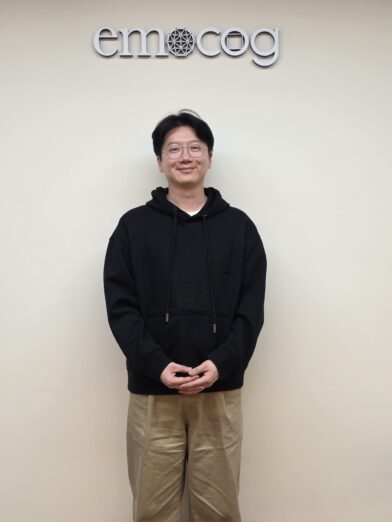
과천 소재 이모코그 사무실에서 노유헌 공동대표를 만나 전 주기 통합 인지 케어 에코시스템 구축의 의미, 그리고 한국 디지털 치료기기의 글로벌 가능성에 대해 이야기를 들었다.
심리스(Seamless), 커넥티드(Connected) 케어
기존 치매 진료는 인지검사, 영상검사, 치료 처방, 경과 관리가 서로 다른 시스템과 기관에 흩어져 있었다. 환자와 보호자는 복잡한 의료 과정을 따라가야 했고, 의료진도 환자 상태를 통합적으로 파악하기 어려웠다.
대부분의 디지털 치료기기 기업이 단일 제품(검사 또는 치료)에 집중하는 반면, 이모코그는 선별부터 진단, 치료, 관리까지 전체 흐름을 하나의 플랫폼 안에서 연결한다는 점이 차별점이다. 이모코그의 ‘전 주기 통합 인지 케어 에코시스템’은 조기 선별, 진단, 치료, 관리까지 4가지 솔루션이 하나의 연속된 의료 여정을 구성한다.
코그스크린(조기 선별) → Simoa 플랫폼(정밀 진단) → 코그테라(치료) → 코그체크(관리·모니터링) → 다시 코그스크린으로 순환
첫 단계에서 코그스크린으로 인지 저하 위험군을 빠르게 가려내고, 위험이 확인되면 Simoa 혈액 검사로 아밀로이드 베타·타우 단백질 등 병리학적 물질의 존재를 확인한다. 특히 Simoa 혈액 진단 플랫폼의 한국 독점권 확보와 자회사 피엘그룹을 통한 CNS 전문 의약품 유통까지 결합해, 디지털 치료와 약물 치료가 하나의 임상 흐름 안에서 이어지는 구조를 만들었다. 진단 결과에 따라 경도인지장애 환자에게는 코그테라를, 초기 알츠하이머 위험군에게는 임상 판단에 따라 항체 치료제 등 약물 치료를 연계한다. 이후 코그체크 플랫폼이 치료 경과, 인지 기능 변화, 부작용 여부를 지속적으로 모니터링하며 데이터를 축적하고 이 데이터는 다시 다음 치료 판단의 근거로 활용한다.
핵심은 ‘심리스(Seamless)’와 ‘커넥티드(Connected)’다. 단절 없이 치료가 이어지는 구조를 만들어, 환자와 의사 모두가 전 과정을 실감할 수 있게 하는 것이 목표다. 2025년에 4가지 솔루션이 모두 갖춰지면서 에코시스템의 기술적 기반이 완성됐고, 2026년에는 의원급에서 종합병원까지 이 에코시스템이 실제로 작동하는 사례를 보여주겠다는 것이 올해 핵심 과제다.
조기 선별, 진단, 치료, 관리의 전 주기 통합 인지 케어 에코시스템
웹 기반 디지털 인지 평가 도구 ‘코그스크린(Cogscreen)’은 별도 앱 설치 없이 링크 접속만으로 5분 이내에 인지 기능 검사를 완료할 수 있다. 고령자도 쉽게 사용할 수 있도록 설계됐으며, 모든 검사 결과는 임상적 근거에 기반해 제공된다. 노 대표는 “쉽고 편안하기 때문에 의료 현장뿐 아니라 건강관리가 이루어지는 다양한 영역에서도 활용할 수 있다”고 말했다. 코그스크린은 전 주기 인지 케어의 출발점이다.
치매 확진을 위해서는 인지 기능의 저하와 병리학적 물질(아밀로이드 베타, 타우 단백질 등)을 모두 확인해야 한다. 기존에는 아밀로이드 PET 영상 촬영이 필요했는데, 예약에 3~6개월, 비용 약 150만 원, 검사 시간 약 2시간이 소요되는 데다 방사선 피폭 부담까지 있었다. 반면 혈액 검사는 채혈만으로 완료되며, 결과는 하루 이틀이면 확인할 수 있고 비용은 약 10분의 1 수준이다. 영상에서 혈액으로의 전환은 전 세계적인 흐름이며, 이모코그는 글로벌 임상 데이터가 가장 풍부한 Simoa 플랫폼의 한국 독점권을 확보해 이 흐름을 선도하고 있다.
현재 경도인지장애 환자에게 처방할 수 있는 약물은 항체 치료제 ‘레캠비(Leqembi)’ 정도다. 그러나 1년 6개월 치료 비용이 약 3,100만 원에 달하고, 미세혈관 출혈 등 부작용 발생률이 약 20%에 이른다. 게다가 대상자 선별 기준이 까다로워 전체 경도인지장애 환자 중 실제 투약이 가능한 비율은 5% 이내로 추정된다. 반면 디지털 인지 중재 치료기기 ‘코그테라(Cogthera)’는 3개월 소비자가가 12~15만 원 수준이며, 부작용이 없다. 코그테라를 통한 인지 훈련 후에는 뇌 구조 자체가 변화하는 것이 확인됐으며, 이러한 치료 효과는 SCI급 국제 학술지 논문 5편을 통해 검증됐다. 현재 52개 병원에서 처방이 이루어지고 있으며, 매달 거의 2배씩 성장하고 있다. 노 대표는 “인지 기능 개선 효과는 거의 유사하거나 오히려 더 좋은 부분도 있다”며 “누구나 부작용 없이 저렴하게 처방받을 수 있는 디지털 신약”이라고 설명했다. 이어 “한국에서 만든 디지털 치료기기가 해외에서도 통할 수 있다는 것을 처음으로 증명한 사례”라며 그 의미를 강조했다.
의료진용 통합 관리 플랫폼 ‘코그체크(Cogcheck)’는 디지털 인지 평가, 혈액 진단, 디지털 치료, 투약 이력 등 분산돼 있던 환자 정보를 한 화면에서 확인할 수 있도록 지원한다. 환자가 집에서 수행하는 훈련 과정과 인지 기능의 변화 추이를 데이터화하고, AI가 이를 분석해 보고서로 제공한다. 항체 치료제를 병용하는 환자의 경우에도 인지 상태 변화와 부작용 여부를 지속적으로 모니터링할 수 있다. 노 대표는 “약은 집에서 먹으면 제약사가 그 효과를 개별적으로 파악할 수 없지만, 디지털 치료기기는 매일 환자의 상태를 데이터로 보고해준다”며 “이를 기반으로 제약사와 협력하고 시장을 확장할 수 있는 것이 디지털 치료기기만의 강점”이라고 강조했다.
이모코그는 조기 선별에서 정밀 진단, 치료, 관리까지 아우르는 전 주기 통합 인지 케어 시스템을 구축하고 있다. 이를 가능하게 하는 것은 4가지 핵심 솔루션이며, 이를 하나의 플랫폼으로 연결한 것이 ‘코그체크(Cogcheck)’다.
치매 예측 AI 파운데이션 모델 개발
이모코그는 상용 솔루션에 머무르지 않고, 다음 단계 기술 개발에도 박차를 가하고 있다. 보건복지부·한국보건산업진흥원 주관 국가 전략형R&D 사업인 ‘한국형ARPA-H 프로젝트’의 주관연구개발기관으로 선정되어 총159억 원 규모의 연구를 수행 중이다.
핵심은 치매나 인지장애를 가진 환자들의 데이터를 수집·학습하여 뇌 기능 저하에 특화된 LLM 기반 파운데이션 모델을 개발하는 것이다. 영국과 한국 데이터를 합쳐 약 660만 개의 멀티모달 데이터를 확보했으며, 이를 기반으로 환자의 상태를 파악하고 어떤 인지중재 치료가 예방이나 개선에 효과적인지까지 솔루션을 제시할 수 있는 ‘전문가 파운데이션 모델’을 구축하고 있다. 올해 베타 버전이 출시될 예정이다.
이 파운데이션 모델은 연구, 서비스 개발, 향후 차세대 디지털 치료기기 개발까지 다양한 영역에 활용될 계획이다. 연구 자문에는 인지예비력 개념을 정립한 미국 콜럼비아대학교 야콥 스턴(Yaakov Stern) 교수와 영국 국가 치매 데이터 플랫폼DPUK를 구축한 옥스퍼드대학교 존 갈라허(John Gallacher) 교수가 참여하고 있다. 노 대표는 “미국에서 유사하게 진행 중인 과제의 수준을 따라갈 수 있을 것으로 본다”고 밝혔다.
디지털 치료제 선진국을 향한 글로벌 확장
이모코그의 글로벌 전략은 독일을 교두보로 시작됐다. 2022년 독일 현지법인 Cogthera GmbH를 설립하고, CE Mark를 획득해 유럽 시장 진입 기반을 마련했다. 이모코그가 독일을 첫 번째 타깃으로 삼은 이유에 대해 노 대표는 “디지털 치료기기에 급여 제도가 있고, 의미 있는 매출을 올리며 성장하는 회사가 독일밖에 없었기 때문”이라고 설명했다.
현재 일본에서는 제약사 3곳과 논의를 진행 중이며, 미국에서도 파트너를 찾고 있다. 미국FDA로부터 위해성이 없는 의료기기로 확인받아 레터를 수령한 상태로, 다음 단계 진출을 준비 중이다. 노 대표는 “현재 디지털 치료기기 선진국은 독일과 한국이며, 한국의 디지털 치료기기 기업 수는 이미 독일을 넘어섰다”고 말했다.
“누구나 쉽고 편안하게 의료 서비스를 받고, 그것을 통해 행복을 얻어가는 것.“
이모코그의 미션이다. 두 의학자의 도전이 5년 만에 국내 최초 경도인지장애 디지털치료기기 허가, 독일 임상 성공, 430억 원 투자 유치, 159억 원 규모 국가R&D 수주라는 구체적 성과로 이어졌다.
치매는 개인의 기억과 존엄을 앗아가는 동시에 가족과 사회 전체에 막대한 부담을 남기는 질환이다. 이모코그가 그리는 그림은 단순한 하나의 제품이 아니라, 조기 선별부터 정밀 진단, 치료, 관리까지 끊김 없이 이어지는 ‘치료의 에코시스템’이다. 그리고 그 에코시스템 위에 글로벌 제약사와의 병용 치료라는 더 큰 비전을 올려놓았다. 한국발 디지털 신약이 글로벌 치매 치료 시장의 새로운 축이 될 수 있을지, 이모코그의 다음 행보가 주목된다.
emocog completes a comprehensive cognitive care ecosystem, from early screening to treatment and management.
Market stabilization and ecosystem completion by 2026… IPO pursued.
– Plans to expand the global market for Korean digital therapeutic devices through combination therapy with global pharmaceutical companies.
-Development of AI Foundation Model for Dementia Prediction through Korean ARPA-H Project with a budget of KRW 15.9 billion
While medications address the underlying pathology, digital therapeutics restore cognitive function. Only when these two approaches work together can patients truly return to their daily lives. Even after treatment, continued training is necessary to maintain a normal life, and digital therapeutics can handle this post-treatment care. By leveraging the data accumulated during this process and collaborating with global pharmaceutical companies, Korean digital therapeutics companies can also grow and share in the global healthcare market.
This is what Yoo Hun Noh, co-CEO of emocog, said. Given Korea's struggle to secure global competitiveness in traditional new drug development, digital therapeutics could become a new concept in medicine. The core strength of digital therapeutics lies in data. While it's difficult for pharmaceutical companies to gauge individual patient responses when medications are administered at home, digital therapeutics can monitor patients' cognitive status daily and accumulate data. Emocog is demonstrating its potential in the areas of dementia and mild cognitive impairment.
Approximately 1 million people in Korea suffer from dementia and 2.98 million suffer from mild cognitive impairment (MCI). Approximately 28% of the population aged 65 and older suffer from memory and cognitive decline, yet available treatment options for these patients are extremely limited. Dr. Lee Jun-young, a psychiatrist, and Dr. Yoo Hun Noh, a professor of neuroanatomy, have been working together on research for patients with MCI for over a decade. Believing that digital technology could be a new breakthrough in dementia treatment, they founded Emocog (Emocog), a portmanteau of "emotion" and "cognition," in 2021.
For emocog, 2025 was truly a year of leap forward. It was the year when accumulated clinical data and technological prowess finally bore fruit in the market. The most significant achievement was the approval of Cogthera, a digital therapeutic device for patients with mild cognitive impairment (MCI), from the Ministry of Food and Drug Safety (MFDS) in May 2025. This marks the first digital therapeutic device in Korea for MCI, aimed at preventing dementia. Following the designation as an innovative medical technology and the completion of the Ministry of Health and Welfare's technical notification, full-scale prescriptions began in mid-October, primarily in neurologists and psychiatrists.
Cogthera has also achieved significant results overseas. With the results of a clinical trial conducted in Germany, Cogthera's effectiveness has been proven even in Europe, a diverse cultural region. Based on these results, the company has completed its application for Germany's "DiGA" (a reimbursement system for digital healthcare apps, introduced in 2019. Digital health apps that have undergone medical device certification are eligible for insurance coverage if they demonstrate clinical efficacy and data security). Upon approval, the product will be fully covered by insurance in Germany. Furthermore, the company has completed its diagnostic ecosystem by signing an exclusive Korean distribution agreement for Simoa, a blood-based biomarker analysis platform, with Quanterix, a NASDAQ-listed biotech company.
Investment performance is also noteworthy. Despite challenging market conditions, the company secured approximately KRW 22 billion in Series B funding (with completion expected by the end of December 2024), bringing its total investment to approximately KRW 43 billion. Investors included Naver, Kakao, Stonebridge Ventures, and IBK Industrial Bank of Korea.
Building on last year's success, emocog is actively pursuing the domestic market penetration of its digital therapeutics this year. Its goal is to reach 35,000 cumulative prescriptions by the end of the year. CEO Noh stated, "Germany is the only country globally that has achieved this scale of digital therapeutic prescriptions. Reaching this milestone in Korea will set a meaningful precedent for other digital therapeutics companies."
At the same time, the plan is to create a truly functional example of a full-cycle ecosystem spanning from early screening to treatment and management, from clinics to general hospitals. CEO Noh stated, "Once this ecosystem is complete, both patients and doctors will be able to experience a seamless treatment experience."
Based on these achievements, emocog plans to pursue an IPO by the end of this year or early next year.
We met with Co-CEO Yoo Hun Noh at the emocog office in Gwacheon to discuss the significance of building a full-cycle integrated cognitive care ecosystem and the global potential of Korean digital therapeutics.
Seamless , Connected Care
Traditional dementia care involves cognitive testing, imaging studies, treatment prescriptions, and follow-up care, all spread across disparate systems and institutions. Patients and their caregivers are forced to navigate complex medical processes, and medical staff struggle to gain a comprehensive understanding of the patient's condition.
While most digital therapeutics companies focus on a single product (either testing or treatment), emocog differentiates itself by connecting the entire process—from screening to diagnosis, treatment, and management—within a single platform. emocog's "Full-cycle Integrated Cognitive Care Ecosystem" combines four solutions—early screening, diagnosis, treatment, and management—to form a single, continuous healthcare journey.
CogScreen (early screening) → Simoa platform (precise diagnosis) → CogTera (treatment) → CogCheck (management/monitoring) → cycle back to CogScreen
In the first step, CogScreen rapidly identifies those at risk for cognitive decline. Once identified, the Simoa blood test detects the presence of pathological substances such as amyloid beta and tau proteins. Specifically, by securing exclusive Korean rights to the Simoa blood diagnostic platform and combining it with the distribution of CNS specialty pharmaceuticals through its subsidiary, PL Group, a structure has been created where digital therapy and drug treatment are integrated into a single clinical workflow. Based on the diagnosis, patients with mild cognitive impairment are treated with CogThera, while patients at risk for early Alzheimer's disease are linked to drug treatment, including antibody treatments, based on clinical judgment. The CogCheck platform then continuously monitors treatment progress, cognitive function changes, and side effects, accumulating data that is then used to inform subsequent treatment decisions.
The key concepts are "seamless" and "connected." The goal is to create a structure where treatment flows seamlessly, enabling both patients and doctors to experience the entire process. By 2025, with all four solutions in place, the technological foundation of the ecosystem will be complete. By 2026, the key goal for this year is to demonstrate how this ecosystem can actually work, from clinics to general hospitals.
A full-cycle integrated cognitive care ecosystem of early screening , diagnosis , treatment , and management
Cogscreen, a web-based digital cognitive assessment tool, allows users to complete a cognitive function test in less than five minutes by simply accessing a link without installing a separate app. Designed for ease of use even for seniors, all test results are based on clinical evidence. CEO Noh stated, "Because it's easy and convenient, it can be utilized not only in medical settings but also in various areas of healthcare." Cogscreen is the starting point for comprehensive cognitive care.
A definitive diagnosis of dementia requires both cognitive decline and the presence of pathological substances (amyloid beta, tau protein, etc.). Previously, amyloid PET imaging was required, which required a three- to six-month appointment, costing approximately 1.5 million won, and taking approximately two hours to complete. Furthermore, it also carried the burden of radiation exposure. In contrast, blood testing requires only a blood draw, with results available within a day or two, at approximately one-tenth the cost. The shift from imaging to blood testing is a global trend, and emocog is leading this trend by securing exclusive Korean rights to the Simoa platform, which boasts the most extensive global clinical data.
Currently, the only drug available for patients with mild cognitive impairment (MCI) is the antibody treatment Leqembi. However, the cost of one year and six months of treatment is approximately 31 million won, and the incidence of side effects, such as microvascular hemorrhage, is as high as 20%. Furthermore, due to strict eligibility criteria, it is estimated that less than 5% of patients with MCI are actually eligible for the treatment. In contrast, the digital cognitive intervention device Cogthera costs 120,000 to 150,000 won for three months and has no side effects. Cognitive training using Cogthera has been shown to alter brain structure, and these therapeutic effects have been verified in five SCI-level international academic journals. Currently, 52 hospitals are prescribing the drug, and sales are growing by nearly twofold each month. CEO Noh explained, "The cognitive function improvement effects are similar or even better in some cases. It is a digital new drug that anyone can prescribe at an affordable price without side effects." He then emphasized its significance, saying, “This is the first case that proves that digital therapeutic devices made in Korea can be used overseas as well.”
Cogcheck, an integrated management platform for medical professionals, allows patients to view previously fragmented patient information, including digital cognitive assessments, blood tests, digital treatments, and medication history, all on a single screen. It digitizes patient training sessions and changes in cognitive function at home, analyzes them using AI, and provides reports. Patients taking antibody treatments can also continuously monitor cognitive changes and side effects. CEO Noh emphasized, "While pharmaceutical companies cannot individually assess the effectiveness of medications taken at home, digital therapeutics report daily patient status data. This unique strength lies in the ability to collaborate with pharmaceutical companies and expand the market based on this."
emocog is building a comprehensive cognitive care system encompassing early screening, precise diagnosis, treatment, and management. This is made possible by four core solutions, all connected into a single platform called "Cogcheck."
Development of an AI Foundation Model for Dementia Prediction
Emocog is not just focusing on commercial solutions; it is also accelerating the development of next-level technologies. Selected as the lead research and development institution for the "Korean ARPA-H Project," a national strategic R&D program sponsored by the Ministry of Health and Welfare and the Korea Health Industry Development Institute, emocog is currently conducting research totaling 15.9 billion won.
The core goal is to collect and study data from patients with dementia or cognitive impairment to develop an LLM-based foundation model specialized for brain function decline. Combining UK and Korean data, we have secured approximately 6.6 million multimodal data points. Based on this, we are building an "Expert Foundation Model" that can identify patients' conditions and suggest solutions, including which cognitive interventions are effective for prevention or improvement. A beta version is scheduled for release this year.
This foundation model is planned to be utilized in various fields, including research, service development, and the development of next-generation digital therapeutic devices. Research advisors include Professor Yaakov Stern of Columbia University, who established the concept of cognitive reserve, and Professor John Gallacher of Oxford University, who established the UK's national dementia data platform, DPUK. CEO Noh stated, "I believe we will be able to match the level of similar projects currently underway in the US."
Global expansion toward advanced digital therapeutics markets
emocog's global strategy began with Germany as a bridgehead. In 2022, it established Cogthera GmbH, a local subsidiary in Germany, and obtained CE Mark, laying the foundation for entering the European market. CEO Noh explained why emocog chose Germany as its first target, saying, "Germany was the only country with a reimbursement system for digital therapeutic devices and a company that was generating significant revenue and growing."
Currently, we are in discussions with three pharmaceutical companies in Japan and are also seeking partners in the United States. Having received a letter from the US FDA confirming our device's safety, we are preparing for the next stage. CEO Noh stated, "Currently, Germany and Korea are leading players in the digital therapeutics market, and the number of Korean digital therapeutics companies has already surpassed Germany's."
“Everyone can easily and conveniently receive medical services and find happiness through them.”
This is emocog's mission. Within five years, the two medical scientists' challenge led to concrete results: approval of Korea's first digital therapeutic device for mild cognitive impairment, successful clinical trials in Germany, 43 billion won in investment, and a 15.9 billion won national R&D contract.
Dementia is a disease that robs individuals of their memories and dignity, while placing a tremendous burden on families and society as a whole. Emocog envisions not just a single product, but a seamless "treatment ecosystem" encompassing everything from early screening to precise diagnosis, treatment, and management. Building upon this ecosystem, they have laid a broader vision of combination therapy with global pharmaceutical companies. Whether this Korean digital new drug can become a new pillar of the global dementia treatment market is a matter of intense interest, and emocog's next steps are drawing keen attention.
emocog、早期選別から治療・管理まで、全周期統合認知ケアエコシステム完成
-2026年市場安着とエコシステム完成… IPOの推進
– グローバル製薬会社との併用治療で韓国デジタル治療機器の世界市場拡大構想
-159億規模韓国型ARPA-Hプロジェクトで認知症予測AIファンデーションモデル開発
「薬物が病理学的原因を取り除く間、デジタル治療機器は認知機能自体を回復させる役割を果たします。両アプローチが並行すると初めて患者の日常復帰が可能になります。占有して成長できます。」
Yoo Hun Noh emocog共同代表の言葉だ。韓国が伝統的な新薬開発でグローバル競争力を確保しにくい現実で、デジタル治療機器が新しい概念の新薬として位置づけることができるという意味だ。デジタル治療機器の重要な強みはデータにある。薬は自宅で服用すると製薬会社が個々の患者の反応を把握することは困難ですが、デジタル治療機器は毎日患者の認知状態を監視し、データを蓄積することができます。 emocogは認知症や硬度認知障害の分野でその可能性を示しています。
国内認知症患者約100万人、硬度認知障害患者約298万人。 65歳以上の人口の約28%が記憶力と認知機能の低下を経験しているが、この時期に患者に提供できる治療手段は極めて制限的である。精神健康医学科専門医のイ・ジュニョン代表と神経解剖学教授出身のYoo Hun Noh代表は、10年以上経度認知障害患者のための研究を共にしてきた。 2人はデジタル技術が認知症治療の新たな突破口になると確信しており、2021年に感情(emotion)と認知(cognition)の合成語であるemocog(Emocog)を設立した。
emocogに2025年はそれこそ飛躍の元年だった。積み重ねてきた臨床データと技術力が初めて市場で結実を結んだ年だったからだ。最大の成果は「コグテラ」が硬度認知障害(MCI)患者向けデジタル治療機器で、2025年5月に食品医薬品安全処(MFDS)の許可を獲得したことだ。認知症予防を目指したMCI適応症デジタル治療機器としては国内初の事例だ。続いて革新医療技術指定と保健福祉部技術告示まで完了し、10月中旬から神経科と精神科を中心に本格的な処方が始まった。
海外でも意味のある成果を収めた。ドイツで進行した臨床試験の結果が導き出され、文化圏が他のヨーロッパでもコグテラの有効性が証明された。この結果を基にドイツの「DiGA」(2019年に導入され、デジタル健康管理アプリに対する数が制度だ。医療機器認証を受けたデジタルヘルスアプリが臨床的効果とデータセキュリティ性を立証すれば保険給与が適用される。)にも申請を終えた。承認が完了すると、ドイツで100%保険給与を受けて使用できる製品になる。また、米国ナスダック上場バイオテク企業クアンタリックス(Quanterix)と血液ベースのバイオマーカー分析プラットフォームSimoaの韓国独占供給契約を締結し、診断領域でのエコシステムも完成した。
投資成果も欠かせない。厳しい市場環境の中でも約220億ウォン規模のシリーズB投資を誘致(投資完了は2024年12月末だ)で、累積投資金約430億ウォンを確保した。ネイバー、カカオ、ストーンブリッジベンチャーズ、IBK企業銀行などが投資に参加した。
emocogは昨年の成果を踏まえ、今年のデジタル治療機器の国内市場の安着に本格的に乗り出す。年末までに累積処方3万5千件が目標だ。ノ代表は「グローバルでこれほど規模のデジタル治療剤処方を達成したところはドイツしかない」とし「韓国でこのマイルストーンを立てれば他のデジタル治療機器企業にも意味のある先例になるだろう」と話した。
同時に議員級から総合病院まで、早期選別から治療・管理まで続く全周期エコシステムが実際に動作する事例を作り出すという計画だ。ノ代表は「エコシステムが完成すれば、患者も医師も断絶のない治療経験を実感できるようになるだろう」と明らかにした。
emocogはこの成果に基づいて、今年末または来年初めにIPOを推進する計画だ。
果川素材のemocog事務所でYoo Hun Noh共同代表に会って全周期統合認知ケアエコシステム構築の意味、そして韓国デジタル治療機器のグローバル可能性について話を聞いた。
シームレス(Seamless)、コネクテッド(Connected)ケア
既存認知症診療は、認知検査、映像検査、治療処方、経過管理が異なるシステムと機関に散らばっていた。患者と保護者は複雑な医療プロセスに従わなければならず、医療スタッフも患者の状態を統合的に把握することが困難でした。
ほとんどのデジタル治療機器企業が単一の製品(検査または治療)に集中しているのに対し、emocogはスクリーニングから診断、治療、管理までの全体の流れを1つのプラットフォーム内で接続するという点が差別点である。 emocogの「全周期統合認知ケアエコシステム」は、早期選別、診断、治療、管理まで4つのソリューションが1つの連続した医療旅程を構成する。
コグスクリーン(早期選別)→Simoaプラットフォーム(精密診断)→コグテラ(治療)→コグチェック(管理・モニタリング)→再びコグスクリーンに循環
最初の段階でコグスクリーンで認知低下危険群を素早く選別し、危険が確認されたらSimoa血液検査でアミロイドベータ・タウタンパク質など病理学的物質の存在を確認する。特にSimoa血液診断プラットフォームの韓国独占権確保と子会社ピエルグループを通じたCNS専門医薬品流通まで結合し、デジタル治療と薬物治療が一つの臨床流の中でつながる仕組みを作った。診断結果に応じて硬度認知障害患者にはコグテラを、初期アルツハイマーリスク群には臨床判断により抗体治療剤など薬物治療を連携する。その後、コグチェックプラットフォームは治療経過、認知機能の変化、副作用の有無を継続的に監視し、データを蓄積し、このデータは再び次の治療判断の根拠として活用する。
核心は「シームレス(Seamless)」と「コネクテッド(Connected)」だ。断絶なく治療が続く仕組みを作り、患者と医師の両方が全過程を実感できるようにすることが目標だ。 2025年に4つのソリューションがすべて揃ってエコシステムの技術的基盤が完成し、2026年には議員級から総合病院までこのエコシステムが実際に動作する事例を見せるということが今年の核心課題だ。
早期選択、診断、治療、管理の全サイクル統合認知ケアエコシステム
Webベースのデジタル認知評価ツール「Cogscreen(Cogscreen)」は、別途アプリをインストールせずにリンク接続だけで5分以内に認知機能検査を完了することができる。高齢者も簡単に使用できるように設計されており、すべての検査結果は臨床的根拠に基づいて提供される。ノ代表は「簡単で快適なため、医療現場だけでなく健康管理が行われる様々な領域でも活用できる」と話した。コグスクリーンは全周期認知ケアの出発点である。
認知症を確実にするためには、認知機能の低下と病理学的物質(アミロイドベータ、タウタンパク質など)の両方を確認する必要があります。従来はアミロイドPET映像撮影が必要だったが、予約に3~6ヶ月、費用約150万ウォン、検査時間約2時間を要するうえ、放射線被ばく負担まであった。一方、血液検査は採血のみで完了し、結果は1日2日で確認でき、費用は約10分の1レベルである。映像から血液への転換は世界的な流れであり、emocogはグローバル臨床データが最も豊富なSimoaプラットフォームの韓国独占権を確保してこの流れをリードしている。
現在、硬度認知障害患者に処方できる薬は、抗体治療剤「レカムビ(Leqembi)」程度だ。しかし、1年6ヶ月の治療費用が約3,100万ウォンに達し、微小血管出血などの副作用発生率が約20%に達する。さらに、対象者の選別基準が厳しく、全硬度認知障害患者のうち、実際の投与が可能な割合は5%以内と推定される。一方、デジタル認知仲介治療機器「コグテラ(Cogthera)」は3ヶ月消費者が12~15万ウォン水準であり、副作用がない。コグテラによる認知訓練後には脳構造自体が変化することが確認され、このような治療効果はSCI級国際学術誌論文5編を通じて検証された。現在52の病院で処方が行われており、毎月ほぼ2倍ずつ成長している。盧代表は「認知機能改善効果はほぼ類似したか、むしろより良い部分もある」とし「誰もが副作用なしに安く処方されるデジタル新薬」と説明した。続いて「韓国で作ったデジタル治療機器が海外でも通じることができることを初めて証明した事例」とし、その意味を強調した。
医療陣統合管理プラットフォーム「Cogcheck」は、デジタル認知評価、血液診断、デジタル治療、投薬履歴など分散していた患者情報を一画面で確認できるように支援する。患者が自宅で行う訓練過程と認知機能の変化の推移をデータ化し、AIがこれを分析して報告書として提供する。抗体治療剤を併用する患者の場合でも、認知状態の変化と副作用の有無を継続的に監視することができる。ノ代表は「薬は家で食べれば製薬会社がその効果を個別に把握することはできないが、デジタル治療機器は毎日患者の状態をデータとして報告してくれる」とし「これを基に製薬会社と協力して市場を拡張できることがデジタル治療機器だけの強み」と強調した。
emocogは早期選別から精密診断、治療、管理までの全周期統合認知ケアシステムを構築している。これを可能にするのは4つのコアソリューションであり、これを1つのプラットフォームにつなげたのが「Cogcheck」だ。
認知症予測AIファンデーションモデルの開発
emocogは商用ソリューションにとどまらず、次の段階の技術開発にも拍車をかけている。保健福祉部・韓国保健産業振興院主管国家戦略型R&D事業である「韓国型ARPA-Hプロジェクト」の主管研究開発機関に選定され、総159億ウォン規模の研究を行っている。
核心は認知症や認知障害を持つ患者のデータを収集・学習し、脳機能低下に特化したLLMベースのファンデーションモデルを開発することだ。英国と韓国のデータを合わせて約660万個のマルチモーダルデータを確保し、これを基に患者の状態を把握し、どの認知仲介治療が予防や改善に効果的であるかまでソリューションを提示できる「専門家ファンデーションモデル」を構築している。今年ベータ版が発売される予定だ。
このファンデーションモデルは、研究、サービス開発、今後の次世代デジタル治療機器開発まで、多様な領域に活用される計画だ。研究諮問には、認知予備力の概念を確立した米国コロンビア大学ヤコブ・スタン教授とイギリス国家認知症データプラットフォームDPUKを構築したオックスフォード大学ジョン・ガラッハ(John Gallacher)教授が参加している。ノ代表は「米国で同様に進行中の課題の水準に従うことができると思う」と明らかにした。
デジタル治療薬先進国に向けたグローバル展開
emocogのグローバル戦略はドイツを橋頭梁で始まった。 2022年にドイツ現地法人Cogthera GmbHを設立し、CE Markを獲得し、欧州市場参入基盤を設けた。 emocogがドイツを最初のターゲットにした理由について、ノー代表は「デジタル治療機器に給与制度があり、意味のある売上を上げ成長する会社がドイツしかなかったため」と説明した。
現在、日本では製薬会社3社と議論を進めており、米国でもパートナーを探している。米国FDAから危害性のない医療機器として確認を受けてレターを受け取った状態で、次の段階進出を準備中だ。ノ代表は「現在、デジタル治療機器先進国はドイツと韓国であり、韓国のデジタル治療機器企業数はすでにドイツを超えている」と話した。
「誰でも簡単で快適に医療サービスを受け、それを通じて幸せを得ていくこと」。
emocogのミッションだ。両医者の挑戦が5年ぶりに韓国初硬度認知障害デジタル治療機器許可、ドイツ臨床成功、430億ウォン投資誘致、159億ウォン規模国家R&D受注という具体的な成果につながった。
認知症は個人の記憶と尊厳を奪い、同時に家族や社会全体に莫大な負担を残す疾患である。 emocogが描く絵は単なる一つの製品ではなく、早期選別から精密診断、治療、管理まで絶えず続く「治療のエコシステム」だ。そしてそのエコシステムの上にグローバル製薬会社との併用治療というより大きなビジョンを載せた。韓国発デジタル新薬がグローバル認知症治療市場の新たな軸になるのか、emocogの次の歩みが注目される。
emocog 完善了从早期筛查到治疗和管理的综合认知护理生态系统。
到 2026 年实现市场稳定和生态系统完善……推进 IPO。
– 计划通过与全球制药公司联合治疗,扩大韩国数字治疗设备的全球市场。
-通过韩国ARPA-H项目,开发用于痴呆症预测的人工智能基础模型,预算为159亿韩元
药物治疗针对的是潜在病理,而数字疗法则旨在恢复认知功能。只有当这两种方法协同作用时,患者才能真正回归日常生活。即使在治疗结束后,患者仍需持续进行康复训练以维持正常生活,而数字疗法恰好可以满足这一康复需求。通过利用在此过程中积累的数据并与全球制药公司合作,韩国数字疗法公司也能在全球医疗保健市场中发展壮大并占据一席之地。
这是Emocog联合首席执行官卢柳勋(Yoo Hun Noh)的观点。鉴于韩国在传统新药研发领域难以保持全球竞争力,数字疗法有望成为医学领域的新概念。数字疗法的核心优势在于数据。制药公司难以评估患者在家用药时的个体反应,而数字疗法可以每日监测患者的认知状态并积累数据。Emocog正在痴呆症和轻度认知障碍领域展现其潜力。
韩国约有100万人患有痴呆症,298万人患有轻度认知障碍(MCI)。65岁及以上人群中约有28%的人存在记忆力和认知能力下降的问题,但目前针对这些患者的治疗选择却极其有限。精神科医生李俊英博士和神经解剖学教授卢柳勋博士十多年来一直致力于轻度认知障碍患者的研究。他们相信数字技术可能成为痴呆症治疗领域的新突破,因此于2021年创立了Emocog公司,公司名称由“情感”(emotion)和“认知”(cognition)两个词组合而成。
对于emocog而言,2025年可谓是飞跃式发展的一年。这一年,公司积累的临床数据和技术实力终于在市场上结出了硕果。其中最引人瞩目的成就,是其用于治疗轻度认知障碍(MCI)的数字治疗设备Cogthera于2025年5月获得韩国食品药品安全部(MFDS)的批准。这标志着韩国首个用于治疗MCI、旨在预防痴呆的数字治疗设备正式上市。在被认定为创新医疗技术并完成韩国保健福祉部的技术通报后,Cogthera于10月中旬开始全面开具处方,主要面向神经科医生和精神科医生。
Cogthera在海外也取得了显著成果。在德国进行的临床试验结果表明,Cogthera的有效性甚至在欧洲这个文化多元的地区也得到了证实。基于这些结果,该公司已完成德国“DiGA”(数字医疗应用报销系统,于2019年推出。通过医疗器械认证的数字医疗应用,如果能够证明其临床疗效和数据安全性,即可获得保险报销)的申请。一旦获得批准,该产品将在德国获得全额保险报销。此外,该公司还与纳斯达克上市的生物技术公司Quanterix签署了Simoa(一款基于血液的生物标志物分析平台)的韩国独家经销协议,从而完善了其诊断生态系统。
投资业绩也值得关注。尽管市场环境充满挑战,该公司仍成功完成约220亿韩元的B轮融资(预计将于2024年12月底完成),使其总投资额达到约430亿韩元。投资者包括Naver、Kakao、Stonebridge Ventures和韩国IBK产业银行。
依托去年的成功,emocog今年正积极拓展其数字疗法在韩国国内市场的份额。公司目标是在年底前累计开出3.5万张处方。首席执行官卢先生表示:“德国是全球唯一一个数字疗法处方量达到如此规模的国家。在韩国实现这一里程碑将为其他数字疗法公司树立一个意义深远的先例。”
与此同时,该计划旨在打造一个真正功能完善的全周期生态系统,涵盖从早期筛查到治疗和管理,从诊所到综合医院的各个环节。首席执行官卢先生表示:“一旦这个生态系统建成,患者和医生都将能够体验到无缝衔接的治疗过程。”
基于这些成就,emocog计划在今年年底或明年初进行IPO。
我们在果川的 emocog 办公室与联合首席执行官 Yoo Hun Noh 会面,讨论了构建全周期综合认知护理生态系统的重要性以及韩国数字疗法的全球潜力。
无缝、互联的护理
传统的痴呆症护理包括认知测试、影像学检查、治疗处方和后续护理,所有这些环节都分散在不同的系统和机构中。患者及其照护者不得不应对复杂的医疗流程,而医务人员也难以全面了解患者的病情。
大多数数字疗法公司专注于单一产品(检测或治疗),而emocog的独特之处在于,它将从筛查到诊断、治疗和管理的整个流程整合到一个统一的平台上。emocog的“全周期整合认知护理生态系统”结合了早期筛查、诊断、治疗和管理四项解决方案,形成一个完整的、连续的医疗保健旅程。
CogScreen(早期筛查)→ Simoa平台(精准诊断)→ CogTera(治疗)→ CogCheck(管理/监测)→ 循环返回CogScreen
第一步,CogScreen 可快速识别认知衰退风险人群。一旦识别出风险人群,Simoa 血液检测即可检测出淀粉样蛋白β和tau蛋白等病理物质的存在。具体而言,该公司通过获得 Simoa 血液诊断平台在韩国的独家使用权,并将其与旗下子公司 PL Group 的中枢神经系统专科药物分销业务相结合,构建了一个将数字疗法和药物治疗整合到单一临床工作流程中的体系。根据诊断结果,轻度认知障碍患者接受 CogThera 治疗,而有早期阿尔茨海默病风险的患者则根据临床判断接受包括抗体治疗在内的药物治疗。CogCheck 平台随后持续监测治疗进展、认知功能变化和副作用,积累数据,用于指导后续的治疗决策。
其核心概念是“无缝”和“互联”。目标是构建一个治疗流程无缝衔接的体系,使患者和医生都能体验到完整的治疗过程。到2025年,随着四项解决方案的全面到位,该生态系统的技术基础将得以完善。到2026年,今年的关键目标是展示该生态系统在从诊所到综合医院等各个层面的实际运作情况。
一个涵盖早期筛查、诊断、治疗和管理的全周期整合认知护理生态系统
Cogscreen是一款基于网络的数字化认知评估工具,用户无需安装任何应用程序,只需访问一个链接,即可在五分钟内完成认知功能测试。该工具设计简洁易用,即使是老年人也能轻松上手,所有测试结果均基于临床证据。首席执行官Noh表示:“由于其操作简便,Cogscreen不仅可以应用于医疗机构,还可以应用于医疗保健的各个领域。” Cogscreen是全面认知护理的起点。
确诊痴呆症需要同时满足认知功能下降和病理物质(如β-淀粉样蛋白、tau蛋白等)的存在这两个条件。此前,诊断痴呆症需要进行淀粉样蛋白PET成像,这需要每三到六个月预约一次,费用约为150万韩元,耗时约两小时。此外,该检查还会带来辐射暴露的风险。相比之下,血液检测只需抽血,一两天内即可获得结果,费用约为影像学检查的十分之一。从影像学检查转向血液检测是全球趋势,而emocog公司正引领这一趋势,获得了Simoa平台在韩国的独家使用权,该平台拥有全球最全面的临床数据。
目前,唯一可用于治疗轻度认知障碍(MCI)的药物是抗体药物Leqembi。然而,一年半的疗程费用约为3100万韩元,且副作用发生率高达20%,例如微血管出血。此外,由于严格的入组标准,估计只有不到5%的MCI患者符合治疗条件。相比之下,数字认知干预设备Cogthera三个月的疗程费用仅为12万至15万韩元,且无副作用。研究表明,使用Cogthera进行认知训练可以改变大脑结构,其疗效已在五篇SCI级国际学术期刊上得到验证。目前,已有52家医院开具该药物处方,销售额每月增长近一倍。首席执行官卢先生解释说:“Cogthera的认知功能改善效果与抗体药物相似,甚至在某些情况下更好。这是一种任何人都能负担得起且无副作用的数字新药。”他随后强调了其重要性,说道:“这是首例证明韩国制造的数字治疗设备也可以在海外使用的案例。”
Cogcheck是一个面向医疗专业人员的综合管理平台,它允许患者在一个屏幕上查看以往分散的患者信息,包括数字化认知评估、血液检测、数字化治疗和用药史。该平台将患者的居家训练过程和认知功能变化数字化,利用人工智能进行分析,并生成报告。接受抗体治疗的患者还可以持续监测认知变化和副作用。首席执行官Noh强调:“制药公司无法单独评估患者居家用药的疗效,而数字化疗法可以每日报告患者状态数据。这一独特优势在于能够与制药公司合作,并在此基础上拓展市场。”
emocog正在构建一个涵盖早期筛查、精准诊断、治疗和管理的综合认知健康护理系统。这得益于四大核心解决方案,它们全部集成在一个名为“Cogcheck”的平台上。
开发用于痴呆症预测的人工智能基础模型
Emocog不仅专注于商业解决方案,还在加速开发下一代技术。作为由韩国保健福祉部和韩国保健产业振兴院共同资助的国家战略研发项目“韩国ARPA-H项目”的牵头研发机构,Emocog目前正在开展总额达159亿韩元的研究项目。
核心目标是收集并研究痴呆症或认知障碍患者的数据,以开发一种基于LLM的、专门针对脑功能衰退的基础模型。我们整合了英国和韩国的数据,已获得约660万个多模态数据点。基于此,我们正在构建一个“专家基础模型”,该模型能够识别患者的病情并提出解决方案,包括哪些认知干预措施对预防或改善病情有效。该模型的测试版计划于今年发布。
该基金会的模式计划应用于多个领域,包括研究、服务开发以及下一代数字治疗设备的研发。研究顾问包括哥伦比亚大学的雅科夫·斯特恩教授(认知储备概念的提出者)和牛津大学的约翰·加拉赫教授(英国国家痴呆症数据平台DPUK的创建者)。首席执行官卢表示:“我相信我们能够达到目前美国类似项目的水平。”
全球向先进数字疗法市场扩张
emocog的全球战略以德国为桥头堡。2022年,公司在德国成立了本地子公司Cogthera GmbH,并获得了CE认证,为进军欧洲市场奠定了基础。首席执行官Noh解释了emocog为何选择德国作为首个目标市场:“德国是唯一一个拥有数字治疗设备报销体系的国家,而且当时emocog是一家收入可观、持续增长的公司。”
目前,我们正与日本三家制药公司洽谈合作,同时也在美国寻找合作伙伴。在收到美国FDA的信函确认我们设备的安全性后,我们正在为下一阶段做准备。首席执行官卢先生表示:“目前,德国和韩国是数字疗法市场的领先者,韩国数字疗法公司的数量已经超过了德国。”
“每个人都可以轻松便捷地获得医疗服务,并从中获得幸福。”
这就是emocog的使命。五年内,两位医学科学家的挑战取得了切实成果:韩国首个用于治疗轻度认知障碍的数字治疗设备获得批准,在德国成功完成临床试验,获得430亿韩元的投资,以及一份价值159亿韩元的国家研发合同。
痴呆症是一种剥夺患者记忆和尊严的疾病,同时也给家庭和社会带来沉重的负担。Emocog 的愿景并非仅仅推出单一产品,而是构建一个涵盖从早期筛查到精准诊断、治疗和管理等各个环节的无缝“治疗生态系统”。基于这一生态系统,他们与全球制药公司携手,提出了更宏大的联合疗法愿景。这款韩国数字新药能否成为全球痴呆症治疗市场的新支柱,备受关注,Emocog 的下一步举措也牵动着人们的心。
emocog complète un écosystème global de soins cognitifs, allant du dépistage précoce au traitement et à la prise en charge.
Stabilisation du marché et achèvement de l'écosystème d'ici 2026… Introduction en bourse envisagée.
– Projets d'expansion du marché mondial des dispositifs thérapeutiques numériques coréens grâce à des thérapies combinées avec des sociétés pharmaceutiques internationales.
– Développement d'un modèle de base d'IA pour la prédiction de la démence dans le cadre du projet coréen ARPA-H, doté d'un budget de 15,9 milliards de wons coréens.
Alors que les médicaments traitent la pathologie sous-jacente, les thérapies numériques restaurent les fonctions cognitives. Ce n'est que lorsque ces deux approches sont combinées que les patients peuvent véritablement reprendre une vie normale. Même après le traitement, un suivi est nécessaire pour maintenir une vie normale, et les thérapies numériques peuvent assurer cette continuité des soins. En exploitant les données recueillies au cours de ce processus et en collaborant avec des entreprises pharmaceutiques internationales, les entreprises coréennes de thérapies numériques peuvent également se développer et conquérir une part du marché mondial de la santé.
Voici ce qu'a déclaré Yoo Hun Noh, co-PDG d'emocog : face aux difficultés rencontrées par la Corée pour se positionner sur le marché mondial du développement de nouveaux médicaments, les thérapies numériques pourraient révolutionner la médecine. Leur principal atout réside dans les données. Alors qu'il est complexe pour les entreprises pharmaceutiques d'évaluer la réponse individuelle des patients aux traitements administrés à domicile, les thérapies numériques permettent de suivre quotidiennement l'état cognitif des patients et de collecter des données. Emocog démontre actuellement son potentiel dans le traitement de la démence et des troubles cognitifs légers.
En Corée, environ un million de personnes souffrent de démence et 2,98 millions de troubles cognitifs légers (TCL). Près de 28 % des personnes âgées de 65 ans et plus présentent un déclin de la mémoire et des fonctions cognitives, or les options de traitement disponibles pour ces patients sont extrêmement limitées. Le Dr Lee Jun-young, psychiatre, et le Dr Yoo Hun Noh, professeur de neuroanatomie, collaborent depuis plus de dix ans à la recherche sur les patients atteints de TCL. Convaincus que les technologies numériques pourraient constituer une avancée majeure dans le traitement de la démence, ils ont fondé Emocog (contraction d’« émotion » et « cognition ») en 2021.
Pour emocog, l'année 2025 a véritablement marqué un tournant. Ce fut l'année où les données cliniques accumulées et l'expertise technologique ont enfin porté leurs fruits sur le marché. La réalisation la plus significative a été l'approbation, en mai 2025, de Cogthera, un dispositif thérapeutique numérique destiné aux patients atteints de troubles cognitifs légers (TCL), par le ministère de la Sécurité alimentaire et pharmaceutique (MFDS). Il s'agit du premier dispositif thérapeutique numérique en Corée pour les TCL, visant à prévenir la démence. Suite à sa désignation comme technologie médicale innovante et à la validation technique par le ministère de la Santé et des Affaires sociales, les prescriptions à grande échelle ont débuté à la mi-octobre, principalement auprès des neurologues et des psychiatres.
Cogthera a également obtenu des résultats significatifs à l'international. Grâce aux résultats d'un essai clinique mené en Allemagne, son efficacité a été prouvée jusque dans le reste de l'Europe, une région culturellement diverse. Forte de ces résultats, la société a déposé une demande d'agrément auprès du programme allemand « DiGA » (système de remboursement des applications de santé numériques, mis en place en 2019). Les applications de santé numériques ayant obtenu la certification de dispositif médical sont éligibles au remboursement par l'assurance maladie si elles démontrent leur efficacité clinique et la sécurité des données. En cas d'approbation, le produit sera intégralement pris en charge par l'assurance maladie en Allemagne. Par ailleurs, la société a complété son écosystème de diagnostic en signant un accord de distribution exclusif en Corée avec Quanterix, une société de biotechnologie cotée au NASDAQ, pour Simoa, une plateforme d'analyse de biomarqueurs sanguins.
La performance des investissements est également remarquable. Malgré un contexte de marché difficile, la société a levé environ 22 milliards de wons coréens lors d'un tour de table de série B (dont la finalisation est prévue pour fin décembre 2024), portant son investissement total à environ 43 milliards de wons coréens. Parmi les investisseurs figurent Naver, Kakao, Stonebridge Ventures et IBK Industrial Bank of Korea.
S'appuyant sur le succès de l'année dernière, emocog poursuit activement le développement de ses thérapies numériques sur le marché coréen. Son objectif est d'atteindre 35 000 prescriptions cumulées d'ici la fin de l'année. Le PDG, M. Noh, a déclaré : « L'Allemagne est le seul pays au monde à avoir atteint ce volume de prescriptions de thérapies numériques. Atteindre ce cap en Corée constituera un précédent important pour les autres entreprises du secteur. »
Parallèlement, l'objectif est de créer un exemple concret et fonctionnel d'écosystème complet, couvrant l'ensemble du parcours de soins, du dépistage précoce au traitement et à la prise en charge, des cliniques aux hôpitaux généraux. Le PDG, M. Noh, a déclaré : « Une fois cet écosystème opérationnel, patients et médecins bénéficieront d'une prise en charge fluide et continue. »
Fort de ces succès, emocog prévoit une introduction en bourse d'ici la fin de l'année ou début de l'année prochaine.
Nous avons rencontré le co-PDG Yoo Hun Noh dans les bureaux d'emocog à Gwacheon pour discuter de l'importance de construire un écosystème de soins cognitifs intégré et complet, ainsi que du potentiel mondial des thérapies numériques coréennes.
Soins intégrés et connectés
La prise en charge traditionnelle de la démence comprend des tests cognitifs, des examens d'imagerie, des prescriptions de traitement et un suivi, le tout réparti entre différents systèmes et institutions. Les patients et leurs aidants sont contraints de s'orienter dans des parcours médicaux complexes, et le personnel médical peine à appréhender pleinement l'état du patient.
Alors que la plupart des entreprises de thérapies numériques se concentrent sur un seul produit (test ou traitement), emocog se distingue en intégrant l'ensemble du processus – du dépistage au diagnostic, en passant par le traitement et la prise en charge – au sein d'une plateforme unique. L'« Écosystème de soins cognitifs intégrés et complets » d'emocog combine quatre solutions – dépistage précoce, diagnostic, traitement et prise en charge – pour former un parcours de soins unique et continu.
CogScreen (dépistage précoce) → Plateforme Simoa (diagnostic précis) → CogTera (traitement) → CogCheck (gestion/suivi) → retour à CogScreen
Dans un premier temps, CogScreen identifie rapidement les personnes à risque de déclin cognitif. Une fois identifiées, le test sanguin Simoa détecte la présence de substances pathologiques telles que les protéines bêta-amyloïde et tau. Concrètement, grâce à l'acquisition des droits exclusifs en Corée sur la plateforme de diagnostic sanguin Simoa et à son intégration à la distribution de produits pharmaceutiques spécialisés pour le système nerveux central par sa filiale PL Group, une structure a été mise en place permettant d'intégrer la thérapie numérique et le traitement médicamenteux dans un parcours de soins unique. Selon le diagnostic, les patients présentant un trouble cognitif léger sont traités par CogThera, tandis que ceux à risque de développer la maladie d'Alzheimer à un stade précoce sont orientés vers un traitement médicamenteux, notamment des traitements par anticorps, en fonction de l'évaluation clinique. La plateforme CogCheck assure ensuite un suivi continu de l'évolution du traitement, des modifications des fonctions cognitives et des effets secondaires, accumulant des données qui serviront à orienter les décisions thérapeutiques ultérieures.
Les concepts clés sont « fluidité » et « connexion ». L’objectif est de créer une structure où le parcours de soins se déroule sans interruption, permettant aux patients comme aux médecins de vivre pleinement le processus. D’ici 2025, une fois les quatre solutions déployées, l’infrastructure technologique de l’écosystème sera complète. L’objectif principal pour 2026 est de démontrer concrètement le fonctionnement de cet écosystème, des cliniques aux hôpitaux généraux.
Un écosystème de soins cognitifs intégré et complet, comprenant le dépistage précoce , le diagnostic , le traitement et la prise en charge.
Cogscreen, un outil d'évaluation cognitive numérique en ligne, permet de réaliser un test de fonctions cognitives en moins de cinq minutes en cliquant simplement sur un lien, sans installer d'application. Conçu pour être facile d'utilisation, même pour les personnes âgées, tous les résultats sont basés sur des données cliniques. Le PDG, M. Noh, a déclaré : « Grâce à sa simplicité et sa praticité, il peut être utilisé non seulement en milieu médical, mais aussi dans divers domaines de la santé. » Cogscreen constitue le point de départ d'une prise en charge cognitive complète.
Le diagnostic définitif de démence repose sur la présence d'un déclin cognitif et de substances pathologiques (peptide bêta-amyloïde, protéine tau, etc.). Auparavant, l'imagerie TEP amyloïde était nécessaire ; elle impliquait un rendez-vous trois à six mois plus tard, un coût d'environ 1,5 million de wons et une durée d'environ deux heures. De plus, elle impliquait une exposition aux radiations. En revanche, un simple prélèvement sanguin suffit, les résultats étant disponibles sous un ou deux jours, pour un coût environ dix fois inférieur. Le passage de l'imagerie aux analyses sanguines est une tendance mondiale, et emocog est à la pointe de ce mouvement en obtenant l'exclusivité coréenne de la plateforme Simoa, qui possède la base de données cliniques la plus complète au monde.
Actuellement, le seul médicament disponible pour les patients atteints de troubles cognitifs légers (TCL) est le traitement par anticorps Leqembi. Cependant, le coût d'un an et demi de traitement s'élève à environ 31 millions de wons, et l'incidence des effets secondaires, tels que les microhémorragies vasculaires, atteint 20 %. De plus, en raison de critères d'éligibilité stricts, on estime que moins de 5 % des patients atteints de TCL sont effectivement éligibles à ce traitement. À l'inverse, le dispositif d'intervention cognitive numérique Cogthera coûte entre 120 000 et 150 000 wons pour trois mois et ne présente aucun effet secondaire. Il a été démontré que l'entraînement cognitif avec Cogthera modifie la structure cérébrale, et ces effets thérapeutiques ont été validés dans cinq revues scientifiques internationales de niveau SCI. Actuellement, 52 hôpitaux prescrivent ce dispositif, et les ventes doublent presque chaque mois. Le PDG, M. Noh, explique : « Les effets sur l'amélioration des fonctions cognitives sont similaires, voire supérieurs dans certains cas. Il s'agit d'un nouveau médicament numérique que chacun peut prescrire à un prix abordable et sans effets secondaires. » Il a ensuite souligné son importance, en déclarant : « C’est le premier cas qui prouve que les dispositifs thérapeutiques numériques fabriqués en Corée peuvent également être utilisés à l’étranger. »
Cogcheck, une plateforme de gestion intégrée pour les professionnels de santé, permet aux patients de consulter sur un seul écran des informations médicales auparavant dispersées, telles que les évaluations cognitives numériques, les analyses sanguines, les traitements numériques et l'historique médicamenteux. Elle numérise les séances de rééducation et le suivi de l'évolution des fonctions cognitives à domicile, les analyse grâce à l'intelligence artificielle et génère des rapports. Les patients sous traitement par anticorps peuvent ainsi surveiller en continu leurs changements cognitifs et les effets secondaires. Le PDG, M. Noh, a souligné : « Alors que les laboratoires pharmaceutiques ne peuvent pas évaluer individuellement l'efficacité des médicaments pris à domicile, les thérapies numériques fournissent quotidiennement des données sur l'état des patients. Notre atout majeur réside dans notre capacité à collaborer avec les laboratoires pharmaceutiques et à développer le marché grâce à cette technologie. »
emocog développe un système complet de soins cognitifs englobant le dépistage précoce, le diagnostic précis, le traitement et la prise en charge. Ce système repose sur quatre solutions clés, toutes intégrées à une plateforme unique appelée « Cogcheck ».
Développement d'un modèle de base d' IA pour la prédiction de la démence
Emocog ne se contente pas de se concentrer sur des solutions commerciales ; l’entreprise accélère également le développement de technologies de pointe. Sélectionnée comme organisme chef de file en matière de recherche et développement pour le « Projet ARPA-H coréen », un programme national stratégique de R&D financé par le ministère de la Santé et du Bien-être et l’Institut coréen de développement de l’industrie de la santé, emocog mène actuellement des recherches d’un montant total de 15,9 milliards de wons.
L'objectif principal est de recueillir et d'analyser des données de patients atteints de démence ou de troubles cognitifs afin de développer un modèle de base basé sur la théorie des moindres carrés (LLM) et spécialisé dans le déclin des fonctions cérébrales. En combinant des données britanniques et coréennes, nous avons obtenu environ 6,6 millions de points de données multimodaux. À partir de ces données, nous élaborons un « modèle de base expert » capable d'identifier l'état des patients et de proposer des solutions, notamment en identifiant les interventions cognitives efficaces pour la prévention ou l'amélioration. Une version bêta devrait être disponible cette année.
Ce modèle de fondation est destiné à être utilisé dans divers domaines, notamment la recherche, le développement de services et la mise au point de dispositifs thérapeutiques numériques de nouvelle génération. Parmi les conseillers en recherche figurent le professeur Yaakov Stern de l'Université Columbia, à l'origine du concept de réserve cognitive, et le professeur John Gallacher de l'Université d'Oxford, créateur de la plateforme nationale britannique de données sur la démence, DPUK. Le PDG, M. Noh, a déclaré : « Je suis convaincu que nous serons en mesure d'atteindre le niveau des projets similaires actuellement en cours aux États-Unis. »
Expansion mondiale vers les marchés des thérapies numériques avancées
La stratégie mondiale d'emocog a débuté en Allemagne. En 2022, la société a créé Cogthera GmbH, une filiale locale en Allemagne, et obtenu le marquage CE, jetant ainsi les bases de son entrée sur le marché européen. Le PDG, M. Noh, a expliqué pourquoi emocog avait choisi l'Allemagne comme première cible : « L'Allemagne était le seul pays disposant d'un système de remboursement pour les dispositifs thérapeutiques numériques et d'une entreprise qui générait un chiffre d'affaires important et était en pleine croissance. »
Nous sommes actuellement en discussion avec trois entreprises pharmaceutiques japonaises et recherchons également des partenaires aux États-Unis. Ayant reçu une lettre de la FDA américaine confirmant l'innocuité de notre dispositif, nous nous préparons pour la prochaine étape. Le PDG, M. Noh, a déclaré : « Actuellement, l'Allemagne et la Corée sont les acteurs majeurs du marché des thérapies numériques, et le nombre d'entreprises coréennes dans ce domaine a déjà dépassé celui des entreprises allemandes. »
« Chacun peut facilement et commodément bénéficier de services médicaux et y trouver le bonheur. »
Telle est la mission d'emocog. En cinq ans, le défi lancé par les deux chercheurs en médecine a abouti à des résultats concrets : l'approbation du premier dispositif thérapeutique numérique coréen pour les troubles cognitifs légers, des essais cliniques concluants en Allemagne, un investissement de 43 milliards de wons et un contrat national de recherche et développement de 15,9 milliards de wons.
La démence est une maladie qui prive les personnes atteintes de leurs souvenirs et de leur dignité, tout en faisant peser un fardeau considérable sur les familles et la société dans son ensemble. Emocog envisage non pas un simple produit, mais un véritable écosystème de soins intégré, couvrant l'ensemble du parcours de soins, du dépistage précoce au diagnostic précis, en passant par le traitement et la prise en charge. S'appuyant sur cet écosystème, l'entreprise a élaboré une vision plus large de thérapie combinée en collaboration avec des sociétés pharmaceutiques internationales. La capacité de ce nouveau médicament numérique coréen à devenir un pilier du marché mondial du traitement de la démence suscite un vif intérêt, et les prochaines étapes d'Emocog sont suivies de près.
You must be logged in to post a comment.