




– 정찰제·후불제·100원 상조로 장례 산업의 수익 구조를 재설계한 고이장례연구소
– 투명 견적과 비영업 장례지도사 모델로 새로운 장례 문화 제시해

“왜 장례 서비스는 유가족을 더 외롭게 만들까?”
장례는 누구에게나 찾아오지만, 누구도 준비하고 싶어 하지 않는 순간이다. 고이장례연구소 송슬옹 대표는 이 지점에서 질문을 던졌다.
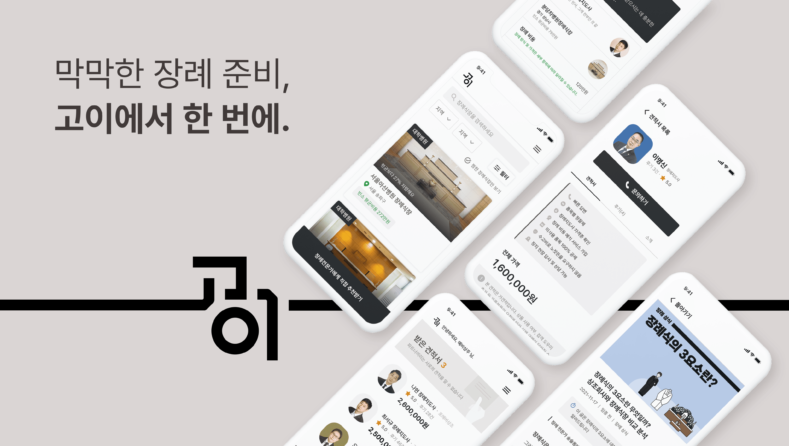
2021년 8월 설립된 고이장례연구소(이하 고이)는 ‘유가족이 가장 외로운 순간에, 판매가 아닌 추모에 집중할 수 있는 환경을 만들겠다’는 목표로 출발한 장례 서비스 스타트업이다. 업계 최초 장례 비용 정찰제와 가격 조회 서비스를 도입했고, 2024년 6월에는 월 100원으로 가입 당시 가격을 평생 보장받는 ‘100원 상조’를 출시했다. 현재 가입자 10만 명 이상, 누적 119억 원의 투자 유치(시리즈 A)를 기록하며 장례 산업의 새로운 모델로 주목받고 있다.
장례가 끝났는데, 왜 마음은 정리되지 않았을까
송 대표가 장례 산업에 문제의식을 갖게 된 계기는 개인적 경험에서 비롯됐다. 아버지는 장례지도사, 어머니는 꽃집을 운영하며 근조화환을 납품했다. 죽음은 늘 일상 가까이에 있었다. 그러나 스무 살 무렵, 할머니를 떠나보내며 장례의 구조적 문제를 체감했다.
“발인을 마치고도 마음이 정리되지 않았습니다. 1년 뒤 가족들과 산소를 찾아 기억을 나눌 때 비로소 제대로 울 수 있었어요.”
정해진 절차를 따르느라 정작 추모할 시간을 갖지 못했다는 아쉬움. 여기에 세 가지 장면이 더해졌다. 물건을 팔듯 장례품을 권하는 구조, 기계적으로 진행되는 입관식, 장례가 끝난 뒤에도 남겨지는 행정적 부담. 그는 깨달았다. 문제는 ‘죽음’이 아니라, ‘장례를 다루는 방식’에 있다는 것을.
판매의 시간을 줄이고, 추모의 시간을 늘리다
고이의 철학은 한 문장으로 정리된다.
“유가족에게 죽음을 소화할 시간을 돌려드리자.”
한국의 장례는 지난 수십 년간 빠르게 효율화됐다. 병원 장례식장 중심 구조, 상조 패키지 시스템, 표준화된 절차. 장례는 빠르고 정확하게 ‘처리’되지만, 유가족이 슬픔을 받아들일 시간은 오히려 줄어들었다.
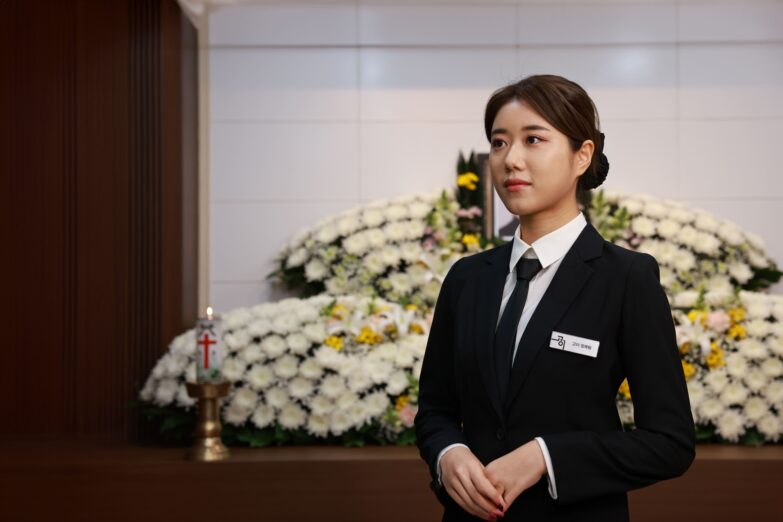
고이는 이 구조를 ‘인센티브’에서부터 바꿨다. 기존 장례지도사는 대부분 프리랜서이며, 옵션 판매 실적에 따라 수익이 달라진다. 구조적으로 더 팔수록 더 번다. 고이는 이를 완전히 뒤집었다. 판매 실적과 무관한 고정 보수를 지급하고, 업계 평균보다 1.5배 높은 수준을 보장한다.
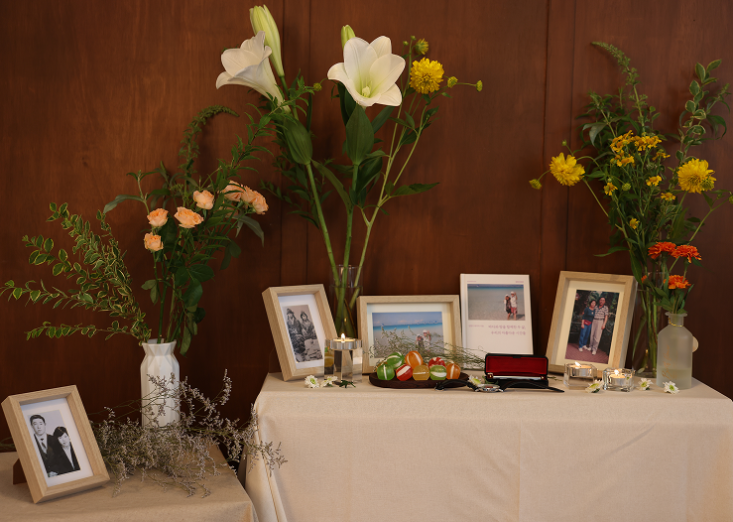
장례지도사의 역할도 재정의했다. 그들을 ‘프로페셔널 정서 가이드’로 부른다. 현장에서는 ‘메모리얼 테이블’을 운영한다. 고인의 생전 사진, 좋아하던 물건과 음식을 생화와 함께 진열한다. 휴지 대신 천 손수건을 제공하는 세심한 배려도 장례지도사의 아이디어에서 시작됐다. 장례 후에도 동행은 끝나지 않는다. 상속 절차, 행정 안내, 상복 수거까지 원스톱으로 지원한다.
상조의 공식을 바꾼 ‘100원 상조’
고이와 기존 상조의 가장 큰 차이는 ‘돈의 흐름’이다. 전통적 상조는 수백만 원의 선납금을 받고, 실제 장례 시 추가 비용을 청구하는 구조다. 소비자는 이미 돈을 낸 상태이기 때문에 협상력이 낮다. 고이의 ‘100원 상조’는 월 100원의 계약금만 받고, 실제 장례가 발생하면 후불 정산하는 구조다. 가입 당시 정찰 가격을 평생 보장한다.
“돈을 맡기는 회사가 아니라, 필요할 때 곁에 있어 줄 회사가 되고 싶었습니다.”
이 모델은 빠르게 확산됐다. 현재 10만 명 이상이 가입했다. 또한 누적 36만 명이 장례 정보를 조회했고, 매달 10만 명 이상이 홈페이지를 방문해 비용을 확인한다. 가격을 비교하는 문화 자체를 만들었다는 점에서 시장에 남긴 영향도 적지 않다. 실제로 다수 후발 업체들이 정찰제·투명 견적 정책을 도입하고 있다.
사람들은 장례를 잘 준비하고 싶은 게 아니라, 준비하고 싶지 않습니다
사업 초기, 고이는 ‘가격 정보 조회 서비스’에 집중했다. 하지만 곧 깨달았다. 유가족은 견적표를 직접 만들고 싶어 하지 않는다. 슬픔 속에서 계산기를 두드릴 여유는 없다. 그래서 서비스 구조를 바꿨다. 홈페이지에서는 네 가지 최소 질문만 입력하면 되고, 구체적인 안내는 상담사가 직접 돕는다. 장례 가이드북과 체크리스트도 제공한다. 결국 유가족이 원하는 것은 ‘정보’보다 ‘믿고 맡길 수 있는 사람’이었다.
MZ세대가 바꾸는 장례 문화
송 대표는 젊은 세대의 가치관 변화가 장례 산업에 큰 영향을 미치고 있다고 본다.
첫째, 투명성에 대한 기대치가 다르다. 가격의 근거를 묻고, 비교하고, 선택할 권리를 당연하게 여긴다. 둘째, 형식보다 의미를 중시한다. 전통 절차를 따르기보다 고인을 어떻게 기억할 것인지에 집중한다. 셋째, 죽음을 미리 이야기하는 데 거부감이 적다. 100원 상조 가입자의 상당수가 30~40대라는 점이 이를 방증한다.
“기존 방식을 고수하는 업체는 도태될 겁니다. 고객의 가치관에 맞춰 진화하는 회사만 살아남을 것입니다.”
평균 평점 4.9점, 그리고 ‘장례 동행 리포트’
현재 고이는 100명 이상의 파트너 장례지도사와 협업하고 있으며, 평균 평점은 5점 만점에 4.9점이다. 품질 관리는 세 축으로 운영된다. 보상 구조 개편, 체계적 피드백, 그리고 자율성 부여다. 장례 후에는 ‘장례 동행 리포트’를 제작한다. 전문성·경건함·따뜻함 등 여섯 가지 항목을 시각화해 공유하고, 구체적 개선 포인트를 제시한다. 한 고객의 지적을 계기로 이 시스템은 더욱 정교해졌다.
“환불 대신 고인이 운영하던 비영리재단에 기부해 달라”는 요청은 고이 내부 품질 관리 체계를 다시 점검하는 계기가 됐다.
죽음 앞에서 덜 외로운 사회
고이의 장기 비전은 분명하다.
“죽음 앞에서 덜 외로운 사회를 만드는 것.”
단기적으로는 건강한 캐시플로우와 지속가능한 성장에 집중한다. 중기적으로는 정찰제·후불제·비영업 장례지도사 모델을 산업 표준으로 확산시키는 것이 목표다. 장기적으로는 죽음을 자연스럽게 이야기하는 문화를 만들고자 한다. 100원 상조의 자동 결제 알림은 단순한 청구 메시지가 아니다. ‘언젠가 이 순간이 온다’는 작은 리마인더다.
누군가의 성공 방정식을 따라 하지 마세요
마지막으로 송 대표는 창업가들에게 이렇게 조언한다.
“처음에는 기존 상조 업계의 방식을 흉내 냈습니다. 당연히 실패했습니다. 누군가의 성공 방정식은 스타트업에겐 독이 될 수 있습니다. 본질로 돌아가세요. 저희는 ‘장례 하나는 잘 치르는 회사’가 되기로 했고, 거기서부터 다시 시작했습니다.”
죽음이라는 가장 무거운 주제를 다루지만, 고이가 말하는 메시지는 명확하다. 결국 산업을 바꾸는 힘은 거대한 전략이 아니라, 본질을 향한 집요한 질문에서 시작된다는 것이다.
Seul-ong Song, CEO of GOI Funeral Research Institute, is changing the funeral industry with fixed-price, post-pay, and the 100-won prepaid funeral plan.
GOI Funeral Research Institute redesigns the funeral industry's revenue structure with a fixed-rate system, post-pay, and a 100-won prepaid funeral plan.
– Presenting a new funeral culture with transparent estimates and a non-commercial funeral director model.
“Why do funeral services make bereaved families feel lonelier?”
A funeral is a moment that comes to everyone, yet no one wants to prepare for. Seul-ong Song, director of the GOI Funeral Research Institute, posed a question at this point.
Founded in August 2021, GOI Funeral Research Institute (GOI) is a funeral service startup founded with the goal of "creating an environment where bereaved families can focus on remembrance, not sales, during their loneliest moments." It introduced the industry's first Fixed-Price Funeral Service and price inquiry service, and in June 2024, it launched the "100-Won Prepaid Funeral Plan," which guarantees a lifetime subscription price of 100 won per month. With over 100,000 subscribers and a cumulative 11.9 billion won in Series A funding, GOI is gaining attention as a new model for the funeral industry.
The funeral is over, but why is my mind still unsettled?
Song's awareness of the funeral industry stemmed from personal experience. His father was a funeral director, and his mother ran a flower shop, supplying condolence wreaths. Death was always a close companion to his daily life. However, around the age of twenty, he experienced the structural problems of funerals firsthand after losing his grandmother.
"Even after the funeral, my mind still wasn't at peace. It wasn't until a year later, when I visited the gravesite with my family and shared memories, that I was finally able to cry properly."
He felt regretful that he hadn't had time to truly commemorate the deceased due to the strict adherence to established procedures. Added to this were three other situations: the structure of offering funeral goods as if they were merchandise, the mechanical nature of the funeral, and the administrative burden that lingered even after the funeral. He realized: the problem wasn't "death," but "the way funerals were handled."
Reduce sales time, increase memorial time
Goi's philosophy can be summarized in one sentence.
“Let’s give the bereaved families time to process the death.”
Korean funerals have become increasingly streamlined over the past few decades. The system centers around hospital funeral homes, a mutual aid package system, and standardized procedures. While funerals are handled quickly and accurately, the bereaved family has less time to grieve.
Goi changed this structure, starting with incentives. Most existing funeral directors are freelancers, and their earnings depend on the sales of options. Structurally, the more they sell, the more they earn. Goi completely overturned this system. They pay a fixed salary unrelated to sales performance, and guarantee a salary 1.5 times higher than the industry average.
The role of funeral directors has also been redefined. They are now called "professional emotional guides." On-site, they operate a "memorial table," displaying photos of the deceased, favorite items, and food alongside fresh flowers. The thoughtful act of providing cloth handkerchiefs instead of tissues also originated from the funeral director's idea. Their support doesn't end after the funeral, offering one-stop support, from inheritance procedures and administrative guidance to mourning clothing collection.
The '100-Won Prepaid Funeral Plan' Changes the Formula for Mutual Aid
The biggest difference between Goi and existing mutual aid plans is the flow of funds. Traditional mutual aid plans typically require upfront payments of millions of won, with additional costs charged at the time of the actual funeral. Because consumers have already paid, they have little negotiating power. Goi's "100-Won Prepaid Funeral Plan" requires only a monthly deposit of 100 won, with payments made after the actual funeral. The initial price is guaranteed for life.
“I wanted to be a company that would be there for you when you needed it, rather than a company that you just entrust your money to.”
This model has rapidly spread. Currently, over 100,000 people have signed up. A cumulative 360,000 people have searched for funeral information, and over 100,000 people visit the website each month to check costs. It has had a significant impact on the market, fostering a culture of price comparison. Indeed, many later entrants are now adopting policies such as fixed-price bidding and transparent quotations.
People don't want to prepare for a funeral; they don't want to prepare for it.
In the early days of the business, Goi focused on providing a "price information inquiry service." However, he soon realized that bereaved families didn't want to create their own quotes. They didn't have the luxury of fiddling with calculators in their grief. So he restructured his service. The website only required four basic questions, and a counselor provided detailed guidance. A funeral guidebook and checklist were also provided. Ultimately, what bereaved families wanted was not "information," but "a person they could trust."
Funeral culture changing with the MZ generation
CEO Song believes that the changing values of the younger generation are having a significant impact on the funeral industry.
First, expectations for transparency differ. They take for granted the right to ask about the basis of prices, compare prices, and make choices. Second, they prioritize meaning over formality. They focus on how to remember the deceased rather than following traditional procedures. Third, they are less reluctant to discuss death in advance. The fact that a significant number of subscribers to the 100-Won Prepaid Funeral Plan are in their 30s and 40s attests to this.
"Companies that cling to traditional methods will be eliminated. Only those that evolve in line with customer values will survive."
Average rating of 4.9 points, and 'Funeral Companion Report'
Goi currently collaborates with over 100 partner funeral directors, with an average rating of 4.9 out of 5. Quality control is driven by three pillars: restructuring the compensation structure, systematic feedback, and empowerment. After a funeral, a "Funeral Accompanying Report" is created. It visualizes and shares six key elements, including professionalism, piety, and warmth, and provides specific suggestions for improvement. This system was further refined following a customer's feedback.
The request to “donate to the deceased’s non-profit foundation instead of a refund” became an opportunity to reexamine Goi’s internal quality control system.
A society less lonely in the face of death
Goi's long-term vision is clear.
“Creating a society that is less lonely in the face of death.”
In the short term, we focus on healthy cash flow and sustainable growth. In the medium term, we aim to expand the fixed-rate, postpaid, and non-commercial funeral director models into industry standards. Longer term, we aim to create a culture where death is discussed naturally. The automatic payment reminders for the 100-Won Prepaid Funeral Plan aren't just billing messages. They're small reminders that "this moment will come someday."
Don't follow someone else's formula for success.
Finally, CEO Song gives this advice to entrepreneurs:
"At first, we tried to imitate the existing mutual aid industry. Naturally, we failed. Someone else's formula for success can be poisonous to a startup. We need to get back to basics. We decided to become a company that 'does one funeral well,' and we started from there."
Although it tackles the weighty subject of death, Goi's message is clear: the power to transform an industry ultimately comes not from grand strategies, but from persistent questions about its essence.
偵察制・後払い制・100-Won Prepaid Funeral Planで葬儀産業の公式を変えるGOI Funeral Research Institute Seul-ong Song代表
– 偵察制・後払い制・100-Won Prepaid Funeral Planで葬儀産業の収益構造を再設計したGOI Funeral Research Institute
– 透明見積と非営業葬儀指導者モデルとして新しい葬儀文化を提示
「なぜ葬儀サービスは遺族をもっと孤独にするのか」
葬儀は誰にでも来るが、誰も準備したくない瞬間だ。 GOI Funeral Research Institute Seul-ong Song代表はこの時点で質問をした。
2021年8月に設立されたGOI Funeral Research Institute(以下、ゴイ)は「遺族が最も孤独な瞬間に、販売ではなく追慕に集中できる環境を作る」という目標で出発した葬儀サービススタートアップだ。業界初のFixed-Price Funeral Serviceと価格照会サービスを導入し、2024年6月には月100ウォンで加入当時価格を一生保証される「100-Won Prepaid Funeral Plan」を発売した。現在加入者10万人以上、累積119億ウォンの投資誘致(シリーズA)を記録し、葬儀産業の新しいモデルとして注目されている。
葬儀が終わったのに、なぜ心は整理されなかったのか
ソン代表が葬儀産業に問題意識を持つようになったきっかけは個人的な経験から始まった。父は葬儀指導士、母は花屋を運営して近調花輪を納品した。死はいつも日常近くにあった。しかし20歳の頃、おばあちゃんを去り、葬儀の構造的問題を体感した。
「発人を終えても心が整理されませんでした。1年後、家族と酸素を見つけて記憶を分かち合うときはじめてちゃんと泣くことができました」
決まった手続きに従うために、いざ追悼する時間がなかったという残念。ここに3つのシーンが加わった。物を売るように葬儀を勧める仕組み、機械的に進む入館式、葬儀が終わった後にも残される行政的負担。彼は気づいた。問題は「死」ではなく、「葬儀を扱う方法」にあることを。
販売の時間を短縮し、追悼の時間を増やす
ゴイの哲学は一文でまとめられる。
「遺族に死を消化する時間を返そう」
韓国の葬儀は過去数十年間、急速に効率化された。病院葬儀場中心構造、常調パッケージシステム、標準化された手順。葬儀は迅速かつ正確に「処理」されるが、遺族が悲しみを受け入れる時間はむしろ減った。
コイはこの構造を「インセンティブ」から変えた。既存の葬儀指導士はほとんどフリーランサーであり、オプション販売実績によって収益が変わる。構造的に売れれば多いほど。ゴイはこれを完全に覆した。販売実績とは無関係の固定報酬を支給し、業界平均より1.5倍高いレベルを保証する。
葬儀指導士の役割も再定義した。彼らを「プロフェッショナル感情ガイド」と呼ぶ。現場では「メモリアルテーブル」を運営する。故人の生前写真、好きなものや食べ物を生花とともに陳列する。休憩の代わりに布ハンカチを提供する細心の配慮も葬儀指導士のアイデアから始まった。葬儀後も同行は終わらない。継承手続き、行政案内、上腹回収までワンストップで支援する。
上条の公式を変えた「100-Won Prepaid Funeral Plan」
古井と既存商祖の最大の違いは「お金の流れ」だ。伝統的商調は数百万ウォンの先納金を受けて、実際葬儀の際に追加費用を請求する仕組みだ。消費者はすでにお金を払った状態なので交渉力が低い。コイの「100-Won Prepaid Funeral Plan」は月100ウォンの契約金のみ受け取り、実際の葬儀が発生すると後払い精算する仕組みだ。加入時の偵察価格を一生保障する。
「お金を預ける会社ではなく、必要なときにそばにいてくれる会社になりたかったです」
このモデルは急速に広がった。現在10万人以上が加入した。また、累積36万人が葬儀情報を照会し、毎月10万人以上がホームページを訪問して費用を確認する。価格を比較する文化自体を作ったという点で、市場に残した影響も少なくない。実際、多数の後発業者が偵察制・透明見積政策を導入している。
人々は葬儀をうまく準備したいのではなく、準備したくない
事業初期、ゴイは「価格情報照会サービス」に集中した。しかしすぐに悟った。遺族は見積表を自分で作りたくない。悲しみの中で電卓を叩く余裕はない。だからサービス構造を変えた。ホームページでは4つの最小質問だけを入力すればよく、具体的な案内は相談士が直接助ける。葬儀ガイドブックとチェックリストも提供する。結局遺族が望むのは「情報」より「信じて預けることができる人」だった。
MZ世代が変える葬儀文化
ソン代表は、若い世代の価値観の変化が葬儀産業に大きな影響を及ぼしていると見ている。
まず、透明性に対する期待が異なる。価格の根拠を尋ね、比較し、選ぶ権利を当然考慮する。第二に、形式より意味を重視する。伝統的な手続きに従うよりも、故人をどのように覚えているかに集中する。第三に、死を事前に話すことに拒否感が少ない。 100-Won Prepaid Funeral Plan加入者の相当数が30~40代であることがこれを妨げる。
「既存の方式に固執する企業は淘汰されるでしょう。顧客の価値観に合わせて進化する会社だけが生き残ります」
平均評価4.9点、そして「葬儀同行レポート」
現在、ゴイは100人以上のパートナー葬儀指導士と協業しており、平均評価は5点満点に4.9点だ。品質管理は3軸で動作します。補償構造の再編、体系的なフィードバック、そして自律性付与だ。葬儀後には「葬儀同行レポート」を製作する。専門性・敬虔さ・暖かさなど6つの項目を視覚化して共有し、具体的な改善ポイントを提示する。ある顧客の指摘をきっかけに、このシステムはさらに洗練された。
「払い戻しの代わりに故人が運営していた非営利財団に寄付してほしい」という要請は、高井内部の品質管理体系を再度点検するきっかけとなった。
死の前であまり孤独な社会
ゴイの長期ビジョンは明らかです。
「死の前であまり孤独な社会を作ること」
短期的には健康的なキャッシュフローと持続可能な成長に集中する。中期的には偵察制・後払い制・非営業葬儀指導士モデルを産業標準に拡散させることが目標だ。長期的には死を自然に語る文化を作りたい。 100-Won Prepaid Funeral Planの自動支払い通知は、単なる請求メッセージではありません。 「いつかこの瞬間が来る」という小さなリマインダーだ。
誰かの成功方程式に従わないでください。
最後に、ソン代表は創業者にこう助言する。
「最初は、既存の商工業界のやり方を真似ました。当然失敗しました。誰かの成功方程式はスタートアップには毒になることができます。本質に戻りましょう。
死という最も重いテーマを扱うが、ゴイが言うメッセージは明確だ。結局、産業を変える力は巨大な戦略ではなく、本質に向けた執拗な質問から始まるということだ。
GOI殡葬研究所首席执行官宋瑟龙正在通过固定价格、后付费和100韩元预付殡葬计划改变殡葬行业。
韩国国立殡葬研究所通过固定费率制度、后付费制度和100韩元预付殡葬计划,重新设计了殡葬行业的收入结构。
– 以透明的估价和非商业性的殡葬服务模式,展现一种全新的殡葬文化。
“为什么葬礼会让失去亲人的家庭感到更加孤独?”
葬礼是每个人都会经历的时刻,但却没有人愿意为此做准备。此时,韩国国立殡葬研究所所长宋瑟龙提出了一个问题。
成立于2021年8月的GOI殡葬研究所(GOI)是一家殡葬服务初创公司,其创立宗旨是“在最孤独的时刻,为丧亲家属创造一个可以专注于缅怀而非消费的环境”。GOI率先推出了业内首个固定价格殡葬服务和价格查询服务,并于2024年6月推出了“100韩元预付殡葬计划”,该计划承诺终身每月只需支付100韩元。凭借超过10万名用户和累计119亿韩元的A轮融资,GOI正作为殡葬行业的新模式而备受关注。
葬礼结束了,但我的思绪为何依然不安?
宋对殡葬行业的了解源于个人经历。他的父亲是殡仪师,母亲经营一家花店,供应吊唁花圈。死亡始终伴随着他的日常生活。然而,大约二十岁那年,祖母的去世让他亲身经历了殡葬业的结构性问题。
“即使葬礼结束后,我的内心仍然无法平静。直到一年后,我和家人一起去墓地,回忆往事,我才终于能够好好地哭一场。”
他感到遗憾,由于严格遵守既定程序,他没有时间真正地缅怀逝者。此外,还有三点:殡葬用品被当作商品出售、葬礼流程机械化,以及葬礼结束后仍然挥之不去的行政负担。他意识到:问题不在于“死亡”,而在于“葬礼的处理方式”。
缩短销售时间,延长纪念时间
Goi的哲学思想可以用一句话概括。
“让我们给失去亲人的家属一些时间来接受这个事实。”
过去几十年,韩国的丧葬流程日趋简化。这套体系以医院殡仪馆、互助服务体系和标准化程序为核心。虽然丧葬事宜处理得迅速而准确,但家属的哀悼时间却相应减少。
Goi 改变了这种结构,首先从激励机制入手。目前大多数殡仪师都是自由职业者,他们的收入取决于殡葬服务项目的销售业绩。从结构上看,销售越多,收入越高。Goi 彻底颠覆了这种体系。他们支付与销售业绩无关的固定工资,并保证工资水平比行业平均水平高出 1.5 倍。
殡仪师的角色也发生了变化。他们现在被称为“专业情感引导员”。在殡仪馆现场,他们会设置“追思桌”,摆放逝者的照片、生前喜爱的物品、食物以及鲜花。用布手帕代替纸巾这一贴心之举,也源于殡仪师的创意。他们的支持并不止于葬礼,而是提供一站式服务,涵盖遗产继承、行政指导以及丧服收集等各个方面。
“100韩元预付丧葬计划”改变了互助模式
Goi 与现有互助计划最大的区别在于资金流向。传统的互助计划通常需要预先支付数百万韩元,并在实际丧葬时收取额外费用。由于消费者已经支付了费用,因此几乎没有议价空间。而 Goi 的“100 韩元预付丧葬计划”仅需每月缴纳 100 韩元,费用在实际丧葬后支付。初始价格终身有效。
“我希望成为一家在你需要的时候能够为你提供帮助的公司,而不是一家你只是把钱托付给它的公司。”
这种模式迅速传播开来。目前,已有超过10万人注册。累计有36万人搜索过殡葬信息,每月有超过10万人访问该网站查询价格。它对市场产生了重大影响,催生了价格比较的风气。事实上,许多后来者现在也开始采用固定价格竞标和透明报价等策略。
人们不想为葬礼做准备;他们不想为此做准备。
公司成立初期,Goi专注于提供“价格信息查询服务”。然而,他很快意识到,失去亲人的家庭并不想自己计算报价。在悲痛之中,他们没有余力去摆弄计算器。于是,他调整了服务模式。网站只需回答四个基本问题,就会有咨询师提供详细的指导。此外,还提供葬礼指南和清单。最终,失去亲人的家庭需要的不是“信息”,而是“一个可以信赖的人”。
随着MZ世代的到来,丧葬文化也在发生变化。
宋社长认为,年轻一代价值观的转变正在对殡葬行业产生重大影响。
首先,他们对透明度的期望不同。他们理所当然地认为自己有权询问价格依据、比较价格并做出选择。其次,他们更注重意义而非形式。他们关注的是如何缅怀逝者,而不是遵循传统程序。第三,他们更愿意提前谈论死亡。100韩元预付丧葬计划的相当一部分订户年龄在30至40岁之间,这便印证了这一点。
“固守传统方法的公司将被淘汰。只有那些与时俱进、符合客户价值观的公司才能生存下去。”
平均评分为 4.9 分,以及《葬礼陪伴报告》
Goi目前与100多家合作殡仪馆携手,平均评分高达4.9分(满分5分)。质量控制基于三大支柱:重组薪酬体系、系统化反馈机制和赋能。葬礼结束后,Goi会生成一份“殡仪服务报告”。该报告以可视化的方式呈现六项关键要素,包括专业性、虔诚和温情,并提出具体的改进建议。这套系统在收到客户反馈后得到了进一步完善。
“与其退款,不如捐款给死者的非营利基金会”这一要求,为重新审视 Goi 的内部质量控制体系提供了一个契机。
一个在死亡面前不那么孤独的社会
Goi的长远愿景很清晰。
“创造一个在面对死亡时不那么孤独的社会。”
短期内,我们专注于健康的现金流和可持续增长。中期目标是将固定费率、后付费和非商业殡葬服务模式推广为行业标准。长期目标是营造一种自然而然谈论死亡的文化氛围。100韩元预付殡葬计划的自动付款提醒不仅仅是账单通知,更是对“这一刻终会到来”的温馨提醒。
不要照搬别人的成功模式。
最后,宋CEO给创业者们提出了以下建议:
“起初,我们试图模仿现有的互助行业模式。不出所料,我们失败了。别人的成功模式对初创公司来说可能是致命的。我们需要回归本源。我们决定成为一家‘把一场葬礼办好’的公司,并以此为起点。”
尽管戈伊探讨了死亡这个沉重的话题,但他传达的信息很明确:改变一个行业的力量最终不是来自宏大的战略,而是来自对行业本质的不断追问。
Seul-ong Song, PDG de l'Institut de recherche funéraire du gouvernement de l'Inde, révolutionne le secteur funéraire avec des formules à prix fixe, des paiements différés et un plan funéraire prépayé à 100 wons.
L'Institut de recherche funéraire du gouvernement indien repense la structure des revenus du secteur funéraire avec un système à tarif fixe, le paiement différé et un plan funéraire prépayé de 100 wons.
– Présenter une nouvelle culture funéraire avec des devis transparents et un modèle de directeur de pompes funèbres non commercial.
« Pourquoi les services funéraires rendent-ils les familles endeuillées encore plus seules ? »
Les funérailles sont un événement qui touche tout le monde, mais auquel personne ne souhaite se préparer. Seul-ong Song, directrice de l'Institut de recherche funéraire du gouvernement indien, a alors soulevé une question.
Fondé en août 2021, GOI Funeral Research Institute (GOI) est une start-up de services funéraires créée avec pour objectif de « créer un environnement où les familles endeuillées peuvent se concentrer sur le souvenir du défunt, et non sur les aspects commerciaux, durant leurs moments les plus difficiles ». L'institut a été le premier à proposer des services funéraires à prix fixe et un service de demande de prix. En juin 2024, il a lancé le « Plan funéraire prépayé à 100 wons », garantissant un tarif d'abonnement mensuel de 100 wons à vie. Avec plus de 100 000 abonnés et un financement cumulé de 11,9 milliards de wons lors de sa série A, GOI s'impose comme un modèle novateur pour le secteur funéraire.
Les funérailles sont terminées, mais pourquoi mon esprit reste-t-il troublé ?
La connaissance qu'avait Song du secteur funéraire lui venait de son expérience personnelle. Son père était croque-mort et sa mère tenait une boutique de fleurs, spécialisée dans les couronnes de deuil. La mort était omniprésente dans son quotidien. Cependant, vers l'âge de vingt ans, il a été confronté de plein fouet aux problèmes structurels des funérailles après le décès de sa grand-mère.
« Même après les funérailles, je n'étais toujours pas en paix. Ce n'est qu'un an plus tard, en me rendant sur la tombe avec ma famille et en partageant des souvenirs, que j'ai enfin pu pleurer comme il se doit. »
Il regrettait de n'avoir pu consacrer un temps suffisant à un véritable hommage au défunt, en raison du strict respect des protocoles établis. À cela s'ajoutaient trois autres facteurs : la commercialisation des articles funéraires comme s'il s'agissait de marchandises, le caractère impersonnel des obsèques et les lourdeurs administratives qui persistaient même après la cérémonie. Il comprit alors que le problème n'était pas la mort elle-même, mais la manière dont les funérailles étaient organisées.
Réduisez le temps de vente, augmentez le temps de commémoration
La philosophie de Goi peut se résumer en une phrase.
« Laissons aux familles endeuillées le temps de faire leur deuil. »
Les funérailles coréennes se sont considérablement rationalisées au cours des dernières décennies. Le système repose sur les services funéraires des hôpitaux, un système d'entraide et des procédures standardisées. Si les funérailles sont organisées rapidement et avec précision, la famille endeuillée dispose de moins de temps pour faire son deuil.
Goi a modifié cette structure, en commençant par les primes. La plupart des directeurs de pompes funèbres sont indépendants et leurs revenus dépendent des ventes d'options. Logiquement, plus ils vendent, plus ils gagnent. Goi a complètement bouleversé ce système. Ils versent un salaire fixe, indépendant des performances commerciales, et garantissent un salaire 1,5 fois supérieur à la moyenne du secteur.
Le rôle des conseillers funéraires a également évolué. On les appelle désormais « accompagnateurs émotionnels professionnels ». Sur place, ils tiennent une « table du souvenir » où sont disposés des photos du défunt, ses objets personnels, des mets et des fleurs fraîches. L’idée de proposer des mouchoirs en tissu plutôt que des mouchoirs en papier vient également d’eux. Leur accompagnement ne s’arrête pas après les obsèques : ils offrent une prise en charge complète, des démarches successorales et des conseils administratifs à la fourniture de vêtements de deuil.
Le « plan funéraire prépayé à 100 wons » change la donne en matière d'entraide.
La principale différence entre Goi et les systèmes d'entraide existants réside dans le mode de versement des fonds. Les systèmes d'entraide traditionnels exigent généralement des paiements initiaux de plusieurs millions de wons, auxquels s'ajoutent des frais au moment des obsèques. Les bénéficiaires ayant déjà payé, leur pouvoir de négociation est limité. Le « Plan Obsèques Prépayé à 100 wons » de Goi ne requiert qu'un versement mensuel de 100 wons, les paiements s'effectuant après les obsèques. Le prix initial est garanti à vie.
« Je voulais être une entreprise qui soit là pour vous quand vous en ayez besoin, plutôt qu'une entreprise à laquelle vous confiez simplement votre argent. »
Ce modèle s'est rapidement répandu. À ce jour, plus de 100 000 personnes sont inscrites. Au total, 360 000 personnes ont recherché des informations sur les services funéraires, et plus de 100 000 personnes consultent le site web chaque mois pour comparer les prix. Il a eu un impact significatif sur le marché, en favorisant une culture de comparaison des prix. De fait, de nombreux nouveaux acteurs adoptent désormais des politiques telles que les appels d'offres à prix fixe et la transparence des devis.
Les gens ne veulent pas préparer un enterrement ; ils ne veulent pas s'y préparer.
Au début de son activité, Goi proposait un service de demande de devis. Cependant, il s'est vite rendu compte que les familles endeuillées ne souhaitaient pas établir elles-mêmes leurs estimations. Accablées par le chagrin, elles n'avaient pas le temps de se perdre dans des calculs. Il a donc restructuré son service. Le site web ne demandait plus que quatre questions simples, et un conseiller offrait un accompagnement personnalisé. Un guide des obsèques et une liste de vérification étaient également fournis. Finalement, ce que les familles endeuillées recherchaient, ce n'était pas de l'information, mais une personne de confiance.
La culture funéraire évolue avec la génération MZ
Le PDG Song estime que l'évolution des valeurs de la jeune génération a un impact significatif sur le secteur funéraire.
Premièrement, leurs attentes en matière de transparence diffèrent. Ils considèrent comme acquis le droit de s'informer sur le calcul des prix, de les comparer et de faire des choix. Deuxièmement, ils privilégient le sens à la formalité. Ils s'intéressent davantage à la manière d'honorer la mémoire du défunt qu'au respect des rites traditionnels. Troisièmement, ils sont moins réticents à aborder la question de la mort à l'avance. Le fait qu'un nombre important de souscripteurs au forfait obsèques prépayé à 100 wons soient âgés de 30 à 40 ans en témoigne.
« Les entreprises qui s'accrochent aux méthodes traditionnelles disparaîtront. Seules celles qui évoluent en fonction des valeurs des clients survivront. »
Note moyenne de 4,9 points et « Rapport d'accompagnement funéraire »
Goi collabore actuellement avec plus de 100 entreprises de pompes funèbres partenaires, avec une note moyenne de 4,9 sur 5. Le contrôle qualité repose sur trois piliers : la restructuration du système de rémunération, un système de retour d’information systématique et l’autonomisation. Après les obsèques, un rapport d’accompagnement est établi. Ce rapport met en lumière six éléments clés, dont le professionnalisme, la compassion et la chaleur humaine, et propose des pistes d’amélioration. Ce système a été perfectionné suite aux retours d’un client.
La demande de « faire un don à la fondation à but non lucratif du défunt au lieu d’un remboursement » a été l’occasion de réexaminer le système de contrôle qualité interne de Goi.
Une société moins solitaire face à la mort
La vision à long terme de Goi est claire.
« Créer une société moins solitaire face à la mort. »
À court terme, nous privilégions une trésorerie saine et une croissance durable. À moyen terme, nous souhaitons généraliser les modèles de services funéraires à tarif fixe, postpayés et non commerciaux afin qu'ils deviennent des standards du secteur. À plus long terme, nous aspirons à instaurer une culture où la mort est abordée naturellement. Les rappels de paiement automatiques du forfait obsèques prépayé à 100 wons ne sont pas de simples factures ; ce sont de petits rappels que « ce moment viendra un jour ».
Ne suivez pas la formule du succès de quelqu'un d'autre.
Enfin, le PDG Song donne ce conseil aux entrepreneurs :
« Au départ, nous avons essayé d'imiter le secteur de l'entraide existant. Naturellement, nous avons échoué. La recette du succès des autres peut être néfaste pour une jeune entreprise. Nous devions revenir à l'essentiel. Nous avons décidé de devenir une entreprise qui « organise des funérailles de qualité », et c'est à partir de là que nous avons commencé. »
Bien qu'il aborde le sujet grave de la mort, le message de Goi est clair : le pouvoir de transformer une industrie ne provient pas en fin de compte de grandes stratégies, mais de questions persistantes sur son essence.
You must be logged in to post a comment.