



-전국의 동물약 취급허가 받은 약국의 42%에 동물약 유통
– 올해 2월 ‘동물용의약품 제조업 허가’ 취득…올해 5종 동물용 의약품 제조 출시 계획
– 글로벌 반려동물 제약회사로 성장 목표
반려동물이 갑자기 아프거나 정기적으로 먹어야 하는 필수약을 구비해야할 때 어디로 가야 할까? 대부분 동물병원부터 찾는다. 약국에서 동물 의약품을 구매할 수 있다는 사실을 모르기 때문이다.
그렇다면 동물약국은 어디에 있나?
‘동물약국’이라고 하면 동물 전용 약국이 따로 있을 것이라고 생각하지만 동물약국은 우리가 평소에 이용하는 일반약국 안에 동물약품 코너가 설치된 샵인샵 형태의 약국이다. 약국이 관할 지자체에 동물약 판매 신고를 하여 허가를 받으면 동물약품을 판매할 수 있다.
![[사진]펫팜이 동물약을 유통하는 약국의 동물약 진열대(펫팜 제공)](https://www.venturesquare.net/wp-content/uploads/2025/06/20250623-610x522.jpg)
펫팜은 동물약국이라는 개념조차 생소했던 2019년에 창업했다. 펫팜의 윤성한 대표를 만나 동물약국의 개념과 앞으로의 시장 전망, 펫팜의 운영 전략에 대해 들어봤다.

동물약국 시장 개척한 펫팜의 도전…국내 최대의 동물약 유통 네트워크 확보
윤 대표는 원료의약품 벤처기업에서 CFO로 일하면서 업계 동향을 살펴보던 중 흥미로운 사실을 발견했다.
“반려동물을 키우면 매달 먹어야 하는 필수 의약품이 있습니다. 심장사상충약, 외부구충제, 내부구충제 같은 약인데, 이걸 사러 매달 동물병원에 가더라고요. 병원에 가면 진료를 받고 약을 사야 하니까 비용도 많이 나옵니다.”
일부 약국에서 동물약을 취급하고 있었다. 하지만 약국에서 동물약을 살 수 있다는 사실을 아는 반려인은 거의 없었다. 동물약국이라는 개념 자체가 생소했고, 설령 알고 있더라도 원하는 약이 있는지 확신할 수 없어 결국 동물병원을 찾게 되는 구조였다.
전국에는 약 5천 개의 동물병원이 있으며, 이 중 반려동물 전문 병원은 4천여 개에 달한다. 하지만 천만 마리가 넘는 반려동물을 이들 병원이 모두 감당해야 하는 실정이다. 수요에 비해 공급이 부족한 전형적인 시장 구조라 할 수 있다. 이러한 상황에서 상비약이나 예방약 등 기본적인 동물용 의약품만이라도 일반 약국에서 취급할 수 있다면, 반려동물 보호자들의 접근성을 크게 개선하고 경제적 부담도 상당히 완화할 수 있을 것이다.
“정보의 비대칭이 상당히 큰 시장이었어요. 약사는 동물약을 취급하고 싶지만 소비자는 모르고, 소비자는 동물약이 필요한데 어디서 살 수 있는지 모르는 상황이었죠.”
펫팜이 동물약국 사업에 진출할 당시, 동물용 의약품 유통업체들은 대부분 지인이나 커뮤니티를 기반으로 한 영세한 규모였다. 펫팜은 이러한 기존 유통 구조를 체계화하고 규모화하기 위한 전략을 수립하여 본격적인 영업에 나섰다. 전국의 모든 약국을 직접 발품을 팔아가며 방문했지만, 동물용 의약품에 대한 약사들의 인식이 낮아 상당한 어려움에 직면했다.
이에 펫팜은 약사들이 어려워하는 부분을 적극적으로 지원하면서 영업망을 확대해 나가기 시작했다. 약국에서 취급해야 할 동물용 의약품의 종류부터 판매 전략, 복약지도 방법까지 포함한 체계적인 교육 자료를 제작하고 동물약국 신고 절차도 안내하면서 점진적으로 유통망을 구축해 나갔다.
반려동물 제약회사로 발돋움
펫팜은 유통으로 시작해 직접 동물약을 제조까지 하고 있다. 유통만 해서는 안정적으로 동물약을 공급하는 데 한계가 있기 때문이다.
동물용 의약품을 직접 제조하려면 제조업 허가를 받아야 한다. 펫팜은 지난해 동물용 의약품 제조 허가를 신청하여 관할 기관인 농림축산검역본부의 엄격한 심사를 거쳐 올해 2월 ‘동물용의약품 제조업 허가’를 취득했다. 이는 단순히 의약품을 생산할 수 있는 권한을 넘어서, 동물용 의약품의 품목허가를 신청할 수 있는 자격을 확보했다는 의미다. 윤성한 대표는 이를 ‘특허와 비슷한 개념’이라고 설명했다.
품목허가는 특정 동물용 의약품의 성분, 효능, 용법 등을 농림축산검역본부에 신고하고 승인받는 절차를 말한다. 이 품목허가를 보유하면 해당 의약품에 대한 독점적 권리를 갖게 된다. 예를 들어 펫팜이 특정 구충제의 품목허가를 받으면, 자체 생산이든 다른 업체에 위탁생산(CMO)을 의뢰하든 상관없이 그 제품은 펫팜의 소유가 된다. 제조업체는 생산만 담당할 뿐, 제품에 대한 모든 권리는 품목허가를 보유한 펫팜에 귀속된다.
펫팜은 올해 동물용 필수 의약품 5종의 출시를 목표로 삼고 있다. 심장사상충약, 내부구충제, 외부구충제 등 현재 수입에 의존하는 필수 의약품들을 국산화하겠다는 계획이다.
K-반려동물 의약품 전문 기업을 꿈꾸다
펫팜은 장기적으로 해외 진출을 통해 ‘K-반려동물 의약품’ 브랜드를 구축한다는 계획이다. 해외 시장의 가장 큰 장점은 규제가 상대적으로 완화되어 있다는 점이다. 국내에서는 약사법으로 인해 온라인 판매가 제한되어 있지만, 해외에서는 아마존이나 펫샵에서도 동물용 의약품을 판매할 수 있다. 첫 번째 진출 목표는 일본이다. 약사법 체계가 우리나라와 유사해 시장 진입이 상대적으로 수월할 것으로 예상된다.
펫팜의 궁극적인 목표는 세계 최대 동물용 의약품 글로벌 기업인 조에티스(Zoetis)와 같은 반려동물 제약회사로 성장하는 것이다. 조에티스는 전 세계 100여 개국에서 약 300개에 이르는 다양한 제품을 판매하며, 가축 및 반려동물용 의약품 매출에서 세계 1위를 차지하고 있다. 2013년 화이자에서 분사한 조에티스는 2022년 기준 매출 10조원을 넘어섰으며, 시가총액은 100조원에 달한다.
상장 목표 시점은 2028년이다. 다만 이는 소비자 인식 변화와 시장 성장 속도에 달려 있다고 윤 대표는 전망했다.
“시장 성장의 핵심은 소비자들이 얼마나 빠르게 약국을 이용하는 환경으로 변화하느냐에 달려 있습니다. 소비자들이 약국을 더 많이 찾으면 시장은 훨씬 빠르게 성장할 것입니다. 소비자 이용이 늘어나면 약사들도 자연스럽게 소비자가 원하는 의약품을 비치하게 됩니다. 결국 소비자 요구가 시장 변화를 이끄는 동력이죠. 현재는 소비자들이 원하는 의약품 종류가 충분하지 않은 상황이므로, 의약품 다양화가 시장 성장의 전제조건입니다.”
윤 대표는 “국내 동물용 의약품 제조회사들은 대부분 가축용에 집중되어 있다”며 “반려동물 시장은 글로벌 제약회사들이 독점하고 있거나, 수의사들이 인체용 의약품을 소분해서 사용하는 경우가 많다”고 지적했다. 펫팜이 이러한 구조를 변화시키고 약국이라는 새로운 판매 채널을 확대한다면, 국내 제조회사들이 반려동물 시장에 진입할 수 있는 기회를 창출할 수 있다는 것이 윤 대표의 생각이다.
동물약품의 제조와 유통이 활성화 되면 결국 소비자에게도 혜택이 돌아가게 된다. 약국을 이용하면 병원만 이용하는 것보다 접근성이 높고 경제적 부담도 훨씬 줄어들 수 있다.

반려동물 시장 성장과 함께 성장 기대
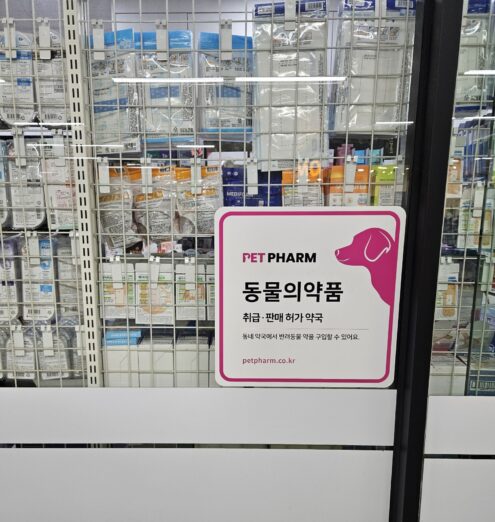
인터뷰를 마치고 나오는 길에 한 약국에 펫팜의 ‘동물약국 취급’ 스티커가 붙어 있는 것을 발견했다. 평소에는 전혀 눈에 띄지 않았던 것이 이제는 바로 눈에 들어왔다.
펫팜의 성공 스토리는 정보 비대칭성을 해소한 결과다. 약사들은 동물약국 사업을 원했지만 구체적인 방법을 모르고 있었고, 소비자들은 동물용 의약품이 필요했지만 구매처를 찾지 못하고 있었다. 펫팜은 이러한 간극을 메우며 그동안 생소했던 동물약국이라는 새로운 시장을 개척해 나가고 있다.
펫팜은 단순한 유통업체에 머물지 않고 제조업까지 확장하여 산업 생태계 전반에 변화를 일으키고 있다. 국내 제조업체들에게는 새로운 판매 경로를, 반려동물 보호자들에게는 더 나은 선택권과 접근성을 제공하고 있다.
반려동물 시장의 급속한 성장과 함께 펫팜이 주도하는 동물용 의약품 유통·제조 시장도 동반 성장할 것으로 전망된다.
When your pet is sick, buy animal medicine at the pharmacy… The animal pharmacy ecosystem pioneered by Pet Farm
-Distributes animal drugs to 42% of pharmacies nationwide that have been granted animal drug handling licenses
– Obtained ‘Veterinary Drug Manufacturing License’ in February of this year… Plans to manufacture and launch 5 types of veterinary drugs this year
– Aiming to grow into a global pet pharmaceutical company
Where should you go when your pet suddenly gets sick or needs regular medication? Most people start by going to the vet. This is because they don’t know that they can buy animal medicine at a pharmacy.
So where is the animal pharmacy?
When you say 'veterinary pharmacy', you may think there is a separate pharmacy just for animals, but an animal pharmacy is a shop-in-shop type pharmacy with an animal medicine corner set up inside a general pharmacy that we normally use. If a pharmacy reports to the local government that it sells animal medicine and receives permission, it can sell animal medicine.
Currently, out of 25,000 general pharmacies nationwide, only about 13,000 are licensed as animal pharmacies. That's about 1 in 2, but there are actually fewer places actively selling animal medicine. There are currently 6,300 pharmacies that handle animal medicine supplied by Pet Farm, which is 25.2% of all pharmacies, or 1 in 4, and 42% of licensed pharmacies. Pharmacies that distribute animal medicine by Pet Farm have a sticker that says "Pharmacy that handles animal medicine" attached, so they are easy to find.
Pet Farm was founded in 2019, when the concept of an animal pharmacy was still unfamiliar. We met with Pet Farm’s CEO, Seonghan Yoon, to hear about the concept of an animal pharmacy, future market outlook, and Pet Farm’s operating strategy.
Pet Farm's Challenge to Pioneer the Animal Pharmacy Market… Securing the Largest Animal Medicine Distribution Network in Korea
While working as CFO at a raw pharmaceutical venture company, CEO Yoon discovered an interesting fact while observing industry trends.
“If you have a pet, there are essential medicines that you have to take every month. Medicines like heartworm medicine, external deworming medicine, and internal deworming medicine, so you have to go to the vet every month to buy them. When you go to the vet, you have to get treatment and buy medicine, so it costs a lot.”
Some pharmacies carried animal medicine. However, few pet owners knew that they could buy animal medicine at pharmacies. The concept of an animal pharmacy itself was unfamiliar, and even if they knew about it, they were not sure if they had the medicine they wanted, so they ended up going to a veterinary hospital.
There are about 5,000 animal hospitals nationwide, and among them, about 4,000 are specialized hospitals for companion animals. However, these hospitals have to handle over 10 million companion animals. This is a typical market structure where supply is insufficient compared to demand. In this situation, if only basic animal medicines such as over-the-counter medicines and preventive medicines could be handled at general pharmacies, it would greatly improve accessibility for companion animal owners and significantly alleviate the financial burden.
“It was a market with a significant amount of information asymmetry. Pharmacists wanted to handle animal medicine, but consumers didn’t know about it, and consumers needed animal medicine, but didn’t know where to buy it.”
When Pet Farm entered the animal pharmacy business, most animal medicine distributors were small-scale businesses based on acquaintances or communities. Pet Farm established a strategy to systematize and scale up this existing distribution structure and began full-scale sales. They visited all pharmacies nationwide, but faced considerable difficulties due to low awareness of animal medicine among pharmacists.
Accordingly, Pet Farm began to expand its sales network while actively supporting pharmacists in areas that they found difficult. It produced systematic educational materials including the types of animal medicines that pharmacies should handle, sales strategies, and medication guidance methods, and gradually built a distribution network while also providing guidance on animal pharmacy reporting procedures.
Stepping into the pet pharmaceutical industry
Pet Farm started out with distribution and is now manufacturing animal medicines directly. This is because distribution alone has limitations in providing a stable supply of animal medicines.
In order to manufacture veterinary medicines directly, a manufacturing permit is required. Pet Farm applied for a veterinary medicine manufacturing permit last year and, after a strict examination by the competent authority, the National Institute of Animal Quarantine, obtained a ‘veterinary medicine manufacturing permit’ in February of this year. This means that it has secured the qualification to apply for product approval for veterinary medicines, beyond simply having the right to manufacture medicines. CEO Yoon Seong-han explained this as ‘a concept similar to a patent.’
Product approval refers to the process of reporting and receiving approval for the ingredients, efficacy, and usage of a specific veterinary drug to the Animal and Plant Quarantine Agency. If you have this product approval, you have exclusive rights to the drug. For example, if Pet Farm receives product approval for a specific deworming drug, the product becomes Pet Farm’s property, regardless of whether it is produced in-house or contracted to another company (CMO). The manufacturer is only responsible for production, and all rights to the product belong to Pet Farm, which holds the product approval.
Pet Farm aims to launch five essential medicines for animals this year. The plan is to domestically produce essential medicines that currently depend on imports, such as heartworm medication, internal dewormers, and external dewormers.
Dreaming of becoming a K-pet pharmaceutical company
Pet Farm plans to build a 'K-pet medicine' brand through overseas expansion in the long term. The biggest advantage of overseas markets is that regulations are relatively relaxed. In Korea, online sales are restricted due to the Pharmaceutical Affairs Act, but overseas, animal medicines can be sold on Amazon or pet shops. The first target for expansion is Japan. Since the Pharmaceutical Affairs Act system is similar to ours, market entry is expected to be relatively easy.
Pet Farm's ultimate goal is to grow into a companion animal pharmaceutical company like Zoetis, the world's largest animal pharmaceutical global company. Zoetis sells about 300 different products in over 100 countries around the world and is the world's No. 1 in sales of livestock and companion animal medicines. Zoetis, which was spun off from Pfizer in 2013, has exceeded 10 trillion won in sales as of 2022 and has a market capitalization of 100 trillion won.
The target date for listing is 2028, but this will depend on changes in consumer awareness and the pace of market growth, Yoon predicted.
“The key to market growth is how quickly consumers change to using pharmacies. If consumers visit pharmacies more, the market will grow much faster. As consumer use increases, pharmacists will naturally stock the medicines that consumers want. Ultimately, consumer demand is the driving force behind market change. Currently, there are not enough types of medicines that consumers want, so diversification of medicines is a prerequisite for market growth.”
“Most domestic animal medicine manufacturers are focused on livestock,” said CEO Yoon. “The companion animal market is either monopolized by global pharmaceutical companies or veterinarians often use human medicine in small portions.” If Pet Farm changes this structure and expands new sales channels such as pharmacies, CEO Yoon believes that it will create opportunities for domestic manufacturers to enter the companion animal market.
If the manufacturing and distribution of animal medicines becomes active, it will ultimately benefit consumers. Using pharmacies is more accessible than using hospitals alone, and the financial burden can be greatly reduced.
Growth expected along with the growth of the pet market
On my way out after the interview, I noticed a sticker from Pet Farm that said, "Handled by Animal Pharmacy." It was something I had never noticed before, but now I noticed it right away.
Pet Farm's success story is the result of resolving information asymmetry. Pharmacists wanted to start a veterinary pharmacy business but did not know how to do it, and consumers needed veterinary medicine but could not find a place to buy it. Pet Farm is bridging this gap and pioneering a new market called the veterinary pharmacy, which had been unfamiliar until then.
Pet Farm is not just a simple distributor, but is also expanding into manufacturing, changing the entire industrial ecosystem. It is providing new sales channels for domestic manufacturers and better choices and accessibility for pet owners.
Along with the rapid growth of the pet market, the animal pharmaceutical distribution and manufacturing market led by Pet Farm is also expected to grow in tandem.
ペットが病気になったときに薬局で動物薬を買う…ペットファームが開拓した動物薬局生態系
– 全国の動物薬取扱許可を受けた薬局の42%に動物薬流通
– 今年2月「動物用医薬品製造業許可」取得…今年5種動物用医薬品製造発売計画
– グローバルペット医薬品会社としての成長目標
ペットが突然病気になったり、定期的に食べる必要がある場合は、どこに行くべきですか?ほとんどの動物病院から探す。薬局で動物医薬品を購入できるという事実を知らないからだ。
それでは、動物薬局はどこにありますか?
「動物薬局」と言えば動物専用薬局が別にあると思うが、動物薬局は、私たちが普段利用する一般薬局の中に動物薬品コーナーが設置されたショップインショップの形の薬局だ。薬局が管轄自治体に動物薬販売申告をして許可を受ければ動物薬品を販売することができる。
現在、全国2万5千の一般薬局のうち動物薬局の許可を受けたのは1万3千個程度だ。 2つのうち1つですが、実際に動物薬を積極的に販売するところはこれより少ない。ペットファームが供給する動物薬を扱う薬局は現在6千3百個で、全薬局の25.2%、すなわち4ヶ所のうちの1つであり、許可された薬局の42%だ。ペットファームが動物薬を流通する薬局には「動物薬取り扱い薬局」というステッカーが付いており、簡単に見つけることができる。
ペットファームは動物薬局という概念すら不慣れな2019年に創業した。ペットファームの輪廻した代表に会い、動物薬局の概念と今後の市場見通し、ペットファームの運営戦略について聞いた。
動物薬局市場開拓したペットファームの挑戦…国内最大の動物薬流通ネットワーク確保
ユン代表は原料医薬品ベンチャー企業でCFOとして働きながら業界動向を見ている中、興味深い事実を発見した。
「ペットを育てれば毎月食べなければならない必須医薬品があります。心臓思想虫薬、外部駆虫剤、内部駆虫剤のような薬ですが、これを買いに毎月動物病院に行きましたよ。
一部の薬局で動物薬を扱っていた。しかし、薬局で動物薬を買うことができるという事実を知っているペットはほとんどいなかった。動物薬局という概念自体が不慣れで、たとえ知っていても希望する薬があるかどうか確信できず、結局動物病院を探すようになる仕組みだった。
全国には約5千の動物病院があり、このうちペット動物専門病院は4千以上に達する。だが、千万匹を超えるペットをこれらの病院がすべて買わなければならない実情だ。需要に比べて供給が不足している典型的な市場構造といえる。このような状況で、常備薬や予防薬など基本的な動物用医薬品だけでも一般薬局で取り扱うことができれば、ペット保護者の接近性を大きく改善し、経済的負担もかなり緩和することができるだろう。
「情報の非対称がかなり大きな市場でした。薬剤師は動物薬を扱いたいのですが、消費者は知らず、消費者は動物薬が必要なのにどこで買えるのかわからない状況でした。」
ペットファームが動物薬局事業に進出した当時、動物用医薬品流通業者はほとんど知人やコミュニティを基盤とした零細な規模であった。ペットファームは、こうした既存の流通構造を体系化し規模化するための戦略を樹立し、本格的な営業に乗り出した。全国のすべての薬局を直接発売を売って訪問したが、動物用医薬品に対する薬剤師の認識が低く、かなりの困難に直面した。
これにペットファームは薬剤師が困難になる部分を積極的に支援しながら営業網を拡大していき始めた。薬局で扱わなければならない動物用医薬品の種類から販売戦略、服薬指導方法まで含む体系的な教育資料を製作し、動物薬局申告手続きも案内しながら徐々に流通網を構築していった。
ペットの製薬会社に成長
ペットファームは流通から始まり、直接動物薬を製造までしている。流通だけでは安定して動物薬を供給することに限界があるからだ。
動物用医薬品を直接製造するには、製造業の許可を受けなければならない。ペットファームは昨年動物用医薬品製造許可を申請し、管轄機関である農林畜産検疫本部の厳格な審査を経て、今年2月に「動物用医薬品製造業許可」を取得した。これは、単に医薬品を生産する権限を超えて、動物用医薬品の品目許可を申請できる資格を確保したという意味だ。ユン・ソンハン代表はこれを「特許と似た概念」と説明した。
品目許可とは、特定の動物用医薬品の成分、効能、用法などを農林畜産検疫本部に届け、承認される手続きをいう。この品目許可を保有すると、当該医薬品に対する独占的権利を有することになる。例えば、ペットファームが特定の駆虫剤の品目許可を受けた場合、自社生産であれ他社に委託生産(CMO)を依頼しても、その製品はペットファームの所有になる。製造業者は生産のみを担当するだけで、製品に対するすべての権利は品目許可を保有するペットファームに帰属する。
ペットファームは今年、動物用必須医薬品5種の発売を目指している。心臓思想虫薬、内部駆虫剤、外部駆虫剤など現在の輸入に依存する必須医薬品を国産化する計画だ。
K-ペット医薬品専門企業を夢見る
ペットファームは長期的に海外進出を通じて「K-伴侶動物医薬品」ブランドを構築する計画だ。海外市場の最大の利点は、規制が比較的緩和されていることです。国内では薬事法によりオンライン販売が制限されているが、海外ではアマゾンやペットショップでも動物用医薬品を販売できる。最初の進出目標は日本です。薬事法体系が韓国と類似しており、市場参入が比較的容易になると予想される。
ペットファームの究極の目標は、世界最大の動物用医薬品グローバル企業であるZoetisのようなペット製薬会社に成長することです。ジョエティスは世界100カ国以上で約300カ所に及ぶ様々な製品を販売し、家畜やペット用医薬品の売上で世界1位を占めている。 2013年ファイザーで噴射したジョエティスは2022年基準で売上10兆ウォンを超え、時価総額は100兆ウォンに達する。
上場目標時点は2028年だ。ただし、これは消費者認識の変化と市場の成長速度に依存しているとユン代表は見通した。
「市場の成長の核心は、消費者がどれだけ早く薬局を利用する環境に変化するかにかかっています。消費者が薬局をもっと探すと、市場ははるかに急速に成長するでしょう。医薬品の多様化が市場成長の前提条件です。
ユン代表は「国内動物用医薬品製造会社はほとんど家畜用に集中している」とし「ペット市場はグローバル製薬会社が独占しているか、獣医師が人体用医薬品を小分けして使用する場合が多い」と指摘した。ペットファームがこのような構造を変化させ、薬局という新しい販売チャネルを拡大すれば、国内製造会社がペット市場に参入する機会を創出できるというのがユン代表の考えだ。
動物薬品の製造と流通が活性化すれば、結局消費者にも恩恵が返るようになる。薬局を利用すれば病院だけ利用するよりもアクセス性が高く、経済的負担もはるかに減らすことができる。
ペット市場の成長とともに成長を期待
インタビューを終えて出る途中、ある薬局にペットファームの「動物薬局扱い」のステッカーが付いていることを発見した。普段は全く目立たなかったのが今はまさに目に入ってきた。
ペットファームの成功ストーリーは情報の非対称性を解消した結果だ。薬剤師は動物薬局事業を望んだが、具体的な方法を知らず、消費者は動物用医薬品が必要だったが、購入先を見つけることができなかった。ペットファームはこのような隙間を埋め、これまで不慣れだった動物薬局という新たな市場を開拓している。
ペットファームは単純な流通業者にとどまらず製造業まで拡大し、産業生態系全般に変化を起こしている。国内メーカーには新しい販売経路を、ペット保護者にはより良い選択肢とアクセシビリティを提供している。
ペット市場の急速な成長とともにペットファームが主導する動物用医薬品流通・製造市場も同伴成長すると見込まれる。
宠物生病了,去药店买动物药……宠物农场开创的动物药房生态系统
-向全国42%已获得动物药品经营许可证的药店分销动物药品
– 今年2月取得《兽药生产许可证》…今年计划生产并上市5种兽药
– 致力于发展成为一家全球性宠物制药公司
当你的宠物突然生病或需要定期用药时,你应该去哪里呢?大多数人首先会去看兽医。这是因为他们不知道可以在药店买到动物药品。
那么动物药房在哪里?
说到“兽药房”,你可能会以为有专门的动物药房,但动物药房其实是店中店,在我们常用的综合药房里设立了动物药品专柜。如果药房向当地政府申报销售动物药品并获得许可,就可以销售动物药品。
目前,全国2.5万家综合药店中,只有约1.3万家获得动物药店执照,约占一半,但实际实际销售动物药品的药店数量却更少。目前,全国有6300家药店经销Pet Farm提供的动物药品,占全国药店总数的25.2%,即四分之一,占全国持牌药店的42%。经销Pet Farm动物药品的药店都贴有“经销动物药品的药店”的标签,因此很容易找到。
Pet Farm 成立于 2019 年,当时动物药房的概念还很陌生。我们采访了 Pet Farm 的首席执行官 Seonghan Yoon,了解了动物药房的概念、未来的市场前景以及 Pet Farm 的运营策略。
宠物农场挑战动物药品市场…确保韩国最大的动物药品流通网络
尹代表在一家原料药风险投资公司担任首席财务官期间,观察行业趋势时发现了一个有趣的事实。
如果你养宠物,每个月都需要服用一些必需的药物。比如心丝虫药、体外驱虫药和体内驱虫药,所以你每个月都要去看兽医。去看兽医,你得治疗,还要买药,所以花费不菲。
有些药店有售动物药品。然而,很少有宠物主人知道可以在药店买到动物药品。他们对动物药店的概念本身并不熟悉,即使知道,也不确定是否有自己想要的药品,所以最终还是会去兽医院。
全国约有5000家动物医院,其中约4000家是专门治疗伴侣动物的医院。然而,这些医院需要处理超过1000万只伴侣动物。这是一个典型的供不应求的市场结构。在这种情况下,如果非处方药和预防用药等动物基本药品能够在普通药店销售,就能大大提高伴侣动物主人的可及性,并显著减轻经济负担。
“这是一个信息严重不对称的市场。药剂师想经营兽药,但消费者却不知道;消费者需要兽药,却不知道去哪里买。”
宠物农场进军动物药品行业之初,大多数动物药品经销商都是依靠熟人或社区的小规模经营。宠物农场制定了系统化、规模化现有分销结构的战略,并开始正式销售。他们走访了全国所有药店,但由于药剂师对动物药品的认知度较低,他们面临着巨大的困难。
因此,宠物农场开始扩大销售网络,同时积极支持药剂师遇到的难题。他们制作了系统的培训材料,包括药店应经营的动物药品种类、销售策略、用药指导方法等,逐步建立分销网络,并提供动物药品报告流程方面的指导。
进军宠物医药行业
宠物农场最初以分销起家,现在直接生产动物药品。这是因为仅靠分销无法稳定地提供动物药品供应。
直接生产兽药需要获得生产许可证。宠物农场去年申请了兽药生产许可证,经过主管部门国立动物检疫所的严格审查,于今年2月获得了“兽药生产许可证”。这意味着,宠物农场不仅拥有药品生产权,还获得了申请兽药产品批准的资格。代表尹成韩对此解释道:“这是一个类似于专利的概念。”
产品审批是指向动植物检疫局申报并获得特定兽药成分、功效和用途批准的过程。如果您获得该产品审批,即拥有该药品的独家权利。例如,如果宠物农场 (Pet Farm) 获得了特定驱虫药的产品审批,则该产品将成为宠物农场的财产,无论其是内部生产还是外包给其他公司(CMO)。制造商仅负责生产,产品的所有权利均归持有产品审批的宠物农场所有。
宠物农场计划今年推出五种动物必需药物,包括心丝虫药物、体内驱虫药和体外驱虫药等目前依赖进口的必需药物,实现国产化。
梦想成为K-pet制药公司
Pet Farm 计划通过长期海外扩张,打造“K-pet 药品”品牌。海外市场最大的优势在于监管相对宽松。在韩国,由于《药事法》,线上销售受到限制,但在海外,动物药品可以在亚马逊或宠物商店销售。扩张的首要目标是日本。由于日本的药事法体系与我国类似,预计市场准入会相对容易。
Pet Farm 的最终目标是发展成为像全球最大的动物制药公司硕腾那样的伴侣动物制药公司。硕腾在全球100多个国家销售约300种不同的产品,是全球牲畜和伴侣动物药物销售额第一的公司。2013年从辉瑞公司剥离出来的硕腾,截至2022年,其销售额已超过10万亿韩元,市值达到100万亿韩元。
尹永权预测,上市目标日期是 2028 年,但这将取决于消费者意识的变化和市场增长的速度。
市场增长的关键在于消费者转向药店的速度。如果消费者更多地去药店,市场增长就会更快。随着消费者用药量的增加,药剂师自然会储备消费者所需的药品。最终,消费者需求才是市场变化的驱动力。目前,消费者所需的药品种类不足,因此药品多样化是市场增长的先决条件。
“国内动物药品厂商大多专注于畜牧业,”尹代表表示,“伴侣动物市场要么被全球制药公司垄断,要么兽医通常只少量使用人类药品。” 尹代表认为,如果宠物农场能够改变这种格局,拓展药店等新的销售渠道,将为国内厂商进入伴侣动物市场创造机会。
如果动物药品的生产和流通活跃起来,最终受益的将是消费者。相比单纯去医院,药店就诊更加便捷,经济负担也能大幅减轻。
随着宠物市场的增长,预计也会增长
面试结束后,我出门的时候,注意到宠物农场的贴纸上写着“动物药房经销”。以前我从未注意到过这一点,但现在我一眼就注意到了。
Pet Farm 的成功源于信息不对称的解决。药剂师想开办兽药店,却不知如何操作;消费者需要兽药,却无处购买。Pet Farm 正在弥合这一差距,并开创了一个此前鲜为人知的新兴市场——兽药店。
Pet Farm不仅仅是一家简单的经销商,它正在向制造业扩张,改变整个行业生态系统。它为国内制造商提供了新的销售渠道,也为宠物主人提供了更好的选择和便利性。
随着宠物市场的快速增长,以宠物农场为主导的动物药品流通及制造市场预计也将同步增长。
Lorsque votre animal est malade, achetez des médicaments vétérinaires à la pharmacie… L'écosystème de la pharmacie animale lancé par Pet Farm
-Distribue des médicaments vétérinaires à 42 % des pharmacies du pays qui ont obtenu des licences de manipulation de médicaments vétérinaires.
– Obtention de la « Licence de fabrication de médicaments vétérinaires » en février de cette année… Prévoit de fabriquer et de lancer 5 types de médicaments vétérinaires cette année
– Visant à devenir une société pharmaceutique mondiale pour animaux de compagnie
Où aller lorsque votre animal tombe soudainement malade ou a besoin de médicaments réguliers ? La plupart des gens commencent par aller chez le vétérinaire, car ils ignorent qu'ils peuvent acheter des médicaments vétérinaires en pharmacie.
Alors, où est la pharmacie pour animaux ?
Lorsqu'on parle de « pharmacie vétérinaire », on pourrait penser qu'il existe une pharmacie dédiée aux animaux. En réalité, une pharmacie vétérinaire est une sorte de boutique-in-shop avec un espace dédié aux médicaments vétérinaires, installé au sein d'une pharmacie générale que nous utilisons habituellement. Si une pharmacie déclare aux autorités locales qu'elle vend des médicaments vétérinaires et en reçoit l'autorisation, elle peut en vendre.
Actuellement, sur les 25 000 pharmacies généralistes du pays, seules environ 13 000 sont agréées vétérinaires. Cela représente environ une pharmacie sur deux, mais le nombre d'établissements vendant activement des médicaments vétérinaires est en réalité moins élevé. On compte actuellement 6 300 pharmacies qui proposent des médicaments vétérinaires fournis par Pet Farm, soit 25,2 % de l'ensemble des pharmacies, soit une pharmacie sur quatre, et 42 % des pharmacies agréées. Les pharmacies qui distribuent des médicaments vétérinaires Pet Farm portent une étiquette indiquant « Pharmacie proposant des médicaments vétérinaires », ce qui les rend faciles à repérer.
Pet Farm a été fondée en 2019, alors que le concept de pharmacie vétérinaire était encore méconnu. Nous avons rencontré Seonghan Yoon, PDG de Pet Farm, pour en savoir plus sur le concept de pharmacie vétérinaire, les perspectives du marché et la stratégie opérationnelle de Pet Farm.
Le défi de Pet Farm : être le pionnier du marché des pharmacies vétérinaires… Sécuriser le plus grand réseau de distribution de médicaments vétérinaires en Corée
Alors qu'il travaillait comme directeur financier dans une société pharmaceutique de premier plan, le PDG Yoon a découvert un fait intéressant en observant les tendances du secteur.
Si vous avez un animal de compagnie, vous devez prendre des médicaments essentiels tous les mois. Des médicaments comme un vermifuge contre le ver du cœur, un vermifuge externe et un vermifuge interne, vous obligent donc à aller chez le vétérinaire tous les mois pour les acheter. Ce type de consultation implique un traitement et des médicaments, ce qui est très coûteux.
Certaines pharmacies proposaient des médicaments vétérinaires. Cependant, peu de propriétaires d'animaux savaient qu'ils pouvaient s'en procurer. Le concept même de pharmacie vétérinaire leur était inconnu, et même s'ils en connaissaient l'existence, ils n'étaient pas certains d'avoir les médicaments qu'ils recherchaient. Ils finissaient donc par se rendre dans une clinique vétérinaire.
Il existe environ 5 000 hôpitaux vétérinaires à travers le pays, dont environ 4 000 sont spécialisés dans les animaux de compagnie. Cependant, ces hôpitaux doivent prendre en charge plus de 10 millions d'animaux. Il s'agit d'une structure de marché typique où l'offre est insuffisante par rapport à la demande. Dans ce contexte, si seuls les médicaments vétérinaires de base, tels que les médicaments sans ordonnance et les médicaments préventifs, pouvaient être proposés dans les pharmacies générales, cela améliorerait considérablement l'accessibilité pour les propriétaires d'animaux de compagnie et allégerait considérablement leur charge financière.
« C'était un marché avec une importante asymétrie d'information. Les pharmaciens voulaient se spécialiser dans la médecine vétérinaire, mais les consommateurs n'en avaient pas connaissance, et ces derniers avaient besoin de médicaments vétérinaires, mais ne savaient pas où les acheter. »
Lorsque Pet Farm s'est lancé dans la pharmacie vétérinaire, la plupart des distributeurs de médicaments vétérinaires étaient de petites entreprises basées sur des connaissances ou des communautés. Pet Farm a mis en place une stratégie pour systématiser et développer cette structure de distribution existante et a lancé des ventes à grande échelle. L'entreprise a visité toutes les pharmacies du pays, mais a rencontré des difficultés considérables en raison de la méconnaissance des médicaments vétérinaires par les pharmaciens.
Pet Farm a ainsi commencé à étendre son réseau de vente tout en soutenant activement les pharmaciens dans les domaines qui leur posaient problème. Elle a produit des supports pédagogiques systématiques, notamment sur les types de médicaments vétérinaires à utiliser en pharmacie, les stratégies de vente et les méthodes d'orientation thérapeutique. Elle a progressivement développé un réseau de distribution tout en fournissant des conseils sur les procédures de déclaration des médicaments vétérinaires.
Entrer dans l'industrie pharmaceutique pour animaux de compagnie
Pet Farm a débuté par la distribution et fabrique désormais directement des médicaments vétérinaires. En effet, la distribution seule ne permet pas d'assurer un approvisionnement stable en médicaments vétérinaires.
Pour fabriquer directement des médicaments vétérinaires, un permis de fabrication est requis. Pet Farm a déposé une demande de permis de fabrication de médicaments vétérinaires l'année dernière et, après un examen rigoureux par l'autorité compétente, l'Institut national de quarantaine animale, a obtenu un « permis de fabrication de médicaments vétérinaires » en février de cette année. Cela signifie qu'elle a obtenu les qualifications nécessaires pour demander l'approbation de produits pour des médicaments vétérinaires, au-delà du simple droit de fabriquer des médicaments. Le PDG Yoon Seong-han a expliqué qu'il s'agissait d'un « concept similaire à un brevet ».
L'approbation d'un produit désigne le processus de déclaration et d'approbation des ingrédients, de l'efficacité et de l'utilisation d'un médicament vétérinaire spécifique auprès de l'Agence de quarantaine animale et végétale. Cette approbation vous confère des droits exclusifs sur ce médicament. Par exemple, si Pet Farm reçoit l'approbation pour un vermifuge spécifique, le produit devient sa propriété, qu'il soit produit en interne ou sous-traité à une autre entreprise (CMO). Le fabricant est uniquement responsable de la production, et tous les droits sur le produit appartiennent à Pet Farm, qui détient l'approbation du produit.
Pet Farm prévoit de lancer cinq médicaments essentiels pour animaux cette année. L'objectif est de produire localement des médicaments essentiels qui dépendent actuellement des importations, tels que des médicaments contre le ver du cœur, des vermifuges internes et externes.
Rêver de devenir une société pharmaceutique K-pet
Pet Farm prévoit de développer une marque de médicaments vétérinaires « K-pet » grâce à une expansion internationale à long terme. Le principal avantage des marchés étrangers réside dans la relative souplesse des réglementations. En Corée, les ventes en ligne sont limitées par la loi sur les affaires pharmaceutiques, mais à l'étranger, les médicaments vétérinaires peuvent être vendus sur Amazon ou dans les animaleries. Le premier objectif d'expansion est le Japon. Le système de la loi sur les affaires pharmaceutiques étant similaire au nôtre, l'entrée sur le marché devrait être relativement facile.
L'objectif ultime de Pet Farm est de devenir une entreprise pharmaceutique spécialisée dans les animaux de compagnie, à l'instar de Zoetis, le plus grand laboratoire pharmaceutique vétérinaire au monde. Zoetis commercialise environ 300 produits différents dans plus de 100 pays et est le numéro un mondial des ventes de médicaments pour le bétail et les animaux de compagnie. Issue de la scission de Pfizer en 2013, Zoetis a réalisé un chiffre d'affaires de plus de 10 000 milliards de wons en 2022 et affiche une capitalisation boursière de 100 000 milliards de wons.
La date cible pour l'introduction en bourse est 2028, mais cela dépendra de l'évolution de la sensibilisation des consommateurs et du rythme de croissance du marché, a prédit Yoon.
La clé de la croissance du marché réside dans la rapidité avec laquelle les consommateurs se tournent vers les pharmacies. Si les consommateurs fréquentent davantage les pharmacies, le marché se développera beaucoup plus rapidement. À mesure que la consommation augmente, les pharmaciens proposeront naturellement les médicaments qu'ils recherchent. En fin de compte, la demande des consommateurs est le moteur de l'évolution du marché. Actuellement, il n'existe pas suffisamment de types de médicaments recherchés par les consommateurs ; la diversification des médicaments est donc une condition préalable à la croissance du marché.
« La plupart des fabricants de médicaments pour animaux domestiques se concentrent sur le bétail », a déclaré le PDG Yoon. « Le marché des animaux de compagnie est soit monopolisé par des laboratoires pharmaceutiques mondiaux, soit les vétérinaires utilisent souvent des médicaments humains en petites quantités. » Si Pet Farm modifie cette structure et développe de nouveaux canaux de vente, comme les pharmacies, le PDG Yoon estime que cela créera des opportunités pour les fabricants nationaux de pénétrer le marché des animaux de compagnie.
Si la fabrication et la distribution de médicaments vétérinaires deviennent actives, les consommateurs en bénéficieront in fine. Le recours aux pharmacies est plus accessible que le recours aux seuls hôpitaux, et la charge financière peut être considérablement réduite.
Croissance attendue parallèlement à la croissance du marché des animaux de compagnie
En sortant de l'entretien, j'ai remarqué un autocollant de Pet Farm indiquant « Manipulé par Animal Pharmacy ». Je n'avais jamais remarqué ça auparavant, mais là, je l'ai tout de suite remarqué.
La réussite de Pet Farm est le fruit d'une résolution de l'asymétrie d'information. Les pharmaciens souhaitaient créer une pharmacie vétérinaire, mais ne savaient pas comment s'y prendre, et les consommateurs avaient besoin de médicaments vétérinaires, mais ne trouvaient pas où les acheter. Pet Farm comble ce manque et ouvre la voie à un nouveau marché, la pharmacie vétérinaire, jusqu'alors méconnu.
Pet Farm n'est pas un simple distributeur : elle se lance également dans la fabrication, transformant ainsi l'ensemble de l'écosystème industriel. Elle offre de nouveaux canaux de vente aux fabricants nationaux et un meilleur choix et une meilleure accessibilité aux propriétaires d'animaux.
Parallèlement à la croissance rapide du marché des animaux de compagnie, le marché de la distribution et de la fabrication de produits pharmaceutiques pour animaux, mené par Pet Farm, devrait également croître en tandem.
You must be logged in to post a comment.