




외부투자 없이 10년 버틴 위펀딩, “개인도 건물주 될 권리 있다”
과거 부동산 투자는 소수의 전유물이었다. 수십억원 단위 자금력을 갖춘 고액자산가나 기관투자자만이 수익성 높은 상업용 부동산에 접근했다. 일반인은 아파트 한 채 사기도 벅찬 상황에서 오피스빌딩이나 상가 투자는 그림의 떡이다. 정보 접근성도 제한적이어서 개인은 부동산 투자 시장에서 소외될 수밖에 없다.
하지만 위펀딩은 이런 구조를 뒤흔들었다. 소액으로 상업용 부동산에 투자할 수 있는 크라우드펀딩 플랫폼을 선보이며 ‘투자 민주화’를 실현했다. 이제 직장인도 월급의 일부로 강남 오피스빌딩이나 지방 상권 개발 프로젝트에 참여해 월 수익을 올릴 수 있다. 9년간 투자 부실률 0%라는 성과로 개인투자자 신뢰를 쌓아온 위펀딩이 최근 부동산 시장 급랭으로 창사 이래 최대 위기를 맞았지만, 대표 사재 투입까지 하며 책임경영으로 돌파구를 찾고 있다.
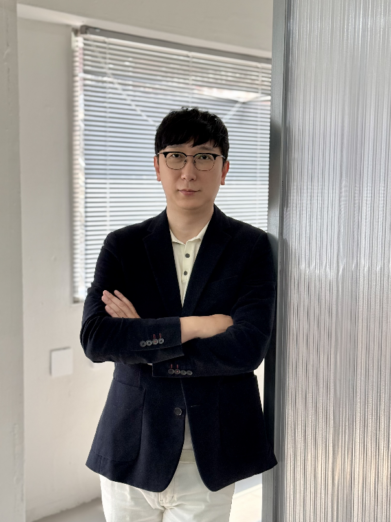
최근 강남구 테헤란로 위펀딩 본사에서 만난 이지수 대표(43)는 차분하다. 회사가 큰 위기를 겪고 있다는 말이 무색할 정도로 담담한 표정이다.
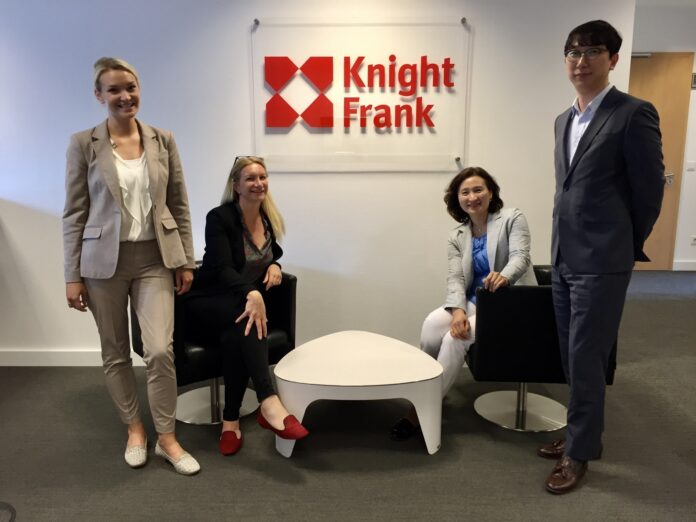
“지하 20층에서 다시 시작하는 기분이었다”고 그는 10년 전 창업 당시를 회상했다. 영국계 부동산 컨설팅 회사에서 국민연금, 글로벌 부동산 펀드 같은 거대 기관들의 투자 자문을 하던 안정적인 직장을 떠나 맨땅에 헤딩하듯 뛰어든 창업의 순간이었다.
불공평한 부동산 투자시장을 바꾸고 싶었다
창업 배경을 묻자 이지수 대표의 목소리에 힘이 들어갔다.
“기관투자자들은 전문가 도움을 받아 손쉽게 수익을 올리는 반면, 정작 그 돈의 원천인 개인은 좋은 투자 기회에서 소외되는 불공평함이 눈에 밟혔다”는 것. 보험사나 연기금 자금도 결국 개인들의 돈인데, 일반인은 우량한 부동산 투자 기회에 접근조차 못하는 현실이 안타까웠다고 했다.
2014년 팀을 꾸려 스타트업 데모데이에 참가하며 본격 준비에 들어간 그는 2015년 6월 위펀딩을 설립했다. 당시는 미국과 중국에서 핀테크 혁신이 막 시작될 무렵이다. 감정평가사 출신인 그의 전문 분야인 부동산 투자에 금융기술을 접목하면 큰 변화를 이끌 수 있겠다는 확신이 들었다고 회고했다.
놀라운 점은 위펀딩이 10년간 단 한 차례의 외부 투자유치 없이 생존해왔다는 사실이다. 대부분 스타트업이 투자 유치에 매달리는 상황에서 어떻게 이같은 생존이 가능했을까. 이지수 대표는 “처음에는 투자 유치를 적극 고려했었다”고 털어놓았다.
뉴욕의 유명 액셀러레이터에서 최종 합격 통보까지 받았는데, 막판에 ‘한국 금융 규제가 까다롭다’며 번복됐다는 것이다.
이 일을 겪으며 외부 자본에 의존하기보다는 스스로의 힘으로 사업 구조를 단단히 만들어야겠다고 결심했다. “번 돈을 다시 사업에 재투자하는 방식으로 꾸준히 성장해왔다”며 “눈앞의 성장보다는 내실과 신뢰를 택한 셈”이라고 설명했다.
9년간 무결점 기록의 비밀
위펀딩의 큰 자랑은 2015년부터 2023년까지 9년간 단 한 건의 투자 원금 손실이 없었다는 점이다. 부동산 PF(프로젝트파이낸싱)부터 주택담보대출, 도시재생 사업투자까지 다양한 상품을 취급하면서도 말이다. 누적 투자액 약 1200억원, 실현수익률 200%+(연환산 약 15% 수준)를 기록하면서도 원금 손실 0%를 달성한 비결이 궁금했다.
“첫째도, 둘째도 철저한 리스크 관리와 데이터 분석”이라고 그는 강조했다. 감정평가사 출신인 경험을 살려 자체 심사·심의 모델을 7년간 갈고닦았다. 투자 지역 시장 조사부터 사업성 분석, 대출자 신용평가, 사후관리까지 전 과정을 시스템화했다. 조금이라도 위험 요인이 보이면 아예 취급을 안 하거나 엄격한 조건을 달았다.
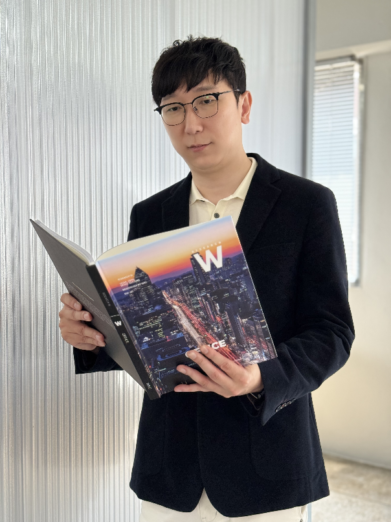
사무실 한편에 자리한 리서치센터도 위펀딩만의 차별화 요소다. 국내외 부동산 시장 데이터를 분석해 투자 유망 지역과 상품을 발굴하고, 결과물을 투자 심사에 반영한다. 실제로 리서치센터에서 발간한 보고서는 외부 기관투자자들도 유료로 볼 만큼 인정받고 있다고 강조했다.
투명한 정보 공개도 신뢰 구축의 핵심이다. 투자 전 리서치 자료를 아낌없이 공개하고, 때로는 현장 실사 사진과 보고서까지 공유했다. 투자 진행 상황도 주기적으로 업데이트해 투자자들이 불안해하지 않도록 했다.
“대표 사재 투입해서라도 책임진다”
하지만 완벽해 보이던 위펀딩도 얼마전 시련을 맞았다. 2023년 들어 부동산 시장이 급랭하면서 일부 PF대출 프로젝트에서 연체가 발생한 것이다. 금리 급등과 전세사기 사태가 겹치면서 담보 가치가 하락하고, 차주들이 계획한 사업을 완수하지 못해 상환에 차질이 생겼다.
창립 이후 처음 맞는 위기 상황에서 이지수 대표의 선택은 명확했다. “먼저 투자자들에게 책임을 다하자고 결심했다”며 “가슴이 철렁했지만 투자자에게 모든 상황을 투명하게 공개했다”고 말했다. 연체가 발생해도 숨김없이 관리 노트를 공개하고, 경매 진행 상황이나 매각 협의를 실시간으로 알렸다.
무엇보다 인상적인 건 그의 경제적 책임이다. 일부 프로젝트에서 원금 손실이 현실화되자 대표의 개인 재산을 투입하기로 결정했다. “와이프와 가족에게 미안했지만 대표로서 당연한 도리였다”며 “현재 해당 자금으로 부실 채권을 최대한 회수해 투자금 상환을 이어가고 있다”고 담담하게 말했다.
이번 위기를 통해 얻은 교훈도 컸다고 했다. “성장에 집중하는 동안 최악의 시나리오에 대한 대비가 부족했다는 걸 인정한다”며 “심사 기준을 전면 재점검하고 위험 관리 장치를 보완하고 있다”고 설명했다. 어려움 속에서도 투자자들에게 모든 정보를 투명하게 공개하니 오히려 많은 분이 “그래도 위펀딩이라 다행”이라고 믿고 응원해 주더라는 후문이다.
1500만 건물주 시대를 꿈꾸다
위펀딩의 미래 비전은 명확하다. ‘1500만 명 건물주 만들기’로 요약되는 부동산 투자 대중화다. 이지수 대표는 “우리나라 경제활동 인구가 약 2850만 명인데, 그중 건물이나 상가를 소유한 건물주는 200만 명 남짓에 불과하다”며 “크라우드펀딩을 통해 1500만 명에게 건물주가 되는 경험을 제공하겠다”고 포부를 밝혔다.
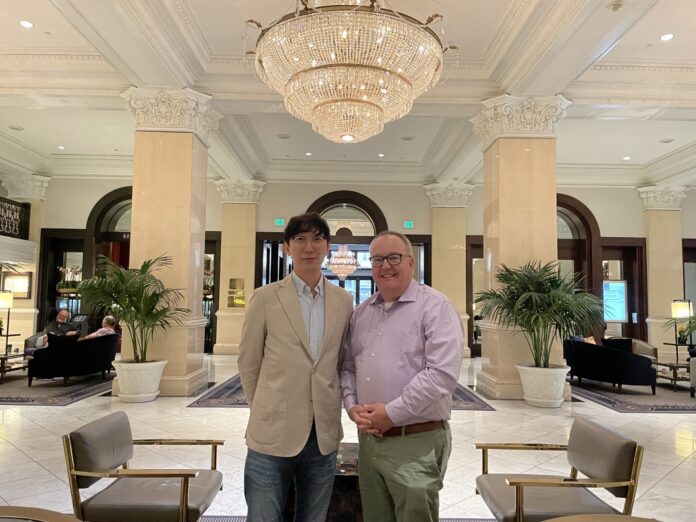
글로벌 진출도 준비 중이다. 2021년 미국 11개 도시를 방문해 현지 부동산 투자기관들과 네트워크를 구축했고, 실리콘밸리 기반 부동산 투자사 ‘Grow Scale’과 MOU도 체결했다. 미국 현지 법인도 설립해 본격 진출을 위한 예열을 완료한 상태다.
최근에는 코넥스 상장도 검토 중이다. “한일 프롭테크 서밋에서 일본 CREAL 대표를 만나 큰 자극을 받았다”며 “상장을 통해 투명성을 확보하며 성장한 사례를 보고 우리도 상장이 필수라는 확신이 들었다”고 했다. 코넥스 상장으로 투명성을 강화한 뒤 코스닥 이전상장에도 도전할 계획이라고 밝혔다.
조직문화에 대해서도 언급했다. 그가 강조하는 ‘나이스하고 미친’ 인재상은 인성이 바르고 소통에 능하지만 자기 일에 미친 듯이 몰입하는 사람을 의미한다고 했다. 더 나은 기회가 있으면 직원의 이직을 오히려 적극 추천해주는 독특한 문화도 있다며 웃어 보였다.
이지수 대표는 “10년을 버티며 크게 느낀 것은 신뢰의 힘”이라고 강조했다. “아무리 좋은 비전을 외쳐도 투자자와 고객의 신뢰 없이는 불가능했을 것”이라며 “위펀딩은 앞으로도 투자자 한사람 한사람의 신뢰를 저버리지 않는 정직한 기업으로 남겠다”고 다짐했다.
위펀딩의 10년 여정은 한국 스타트업 생태계에 시사점을 던진다. 무엇보다 외부 투자 없이도 지속가능한 사업모델을 구축할 수 있다는 점이다. 위기 대응 방식도 주목할 만하다. 문제가 생겼을 때 숨기거나 회피하지 않고 투명하게 공개하며 대표가 직접 책임을 진 점은 스타트업 경영자에게 귀감이 된다.
“1500만 명 모두가 건물주가 되는 그날까지 최선을 다해 뛰겠다”는 그의 각오 속에서 부동산 투자 시장의 가능성이 보였다.
“We will open the era of 15 million building owners” Lee Ji-soo, CEO of Wefunding, who led the democratization of investment through real estate crowdfunding
Wefunding, which has survived for 10 years without external investment, says, “Individuals also have the right to become building owners”
In the past, real estate investment was the exclusive domain of a select few. Only high net worth individuals or institutional investors with billions of won in financial resources had access to profitable commercial real estate. In a situation where ordinary people struggle to buy even one apartment, investing in office buildings or commercial buildings was a pie in the sky. Access to information was also limited, so individuals were inevitably excluded from the real estate investment market.
However, Wefunding shook up this structure. It introduced a crowdfunding platform that allows small amounts of money to invest in commercial real estate, thereby realizing the ‘democratization of investment.’ Now, even office workers can earn monthly income by participating in Gangnam office buildings or local commercial development projects with part of their salaries. Wefunding, which has built up the trust of individual investors with a 0% investment default rate for nine years, recently faced its biggest crisis since its founding due to the sharp decline in the real estate market, but is finding a breakthrough through responsible management, including the investment of the CEO’s personal assets.
Lee Ji-soo (43), CEO of Wefunding, whom we met recently at the headquarters of Wefunding in Teheran-ro, Gangnam-gu, is calm. His expression is so calm that it is hard to believe that the company is going through a major crisis.
“It felt like starting over from the 20th floor underground,” he recalled when he started his business 10 years ago. It was the moment when he left his stable job at a British real estate consulting firm, where he was providing investment advice to large institutions such as the National Pension Service and global real estate funds, and jumped headfirst into the bare ground to start his own business.
I wanted to change the unfair real estate investment market.
When asked about the background of his founding, CEO Lee Ji-soo's voice became more powerful.
“While institutional investors easily make profits with the help of experts, the individuals who are the source of the money are excluded from good investment opportunities, which is an unfair thing to see.” He said that the money from insurance companies and pension funds is ultimately the money of individuals, and it is unfortunate that ordinary people cannot even access good real estate investment opportunities.
He started preparing in earnest by forming a team and participating in a startup demo day in 2014, and founded WeFunding in June 2015. At the time, fintech innovation was just beginning in the US and China. He recalled that he was convinced that applying financial technology to real estate investment, his specialty as a real estate appraiser, could lead to great changes.
What is surprising is that WeFunding has survived for 10 years without attracting a single external investment. How was this possible when most startups are obsessed with attracting investment? CEO Lee Ji-soo confessed, “At first, we actively considered attracting investment.”
He had received a final acceptance notice from a famous accelerator in New York, but at the last minute, he changed his mind, saying, "Korean financial regulations are strict."
Through this experience, I decided that I should solidify my business structure on my own rather than rely on external capital. “I have steadily grown by reinvesting the money I earned back into the business,” he explained, “I chose substance and trust over immediate growth.”
The secret of a flawless record for 9 years
The great pride of WeFunding is that there has not been a single investment loss for 9 years from 2015 to 2023. This is despite handling various products from real estate PF (project financing) to housing mortgage loans and urban regeneration project investments. I was curious about the secret behind achieving 0% loss of principal while recording a cumulative investment amount of approximately 120 billion won and a realized return rate of 200%+ (annualized approximately 15%).
“First and foremost, thorough risk management and data analysis,” he emphasized. He used his experience as a real estate appraiser to refine his own review and deliberation model for seven years. He systematized the entire process from investment area market research to business analysis, borrower credit evaluation, and post-management. If there was even the slightest risk factor, he either did not handle it at all or imposed strict conditions.
The research center located on one side of the office is also a unique differentiating factor for Wefunding. It analyzes domestic and international real estate market data to discover promising investment areas and products, and reflects the results in investment evaluation. In fact, it emphasized that the reports published by the research center are recognized enough to be viewed by external institutional investors for a fee.
Transparent information disclosure is also key to building trust. We generously disclosed research data before investing, and sometimes even shared on-site inspection photos and reports. We also periodically updated the investment progress to ensure that investors were not anxious.
“I will take responsibility even if it means investing my personal wealth.”
However, even WeFunding, which seemed perfect, recently faced a challenge. As the real estate market cooled rapidly in 2023, some PF loan projects experienced delinquencies. As interest rates soared and the jeonse fraud incident overlapped, the collateral value decreased, and borrowers were unable to complete their planned projects, causing problems with repayment.
In the first crisis since its establishment, CEO Lee Ji-soo’s choice was clear. “I decided to take responsibility for the investors first,” he said. “My heart sank, but I transparently disclosed all the circumstances to the investors.” Even when there was a delay, he disclosed management notes without hiding anything, and reported the progress of the auction or sale negotiations in real time.
What is most impressive is his financial responsibility. When the loss of principal became a reality in some projects, he decided to invest his personal assets. “I felt sorry for my wife and family, but it was my duty as a CEO,” he said calmly. “I am currently using the funds to recover as much bad debt as possible and continue to repay the investment.”
He also said that there were great lessons learned from this crisis. “We admit that we were not prepared for the worst-case scenario while focusing on growth,” he said. “We are completely reexamining our evaluation criteria and supplementing our risk management system.” He said that even in difficult times, because all information was transparently disclosed to investors, many people believed in us and supported us, saying, “Thank goodness it’s WeFunding.”
Dreaming of an era of 15 million building owners
Wefunding’s future vision is clear. It is to popularize real estate investment, which can be summarized as “creating 15 million building owners.” CEO Lee Ji-soo stated, “The economically active population in our country is about 28.5 million, but only about 2 million of them are building owners who own buildings or commercial spaces.” He expressed his ambition by saying, “Through crowdfunding, we will provide the experience of becoming a building owner to 15 million people.”
We are also preparing for global expansion. In 2021, we visited 11 cities in the U.S. and built a network with local real estate investment organizations, and signed an MOU with Silicon Valley-based real estate investment company 'Grow Scale'. We have also established a local U.S. corporation and have completed the warm-up for full-scale expansion.
Recently, they are also considering listing on KONEX. “I was greatly inspired by meeting the CEO of CREAL in Japan at the Korea-Japan Proptech Summit,” he said. “After seeing cases of growth through transparency through listing, I became convinced that listing is essential for us as well.” He said that after strengthening transparency through listing on KONEX, they plan to challenge listing on KOSDAQ.
He also mentioned the organizational culture. He said that the “nice and crazy” talent he emphasizes means a person with a good personality, good communication skills, but who is crazy about their work. He smiled and said that there is also a unique culture where they actively recommend employees to change jobs if there is a better opportunity.
CEO Lee Ji-soo emphasized, “What I have felt most after enduring for 10 years is the power of trust.” He added, “No matter how good the vision is, it would not have been possible without the trust of investors and customers.” He pledged, “WeFunding will remain an honest company that does not betray the trust of each and every investor.”
The 10-year journey of Wefunding provides implications for the Korean startup ecosystem. Above all, it is possible to build a sustainable business model without external investment. The way it responds to crises is also noteworthy. When a problem arises, it is not hidden or avoided, but transparently disclosed and the CEO takes direct responsibility, which is a model for startup managers.
The potential of the real estate investment market was revealed in his determination to “do my best until the day when all 15 million people become building owners.”
「1500万建物株時代を開く」不動産クラウドファンディングで投資民主化率いるイ・ジスウィファンディング代表
外部投資なしで10年バーティン・ウィファンディング、「個人も建物主になる権利ある」
過去の不動産投資は少数の専有物だった。数十億ウォン単位の資金力を持つ高額資産家や機関投資家だけが収益性の高い商業用不動産に接近した。一般人はマンションのまま詐欺も厳しい状況でオフィスビルや商店街投資は絵の餅だ。情報アクセシビリティも限られており、個人は不動産投資市場で疎外されるしかない。
しかし、ウィファンディングはこのような構造を揺るがした。少額で商業用不動産に投資できるクラウドファンディングプラットフォームを披露し、「投資民主化」を実現した。これで会社員も月給の一部として江南オフィスビルや地方商圏開発プロジェクトに参加して月収益を上げることができる。 9年間、投資不良率0%という成果で個人投資家の信頼を築いてきたウィファンディングが最近、不動産市場急冷で創設以来最大の危機を迎えたが、代表社材投入までして責任経営で突破口を探している。
最近、江南区テヘランロウィファンディング本社で会ったイ・ジス代表(43)は落ち着いた。会社が大きな危機を経験しているという言葉が無色になるほど淡々とした表情だ。
「地下20階で再開する気分だった」と彼は10年前に創業当時を回想した。イギリス系不動産コンサルティング会社で国民年金、グローバル不動産ファンドのような巨大機関の投資諮問をしていた安定した職場を離れ、地面にヘディングするように飛び込んだ創業の瞬間だった。
不公平な不動産投資市場を変えたかった
創業の背景を聞くとイ・ジス代表の声に力が入った。
「機関投資家たちは専門家の助けを借りて手軽に収益を上げる反面、いよいよそのお金の源泉である個人は良い投資機会から疎外される不公平さが目についた」とのこと。保険会社や年金基金も結局個人のお金だが、一般人は優秀な不動産投資機会に接近すらできない現実が残念だったとした。
2014年にチームを立ち上げてスタートアップデモデーに参加し、本格準備に入った彼は2015年6月にウィファンディングを設立した。当時は米国と中国でフィンテックイノベーションが始まるばかりだ。鑑定評価社出身の彼の専門分野である不動産投資に金融技術を融合すれば大きな変化を導くことができると確信したと回顧した。
驚くべきことは、ウィファンディングが10年間たった1回の外部投資誘致なしに生存してきたという事実だ。ほとんどのスタートアップが投資誘致にぶら下がる状況で、どのようにこのような生存が可能だったのだろうか。イ・ジス代表は「初めには投資誘致を積極的に考慮した」と打ち明けた。
ニューヨークの有名アクセラレーターから最終合格通知まで受けたが、終盤に「韓国金融規制が厳しい」と忙しくなったということだ。
このことを経て、外部資本に頼るのではなく、自らの力で事業構造をしっかりと作らなければならないと決心した。 「今回のお金を再び事業に再投資する方式で着実に成長してきた」とし「目の前の成長よりは内実と信頼を選んだわけだ」と説明した。
9年間無欠点記録の秘密
ウィファンディングの大きな誇りは、2015年から2023年までの9年間、たった1つの投資元金損失がなかったことだ。不動産PF(プロジェクトファイナンシング)から住宅担保ローン、都市再生事業投資まで多様な商品を取り扱いながらも。累積投資額約1200億ウォン、実現収益率200%+(連換算約15%水準)を記録しながらも、元金損失0%を達成した秘訣が気になった。
「第一に、二番目に徹底したリスク管理とデータ分析」と彼は強調した。鑑定評価社出身の経験を活かし、独自の審査・審議モデルを7年間磨き上げた。投資地域市場調査から事業性分析、貸し手信用評価、事後管理まで全過程をシステム化した。少しでも危険要因が見えたら、まったく扱わないか、厳しい条件を付けた。
事務所の一方に位置するリサーチセンターもウィファンディングだけの差別化要素だ。国内外の不動産市場データを分析し、投資有望地域と商品を発掘し、結果物を投資審査に反映する。実際、リサーチセンターで発刊した報告書は、外部の機関投資家も有料と見られるほど認められていると強調した。
透明な情報公開も信頼構築の核心だ。投資前のリサーチ資料を惜しみなく公開し、時には現場実写写真やレポートまで共有した。投資の進行状況も定期的に更新し、投資家が不安にならないようにした。
「代表社材投入しても責任がある」
しかし完璧に見えたウィファンディングも先日試練を迎えた。 2023年に入って不動産市場が急冷し、一部のPFローンプロジェクトで延滞が発生したのだ。金利急騰と貸切詐欺事態が重なり、担保価値が下落し、借主が計画した事業を果たせず、返済に支障が生じた。
創立以来初めて当たる危機状況で、イ・ジス代表の選択は明確だった。 「まず投資家たちに責任を尽くそうと決心した」とし「胸が徹底したが投資家にすべての状況を透明に公開した」と話した。延滞が発生しても隠すことなく管理ノートを公開し、オークションの進行状況や売却協議をリアルタイムで知らせた。
何より印象的なのは彼の経済的責任だ。一部のプロジェクトで元本損失が現実化すると、代表の個人財産を投入することにした。 「ワイプと家族に申し訳なかったが代表として当然の道理だった」とし「現在該当資金で不良債権を最大限回収して投資金の返済を続けている」と淡々と話した。
今回の危機を通じて得た教訓も大きかったという。 「成長に集中している間、最悪のシナリオに対する備えが足りなかったことを認める」とし「審査基準を全面再点検し、リスク管理装置を補完している」と説明した。困難の中でも投資家たちにすべての情報を透明に公開するので、むしろ多くの方が「それでもウィファンディングだから幸い」と信じて応援してくれたという裏話だ。
1500万建物主時代を夢見る
ウィファンディングの将来のビジョンは明確です。 「1500万人の建物株を作る」と要約される不動産投資の大衆化だ。イ・ジス代表は「韓国の経済活動人口が約2850万人だが、そのうち建物や商店街を所有する建物主は200万人余りに過ぎない」とし「クラウドファンディングを通じて1500万人に建物主となる経験を提供する」と抱負を明らかにした。
グローバル進出も準備中だ。 2021年に米国11都市を訪問し、現地の不動産投資機関とネットワークを構築し、シリコンバレーベースの不動産投資会社「Grow Scale」とMOUも締結した。米国現地法人も設立し、本格進出のための予熱を完了した状態だ。
最近はコネックス上場も検討中だ。 「韓日プロップテクサミットで日本CREAL代表に会って大きな刺激を受けた」とし「上場を通じて透明性を確保して成長した事例を見て、私たちも上場が必須だと確信した」とした。コネックス上場で透明性を強化した後、コスダック移転上場にも挑戦する計画だと明らかにした。
組織文化についても言及した。彼が強調する「ナイスで狂った」人材像は、靭性が正しく、コミュニケーションには適しているが、自分の仕事に狂ったように没入する人を意味すると言った。より良い機会があれば、職員の離職をむしろ積極的に推薦してくれるユニークな文化もあると笑って見えた。
イ・ジス代表は「10年を耐え、大きく感じたのは信頼の力」と強調した。 「いくら良いビジョンを叫んでも投資家と顧客の信頼なしには不可能だっただろう」とし「ウィファンディングは今後も投資家一人一人の信頼を捨てない正直な企業として残る」と誓った。
ウィファンディングの10年の旅程は韓国スタートアップ生態系に示唆点を投げる。何よりも外部投資がなくても持続可能な事業モデルを構築できるという点だ。危機対応方式も注目に値する。問題が生じたときに隠したり回避せずに透明に公開し、代表が直接責任を負った点はスタートアップ経営者に貴感になる。
「1500万人すべてが建物主となるその日まで最善を尽くして走る」という彼の覚悟の中で不動産投資市場の可能性が見られた。
“我们将开启1500万楼宇业主时代” 通过房地产众筹引领投资民主化的Wefunding代表李志洙
十年未依赖外部投资生存下来的Wefunding表示:“个人也有权成为业主。”
过去,房地产投资是少数人的专属领域。只有拥有数十亿韩元资金的高净值个人或机构投资者才能投资利润丰厚的商业地产。在普通民众连一套公寓都难以购买的情况下,投资办公楼或商业楼简直是天方夜谭。由于信息渠道有限,个人投资者不可避免地被排除在房地产投资市场之外。
然而,Wefunding打破了这一格局。它推出了一个允许小额资金投资商业地产的众筹平台,实现了“投资民主化”。现在,即使是上班族,也可以用部分工资参与江南写字楼或当地商业开发项目,每月获得收入。Wefunding凭借九年来零违约率的优异表现,赢得了个人投资者的信赖。最近,由于房地产市场的暴跌,Wefunding遭遇了成立以来最大的危机,但通过包括CEO个人资产投资在内的负责任的经营,正在寻求突破。
最近,记者在位于江南区德黑兰路的Wefunding总部见到了Wefunding的代表李智秀(43岁),他表情平静。他的表情平静得让人难以相信公司正在经历重大危机。
“感觉就像从地下20层重新开始一样,”他回忆起10年前创业时的情景。正是在那一刻,他辞去了在英国一家房地产咨询公司为国民年金公团和全球房地产基金等大型机构提供投资建议的稳定工作,一头扎进一片净土,开始了自己的创业之路。
我想改变不公平的房地产投资市场。
当被问及创业背景时,李智秀代表的声音变得更加强硬。
“机构投资者在专家的帮助下很容易获利,而作为资金来源的个人却被排除在良好的投资机会之外,这很不公平。”他表示,保险公司和养老基金的钱最终还是个人的钱,普通民众甚至无法获得良好的房地产投资机会,这令人遗憾。
2014年,他组建团队并参加创业演示日,开始认真准备,并于2015年6月创立了WeFunding。当时,金融科技创新在美国和中国才刚刚起步。他回忆说,自己作为房地产评估师,深信将金融科技应用于房地产投资(他的专长)能够带来巨大的变革。
令人惊讶的是,WeFunding 十年来竟然没有吸引到任何外部投资。在大多数初创公司都热衷于吸引投资的情况下,这究竟是如何做到的呢?CEO 李智洙坦言:“一开始,我们积极考虑过吸引投资。”
他曾收到纽约一家著名加速器的最终录取通知,但在最后一刻却改变了主意,并表示“韩国的金融监管很严格”。
这段经历让我决定,我应该自己巩固业务架构,而不是依赖外部资本。“我把赚到的钱再投资到业务中,从而稳步发展,”他解释说,“我选择的是实质和信任,而不是眼前的增长。”
九年完美记录的秘密
WeFunding引以为豪的是,从2015年到2023年的九年间,从未出现过任何一笔投资亏损。尽管WeFunding经营着从房地产PF(项目融资)到住房抵押贷款、城市再生项目投资等各种产品,却依然保持着这样的业绩。我非常好奇,在累计投资额约1200亿韩元、实际收益率超过200%(年化约15%)的情况下,实现本金损失0%的秘诀是什么。
“首先,要彻底的风险管理和数据分析。”他强调道。他凭借自己作为房地产评估师的七年经验,不断完善自己的审核和审议模式。他把从投资地市场调研到业务分析、借款人信用评估、后期管理的整个流程系统化。只要有一丝风险,他要么完全不去处理,要么会附加严格的条件。
位于办公室一侧的研究中心也是Wefunding的一大特色。该中心通过分析国内外房地产市场数据,发现有潜力的投资领域和产品,并将结果反映在投资评估中。事实上,Wefunding强调,研究中心发布的报告获得了足够的认可,外部机构投资者可以付费阅读。
透明的信息披露也是建立信任的关键。我们在投资前慷慨地披露研究数据,有时甚至分享现场勘察照片和报告。我们还定期更新投资进展,确保投资者不会感到焦虑。
“即使这意味着投入我的个人财富,我也会承担责任。”
然而,即使是看似完美的WeFunding,最近也面临挑战。随着2023年房地产市场迅速降温,一些公积金贷款项目出现拖欠。随着利率飙升,加上传赈诈骗事件的发生,抵押品价值下降,借款人无法完成计划中的项目,导致还款出现问题。
在公司成立以来的首次危机中,李智秀代表的选择非常明确。“我决定首先承担起对投资者的责任,”他说道。“虽然心里很沉重,但我还是向投资者坦诚地披露了所有情况。”即使出现延误,他也毫不隐瞒地公开了经营记录,并实时汇报了拍卖或出售谈判的进展。
最令人印象深刻的是他的财务责任感。当一些项目本金损失成真时,他决定拿出个人资产进行投资。“我为我的妻子和家人感到难过,但作为CEO,这是我的责任,”他平静地说道。“我目前正在用这笔资金尽可能多地收回坏账,并继续偿还投资。”
他还表示,这场危机给我们带来了宝贵的教训。“我们承认,当时专注于增长,没有做好应对最坏情况的准备,”他说道。“我们正在彻底重新审视我们的评估标准,并完善我们的风险管理体系。”他表示,即使在困难时期,由于所有信息都向投资者透明披露,许多人仍然相信我们、支持我们,并表示:“谢天谢地,这是WeFunding。”
梦想1500万业主时代
Wefunding的未来愿景清晰明确,那就是普及房地产投资,简而言之,就是“创造1500万业主”。李智秀代表表示:“我国经济活动人口约2850万,但其中拥有建筑物或商业空间的业主约200万。” 他表达了自己的愿景:“通过众筹,我们将为1500万人提供成为业主的体验。”
我们也在为全球扩张做准备。2021年,我们访问了美国11个城市,与当地房地产投资机构建立了网络,并与硅谷的房地产投资公司“Grow Scale”签署了谅解备忘录。我们还在美国当地设立了法人,为全面扩张做好了准备。
最近,他们也在考虑在KONEX上市。“在韩日Proptech峰会上与日本CREAL的CEO见面,给了我很大的启发,”他说道。“在看到通过上市实现透明度而实现增长的案例后,我确信上市对我们来说也至关重要。”他表示,通过在KONEX上市增强透明度后,他们计划挑战在KOSDAQ上市。
他还提到了公司的文化。他强调的“优秀而疯狂”的人才是指性格开朗、沟通能力强,但对工作却异常热爱的人。他笑着说,公司还有一种独特的文化,即如果有更好的机会,他们会积极推荐员工跳槽。
李智秀代表强调:“坚持十年,最让我感悟的是信任的力量。” 他还表示:“无论愿景多么美好,如果没有投资者和客户的信任,这一切都不可能实现。” 他承诺:“WeFunding 将继续秉持诚信的企业精神,不辜负每一位投资者的信任。”
Wefunding 十年历程对韩国初创企业生态系统具有重要意义。最重要的是,它能够在没有外部投资的情况下建立可持续发展的商业模式。其应对危机的方式也值得关注。当问题出现时,它不会掩盖或回避,而是透明地披露,并由 CEO 直接承担责任,这为初创企业管理者树立了榜样。
他“竭尽全力,直到1500万人都成为房屋业主”的决心,彰显了房地产投资市场的潜力。
« Nous ouvrirons l'ère des 15 millions de propriétaires d'immeubles » Lee Ji-soo, PDG de Wefunding, qui a mené la démocratisation de l'investissement grâce au financement participatif immobilier
Wefunding, qui a survécu pendant 10 ans sans investissement extérieur, affirme : « Les particuliers ont également le droit de devenir propriétaires de leurs bâtiments. »
Par le passé, l'investissement immobilier était l'apanage d'une élite. Seuls les particuliers fortunés ou les investisseurs institutionnels disposant de milliards de wons de ressources financières avaient accès à des biens immobiliers commerciaux rentables. Dans un contexte où le commun des mortels peinait à acheter ne serait-ce qu'un appartement, investir dans des immeubles de bureaux ou des bâtiments commerciaux était utopique. L'accès à l'information étant également limité, les particuliers étaient inévitablement exclus du marché de l'investissement immobilier.
Cependant, Wefunding a bouleversé cette structure. L'entreprise a lancé une plateforme de financement participatif permettant d'investir de petites sommes dans l'immobilier commercial, concrétisant ainsi la « démocratisation de l'investissement ». Désormais, même les employés de bureau peuvent percevoir un revenu mensuel en investissant une partie de leur salaire dans des immeubles de bureaux à Gangnam ou des projets de développement commercial local. Wefunding, qui a su gagner la confiance des investisseurs particuliers grâce à un taux de défaut de paiement de 0 % depuis neuf ans, a récemment traversé sa plus grande crise depuis sa création, due à la forte baisse du marché immobilier. Cependant, Wefunding trouve une solution grâce à une gestion responsable, notamment en investissant les actifs personnels de son PDG.
Lee Ji-soo (43 ans), PDG de Wefunding, que nous avons rencontré récemment au siège de Wefunding à Teheran-ro, Gangnam-gu, est serein. Son expression est si sereine qu'il est difficile de croire que l'entreprise traverse une crise majeure.
« C'était comme repartir de zéro », se souvient-il lorsqu'il a lancé son entreprise il y a dix ans. C'est à ce moment-là qu'il a quitté son emploi stable dans un cabinet de conseil immobilier britannique, où il conseillait en investissement de grandes institutions comme le National Pension Service et des fonds immobiliers internationaux, pour se lancer tête baissée dans la création de sa propre entreprise.
Je voulais changer le marché injuste de l’investissement immobilier.
Interrogé sur le contexte de sa fondation, la voix du PDG Lee Ji-soo est devenue plus puissante.
« Alors que les investisseurs institutionnels réalisent facilement des profits grâce à l'aide d'experts, les particuliers qui en sont la source sont exclus des bonnes opportunités d'investissement, ce qui est injuste. » Il a déclaré que l'argent des compagnies d'assurance et des fonds de pension est en fin de compte l'argent des particuliers, et qu'il est regrettable que le commun des mortels ne puisse même pas accéder à de bonnes opportunités d'investissement immobilier.
Il a commencé à se préparer sérieusement en constituant une équipe et en participant à une journée de démonstration de startups en 2014, puis a fondé WeFunding en juin 2015. À l'époque, l'innovation fintech n'en était qu'à ses débuts aux États-Unis et en Chine. Il se souvient avoir été convaincu que l'application de la technologie financière à l'investissement immobilier, sa spécialité d'évaluateur immobilier, pourrait engendrer de grands changements.
Ce qui est surprenant, c'est que WeFunding ait survécu pendant dix ans sans attirer un seul investissement externe. Comment cela a-t-il été possible alors que la plupart des startups sont obsédées par l'attraction d'investissements ? Le PDG Lee Ji-soo a avoué : « Au début, nous avons activement envisagé d'attirer des investissements. »
Il avait reçu un avis d'acceptation finale d'un célèbre accélérateur de New York, mais à la dernière minute, il a changé d'avis, déclarant : « La réglementation financière coréenne est stricte. »
Fort de cette expérience, j'ai décidé de consolider la structure de mon entreprise par moi-même plutôt que de compter sur des capitaux externes. « J'ai connu une croissance régulière en réinvestissant l'argent gagné dans l'entreprise », a-t-il expliqué. « J'ai privilégié la solidité et la confiance à une croissance immédiate. »
Le secret d'un palmarès sans faille depuis 9 ans
La grande fierté de WeFunding est de n'avoir enregistré aucune perte sur investissement sur neuf ans, de 2015 à 2023. Et ce, malgré la gestion de produits variés, allant du financement de projets immobiliers aux prêts hypothécaires au logement, en passant par les investissements dans des projets de rénovation urbaine. J'étais curieux de connaître le secret de cette performance : 0 % de perte en capital, avec un montant d'investissement cumulé d'environ 120 milliards de wons et un taux de rendement réalisé de plus de 200 % (environ 15 % annualisé).
« D'abord et avant tout, une gestion rigoureuse des risques et une analyse des données », a-t-il souligné. Fort de son expérience d'expert immobilier, il a peaufiné son propre modèle d'analyse et de délibération pendant sept ans. Il a systématisé l'ensemble du processus, de l'étude de marché du secteur d'investissement à l'analyse commerciale, en passant par l'évaluation de la solvabilité des emprunteurs et la post-gestion. Si le moindre facteur de risque était présent, il ne le prenait pas en compte ou imposait des conditions strictes.
Le centre de recherche, situé à côté des bureaux, constitue également un atout distinctif pour Wefunding. Il analyse les données du marché immobilier national et international afin d'identifier des secteurs et des produits d'investissement prometteurs, et en intègre les résultats dans l'évaluation des investissements. De fait, il souligne que les rapports publiés par le centre de recherche sont suffisamment reconnus pour être consultés par des investisseurs institutionnels externes moyennant des frais.
La transparence des informations est également essentielle pour instaurer la confiance. Nous avons généreusement communiqué des données de recherche avant d'investir, et parfois même partagé des photos et des rapports d'inspection sur place. Nous avons également régulièrement tenu des comptes rendus de l'avancement des investissements afin de dissiper l'inquiétude des investisseurs.
« J’assumerai mes responsabilités, même si cela signifie investir ma fortune personnelle. »
Cependant, même WeFunding, qui semblait parfait, a récemment rencontré un défi. Avec le ralentissement rapide du marché immobilier en 2023, certains projets de prêts PF ont connu des impayés. Avec la flambée des taux d'intérêt et la multiplication des cas de fraude au jeonse, la valeur des garanties a diminué et les emprunteurs n'ont pas pu mener à bien leurs projets, ce qui a entraîné des difficultés de remboursement.
Lors de la première crise depuis la création de l'entreprise, le choix du PDG Lee Ji-soo était clair. « J'ai décidé d'assumer d'abord la responsabilité des investisseurs », a-t-il déclaré. « J'ai eu un pincement au cœur, mais j'ai dévoilé toutes les circonstances aux investisseurs en toute transparence. » Même en cas de retard, il a communiqué les notes de gestion sans rien cacher et a rendu compte en temps réel de l'avancement des négociations de vente ou d'enchères.
Ce qui est le plus impressionnant, c'est son sens des responsabilités financières. Lorsque la perte du capital de certains projets est devenue une réalité, il a décidé d'investir ses biens personnels. « J'étais désolé pour ma femme et ma famille, mais c'était mon devoir de PDG », a-t-il déclaré calmement. « J'utilise actuellement les fonds pour recouvrer autant de créances irrécouvrables que possible et continuer à rembourser l'investissement. »
Il a également déclaré que cette crise avait été riche d'enseignements. « Nous reconnaissons que nous n'étions pas préparés au pire tout en nous concentrant sur la croissance », a-t-il déclaré. « Nous réexaminons en profondeur nos critères d'évaluation et complétons notre système de gestion des risques. » Il a ajouté que même dans les moments difficiles, grâce à la transparence de toutes les informations communiquées aux investisseurs, de nombreuses personnes ont cru en nous et nous ont soutenus, en disant : « Heureusement que c'est WeFunding. »
Rêver d'une ère de 15 millions de propriétaires d'immeubles
La vision d'avenir de Wefunding est claire : démocratiser l'investissement immobilier, ce qui peut se résumer à « créer 15 millions de propriétaires immobiliers ». Le PDG Lee Ji-soo a déclaré : « Notre pays compte environ 28,5 millions de personnes actives, mais seulement 2 millions environ sont propriétaires d'immeubles ou de locaux commerciaux. » Il a exprimé son ambition en déclarant : « Grâce au financement participatif, nous offrirons à 15 millions de personnes l'expérience de devenir propriétaires immobiliers. »
Nous nous préparons également à une expansion mondiale. En 2021, nous avons visité 11 villes américaines et établi un réseau avec des organismes d'investissement immobilier locaux. Nous avons également signé un protocole d'accord avec « Grow Scale », une société d'investissement immobilier basée dans la Silicon Valley. Nous avons également créé une société locale aux États-Unis et terminé les préparatifs pour une expansion à grande échelle.
Récemment, l'entreprise envisage également de s'introduire en bourse sur le KONEX. « J'ai été très inspiré par ma rencontre avec le PDG de CREAL au Japon, lors du sommet Proptech Corée-Japon », a-t-il déclaré. « Après avoir constaté des exemples de croissance grâce à la transparence et à la cotation, j'ai acquis la conviction que la cotation était également essentielle pour nous. » Il a ajouté qu'après avoir renforcé la transparence grâce à la cotation sur le KONEX, l'entreprise envisage de s'introduire en bourse sur le KOSDAQ.
Il a également évoqué la culture organisationnelle. Il a expliqué que le talent « gentil et audacieux » qu'il met en avant désigne une personne dotée d'une belle personnalité, d'excellentes compétences en communication, mais passionnée par son travail. Il a souri et a ajouté qu'il existait également une culture unique où l'on recommande activement aux employés de changer d'emploi si une meilleure opportunité se présente.
Le PDG Lee Ji-soo a souligné : « Ce que j'ai le plus ressenti après dix ans d'expérience, c'est le pouvoir de la confiance. » Il a ajouté : « Aussi brillante que soit notre vision, elle n'aurait pas été possible sans la confiance des investisseurs et des clients. » Il a promis : « WeFunding restera une entreprise honnête qui ne trahira pas la confiance de chaque investisseur. »
Les dix années d'expérience de Wefunding ont des implications pour l'écosystème des startups coréennes. Surtout, il est possible de construire un modèle économique durable sans investissement externe. La manière dont Wefunding réagit aux crises est également remarquable. Lorsqu'un problème survient, il n'est ni caché ni évité, mais révélé en toute transparence et le PDG en assume directement la responsabilité, ce qui constitue un modèle pour les dirigeants de startups.
Le potentiel du marché de l’investissement immobilier s’est révélé dans sa détermination à « faire de mon mieux jusqu’au jour où 15 millions de personnes deviendront propriétaires de leur immeuble ».
You must be logged in to post a comment.