



– 'rsquare' puts ESG into practice, turning it into numbers.
– Not the end of waste, but the beginning of a cycle
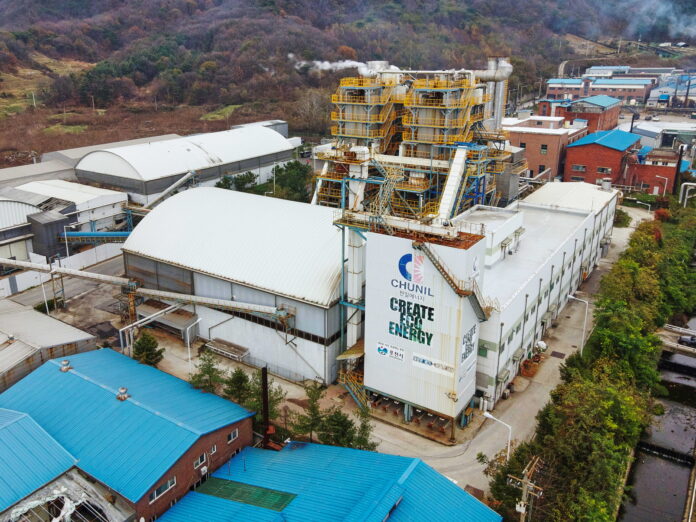
The Return of the Abandoned: A Site of Transformation Created by 'rsquare'
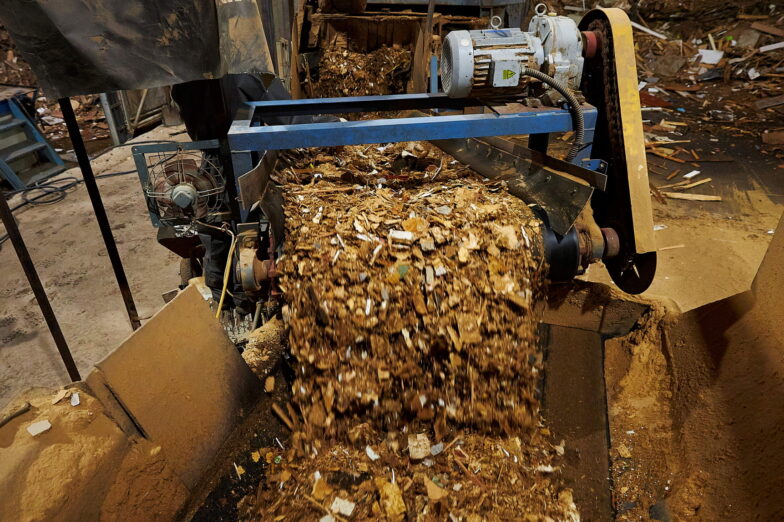
“This smell isn’t just smoke.”
The moment I passed through the main gate of the Cheonil Energy factory in Pocheon, Gyeonggi Province, the smell of burning wood overwhelmed my senses. It wasn't smoke from a fire, but the smell of waste wood burning, fulfilling its final mission. Even before I saw it with my own eyes, I sensed with my five senses that something was not dying, but coming back to life. Massive compressors, conveyor belts, and incinerators were in constant operation. Waste synthetic resin, waste concrete, and wood were lined up, being reduced, ground, and burned. The heat and energy released were transformed into 159°C (350°F) steam, which was then supplied to dozens of nearby dyeing plants. It wasn't simply waste disposal; it was a return to being a raw material that would power industry. However, the true transformation I witnessed that day lay beyond that. It was the determination of "rsquare," the company that led this project.
■ 'rsquare' puts ESG into practice, turning it into numbers.
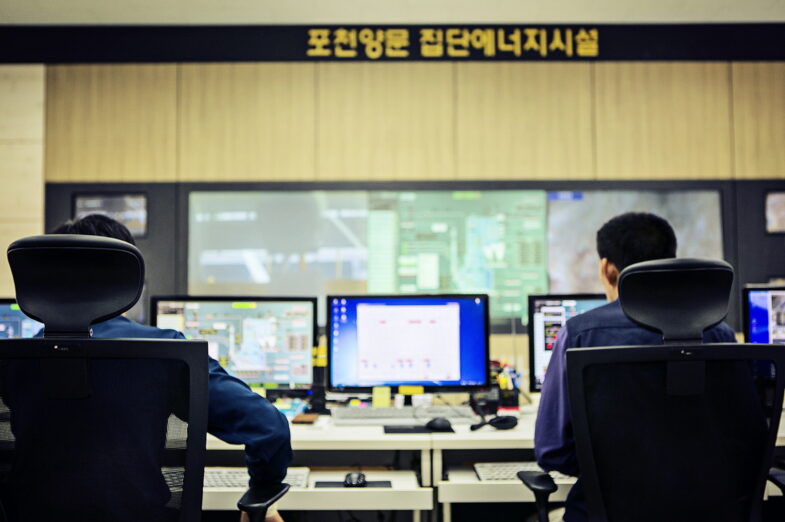
In fact, waste recycling isn't technologically new. The question is "who will do it first?" and "how?" rsquare addressed this question head-on. Their approach isn't about "good words," but "inconvenient practice." They completely recycled thousands of tons of waste generated from interior and construction sites. Waste synthetic resins are reborn as solid fuel, wood as biofuel, and concrete as recycled aggregate. This has reduced carbon emissions by approximately 600 tons to date, equivalent to the amount absorbed by 90,000 trees in a year. rsquare went one step further. They digitally recorded the entire waste flow through the "chunilenergy" and "Jiguhada" platforms. From collection requests to dispatching, GPS tracking, warehouse weighing, and item classification through ERP and AI, the data is completely secure. Where and how the waste was processed is recorded, and the data is undeniably flawed. Jeong Sang-min, Director of Safety and Health Management at Rsquare, stated, "We're not a company that just showcases ESG, but one that actually practices it. We will further enhance this work with the accumulated real-world data."
■ Not the end of waste, but the beginning of a cycle
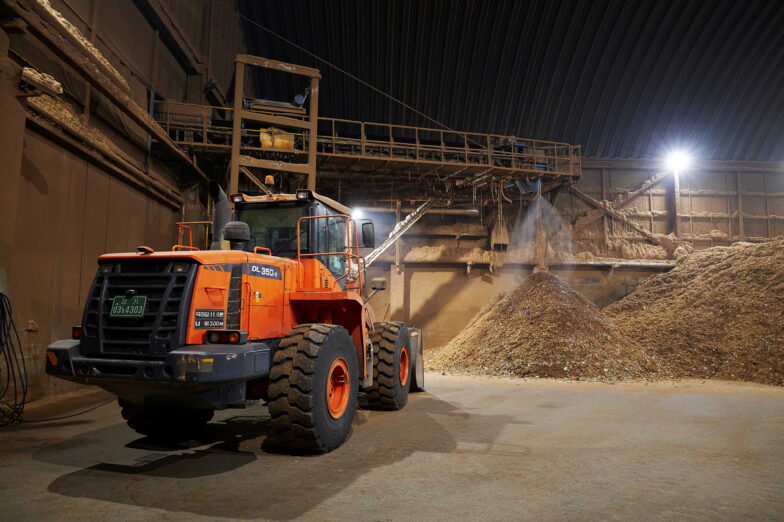
This project isn't simply a record of achievements. It's a model for proactive response to impending industrial restructuring. The Ministry of Environment will ban direct landfilling of household waste in the Seoul metropolitan area starting in 2026. The construction and interior design industries generate millions of tons of waste annually, and rising disposal costs and regulatory risks are becoming a reality. At this juncture, rsquare's model becomes not a "possibility," but an "alternative." It prioritizes structure over unit price, philosophy over efficiency, and change over practices. Their choice was not a risk, but an opportunity. rsquare isn't a company that holds the keys to waste disposal technology. It's a platform company that designs real estate and space industries based on spatial data. Their declaration, "We will start by changing our construction sites," was itself a classic example of ESG. The company explains, "If you view waste solely as a cost, nothing changes. But if you approach it as a resource, the entire industry will change." The scene I witnessed that day in Pocheon will remain forever: the smell of burning wood, the whirring of the shredder, the surging heat of steam. And it is the corporate decision that moves all of those scenes behind the scenes.
You must be logged in to post a comment.