



The refrigerator magnets on the elderly person's home were filled with medication and meal times. In that home, where children lived far away and there were no neighbors to care for them, CEO Kim Dong-won gained certainty.
“Technology doesn’t have to be complex or expensive; it has to be something that stays with you for a long time.”
That's how the customized AI care platform for the elderly, 'Mr. Mind', was born.
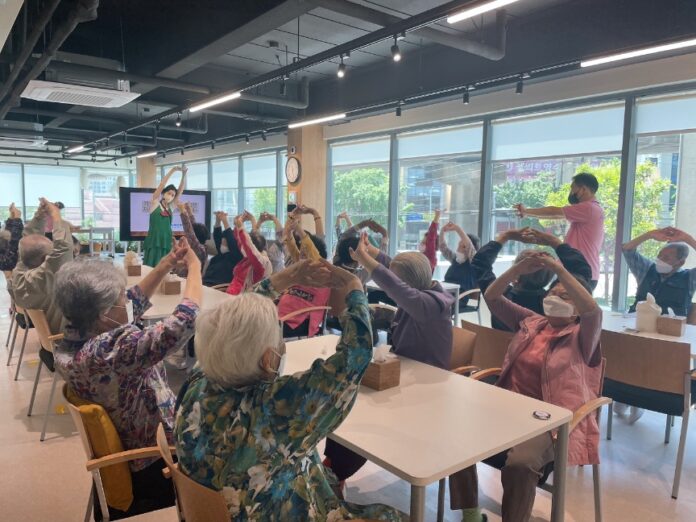
This product has been rejected countless times. However, it's now being implemented and operated in 95 local governments and 45 regional dementia support centers nationwide. What's behind this change?
CEO Kim Dong-won gives off the impression of a neighborhood social worker rather than a startup CEO. Throughout the interview, he used the term "elderly people." Mr. Mind's philosophy was revealed in his focus on people, not technology.
"Local governments waved us off, saying, 'Do we really need what we're making?'"
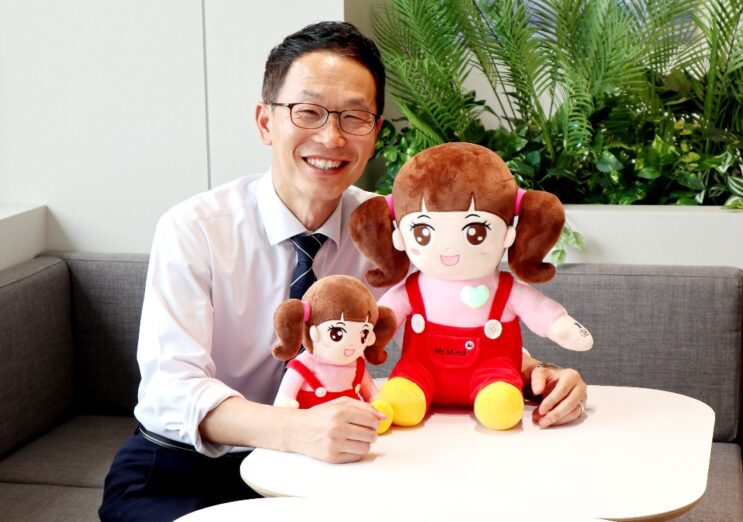
"Most startups leveraging AI technology target the MZ generation or younger generations. Mr. Mind, on the other hand, chose 'elderly care.' What prompted you to choose this seemingly unconventional field?" (Reporter)
CEO Kim Dong-won's response was candid. "There's a saying, 'It takes a village to raise a child.' I believe the same holds true for seniors. Mr. Mind doesn't want to create a company that ends with a one-time service."
What he focused on was "reality." It was a platform that connected the welfare system, long-term care services, senior centers, pharmacies, hospitals, and local governments.
“We wanted to build an integrated care hub centered on seniors, using technology to connect disconnected communities and welfare systems,” he explained.
Technically, we have developed our own voice-based emotion recognition, an AI companion model that accumulates long-term memory, non-face-to-face health monitoring, and an algorithm for predicting care behavior.
“All technologies aim to create ‘AI that can detect and help older people before they even notice changes,’” he says, but he believes “it’s not yet complete.”
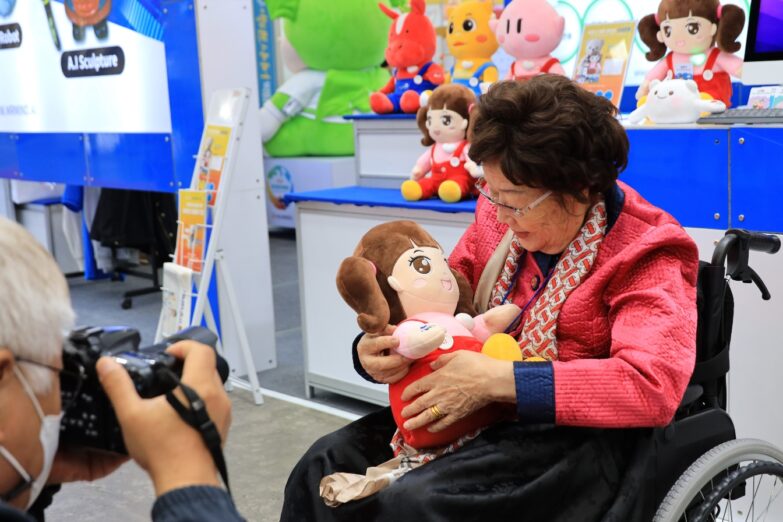
“Technology shouldn't be the exclusive domain of a select few; it should be designed for everyone.”
CEO Kim Dong-won is wary of the flashiness of technology.
"Mr. Mind's ultimate goal is to usher in an era where our services go beyond the realm of caregiving and become a natural part of everyday life. To achieve this, there are many challenges beyond simply launching a B2C product. Above all, the stereotype that 'AI is difficult for the elderly to use' persists."
While the technology is somewhat ready, family members still face challenges regarding acceptance, cost, and psychological barriers to use. He explained, "Therefore, based on public usability and trust, we are working to establish ourselves as a 'proven care partner' in the private market."
Ethical concerns about data processing are also profound. "The people we deal with aren't simply users; they are parents, the core of a family. Therefore, respect is more important than technology, followed by consideration."
In particular, he expressed his caution when handling the emotional data of the elderly.
“Just because something is predictable doesn’t mean you can tell everything. And even when you do tell something, you need to carefully plan who to tell it to, when to tell it to, and how to tell it to it.”
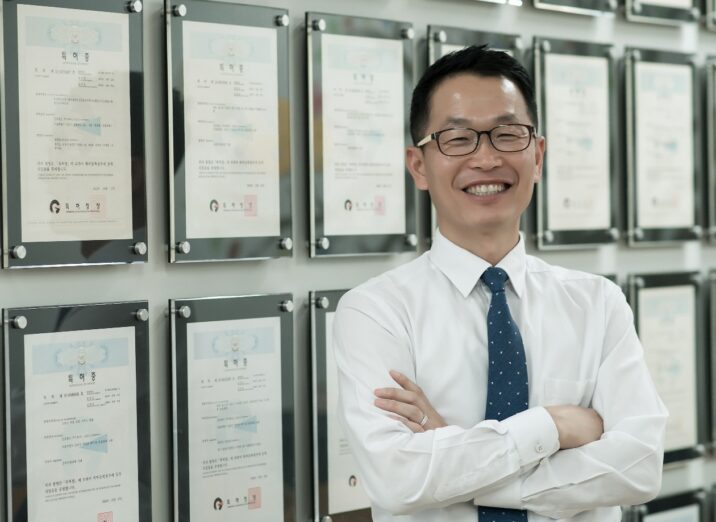
"The 'neighborhood' should be the main body of care."
What's the status of Mister Mind? It's currently operating in 54 regional dementia care centers, but CEO Kim Dong-won appears dissatisfied.
"I want to create an environment where seniors living alone can feel less lonely and can care for their children even when they're far away. We're exploring various options, including subscription plans, insurance-linked products, and even app-less interfaces."
Recently, we established a "Regional Care Convergence Center" and embarked on a project to integrate the entire senior welfare system with AI technology. This includes an early response system, a long-term memory-based care model, lifestyle data analysis, and emotional alerts.
"Care isn't simply a matter of nursing care or product distribution. The community must be the primary source of care. We aim to be the center of that connection."
When asked about the conditions for AI startups to survive in non-mainstream fields, he answered as follows.
"Understanding people before technology, and perseverance without fear of failure. These two qualities are necessary to become a new mainstream."
CEO Kim Dong-won said, “The key elements for AI startups in non-mainstream areas to succeed are ‘persistence to see it through to the end’ and ‘challenge without fear of failure.’” He emphasized, “Focusing on long-lasting problems rather than trends and understanding people before technology are the two things that can make a startup a new mainstream player.”
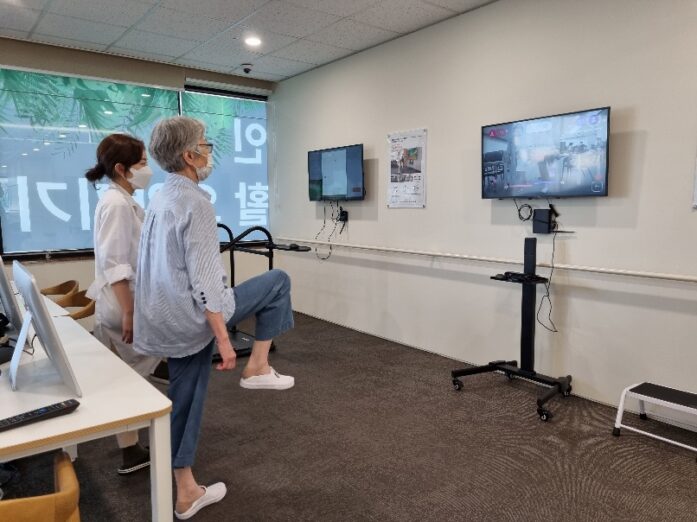
Mr. Mind's AI doesn't talk much. Instead, it sits quietly beside the elderly, reminding them to eat, detecting emergencies, and checking if they've taken their medication.
True to CEO Kim Dong-won's philosophy that "technology doesn't have to be flashy," they quietly carry out the most essential tasks in quiet places. Only time and consumers will tell how far their "warmth of technology" will spread.
You must be logged in to post a comment.