


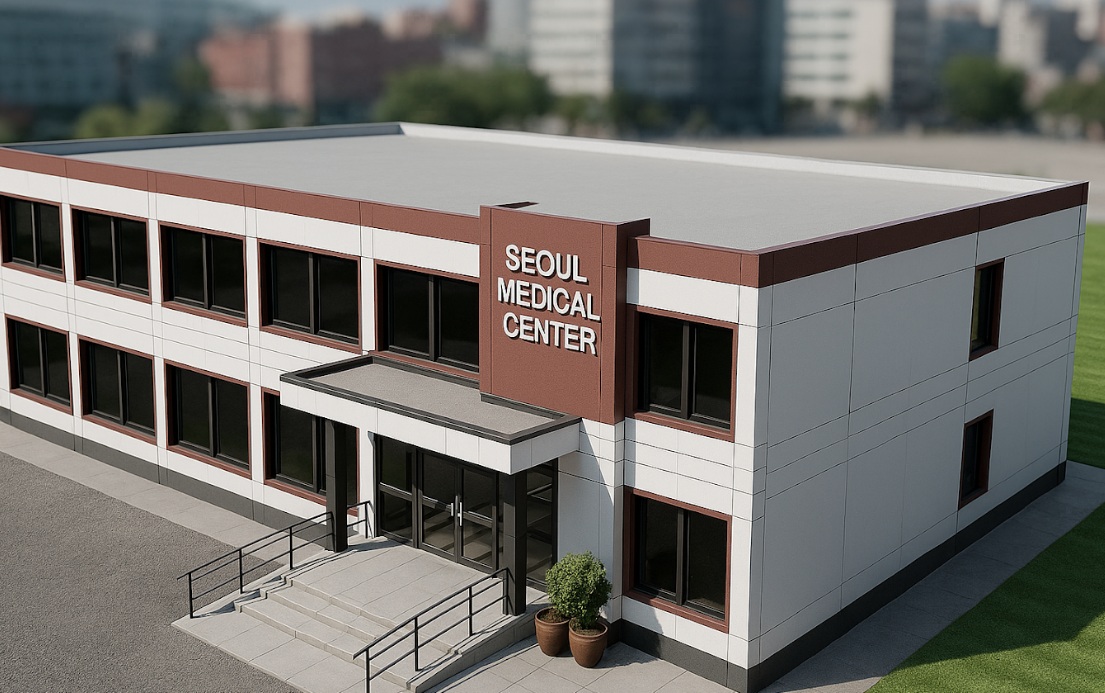
SG Healthcare, an AI-based imaging diagnostic medical device company, announced on the 9th that it has established a local corporation in Almaty, Kazakhstan, and opened its first 'Seoul Medical Center', a next-generation advanced imaging medicine model that combines AI, telemedicine, and medical tourism.
Seoul Medical Center operates based on medical equipment such as magnetic resonance imaging (MRI), computed tomography (CT), ultrasound, and X-ray, developed by SG Healthcare. It also collaborates with Human Imaging Center, Korea's largest remote diagnostics specialist, to provide 100% Korean-style medical services, from examination to treatment. Utilizing the DICOMLINK solution from HealthHub, an integrated medical imaging platform company, the center plans to establish a real-time remote medical treatment system across borders by securely linking and sharing patient examination images and treatment data.
In the future, we plan to introduce a medical tourism service that will connect patients requiring surgery or procedures based on MRI and CT scan results to specialized Korean medical institutions. This will complete a global healthcare value chain encompassing AI-based imaging diagnostic medical device manufacturing, hospital operations, telemedicine, and medical tourism.
Starting with its first branch in Almaty, SG Healthcare plans to expand to 15 branches in major Central Asian cities, including Astana, Kazakhstan, and Tashkent, Uzbekistan, within the next five years, and aims to strengthen its position in the global healthcare market with an average annual growth rate of 30%.
Kim Jeong-su, CEO of SG Healthcare, said, “Seoul Medical Center will not only contribute to the overseas expansion of Korean-style medical services but also to the improvement of Central Asia’s medical infrastructure,” adding, “We will present a new model of global medical services that combines AI-based imaging diagnostic medical devices, telemedicine, and medical tourism.”
- See more related articles
You must be logged in to post a comment.