

The Internet has always been a double-edged sword in smart cities and public infrastructure. While it offers scalability and convenience, it's always subject to limitations from hacking threats. Ultimately, local governments and public institutions have opted for "network segregation regulations." While allowing access only to internal networks prevents hacking, the cost has been steep. Data utilization is limited, and on-site system maintenance remains a primitive, manual process.
However, cracks are appearing in this structural challenge. MOOKER's zero-trust-based security technology locks down data while still allowing it to be utilized. It transcends the limitations of the castle-like security model and offers a way to utilize the internet without the threat of hacking.
Awareness of the problem born on the spot
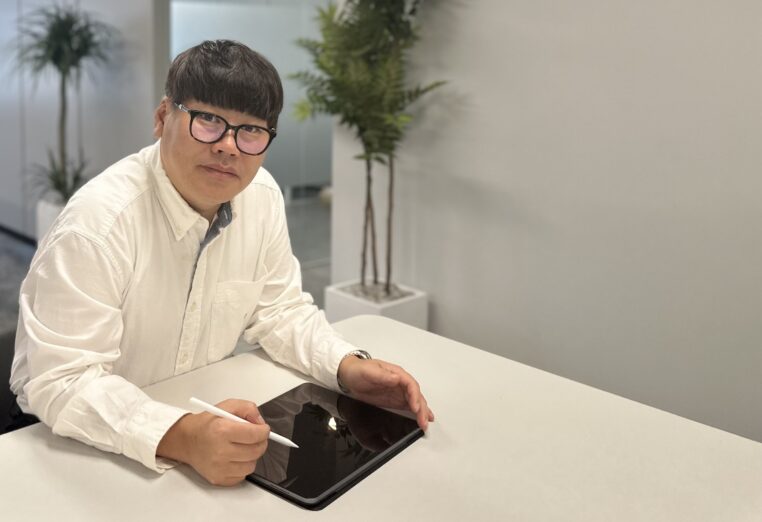
CEO Kang Se-beom is a former Special Forces soldier. After his military service, he majored in computer engineering and embarked on a career as a developer. After completing his master's degree in CCTV image processing, he spent ten years developing an integrated controller and illegal parking enforcement program for local governments.
"I saw the same scene over and over again. Because the internet was blocked due to hacking concerns, every time a problem arose, a team had to travel around the country to check."
AI, big data, cloud computing, and IoT were hot topics at the time, but the field remained a closed loop. CEO Kang Se-beom witnessed this inefficiency and contradiction firsthand, and became convinced that "security that enables safe use of the internet" was the key to a new market.
Mooke's core technology is secure tunneling, which enables compliance with network segmentation regulations even on the Internet. By creating a virtual tunnel for each IoT device, it prevents the spread of hacking and allows access only to authorized devices. It acts as a kind of "digital security gate."
This is being implemented in real-world applications such as public Wi-Fi, smart bus shelters, and smart streetlights. Remote inspection and repairs can now be performed from the Seoul headquarters without having to physically visit the Ulsan site, significantly reducing maintenance costs and accelerating response times to outages. Public Wi-Fi is no longer a source of anxiety for citizens; it has become a trusted service.
He says, “If network separation is a dried persimmon, we are the key to making it eatable.”
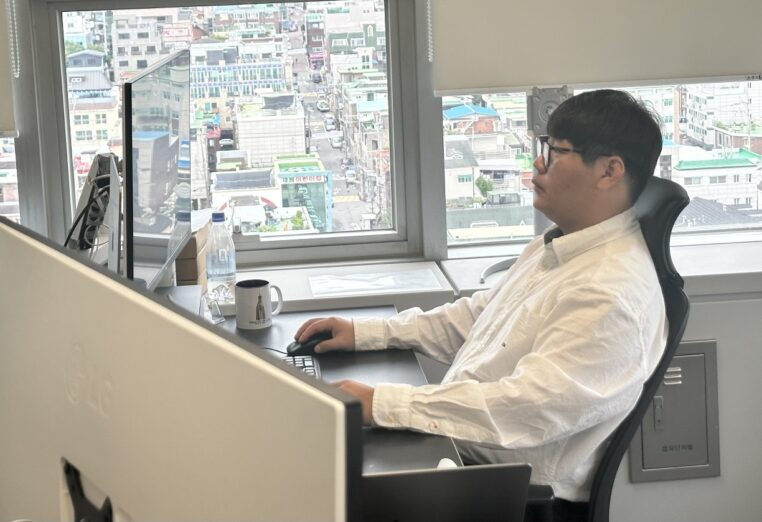
Although Mooke is a small team of four developers, a marketing director, and an external sales partner, it produces results that outweigh its size. Young developers who completed the Seoul Metropolitan Government's "Youth Employment Academy Sprout" program joined the team, fostering a hands-on R&D culture that combines with CEO Kang Se-beom's experience.
Within a year of its founding, the company established itself as a research institute holding five patents. It also participated in the Korea-ASEAN HPC project, providing a secure data zone for research institutes in ten countries. It also expanded its partnerships in ASEAN markets, including Japan, Thailand, and Vietnam, securing a global reference.
Mooker's vision goes beyond providing security solutions.
Phase 1 (~2026): Securing B2G market references
Phase 2 (2027-2028): Entering the construction and residential markets (targeting the KRW 1 trillion apartment wall pad market annually)
Phase 3 (2029~): Collaboration between global construction companies in Southeast Asia and the Middle East, full-scale overseas expansion.
Step 4: Transform into a Cloud Data Analytics SaaS Company
Security is the starting point, and data is the final destination. CEO Kang Se-beom says, "Security is just the beginning," and "the value created by data is our final destination." Securely secured data can help solve urban problems like transportation, energy, and the environment, and improve the quality of life for citizens.
As a certified social venture, Mooker practices ESG management. It restores citizen trust by strengthening public Wi-Fi security and promotes urban innovation through the opening of smart city data. It also contributes to the local community by recruiting and fostering young talent.
CEO Kang Se-beom emphasizes, "Our technology creates a digital safe zone free from hacking threats while also contributing to reducing social costs."
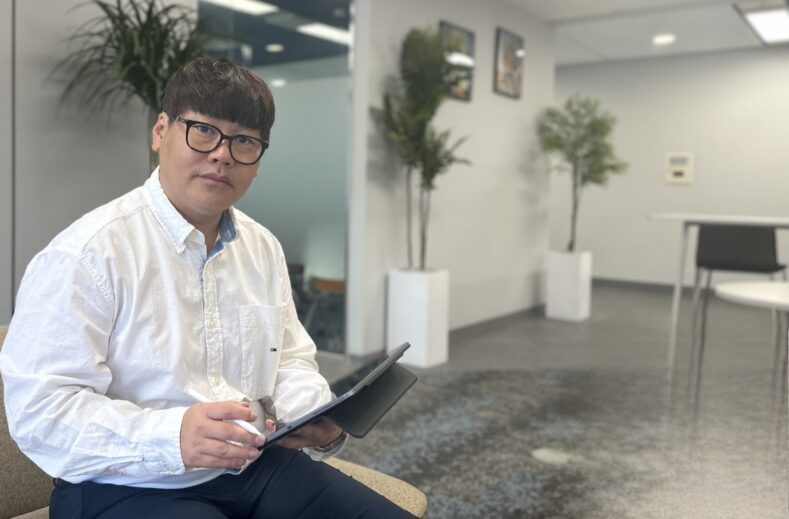
CEO Kang Se-beom's advice to young entrepreneurs is firm.
"Be obsessed with problem awareness. Unsolved problems in the field are the most powerful business ideas."
He cited active utilization of support programs and securing credible technology certifications as early-stage survival strategies for startups. Above all, he believes that only by taking on challenges and moving forward will the path open.
Mooke's journey goes beyond the success of a startup. It's a journey to open previously closed public infrastructure and build a foundation for data innovation. The security shield known as zero trust is the backbone of Korea's smart city.
Even if the walls crumble, the shield remains. The shields wielded by CEO Kang Se-beom and Moo-keo are a formidable weapon that will enable Korean startups to compete on the global stage.
You must be logged in to post a comment.