



“You can’t do that because you’re a foreigner.”
This is the most common complaint foreign workers and students in Korea hear when seeking housing. Regardless of language proficiency or income level, this recurring rejection is a systemic problem, not an individual one.
Diversity House CEO Lee Dong-soo discovered this structural contradiction while helping an English conversation instructor find a home. After interviewing over 70 foreigners, he created a real estate brokerage platform exclusively for foreigners based on a "reverse referral model." Since its official launch in March 2025, the platform has attracted over 3,000 monthly users, 24 partner brokers, and 2,200 listings.
In an era of population decline, his challenge of transforming the issue of foreign housing into a social challenge and business opportunity is attracting attention.
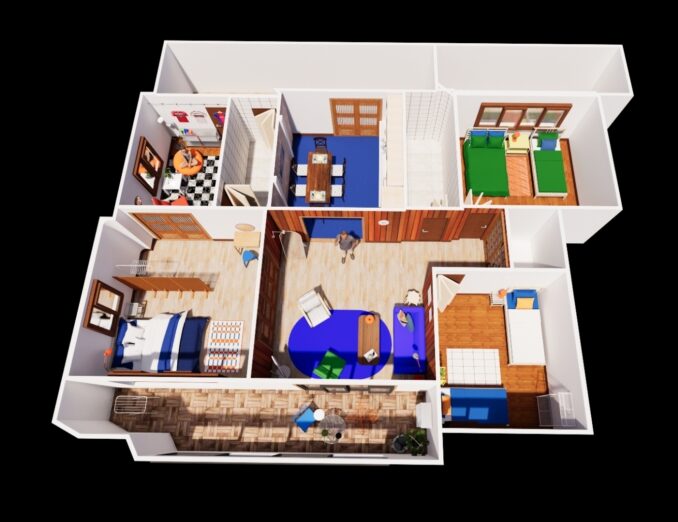
Instructor Daniel's house and the view from his hometown
CEO Lee Dong-soo worked in the urban development project team at Dongbu Construction. Observing how cities and regions change on-site, he developed a keen interest in "improving people's quality of life within cities." While helping Daniel, a foreign instructor he met at an English academy, find housing, he encountered an unexpected problem.
"As I continued to help, I witnessed firsthand how difficult and unreasonable the process for foreigners to find housing in Korea can be. Language barriers, rental refusals, lack of information—the process of helping even one person made me realize that these weren't individual problems, but rather market-wide issues."
The decisive moment was a visit to my hometown. Unlike before, there was a noticeable increase in the number of foreign workers and students in the region.
"I became convinced that this was both a growing social problem and an opportunity to solve it. I realized it wasn't just an inconvenience, but a structural problem."
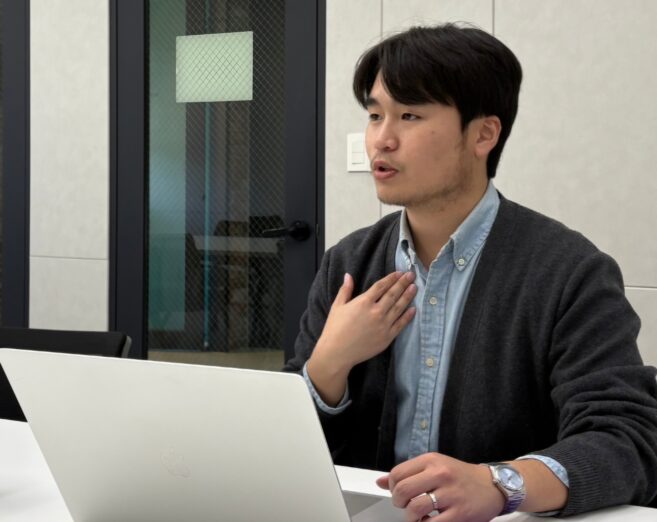
Three Key Issues Found Through Interviews with 70 People
CEO Lee Dong-soo, who decided to start a business, personally interviewed around 70 foreigners living in the Yeongnam region and Seoul. Three key issues emerged.
First, the high deposits make property search difficult. Compared to other developed countries, Korea has a very high deposit compared to monthly rent. Considering the budgets of foreigners, property search itself becomes a challenge.
Second, rental refusals. He explained, "This problem has recurred regardless of language proficiency, occupation, or income level." He added, "On existing platforms, you only find out if a property is available for rent right up until the very end of the contract, which places a significant psychological and time burden on foreigners."
Third, there are language barriers and cultural differences. Even with effective translation tools, the brokerage consultation process hasn't been developed to satisfy foreigners. Even after brokerage, settling in on your own, like separating waste and applying for gas and internet, is difficult.
“These three issues were not a matter of individual ability, but a structural problem in which the system did not take foreigners into account.”
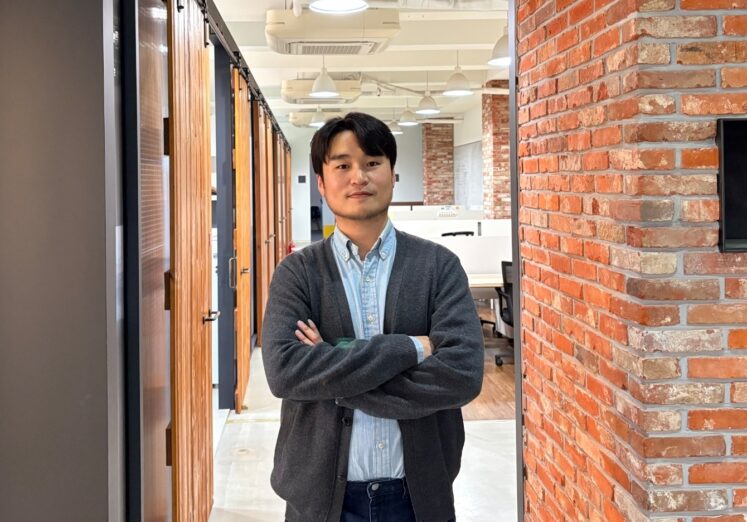
Reverse recommendation model and global network of certified real estate agents
To solve this problem, CEO Lee Dong-soo redesigned the real estate brokerage process into a "reverse recommendation model." This approach selects only available properties based on the listings submitted by foreigners and establishes a global network of certified real estate agents capable of providing multilingual consultations.
"When a foreigner enters their criteria, our local partner brokers recommend and connect them with properties that meet their criteria. Most of the licensed brokers we work with are global licensed brokers selected locally. To address any gaps, our interpreter support managers provide foreign language consultations within the brokerage consultation room."
It took approximately five months to develop the service, from identifying the problem to defining the value proposition, collecting listing data, and establishing partnerships with brokers. The service model was refined through on-site visits to customers, brokers, and regional sites. The team currently consists of four members: CEO Lee Dong-soo, CTO Dr. Han Su-min, who holds a bachelor's, master's, and doctorate in computer science from KAIST, Vicente Onyu, a foreign influencer from Equatorial Guinea, and UX/UI designer Son Jeong-min.
The most difficult problem is persuading the landlord.
The biggest obstacle, of course, was the landlord's refusal to allow foreigners to move in. CEO Lee Dong-soo defines it as "ultimately a matter of trust."
"Trust isn't built overnight, so we're working with licensed real estate agents who have long-standing relationships in the area to address this issue. Diversity House manages everything from moving and settling in to utilities. Our multilingual support staff also provides 24/7 support to ensure you're always connected when issues arise, reducing the burden on licensed real estate agents."
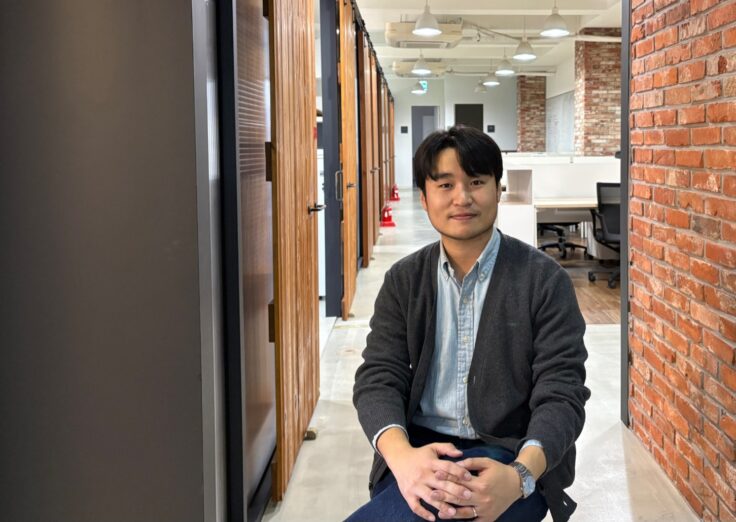
A string of awards, including the 2024 Local Pioneer School Encouragement Award, the 2025 B-Startup FLY Awards Grand Prize, and the Chung Ju-yung Entrepreneurship Competition Excellence Award, demonstrate the company's strong external recognition. The judges highly valued the company's ability to define structural issues in the era of population decline, its on-site verification, and its speed of implementation.
"This award has significantly boosted our credibility in B2B collaborations. As a result, we're creating value-added partnerships with companies that operate co-living homes."
AI Doubles Global Real Estate Agent Productivity
Diversity House is currently preparing an AI brokerage chatbot for licensed real estate agents.
"Our goal is to double the productivity of global real estate agents through AI. Our goal is to make the real estate marketing, brokerage, and contracting process as easy for foreigners as it is for Koreans. Just as designers have Figma and developers have Cursor, we plan to continue developing the tools global real estate agents need."
Five years later, the company has both software and hardware.
CEO Lee Dong-soo clearly presented a vision for the next five years.
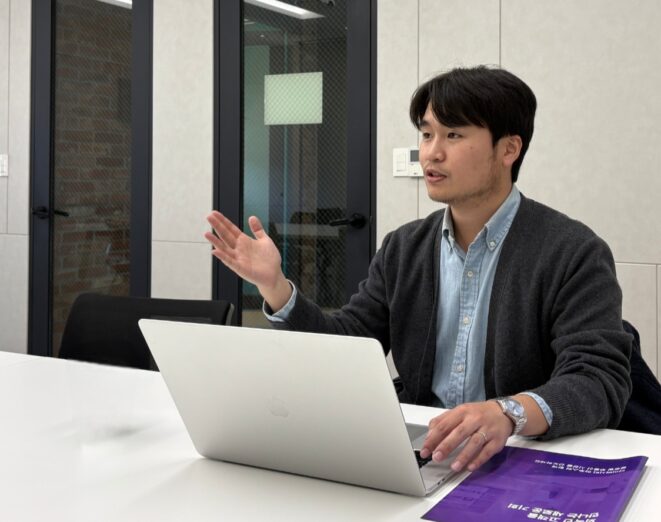
"We will go beyond simply providing a real estate brokerage solution exclusively for foreigners. While we initially started as a B2C-focused brokerage matching service, we aim to become a company that provides both software and hardware for the foreign housing sector. We aim to create an ecosystem that connects not only the home search process but also the infrastructure necessary for settling down and living."
In other words, the long-term goal is to expand into a company that has both software (platforms, AI, chatbots) and hardware (dormitories, co-living, settlement infrastructure) for foreigners.
At the end of the interview, he emphasized, “If you are a real estate agent who wants to create new opportunities through foreign brokerage, a building owner concerned about vacancy, or someone who wants to increase the value of a building through high-income foreign tenants, please contact Diversity House at any time.”
What began as a structural problem discovered while helping a single English conversation instructor find housing has now grown into a platform with 3,000 monthly users. In an era of population decline, CEO Lee Dong-soo's new foreign housing ecosystem is an experiment in pursuing both social integration and business innovation. The success of this experiment will be a key indicator of our society's capacity to embrace multiculturalism.
You must be logged in to post a comment.