


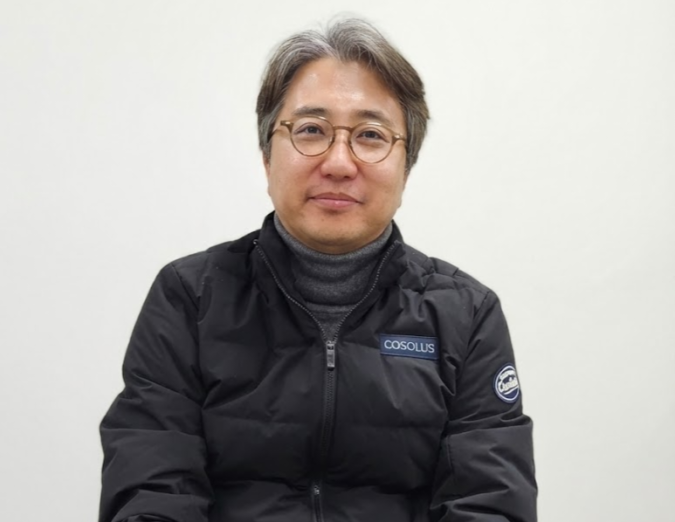
The key process for extracting lithium and nickel from spent batteries involves a chemical called an "extractant." This crucial material was previously entirely imported. While the metal was recovered from the cathode, most of the graphite from the anode was discarded. Kim Seong-hyeon, CEO of Cosolus, observed this structure and thought, "This isn't a true cycle."
Founding Cosolus in 2020, he decided to focus on chemical materials, a key but largely overlooked element in the recycling of used batteries. This involved domestically producing extractants, previously dependent on imports, and repurposing discarded graphite into battery-grade materials. In just four to five years, he expanded three factories and research centers in Gunsan, Iksan, and Wanju, creating a true cyclical structure for used batteries.
Localizing the Heart of the Process
"While recycling of used batteries is considered a national strategic industry, I started my business with the question of why all the chemical materials that go into the core of the process are imported."
In 2020, when CEO Kim Seong-hyun was preparing to launch his business, waste battery recycling was already a major trend. However, most attention was focused on recycling efficiency and the price of recovered metals. A closer look at the actual process revealed that the key ingredient in extracting lithium, nickel, cobalt, and manganese from waste batteries was the solvent extractant. Despite being the most crucial material in the waste battery recycling process, it was largely ignored. The extractant was entirely imported, constantly plagued by price, supply stability, and regulatory issues. He decided to change this structure. Cosolus began by addressing the most vulnerable points in the battery recycling process with domestic technology.
The circulation of all materials, not just metals
Most discussions about recycling focused on how much metal could be recovered from the cathode material. In practice, only the cathode metal was recovered, with most of the graphite from the anode material being discarded. CEO Kim concluded that this wasn't true resource recycling.
“I wanted to create an ecosystem where all materials are recycled, not just metals.”
Cosolus adopted a structure that simultaneously produces extractants for cathode material extraction and high-purity regenerated graphite from recycled anode materials. The goal was to create a complete ecosystem that recycles the entire battery after use. Their ambition was to create a truly circular structure for secondary batteries.
Designed exclusively for Black Mass, RECYION
Cosolus' RECYION series is the first extractor designed in Korea. It's not simply a replacement for imported products.
“It was designed specifically for Black Mass from the molecular design stage.”
According to CEO Kim Seong-hyeon, the chemical structure was adjusted to increase metal selectivity and optimize extraction efficiency. By making it resistant to heat and chemical reactions, the extractant can be reused multiple times. A key differentiating factor is that it can be tailored to each company's recycling process requirements. Compared to imported extractants, it offers greater selectivity for extracting only the desired metals, and less can be used to achieve the same recovery rate.
Through RECYION, Cosolus aims to address three key challenges: stabilizing supply through localization, increasing metal selectivity and process efficiency, and creating an environmentally friendly process that reduces waste.
Turning discarded graphite into carbon assets
High-purity regenerated graphite is a key technology for solving the challenging challenges of the anode materials market. Cosolus is developing products through both recycling and upgrading. The biggest challenge has been the difficulty in predicting raw materials. The purity and composition of used batteries vary depending on the manufacturer, lifespan, and usage environment. Contaminants can also be added during the shredding and sorting process. Simultaneously achieving purity, yield, and performance has been a major challenge.
“The key was to find a balance between cost and process efficiency while still achieving performance close to that of conventional graphite.”
Cosolus is designing a high-quality recycled graphite production system and conducting objective performance evaluations in collaboration with external testing agencies.
He sees a broader future for regenerative graphite.
"Recycled graphite is a finished product for battery recycling and a carbon platform that can expand into new materials markets, such as heat-dissipating, flame-retardant, and conductive materials."
The goal is not to simply rescue graphite from waste, but to transform it into an asset that creates new value.
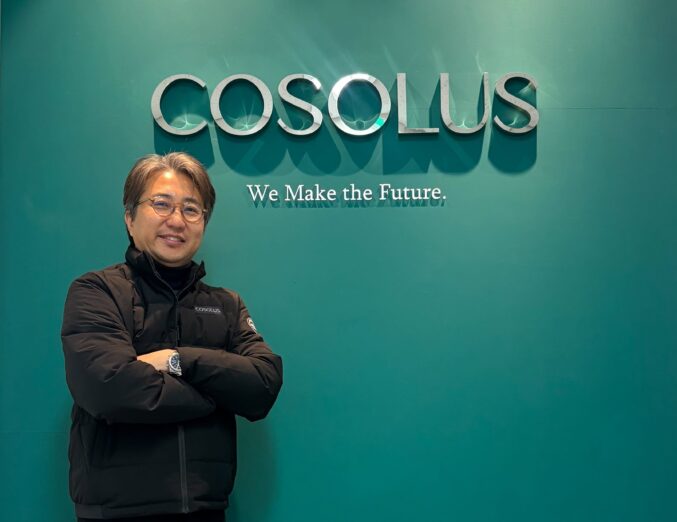
3 factories, strategic deployment by process
The expansion of three factories in Gunsan, Iksan, and Wanju in North Jeolla Province was an investment of unprecedented speed for an early-stage startup.
"Combining the three processes—the cathode material extractant, high-purity regenerated graphite, and functional resin—into one location creates interference between processes, complicates safety and environmental permitting, and slows down investment."
Cosolus divided its processes and deployed them in industrial complexes equipped with infrastructure tailored to their specific needs. By assigning specialized roles to each business unit, the company was able to efficiently build its system. While this may be a significant investment for a startup, the company recognized that securing facilities from the outset was crucial to gaining credibility in the used battery and materials markets.
The Wanju plant recycles cathode materials from used batteries. Its role is to expand applications through upgraded recycling and establish a foundation for the production of recycled cathode materials. Cosolus achieved both ISO9001 and ISO14001 certifications early on.
"Handling waste battery materials means being subject to risk, precision, and environmental regulations from the start. We believed that ISO standards should be the foundation from the beginning, not an afterthought."
The reason for taking on the initial burden of securing ISO certification at the same time was clear. In an industry where companies must pass multiple audits from both clients and regulatory agencies, even if they claim "good technology," it's difficult to gain recognition if the quality system and environmental and safety management aren't systematic.
“Although Cosolus is a small company, we wanted to clearly demonstrate that our quality and environmental systems operate according to global standards.”
The keywords for internal manufacturing standards are consistency, transparency, and proactive management. We minimize deviations during each production run, record and share all conditions, changes, and incidents, and manage risk factors.
Cosolus has won numerous government projects, including those from the Korea Environmental Industry & Technology Institute, Scale-Up TIPS, and Climate Tech. The selection criteria for these projects are clear: whether they can create new supply chains, contribute to industrial development, and contribute to human sustainability.
"If we can create a resource circulation structure for the secondary battery industry, a national strategic industry, we can transform our resource-scarce country into one that utilizes waste batteries to produce resources."
Cosolus's work lies at the intersection of battery, resource, and climate policy. This is because key raw materials like lithium, nickel, and cobalt must be sourced from spent batteries rather than mines, and in the process, wastewater and greenhouse gases must be reduced.
The public significance is threefold: contributing to resource security by reducing supply chain risks through domestic technology; reducing greenhouse gases, wastewater, and solvents in the resource production process through recycling instead of mining, thereby contributing to climate change response; and creating a new battery, chemical, and carbon industry hub in the Jeonbuk region.
Cosolus attracted investment in succession from 2023 to 2024. Investors highly valued its technological prowess, unique in South Korea, as the company's ability to design and produce key metal extractants. Financial and decision-making transparency, along with securing a talented workforce, were also key factors in the evaluation.
What are Cosolus' specific competitive advantages in the global market? Its proven ability to simultaneously recycle and upgrade the positive and negative electrodes of used batteries, and its ability to produce customized extractants and recycled graphite using proprietary designs, demonstrating agility that sets it apart from global competitors.
"Cosolus defines itself as a 'chemical and carbon materials essential for the use of renewable raw materials and safe chemical materials' in the secondary battery industry. As long as we maintain this position, we can maintain a differentiated competitive edge in the global market."
The secondary battery recycling market is expected to undergo significant changes over the next decade. CEO Kim Seong-hyeon has a clear understanding of the trends in Korea's waste battery industry. While the initial goal was to safely process discarded batteries, the competition now centers on how efficiently nickel, cobalt, and lithium can be recovered. Up until now, competition has revolved around equipment and processes.
As we approach 2030, material, environmental, and ESG indicators will increasingly be required, such as: "How much recycled metal is actually incorporated into the cathode material?", "How much recycled graphite is reused as anode material?", and "How much carbon dioxide, wastewater, and solvent waste are reduced when processing one ton?"
Ultimately, the waste battery industry will shift from a "waste disposal industry" to a "resource industry producing reusable materials." Cosolus has established its direction based on this "materials- and environment-centric" era of waste batteries. It will serve as an intermediary hub connecting the waste battery recycling process with the cathode and anode materials markets.
The technological goals we aim to achieve by 2030 are also clear. For cathode materials, we aim to quantify the proportion of Corsolus products used in anodes containing recycled metals. For anode materials, we aim to provide specific information on the percentage of high-purity recycled graphite used domestically. Looking further into the future, we aim to expand the application of upgrading recycling, where resources derived from spent batteries are continuously converted into secondary and tertiary materials.
CEO Kim Seong-hyeon defined the future of Cosolus in one sentence.
“Cosolus’ chemical technology is increasing humanity’s sustainability.”
CEO Kim Seong-hyeon is creating a world where waste batteries aren't simply processed, but where new materials are designed within them. He's working to domestically produce extractants, previously dependent on imports, reclaim waste graphite as a carbon asset, and create an ecosystem where anodes and cathodes circulate together. Collaborating with recycling companies like Sungil Hitech and EcoPro C&G, Cosolus is setting a new standard for a circular economy for waste batteries. From a resource-poor country to a resource-producing nation, from a waste disposal industry to a high-value-added resource recycling industry. This is the new map Cosolus envisions for waste battery recycling.
You must be logged in to post a comment.