



Contec , a total solutions company for the space industry, announced on the 14th that it has been selected as the preferred bidder for the 'Development of a Greenhouse Gas Observation Micro-Satellite – Control and Reception Technology Development (2025-2028)' project commissioned by the Ministry of Climate, Energy and Environment (National Institute of Environmental Research).
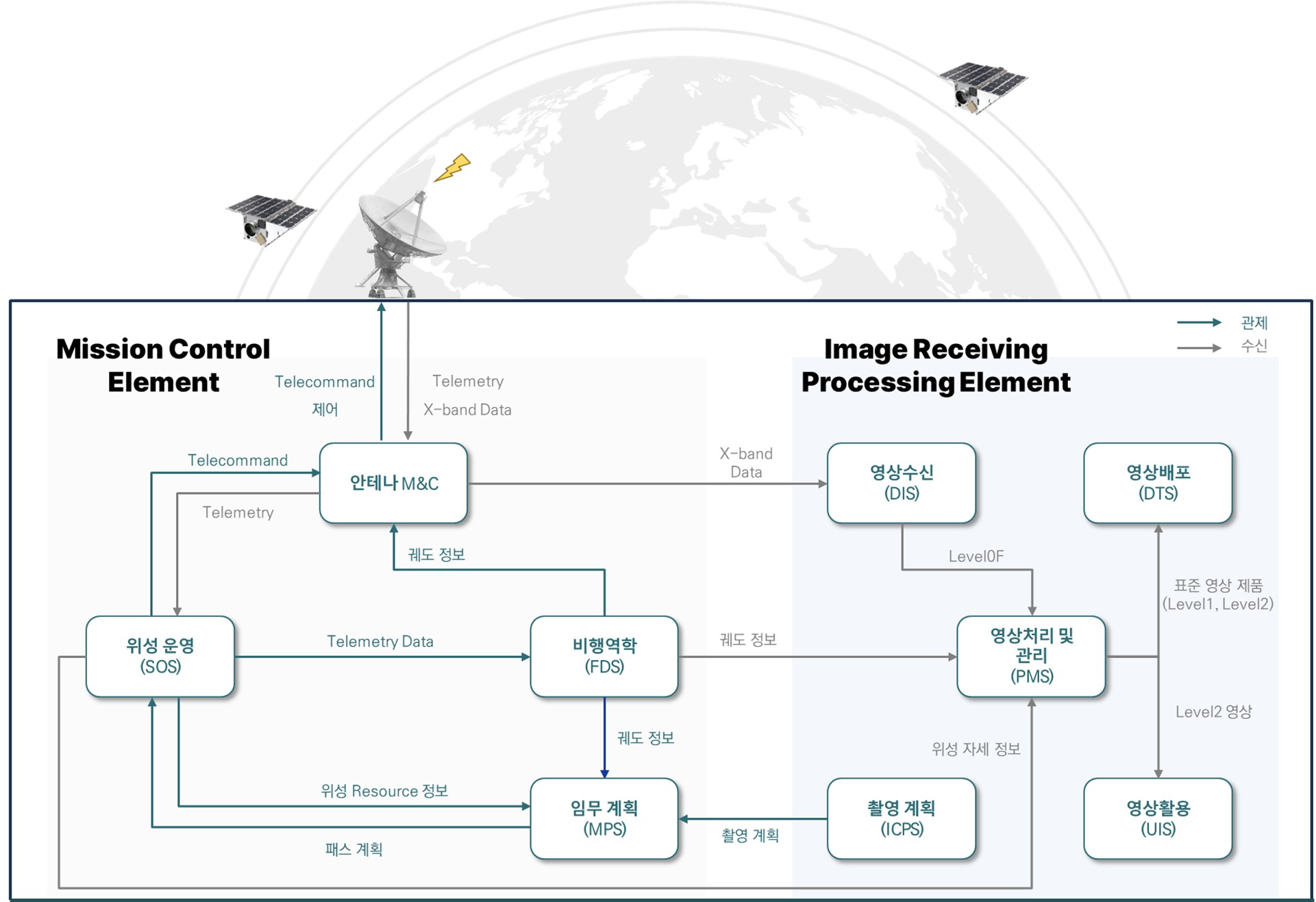
This project is a key initiative to support the achievement of carbon neutrality by 2050. It is responsible for building ground infrastructure, including the development of control, reception, processing, and utilization systems required for the development of five ultra-small greenhouse gas observation satellites currently being promoted by the National Institute of Environmental Research.
Through this project, CONTEC plans to establish an integrated ground station system, including a satellite control and reception system, and establish a foundation for connectivity with the geostationary environmental satellites currently operated by the National Institute of Environmental Research. The ultra-small greenhouse gas observation satellites are scheduled for launch in 2027, with satellites 2-5 scheduled for 2028. Upon completion, they are expected to enable the establishment of a wide-area monitoring system for air pollutants and greenhouse gases.
CONTECT plans to contribute to the advancement of the national greenhouse gas observation network by developing control and reception technology capable of simultaneous operation of multiple satellite clusters, high-reliability data processing technology, and a linkage system.
“I feel a great sense of responsibility to be participating in a project to address the future environment and climate,” said Lee Seong-hee, CEO of Contec. “We will leverage the company’s total solution capabilities, including its ground station network and satellite data processing, to build a highly reliable greenhouse gas observation network.”
- See more related articles
You must be logged in to post a comment.