



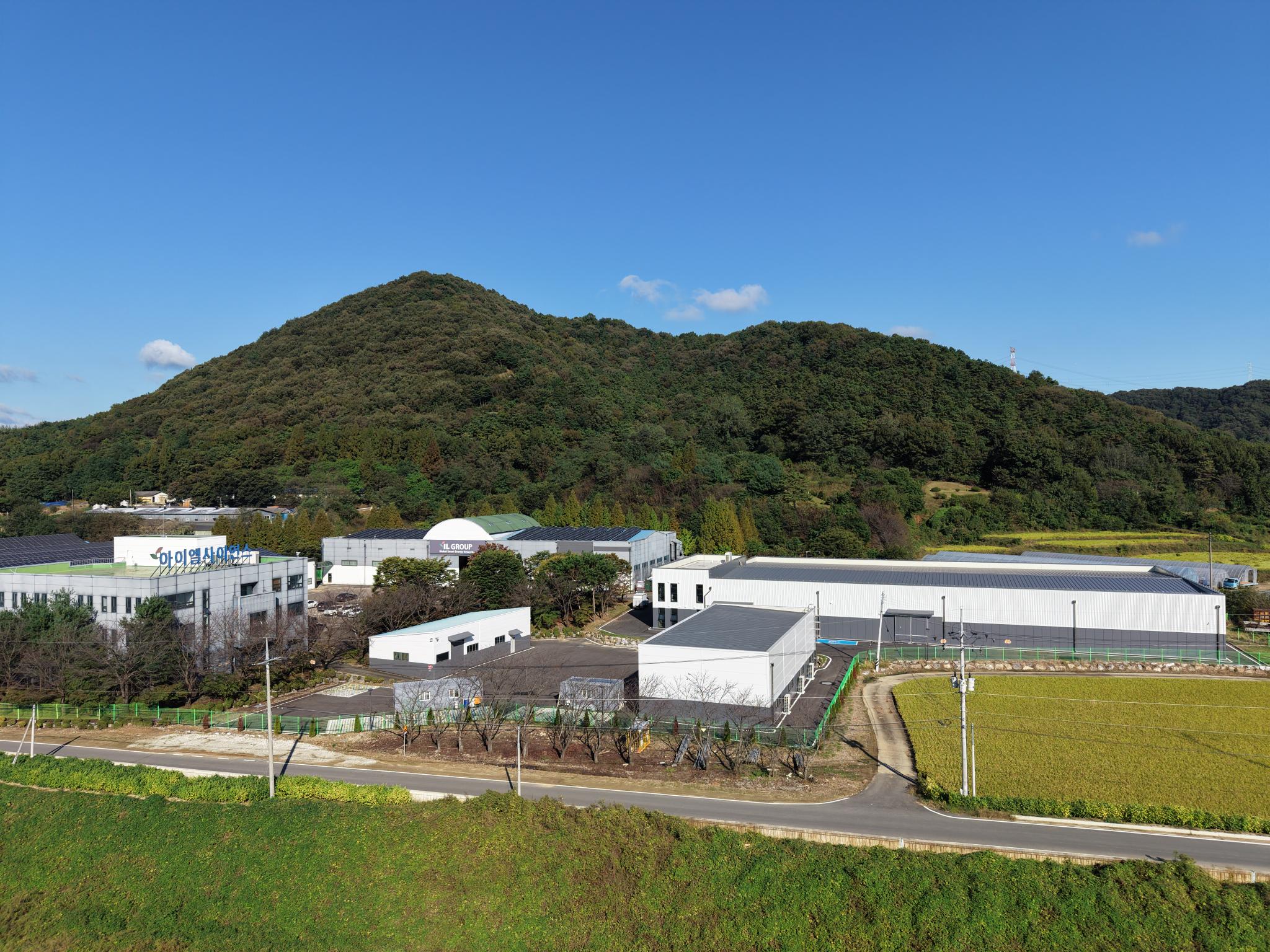
IL (CEO Song Seong-geun), a leading technology materials company, announced on the 20th that it is embarking on a group-wide intelligent, fully automated project centered around its Cheonan Smart Factory. The project focuses on enhancing production processes using humanoid robots, and aims to establish a fully unmanned production system through the convergence of AI, robotics, and sensor technology.
This project goes beyond simple automation expansion and is being pursued as a strategic measure to simultaneously strengthen three key manufacturing competitiveness elements: ensuring quality consistency, reducing costs, and improving delivery responsiveness.
IL previously established a "one-stop production system" through the relocation of its subsidiary IL Cellion to the Cheonan Smart Factory, and this automation project is the next step toward a comprehensive digital transformation of the manufacturing process and production innovation.
In recent years, the global manufacturing industry has seen an increasing number of humanoid robots being introduced into production sites, performing complex tasks such as material transport, assembly, and inspection. The combination of robots and AI technology is enabling the performance of non-routine tasks, overcoming the limitations of existing automation systems.
According to global investment institutions such as Morgan Stanley, the humanoid robot market is expected to grow to approximately $60 trillion (approximately 800 trillion won) by 2035, indicating the potential for expanded use in the manufacturing industry.
AI-based humanoid robots are capable of performing autonomous functions such as recognizing the location and shape of parts, optimizing tasks, and adjusting process sequences. This is expected to enhance operational performance in various aspects, including flexibility and efficiency of production processes and securing unmanned operation time.
IL plans to collaborate with IL Mobility to introduce humanoid robots to its Cheonan Smart Factory, automating key tasks such as material transport, assembly, packaging, and quality inspection. In the mid- to long-term, the company plans to complete an unmanned production system and use it as a model for innovation in production.
A company official said, “Humanoid robots are no longer a technology of the future, but are becoming a core infrastructure in manufacturing sites,” and “Through unmanned automation systems that combine AI, robots, and sensor technologies, we can secure not only productivity but also quality and workforce stability.”
He also said, “IL plans to advance fully automated technology centered around the Cheonan Smart Factory and expand its application to various manufacturing fields, including the mobility industry,” adding, “We will focus our capabilities on presenting a competitive intelligent production system model not only in the domestic but also the global manufacturing market in the future.”
- See more related articles
You must be logged in to post a comment.