



"We're not a company that sells advertising. We're an experiential platform that enhances the quality of the space we call Prime Office and occupies the daily lives of the employees who live there."
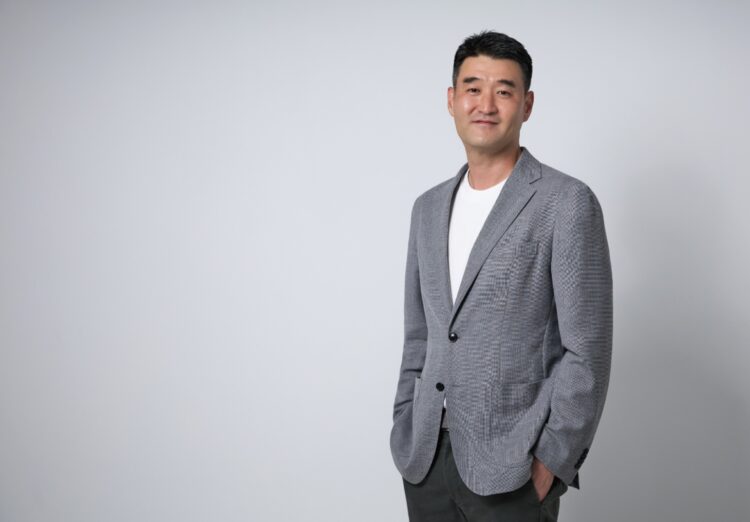
Oh Chang-geun, CEO of Spacead, spoke with a firm tone. His strategy, which conquered the domestic prime office media market in just a few years since his 2017 founding, paradoxically began with "reducing the power of advertising." As of January 2026, Spacead has secured over 800 landmark buildings nationwide, more than five times the gap with the industry's second-largest competitor. Beyond offices, the company is expanding into living spaces and the global market.
The Aesthetics of 172 Seconds: Capturing Context, Not Just Viewing
The data that CEO Oh Chang-geun focused on was the average time it takes to wait for and board an elevator: 172 seconds. This equates to an average of 4.4 times a day, which adds up to approximately 12 minutes. However, he doesn't define this time as simply viewing time.
"Advertisements fail not because they're too short, but because they lack context. Suddenly interrupted by loud noises or unwanted information is just noise. The elevator is a place of safety and trust, where surrounding noise is blocked out and attention naturally lingers. We don't try to force persuasion. We simply suggest an experience that becomes part of the space and naturally permeates it."
In fact, Spacead's media programming is unconventional. Commercial advertising is limited to 50%. The remaining half is filled with non-commercial content, such as art galleries, healing videos, and CEO insights, that stimulate intellectual curiosity or provide relaxation for office workers.
A space partner that communicates in the language of real estate.
CEO Oh Chang-geun, a former asset management company employee, has a background that is deeply embedded in Spacead's business model. He persuaded space owners not through the language of advertising, but through the language of assets.
He explained, "From a space owner's perspective, the most sensitive factors are the decline in building value and risk." He added, "We designed hardware that creates a sense of unity within the interior and implemented a construction method that ensures perfect restoration. Rather than asking for billboards, we proposed improving the building's environment and enhancing tenant satisfaction at no additional cost, which was effective."
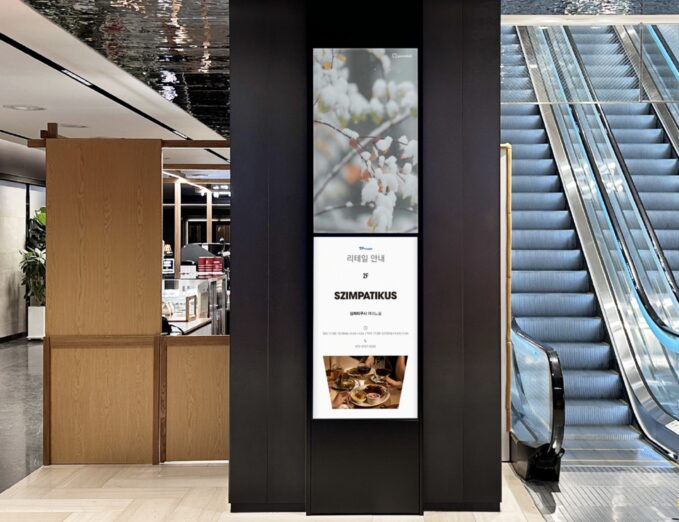
The results are borne out by the numbers. Twenty-five percent of all contracts were made through referrals from existing space owners. The renewal rate for buildings initially contracted reached 100%. The two-tier media tower, in particular, features building announcements at the bottom and content at the top, providing owners with a justification for their operations and users with practical information.
The value of premium created by a silent philosophy
In the digital outdoor advertising market, stimulating sound is a temptation that's hard to resist. However, CEO Oh Chang-geun boldly opted for silence. This stems from his philosophy of minimizing user fatigue, considering the inherent nature of the workspace.
While removing sound did pose a challenge, some ad campaigns were abandoned. However, this approach allowed the company to secure access to some of South Korea's most demanding prime offices. Instead of sound, the company optimized subtitles and enhanced the visual presentation of its professional creative team, ensuring greater advertising effectiveness. He emphasizes, "This is the result of choosing the quality and sustainability of the medium over short-term profits."
CEO Oh believes offline advertising must evolve into a measurable field, much like digital advertising. SpaceAd provides advertisers with quantitative data, including dwell time, target viewership, changes in awareness through surveys, and trends in search volume before and after ad execution.
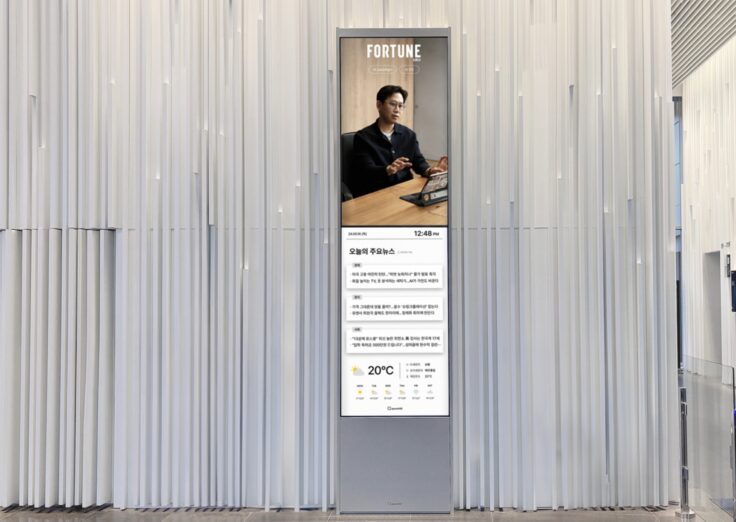
We also focused on user feedback. Reflecting feedback that the screen was scrolling before users could finish reading, we increased the content length from 15 to 20 seconds and reduced the amount of text.
"These detailed operational systems come together to create SpaceAd's uniquely powerful, repeatable experience. We will become a medium as popular as TV, yet measurable as digital."
Spacead is more than just a media company. They are business designers who understand that occupying space means occupying people.
CEO Oh's financial savvy allowed him to build a sophisticated model that generates profits without compromising asset value. The secret to maintaining profitability, with annual sales of 25-30 billion won and a corporate value of over 80 billion won, lies in addressing the needs of space owners and users, not advertisers.
SpaceAdd, which aims to secure 1,200 buildings by 2028, is now seeking to expand into new services for office workers, including steering, quarantine, and membership. This marks the beginning of a space business that goes beyond installing physical screens to manage the entire lifestyle of a specific space.
In CEO Oh Chang-geun's words, "What I fear is not the economy, but the decline in user favor toward our media," we see a future for media that goes beyond mere advertising platforms.
You must be logged in to post a comment.