



Traditional liquor is an industry with high barriers to entry. The burden of purchasing is high, and failures often lead to consumer abandonment. Monthly Weekly has addressed this issue with an "experience-based tasting" model. By offering 100ml samplers as a subscription service before selling bottles, the barrier to entry is lowered.
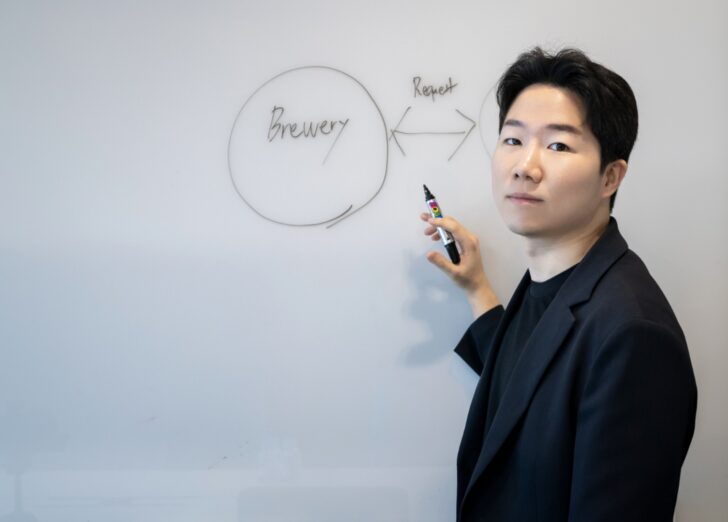
What the company focuses on each month isn't the alcohol itself, but consumer preferences. The subscription service collects customer preference data, which is then used to develop new private label liquors. According to the company, approximately 11,000 taste data points have been collected to date, with approximately 15% of subscribers purchasing regular bottles after tasting, and a three-month retention rate of 60%.
CEO Son Jong-chan studied winemaking and distribution at UC Davis, gaining firsthand experience with the Napa Valley wine ecosystem. "Wine is not simply a liquor product; it's a vast industry that combines region, culture, agriculture, branding, and tourism," he explains.
After returning to Korea, I discovered the same structure in the Korean traditional liquor market. However, the traditional liquor industry faced several challenges, including a lack of distribution data, branding, standardization, lack of consumer experience, and fragmentation between manufacturing and distribution.
“Rather, I saw it as an opportunity because there were so many problems.”
So, the approach we chose was a branding innovation. While most traditional liquor companies focus on sales innovation, we focused on realizing our brand identity through the substance of alcohol. This approach involved designing the brand's attributes—from type and alcohol content to ingredients, flavor, design, and even storytelling—into the liquor recipe.
This is why seemingly unrelated organizations and brands, such as soccer clubs, YouTube creators, and local cultural heritage sites, visit every week and month. Customer preference data is profiled based on sweetness, acidity, aroma clarity, alcohol content, type of alcohol, and food pairings. Some brands are currently conducting pilot projects with their customers, linking this data to the planning and development of private label alcoholic beverages.
The market CEO Son is focusing on isn't the traditional liquor market itself. He explained, "The corporate private label liquor market is expected to grow to 1 trillion won by 2030," and "There's currently no company that can standardize and supply this market." This includes corporate custom liquor gifts, fan merchandise, F&B pairings, and tourist attraction branding.
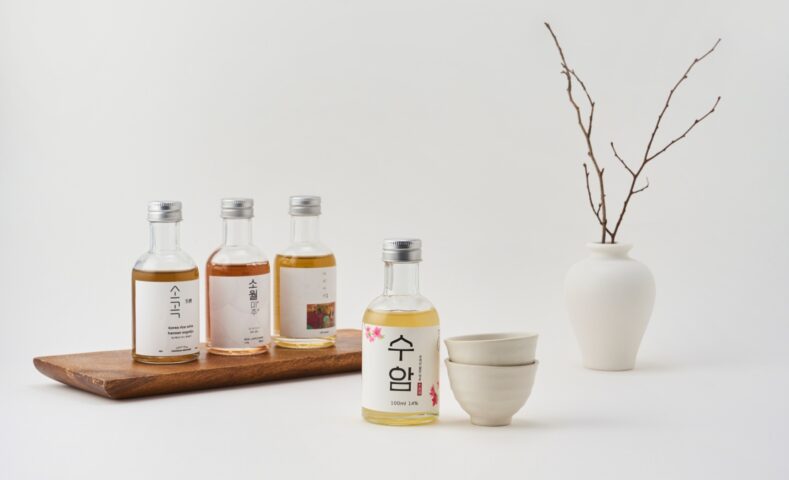
Monthly Weekly is more than just a liquor planning company. It aims to be a manufacturing platform that provides integrated services, from data-driven product planning and recipe development to production, product design, and logistics. He explains, "We're positioning ourselves within the industry as a 'liquor development SaaS.'" To date, they've produced 118 private label liquors and serve approximately 60 B2B clients.
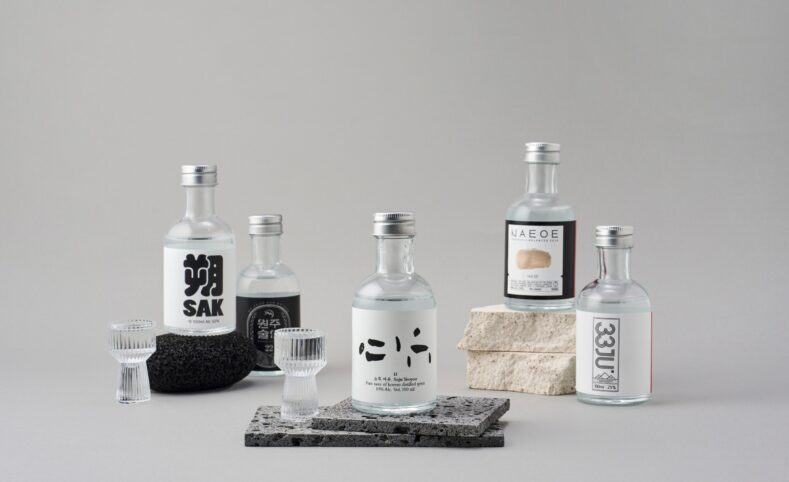
Furthermore, the company relocated its headquarters to Gimcheon, Gyeongsangbuk-do, shifting its manufacturing focus to the brewery. Contrary to concerns, improvements in production quality, recipe adjustments, and collaboration with local breweries have accelerated. He states, "The digital transformation of the traditional liquor industry begins not in our Gangnam office, but in local breweries." While establishing standards with local breweries, the company is also preparing to expand its manufacturing infrastructure and expand exports.
Expertise in service experience is also emphasized. The monthly subscription includes tasting notes and a pairing guide. He views these as tools to assist in making practical choices, rather than simply evaluating sensory experiences. CEO Son explains, "The most Korean pairings can be described by four keywords: food pairing, sweetness, product price, and purchase purpose."
He plans to sequentially advance technology, expand manufacturing infrastructure, and expand into the global market through monthly TIPS selection and pre-A investment. He emphasizes, "Ultimately, I hope our drinking culture will transition from 'the era of choosing your favorite drink' to 'the era of making your favorite drink.'"
He is confident that just as the beauty industry has seen the proliferation of personal brand products and the market growth, the liquor industry will also shift from factory-made liquor to the era of personal branded products.
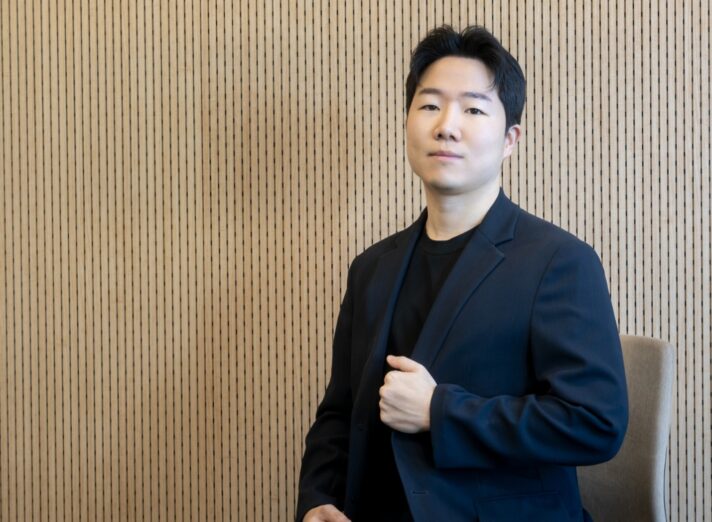
“We aim to be a company that provides the manufacturing infrastructure and branding of the era in an easy-to-use manner, every month and every week.”
You must be logged in to post a comment.