



When you think of food trucks, you think of street food. But Park Sang-hwa, CEO of Food Travel, sees things differently. Launched in Busan in 2017, Food Travel grew into a B2B platform called Gift Truck, which sends food trucks to corporate events. Since then, the company has shifted its focus to a market warehouse business that discovers and nurtures local brands. The company, which had sales of 97 million won in 2020, is projected to surpass 11 billion won in annual sales by 2025, a growth of over 100 times in just five years.
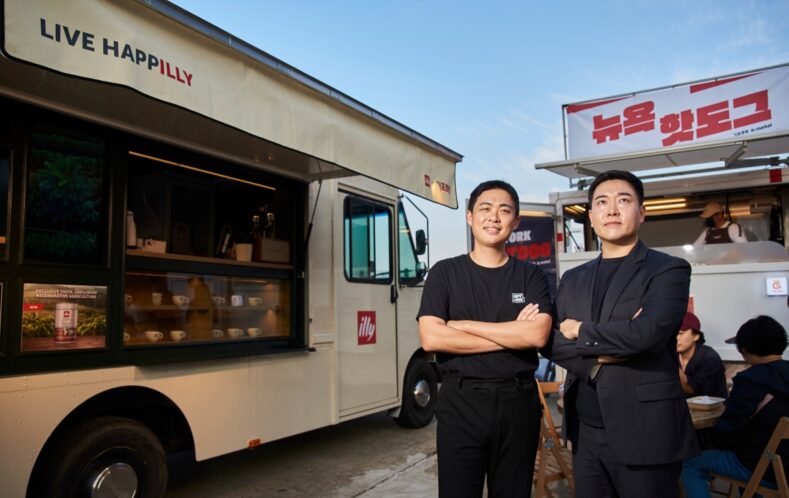
At the center of this transformation is Market Warehouse. Launched last year, "Port Village" and "Christmas Village" are planned events with their own unique worldviews, attracting an average of over 20,000 visitors per day. At the end of April, Market Warehouse will open a permanent location in Busan's Munhyeon Financial Complex BIFC2. Starting as a food truck, the company has evolved into a space-creating company.
CEO Park's journey began when he studied food trucks in Europe during his college years.
"Why aren't food and food trucks the main attractions of festivals in Korea? I headed to Europe to find the answer. It wasn't just about learning how to cook; I wanted to experience how food truck culture connects cities and people."
Traveling to local festivals and plazas, he saw people naturally chatting and laughing in front of food trucks. Food wasn't just a consumer product; it was a medium for creating experiences and relationships. Working with the Utah Cupbop team in the US, he learned even more clearly. They prioritized brand storytelling over menus, designing each bowl of food as a cultural experience. He was convinced that this approach would work in Korea. Upon returning to Korea, he built and operated a food truck. From vehicle design to sanitary facilities and administrative procedures, it wasn't easy. The words a family exchanged at the truck during its early days still serve as a benchmark.
“Today feels like a small festival.”
Park believes the role of food trucks lies not simply in selling food, but in creating festive moments in people's daily lives. He founded Food Travel in Busan in 2017. Busan, a city brimming with tourism, festivals, and port logistics, was ideal for experimentation and expansion. At the time, the Korean food truck market was unstructured, but he saw an opportunity to grow within it as a platform.
Food Travel's growth strategy was clear. It created a structure completely different from typical delivery apps. Rather than focusing on small, short-distance deliveries, it adopted a B2B-based, high-volume operation model, transporting hundreds to thousands of servings of food nationwide.
"We plan and deploy food trucks for events with clear objectives, such as corporate events, public institution events, and brand campaigns. Rather than simply connecting orders, we analyze the event's purpose, brand personality, and local characteristics to design a customized experience."
Gift Truck is a platform designed to enable companies to offer unique experiences to their customers, employees, and communities. When a company inquires, Gift Truck doesn't simply assign a truck. Instead, it first analyzes the event's purpose, audience, and expected outcomes. Based on this accumulated data, Gift Truck proposes the right food truck and concept, and it takes responsibility for everything from on-site operations to reporting results.
We currently have data on approximately 4,100 corporate clients and over 1.8 million B2B2C customers. We analyze factors such as purpose, age, regional menu preferences, seasonal responses, and dwell time to provide more refined suggestions. Rather than being a brokerage platform, we operate more like a planning agency that plans and operates on-site customer experiences.
He recalled, "The first year of COVID-19 was both a great crisis and an opportunity. In fact, many people say it was all thanks to COVID."
Despite the decline in large-scale offline events, the company created new customer demand by developing new services, such as corporate gift trucks, drive-throughs, and decentralized events. The crisis validated the flexibility and scalability of the model, and most importantly, it strengthened the fundamentals of its members and organizational culture. A key reason for achieving approximately KRW 15 billion in sales over the three years following COVID-19 was its B2B-focused strategy. It built trust-based contracts with corporations and public institutions, resulting in a high rate of repeat business.
Market warehouses are now at the heart of food travel. While food trucks are a mobile experience, market warehouses are a spatial one. They plan themes based on local ingredients and stories, and each season they create new narratives.
"While traditional markets and food courts are sales-focused spaces, Market Warehouse focuses on storytelling and experiences. We aim to grow beyond a simple F&B company into a food entertainment company that connects people, brands, and spaces through food."
Food isn't just a simple consumer good. It's a precious commodity that shapes the human body and mind. It's also what makes people smile and brings them happiness most often and quickly.
"Where did the ingredients in the food you're eating come from, by whose hands? How long did the person who created this dish love their craft? If you eat knowing these stories, I believe it becomes more than just food; it's a medium through which you can experience someone's lifestyle and attitude."
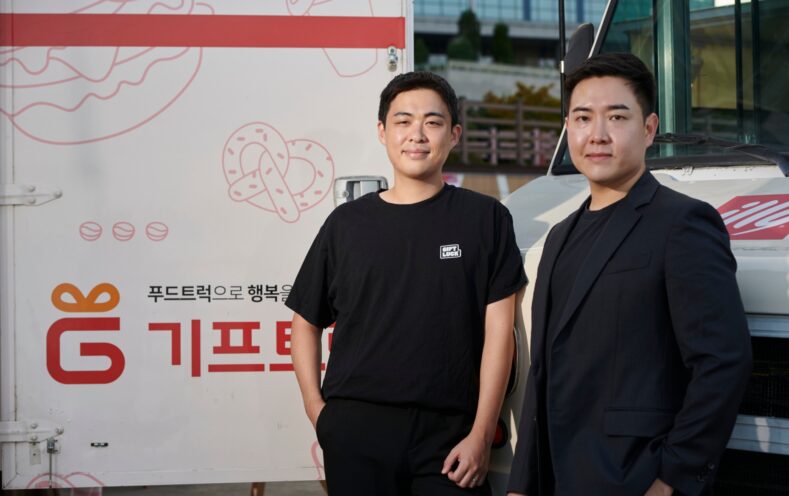
By 2028, the company aims to build a food-centric, theme park-style retail space, similar to London's Borough Market, New York's Chelsea Market, and Time Out Market. Recently, the company acquired Marketum, Korea's leading lifestyle market brand. This strategic decision was aimed at strengthening its local brand discovery and space planning directing capabilities. He emphasized, "Marketum's sensitive planning skills and on-site experience will further elevate the differentiated experience value Food Travel strives to create with local brands." CEO Park emphasizes the importance of "positive energy."
"We use food as a medium to share positive energy with others. We believe that positive energy comes from people who live with self-respect."
He said, "Food Travel's members are talented individuals who enjoy working independently. This allows us to grow steadily." He added, "I find joy in sharing energy not only among our team members, but also with our external partners, the brands we work with, and most importantly, the customers we meet in the field."
"While efficiency, convenience, and sophistication are important, we believe that the deep emotional connection that only offline encounters between people can create is crucial. Our team's ability to plan these experiences is ultimately our brand asset."
CEO Park's vision for the future is clear. Food Travel aims to go beyond being a simple food truck operator and establish itself as a global food entertainment company. While previously connecting businesses and consumers through a mobility-based platform, the company will now move forward to IP-ing, spatializing, and globalizing this experiential asset. Targeting Southeast Asia, Japan, and the Middle East first, the company aims to become a two-way platform that connects K-food to the world and international brands to Korea.
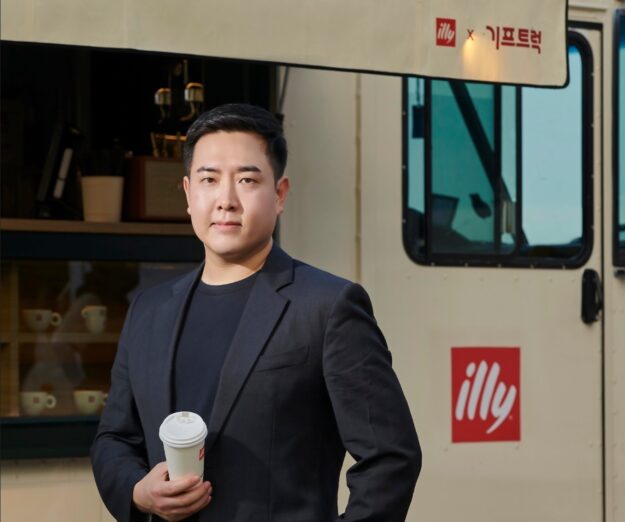
"Our country boasts a dense urban structure, rapid consumer response, and high content dissemination potential. Above all, we have a truly exceptionally talented group of people. If we can effectively create and express narratives with these individuals, I'm confident we can achieve global competitiveness."
Food travel offers many opportunities to meet and collaborate with great brands. Park believes, "If you work with these brands and envision big dreams, transforming that stage into a global one isn't terribly difficult or scary."
"We will be the first company global brands seek out when entering the Korean market, the company most actively promoting K-food worldwide, and the company that helps brands achieve their dreams."
What began as a young man's dream of studying abroad in a European food truck has now evolved into a platform for growing local brands and connecting them globally.
You must be logged in to post a comment.