



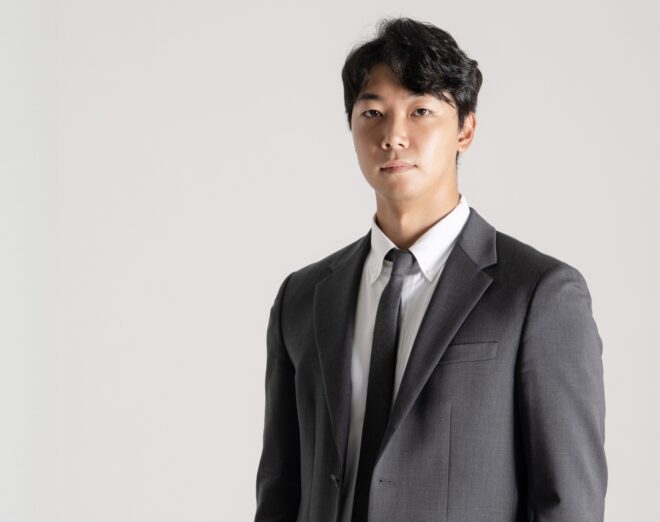
At the age of 24, while studying business administration at Korea University, Kang Sung-jin, CEO of Covering, prioritized obtaining his business license over his diploma. Following the COVID-19 pandemic, demand for delivery food exploded, sparking concerns about waste. The process of disposing of food, washing containers, and disposing of waste on a scheduled date was inconvenient.
"It didn't fit with the modern lifestyle," said CEO Kang. "Moreover, it was inconvenient to dispose of the waste, and I realized it wasn't being recycled properly."
We quickly tested the idea with our team. We distributed flyers and received collection requests via KakaoTalk. Recycling rates were confirmed, and requests to expand the service poured in. This was the beginning of "Covering," a door-to-door garbage collection service.
The validation process was simple: rather than pondering hypotheses, we simply launched them into the market. However, the initial business model had a fatal flaw.
"It was a structure that didn't reflect unit economics. We established our current model by increasing unit prices and improving service."
The first testing site was Gwangjin-gu, Seoul. While college students were expected to be the primary customer base, the actual testing revealed a majority of office workers. Adding Gangnam-gu to the mix resulted in higher conversion rates and retention rates. The service has since expanded to other areas with similar target audiences, and currently operates across most of the Seoul metropolitan area. Initially focused on single-person households and high-income earners in their 20s and 30s, the user base has become increasingly diverse. As the service has become more popular, the age range and household types have expanded.
The billing structure is simple. A basic fee of 2,500 won is charged per visit, plus 140 won per 100 grams. Since customers dispose of an average of 7-8 kg, the average cost per customer is approximately 10,000 won. This is naturally more expensive than separating waste yourself. However, customers pay for the convenience of being able to dispose of their waste at any time, the convenience of having it disposed of right in front of their homes, and the higher recycling rate. This growth has continued as users who have tried the service once find it convenient and continue using it.
Profitability has now reached a level where monthly operating profits are generated. This has been largely due to logistics efficiency improvements and economies of scale in the sorting process. As the number of users increases, unit costs decrease.
The collection staff utilizes a mix of internal and external partners. The collected waste is processed at an in-house sorting facility, which applies stricter standards than existing waste sorting facilities.
"Covering's raison d'être is to ensure recycling even when customers don't properly separate their waste. Rather than demanding perfect separation, our core service value lies in fulfilling that role."
We are responding to hygiene and safety management by creating an internal manual based on the experience we have accumulated over the past five years.
The company received a 500 million won investment in 2023 and recently closed an additional 3.5 billion won round. He explained, "We've grown approximately 30 times since our initial investment." Investors focused on three key factors: rapid growth and profitability, the real transformation taking place in the legacy waste industry, and Covering's ability to secure waste feedstock at the forefront.
The secured funds will be used to invest in facilities to increase recycling rates and to grow services. Rather than focusing on external expansion, the company will focus on expanding its recycling processing capabilities and driving growth. Expansion into the bulky waste and used goods sectors is inevitable. This market is steeped in legacy, offering significant room for innovation.
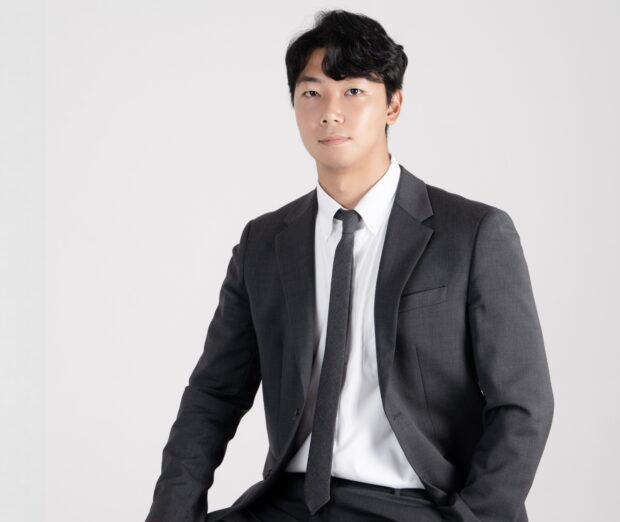
He criticized the existing waste management market, saying, "They approached it solely from an infrastructure perspective, rather than customer convenience," and "there was no real concern for customer satisfaction." The large-scale waste collection market is dominated by small businesses, resulting in opaque pricing and inconsistent service quality. Covering plans to transform this market with a brand that delivers consistent quality and service.
The actual recycling rate is approximately 20 percentage points higher than before. However, in the waste management industry, it is difficult to assess the impact solely based on recycling rates. The quality of recyclable resources must also be considered, but there is currently no industry standard indicator to quantify this.
"More accurate certification and assessment methods will continue to evolve in the waste management sector. We plan to receive appropriate certification in line with this trend."
The strength of coverings is that once customers experience them, they continue to use them. Because they experience the convenience firsthand, they naturally continue to use them.
"The key to gaining market leadership is getting more people to try it out. Customers who have tried it even once are less likely to give up the convenience. We're focusing on creating as many first-time experiences as possible."
The ultimate goal is for Covering to become a catalyst for transforming the waste industry. We want to create a system that facilitates waste disposal and ensures that discarded waste is effectively recycled. It would be ideal if we could simultaneously pursue financial returns and social value.
It's been six years since I started my business. Looking back, starting a business itself wasn't as difficult as I thought. The most challenging part was enduring this period. However, that process also provided an opportunity for accelerated growth in terms of personal capabilities.
"These days, dependence on development has decreased, and hypothesis testing can be done quickly. The barriers to entry for startups will continue to lower. The ability to execute quickly and consistently solve problems will become crucial competencies."
The critical thinking of a 24-year-old college student who found waste separation cumbersome led to the creation of a profitable ESG company. The young entrepreneur's determination to transform the waste industry is drawing attention as to how it will upend legacy industries.
You must be logged in to post a comment.