



“Expanding overseas is not a game of conquering multiple countries with a single product.”
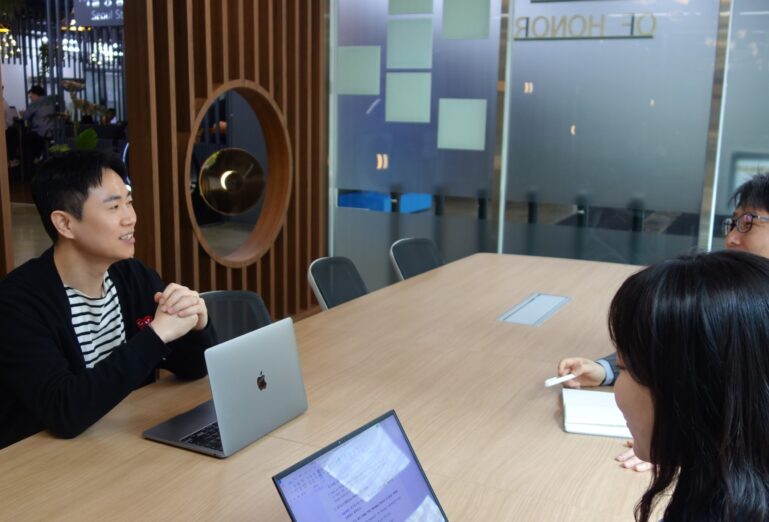
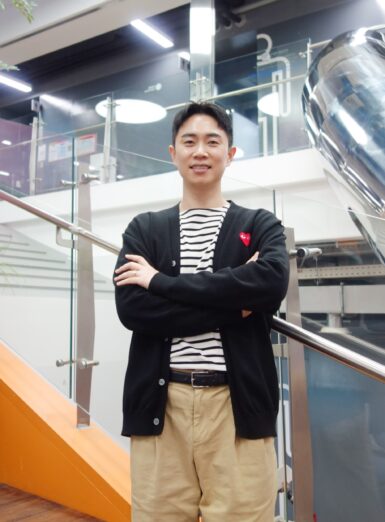
Kwon Oh-sung (41), the head of Kilsa Global Korea, opened his mouth while taking a sip of warm tea. He has been silently supporting the overseas expansion of about 200 domestic startups over the past 10 years. Kwon Oh-sung emphasized that “a paradigm shift in the global expansion method is necessary.”
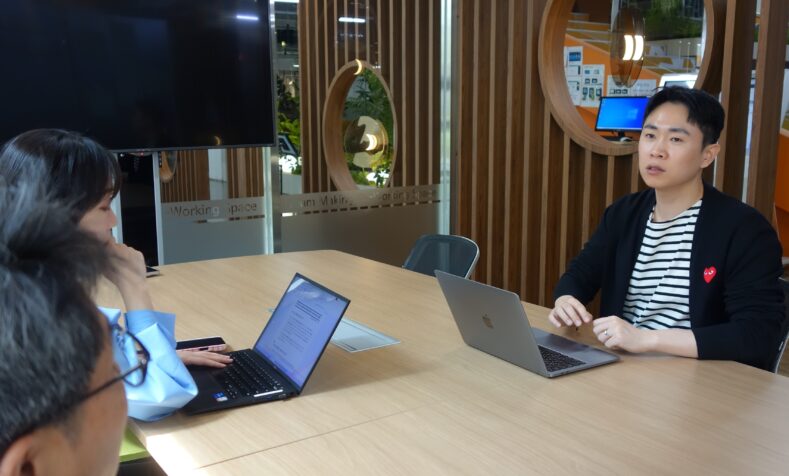
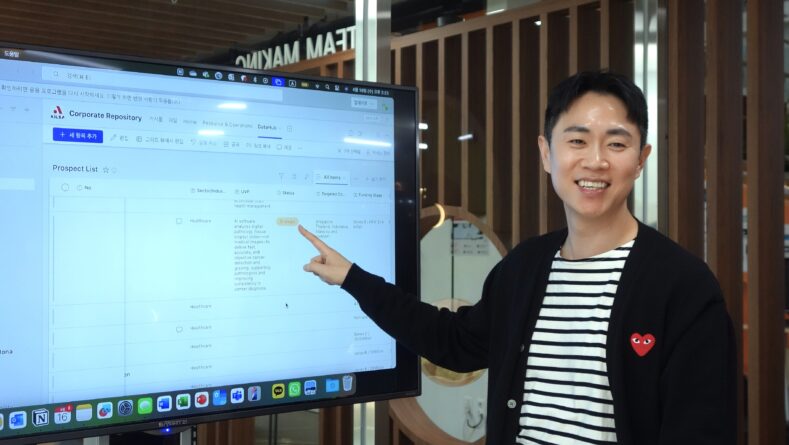
“Globalization 1.0 in the past was an era of ‘commodification’ centered on price competitiveness, and 2.0 was an era of ‘platformization’ based on the Internet. The current globalization 3.0 is an era where markets are segmented and service values tailored to each region and customer are provided.”
Kilsa Global is a global business builder headquartered in Singapore with bases in Korea and five Southeast Asian countries. The biggest failure factor in Korean companies that he witnessed in the field was that they only emphasized the technological prowess of their products and failed to create a business structure that could actually work locally.
“The approach of ‘buy our product because it’s great’ won’t work. We need to take a structural approach to what problems we can solve in the market and with whom.”
Southeast Asia is a settlement, not a laboratory for startups
Kwon Oh-sung, CEO of the company, recommended Southeast Asia as the first overseas market for domestic startups. “In one region, mature markets like Singapore and growing markets like Vietnam and Indonesia coexist. Even with a single entry, you can experiment with various strategies, and the technology acceptance is high.”
However, he emphasized that 'Southeast Asia is not a single market.' "Singapore is a B2B and investment-oriented hub market, Vietnam is a growth market where consumption testing and partnerships are important, and Indonesia is a complex market where trust-based collaboration is essential. It is important to design strategies for each country."
Initially, Kilsa Global started out as a simple consulting firm. However, after seeing many companies fail due to lack of a local team to actually operate, the company changed its business model.

As a local problem solver who shares the stakes
Unlike existing consulting firms, Kilsa Global has introduced a unique system called the ‘Equity Banking Model.’ This model is a method in which Kilsa Global takes on the risk and takes the lead in execution during the initial local entry of a startup, and then, once the results are proven, creates an investment attraction structure with local investors.
“We are a partner who doesn’t simply tell you how to enter the market, but actually goes into the market, experiments, adjusts, and produces results.”
To this end, Kilsa Global operates execution modules (market development, corporate management, project operation, investment consulting, sales management) comprised of specialized personnel by function. These modules are combined according to the industry and stage of the company to form a ‘team that actually operates on site.’
CEO Kwon Oh-sung pointed out that a common mistake made by domestic startups is trying to apply the ‘Korean speed’ overseas.
“Our country values quick results, but Vietnam and Indonesia need time to build trust and relationships in the early stages of business. However, many Korean companies decide to withdraw if they do not see results within 3 to 6 months. Patience is needed to keep in sync with the market.”
He also pointed out that the approach of “because it’s made in Korea, it’s premium” no longer works. “Now, Southeast Asian consumers have a global-level perspective that allows them to objectively compare features, price, experience, and brand reliability.”
From Sellers to Problem Solvers: A Paradigm Shift for Global Enterprises
Success stories supported by Kilsa Global include Bluewing Motors, which developed an electric motorcycle conversion kit; Pathos, a digital map-based solution company; and Autonomous A2Z, a self-driving technology company. These companies approached the issue by understanding local issues and working together to solve them, rather than simply selling products.
“Bluewing Motors provided an integrated solution that included not only conversion kits but also charging infrastructure and franchise training to solve Indonesia’s motorcycle exhaust fumes problem. Pathos adjusted its functions to each country’s priorities, and Autonomous A2Z developed a solution tailored to the Singapore government project.”
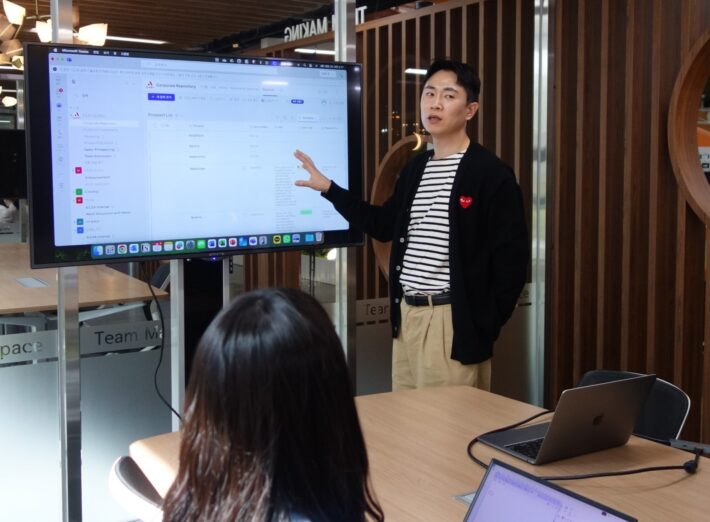
Markets that change from consumer response to purchase decisions
Kwon Oh-sung, CEO of the company, explained that the global startup industry trend has evolved from consumer response to actual purchases. This means that the paradigm is shifting from focusing on securing users to solving actual problems and creating economic value.
“Customers must feel that they are experiencing real change with this product, and the benefits must lead to cost savings or profit generation. Only companies that can design this structure will survive.”
Kilsa Global is also developing a global business connection system called ‘Powerhouse Engine’. This system helps global collaboration by identifying nuances of conversation and decision-making signals in real time through AI-based meeting analysis solutions developed in collaboration with the Singapore government.

The advent of an era of internally driven growth in Southeast Asia
Regarding Southeast Asia’s prospects for the next 10 years, CEO Kwon Oh-sung predicted, “It will evolve beyond growth into a region that designs and exports its own ecosystem.” He defined this as “an era of Southeast Asia’s internally driven growth.”
“Nowadays, it’s important to be flexible enough to co-design with local partners and respond quickly to market signals. The global companies of the future will be problem solvers who grow with local ecosystems, not technology exporters.”
You must be logged in to post a comment.