



In a corner of Guro Digital Valley, where Seoul’s manufacturing and sales IT powerhouses are located, an electric forklift stops with a groan. The sound and the faint smell of oil fill the space. Two blue industrial blowers are placed precisely in the marked positions in response to an order request that arrived a few minutes ago. Instead of a paper receipt, the person in charge, dressed in dusty overalls, swipes a tablet to send documents, and confirms that a tax invoice is automatically issued on the screen.
“Back in the day, to handle one thing like this, you had to make at least three phone calls. Check inventory, schedule delivery, double-check… If something went wrong, you’d end up wasting the whole day.”
Kim Min-soo, who finished all of this process in a few minutes, puts down his tablet and smiles. The protagonist of the 'quiet revolution' that he experienced while working in the rental field for the past 10 years is a rental business solution called 'Priffins'.
The domestic rental market is estimated to be worth over 100 trillion won annually. Although it is a huge market, there are only a handful of digital management systems optimized for this industry. In particular, small and medium-sized rental businesses still rely on manual ledgers, Excel, and endless phone calls. Freefins is taking advantage of this gap.
Helping to Escape Digital Illiteracy in Rental Sites
“When I first saw this market, I was honestly surprised. It’s the 2020s, but it’s still being run in a 90s way…”
The words of Shin Sang-yong (53), the founder of Freepins, whom I met at Kuro Digital Valley, still contain a sense of surprise. He is not from the rental industry, but is a serial entrepreneur who succeeded in the past with the parking solution 'iParking'. His fingers habitually tap on the tablet, moving between graphs and numbers.
“At first, we approached it as a simple inventory management tool. But when we got into the field, we realized that what the industry really needed was ‘digitalization of the entire operation.’”
Mr. Shin Sang-yong’s explanation reveals the incredible complexity of the rental industry. Each item, from vehicles, heavy equipment, IT equipment, to party supplies, required a completely different management system, and rental periods, deposits, damage management, and maintenance cycles were all intertwined.
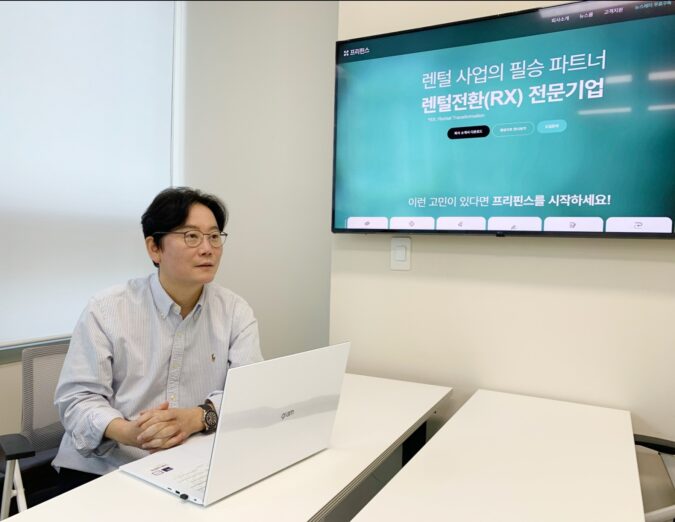
CEO of Freepins, Shin Sang-yong
“So I went into the field, really from the bottom.”
CEO Shin Sang-yong himself inspected the rental warehouse for three months to understand the work flow. Freepins developers also visited the site once every two weeks to listen to user feedback. The result was a ‘rental work solution that embraces the flow of the site.’
“When we talk about rental business solutions, most people immediately reject them. They think it’s big, difficult, and has nothing to do with us.”
As CEO Shin Sang-yong said, digital transformation was a matter of psychology rather than technology. Accordingly, rather than introducing it all at once, Freefins started by implementing ‘small and simple’ functions such as contract automation, tax invoice issuance, and monthly settlement automation.
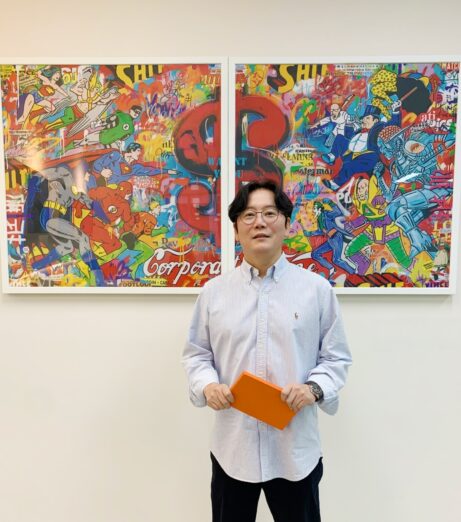
“Making small and medium-sized businesses stronger through convenient rental and subscription conversions, this was the beginning.”
So that it becomes a “habit” rather than an “introduction”
“At the client company where the system was first introduced, there was considerable resistance from employees. They had been working in the same way for over 20 years. When we suddenly told them to carry tablets around, they were furious and said they couldn’t do it.”
In order to go beyond simply providing systems, Freefins has also begun a movement to change the ecosystem of the entire industry. Together with the Korea Rental Association, it is planning an education program for small business rental operators nationwide, and recently, it is upgrading rental finance services to enable growth through rental conversion.
As a result of focusing on changing habits rather than technology, the number of customers has increased from about 10 in the beginning to over 400 now. Although it still accounts for only 1% of all rental businesses, the perception that it is an inconvenient system to have is slowly spreading.
There are still many challenges remaining. In some heavy equipment sites, ‘verbal promises’ still take precedence over ‘digital records’, and there are still accounting errors and legal uncertainties that arise during the transition process.
So, the ‘rental specialist legal and tax advisory group’ also emerged as a new business idea internally.
“We need people who can explain digitalization in their language.”
From a “borrowing economy” to a “running economy”
Back at the Freepins office, CEO Shin Sang-yong shows off a new experiment he recently started. The words “Subscription Rental Startup Package” catch the eye on the monitor. It is a structure that provides integrated support for golf instructors, including equipment, locations, and operating tools.
“This is truly the future of rentals, where people rent experiences and time, not things.”
The look in CEO Shin Sang-yong's eyes changes. According to his explanation, rental in the future will evolve into a form that provides not just items but the 'operation method' itself. Customers will be renting the 'operation method' rather than the cost.
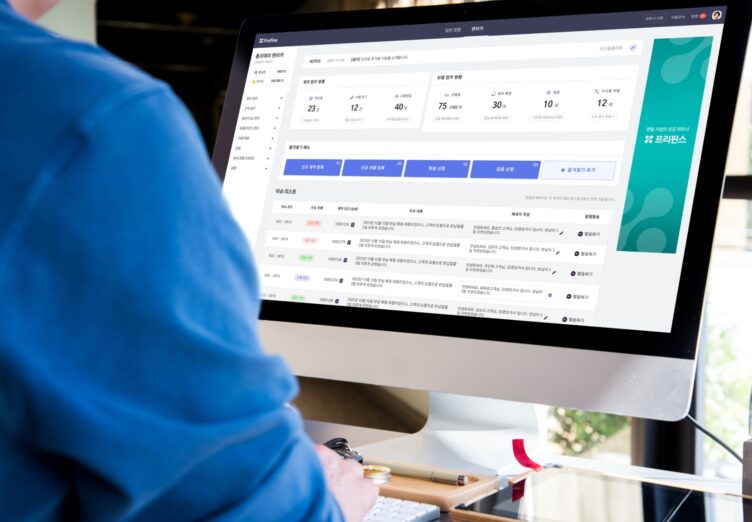
“You don’t buy a washing machine to do your laundry. You use a laundry service to get clean clothes.”
To make this change, Prefins is receiving interest from several institutional investors. Most of the investment will be used for ‘field-oriented’ digital transformation.
As we leave Kuro Digital Valley, we look back at the warehouse. An electric forklift has started moving again. The person in charge is holding a tablet in his hand. The next delivery location is displayed on the screen.
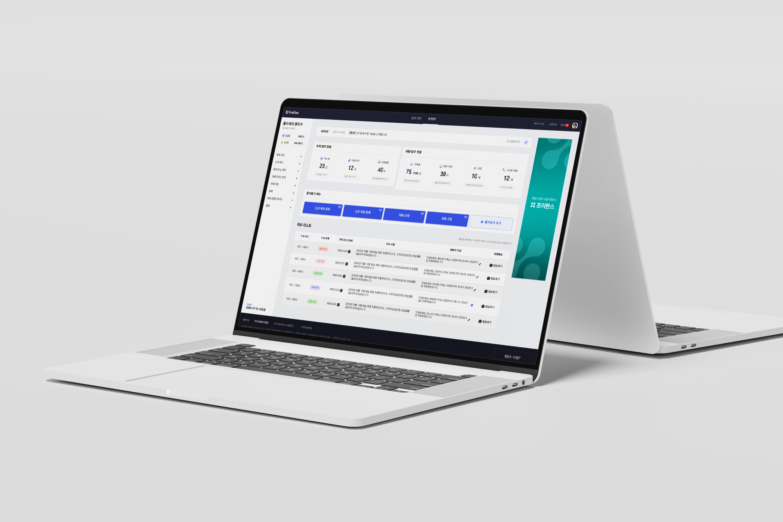
Freepins rental business solution implementation screen
Digital always starts with fancy words, but instead, Pripins quietly changed the small things on the ground. Making it possible to use one less piece of paper, to make one less phone call. The change is quiet, but the rhythm of a very old industry is gradually changing.
You must be logged in to post a comment.