




-마들렌메모리, ‘RaaS’ 모델로 중고거래의 새로운 표준 제시
-브랜드에겐 ESG와 수익성 제공, 소비자에겐 신뢰성 및 편의성 제공
-3년간 4만벌 매입, 3만벌 판매 성과…효율적인 매입과 품질 관리 때문
-“의류 영역의 중고 생태계를 만드는 게 목표”
“브랜드들이 중고 시장에 직접 참여하기 시작하면서, 브랜드 자체 상품 정보를 활용한 공식 리세일 플랫폼들이 등장했습니다. 이러한 플랫폼은 브랜드와 소비자 모두에게 기존 중고 거래와는 완전히 다른 새로운 경험을 제공하고 있습니다.”
마들렌메모리는 국내 최초 브랜드 리세일 솔루션 ‘RaaS(Resale as a Service)’를 개발·운영하는 스타트업이다. RaaS는 브랜드가 자체적으로 리세일 사업을 구축하고 운영할 수 있도록 기술, 물류, 운영 등 모든 솔루션을 서비스 형태로 제공하는 비즈니스 모델을 말한다.
기존 C2C 중고거래와 RaaS의 가장 큰 차이점은 운영 주체에 있다. C2C는 개인과 개인 간의 거래인 반면, RaaS는 브랜드가 플랫폼을 직접 운영하여 브랜드와 개인 간에 거래가 이루어진다. 상품 정보 관리 측면에서도 차이가 있다. 기존 중고거래에서는 개인 판매자가 상품 정보를 직접 입력하지만, RaaS에서는 브랜드의 공식 데이터를 활용해 정확한 상품 정보를 제공한다. 품질 검수 방식도 다르다. C2C에서는 개인 판매자가 품질을 판단하는 반면, RaaS에서는 브랜드 기준에 맞는 전문 검수를 실시한다. 결제 방식에서도 차이를 보인다. C2C는 주로 개인 간 현금 거래가 이루어지지만, RaaS에서는 브랜드 포인트를 제공한다. 고객 경험 측면에서도 구별된다. C2C에서는 개인 간 협상이 중요한 요소이지만, RaaS에서는 일반 온라인 쇼핑몰과 동일한 구매 경험을 제공한다.
이러한 차이점들이 만들어내는 가장 중요한 결과는 신뢰성이다. 중고차 시장이 선진화된 것은 브랜드의 공식 인증 시스템 덕분이다. 마찬가지로 중고의류 시장에서도 브랜드가 직접 인증함으로써 시장의 선진화를 이룰 수 있게 됐다.
국내에서는 RaaS 모델이 생소하지만 북미와 유럽에서는 이미 Trove, Archive, Recurate, Treet, Reflaunt, Faume 등 다수의 스타트업이 RaaS 모델로 사업을 운영하고 있다. 이 중 대표적인 기업인 트로브는 2012년 설립되어 2016년부터 파타고니아 전용 리세일 마켓 ‘Patagonia Worn Wear’를 운영하고 있다. 트로브는 2023년 12개 패션 브랜드와 파트너십을 체결했으며, 2025년 현재 25개 브랜드로 리세일 파트너를 확대해 나가고 있다.
국내에서는 마들렌메모리가 최초로 RaaS 모델을 도입했다. 마들렌메모리는 현재 코오롱FnC, 현대백화점 등 대형 브랜드와 파트너십을 맺으며 성장 가도를 달리고 있다. 서울 강남 소재 사무실에서 유재원 대표를 만나 마들렌메모리에 대한 이야기를 들었다.
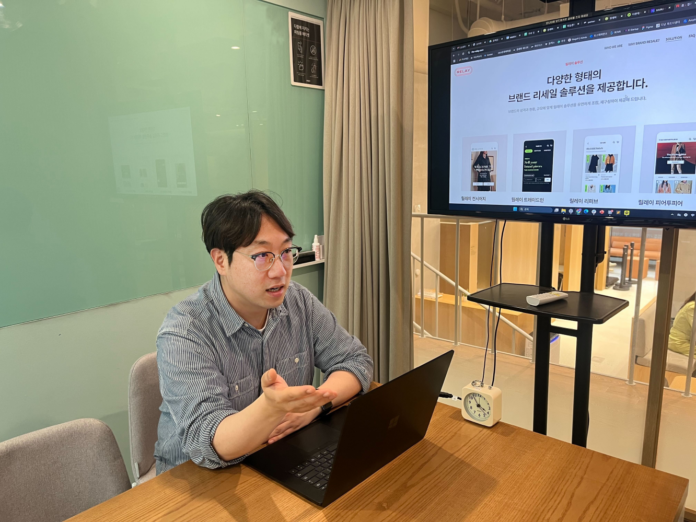
7년간의 시행착오 끝에 찾은 답
마들렌메모리는 2018년 11월 창업 초기에 IT와 패션을 결합한 다양한 서비스를 출시했다. 하지만 모두 실패로 돌아갔다.
“처음 3년간은 지금과는 다른 사업을 했어요. SaaS나 B2C 유통 플랫폼 모두 해봤는데 모두 잘 안 됐습니다. 2021년 중순에 서비스를 중단하고 완전히 제로베이스에서 새로운 사업을 시작했어요.”
유 대표는 창업 전 패션 스타트업이자 사회적 기업에서 5년 간 근무했었다. 사회적 기업에서의 경험으로 지속가능성과 자원 순환에 대해 생각을 하고 있었던 유 대표는 해외 중고 시장의 B2B 제휴 모델에 주목했다. 당시 국내에서의 중고 거래는 C2C, B2C 형태로만 이뤄지고 있었다.
“당시 해외에서는 브랜드와 협력하는 B2B 제휴 형태의 중고 거래 사업이 조금씩 등장하고 있었어요. 이를 국내 환경에 맞게 최적화하면 해볼 만하겠다는 판단이 섰습니다.”
중고 상품을 거래하기 위해 판매자는 중고 상품을 촬영하여 상품 설명을 온라인에 게재한다. 구매자는 온라인에서 필요한 상품을 찾고 결제한 후 개인 간 만남을 통해 상품을 수령한다. 이러한 기존 C2C 중고 거래의 가장 큰 문제점은 상품 정보의 부족이다. 특히 의류의 경우 제품 종류가 워낙 많고 구매자가 정확한 정보를 획득하기 어렵다. 유 대표는 중고 상품 거래 경험을 개선하기 위해 무엇이 필요할지 고민했고, 최초 제조업체가 참여하면 이러한 문제가 해결될 것이라고 생각했다. 제조사와 유통사로부터 상품 정보를 받는다면 시장이 혁신되겠다고 판단해서 ‘릴레이’를 개발하기 시작했다.
“상품 정보 부족” 문제를 브랜드 협력으로 해결
마들렌메모리의 차별점은 브랜드와의 협력을 통해 상품 정보를 미리 확보하고 이를 바탕으로 품질 검수를 진행한다는 점이다. 일반 중고업체가 매입 후 상품 상태를 파악하는 것과 달리, 마들렌메모리는 출시 당시 상품 정보와 대조해 검수를 진행한다.
이러한 사전 정보 확보 덕분에 검수 정확도가 높다. 예를 들어 출시 당시 특정 장식이 있었던 제품이라면, 해당 장식이 없는 상품은 매입하지 않는다. 또한 원본 사양과 다른 부분이 확인되면 즉시 식별이 가능하다. 결과적으로 이런 체계적인 검수 프로세스를 통해 상품의 품질을 보장할 수 있게 됐다.
제휴사별 맞춤형 솔루션 ‘릴레이’
‘릴레이’는 제휴사의 성격에 따라 제조유통사에는 ‘릴레이 컨시어지’, 유통사에는 ‘릴레이 트레이드인’이라는 서로 다른 솔루션을 제공한다.
릴레이컨시어지는 중고 의류를 팔고 살 수 있는 종합형 모델이다. 제조사가 직접 상품을 기획하고 출시하기 때문에 상품 정보를 모두 가지고 있어서 매입부터 판매까지 모든 과정을 효율적으로 진행할 수 있다. 코오롱FnC의 릴레이컨시어지인 ‘OLO 릴레이 마켓’에서는 코오롱FnC 22개 브랜드의 중고품을 거래하고 있다.
릴레이트레이드인은 판매만 가능한 모델로, 유통사의 특성에 맞게 설계됐다. 유통사의 경우 여러 브랜드의 상품을 취급한다. 하지만 판매 상품의 정보를 다 가지고 있지 않다. 이러한 특성에 맞춰 릴레이트레이드인에서를 통해 현대백화점은 130개 브랜드의 중고품을 매입하고 있다. 마들렌모메리는 릴레이트레이드인을 지난달 출시했다.
릴레이트레이드인은 중고 의류를 매입하고 판매는 하지 않지만 앞으로 백화점에서의 팝업스토어, 마들렌메모리의 자체 자사몰, C2C 플랫폼, 유통 업체와 협업 등을 통해 판매유통할 계획이다.
브랜드에게 ESG와 고객락인 제공, 소비자에게는 신뢰성 있는 중고거래 경험 제공
“브랜드에게는 두 마리 토끼를 잡을 수 있는 프로그램입니다“
브랜드가 리세일 사업에 참여함으로써 얻는 건 크게 두 가지다. 리세일은 자원 순환을 통한 환경적 효과를 창출한다. ESG를 실현하는 중요한 도구이다. 하지만 기존 ESG 프로젝트들이 지속가능성을 담보하지 못했다. 기업의 핵심 영업 활동과 동기화되지 않기 때문이다.
“기존에는 중고품이 C2C 플랫폼에서 유통되면서 브랜드는 아무런 이익을 얻지 못했어요. 하지만 저희 시스템을 통하면 중고품 유통으로 인한 수요를 본연의 사업 강화에 활용할 수 있습니다. 중고 사업은 환경적 효과와 동시에 사업적 이익을 창출할 수 있습니다.”
릴레이에서는 고객이 중고품을 판매하면 현금 대신 해당 브랜드의 새 상품을 구매할 수 있는 포인트를 받는다. 자연스럽게 고객을 락인할 수 있다.
“소비자에게는 안전하고 쉬운 중고상품 거래 경험을 제공합니다.”
소비자 입장에서 중고 상품을 구입할 때 가장 큰 문제는 신뢰성이다. 하지만 릴레이는 브랜드가 직접 중고상품을 인증했기 때문에 소비자는 신상품을 이커머스에서 구입하는 것과 동일한 경험을 얻을 수 있다. 판매 과정도 간단하다. 케어라벨에 있는 시리얼넘버를 플랫폼에 입력하면 해당 의류의 예상 보상금을 즉시 확인할 수 있다. 보상금을 확인한 후 판매를 신청하면 된다. 판매가 승인되면 브랜드 포인트가 지급되고, 이 포인트로 해당 브랜드의 신상품을 구매할 수 있다.
릴레이에서는 중고 상품 판매자가 신청한 중고 의류의 상태를 파악한 다음에 판매가 가능한 상품인지를 확인하고 보상금을 책정한다. 브랜드의 할인 정책, 기존 중고 시장 가격, 출시 경과 시간, 상품 카테고리 등을 종합적으로 고려해 가격을 산정한다.
4만 벌 매입, 3만 벌 판매로 30억 매출 달성
릴레이 출시 3년 동안 마들렌메모리는 약 4만 벌의 중고품을 매입해 3만 벌을 판매했다. 75%의 의류가 다시 재판매된 것이다. 중고 의류 사업에서 이는 상당히 높은 수준이다. 일반적으로 중고품은 상태나 수요 등의 이유로 100% 판매되기 어려운데, 75%는 효율적인 매입과 품질 관리를 보여주고 있다.
누적 매출은 30억원에 달한다. 개당 평균 판매가가 10만원 수준이다. 일반 중고 의류 시장보다 높은 가격대를 형성하고 있다. 릴레이는 기존 C2C 플랫폼의 저가 중고품과 명품 중고 사이의 고백을 메우면서 브랜드 인증과 품질 보증을 통한 프리미엄 포지셔닝을 구축했다.
“저희가 타겟하는 시장은 명품과 박리다매 시장 사이에 있어요. 주로 백화점에서 유통되는 브랜드들의 중고품을 다루고 있습니다. 기존에는 이 시장이 C2C에서만 유통되던 영역이었는데, 저희가 B2C 사업자로서 이 시장을 개척하고 있습니다.”
2028년 1,700억 매출 목표로 시장 선도
“패션 산업이 보수적입니다. 언젠가 임계점이 와서 업계 전체가 중고 사업을 당연하게 여기는 시점이 올 것이라고 기대하고 있습니다.”
마들렌메모리는 2028년까지 연매출 1,700억원을 목표로 하고 있다. 이를 위한 전략은 명확하다.
중고 사업의 특성상 판매보다 매입이 더 어려운 구조다. 그래서 좋은 상품을 매입하는 것이 관건이다. 메들렌메모리는 제조유통사와의 제휴를 통해 질 좋은 상품을 효율적으로 매입하고 있어 앞으로 확장 가능성이 높다.
현재 하반기에 LF 등 대형 패션 제조사 2곳을 추가로 확보할 예정이며, 중소 브랜드 2곳과도 협력을 논의 중이다. 7월에는 오프라인 중고품 수거 서비스도 시작할 계획이다.
마들렌메모리는 국내 시장에서의 독점적 지위 확보와 함께 해외 진출도 준비하고 있다. 우선 파타고니아 같은 글로벌 패션 브랜드의 국내 중고 사업을 지원하는 것을 목표로 한다.
“일본 시장 진출도 고려하고 있어요. 일본은 패션 산업 규모가 크고 문화적 자산도 풍부해서 이런 사업 모델이 잘 통할 것으로 봅니다. 다만 독자적인 진출보다는 적절한 파트너사와 협력할 계획입니다.”
“중고 생태계 성숙화가 목표”
유 대표가 꿈꾸는 최종 목표는 중고 생태계의 성숙화다.
“경기도 외곽에 가면 좋은 아웃렛들이 있습니다. 브랜드별로 정갈하게 정리된 이월 상품들을 쇼핑하기 좋은 환경이죠. 중고 사업도 그 정도로 성숙한 단계로 가는 것을 목표로 하고 있습니다.”
유 대표는 “스마트폰을 살 때 보호필름을 붙이고 범퍼를 씌워서 나중에 팔 생각을 하면서 잘 사용하는 것처럼, 옷도 그렇게 되기를 바란다”며 “백화점에서 옷을 사면 잘 입고 내년에 갖다 주고 포인트 받아서 또 사는 게 당연한 인식 수준이 되면 의미가 있을 것”이라고 말했다.
ESG 경영과 고객 락인, 그리고 지속가능한 소비 문화 조성이라는 세 마리 토끼를 동시에 잡겠다는 마들렌메모리의 도전이 어떤 결과를 가져올지 주목된다.
RaaS company Madeleine Memory captures both brands and consumers with brand resale platform 'Relay'
-Madeleine Memory, Presenting a New Standard for Second-hand Transactions with the ‘RaaS’ Model
-Providing ESG and profitability to brands, reliability and convenience to consumers
– 40,000 units purchased and 30,000 units sold over 3 years… due to efficient purchasing and quality control
-“The goal is to create a second-hand ecosystem in the clothing industry.”
“As brands began to participate directly in the second-hand market, official resale platforms that utilize the brand’s own product information emerged. These platforms provide a completely new experience for both brands and consumers, different from the existing second-hand transaction.”
Madeleine Memory is a startup that develops and operates Korea's first brand resale solution, 'RaaS (Resale as a Service).' RaaS is a business model that provides all solutions, including technology, logistics, and operations, in the form of a service so that brands can build and operate their own resale businesses.
The biggest difference between existing C2C second-hand transactions and RaaS lies in the operating entity. While C2C is a transaction between individuals, RaaS is a platform directly operated by a brand, and transactions take place between the brand and individuals. There is also a difference in terms of product information management. In existing second-hand transactions, individual sellers directly enter product information, but RaaS provides accurate product information using the brand’s official data. The quality inspection method is also different. In C2C, individual sellers judge quality, while RaaS conducts professional inspections that meet brand standards. There is also a difference in payment methods. While C2C is mainly a cash transaction between individuals, RaaS provides brand points. There is also a difference in terms of customer experience. In C2C, personal negotiation is an important factor, but RaaS provides the same purchasing experience as a general online shopping mall.
The most important result of these differences is reliability. The used car market has become advanced thanks to the official certification system of the brand. Likewise, the used clothing market has become advanced thanks to the direct certification of the brand.
Although the RaaS model is unfamiliar in Korea, many startups in North America and Europe, including Trove, Archive, Recurate, Treet, Reflaunt, and Faume, are already operating their businesses with the RaaS model. Among them, Trove, a representative company, was founded in 2012 and has been operating the Patagonia-only resale market 'Patagonia Worn Wear' since 2016. Trove signed partnerships with 12 fashion brands in 2023 and is currently expanding its resale partners to 25 brands by 2025.
Madeleine Memory was the first to introduce the RaaS model in Korea. Madeleine Memory is currently growing by forming partnerships with major brands such as Kolon FnC and Hyundai Department Store. We met CEO Jae-won Yoo at his office in Gangnam, Seoul, and heard about Madeleine Memory.
The answer found after 7 years of trial and error
Madeleine Memory launched various services combining IT and fashion in November 2018 when it was first established. However, they all ended in failure.
“For the first three years, I did a different business than I do now. I tried both SaaS and B2C distribution platforms, but neither of them worked well. I stopped the service in mid-2021 and started a new business from scratch.”
CEO Yoo worked for five years at a fashion startup and social enterprise before starting his own business. With his experience at a social enterprise, CEO Yoo was thinking about sustainability and resource circulation, and he paid attention to the B2B partnership model of the overseas second-hand market. At that time, second-hand transactions in Korea were only conducted in the form of C2C and B2C.
“At that time, B2B partnership-type second-hand trading businesses in collaboration with brands were slowly emerging overseas. I decided that it would be worth a try if we optimized this to fit the domestic environment.”
To trade used goods, sellers take pictures of used goods and post descriptions online. Buyers find the products they need online, pay for them, and then meet in person to receive the goods. The biggest problem with these existing C2C used goods transactions is the lack of product information. In particular, in the case of clothing, there are so many types of products that it is difficult for buyers to obtain accurate information. CEO Yoo thought about what was needed to improve the used goods transaction experience and thought that this problem would be solved if the first manufacturer participated. He judged that the market would be revolutionized if product information was received from manufacturers and distributors, and began developing 'Relay'.
Solving the “lack of product information” problem through brand collaboration
Madeleine Memory’s difference lies in its ability to secure product information in advance through collaboration with brands and to conduct quality inspections based on this information. Unlike general second-hand stores that check the condition of products after purchase, Madeleine Memory conducts inspections by comparing the product information with the information at the time of release.
Thanks to this prior information acquisition, the accuracy of inspection is high. For example, if a product had a specific decoration at the time of release, products without that decoration are not purchased. Also, if any part is found to be different from the original specifications, it can be immediately identified. As a result, this systematic inspection process has enabled us to guarantee the quality of the product.
'Relay', a customized solution for each affiliate
Depending on the nature of the affiliate, 'Relay' provides different solutions to manufacturers and distributors: 'Relay Concierge' and 'Relay Trade-in'.
Relay Concierge is a comprehensive model that allows you to buy and sell used clothing. Since the manufacturer plans and releases the product directly, they have all the product information and can efficiently carry out the entire process from purchase to sale. Kolon FnC's Relay Concierge, 'OLO Relay Market', trades used products from 22 Kolon FnC brands.
RelayTradeIn is a sales-only model, designed to fit the characteristics of distributors. Distributors handle products from multiple brands. However, they do not have all the information on the products they sell. Hyundai Department Store is purchasing used products from 130 brands through RelayTradeIn to fit these characteristics. MadeleineMomary launched RelayTradeIn last month.
Relay Tradein does not purchase or sell used clothing, but plans to sell and distribute it in the future through pop-up stores in department stores, Madeleine Memory's own mall, C2C platforms, and collaborations with distributors.
Providing ESG and customer lock-in for brands, and a reliable second-hand transaction experience for consumers
“It’s a program that kills two birds with one stone for brands.”
There are two main things that brands gain by participating in the resale business. Resale creates environmental effects through resource circulation. It is an important tool for realizing ESG. However, existing ESG projects have not secured sustainability. This is because they are not synchronized with the company's core business activities.
“Previously, brands did not receive any benefits when second-hand goods were distributed on C2C platforms. However, through our system, the demand from second-hand goods distribution can be used to strengthen the original business. The second-hand business can create business benefits while also having environmental effects.”
In Relay, when customers sell their used items, they receive points that can be used to buy new products from that brand instead of cash, which naturally locks in customers.
“We provide consumers with a safe and easy used goods trading experience.”
The biggest problem when purchasing used goods from the consumer's perspective is reliability. However, since Relay has directly certified used goods by the brand, consumers can have the same experience as purchasing new goods on e-commerce. The sales process is also simple. If you enter the serial number on the care label into the platform, you can immediately check the expected compensation amount for the clothing. After checking the compensation amount, you can apply for the sale. If the sale is approved, brand points are awarded, and these points can be used to purchase new products from the brand.
In Relay, the condition of the used clothing requested by the used goods seller is checked, and the compensation amount is determined after checking whether the product is sellable. The price is calculated by comprehensively considering the brand's discount policy, existing used market price, time elapsed since release, and product category.
Achieved sales of 3 billion by purchasing 40,000 sets and selling 30,000 sets
In the three years since the launch of Relay, Madeleine Memory has purchased about 40,000 used items and sold 30,000 of them. 75% of the clothing was resold. This is a very high figure in the used clothing business. Usually, it is difficult to sell 100% of used items due to conditions or demand, but 75% shows efficient purchasing and quality control.
The cumulative sales amount to 3 billion won. The average selling price per unit is around 100,000 won. It is forming a higher price range than the general used clothing market. Relay has filled the gap between the low-priced used goods and the luxury used goods of the existing C2C platform and established a premium positioning through brand certification and quality assurance.
“The market we are targeting is between the luxury goods and low-margin mass market. We mainly deal with used goods from brands distributed in department stores. Previously, this market was only distributed in C2C, but we are pioneering this market as a B2C business.”
Leading the market with sales target of 170 billion by 2028
“The fashion industry is conservative. I expect that there will come a point when the entire industry will take second-hand business for granted.”
Madeleine Memory aims to achieve annual sales of 170 billion won by 2028. The strategy for achieving this is clear.
Due to the nature of the second-hand business, it is more difficult to purchase than to sell. Therefore, purchasing good products is the key. Madeleine Memory efficiently purchases good quality products through partnerships with manufacturers and distributors, so there is a high possibility of expansion in the future.
Currently, we are planning to secure two additional large fashion manufacturers, including LF, in the second half of the year, and are also discussing cooperation with two small and medium-sized brands. We are also planning to start an offline used goods collection service in July.
Madeleine Memory is preparing to expand overseas while securing an exclusive position in the domestic market. First, it aims to support the domestic second-hand business of global fashion brands such as Patagonia.
“We are also considering entering the Japanese market. Japan has a large fashion industry and rich cultural assets, so I think this business model will work well. However, rather than entering independently, we plan to cooperate with appropriate partners.”
“The goal is to mature the used goods ecosystem”
The ultimate goal that CEO Yoo dreams of is the maturity of the used goods ecosystem.
“There are good outlets on the outskirts of Gyeonggi-do. It’s a great environment for shopping for leftover items neatly organized by brand. We are also aiming for the second-hand business to reach that level of maturity.”
CEO Yoo said, “Just like when you buy a smartphone, you put a screen protector on it and put a bumper on it to use it while thinking about selling it later, I hope that the same thing happens with clothes,” and added, “If people start to think that it’s normal to buy clothes at a department store, wear them well, give them back next year, and earn points to buy more clothes, then that will be meaningful.”
Attention is being paid to the results of Madeleine Memory's challenge to catch three birds with one stone: ESG management, customer lock-in, and creating a sustainable consumption culture.
RaaS企業マドレーヌメモリー、ブランドリセールプラットフォーム「リレー」でブランドと消費者の両方をつかむ
– マドレーヌメモリ、「RaaS」モデルで中古取引の新しい標準を提示
– ブランドにはESGと収益性を提供、消費者には信頼性と利便性を提供
-3年間4万着買い、3万着販売成果…効率的な買い取りと品質管理のため
– 「衣類領域の中古生態系を作ることが目標」
「ブランドが中古市場に直接参加し始め、ブランド自体の商品情報を活用した公式リセイルプラットフォームが登場しました。これらのプラットフォームは、ブランドと消費者の両方に既存の中古取引とはまったく異なる新しい経験を提供しています。」
マドレーヌメモリーは国内初のブランドリセールソリューション「RaaS(Resale as a Service)」を開発・運営するスタートアップだ。 RaaSは、ブランドが独自にリセール事業を構築・運営できるように、技術、物流、運営など、あらゆるソリューションをサービス形態で提供するビジネスモデルをいう。
既存のC2C中古取引とRaaSの最大の違いは、運営主体にある。 C2Cは個人と個人の間の取引であるのに対し、RaSはブランドがプラットフォームを直接運営し、ブランドと個人の間で取引が行われる。商品情報管理の面でも違いがある。既存の中古取引では個人販売者が商品情報を直接入力するが、RaaSではブランドの公式データを活用して正確な商品情報を提供する。品質検収方式も異なる。 C2Cでは個人販売者が品質を判断する一方、RaaSではブランド基準に合った専門検数を実施する。決済方式でも違いを見せる。 C2Cは主に個人間の現金取引が行われるが、RaaSではブランドポイントを提供する。顧客体験の面でも区別される。 C2Cでは個人間交渉が重要な要素であるが、RaaSでは一般オンラインショッピングモールと同じ購入経験を提供する。
これらの違いが生み出す最も重要な結果は信頼性です。中古車市場が先進化したのはブランドの公式認証システムのおかげだ。同様に中古衣類市場でもブランドが直接認証することで市場の先進化を達成できるようになった。
国内ではRaaSモデルが不慣れだが、北米とヨーロッパではすでにTrove、Archive、Recurate、Treet、Reflaunt、Faumeなど多数のスタートアップがRaaSモデルで事業を運営している。このうち代表的な企業であるトロブは2012年に設立され、2016年からパタゴニア専用のリセイルマーケット「Patagonia Worn Wear」を運営している。トロブは2023年に12のファッションブランドとパートナーシップを締結し、2025年現在25のブランドにリセールパートナーを拡大しています。
国内ではマドレーヌメモリーが最初にRaaSモデルを導入した。マドレーヌメモリーは現在、コロンFnC、現代デパートなど大型ブランドとパートナーシップを結び、成長街道を走っている。ソウル江南(カンナム)所在事務所でユ・ジェウォン代表に会い、マドレーヌメモリーについての話を聞いた。
7年間の試行錯誤の末に見つけた答え
マドレーヌメモリーは2018年11月創業初期にITとファッションを組み合わせた多様なサービスを発売した。しかし、すべて失敗に戻った。
「最初の3年間は今とは違う事業を行いました。SaaSやB2C流通プラットフォームともにしてみましたが、すべてうまくいきませんでした。2021年中旬にサービスを中断し、完全にゼロベースで新しい事業を始めました」
ユ代表は創業前のファッションスタートアップであり、社会的企業で5年間勤務していた。社会的企業での経験で持続可能性と資源循環について考えていたユ代表は、海外中古市場のB2B提携モデルに注目した。当時、国内での中古取引はC2C、B2Cの形でのみ行われていた。
「当時海外ではブランドと協力するB2B連携形態の中古取引事業が少しずつ登場していました。これを国内環境に合わせて最適化すればやろうと判断した」
中古商品を取引するために、販売者は中古商品を撮影して商品説明をオンラインで掲載する。買い手はオンラインで必要な商品を見つけて決済した後、個人間の出会いを通じて商品を受け取る。このような既存のC2C中古取引の最大の問題は、商品情報の欠如です。特に衣類の場合、製品の種類はあまりにも多く、バイヤーは正確な情報を取得するのが難しい。ユ代表は、中古商品取引経験を改善するために何が必要かを悩んでおり、最初のメーカーが参加すれば、このような問題が解決されると考えた。メーカーと流通会社から商品情報を受け取れば、市場が革新されると判断して「リレー」を開発し始めた。
「商品情報不足」問題をブランド協力で解決
マドレーヌメモリの差別点は、ブランドとの協力を通じて商品情報をあらかじめ確保し、これをもとに品質検収を進めるという点だ。一般中古業者が購入後に商品の状態を把握するのとは異なり、マドレーヌメモリーは発売当時の商品情報と対照して検収を進める。
このような事前情報の確保のおかげで検収精度が高い。例えば、発売時に特定の装飾があった製品であれば、その装飾がない商品は購入しない。また、元の仕様と異なる部分が確認されればすぐに識別が可能です。その結果、このような体系的な検収プロセスを通じて商品の品質を確保できるようになった。
アフィリエイト別カスタムソリューション「リレー」
「リレー」は、アフィリエイトの性格によって製造流通会社には「リレーコンシェルジュ」、流通会社には「リレートレードイン」という異なるソリューションを提供する。
リレーコンシェルジュは中古衣類を売って買える総合型モデルだ。メーカーが直接商品を企画して発売するため、商品情報をすべて持っており、買い物から販売まで全ての過程を効率的に進めることができる。コロンFnCのリレーコンシェルジュである「OLOリレーマーケット」では、コロンFnC 22ブランドの中古品を取引している。
リレートレードインは販売のみ可能なモデルで、流通会社の特性に合わせて設計された。ディストリビューターの場合、複数のブランドの商品を扱う。しかし、販売商品の情報をすべて持っていない。このような特性に合わせてリレートレードインからを通じて現代デパートは130ブランドの中古品を買い入れている。マドレーヌ・モメリーはリレートレード人を先月発売した。
リレートレードインは中古衣類を買い取り販売はしないが、今後デパートでのポップアップストア、マドレーヌメモリーの自社自社モール、C2Cプラットフォーム、流通業者とコラボレーションなどを通じて販売流通する計画だ。
ブランドにESGと顧客ロックインを提供、消費者には信頼できる中古取引経験を提供
「ブランドには二匹のウサギを捕まえるプログラムです」
ブランドがリセール事業に参加することで得られるのは大きく二つだ。リセールは資源循環による環境効果を生み出します。 ESGを実現する重要なツールです。しかし、既存のESGプロジェクトは持続可能性を担保できませんでした。企業の中核営業活動と同期していないからだ。
「既存には中古品がC2Cプラットフォームで流通し、ブランドは何の利益も得られませんでした。しかし、当社システムにより中古品流通による需要を本来の事業強化に活用できます。中古事業は環境効果と同時に事業的利益を創出することができます。」
リレーでは、顧客が中古品を販売すれば、現金の代わりに該当ブランドの新商品を購入できるポイントを受ける。自然に顧客をロックインできる。
「消費者には安全で簡単な中古商品取引経験を提供します。」
消費者の立場で中古商品を購入する際の最大の問題は信頼性だ。しかし、リレーはブランドが直接中古商品を認証したため、消費者は新商品をイコマースで購入するのと同じ経験を得ることができる。 販売過程も簡単だ。ケアラベルにあるシリアルナンバーをプラットフォームに入力すれば、その衣類の予想補償金をすぐに確認することができる。補償金を確認した後、販売を申請すればよい。販売が承認されるとブランドポイントが支給され、このポイントで該当ブランドの新商品を購入することができる。
リレーでは、中古商品販売者が申請した中古衣類の状態を把握した上で販売が可能な商品であるかを確認し、補償金を策定する。ブランドの割引政策、既存の中古市場価格、発売経過時間、商品カテゴリーなどを総合的に考慮して価格を算定する。
4万蜂買い、3万罰販売で30億売上達成
リレー発売3年間、マドレーヌメモリーは約4万着の中古品を買い取り、3万着を販売した。 75%の衣類が再び再販されたのだ。中古衣類事業では、これはかなり高い水準です。一般的に中古品は状態や需要などの理由で100%販売されにくいが、75%は効率的な買い取りと品質管理を見せている。
累積売上は30億ウォンに達する。 1個当たりの平均販売価格が10万ウォン水準だ。一般中古衣類市場より高い価格帯を形成している。リレーは、既存のC2Cプラットフォームの低価格中古品と高級中古の間の告白を埋めながら、ブランド認証と品質保証によるプレミアムポジショニングを構築した。
「私たちがターゲットとする市場は高級品と剥離多売市場の間にあります。主にデパートで流通するブランドの中古品を扱っています。従来はこの市場がC2Cでしか流通していなかった領域でしたが、私たちがB2C事業者としてこの市場を開拓しています。」
2028年の1,700億売上目標で市場をリード
「ファッション業界が保守的です。いつか臨界点が来て業界全体が中古事業を当然と考える時点が来ると期待しています」
マドレーヌメモリーは2028年まで年売り1,700億ウォンを目指している。このための作戦は明確である。
中古事業の特性上、販売より買い入れが難しい仕組みだ。だから良い商品を買うのがカギだ。メドレンメモリは製造流通会社との提携を通じて質の良い商品を効率的に買い入れており、今後拡張可能性が高い。
現在下半期にLFなど大型ファッションメーカー2社を追加確保する予定であり、中小ブランド2社とも協力を議論中だ。 7月にはオフライン中古品収集サービスも開始する計画だ。
マドレーヌメモリーは国内市場での独占的地位確保とともに海外進出も準備している。まずパタゴニアのようなグローバルファッションブランドの国内中古事業を支援することを目指す。
「日本市場進出も考慮しています。日本はファッション産業規模が大きく、文化的資産も豊富で、こうした事業モデルがうまく通じるものと見ています。ただし、独自の進出よりは適切なパートナー企業と協力する計画です」
「中古生態系成熟化が目標」
ユ代表が夢見る最終目標は中古生態系の成熟化だ。
「京畿道の郊外に行くと良いアウトレットがあります。ブランド別に整然と整理された繰越商品を買い物するのに最適な環境です。中古事業もそれほど成熟した段階に行くことを目指しています。」
ユ代表は「スマートフォンを買うときに保護フィルムをつけてバンパーをかぶせて後で腕を考えながらよく使うように、服もそうなることを願う」とし「デパートで服を買えばよく着て来年に持ってあげてポイント受けてまた買うのが当然の認識水準になれば意味がある」
ESG経営と顧客ロックイン、そして持続可能な消費文化づくりという3匹のウサギを同時に捕まえるというマドレーヌメモリーの挑戦がどんな結果をもたらすか注目される。
RaaS 公司 Madeleine Memory 通过品牌转售平台“Relay”吸引品牌和消费者
-Madeleine Memory,以“RaaS”模式提出二手交易新标准
-为品牌提供ESG和盈利能力,为消费者提供可靠性和便利性
– 得益于高效的采购和质量控制,三年内购买了 40,000 台,销售了 30,000 台
-“目标是打造服装行业的二手生态系统。”
随着品牌开始直接参与二手市场,利用品牌自身产品信息的官方转售平台应运而生。这些平台为品牌和消费者提供了一种与现有二手交易模式截然不同的全新体验。
Madeleine Memory 是一家开发和运营韩国首个品牌转售解决方案“RaaS(转售即服务)”的初创公司。RaaS 是一种商业模式,它以服务的形式提供包括技术、物流和运营在内的所有解决方案,以便品牌可以建立和运营自己的转售业务。
现有的C2C二手交易与RaaS最大的区别在于运营主体。C2C是个人之间的交易,而RaaS是品牌直营平台,交易发生在品牌和个人之间。商品信息管理方面也存在差异。现有的二手交易是个人卖家直接录入商品信息,而RaaS利用品牌官方数据提供精准的商品信息。质检方式也不同。C2C是个人卖家评判商品质量,而RaaS则进行符合品牌标准的专业检测。支付方式也存在差异。C2C主要是个人之间的现金交易,而RaaS提供的是品牌积分。客户体验方面也存在差异。C2C注重面对面的议价,而RaaS提供的是与一般网购平台相同的购买体验。
这些差异带来的最重要的结果是可靠性。二手车市场得益于品牌的官方认证体系而变得更加先进。同样,二手服装市场也得益于品牌的直接认证而变得更加先进。
虽然RaaS模式在韩国尚不为人熟知,但北美和欧洲的许多初创公司,包括Trove、Archive、Recurate、Treet、Reflaunt和Faume,都已开始采用RaaS模式开展业务。其中,具有代表性的Trove成立于2012年,自2016年以来一直运营巴塔哥尼亚专属的二手服装市场“Patagonia Worn Wear”。Trove于2023年与12个时尚品牌签署了合作协议,目前正在计划到2025年将其二手服装合作伙伴扩展到25个品牌。
Madeleine Memory 是韩国首家引入 RaaS 模式的公司。目前,Madeleine Memory 正在与可隆金融集团 (Kolon FnC) 和现代百货等知名品牌建立合作伙伴关系,业务不断发展壮大。我们在首尔江南区的办公室见到了 CEO Jae-won Yoo,并了解了 Madeleine Memory 的情况。
经过 7 年的反复尝试才找到答案
Madeleine Memory在2018年11月成立之初,曾推出过多项IT与时尚相结合的服务,但均以失败告终。
“最初三年,我的业务和现在不一样。我尝试过SaaS和B2C分销平台,但效果都不太好。我在2021年年中停止了这项服务,从零开始创业。”
刘代表在创业之前,曾在一家时尚初创公司和社会企业工作了五年。凭借在社会企业的工作经验,刘代表思考可持续发展和资源循环利用,并关注海外二手市场的B2B合作模式。当时,韩国的二手交易仅以C2C和B2C的形式进行。
“当时,海外慢慢兴起了B2B合作型的二手交易模式,与品牌合作。我觉得如果能优化一下,让它更适合国内的环境,也值得一试。”
二手商品交易需要卖家拍照并发布商品描述。买家则需要在网上找到所需商品,付款后再到店取货。目前C2C二手商品交易的最大问题是缺乏商品信息。尤其是在服装领域,商品种类繁多,买家难以获取准确的信息。刘代表思考了如何提升二手商品交易体验,并认为如果第一个制造商参与进来,这个问题就能迎刃而解。他判断,如果能够从制造商和经销商处获取商品信息,市场将会发生翻天覆地的变化,于是便着手开发“Relay”。
通过品牌合作解决“产品信息缺失”问题
Madeleine Memory 的独特之处在于,它能够通过与品牌合作,提前获取产品信息,并据此进行质量检测。与一般二手店在购买后检查产品状态不同,Madeleine Memory 会将产品信息与发布时的信息进行比对,从而进行质量检测。
由于事先获取信息,检验的准确性很高。例如,如果产品在上市时带有特定装饰,则不会购买没有该装饰的产品。此外,如果发现任何部件与原始规格不符,也能立即识别。因此,这种系统化的检验流程使我们能够保证产品质量。
“Relay”为每个加盟商提供定制解决方案
根据联属公司的性质,“Relay”为制造商和分销商提供不同的解决方案:“Relay Concierge”和“Relay Trade-in”。
Relay Concierge 是一个综合性的二手服装买卖模式。由于制造商直接规划和发布产品,因此他们掌握所有产品信息,能够高效地完成从购买到销售的整个流程。可隆食品的 Relay Concierge 平台“OLO Relay Market”交易 22 个可隆食品旗下品牌的二手产品。
RelayTradeIn 是一种纯销售模式,旨在迎合经销商的特点。经销商经销多个品牌的产品,但他们并不掌握所售产品的全部信息。现代百货公司通过 RelayTradeIn 收购了 130 个品牌的二手产品,以契合这些特点。MadeleineMomary 上个月推出了 RelayTradeIn。
Relay Tradein 不收购也不销售二手服装,但计划未来通过百货商场的快闪店、Madeleine Memory 自有商场、C2C 平台、与分销商合作等方式进行销售和分销。
为品牌提供ESG和客户锁定,为消费者提供可靠的二手交易体验
“对于品牌来说,这是一个一举两得的计划。”
品牌参与转售业务主要有两大优势。转售通过资源循环创造环境效益,是实现ESG(环境、社会和治理)的重要工具。然而,现有的ESG项目尚未确保可持续性,因为它们与公司的核心业务活动不同步。
“以前,二手商品在C2C平台上流通,品牌并没有获得任何收益。但通过我们的系统,二手商品流通的需求可以用来强化原有的业务。二手业务既能创造商业效益,也能产生环境效益。”
在 Relay 中,当顾客出售二手物品时,他们会获得积分,这些积分可以用来购买该品牌的新产品,而无需使用现金,这自然会锁定顾客。
“我们为消费者提供安全、便捷的二手商品交易体验。”
从消费者的角度来看,购买二手商品最大的问题是可靠性。然而,由于Relay的二手商品由品牌直接认证,消费者可以获得与在电商平台购买新品相同的体验。销售流程也非常简单。只需在平台上输入衣物护理标签上的序列号,即可立即查询该衣物的预期赔偿金额。查询赔偿金额后,即可申请销售。如果销售获得批准,您将获得品牌积分,这些积分可用于购买品牌的新品。
在Relay平台,卖家会检查二手服装的成色,并在确认商品是否具备销售能力后,确定赔偿金额。赔偿金额的计算,会综合考虑品牌的折扣政策、现有的二手市场价格、商品发布时间以及商品类别等因素。
采购4万套,销售3万套,实现销售额30亿
自“接力”项目启动三年以来,Madeleine Memory 已购入约 4 万件二手衣物,并售出其中 3 万件。其中 75% 的衣物被转售。这在二手服装行业中是一个非常高的数字。通常情况下,由于条件或需求原因,很难 100% 售出二手衣物,但 75% 的成交率体现了高效的采购和质量控制。
累计销售额达30亿韩元,平均单价约为10万韩元,价格区间高于一般二手服装市场。Relay填补了现有C2C平台低价二手商品与高端二手商品之间的空白,并通过品牌认证和品质保证,确立了高端定位。
我们瞄准的市场介于奢侈品和低利润大众市场之间。我们主要经营百货商店分销品牌的二手商品。此前,这个市场只以C2C模式分销,但我们正在以B2C模式开拓这个市场。
2028年销售额目标达1700亿,领先市场
“时尚行业比较保守。我预计未来某个时候,整个行业都会把二手生意视为理所当然。”
Madeleine Memory的目标是到2028年实现年销售额达到1700亿韩元,实现这一目标的战略很明确。
由于二手业务的性质,收购比出售更难。因此,采购优质产品至关重要。Madeleine Memory 通过与制造商和经销商的合作,高效地采购优质产品,因此未来扩张的可能性很高。
目前,我们计划在下半年再锁定包括LF在内的两家大型时尚制造商,同时还在与两家中小型品牌洽谈合作。此外,我们还计划在7月推出线下二手商品回收服务。
Madeleine Memory在巩固国内市场独家地位的同时,正准备向海外扩张。首先,它的目标是支持Patagonia等全球时尚品牌在国内的二手业务。
“我们也在考虑进军日本市场。日本拥有庞大的时尚产业和丰富的文化资产,所以我认为这种商业模式会很有效。不过,我们不会单独进入,而是计划与合适的合作伙伴合作。”
“目标是完善二手商品生态系统”
刘代表梦想的最终目标是二手商品生态系统的成熟。
“京畿道郊区有很多不错的奥特莱斯。那里的环境很棒,可以买到按品牌整齐摆放的剩余物品。我们也希望二手市场也能达到同样的成熟度。”
刘代表表示,“就像买智能手机的时候,贴上保护膜、装上保险杠,一边用一边想着以后卖掉一样,我希望衣服也能这样”,并补充道,“如果人们开始觉得在百货店买衣服很正常,穿好之后,明年再送人,还能赚积分买更多衣服,那才有意义。”
人们关注的是Madeleine Memory一举三得的挑战成果:ESG管理、客户锁定和创造可持续消费文化。
La société RaaS Madeleine Memory capte à la fois les marques et les consommateurs avec la plateforme de revente de marques « Relay »
-Madeleine Memory, Présentation d'une nouvelle norme pour les transactions d'occasion avec le modèle « RaaS »
– Fournir ESG et rentabilité aux marques, fiabilité et commodité aux consommateurs
– 40 000 unités achetées et 30 000 unités vendues sur 3 ans… grâce à des achats efficaces et un contrôle qualité
-« L’objectif est de créer un écosystème de seconde main dans l’industrie du vêtement. »
À mesure que les marques ont commencé à s'implanter directement sur le marché de l'occasion, des plateformes de revente officielles utilisant les informations produit des marques ont émergé. Ces plateformes offrent une expérience totalement nouvelle, tant pour les marques que pour les consommateurs, différente des transactions d'occasion classiques.
Madeleine Memory est une startup qui développe et exploite la première solution de revente de marques en Corée, « RaaS (Resale as a Service). » RaaS est un modèle économique qui fournit toutes les solutions, y compris la technologie, la logistique et les opérations, sous la forme d'un service afin que les marques puissent créer et exploiter leurs propres activités de revente.
La principale différence entre les transactions d'occasion C2C existantes et le RaaS réside dans l'entité opérationnelle. Alors que le C2C est une transaction entre particuliers, le RaaS est une plateforme directement exploitée par une marque, et les transactions ont lieu entre la marque et les particuliers. Il existe également une différence en termes de gestion des informations produit. Dans les transactions d'occasion actuelles, les vendeurs individuels saisissent directement les informations produit, tandis que le RaaS fournit des informations précises sur les produits à partir des données officielles de la marque. La méthode de contrôle qualité est également différente. En C2C, les vendeurs individuels jugent la qualité, tandis que le RaaS effectue des contrôles professionnels conformes aux normes de la marque. Il existe également une différence dans les modes de paiement. Alors que le C2C est principalement une transaction en espèces entre particuliers, le RaaS octroie des points de marque. L'expérience client est également différente. En C2C, la négociation personnelle est un facteur important, mais le RaaS offre la même expérience d'achat qu'une plateforme de shopping en ligne classique.
Le résultat le plus important de ces différences est la fiabilité. Le marché des voitures d'occasion a progressé grâce au système de certification officiel des marques. De même, le marché des vêtements d'occasion a progressé grâce à la certification directe des marques.
Bien que le modèle RaaS soit peu répandu en Corée, de nombreuses startups nord-américaines et européennes, dont Trove, Archive, Recurate, Treet, Reflaunt et Faume, l'utilisent déjà. Parmi elles, Trove, une société représentative fondée en 2012, exploite le marché de revente « Patagonia Worn Wear » exclusivement réservé à Patagonia depuis 2016. Trove a signé des partenariats avec 12 marques de mode en 2023 et étend actuellement son réseau de revente à 25 marques d'ici 2025.
Madeleine Memory a été la première entreprise à introduire le modèle RaaS en Corée. Madeleine Memory se développe actuellement en nouant des partenariats avec de grandes marques telles que Kolon FnC et Hyundai Department Store. Nous avons rencontré le PDG Jae-won Yoo dans ses bureaux de Gangnam, à Séoul, pour en savoir plus sur Madeleine Memory.
La réponse trouvée après 7 ans d'essais et d'erreurs
Dès sa création, Madeleine Memory a lancé plusieurs services combinant informatique et mode en novembre 2018. Cependant, tous se sont soldés par des échecs.
« Pendant les trois premières années, mon activité était différente de celle que j'exerce aujourd'hui. J'ai essayé des plateformes de distribution SaaS et B2C, mais aucune n'a fonctionné. J'ai arrêté le service mi-2021 et j'ai créé une nouvelle entreprise de toutes pièces. »
Le PDG Yoo a travaillé pendant cinq ans dans une start-up de mode et une entreprise sociale avant de créer sa propre entreprise. Fort de son expérience dans une entreprise sociale, il s'est intéressé à la durabilité et à la circulation des ressources, et s'est intéressé au modèle de partenariat B2B du marché international de l'occasion. À cette époque, les transactions d'occasion en Corée se faisaient uniquement en C2C et B2C.
À cette époque, des entreprises de commerce d'occasion de type partenariat B2B, en collaboration avec des marques, émergeaient lentement à l'étranger. J'ai décidé qu'il valait la peine d'essayer en optimisant ce système pour l'adapter au contexte national.
Pour échanger des biens d'occasion, les vendeurs prennent des photos et publient des descriptions en ligne. Les acheteurs trouvent les produits dont ils ont besoin en ligne, les paient, puis les rencontrent en personne pour les recevoir. Le principal problème des transactions C2C de biens d'occasion existantes est le manque d'informations sur les produits. En particulier, dans le secteur des vêtements, la diversité des types de produits rend difficile l'obtention d'informations précises. Le PDG Yoo a réfléchi aux moyens d'améliorer l'expérience de vente des biens d'occasion et a estimé que ce problème serait résolu si le premier fabricant participait. Il a estimé que la communication d'informations sur les produits auprès des fabricants et des distributeurs révolutionnerait le marché, et a donc commencé à développer « Relay ».
Résoudre le problème du « manque d'informations sur les produits » grâce à la collaboration entre les marques
La particularité de Madeleine Memory réside dans sa capacité à sécuriser les informations produits en amont grâce à une collaboration avec les marques et à réaliser des contrôles qualité sur la base de ces informations. Contrairement aux magasins d'occasion classiques qui vérifient l'état des produits après l'achat, Madeleine Memory effectue ses contrôles en comparant les informations produit avec celles disponibles au moment de la mise en vente.
Grâce à cette acquisition d'informations préalables, la précision des inspections est élevée. Par exemple, si un produit présentait une décoration spécifique lors de sa commercialisation, les produits dépourvus de cette décoration ne sont pas achetés. De plus, toute pièce présentant des différences par rapport aux spécifications d'origine peut être immédiatement identifiée. Ce processus d'inspection systématique nous permet ainsi de garantir la qualité du produit.
« Relay », une solution personnalisée pour chaque affilié
Selon la nature de l'affilié, « Relay » propose différentes solutions aux fabricants et distributeurs : « Relay Concierge » et « Relay Trade-in ».
Relay Concierge est un modèle complet qui vous permet d'acheter et de vendre des vêtements d'occasion. Le fabricant planifiant et commercialisant le produit directement, il dispose de toutes les informations nécessaires et peut gérer efficacement l'ensemble du processus, de l'achat à la vente. Le service Relay Concierge de Kolon FnC, « OLO Relay Market », commercialise les produits d'occasion de 22 marques Kolon FnC.
RelayTradeIn est un modèle de vente exclusive, conçu pour s'adapter aux spécificités des distributeurs. Ces derniers gèrent des produits de plusieurs marques. Cependant, ils ne disposent pas de toutes les informations sur les produits qu'ils vendent. Le grand magasin Hyundai achète des produits d'occasion de 130 marques via RelayTradeIn pour répondre à ces spécificités. MadeleineMomary a lancé RelayTradeIn le mois dernier.
Relay Tradein n'achète ni ne vend de vêtements d'occasion, mais prévoit de les vendre et de les distribuer à l'avenir via des magasins éphémères dans les grands magasins, le propre centre commercial de Madeleine Memory, des plateformes C2C et des collaborations avec des distributeurs.
Offrir des critères ESG et une fidélisation client aux marques, ainsi qu'une expérience de transaction d'occasion fiable aux consommateurs
« C’est un programme qui fait d’une pierre deux coups pour les marques. »
Les marques tirent deux principaux avantages de la revente. La revente a un impact environnemental grâce à la circulation des ressources. C'est un outil important pour la mise en œuvre des critères ESG. Cependant, les projets ESG existants n'ont pas assuré la durabilité, car ils ne sont pas synchronisés avec les activités principales de l'entreprise.
Auparavant, les marques ne bénéficiaient d'aucun avantage lorsque leurs biens d'occasion étaient distribués sur les plateformes C2C. Grâce à notre système, la demande issue de la distribution de biens d'occasion peut désormais servir à renforcer l'activité initiale. Le commerce de seconde main peut générer des bénéfices commerciaux tout en ayant un impact environnemental.
Chez Relay, lorsque les clients vendent leurs articles d'occasion, ils reçoivent des points qui peuvent être utilisés pour acheter de nouveaux produits de cette marque au lieu d'argent liquide, ce qui fidélise naturellement les clients.
« Nous offrons aux consommateurs une expérience d'échange de biens d'occasion sûre et simple. »
Du point de vue du consommateur, le principal problème lors de l'achat de produits d'occasion est la fiabilité. Cependant, comme Relay certifie directement les produits d'occasion par la marque, les consommateurs peuvent bénéficier de la même expérience que pour l'achat de produits neufs en ligne. Le processus de vente est également simple. En saisissant le numéro de série figurant sur l'étiquette d'entretien sur la plateforme, vous pouvez immédiatement vérifier le montant de l'indemnisation attendue pour le vêtement. Après avoir vérifié ce montant, vous pouvez effectuer une demande de vente. Si la vente est approuvée, des points de marque sont attribués et peuvent être utilisés pour acheter de nouveaux produits de la marque.
Chez Relay, l'état des vêtements d'occasion demandés par le vendeur est vérifié, et le montant de l'indemnisation est déterminé après vérification de leur revente. Le prix est calculé en tenant compte de la politique de remise de la marque, du prix actuel de l'occasion, du temps écoulé depuis la sortie et de la catégorie du produit.
A réalisé un chiffre d'affaires de 3 milliards en achetant 40 000 ensembles et en vendant 30 000 ensembles
Depuis le lancement de Relay il y a trois ans, Madeleine Memory a acheté environ 40 000 articles d'occasion et en a vendu 30 000. 75 % des vêtements ont été revendus. Ce chiffre est très élevé dans le secteur de l'occasion. Il est généralement difficile de vendre 100 % des articles d'occasion en raison des conditions ou de la demande, mais ce chiffre témoigne d'une efficacité des achats et d'un contrôle qualité rigoureux.
Les ventes cumulées s'élèvent à 3 milliards de wons. Le prix de vente moyen unitaire est d'environ 100 000 wons. Ce marché se situe dans une fourchette de prix supérieure à celle du marché général des vêtements d'occasion. Relay a comblé le fossé entre les produits d'occasion à bas prix et les produits d'occasion de luxe de la plateforme C2C existante et s'est imposé comme un fournisseur premium grâce à la certification de la marque et à l'assurance qualité.
Le marché que nous ciblons se situe entre le luxe et le marché de masse à faible marge. Nous distribuons principalement des produits d'occasion de marques distribuées en grands magasins. Auparavant, ce marché était uniquement distribué en C2C, mais nous sommes pionniers sur ce marché en B2C.
Leader du marché avec un objectif de ventes de 170 milliards d'ici 2028
« L'industrie de la mode est conservatrice. Je m'attends à ce qu'à un moment donné, l'ensemble du secteur considère le commerce de seconde main comme acquis. »
Madeleine Memory vise à réaliser un chiffre d'affaires annuel de 170 milliards de wons d'ici 2028. La stratégie pour y parvenir est claire.
En raison de la nature du commerce d'occasion, il est plus difficile d'acheter que de vendre. Par conséquent, l'achat de produits de qualité est essentiel. Madeleine Memory s'approvisionne efficacement en produits de qualité grâce à des partenariats avec des fabricants et des distributeurs, ce qui lui confère un fort potentiel de développement futur.
Nous prévoyons actuellement de conclure des accords avec deux autres grands fabricants de mode, dont LF, au second semestre, et nous discutons également d'une coopération avec deux petites et moyennes marques. Nous prévoyons également de lancer un service de collecte d'objets d'occasion hors ligne en juillet.
Madeleine Memory se prépare à se développer à l'international tout en s'assurant une position exclusive sur le marché national. Son objectif premier est de soutenir le marché local de la seconde main de marques de mode internationales comme Patagonia.
Nous envisageons également de pénétrer le marché japonais. Le Japon possède une industrie de la mode importante et un riche patrimoine culturel, et je pense donc que ce modèle économique sera efficace. Cependant, plutôt que de nous lancer seuls, nous prévoyons de coopérer avec des partenaires compétents.
« L’objectif est de faire mûrir l’écosystème des biens d’occasion »
L’objectif ultime dont rêve le PDG Yoo est la maturité de l’écosystème des biens d’occasion.
Il existe de bons magasins d'usine en périphérie de Gyeonggi-do. C'est un environnement idéal pour acheter des articles invendus, soigneusement classés par marque. Nous souhaitons également que le commerce de seconde main atteigne ce niveau de maturité.
Le PDG Yoo a déclaré : « Tout comme lorsque vous achetez un smartphone, vous mettez un protecteur d'écran dessus et vous mettez un bumper dessus pour l'utiliser en pensant à le vendre plus tard, j'espère que la même chose se produira avec les vêtements », et a ajouté : « Si les gens commencent à penser qu'il est normal d'acheter des vêtements dans un grand magasin, de les porter bien, de les rendre l'année prochaine et de gagner des points pour acheter plus de vêtements, alors cela aura du sens. »
L’attention est portée sur les résultats du défi de Madeleine Memory visant à faire d’une pierre trois coups : la gestion ESG, la fidélisation des clients et la création d’une culture de consommation durable.
You must be logged in to post a comment.