



“ESG 보고서 작성하느라 또 야근입니다.”
수 년 전만 해도 ESG는 규제에 맞춰 어쩔 수 없이 받아 들어야 하는 일이었다. 환경 데이터는 엑셀 파일로 흩어져 있고, 감사 때마다 자료를 찾느라 허둥댔다. ESG 비준수로 글로벌 파트너십이 중단되는 일이 빈번했다. 기업들은 ESG를 리스크 회피용 체크리스트로만 여겼다.
아이이에스지(i-ESG)는 이 구조를 바꿨다. AI와 빅데이터로 ESG 데이터를 자동으로 수집·정합·리포팅하는 통합 엔진을 구축해 전통적 방식보다 6배 빠른 처리 속도, 95% 비용 절감, 80% 행정 업무 감소를 실현했다. 단순 보고서 작성 도구가 아니라 경영 개선 인사이트를 제공하는 플랫폼으로 진화했다. CES 3년 연속, GITEX 4년 연속 참가하며 글로벌 시장에서 기술력을 인정받고, UAE 아부다비에 현지 법인을 설립해 중동 시장 진출에 성공했다.

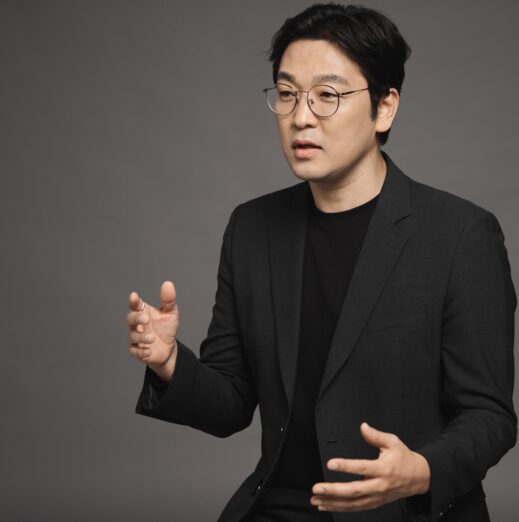
김종웅 아이이에스지 대표는 포스코그룹에서 15년 간 해외사업과 인프라 프로젝트를 수행한 대기업 출신 창업가다. 포스코인터내셔널 사내벤처 제도를 통해 창업해 분사에 성공했고, 올해 3월 시리즈A 투자를 완료했다. 그는 “ESG를 리스크 회피가 아닌 성장의 인프라로 만들 수 없을까”라는 질문으로 시작해, 지금은 국내 ESG 관련 특허를 가장 많이 보유한 기업 중 하나를 이끌고 있다.
ESG 비준수로 계약이 중단되는 사례 접하며 자연스레 창업 결심
김종웅 대표의 창업 배경은 현장 경험에서 비롯됐다. 포스코그룹에서 15년 이상 해외사업 개발과 인프라 프로젝트를 수행하며 ESG가 기업의 생존과 직결된다는 걸 체감했다.
“글로벌 파트너십이나 투자 프로젝트를 진행할 때, ESG 비준수로 계약이 지연되거나 심지어 거래가 중단되는 사례를 직접 경험했어요. ESG가 단순히 좋은 일이나 사회공헌이 아니라 기업 경쟁력의 문제로 바뀌고 있었죠.”
그때부터 한 가지 질문이 머릿속에 자리 잡았다. “기업이 리스크 회피용으로 ESG를 대응하는 게 아니라, ESG를 새로운 성장의 인프라로 삼을 수는 없을까.” 이 고민에 대한 해답이 구현된 것이 아이이에스지다.
그는 포스코인터내셔널 사내벤처 제도를 통해 창업해 분사에 성공했고, 올해 3월 시리즈A 투자를 완료했다. 쉼 없이 달려오는 과정 속에서 대기업의 체계적 거버넌스와 스타트업의 민첩성을 어떻게 동시에 구현할 것인가를 고민했다.
“대기업의 강점은 절차와 품질이지만, ESG 규제는 빠르게 변하기 때문에 신속한 대응이 필수입니다. 그래서 우리는 초기부터 ‘작은 TF 조직 → 빠른 POC → 내부 공감 형성 → 단계적 확장’ 구조로 움직였죠.”
이 모델은 지금의 아이이에스지 조직 문화에 깊이 남아 있다. 모든 구성원은 빠르게 프로토타입을 만들고, 데이터를 기반으로 검증하며, 주간 단위로 결과를 공유한다. 이렇게 쌓인 문화가 바로 데이터 우선 사고와 고객 중심 실험 문화다.
“늘 묻습니다. 이 데이터는 실제 의사결정에 도움이 되는가, 이 기능은 고객이 ESG를 더 쉽게 실행하게 만드는가? 이 두 질문이 지금도 모든 서비스 설계의 출발점이죠.”
ESG를 기회로 만드는 기술력, 글로벌 무대에서 검증받다
많은 기업이 ESG를 규제에 맞춰 어쩔 수 없이 해야 하는 일로 생각한다. 김종웅 대표 역시 과거에는 그런 분위기 속에 있었다. 하지만 현장에서 데이터를 다루다 보니 ESG 대응이 단순히 리스크를 줄이는 차원을 넘어 운영 효율화와 수익 개선을 가져올 수 있다는 사실을 확인했다.
“포스코인터내셔널 시절 협력사의 ESG 대응 여부가 규제와 관련없이 실제적인 비즈니스 유지 및 확대에 직접적인 영향을 미침을 확인했던 경험이 있습니다. 회사 설립 후에도 우리는 기업을 대상으로 한 평가가 아닌 의사결정 속도 제고, 비용 절감, 자본 접근성 개선으로 연결되는 구조에 집중했죠. 그 결과 ESG 리스크 시뮬레이션·시나리오 분석·개선 제언 등 실행형 모듈을 고도화해 실질적 사업 성과를 만드는 데 주력하고 있어요. ESG는 비용 항목이 아니라 성장의 인프라이며, 선제적 대응이 곧 재무적 실익으로 환류된다는 관점을 견지합니다.”
아이이에스지를 설립하면서 그는 이 가설을 증명하기로 했다. 초기에는 단순한 평가 시스템이 아니라 기업이 ESG를 통해 가시적 경영 성과를 얻을 수 있는 구조를 만드는 데 집중했다.
“많은 기업들이 ESG를 ‘규제에 맞춰 어쩔 수 없이 해야 하는 일’로 인식합니다. 하지만 ESG는 규제 대응을 넘어 투자 유치, 자금 조달, B2B 거래 유지·확대의 기본 요소로 자리 잡고 있죠. 현장에서 데이터를 다루다 보면, 선제적으로 ESG 리스크와 개선 요소를 파악·관리한 기업일수록 거래 확대, 조달 금리 및 밸류에이션 측면의 우위를 얻는 경향이 뚜렷합니다.”
아이이에스지의 기술 경쟁력은 명확하다. 국내에서 가장 많은 ESG 관련 특허를 보유한 기업 중 하나로, AI·빅데이터 기술을 활용해 ESG 데이터를 자동으로 수집·정합·리포팅하는 통합 엔진을 구축했다. ERP, IoT, 외부 API 등 다양한 데이터 소스를 연결하고 비정형 데이터를 처리하는 알고리즘은 아이이에스지만의 핵심 기술이다.
이 시스템은 전통적인 스프레드시트 방식보다 6배 빠른 처리 속도, 95% 비용 절감, 80% 행정 업무 감소를 실현했다. 데이터 계보와 모델 버전 관리, 변경 이력 기록, 로그 추출 기능 등을 통해 기업들이 감사나 외부 검증 과정에서도 신뢰할 수 있는 ESG 데이터를 보유하도록 지원한다.
“데이터가 투명하게 기록되기 때문에 감사인이나 투자기관이 ESG 데이터의 신뢰성을 손쉽게 검증할 수 있습니다. 일부 고객사는 이미 외부 회계감사와 제3자 검증을 통과해 이 체계를 입증했죠.”
CES 3년 연속 참가는 아이이에스지가 세계 시장에서 기술적 신뢰를 증명하고 네트워크를 확장하는 무대였다.
“CES는 단순한 글로벌 박람회가 아니라 ESG가 더 이상 비재무적 요소가 아니라 데이터 기반의 산업으로 자리 잡고 있음을 체감하는 곳입니다.”
아이이에스지의 글로벌 로드맵은 명확하다. 1단계는 PoC 단계로 중견·대기업 중심의 ESG 진단과 시뮬레이션 제안을 통해 해외 법인과 파트너 고객을 확보한다. 2단계는 상용화 단계로 아시아·중동 등 지역별 맞춤형 모듈을 출시하고 규제 대응 및 공급망 관리 중심의 수익 모델을 구축한다. 마지막 3단계는 통합 플랫폼 단계로 글로벌 ESG 데이터 허브를 조성해 AI 예측 모듈과 ESG 금융 연계 모델로 확장한다.
GITEX는 두바이에서 열리는 세계 최대 규모의 ICT 전시회로, 아이이에스지의 중동 시장 진출 전략의 중심축이다. 4년 연속 참가하며 단순 전시를 넘어 실제 사업 기회를 만들고 있다.
“UAE 법인 설립 이후 현지 정부기관인 MOCCAE(기후환경부), GGGI(녹색성장기구) 등과 ESG 데이터 인프라 구축 관련 협력을 논의하고 있으며, 일부 기관과는 파일럿 프로젝트 협의를 구체화하고 있죠.”
중동 지역은 탄소중립 목표, 산업 다각화, 공급망 ESG 강화 등 정책 중심의 변화가 빠른 시장이다. 동시에 ESG 데이터를 투명하게 관리하고 검증할 수 있는 기술에 대한 수요가 급격히 증가하고 있다.
“중동에서는 기술보다 진정성과 실행력이 더 중요합니다. 우리는 현지화된 ESG 지표, 다국어 대시보드, 정부 기관 요구사항에 맞춘 리포팅 구조 등을 꾸준히 개선하며 신뢰를 쌓고 있습니다.”
한국인공지능·소프트웨어산업협회(KOSA)와의 협력도 의미가 깊다. SW 산업은 제조업과 다른 지표 구조를 갖기 때문에 이를 반영한 ESG 진단 체계는 국내 최초의 시도였다.
“데이터센터 전력 효율, 클라우드 사용량, 배출 정량화를 핵심 지표로 삼고, 개발자 복지와 다양성, 개인정보 보호, AI 윤리, 알고리즘 편향 등을 포함했어요. 기업들은 단순히 점수를 받는 게 아니라 약점이 어디에 있는지, 어떤 개선이 효과적인지를 직관적으로 파악할 수 있죠”
KOSA와의 협력은 ‘진단/인증 프로그램’을 넘어 시상 및 금융지원 트랙등의 생태계 전략으로 발전하고 있다. ESG는 복잡하고 광범위해 단일 솔루션 기업이 전 영역을 커버하기 어렵고, 특히 데이터·AI가 반드시 내재화돼야 하는 영역이기에 김종웅 대표는 KOSA와 함께 IT 기업의 ESG 개선을 지원에 그치지 않고, 데이터 기술·AI 기술 접목에 대한 공동 연구와 민·공공 ESG 데이터 플랫폼 확장까지 전략적 협력 범위를 넓히는 중이다.
최근에는 이러한 내용을 포괄하는 전략적 협력 합의서를 KOSA와 체결했다. 이를 통해 표준화된 데이터 스키마, AI 기반 진단·예측 모델, 공공 리포팅 규격을 함께 설계했다. 정부·지자체 프로젝트 연계와 민간 대형 고객 확장을 병행하고 있다. 투자사 입장에서 보면, 플랫폼형 파트너십 레버리지를 통해 CAC 효율화·제품 확장성·레퍼런스 확보 속도를 동시에 끌어올리는 장치가 되고 있는 것이다.
“결국 ESG를 보고서용 지표가 아닌 비즈니스 성과 지표로 만든 것이 가장 큰 성과이죠.”
완벽보다 실행, 데이터로 ESG의 미래를 설계하다
아이이에스지는 중동을 시작으로 아시아 시장으로 확장하고 있다. UAE에서는 아부다비 현지에 법인을 설립해 정부 및 국영기업과 협력 중이며, EU발 CSRD, CSDDD, SFDR 등 각국 규제에 대응하는 현지화 모듈형 플랫폼을 구축 중이다.
국내에서도 ESG 대응은 중요하지만, 글로벌 공급망과 금융 시장은 ESG를 거래·투자 의사결정의 전면으로 끌어올렸고, i-ESG는 이 움직임에 집중하고 있다. 아이이에스지의 비전은 글로벌 공급망 기업의 거래중단 리스크를 낮추고, 데이터·AI 기반의 개선을 통해 실제 성과를 만들도록 돕는다.
이를 위해 해외에서의 지속 검증과 트랙션 확보에 주력하고 있다. 최근 룩셈부르크 재무부 Catapult의 그린 핀테크 프로그램에 선정된 10개의 기업 중 유일하게 아시아기업으로 선정됐고, UN 글로벌 임팩트의 공식 파트너로 프로젝트를 수행하고 있다. 또 한국법제연구원(KLRI)와 아시아의 중소중견 기업용 ESG지표 공동 개발 및 ESG 솔루션 기업으로 유일하게 포브스ㅗ리아 CSR 어워즈에서 대상을 수상하는 등 확장성을 검증해 가고 있다.
“플랫폼 관점에서 우리는 글로벌 공통 코어 위에 국가별 규제·산업별 요구를 반영한 Add-on 모듈을 얹는 구조로, 현지 규제의 업데이트를 신속 반영하고 고객은 필요한 기능만 선택 적용할 수 있습니다. 여기에 회계법인·컨설팅·기술 파트너와의 채널·딜리버리 동맹을 통해 확장 효율(Distribution Efficiency)을 높이고 있습니다. 궁극적으로 i-ESG는 객관화된 ESG 데이터를 ‘자산화’하고, 신뢰 가능한 검증을 거쳐 금융·거래로 연결되는 데이터 인프라 기업으로 도약하겠습니다.”
ESG 피로감이 높아진 것은 사실이지만, 김종웅 대표는 오히려 지금이 중요한 시기라고 생각한다.
“ESG가 보여주기식 캠페인이 아니라 기업의 지속가능한 경쟁 구조를 설계하는 도구로 진화하고 있기 때문입니다. 저는 완벽보다 실행을 강조합니다. 한 번에 완벽한 시스템을 만드는 건 불가능합니다. 작게 시작하되, 빠르게 실험하고, 데이터를 통해 효과를 검증한 뒤 결과를 조직에 내재화해야 합니다. 이것이 ESG 혁신의 현실적이고 지속 가능한 방법입니다.”
마지막으로 우리 기업들에게 전하고 싶은 메시지를 물었다.
“첫째, ESG는 선택이 아니라 기업 생존의 언어입니다. 둘째, 단순 보고서 작성이 아니라 데이터와 인사이트 중심의 체계를 구축해야 합니다. 셋째, 완벽한 계획보다 작은 실행과 지속 개선이 더 큰 변화를 만듭니다.”
김종웅 대표는 아이이에스지를 “기술로 ESG의 복잡함을 단순화하고, 기업이 데이터를 통해 스스로의 성장을 설계할 수 있도록 돕는 실질적 동반자”로 만들겠다고 했다.
“우리는 ‘ESG를 비용이 아닌 성장의 인프라로 바꾸는 회사’라는 믿음을 중심에 두고 그 길을 걸어갈 겁니다.”
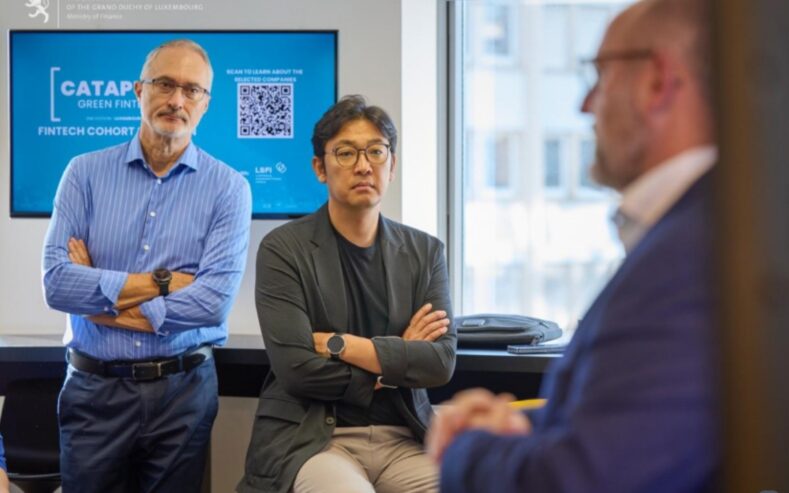
Kim Jong-woong, CEO of IESG, designs ESG with data, "as a growth infrastructure, not a cost."
“I’m working overtime again to write the ESG report.”
Just a few years ago, ESG was a regulatory imperative, something companies had to accept. Environmental data was scattered across Excel files, and companies struggled to find the data during audits. Global partnerships were frequently terminated due to ESG noncompliance. Companies viewed ESG as nothing more than a checklist for risk avoidance.
i-ESG has transformed this structure. By building an integrated engine that automatically collects, aligns, and reports ESG data using AI and big data, it has achieved processing speeds six times faster than traditional methods, 95% cost savings, and 80% administrative reduction. It has evolved from a simple report-writing tool to a platform that provides insights for improving management. Having participated in CES for three consecutive years and GITEX for four, i-ESG has earned recognition for its technological prowess in the global market and successfully entered the Middle East market by establishing a local subsidiary in Abu Dhabi, UAE.
Kim Jong-woong, CEO of IESG, is an entrepreneur who came from a large corporate background and spent 15 years working on overseas business and infrastructure projects at the POSCO Group. He founded the company through POSCO International's in-house venture program, successfully spun it off, and completed Series A funding in March of this year. His journey began with the question, "Can we transform ESG into a growth infrastructure, rather than a risk avoidance tool?" He now leads one of the companies with the largest number of ESG-related patents in Korea.
I naturally decided to start a business after seeing cases where contracts were terminated due to ESG non-compliance.
CEO Kim Jong-woong's founding philosophy stems from his field experience. Having worked at POSCO Group for over 15 years developing overseas businesses and executing infrastructure projects, he realized firsthand that ESG is directly linked to a company's survival.
"When working on global partnerships or investment projects, I've personally experienced cases where ESG non-compliance led to contract delays or even suspensions. ESG is no longer simply a good deed or social contribution, but is increasingly becoming a matter of corporate competitiveness."
From then on, one question lingered in my mind: "Rather than companies addressing ESG as a means of risk avoidance, can't they use it as a new growth infrastructure?" The answer to this question was realized in IESG.
He successfully launched and spun off his company through POSCO International's in-house venture program, and completed Series A funding in March of this year. Throughout this relentless process, he contemplated how to simultaneously achieve the systematic governance of a large corporation and the agility of a startup.
"Large corporations' strengths lie in their processes and quality, but ESG regulations change rapidly, making rapid response essential. That's why, from the outset, we adopted a structure of 'small task force → rapid proof of concept → internal consensus → gradual expansion.'"
This model remains deeply ingrained in ISG's current organizational culture. All members rapidly create prototypes, validate them based on data, and share the results on a weekly basis. This culture, built on data-first thinking and customer-centric experimentation, is what makes it so unique.
"I always ask: Does this data actually help with decision-making? Does this feature make it easier for customers to implement ESG practices? These two questions are still the starting point for all service design."
Technology that turns ESG into opportunities is being proven on the global stage.
Many companies view ESG as something they must do to comply with regulations. CEO Kim Jong-woong once found himself in this same mindset. However, through working with data in the field, he realized that ESG compliance goes beyond simply reducing risk and can lead to operational efficiency and improved profitability.
During my time at POSCO International, I witnessed how our partners' ESG compliance directly impacted their ability to sustain and expand their businesses, regardless of regulatory requirements. Since our founding, we've focused on building a structure that accelerates decision-making, reduces costs, and improves access to capital, rather than simply evaluating companies. As a result, we've refined our implementation modules, including ESG risk simulation, scenario analysis, and improvement suggestions, to drive tangible business results. We maintain the view that ESG is not a cost item, but rather an infrastructure for growth, and that proactive responses directly translate into financial benefits.
When he founded ISG, he set out to prove this hypothesis. Initially, he focused on creating a structure that enabled companies to achieve tangible management results through ESG, rather than simply developing a simple evaluation system.
Many companies perceive ESG as something they must do to comply with regulations. However, ESG goes beyond regulatory compliance and is now a fundamental element of attracting investment, raising funds, and maintaining and expanding B2B transactions. When we examine data from the field, we see that companies that proactively identify and manage ESG risks and opportunities for improvement tend to gain advantages in terms of transaction expansion, financing rates, and valuation.
IESG's technological competitiveness is clear. As one of the companies with the largest number of ESG-related patents in Korea, it has built an integrated engine that automatically collects, integrates, and reports ESG data using AI and big data technologies. The algorithms that connect diverse data sources, such as ERP, IoT, and external APIs, and process unstructured data are IESG's core technologies.
This system achieves processing speeds six times faster than traditional spreadsheet methods, 95% cost savings, and 80% administrative reduction. Its data lineage, model version management, change history recording, and log extraction capabilities help companies maintain reliable ESG data, even during audits and external verification processes.
"Because data is recorded transparently, auditors and investment firms can easily verify the reliability of ESG data. Some clients have already proven this system by undergoing external audits and third-party verification."
Participating in CES for three consecutive years has been a stage for ISG to prove its technological credibility in the global market and expand its network.
“CES is not just a global trade show; it's a place where you can experience how ESG is no longer a non-financial factor, but rather a data-driven industry.”
IESG's global roadmap is clear. Phase 1 is the Proof-of-Construction (PoC) phase, where ESG diagnosis and simulation proposals are provided to mid-sized and large companies to secure overseas corporations and partner clients. Phase 2 is the Commercialization phase, where customized modules for specific regions like Asia and the Middle East are launched and a revenue model focused on regulatory response and supply chain management is established. Finally, Phase 3 is the Integrated Platform phase, where a global ESG data hub is established and expanded with AI prediction modules and ESG-finance-linked models.
GITEX, held in Dubai, is the world's largest ICT exhibition and a key pillar of ISG's strategy to enter the Middle East market. Having participated for four consecutive years, we are moving beyond mere exhibition to create real business opportunities.
Since establishing our UAE corporation, we have been discussing cooperation with local government agencies such as MOCCAE (Ministry of Climate and Environment) and GGGI (Green Growth Institute) on building an ESG data infrastructure, and we are finalizing pilot project agreements with some organizations.
The Middle East is a market experiencing rapid policy-driven change, driven by carbon neutrality goals, industrial diversification, and strengthened supply chain ESG. At the same time, demand for technologies that can transparently manage and verify ESG data is rapidly increasing.
"In the Middle East, authenticity and execution are more important than technology. We are building trust by continuously improving our localized ESG metrics, multilingual dashboards, and reporting structures tailored to government requirements."
Collaboration with the Korea Artificial Intelligence and Software Industry Association (KOSA) is also significant. Because the software industry has a different indicator structure than the manufacturing industry, this was the first attempt in Korea to incorporate this into its ESG assessment system.
"We've focused on data center power efficiency, cloud usage, and emissions quantification as key metrics, and have included developer well-being and diversity, privacy, AI ethics, and algorithmic bias. Companies won't simply receive a score; they'll be able to intuitively identify where their weaknesses lie and what improvements could be effective."
The collaboration with KOSA is evolving beyond a "diagnosis/certification program" into an ecosystem strategy, including awards and financial support tracks. ESG is complex and broad, making it difficult for a single solution provider to cover all areas. Furthermore, data and AI are essential for this area. Therefore, CEO Kim Jong-woong is expanding the scope of his strategic collaboration with KOSA beyond simply supporting IT companies to improve their ESG practices. This includes joint research on integrating data and AI technologies and expanding public-private ESG data platforms.
Recently, we signed a strategic cooperation agreement with KOSA that encompasses these areas. Through this agreement, we jointly designed a standardized data schema, AI-based diagnostic and predictive models, and public reporting standards. We are also pursuing collaborations with government and local government projects and expanding our reach to large private clients. From an investor's perspective, this platform-based partnership leverages the power of CAC to simultaneously improve efficiency, product scalability, and accelerate reference acquisition.
“Ultimately, our greatest achievement was making ESG a business performance indicator, not just a reporting indicator.”
Execution over Perfection: Designing the Future of ESG with Data
IESG is expanding into the Asian market, starting with the Middle East. In the UAE, it established a local subsidiary in Abu Dhabi and is collaborating with the government and state-owned enterprises. It is also developing a localized modular platform that responds to national regulations, including the EU's CSRD, CSDDD, and SFDR.
While ESG compliance is important domestically, global supply chains and financial markets have brought ESG to the forefront of trading and investment decision-making, and i-ESG is focusing on this movement. i-ESG's vision is to help global supply chain companies reduce transaction interruption risks and achieve tangible results through data- and AI-driven improvements.
To this end, we are focusing on continuous verification and securing traction overseas. Recently, we were the only Asian company selected for the Luxembourg Ministry of Finance's Catapult Green Fintech program among ten companies, and we are currently working on projects as an official partner of the UN Global Impact. Furthermore, we are proving our scalability by co-developing ESG indicators for Asian SMEs with the Korea Legislation Research Institute (KLRI) and winning the grand prize at the Forbes Korea CSR Awards, the only ESG solutions company to do so.
From a platform perspective, our architecture builds on a global common core with add-on modules that reflect country-specific regulations and industry-specific needs. This allows us to quickly reflect local regulatory updates and allows customers to selectively apply only the features they need. Furthermore, we are enhancing distribution efficiency through channel and delivery alliances with accounting firms, consulting firms, and technology partners. Ultimately, i-ESG will transform into a data infrastructure company that "capitalizes" objective ESG data and, through reliable verification, connects it to finance and transactions.
While it's true that ESG fatigue has increased, CEO Kim Jong-woong believes that now is a crucial time.
"This is because ESG is evolving from a show-off campaign to a tool for designing a sustainable competitive structure for companies. I emphasize execution over perfection. It's impossible to create a perfect system in one go. We need to start small, experiment quickly, verify the effectiveness with data, and then internalize the results within the organization. This is a realistic and sustainable way to achieve ESG innovation."
Finally, we asked what message we would like to convey to our companies.
"First, ESG is not a choice, but a language for corporate survival. Second, we must build a system centered on data and insights, not simply producing reports. Third, small actions and continuous improvements create greater change than perfect plans."
CEO Kim Jong-woong stated that he would make IESG “a practical partner that simplifies the complexities of ESG through technology and helps companies design their own growth through data.”
"We will continue to walk that path, centered on our belief that we are a company that transforms ESG from a cost to an infrastructure for growth."
「非費用成長インフラへ」データとしてESG設計するキム・ジョンウンアイアイエスジ代表
「ESG報告書を作成するのはまた夜勤です。」
数年前だけでもESGは規制に合わせてやむを得ず受け入れなければならないことだった。環境データはExcelファイルに散らばっており、感謝するたびに資料を探すのに苦労した。 ESG非準拠でグローバルパートナーシップが中断されることが頻繁だった。企業はESGをリスク回避のためのチェックリストとしてのみ考えた。
アイイエスジ(i-ESG)はこの構造を変えた。 AIとビッグデータでESGデータを自動的に収集・整合・レポートする統合エンジンを構築し、伝統的方式より6倍速い処理速度、95%コスト削減、80%行政業務減少を実現した。単純報告書作成ツールではなく、経営改善インサイトを提供するプラットフォームに進化した。 CES 3年連続、GITEX 4年連続参加し、グローバル市場で技術力を認められ、UAEアブダビに現地法人を設立し、中東市場進出に成功した。
キム・ジョンウンアイイエスジ代表はポスコグループで15年間、海外事業とインフラプロジェクトを行った大企業出身の創業者だ。ポスコインターナショナル社内ベンチャー制度を通じて創業して噴射に成功し、今年3月シリーズA投資を完了した。彼は「ESGをリスク回避ではなく成長のインフラにすることはできないだろうか」という質問から始め、今は国内ESG関連特許を最も多く保有している企業の1つを導いている。
ESG非遵守で契約が中断される事例 接して自然に創業決意
キム・ジョンウン代表の創業背景は現場経験から始まった。ポスコグループで15年以上海外事業開発とインフラプロジェクトを実施し、ESGが企業の生存と直結するということを体感した。
「グローバルパートナーシップや投資プロジェクトを進行する際、ESGの非準拠で契約が遅れたり、さらに取引が中断される事例を直接経験しました。ESGが単に良いことや社会貢献ではなく企業競争力の問題に変わっていました」
その時から一つの質問が頭の中に位置していた。 「企業がリスク回避用にESGを対応するのではなく、ESGを新たな成長のインフラにすることはできないだろうか。」この悩みに対する答えが具現されたのがアイエスジだ。
彼はポスコインターナショナル社内ベンチャー制度を通じて創業して噴射に成功し、今年3月シリーズA投資を完了した。休むことなく走ってくる過程の中で大企業の体系的ガバナンスとスタートアップの俊敏性をどのように同時に実装するかを悩んだ。
「大企業の強みは手続きと品質ですが、ESG規制は急速に変化するため、迅速な対応が必須です。だから我々は初期から「小さなTF組織→速いPOC→内部共感形成→段階的拡張」構造に動いています」
このモデルは今のアイエスジ組織文化に深く残っている。すべてのメンバーは迅速にプロトタイプを作成し、データに基づいて検証し、週単位で結果を共有します。このように積まれた文化がまさにデータ優先事故と顧客中心の実験文化だ。
「いつも尋ねています。このデータは実際の意思決定に役立ちますか、この機能は顧客がESGをより簡単に実行するのですか?これら2つの質問は今でもすべてのサービス設計の出発点です」
ESGを機会にする技術力、グローバルステージで検証を受ける
多くの企業がESGを規制に合わせてやむを得ずしなければならないことだと思う。キム・ジョンウン代表も過去にはそんな雰囲気の中にあった。しかし、現場でデータを扱うと、ESG対応が単にリスクを減らす次元を超えて運用効率化と収益改善をもたらすことができるという事実を確認した。
「ポスコインターナショナル時代、協力会社のESG対応可否が規制に関わらず、実際的なビジネス維持と拡大に直接影響を及ぼすことを確認した経験があります。会社設立後も、私たちは企業を対象とした評価ではなく意思決定速度向上、コスト削減、資本アクセシビリティ改善につながる仕組みに集中しました。その結果、ESGリスクシミュレーション・シナリオ分析作成に焦点を当てています。ESGはコスト項目ではなく成長のインフラストラクチャであり、先制的な対応がすぐに財務上の利益に還流するという見方を堅持しています。
アイイエスジーを設立し、彼はこの仮説を証明することにした。当初は、単純な評価システムではなく、企業がESGを通じて可視的な経営成果を得ることができる構造を作ることに集中した。
「多くの企業がESGを「規制に合わせて仕方なくしなければならないこと」と認識していますが、ESGは規制対応を超えて投資誘致、資金調達、B2B取引維持・拡大の基本要素として位置づけられています。バリュエーション側面の優位性を得る傾向がはっきりしています。
あいいえじの技術競争力は明確だ。国内で最も多くのESG関連特許を保有した企業の一つで、AI・ビッグデータ技術を活用してESGデータを自動的に収集・整合・レポートする統合エンジンを構築した。 ERP、IoT、外部APIなど、さまざまなデータソースを接続して非定型データを処理するアルゴリズムは、アイエスだけのコア技術です。
このシステムは、従来のスプレッドシート方式より6倍速い処理速度、95%のコスト削減、80%の行政業務の減少を実現した。データ系譜とモデルバージョン管理、変更履歴記録、ログ抽出機能などを通じて、企業が監査や外部検証過程でも信頼できるESGデータを保持することを支援する。
「データが透明に記録されているため、監査人や投資機関がESGデータの信頼性を簡単に検証できます。一部の顧客はすでに外部会計監査と第三者検証に合格してこの体系を立証しています。」
CES 3年連続参加は、アイエスジが世界市場で技術的信頼を証明し、ネットワークを拡張する舞台だった。
「CESは、単なるグローバルな見本市ではなく、ESGがもはや非財務的要素ではなく、データ駆動型の産業として位置づけられていることを体感しています。」
あいいえじのグローバルロードマップは明確だ。 1段階はPoC段階で中堅・大企業中心のESG診断とシミュレーション提案を通じて海外法人とパートナー顧客を確保する。 2段階は商用化段階で、アジア・中東など地域別にカスタマイズされたモジュールを発売し、規制対応及びサプライチェーン管理中心の収益モデルを構築する。最後の3段階は統合プラットフォーム段階でグローバルESGデータハブを造成し、AI予測モジュールとESG金融連携モデルに拡張する。
GITEXはドバイで開かれる世界最大規模のICT展示会であり、アイイエスジーの中東市場進出戦略の中心軸である。 4年連続参加し、単純展示を超えて実際の事業機会を作っている。
「UAE法人設立以来、現地政府機関であるMOCCAE(気候環境部)、GGGI(緑成長機構)などとESGデータインフラ構築関連協力を議論しており、一部機関とはパイロットプロジェクト協議を具体化しています。」
中東地域は炭素中立目標、産業多角化、サプライチェーンESG強化など政策中心の変化が早い市場だ。同時に、ESGデータを透明に管理し検証できる技術に対する需要が急激に増加している。
「中東では、技術より真正性と実行力がより重要です。私たちは、ローカライズされたESG指標、多言語ダッシュボード、政府機関の要件に合わせたレポート構造などを着実に改善し、信頼を築いています。」
韓国人工知能・ソフトウェア産業協会(KOSA)との協力も意味が深い。 SW産業は製造業とは異なる指標構造を持つため、これを反映したESG診断体系は国内初の試みだった。
「データセンターの電力効率、クラウド使用量、排出量の定量化を核心指標とし、開発者の福祉と多様性、個人情報保護、AI倫理、アルゴリズム偏向などを含んでいました。
KOSAとの協力は「診断/認証プログラム」を超え、授賞や金融支援トラックなどの生態系戦略に発展している。 ESGは複雑で広範囲にわたって単一ソリューション企業が全領域をカバーすることが難しく、特にデータ・AIが必ずしも内在化しなければならない領域であるため、キム・ジョンウン代表はKOSAとともにIT企業のESG改善を支援にとどまらず、データ技術・AI技術接木に対する共同研究と民・公共ESGデータプラットフォーム拡張まで戦略的協力範囲を広げている。
最近では、こうした内容を網羅する戦略的協力合意書をKOSAと締結した。これにより、標準化されたデータスキーマ、AIベースの診断・予測モデル、公共レポーティング規格を共に設計した。政府・自治体プロジェクト連携と民間大型顧客拡大を並行している。投資会社の立場から見ると、プラットフォーム型パートナーシップレバレッジを通じてCAC効率化・製品拡張性・リファレンス確保速度を同時に引き上げる装置となっているのだ。
「結局、ESGをレポート用の指標ではなくビジネス成果指標にしたのが最大の成果です。」
完璧より実行、データでESGの未来を設計する
アイエスジは中東をはじめアジア市場に拡大している。 UAEではアブダビ現地に法人を設立し、政府および国営企業と協力しており、EU発CSRD、CSDDD、SFDRなど各国規制に対応するローカライズモジュール型プラットフォームを構築中だ。
国内でもESG対応は重要だが、グローバルサプライチェーンと金融市場はESGを取引・投資意思決定の全面に引き上げ、i-ESGはこの動きに集中している。アイエスジーのビジョンはグローバルサプライチェーン企業の取引中断リスクを下げ、データ・AI基盤の改善を通じて実際の成果を作るのを助ける。
このために海外での持続検証とトラクション確保に注力している。最近、ルクセンブルク財務省Catapultのグリーンフィンテックプログラムに選ばれた10社の中で唯一アジア企業に選ばれ、UNグローバルインパクトの公式パートナーとしてプロジェクトを行っている。また、韓国法制研究院(KLRI)とアジアの中小中堅企業向けESG指標共同開発およびESGソリューション企業として唯一、フォーブス・リアCSRアワードで対象を受賞するなど、拡張性を検証している。
「プラットフォームの観点からは、グローバル共通コアの上に国別規制・産業別要求を反映したアドオンモジュールを載せる仕組みで、現地規制のアップデートを迅速に反映し、顧客は必要な機能のみを選択適用することができます。 i-ESGは、客観化されたESGデータを「資産化」し、信頼できる検証を経て金融・取引につながるデータインフラ企業に飛躍します。
ESG疲労感が高まったのは事実だが、キム・ジョンウン代表はむしろ今が重要な時期だと思う。
「ESGが見せてくれるキャンペーンではなく、企業の持続可能な競争構造を設計するツールに進化しているからです。私は完璧より実行を強調します。一度に完璧なシステムを作ることは不可能です。小さく始めますが、素早く実験し、データを通じて効果を検証した後、結果を組織に内在化する必要があります。これがESGイノベーションの現実。
最後に、私たちの企業に伝えたいメッセージを聞いた。
「第一に、ESGは選択ではなく企業生存の言語です。第二に、単純なレポートを作成するのではなく、データとインサイト中心のスキームを構築する必要があります。第三に、完璧な計画よりも小さな実行と継続的な改善が大きな変化を生み出します。」
キム・ジョンウン代表はアイアイエスジーを「技術でESGの複雑さを単純化し、企業がデータを通じて自らの成長を設計できるように助ける実質的な仲間」にすると述べた。
「私たちは、「ESGをコストではなく成長のインフラに変える会社」という信念を中心にして、その道を歩いていきます。」
IESG 首席执行官金钟雄 (Kim Jong-woong) 用数据来设计 ESG,“将其作为增长基础设施,而不是成本”。
“我又在加班写ESG报告了。”
就在几年前,ESG 还是一项监管要求,企业必须接受。当时,环境数据散落在 Excel 文件中,企业在审计过程中难以找到这些数据。全球合作伙伴关系经常因 ESG 不合规而终止。企业将 ESG 视为规避风险的清单。
i-ESG 彻底改变了这一架构。通过构建一个集成引擎,利用人工智能和大数据自动收集、整合和报告 ESG 数据,其处理速度比传统方法快了六倍,成本节省了 95%,行政工作减少了 80%。它已从一个简单的报告编写工具发展成为一个提供改进管理见解的平台。i-ESG 已连续三年参展 CES 和四届 GITEX,其技术实力在全球市场获得认可,并通过在阿联酋阿布扎比设立当地法人,成功进军中东市场。
IESG首席执行官金钟雄是一位拥有大型企业背景的企业家,曾在浦项制铁集团(POSCO Group)从事海外业务和基础设施项目长达15年。他通过浦项国际(POSCO International)的内部风险投资项目创立了IESG,并成功将其剥离,并于今年3月完成A轮融资。他的创业之路始于一个问题:“我们能否将ESG转变为增长基础设施,而不是规避风险的工具?” 如今,他领导着韩国拥有ESG相关专利数量最多的公司之一。
在看到因不符合 ESG 规定而被终止合同的案例后,我自然而然地决定创业。
金钟雄首席执行官的创业理念源于他的实践经验。他在浦项制铁集团工作超过15年,负责拓展海外业务和执行基础设施项目,亲身感受到ESG与公司生存息息相关。
“在开展全球合作或投资项目时,我亲身经历过一些因ESG不合规而导致合同延期甚至暂停的案例。ESG不再仅仅是一项善举或社会贡献,而越来越成为企业竞争力的一个方面。”
从那时起,一个问题萦绕在我的脑海中:“企业能否将ESG视为一种规避风险的手段,而不是一种新的增长基础设施?”这个问题的答案在IESG中得到了实现。
他通过浦项国际的内部风险投资项目成功启动并剥离了公司,并于今年3月完成A轮融资。在这个充满挑战的过程中,他不断思考如何同时兼具大公司的系统化治理和初创企业的敏捷性。
“大型企业的优势在于流程和质量,但ESG法规瞬息万变,快速响应至关重要。因此,我们从一开始就采用了‘小型工作组→快速概念验证→内部共识→逐步扩展’的架构。”
这种模式深深植根于 ISG 当前的组织文化。所有成员快速创建原型,基于数据进行验证,并每周分享结果。这种建立在数据优先思维和以客户为中心的实验基础上的文化,正是 ISG 的独特之处。
“我总是问:这些数据真的有助于决策吗?这个功能是否能让客户更容易地实施ESG实践?这两个问题仍然是所有服务设计的起点。”
将 ESG 转化为机遇的技术正在全球舞台上得到验证。
许多公司将ESG视为遵守法规的必要措施。首席执行官金钟雄也曾有过同样的心态。然而,通过实地数据工作,他意识到ESG合规不仅仅是降低风险,还可以提高运营效率和盈利能力。
在浦项国际任职期间,我亲眼见证了合作伙伴的ESG合规性如何直接影响他们维持和拓展业务的能力,无论监管要求如何。自成立以来,我们始终致力于构建一个能够加速决策、降低成本并改善融资渠道的架构,而非仅仅评估公司。因此,我们不断完善实施模块,包括ESG风险模拟、情景分析和改进建议,以推动切实的业务成果。我们始终认为,ESG并非成本项目,而是增长的基础设施,积极主动的响应能够直接转化为财务效益。
他创立ISG时,就是为了验证这一假设。最初,他并非仅仅开发一个简单的评估体系,而是致力于构建一个能够让企业通过ESG取得切实经营成果的体系。
许多公司认为ESG是遵守法规的必要措施。然而,ESG的意义远不止于合规,如今已成为吸引投资、筹集资金以及维持和拓展B2B交易的基本要素。我们分析了来自该领域的数据,发现那些积极识别和管理ESG风险和改进机会的公司往往在交易扩张、融资利率和估值方面占据优势。
IESG 的技术竞争力显而易见。作为韩国拥有 ESG 相关专利数量最多的公司之一,该公司构建了一个集成引擎,利用人工智能和大数据技术自动收集、整合和报告 ESG 数据。连接 ERP、物联网和外部 API 等各种数据源并处理非结构化数据的算法是 IESG 的核心技术。
该系统的处理速度比传统电子表格方法快六倍,成本节省95%,行政管理减少80%。其数据沿袭、模型版本管理、变更历史记录和日志提取功能可帮助企业即使在审计和外部验证过程中也能维护可靠的ESG数据。
由于数据记录透明,审计师和投资公司可以轻松验证ESG数据的可靠性。一些客户已经通过外部审计和第三方验证证明了该系统的有效性。
连续三年参加CES,是ISG在全球市场证明其技术可信度、拓展网络的舞台。
“CES 不仅仅是一个全球贸易展;在这里,你可以体验到 ESG 不再是一个非财务因素,而是一个数据驱动的行业。”
IESG 的全球发展路线图清晰明了。第一阶段为构建验证 (PoC) 阶段,为中大型企业提供 ESG 诊断和模拟方案,以吸引海外企业和合作伙伴客户。第二阶段为商业化阶段,推出针对亚洲和中东等特定地区的定制模块,并建立以监管响应和供应链管理为重点的收入模式。第三阶段为集成平台阶段,建立全球 ESG 数据中心,并扩展 AI 预测模块和 ESG 金融关联模型。
在迪拜举办的GITEX是全球规模最大的ICT展会,也是ISG进军中东市场战略的重要支柱。我们已连续四年参展,致力于超越单纯的展览,创造真正的商机。
自阿联酋法人成立以来,我们一直在与MOCCAE(气候与环境部)、GGGI(绿色增长研究所)等当地政府机构探讨合作建设ESG数据基础设施,并正在与一些组织敲定试点项目协议。
中东市场正经历着快速的政策变革,其驱动力包括碳中和目标、产业多元化以及强化供应链的ESG。与此同时,对能够透明管理和验证ESG数据的技术的需求也在快速增长。
在中东,真实性和执行力比技术更重要。我们通过不断改进本地化的 ESG 指标、多语言仪表盘以及根据政府要求定制的报告结构来建立信任。
与韩国人工智能及软件产业协会(KOSA)的合作也意义重大。由于软件行业的指标结构与制造业不同,这是韩国首次将其纳入ESG评估体系的尝试。
我们专注于数据中心的能效、云使用情况和排放量化作为关键指标,并将开发人员的福祉和多样性、隐私、人工智能伦理和算法偏见纳入考量。企业不会简单地获得分数;他们将能够直观地识别自身的弱点所在以及哪些改进措施可能有效。
与KOSA的合作正从“诊断/认证计划”发展成为一项生态系统战略,涵盖奖励和资金支持等。ESG领域复杂且广泛,单一解决方案提供商难以覆盖所有领域。此外,数据和人工智能对ESG至关重要。因此,首席执行官金钟雄正在扩大与KOSA的战略合作范围,而不仅仅是支持IT公司改进其ESG实践。这包括整合数据和人工智能技术的联合研究,以及扩展公私合作的ESG数据平台。
最近,我们与KOSA签署了涵盖这些领域的战略合作协议。通过该协议,我们共同设计了标准化数据架构、基于AI的诊断和预测模型以及公共报告标准。我们还在寻求与政府和地方政府项目合作,并拓展与大型私人客户的合作。从投资者的角度来看,这种基于平台的合作伙伴关系利用CAC的力量,同时提高效率、产品可扩展性并加速参考文献的获取。
“最终,我们最大的成就是将 ESG 打造成一项业务绩效指标,而不仅仅是一个报告指标。”
执行胜过完美:用数据设计 ESG 的未来
IESG 正从中东开始,进军亚洲市场。在阿联酋,该公司在阿布扎比设立了当地子公司,并与当地政府和国有企业开展合作。此外,该公司还在开发本地化的模块化平台,以响应包括欧盟的 CSRD、CSDDD 和 SFDR 在内的各国法规。
虽然 ESG 合规在国内很重要,但全球供应链和金融市场已将 ESG 推向交易和投资决策的前沿,而 i-ESG 正专注于这一举措。i-ESG 的愿景是帮助全球供应链公司降低交易中断风险,并通过数据和人工智能驱动的改进取得切实成果。
为此,我们致力于持续验证并确保海外影响力。最近,我们成为卢森堡财政部“Catapult Green Fintech”项目十家入选公司中唯一一家亚洲公司,目前正作为联合国“全球影响力”的官方合作伙伴开展项目。此外,我们还与韩国立法研究院(KLRI)共同开发面向亚洲中小企业的ESG指标,并作为唯一一家ESG解决方案公司荣获“福布斯韩国企业社会责任奖”大奖,证明了我们的可扩展性。
从平台角度来看,我们的架构基于全球通用核心,并包含反映特定国家/地区法规和行业特定需求的附加模块。这使我们能够快速反映本地监管更新,并允许客户选择性地应用其所需的功能。此外,我们还通过与会计师事务所、咨询公司和技术合作伙伴建立渠道和交付联盟来提升分销效率。最终,i-ESG 将转型为一家数据基础设施公司,将客观的 ESG 数据“资产化”,并通过可靠的验证将其与金融和交易连接起来。
尽管 ESG 疲劳确实有所增加,但首席执行官金钟雄认为现在是一个关键时刻。
这是因为ESG正在从一种炫耀性的宣传活动演变为一种为企业设计可持续竞争结构的工具。我强调执行力而非完美。不可能一次性打造出一个完美的体系。我们需要从小处着手,快速实验,用数据验证有效性,然后将结果内化到组织内部。这才是实现ESG创新的现实且可持续的方式。
最后,我们询问我们想向我们的公司传达什么信息。
“首先,ESG不是一种选择,而是一种企业生存的语言。其次,我们必须构建一个以数据和洞察为中心的体系,而不仅仅是制作报告。第三,小行动和持续改进比完美的计划更能带来更大的改变。”
首席执行官金钟雄表示,他将使 IESG 成为“一个务实的合作伙伴,通过技术简化 ESG 的复杂性,并帮助企业通过数据设计自身的增长”。
“我们将继续沿着这条道路前进,坚信我们是一家将 ESG 从成本转变为增长基础设施的公司。”
Kim Jong-woong, PDG de l'IESG, conçoit l'ESG avec les données, « comme une infrastructure de croissance, et non comme un coût ».
« Je fais encore des heures supplémentaires pour rédiger le rapport ESG. »
Il y a quelques années à peine, les critères ESG étaient un impératif réglementaire, une obligation que les entreprises devaient accepter. Les données environnementales étaient dispersées dans des fichiers Excel, et les entreprises peinaient à les retrouver lors des audits. Des partenariats internationaux étaient fréquemment résiliés pour non-conformité aux critères ESG. Les entreprises ne considéraient les critères ESG que comme une simple liste de contrôle pour éviter les risques.
i-ESG a transformé cette structure. En développant un moteur intégré qui collecte, aligne et rapporte automatiquement les données ESG grâce à l'IA et au Big Data, i-ESG a atteint des vitesses de traitement six fois supérieures aux méthodes traditionnelles, réalisant 95 % d'économies et 80 % de réduction des tâches administratives. D'un simple outil de rédaction de rapports, i-ESG est devenu une plateforme fournissant des informations pour améliorer la gestion. Après avoir participé au CES pendant trois années consécutives et au GITEX pendant quatre années consécutives, i-ESG a été reconnu pour ses prouesses technologiques sur le marché mondial et a réussi sa percée au Moyen-Orient en créant une filiale locale à Abou Dhabi, aux Émirats arabes unis.
Kim Jong-woong, PDG d'IESG, est un entrepreneur issu d'une grande entreprise et ayant travaillé pendant 15 ans sur des projets commerciaux et d'infrastructures à l'étranger au sein du groupe POSCO. Il a fondé l'entreprise grâce au programme de capital-risque interne de POSCO International, l'a scindée avec succès et a finalisé un financement de série A en mars dernier. Son parcours a commencé par la question suivante : « Peut-on transformer l'ESG en une infrastructure de croissance, plutôt qu'un outil de prévention des risques ? » Il dirige aujourd'hui l'une des entreprises détenant le plus grand nombre de brevets liés à l'ESG en Corée.
J’ai naturellement décidé de créer une entreprise après avoir vu des cas où des contrats ont été résiliés en raison d’un non-respect des normes ESG.
La philosophie fondatrice du PDG Kim Jong-woong découle de son expérience terrain. Ayant travaillé pendant plus de 15 ans au sein du groupe POSCO, où il a développé des activités à l'étranger et réalisé des projets d'infrastructure, il a pu constater que les critères ESG sont directement liés à la survie d'une entreprise.
Lors de mes collaborations internationales ou de projets d'investissement, j'ai personnellement constaté des cas où le non-respect des critères ESG a entraîné des retards, voire des suspensions, de contrats. L'ESG n'est plus seulement une bonne action ou une contribution sociale, mais devient de plus en plus un enjeu de compétitivité pour les entreprises.
Dès lors, une question m'est restée en tête : « Plutôt que d'envisager l'ESG comme un moyen d'éviter les risques, les entreprises ne pourraient-elles pas l'utiliser comme une nouvelle infrastructure de croissance ? » La réponse à cette question a été apportée par l'IESG.
Il a lancé et scindé avec succès son entreprise grâce au programme de capital-risque interne de POSCO International, et a finalisé un financement de série A en mars dernier. Tout au long de ce processus acharné, il a réfléchi à la manière d'obtenir simultanément la gouvernance méthodique d'une grande entreprise et l'agilité d'une start-up.
Les atouts des grandes entreprises résident dans leurs processus et leur qualité, mais la réglementation ESG évolue rapidement, rendant la réactivité essentielle. C'est pourquoi, dès le départ, nous avons adopté une structure de type « petit groupe de travail → validation rapide du concept → consensus interne → expansion progressive ».
Ce modèle est profondément ancré dans la culture organisationnelle actuelle d'ISG. Tous les membres créent rapidement des prototypes, les valident à partir des données et partagent les résultats chaque semaine. Cette culture, fondée sur une approche privilégiant les données et une expérimentation centrée sur le client, fait toute la singularité d'ISG.
Je me demande toujours : ces données aident-elles réellement à la prise de décision ? Cette fonctionnalité facilite-t-elle la mise en œuvre des pratiques ESG par les clients ? Ces deux questions restent le point de départ de toute conception de service.
La technologie qui transforme les critères ESG en opportunités fait ses preuves sur la scène mondiale.
De nombreuses entreprises considèrent les critères ESG comme une obligation de conformité réglementaire. Son PDG, Kim Jong-woong, s'est lui-même retrouvé dans cette situation. Cependant, en travaillant sur le terrain avec des données, il a compris que la conformité ESG va au-delà de la simple réduction des risques et peut conduire à une efficacité opérationnelle et à une rentabilité accrue.
Lors de mon passage chez POSCO International, j'ai pu constater l'impact direct de la conformité ESG de nos partenaires sur leur capacité à pérenniser et à développer leurs activités, quelles que soient les exigences réglementaires. Depuis notre création, nous nous sommes attachés à bâtir une structure qui accélère la prise de décision, réduit les coûts et améliore l'accès au capital, plutôt que de nous contenter d'évaluer les entreprises. C'est pourquoi nous avons peaufiné nos modules de mise en œuvre, notamment la simulation des risques ESG, l'analyse de scénarios et les suggestions d'amélioration, afin d'obtenir des résultats concrets. Nous sommes convaincus que l'ESG n'est pas un poste de coût, mais plutôt une infrastructure de croissance, et que des réponses proactives se traduisent directement par des avantages financiers.
Lorsqu'il a fondé ISG, il s'est attaché à prouver cette hypothèse. Au départ, il s'est attaché à créer une structure permettant aux entreprises d'obtenir des résultats de gestion tangibles grâce aux critères ESG, plutôt qu'à se contenter de développer un simple système d'évaluation.
De nombreuses entreprises perçoivent les critères ESG comme une obligation de conformité réglementaire. Or, ces critères vont au-delà de la conformité réglementaire et constituent désormais un élément fondamental pour attirer des investissements, lever des fonds et maintenir et développer des transactions B2B. L'analyse des données de terrain révèle que les entreprises qui identifient et gèrent proactivement les risques ESG et les opportunités d'amélioration tendent à tirer profit de l'expansion de leurs transactions, des taux de financement et de la valorisation.
La compétitivité technologique d'IESG est indéniable. Figurant parmi les entreprises détenant le plus grand nombre de brevets ESG en Corée, elle a développé un moteur intégré qui collecte, intègre et rapporte automatiquement les données ESG grâce à l'IA et aux technologies du Big Data. Les algorithmes qui connectent diverses sources de données, telles que les ERP, l'IoT et les API externes, et traitent les données non structurées constituent les technologies clés d'IESG.
Ce système atteint des vitesses de traitement six fois supérieures aux tableurs traditionnels, avec des économies de 95 % et une réduction de 80 % des tâches administratives. Ses fonctionnalités de traçabilité des données, de gestion des versions de modèles, d'enregistrement de l'historique des modifications et d'extraction de journaux aident les entreprises à conserver des données ESG fiables, même lors des audits et des vérifications externes.
Grâce à l'enregistrement transparent des données, les auditeurs et les sociétés d'investissement peuvent facilement vérifier la fiabilité des données ESG. Certains clients ont déjà validé ce système en se soumettant à des audits externes et à des vérifications par des tiers.
Participer au CES pendant trois années consécutives a été pour ISG l’occasion de prouver sa crédibilité technologique sur le marché mondial et d’étendre son réseau.
« Le CES n'est pas seulement un salon international ; c'est un lieu où vous pouvez découvrir comment l'ESG n'est plus un facteur non financier, mais plutôt une industrie axée sur les données. »
La feuille de route mondiale de l'IESG est claire. La phase 1, la Preuve de Construction (PoC), consiste à fournir des diagnostics et des simulations ESG aux entreprises de taille moyenne et grande afin de sécuriser les entreprises internationales et les clients partenaires. La phase 2, la Commercialisation, consiste à lancer des modules personnalisés pour des régions spécifiques comme l'Asie et le Moyen-Orient et à établir un modèle de revenus axé sur la réponse réglementaire et la gestion de la chaîne d'approvisionnement. Enfin, la phase 3, la Plateforme Intégrée, consiste à établir une plateforme mondiale de données ESG et à l'enrichir de modules de prédiction basés sur l'IA et de modèles ESG-finance.
GITEX, qui se tient à Dubaï, est le plus grand salon mondial des TIC et un pilier essentiel de la stratégie d'ISG pour pénétrer le marché du Moyen-Orient. Forts de notre participation pendant quatre années consécutives, nous allons au-delà d'un simple salon pour créer de véritables opportunités commerciales.
Depuis la création de notre société aux Émirats arabes unis, nous avons discuté de la coopération avec les agences gouvernementales locales telles que le MOCCAE (ministère du Climat et de l'Environnement) et le GGGI (Green Growth Institute) sur la construction d'une infrastructure de données ESG, et nous finalisons des accords de projets pilotes avec certaines organisations.
Le Moyen-Orient est un marché en pleine mutation politique, porté par les objectifs de neutralité carbone, la diversification industrielle et le renforcement des critères ESG de la chaîne d'approvisionnement. Parallèlement, la demande de technologies permettant de gérer et de vérifier les données ESG de manière transparente augmente rapidement.
Au Moyen-Orient, l'authenticité et l'exécution priment sur la technologie. Nous instaurons la confiance en améliorant continuellement nos indicateurs ESG localisés, nos tableaux de bord multilingues et nos structures de reporting adaptées aux exigences gouvernementales.
La collaboration avec l'Association coréenne de l'industrie de l'intelligence artificielle et du logiciel (KOSA) est également significative. L'industrie du logiciel ayant une structure d'indicateurs différente de celle de l'industrie manufacturière, il s'agissait de la première tentative en Corée d'intégrer cette structure à son système d'évaluation ESG.
Nous avons mis l'accent sur l'efficacité énergétique des centres de données, l'utilisation du cloud et la quantification des émissions comme indicateurs clés, et avons inclus le bien-être et la diversité des développeurs, la confidentialité, l'éthique de l'IA et les biais algorithmiques. Les entreprises ne recevront pas simplement une note ; elles pourront identifier intuitivement leurs faiblesses et les améliorations à apporter.
La collaboration avec KOSA évolue au-delà d'un simple programme de diagnostic/certification pour devenir une stratégie écosystémique, incluant des récompenses et des dispositifs de soutien financier. Les critères ESG sont complexes et vastes, ce qui rend difficile pour un seul fournisseur de solutions de couvrir tous les domaines. De plus, les données et l'IA sont essentielles dans ce domaine. C'est pourquoi le PDG Kim Jong-woong élargit le champ de sa collaboration stratégique avec KOSA au-delà du simple soutien aux entreprises informatiques pour améliorer leurs pratiques ESG. Cela comprend des recherches conjointes sur l'intégration des données et des technologies d'IA, ainsi que le développement de plateformes de données ESG publiques-privées.
Nous avons récemment signé un accord de coopération stratégique avec KOSA couvrant ces domaines. Grâce à cet accord, nous avons conçu conjointement un schéma de données standardisé, des modèles diagnostiques et prédictifs basés sur l'IA, ainsi que des normes de reporting public. Nous poursuivons également nos collaborations avec des projets gouvernementaux et locaux et élargissons notre portée à de grands clients privés. Du point de vue des investisseurs, ce partenariat basé sur une plateforme exploite la puissance du CAC pour améliorer simultanément l'efficacité, l'évolutivité des produits et accélérer l'acquisition de références.
« En fin de compte, notre plus grande réussite a été de faire de l’ESG un indicateur de performance commerciale, et non plus seulement un indicateur de reporting. »
L'exécution plutôt que la perfection : concevoir l'avenir de l'ESG avec les données
IESG se développe sur le marché asiatique, en commençant par le Moyen-Orient. Aux Émirats arabes unis, elle a établi une filiale locale à Abou Dhabi et collabore avec le gouvernement et les entreprises publiques. Elle développe également une plateforme modulaire localisée, conforme aux réglementations nationales, notamment les normes CSRD, CSDDD et SFDR de l'UE.
Bien que la conformité ESG soit importante au niveau national, les chaînes d'approvisionnement mondiales et les marchés financiers ont placé l'ESG au premier plan des décisions commerciales et d'investissement, et i-ESG se concentre sur ce mouvement. La vision d'i-ESG est d'aider les entreprises de la chaîne d'approvisionnement mondiale à réduire les risques d'interruption des transactions et à obtenir des résultats tangibles grâce à des améliorations basées sur les données et l'IA.
À cette fin, nous nous concentrons sur la vérification continue et la pérennisation de notre présence à l'international. Récemment, nous avons été la seule entreprise asiatique sélectionnée parmi dix autres pour le programme Catapult Green Fintech du ministère luxembourgeois des Finances, et nous travaillons actuellement sur des projets en tant que partenaire officiel de l'UN Global Impact. De plus, nous démontrons notre évolutivité en co-développant des indicateurs ESG pour les PME asiatiques avec le Korea Legislation Research Institute (KLRI) et en remportant le grand prix des Forbes Korea CSR Awards, seule entreprise de solutions ESG à obtenir cet honneur.
Du point de vue de la plateforme, notre architecture s'appuie sur un socle commun mondial, complété par des modules complémentaires adaptés aux réglementations nationales et aux besoins sectoriels. Cela nous permet de nous adapter rapidement aux évolutions réglementaires locales et d'offrir à nos clients la possibilité d'appliquer uniquement les fonctionnalités dont ils ont besoin. De plus, nous améliorons l'efficacité de notre distribution grâce à des alliances en matière de canaux de distribution et de livraison avec des cabinets d'expertise comptable, des cabinets de conseil et des partenaires technologiques. À terme, i-ESG deviendra une entreprise d'infrastructure de données capable de « capitaliser » des données ESG objectives et, grâce à une vérification fiable, de les connecter aux services financiers et aux transactions.
S’il est vrai que la lassitude à l’égard des critères ESG s’est accrue, le PDG Kim Jong-woong estime que nous vivons actuellement une période cruciale.
« Cela s'explique par le fait que l'ESG évolue d'une simple campagne de promotion à un outil permettant de concevoir une structure concurrentielle durable pour les entreprises. Je privilégie l'exécution à la perfection. Il est impossible de créer un système parfait d'un seul coup. Nous devons commencer petit, expérimenter rapidement, vérifier l'efficacité avec des données, puis internaliser les résultats au sein de l'organisation. C'est une façon réaliste et durable de parvenir à l'innovation ESG. »
Enfin, nous nous sommes demandé quel message nous souhaitions transmettre à nos entreprises.
Premièrement, l'ESG n'est pas un choix, mais un langage pour la survie des entreprises. Deuxièmement, nous devons bâtir un système centré sur les données et les analyses, et non pas simplement sur la production de rapports. Troisièmement, les petites actions et les améliorations continues créent des changements plus importants que des plans parfaits.
Le PDG Kim Jong-woong a déclaré qu'il ferait de l'IESG « un partenaire pratique qui simplifie les complexités de l'ESG grâce à la technologie et aide les entreprises à concevoir leur propre croissance grâce aux données ».
« Nous continuerons à suivre cette voie, convaincus que nous sommes une entreprise qui transforme l'ESG d'un coût en une infrastructure de croissance. »
You must be logged in to post a comment.